-
 Tel:
Tel:+86-15996094444
-
 E-mail:
INQUIRE NOW
+86-15996094444
INQUIRE NOW

Article Directory
In the modern architectural landscape, facade safety has transitioned from a design consideration to a stringent regulatory requirement. For high-rise commercial structures, the choice of exterior materials is governed by thermal performance, durability, and, most critically, fire resistance. ceramic rainscreen cladding has emerged as the premier choice for engineers seeking a non-combustible solution. Jiangsu Aozheng Metal Products Co., Ltd., a diversified industry and trade enterprise, specializes in high-quality architectural hardware and metal systems. With an annual production of over 2,000 tons, we provide the stainless steel and aluminum alloy support systems essential for non combustible ceramic facade panels. Our products are trusted by global construction teams across the United States, Germany, and the Middle East, ensuring that high-end facades meet the most rigorous safety benchmarks.
The core difference in fire performance between ceramic and composite materials lies in their chemical composition. Ceramic panels are inorganic, kiln-fired at temperatures exceeding 1,200°C, which renders them naturally inert to fire. In contrast, many composite materials contain organic polymers or polyethylene cores that can ignite or lose structural integrity when exposed to extreme heat. fire rated rainscreen cladding systems utilizing ceramic components typically achieve an A1 or A2 rating according to European standards. According to the 2024 technical updates from the National Fire Protection Association (NFPA), inorganic facade materials effectively prevent vertical fire spread, which is the primary cause of catastrophic high-rise fire incidents.
Source: NFPA 285: Standard Fire Test Method for Exterior Wall Assemblies
While ceramic panels remain stable and emit zero toxic smoke, composite materials may undergo pyrolysis, releasing energy that contributes to the fire load of the building.
| Performance Feature | Ceramic Cladding | Aluminum Composite Panels (ACP/ACM) |
| Combustibility | Non-combustible (Inorganic) | Varies (Depends on core material) |
| Smoke Toxicity | Zero (No organic binders) | Potential toxic fumes (Plastic cores) |
| Melting Point | Exceeds 1,200°C | Approx. 660°C (Aluminum skin) |
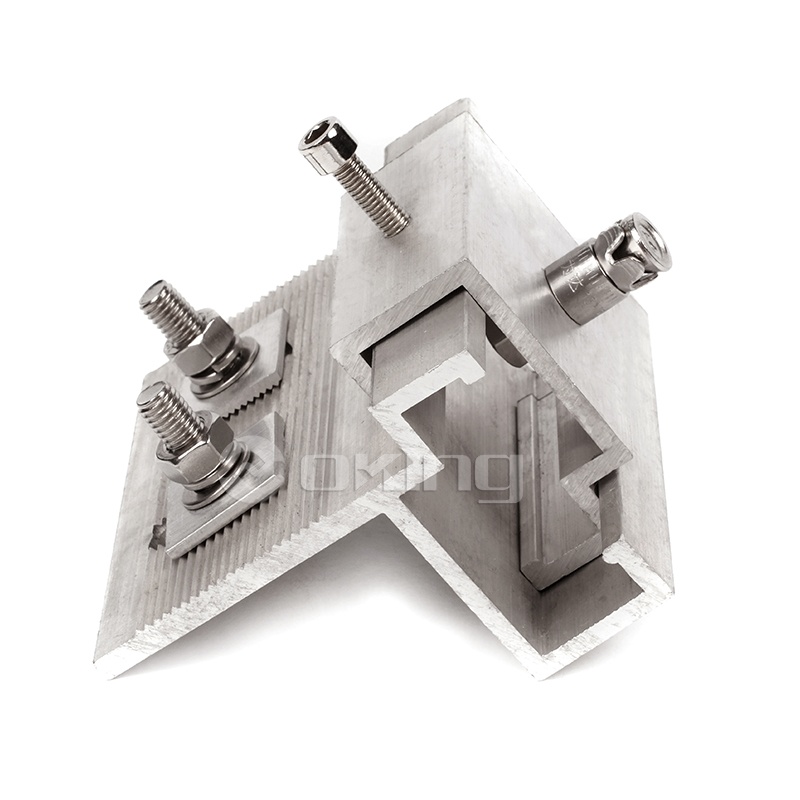
Structural failure during a fire can lead to falling debris, posing a significant risk to first responders and occupants. high performance ceramic rainscreen panels maintain their shape and mechanical properties at temperatures where metal-based composites may warp or delaminate. This stability is enhanced by the use of stainless steel rainscreen cladding fixings produced by Jiangsu Aozheng, which are engineered to resist thermal expansion and maintain the grip on the ceramic rainscreen cladding even under intense thermal flux. Recent 2025 statistics from the International Code Council (ICC) indicate that high-performance ventilated facades utilizing non-combustible ceramics reduce heat transfer to the building's structural frame by up to 30% during external fire exposure.
Source: ICC: 2024 International Building Code (IBC) - Exterior Wall Requirements
The ventilated air cavity in ceramic rainscreen cladding systems acts as a thermal buffer. Unlike direct-bonded composite systems, the rainscreen principle allows for pressure equalization and heat dissipation. When paired with aluminum alloy facade support systems from Aozheng, the system provides a robust barrier against fire transition from the exterior to the interior. The precision stamping and welding processes used in our carbon steel and alloy components ensure that the sub-frame does not fail prematurely, which is a critical factor in durable ceramic cladding for high rise buildings.
Ventilated ceramic systems provide a chimney effect for moisture but act as a heat shield during fires, whereas composite systems can sometimes trap heat behind the panels.
| System Factor | Ventilated Ceramic Rainscreen | Insulated Composite Systems |
| Heat Dissipation | High (Ventilated cavity) | Lower (Trapped heat) |
| Support Component Requirement | High-grade Stainless/Aluminum fixings | Standard adhesives or mechanical clips |
| Maintenance Lifecycle | 50+ Years (Inert material) | 20-30 Years (Polymer degradation) |
As an important supplier of building materials in China, Jiangsu Aozheng Metal Products Co., Ltd. understands that a ceramic rainscreen cladding system is only as strong as its weakest link. Our automated cutting and welding processes create high-precision stainless steel rainscreen cladding fixings that are essential for B2B procurement in high-end markets. We serve large-scale construction companies globally, ensuring that every durable ceramic cladding for high rise buildings is backed by hardware that exceeds international standards for load-bearing and fire safety.
The superior fire rating of ceramic rainscreen cladding compared to composite materials is a matter of fundamental physics and engineering. For commercial facades where life safety is non-negotiable, non combustible ceramic facade panels offer an unparalleled combination of aesthetic beauty and technical reliability. By integrating these panels with high-performance aluminum alloy facade support systems from Aozheng, architects can create resilient urban environments for the future.
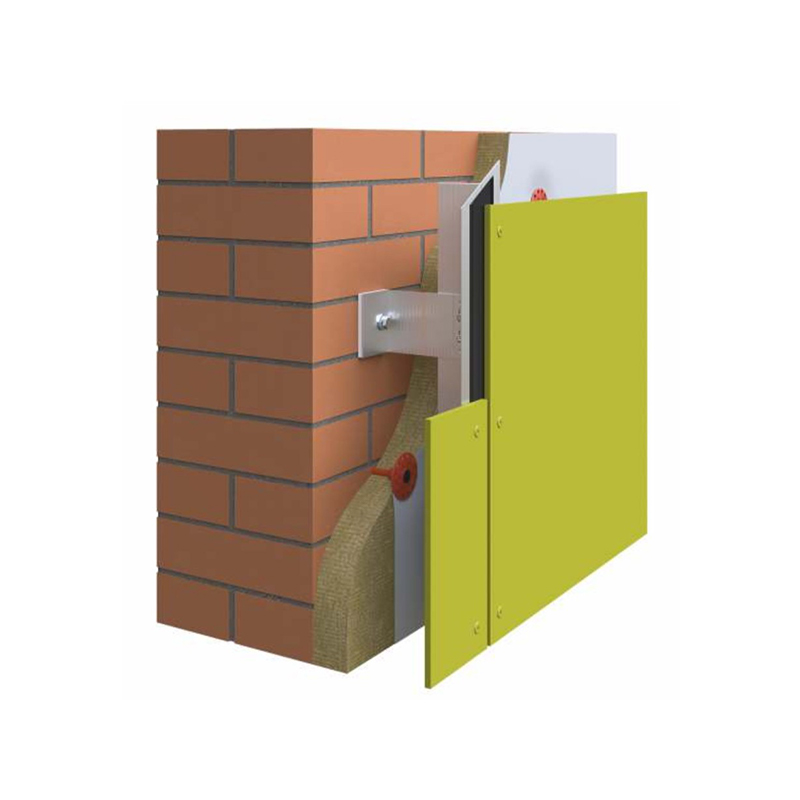
Facade System AOZ-v-100FACING MATERIAL:Fibre cement panels, HPL panels, RockPanels, asbestos cement slabs, aluminium composite panels, steel composite...
See Details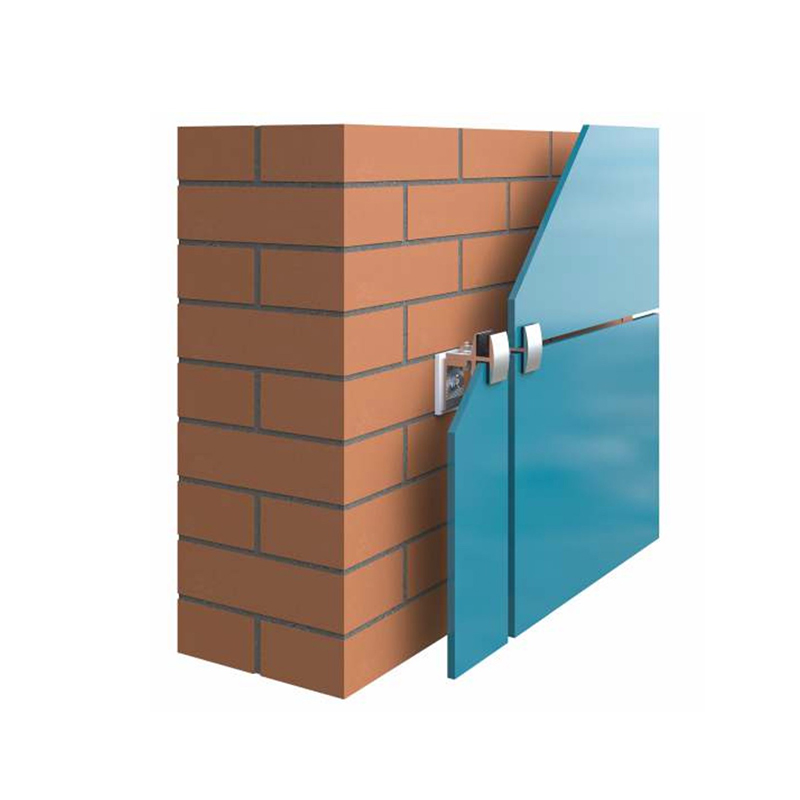
Facade System AOZ-v-300FACING MATERIAL:Tempered glass and stimulate 4 to 8 mm thickFIXING:Visible with clamps with gasketMAX FACING SIZES:1200x2000mm
See Details
L cladding system Marble clamp is an advanced stone curtain wall fixing system specially used for installing heavy stone panels such as marble. The co...
See Details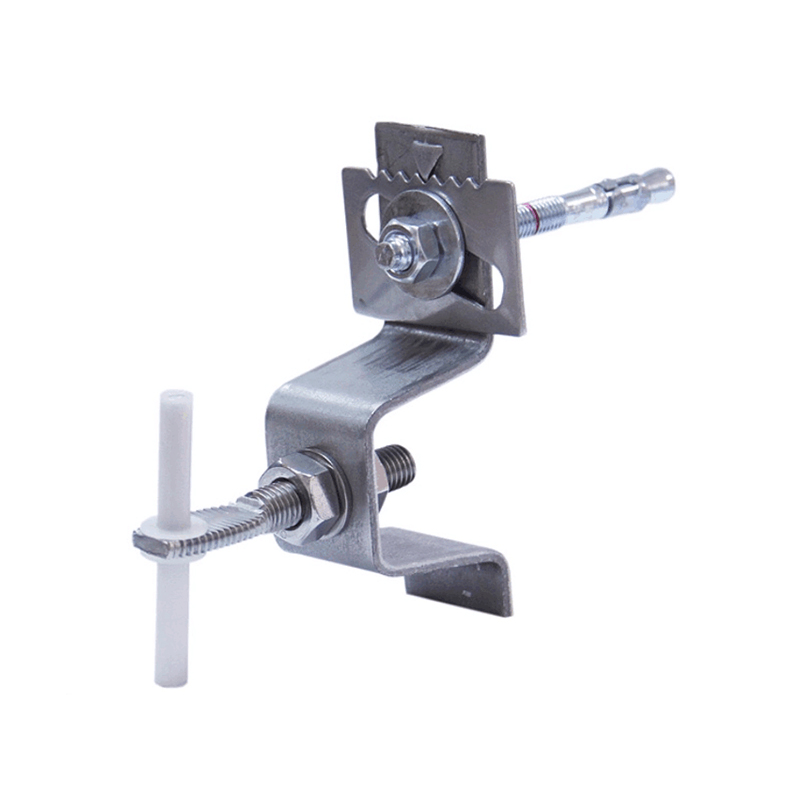
The adjustable Omega bracket is an adjustable bracket specially designed for stone cladding. The emergence of this kind of bracket has greatly improve...
See Details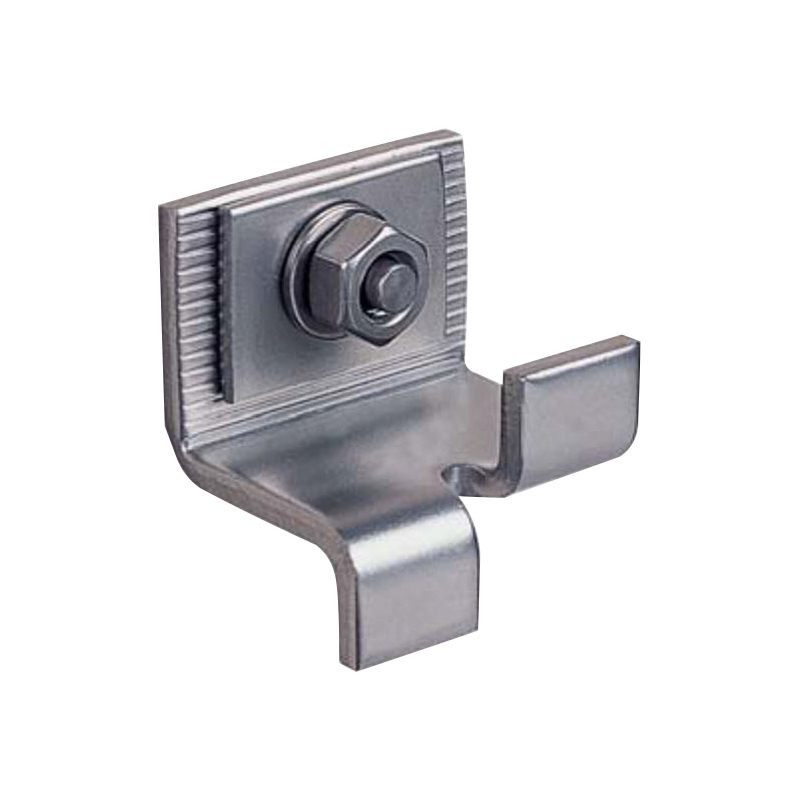
● Load bearing&restrain ● Projection sizes between 30 and 55 mm● Loadsupto400N● Suitable for horizontal joints● Stone thicknesses above 20mm● Fast...
See Details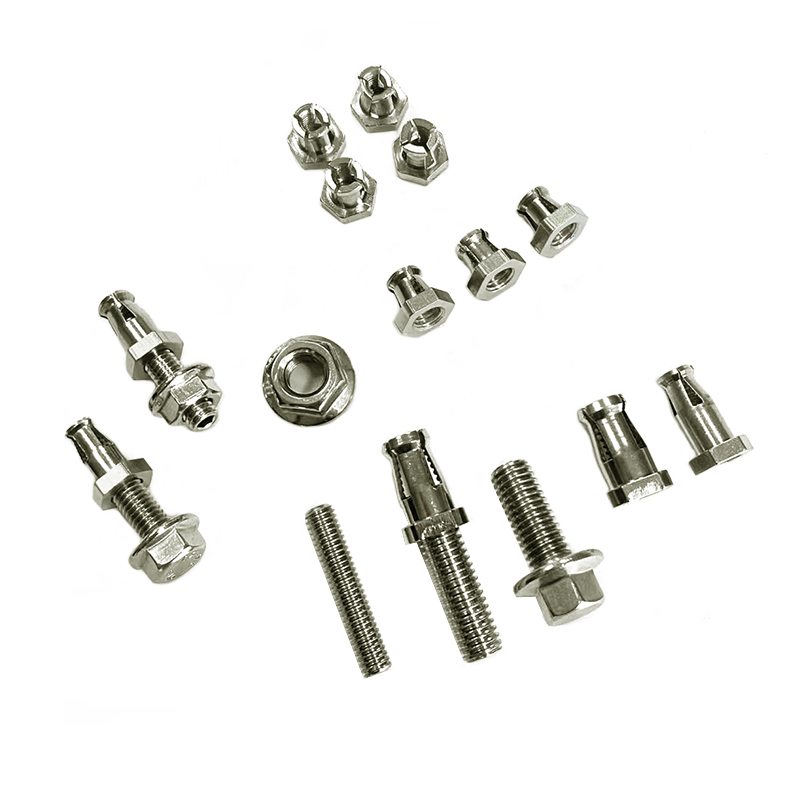
Detachable rotary back bolt anchoring material is a new kind of curtain wall, made of high-quality stainless steel material processing, according to t...
See Details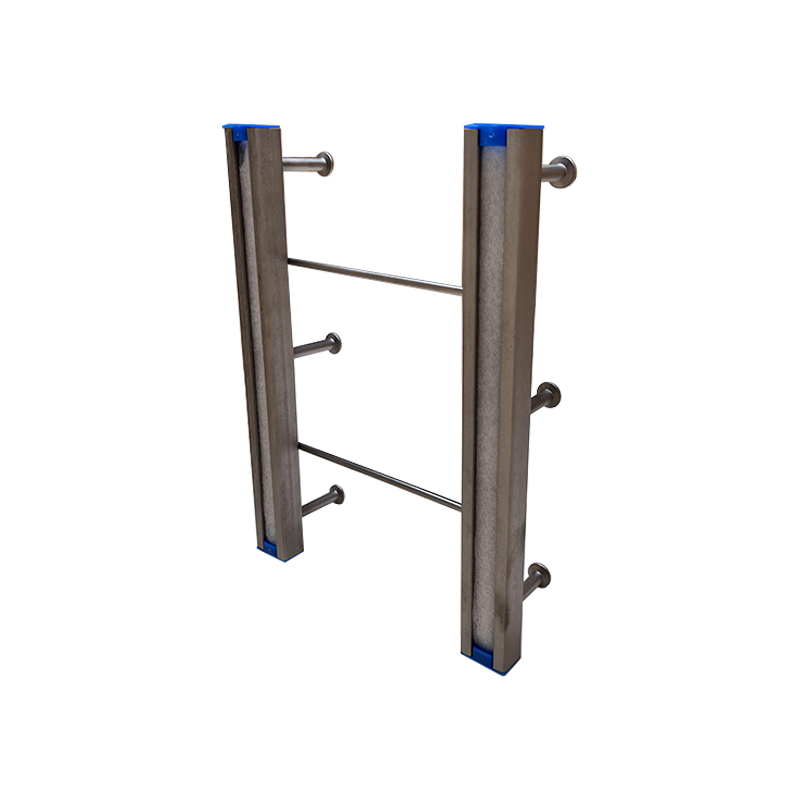
Stainless Steel Anchor Channel Pair is an important construction and engineering material popular for its corrosion resistance and high strength prope...
See Details
We will wholeheartedly provide you with high quality products, reasonable price, on-time delivery and attentive service.
Maoshan Taiwan Business Industrial Park, Dinan Town, Xinghua City, Jiangsu Province, China

+86-523-82799922

+86-15996094444

+86-523-82799933


Copyright © Jiangsu Aozheng Metal Products Co., Ltd. All Rights Reserved.
 English
 русский
 Español
 عربى
عربى

Contact Us