-
 Tel:
Tel:+86-15996094444
-
 E-mail:
INQUIRE NOW
+86-15996094444
INQUIRE NOW

Article Directory
In the architectural engineering of high-rise buildings, the facade system is the first line of defense against environmental forces. Selecting the correct cladding support brackets is not merely a matter of geometry but a complex calculation of structural integrity. Jiangsu Aozheng Metal Products Co., Ltd., a premier industry-and-trade enterprise, specializes in the R&D and manufacturing of architectural hardware using stainless steel, aluminum alloy, and carbon steel. With an annual production capacity exceeding 2,000 tons and a footprint in elite markets like Germany, Italy, and the United Kingdom, we provide high-end solutions that meet the rigorous safety demands of modern skyscrapers.
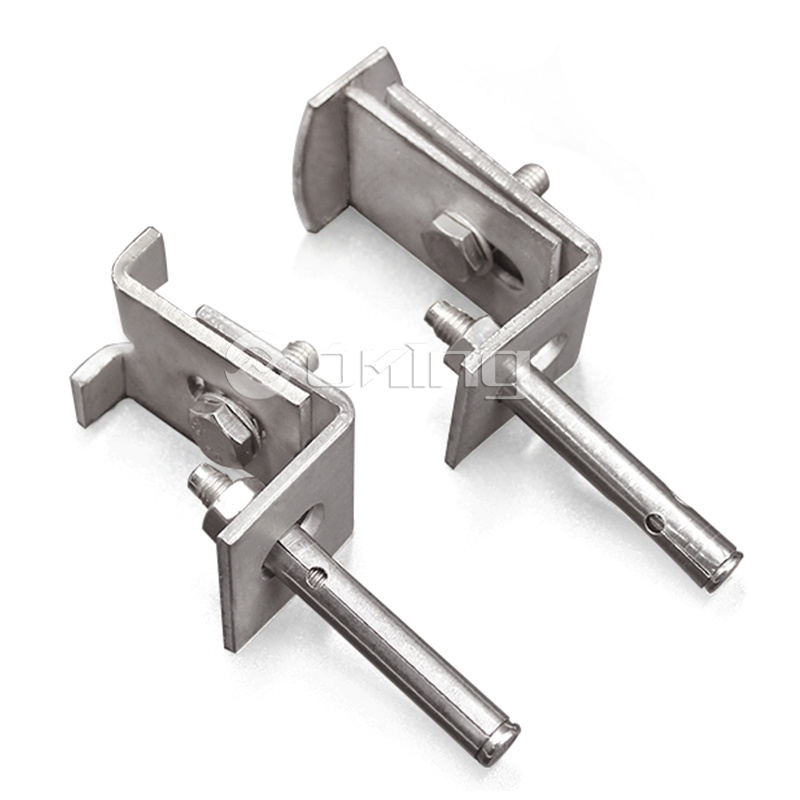
The primary function of any support system is to sustain the dead load of the exterior panels. For high-rise projects involving natural stone or heavy composite panels, stainless steel stone cladding fixings are often prioritized due to their superior tensile strength and corrosion resistance. Engineers must calculate the gravitational force per bracket, ensuring that the material does not exceed its elastic limit. Stainless steel (such as Grade 304 or 316) offers higher load-bearing capacities compared to carbon steel in thin-walled profiles, whereas aluminum alloy is preferred for lighter curtain wall systems due to its weight-to-strength ratio.
While stainless steel provides the highest ultimate tensile strength for heavy-duty applications, aluminum alloy offers significant advantages in reducing the overall building weight for mid-to-high-rise structures.
| Material Property | Stainless Steel (316) | Aluminum Alloy (6063-T6) |
| Tensile Strength (MPa) | 515 - 580 | 205 - 245 |
| Weight Density (kg/m³) | ~8,000 | ~2,700 |
| Load Application | Heavy Stone / High-Stress Joints | Lightweight Panels / Rainscreens |
Source: ISO 22111:2024 Bases for design of structures — General requirements
High-rise buildings are subject to extreme wind pressures that increase exponentially with height. The cladding support brackets must be engineered to resist both positive pressure (pushing against the building) and negative suction (pulling the panels away). To accommodate these dynamic forces, an adjustable aluminum cladding brackets system is frequently utilized, allowing for fine-tuned installation that ensures uniform distribution of wind loads across the sub-frame. Failure to account for wind-induced vibration can lead to fatigue in the metal components over time.
According to 2024 technical breakthroughs in wind-tunnel testing, modern brackets are now designed to withstand "peak suction zones" at the corners of high-rise buildings, where wind speeds can be 1.5 to 2 times higher than on flat surfaces.
Source: ASCE 7-22 Minimum Design Loads and Associated Criteria for Buildings (2024 Supplement)
In high-performance building envelopes, the thermal efficiency of the support system is critical. Metal brackets often act as thermal bridges, transferring heat out of the building. To combat this, a thermally broken cladding support system incorporates insulating spacers to decouple the bracket from the building's primary structure. Furthermore, the heavy duty facade support brackets must allow for linear thermal expansion of the cladding panels. Without this flexibility, the resulting internal stress could cause the panels to crack or the brackets to shear.
In contrast to rigid carbon steel fixings, a cladding bracket with thermal break significantly improves the U-value of the wall assembly, reducing condensation risks and energy consumption.
| Thermal Strategy | Standard Metallic Bracket | Thermally Broken Bracket |
| Heat Conductivity | High (Significant Energy Loss) | Low (Optimized Insulation) |
| Condensation Risk | Moderate to High | Minimal |
| System Compliance | Standard Codes | Passive House / LEED Platinum |
For projects in seismic zones, cladding support brackets must allow for inter-story drift—the movement between floors during an earthquake. This requires a system that supports movement in three axes without losing its load-bearing capacity. Jiangsu Aozheng Metal Products Co., Ltd. utilizes advanced automated cutting and welding processes to manufacture brackets that provide the necessary tolerances for seismic safety while maintaining the precision required for high-end aesthetics.
Industry standards for 2025 emphasize that the "ductility" of the bracket material is just as important as its hardness, ensuring the system deforms safely rather than snapping under sudden impact.
Source: EAD 090062-00-0404: 2024 Kits for External Wall Claddings
The selection of cladding support brackets for high-rise projects is a high-stakes engineering decision. From managing the dead load with stainless steel stone cladding fixings to neutralizing wind suction with adjustable aluminum cladding brackets, every detail counts. As an important supplier of building materials in China and the Middle East, Aozheng Metal Products is committed to providing large construction companies and world-class architectural teams with the specialized hardware they need for sustainable, safe, and beautiful facades.
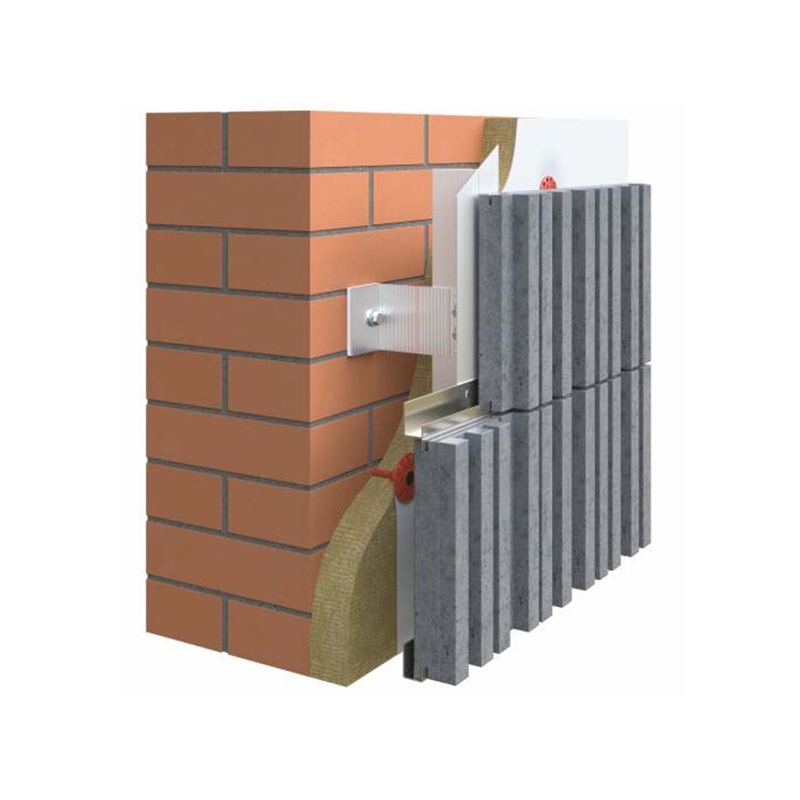
Facade System AOZ-v-20FACING MATERIAL:Textured glass fiber reinforced concrete slabs, artificial stone slabs, natural stone slabs (medium hard rocks, ...
See Details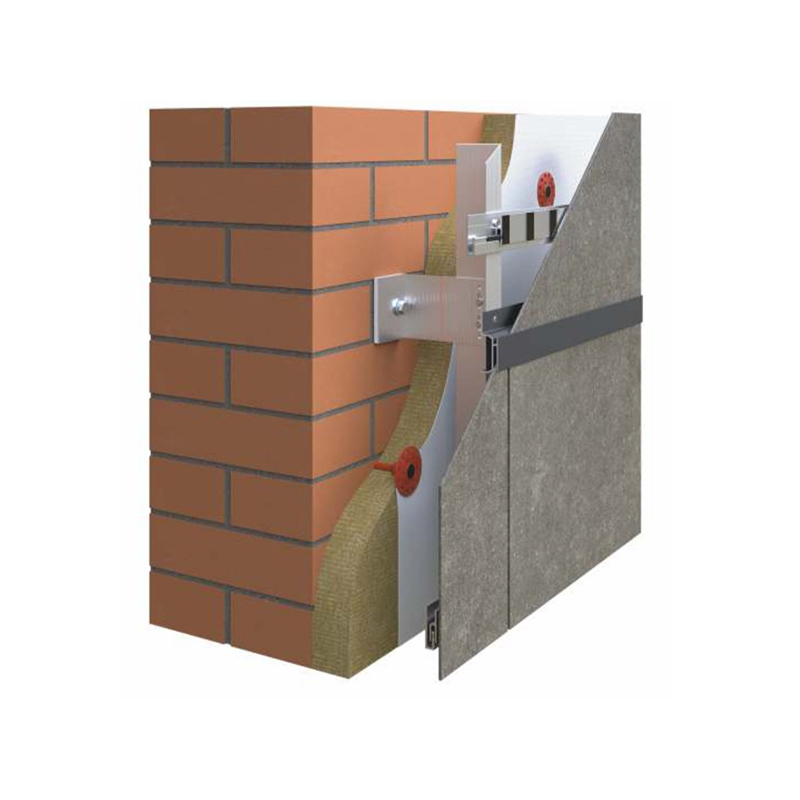
Facade System AOZ-v-300FACING MATERIAL:Large-sized porcelain stoneware tiles 3 to 6 mm thickFIXING:Mixed: visible with mechanically mounted painted ho...
See Details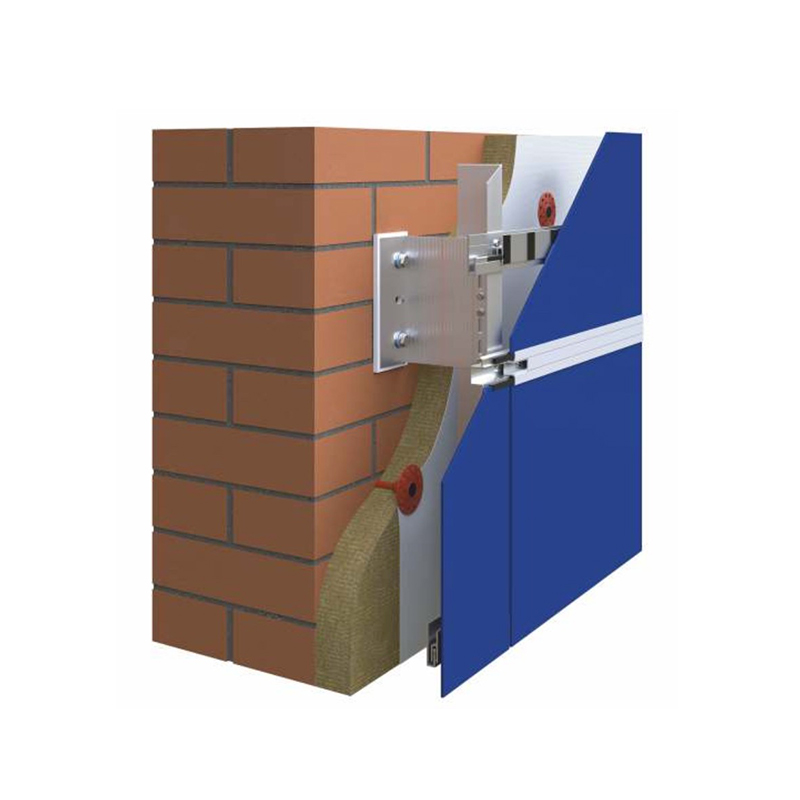
Facade System A0Z-v-300FACING MATERIAL:Tempered glass and stimulate 4 to 8 mm thickFIXING:Mixed: visible with mechanically mounted three-part horizont...
See Details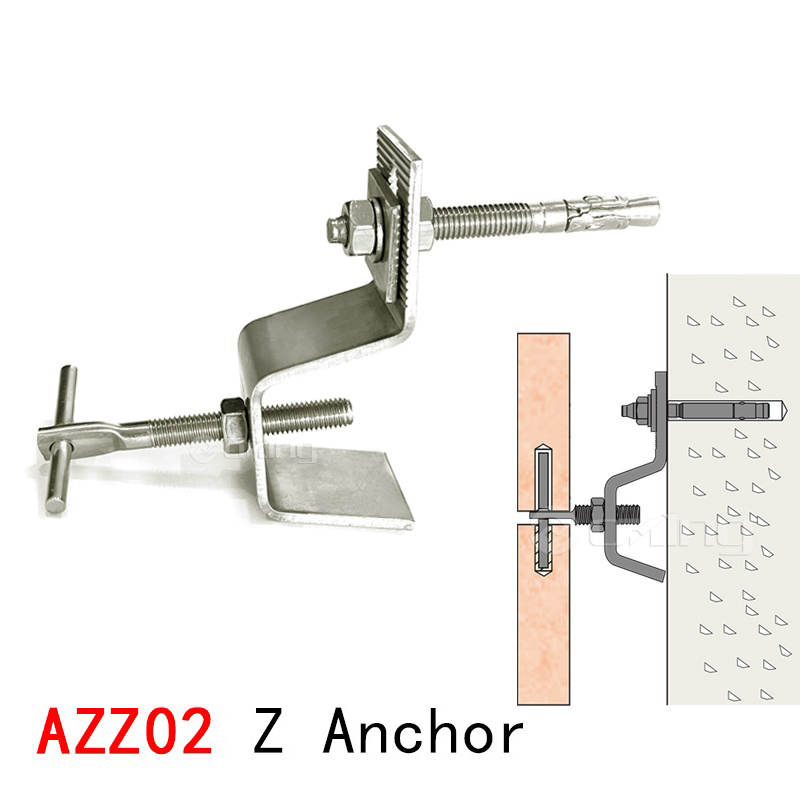
● Material : Stainless Steel 1.4301 [A2) & 1.4401 [A4]● The table above is prepared according to LGA test results● Loads stated are characteristic...
See Details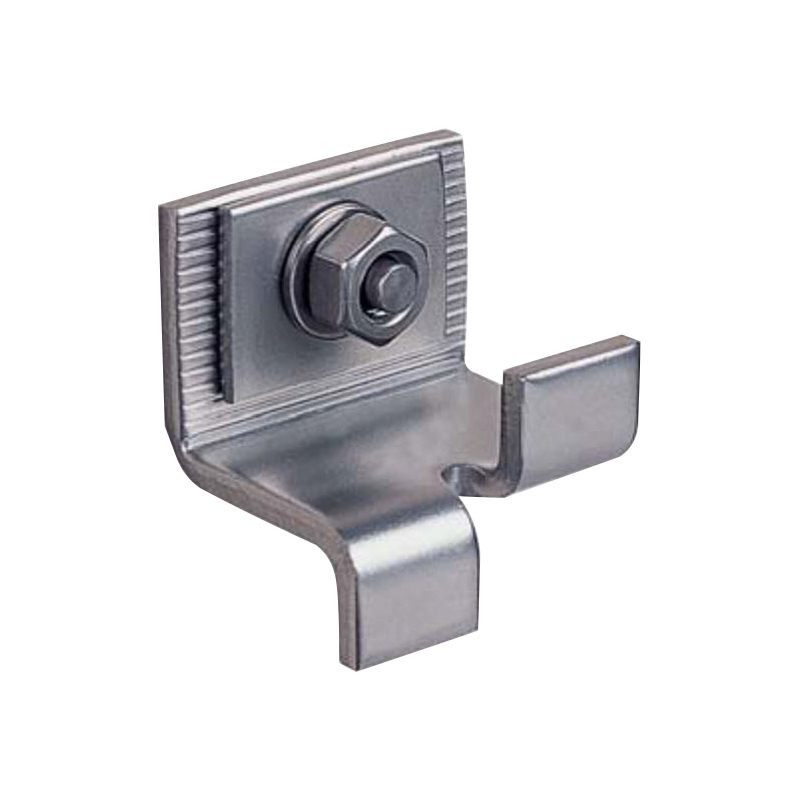
● Load bearing&restrain ● Projection sizes between 30 and 55 mm● Loadsupto400N● Suitable for horizontal joints● Stone thicknesses above 20mm● Fast...
See Details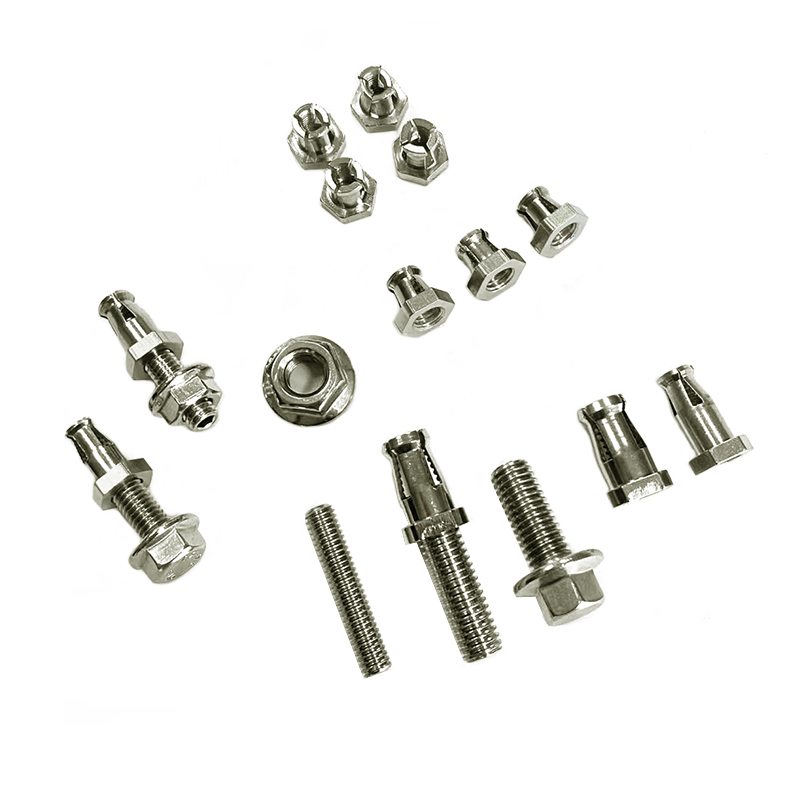
Detachable rotary back bolt anchoring material is a new kind of curtain wall, made of high-quality stainless steel material processing, according to t...
See Details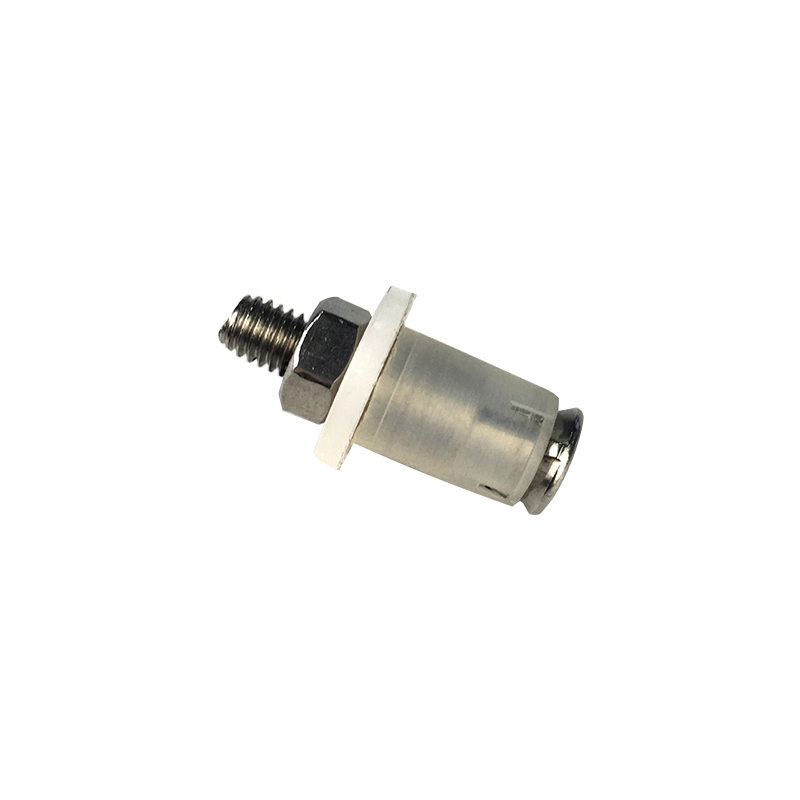
This product is composed of a conical screw, expanded cannulas, an aseismic cover and liner, and a hexagon nut, and fixed without expansion force by b...
See Details
We will wholeheartedly provide you with high quality products, reasonable price, on-time delivery and attentive service.
Maoshan Taiwan Business Industrial Park, Dinan Town, Xinghua City, Jiangsu Province, China

+86-523-82799922

+86-15996094444

+86-523-82799933


Copyright © Jiangsu Aozheng Metal Products Co., Ltd. All Rights Reserved.
 English
 русский
 Español
 عربى
عربى

Contact Us