-
 Tel:
Tel:+86-15996094444
-
 E-mail:
INQUIRE NOW
+86-15996094444
INQUIRE NOW

Article Directory
In modern high-rise architecture, the building envelope must withstand extreme wind loads and relentless driving rain. The transition toward a Terracotta Facade System represents a shift from "barrier-wall" logic to "moisture-management" engineering. By utilizing the rainscreen principle, these systems do not attempt to be perfectly watertight but rather manage water through pressure equalization and ventilation. Jiangsu Aozheng Metal Products Co., Ltd., an industry leader in stainless steel and aluminum alloy architectural hardware, provides the specialized aluminum support systems for terracotta facade that make these high-precision envelopes possible for global construction projects.
The core of a high-performance Terracotta Facade System is the Pressure-Equalized Rainscreen. This implements a three-tier defense: an outer rainscreen panel, a ventilated air cavity, and an inner air barrier. When wind strikes the facade, air enters the cavity through joints, equalizing the pressure between the exterior and the interior cavity. This eliminates the pressure differential—the primary force that "sucks" rainwater into a building. According to the 2024-2025 technical bulletins from the Center for Window and Cladding Technology (CWCT), properly designed ventilated cavities can reduce moisture infiltration by up to 90% in coastal high-rise structures.
Source: CWCT Technical Guidance: Principles of Rainscreen Design
For the PER principle to function, the terracotta rainscreen cladding system components must include specifically engineered clips, gaskets, and baffles. Unlike standard cladding, these components are designed to allow air movement while blocking the direct path of water droplets. While traditional masonry relies on thick sealant joints that eventually fail, a rainscreen uses open or labyrinth joints to manage kinetics.
Barrier walls rely on perfection in sealant application, whereas rainscreen systems accept water entry and manage its drainage. Rainscreens offer significantly higher longevity by allowing the structure to "breathe" and dry out via convection.
| Feature | Traditional Barrier Wall | Integrated Terracotta Rainscreen |
| Moisture Management | Sealant-dependent; traps moisture if breached. | Ventilated cavity; drains and evaporates water. |
| Maintenance Need | High; sealant must be replaced every 5-10 years. | Low; dry-joint system reduces degradation. |
| Wind Load Handling | Puts full pressure on the sealant joint. | Equalized pressure reduces load on inner barrier. |
For high-rise buildings, the weight of the terracotta must be transferred safely to the building structure through custom terracotta facade system engineering. This involves high-strength brackets and rails produced using automated cutting and welding processes. Jiangsu Aozheng Metal Products Co., Ltd. produces over 2,000 tons of such architectural hardware annually, ensuring that the aluminum support systems for terracotta facade meet the rigorous seismic and wind-load standards of the Middle East, Europe, and North America.
Precision in terracotta facade panels installation details is non-negotiable for skyscrapers. The alignment of horizontal and vertical rails must account for thermal expansion and contraction. Recent 2025 industry statistics from the International Federation for the Roofing Trade (IFD) suggest that modular, pre-engineered mounting brackets can reduce on-site installation errors by 25% compared to traditional field-fabricated supports.
Beyond moisture prevention, sustainable terracotta facade design for skyscrapers provides an effective thermal buffer. The moving air in the cavity acts as an insulator, reducing the heat transfer into the building interior. This synergy of natural clay and metallic hardware creates an envelope that is both durable and energy-efficient.
Ventilated systems provide a thermal chimney effect that reduces cooling loads in summer, whereas non-ventilated systems can lead to heat accumulation within the wall assembly.
| Metric | Non-Ventilated Cladding | Ventilated Terracotta Rainscreen |
| Thermal Bridging Risk | Higher through direct contact. | Minimized by air cavity separation. |
| Wall Temp (Summer) | Can reach 60°C+ directly. | Moderated by constant air flow. |
As a specialized manufacturer, Jiangsu Aozheng emphasizes that the integrity of a Terracotta Facade System is only as strong as its metal substructure. Our use of stainless steel and high-grade aluminum ensures that the custom terracotta facade system engineering accounts for corrosion resistance, which is vital for maintaining the rainscreen's air barrier and drainage path over a 50-year building lifecycle.
Implementing the rainscreen principle in high-rise buildings is the most effective way to prevent moisture-related structural damage. By combining high-quality terracotta facade panels installation details with robust aluminum support systems for terracotta facade, developers can ensure a moisture-proof, durable, and aesthetically superior building envelope. Jiangsu Aozheng Metal Products Co., Ltd. remains committed to providing the world-class architectural hardware necessary to support China's and the world's most iconic high-rise projects.
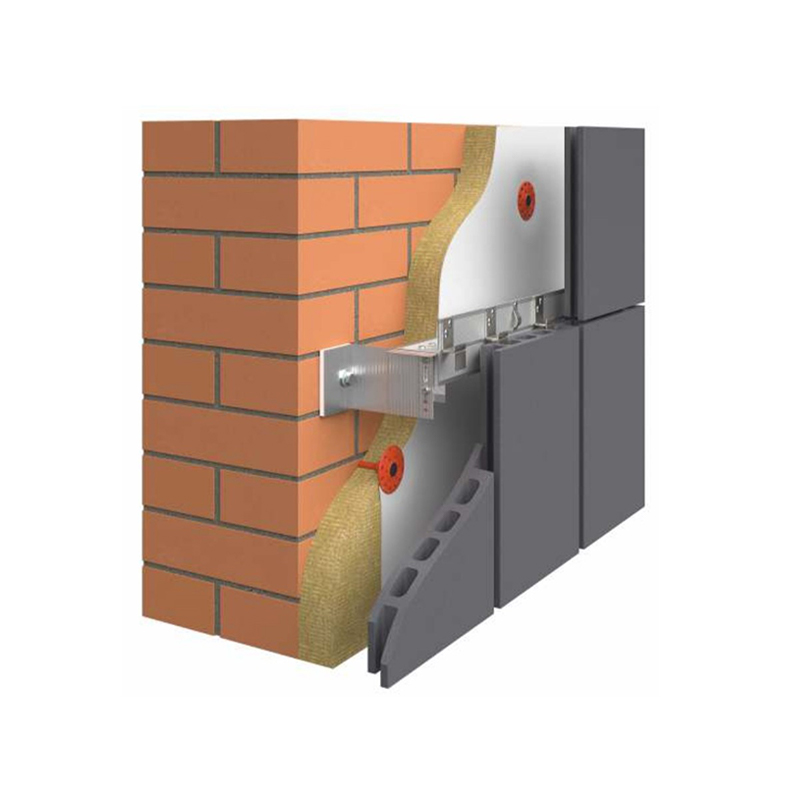
Facade System AOZ-v-20FACING MATERIAL:Natural stone slabs (medium hard rocks, hard rocks), agglomerate granite composite slabsFIXING:Concealed mountin...
See Details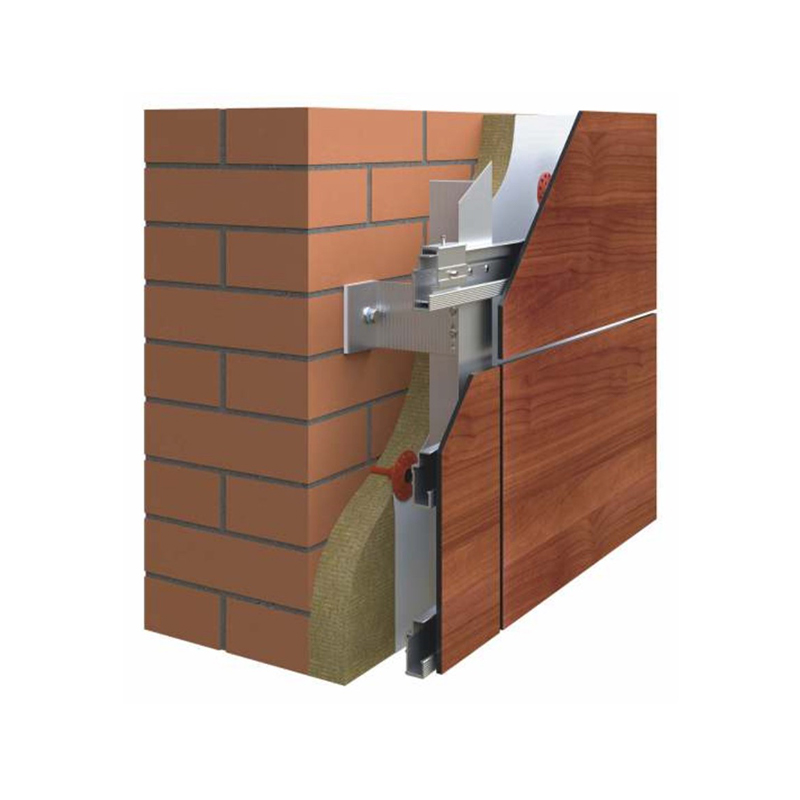
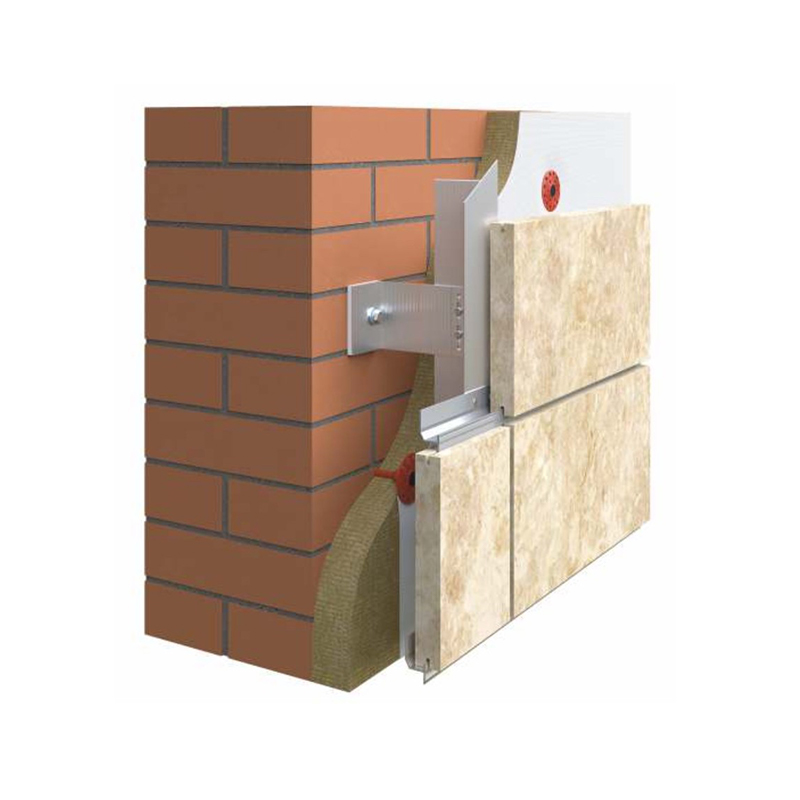
Facade System A0Z-v-20FACING MATERIAL:Fiber cement panels, RockPanels, HPL panelsFIXING:concealed with KEIL anchors, TRAG profile, and hangersMAX FACI...
See Details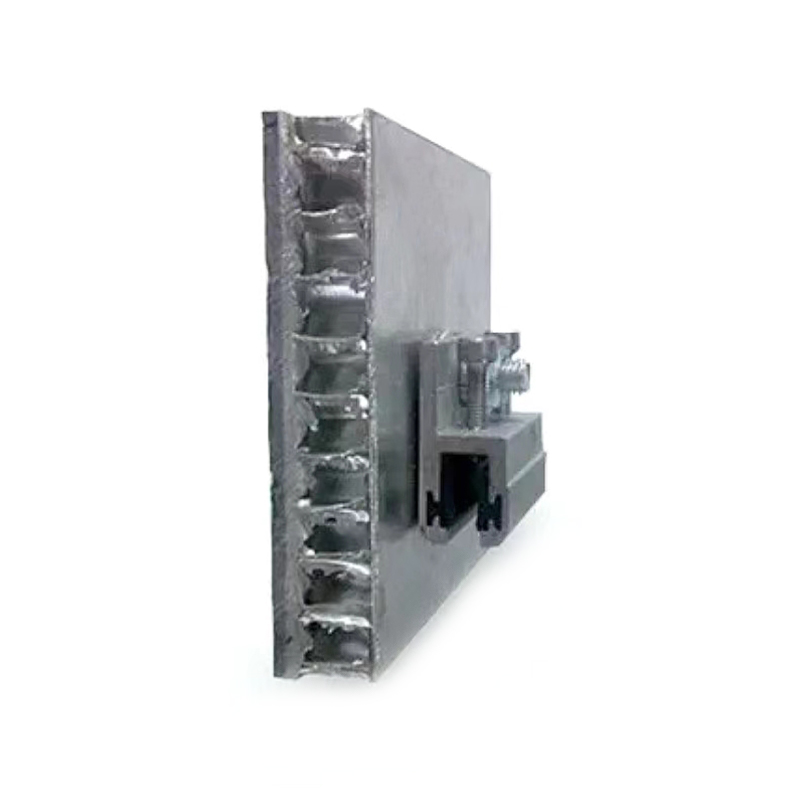
The honeycomb panel pendant mainly consists of the following accessories:Pendant body: This is the core part of the pendant, which is usually made of ...
See Details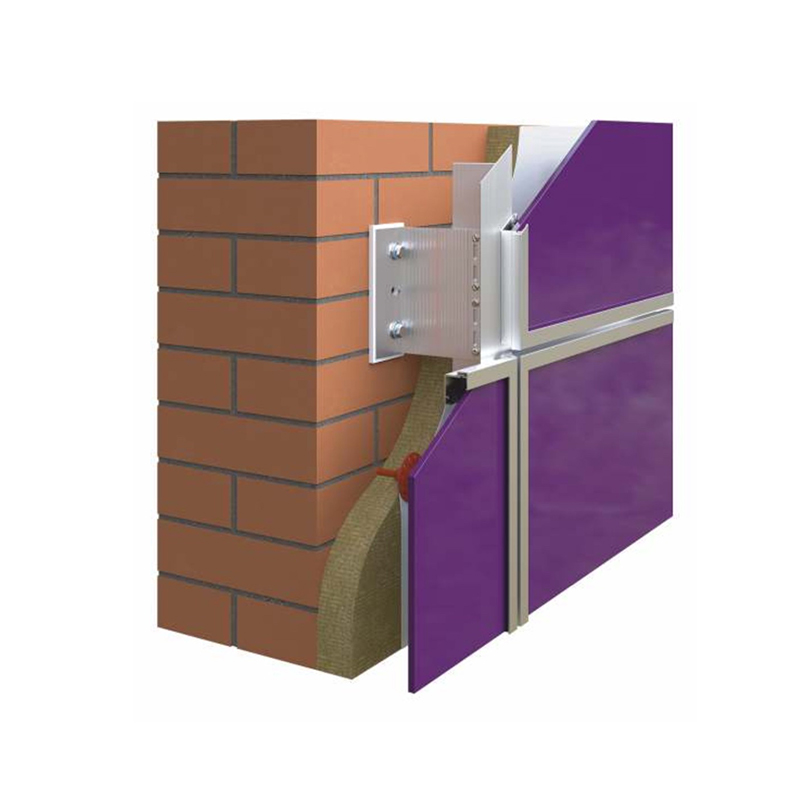
Facade System A0Z-v-300FACING MATERIAL:Tempered glass and stimulate 4 to 8 mm thickFIXING:Visible in framed profile with staple and gasketMAX FACING S...
See Details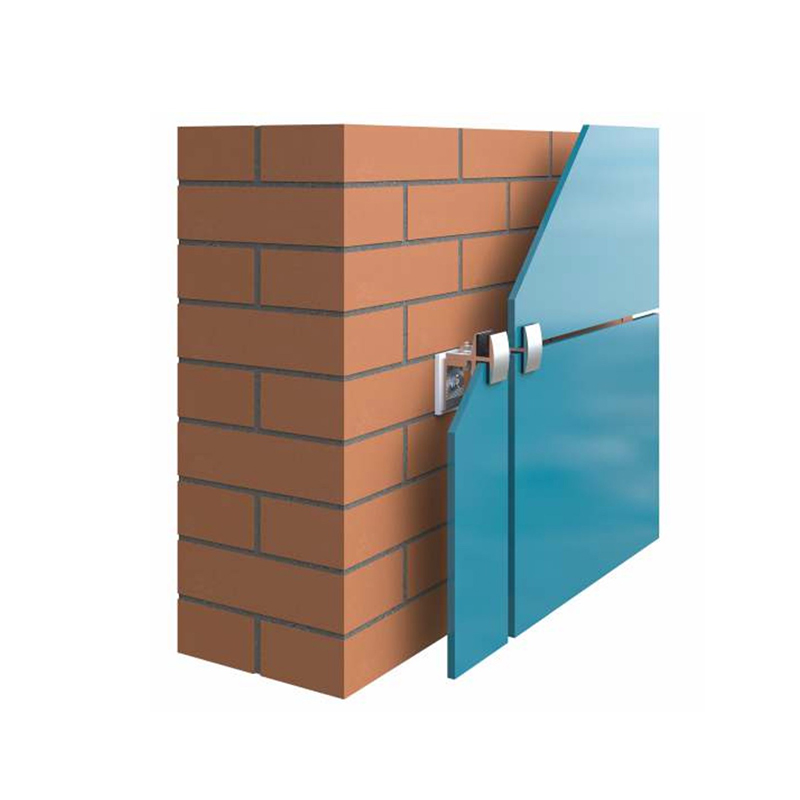
Facade System AOZ-v-300FACING MATERIAL:Tempered glass and stimulate 4 to 8 mm thickFIXING:Visible with clamps with gasketMAX FACING SIZES:1200x2000mm
See Details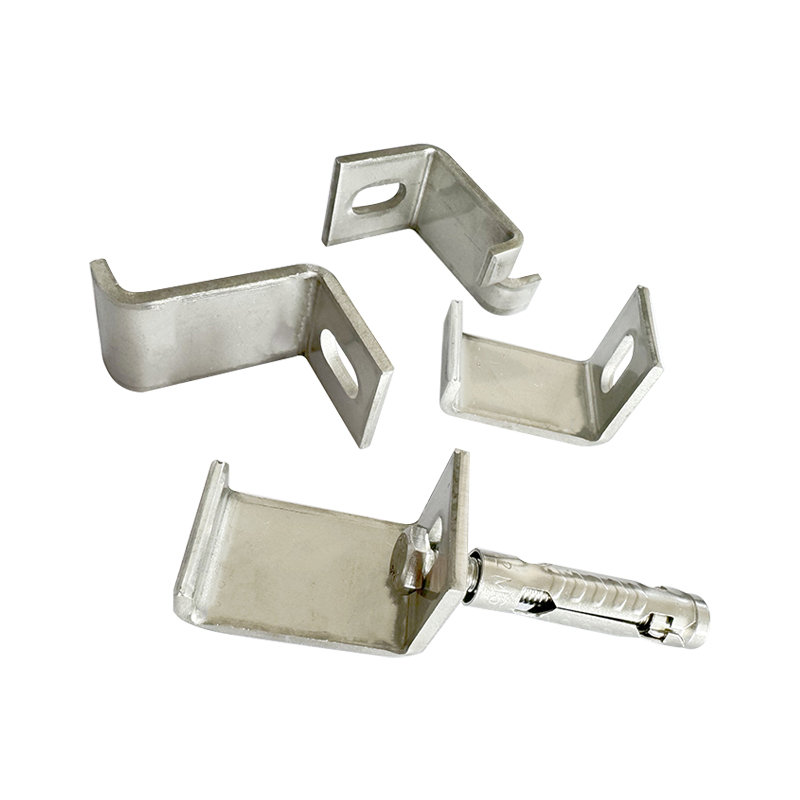
The stainless steel dry-hanging upper bracket is a support component specially designed for dry-hanging installation. Its performance and durability m...
See Details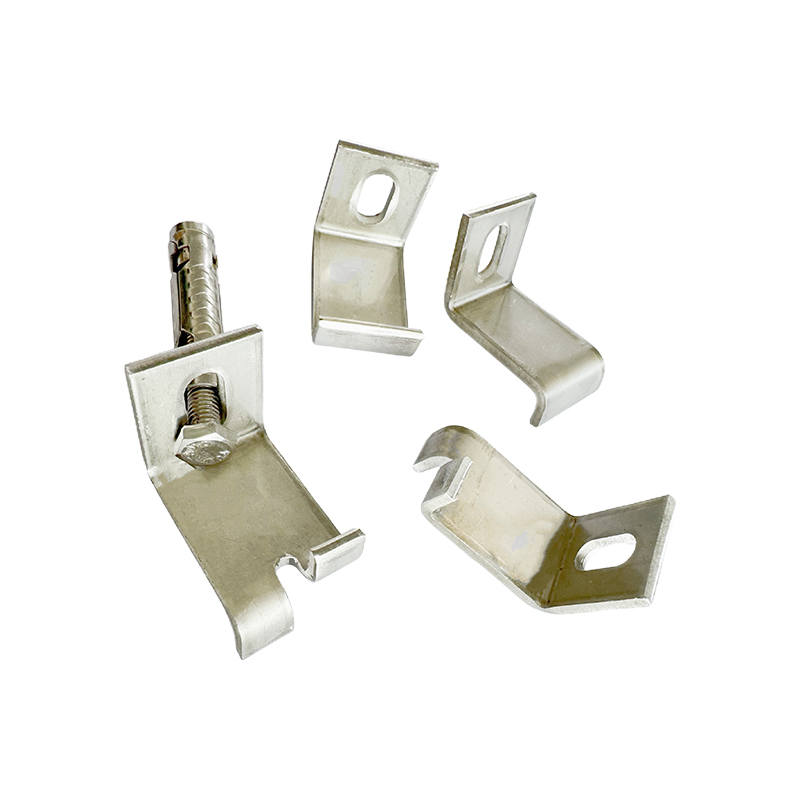
The Stone Fixing Cladding Metal Down Anchor Bracket is a precision-engineered structural component designed for the secure secondary support of natura...
See Details
We will wholeheartedly provide you with high quality products, reasonable price, on-time delivery and attentive service.
Maoshan Taiwan Business Industrial Park, Dinan Town, Xinghua City, Jiangsu Province, China

+86-523-82799922

+86-15996094444

+86-523-82799933


Copyright © Jiangsu Aozheng Metal Products Co., Ltd. All Rights Reserved.
 English
 русский
 Español
 عربى
عربى

Contact Us