 English
 русский
 Español
 عربى
عربى

New standard for building connections: advantages and applications of threaded anchor bolts
Screw-in undercut anchors are a sophisticated and reliable fastening solution, ...

+86-15996094444

INQUIRE NOW

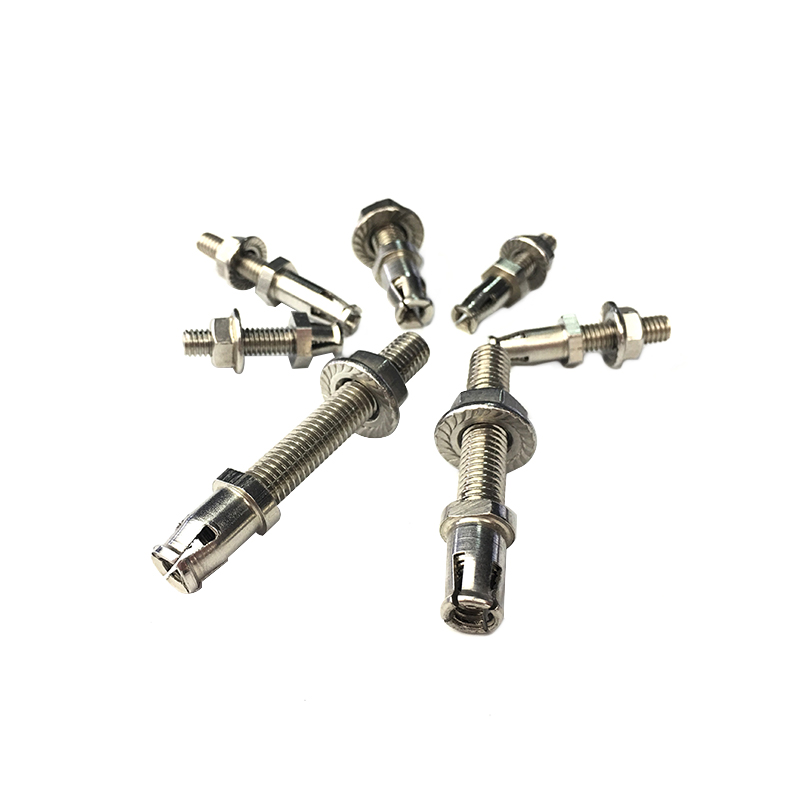
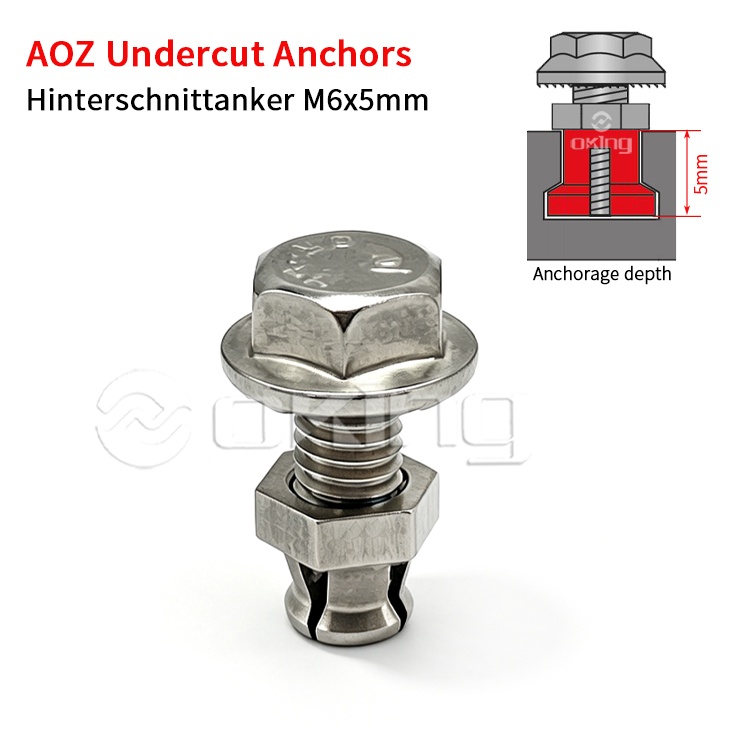
Screw-in-undercut is a type of fastener commonly used to secure objects to concrete, masonry, or other thin panel. It is designed to provide reliable and strong anchoring in applications where high load-bearing capacity is required. During installation, the anchor is inserted into a pre-drilled hole in the material. As the anchor screwed into the hole, the tapered end forces the material to expand, creating a tight fit. The undercuts or grooves on the anchor engage with the material, preventing the anchor from rotating or pulling out.
Screw-in undercut anchors are a sophisticated and reliable fastening solution, ...
Screw-in undercut anchors are a sophisticated and reliable fastening solution, ...
Detachable rotary back bolt anchoring material is a new kind of curtain wall, ma...
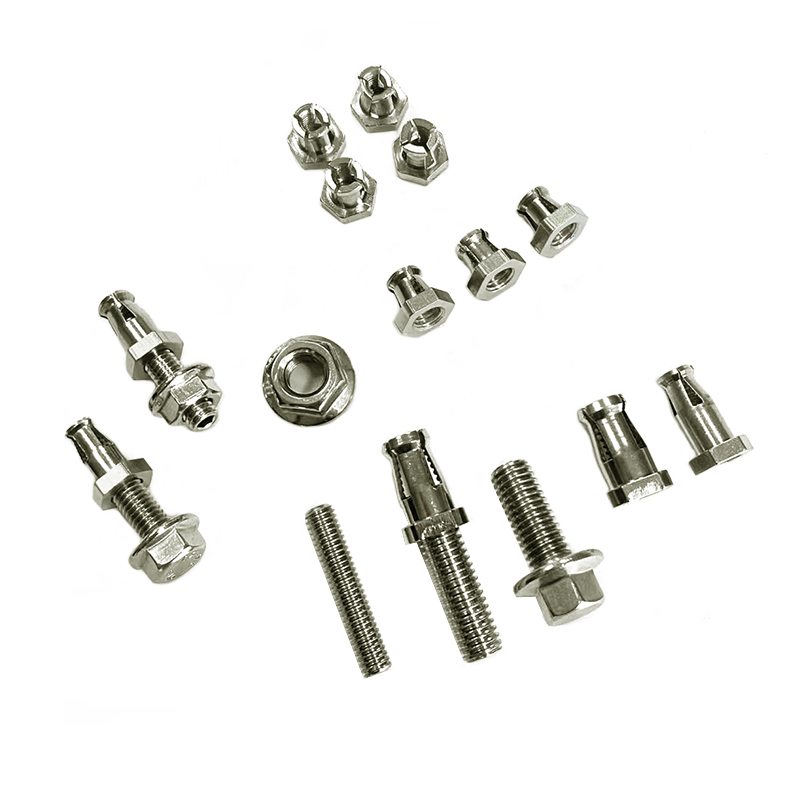
Detachable rotary back bolt anchoring material is a new kind of curtain wall, ma...
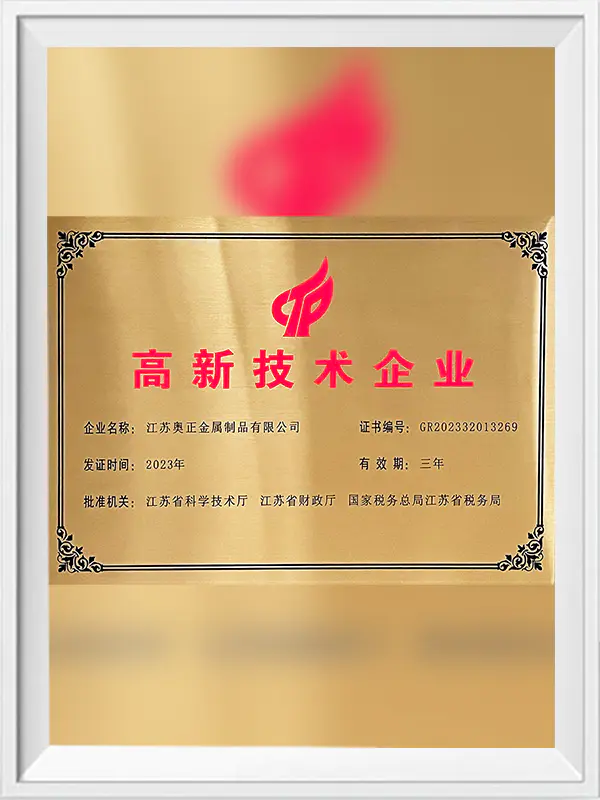
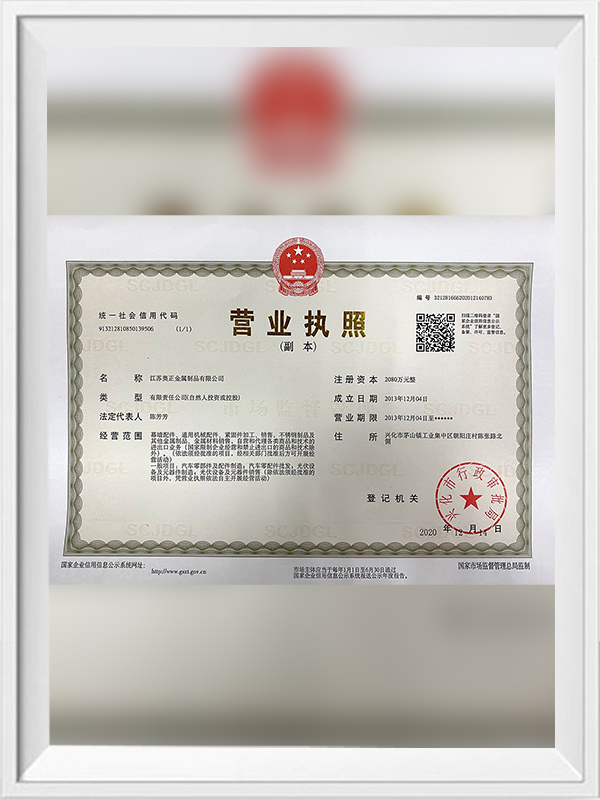
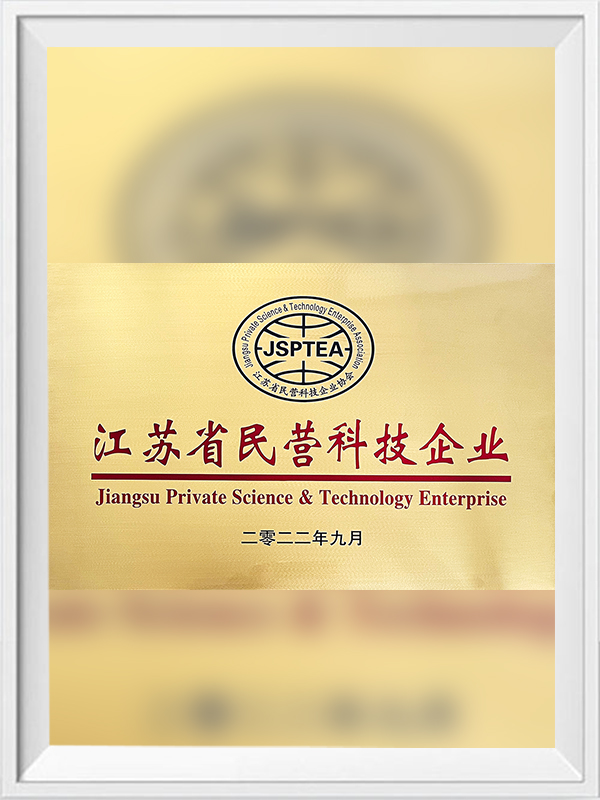
Jiangsu Aozheng Metal Products Co., Ltd. is a professional industry and trade integrated enterprise, with a modern production plant covering an area of 32,000 square meters. We specialize in the R&D, production and supply of a full range of high-quality construction hardware products. Our core product portfolio includes exterior wall cladding fixing system brackets, C channels, seismic support brackets, anchor bolts, cast-in channels, concrete embedded parts and photovoltaic bracket clamps, which cater to various customized construction and engineering installation requirements. Our products are manufactured from premium raw materials including stainless steel, aluminum alloy, carbon steel and low alloy steel. Equipped with advanced industrial production technologies, we adopt automated cutting, extrusion, stamping, welding, CNC machining and laser processing craftsmanship. Strict standardized production and precise processing procedures are implemented throughout production to ensure stable, reliable and high-standard product quality. Integrating raw material forming and mechanical processing, our factory operates as a large-scale, diversified and professional manufacturing base for construction hardware. Upholding strict quality standards and high-end global market positioning, we achieve an annual production capacity of 8,000 tons of diverse building materials. Our products are widely exported to dozens of countries and regions across the globe, covering the United States, Germany, Italy, Belgium, the United Kingdom, Japan, Australia, Canada, Russia, Central Asia and the Middle East. We have established long-term, stable and strategic cooperative relationships with large construction enterprises and renowned engineering teams worldwide. Supported by superior product quality and professional all-round services, we have become a core and trusted building material supplier for our global partners in China.


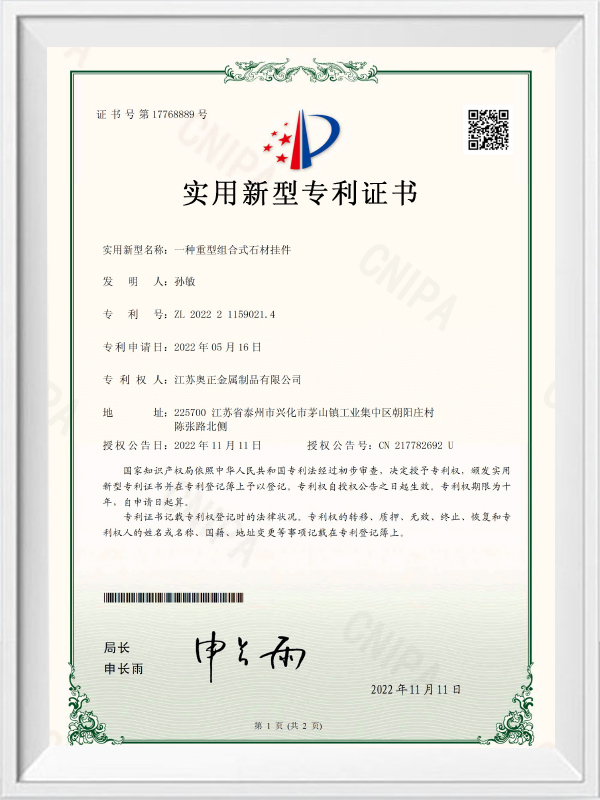
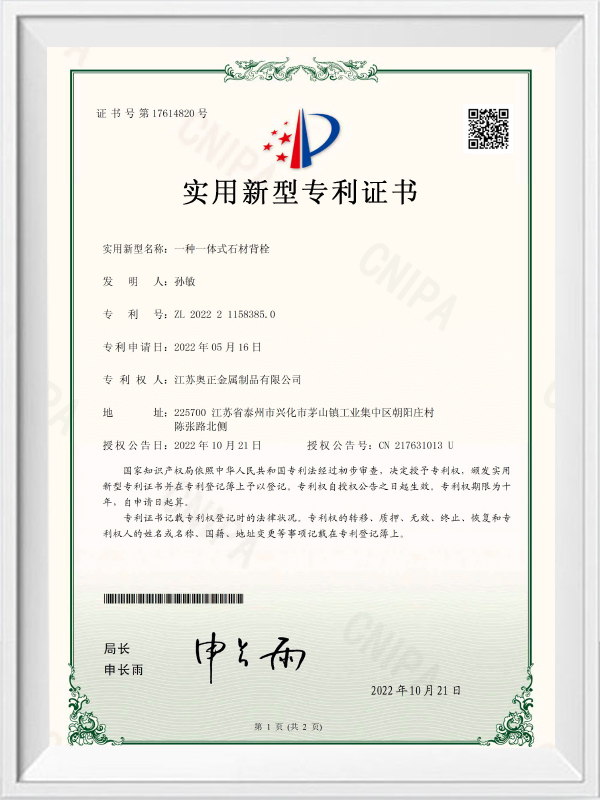
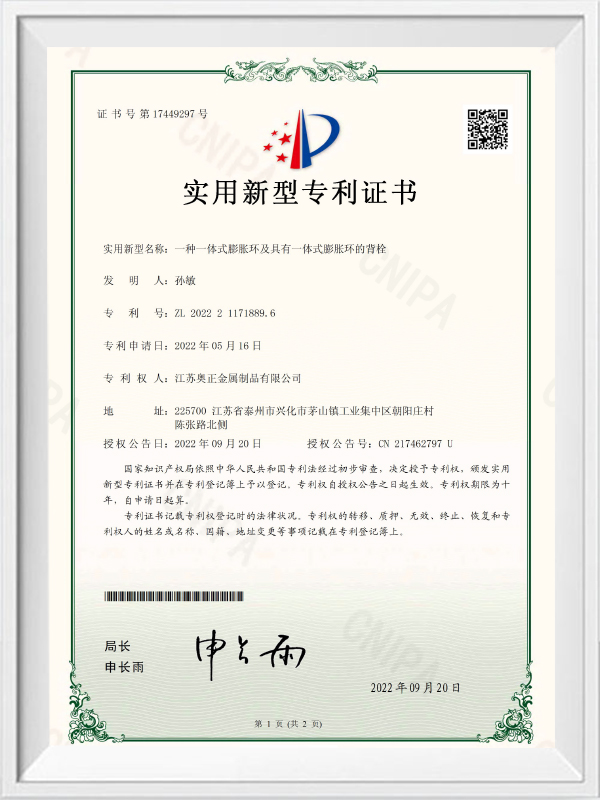
A facade contractor on the Gulf Coast recently asked us why a granite rainscreen and a marble lobby wall could not share the same fixing hardware. T...
READ MOREOn a hotel construction site in Dubai, a 2.4-metre granite panel weighing just over 200 kilogrammes is tilted into its final position. The only thin...
READ MOREStone cladding rarely fails because the slab itself gives way. In a ventilated facade, the granite or marble panel is often the strongest link; the w...
READ MOREA 30 mm granite panel on a commercial tower weighs roughly 80 kg per square meter. On a 10,000-square-meter facade, that is about 800 tonnes of stone...
READ MOREA 60-meter commercial tower on a coastal site was specified with 30 mm granite panels, but nobody reviewed the bracket system before fabrication. Wit...
READ MOREAs a Screw-In-Undercut Anchor Manufacturers, we match product configuration to the application, operating limits, interfaces and acceptance criteria defined for each project.
Jiangsu Aozheng Metal Products Co., Ltd. is a professional manufacturer of screw-in undercut anchors, part of our comprehensive Undercut Anchoring System. Our factory in Xinghua, Jiangsu, integrates raw material forming and CNC machining to produce anchors that deliver reliable, high-load fixings for natural stone cladding, precast concrete panels, and thin masonry. With an annual capacity of 8,000 tons, we supply project-specific configurations to construction teams and distributors worldwide.
Our screw-in undercut anchors are engineered for applications where conventional expansion anchors cannot deliver the required pull-out resistance or where panel thickness limits drilling depth. The undercut principle—where the anchor expands into a precisely drilled recess—provides a positive mechanical interlock that resists both static and dynamic loads. As a Screw-In-Undercut Anchor manufacturer, we control the entire production process, from material selection to final inspection, ensuring consistent geometry and performance.
We supply screw-in undercut anchors in a range of sizes and materials to match the substrate and load requirements of your project. The anchor is installed by screwing it into a pre-drilled cylindrical hole; the tapered end forces the base material to deform, creating an undercut that locks the anchor in place. This design is particularly suited for:
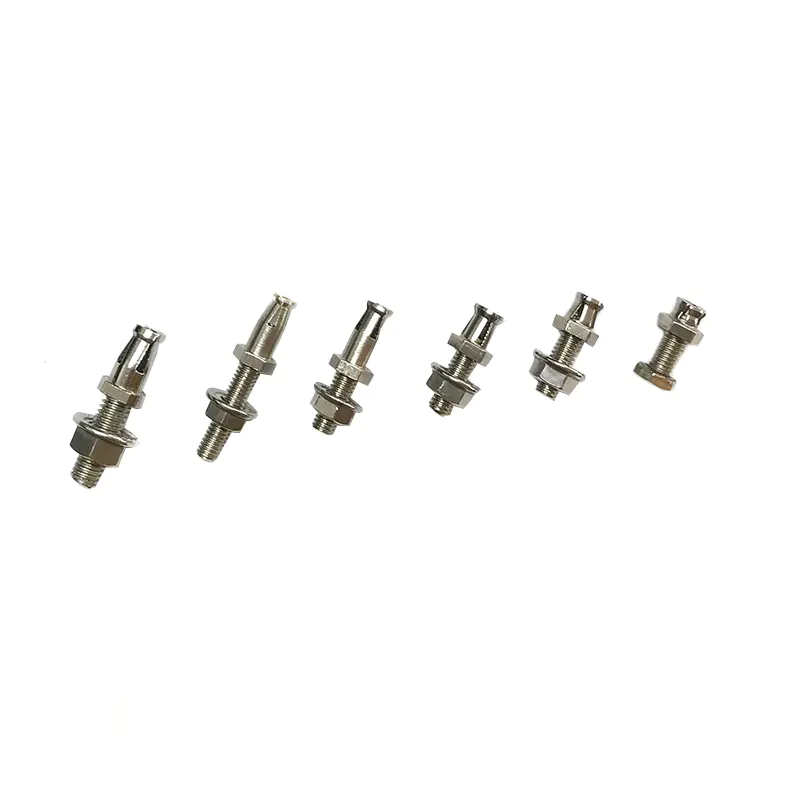
Our range includes standard M6, M8, M10, and M12 sizes, with custom lengths and head styles available. For larger panels, we offer an undercut anchor system solution that distributes loads across multiple anchors, reducing edge distance requirements and improving overall stability.
| Parameter | Standard Options | Custom Options |
|---|---|---|
| Material | Stainless steel 304/316 | Carbon steel with hot-dip galvanizing |
| Thread size | M6, M8, M10, M12 | M5 to M20 |
| Head type | Countersunk, hex | Custom per drawing |
| Finish | Plain, passivated | Zinc plating, PTFE coating |
We manufacture screw-in undercut anchors using automated cutting, CNC machining, and laser processing. Each batch is produced under strict tolerances to ensure the undercut geometry matches the drilling tool specifications. Our in-house laboratory conducts tensile testing, hardness checks, and dimensional verification on every production run.
For projects requiring third-party certification, we can coordinate testing to standards such as ETAG 001 or ASTM E488, depending on your market. We also provide installation documentation, including recommended drilling depths and torque values, to support your site team.
Proper installation is critical for undercut anchors. We supply anchors that work with standard undercut drilling tools, and we can also provide the matching drill bits or drilling machines if required. Our technical team can advise on edge distances, anchor spacing, and substrate conditions to optimize load capacity.
For automated production environments, our anchors are dimensionally consistent to allow reliable feeding into automated installation equipment. We also offer anchors with pre-assembled washers or nuts to reduce on-site handling.
To prepare a precise quotation and engineering proposal, we need the following project details:
Share your drawings or specifications, and our engineers will confirm the anchor size, material grade, and installation parameters. We support both standard and fully customized designs, with samples available for pre-production validation.
A screw-in undercut anchor creates a mechanical interlock by expanding into an undercut recess in the base material, rather than relying on friction. This provides higher pull-out resistance and is less sensitive to cracks in concrete.
Yes, we offer short anchors specifically designed for thin stone panels. The anchor length and undercut depth are matched to the panel thickness to avoid breakout.
We can supply the corresponding undercut drilling tools and setting tools as part of a complete system. Our technical documentation includes step-by-step installation instructions.
For coastal or industrial environments, we recommend stainless steel grade 316. We also offer surface treatments such as hot-dip galvanizing for carbon steel anchors.
We perform in-process inspections and final testing on each batch. Our quality lab is equipped with spectrometers and tensile testers to verify material composition and mechanical properties.
Our portfolio also includes Products for applications with different operating ranges, interfaces or integration requirements.

We will wholeheartedly provide you with high quality products, reasonable price, on-time delivery and attentive service.
Maoshan Taiwan Business Industrial Park, Dinan Town, Xinghua City, Jiangsu Province, China

+86-523-82799922

+86-15996094444

+86-523-82799933


Copyright © Jiangsu Aozheng Metal Products Co., Ltd. All Rights Reserved.

