-
 Tel:
+86-15996094444
-
 E-mail:
INQUIRE NOW
+86-15996094444
INQUIRE NOW

Article Directory
A 40 mm granite panel can weigh 50 kg or more. Multiply that by the hundreds of panels on a commercial facade, and the cladding system is supporting tens of thousands of kilograms, plus the dynamic force of wind and the constant movement of the structure itself. The stone is what people see, but the hidden metal framework is what keeps it safe. When experienced curtain wall engineers are asked what separates an excellent stone cladding system from a poor one, they rarely start with the type of granite. They start with the load path, the hardware, and the verification process behind it.
A high-quality stone cladding system is defined by the load path, the material grades of the fixing components, the adjustability of the brackets, the anchoring method, and the level of quality control applied during fabrication. This article explains why each of these factors matters and how to evaluate them in practice.
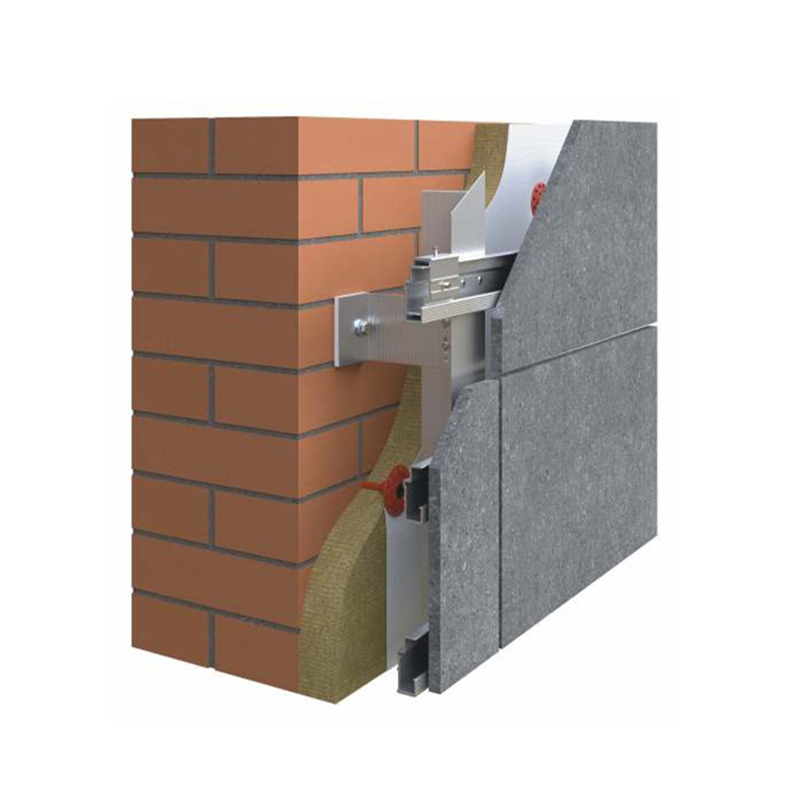
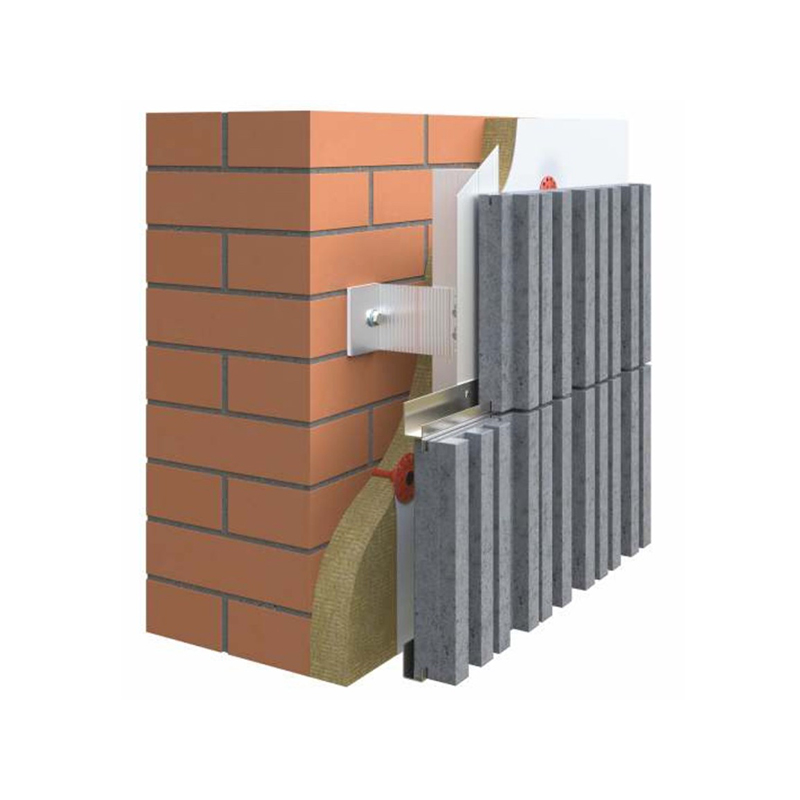
A stone cladding system is a chain of components: the stone panel, the concealed or visible clips that hold it, the supporting brackets, the anchors or channels that connect the brackets to the structure, and the concrete or steel structure itself. The quality of the system is equal to the quality of its weakest component. If a clip breaks under wind suction, a bracket corrodes from the inside, or an anchor pulls out of the concrete, the panel can dislodge even when the stone itself is intact.
The dead load of the stone panel is a vertical force and is relatively predictable. Every bracket system handles it comfortably. Wind load, however, pushes and pulls the panel in alternating directions. A panel on the windward side experiences positive pressure, while the leeward side can experience suction that pulls the panel away from the facade. This means the fixing system must resist tension, not just support weight.
Seismic conditions add another layer of complexity. The structure and the facade can move at different rates, and the connection system must tolerate that differential movement without transferring excessive stress to the stone. In high-rise projects, engineers need a real load capacity calculation guide rather than a rule-of-thumb estimate.
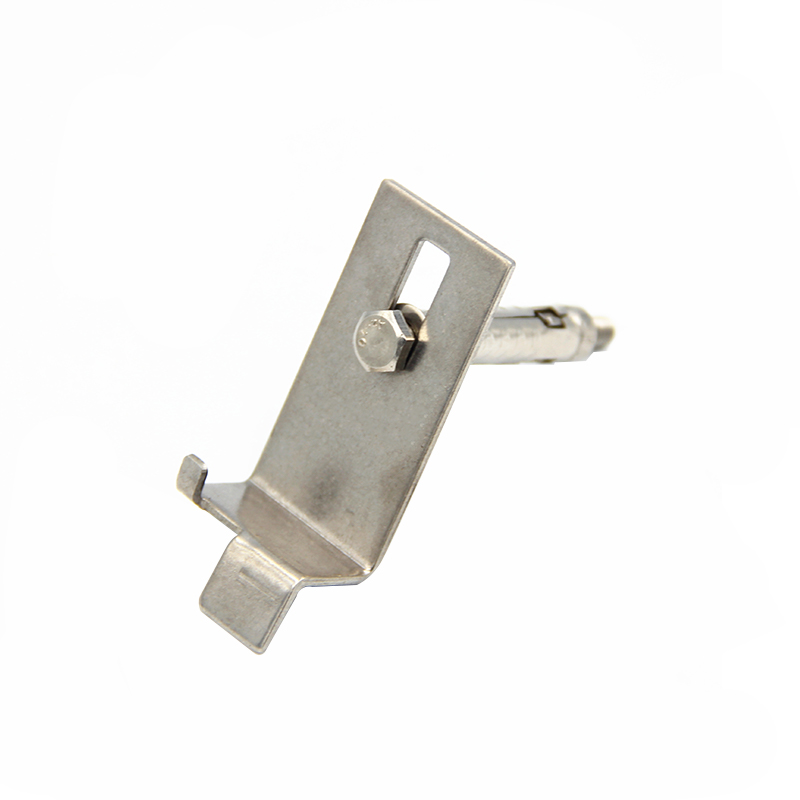
Brackets are where most of the engineering happens. They transfer loads from the panel to the structure, maintain the required cavity, and allow the stone to be positioned accurately. Several proven geometries are available: Z-style anchors, L-shaped angles, Omega-style brackets, and up-and-down hook systems. Each has a different load distribution behavior.
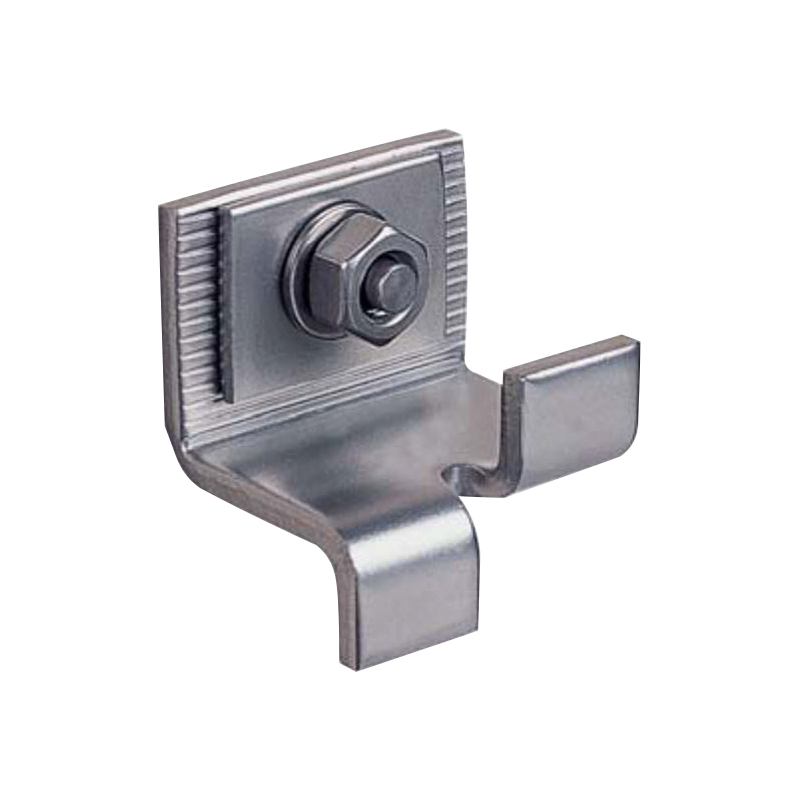
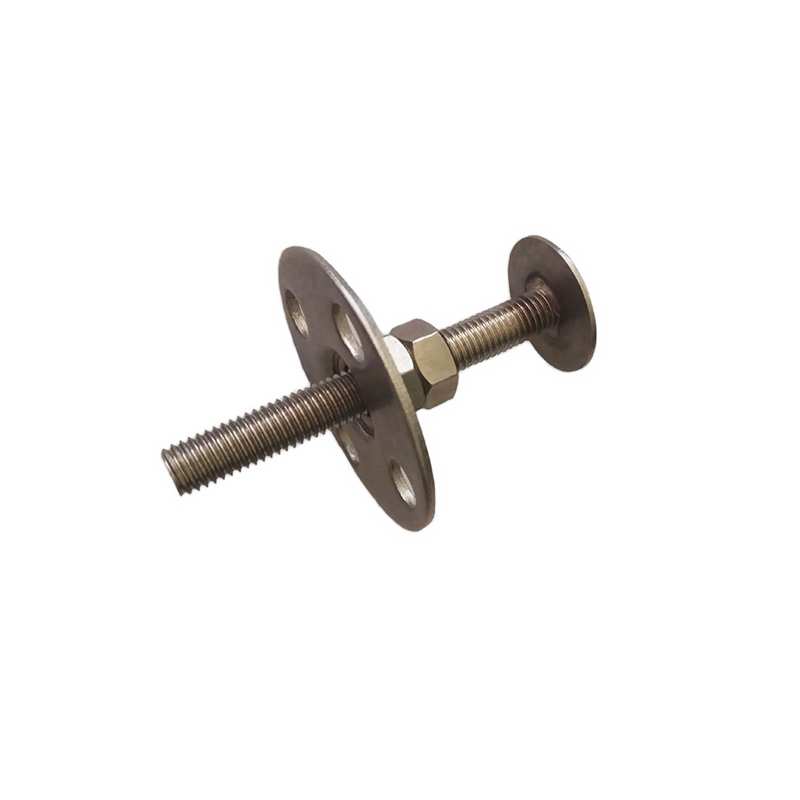
Omega-style brackets, for example, are widely used in natural stone cladding because they provide a low-profile bearing surface and distribute gravity load across a wide area. A well-fabricated stainless steel omega bracket maintains a consistent contact surface and leaves no point loads on the stone.
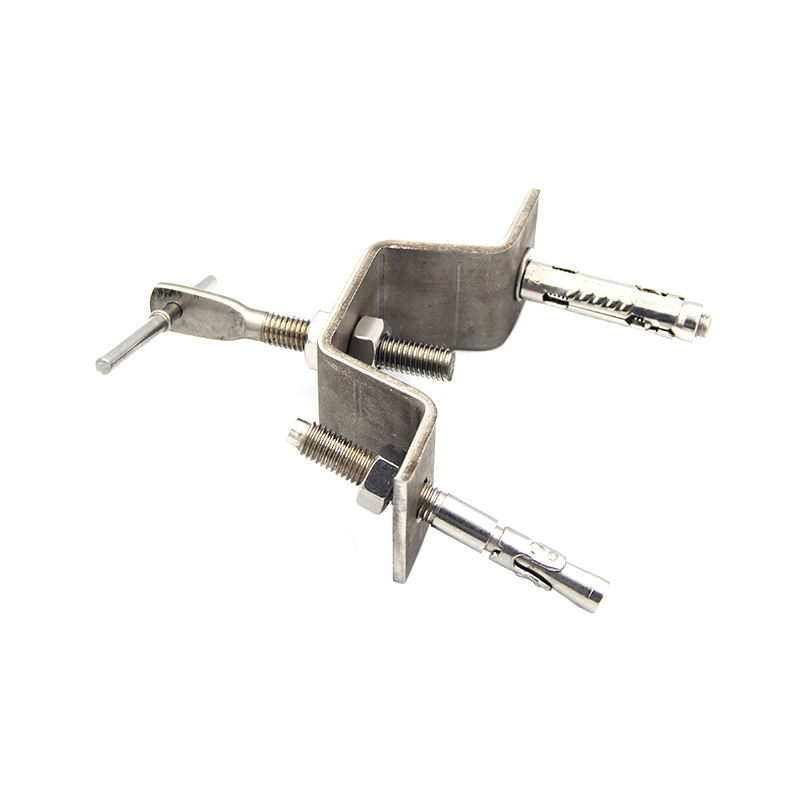 Wholesale Stainless Steel Omega Bracket Suppliers, FactoryWe Are China Stainless Steel Omega Bracket Suppliers And Factory, Jiangsu Aozheng Metal Products Co., Ltd. Wholesale Stainless Steel Omeg...View Product →
You can identify a high-quality stone cladding system before installation simply by reading the material certificates. If the supplier does not specify a material grade for the brackets, clips, bolts, and channels, that is a red flag. For outdoor stone facades, the metal components are the parts most exposed to moisture, pollution, and temperature cycles, and they determine how long the facade will remain safe.
304 stainless steel has good corrosion resistance and is suitable for most urban facades. 316 adds molybdenum, which makes it considerably more resistant to chloride corrosion from marine salt, deicing salts, and industrial chemicals. Coastal projects should specify 316 at minimum for all exposed hardware. Hot-dipped galvanized carbon steel is a viable alternative for internal components or for low-corrosion environments, but it must be protected from direct contact with stainless steel to prevent galvanic corrosion.
| Component | Recommended Material | Why It Matters |
|---|---|---|
| Cast-in anchor channel | Stainless steel 304/316 or HDG steel | Embedded in concrete; must resist corrosion for decades |
| Support brackets and clips | Stainless steel 304/316 | Carry the highest loads and are exposed to moisture |
| T-bolts and hammer screws | Stainless steel 304/316 | Threads are stress points; rust here causes seizure |
| Shims and washers | Stainless steel | Direct contact with stainless; prevents galvanic corrosion |
Mixing stainless steel with galvanized steel or aluminum in the same assembly creates a galvanic cell. When water bridges the two metals, the less noble metal corrodes quickly. Many cladding failures begin not with the stone but with corrosion around the fasteners. Quality systems control every point of contact, with plastic separators, stainless steel washers, and correct fastener selection. For a deeper comparison of protection levels, the corrosion performance of HDG versus stainless steel anchor channels is a useful reference when deciding which material is appropriate for your location.
No concrete structure is perfectly plumb. A cast-in-place concrete wall can deviate 10 mm from its theoretical position, and an entire floor can be slightly offset from the floor above. The cladding system must absorb these deviations so that the finished facade remains flat and level despite the irregularities behind it.
An adjustable fixing system should allow movement in three directions:
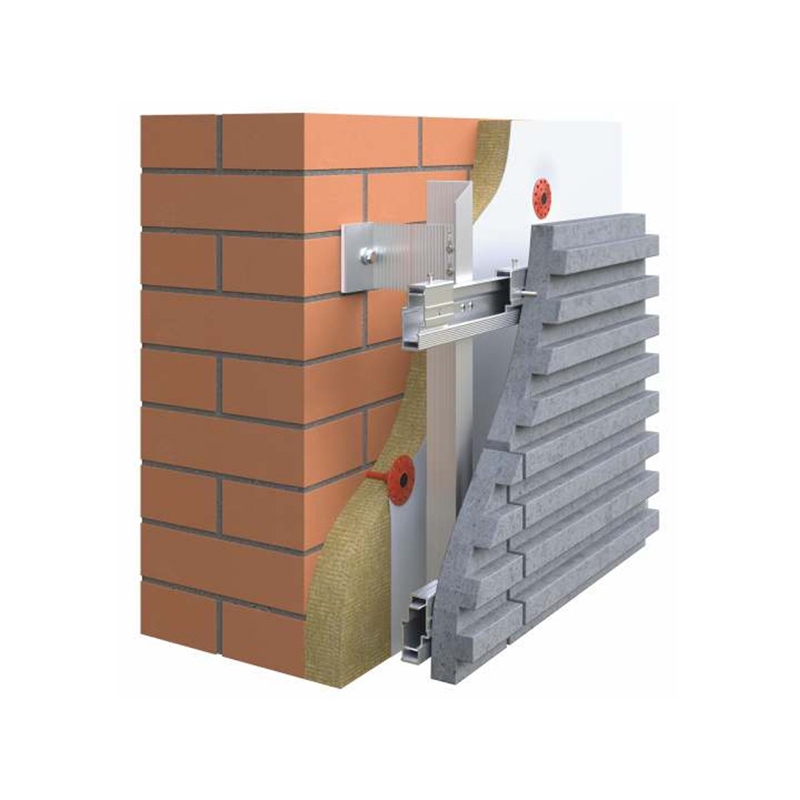
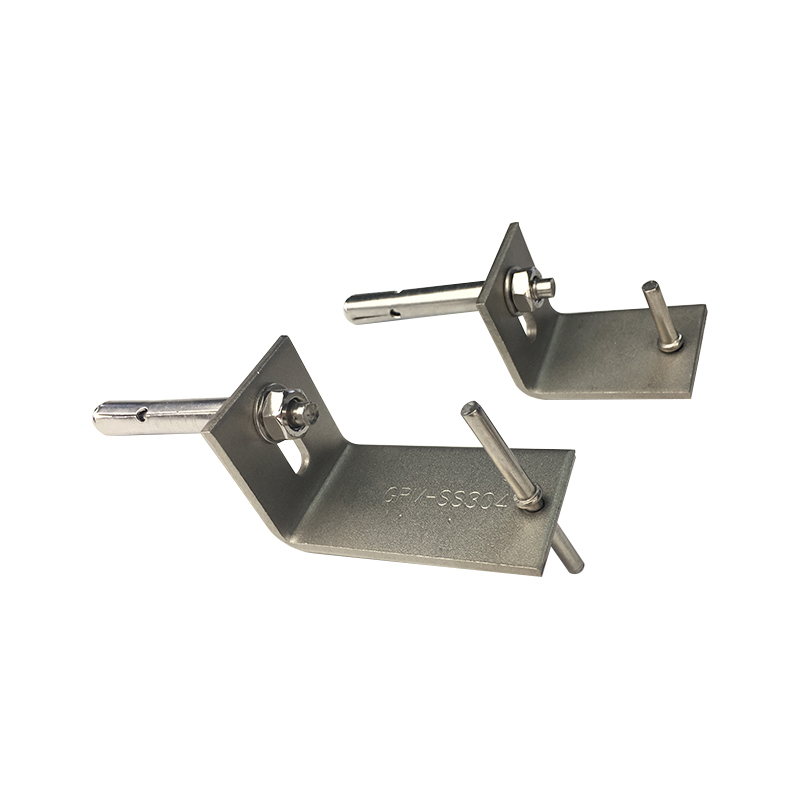
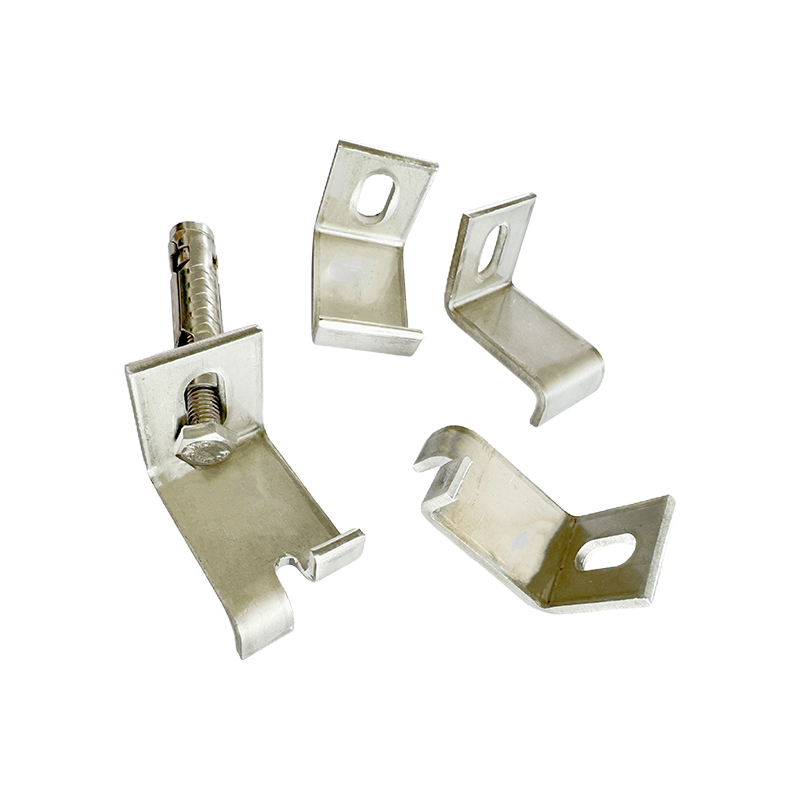
Adjustable brackets are designed with slotted holes or telescoping arms, often combined with a serrated interface or threaded adjustment bolts. The adjustable stainless steel L-angle brackets in a ventilated facade system illustrate this approach nicely: they offer depth adjustment while maintaining a rigid 90-degree load-bearing surface.
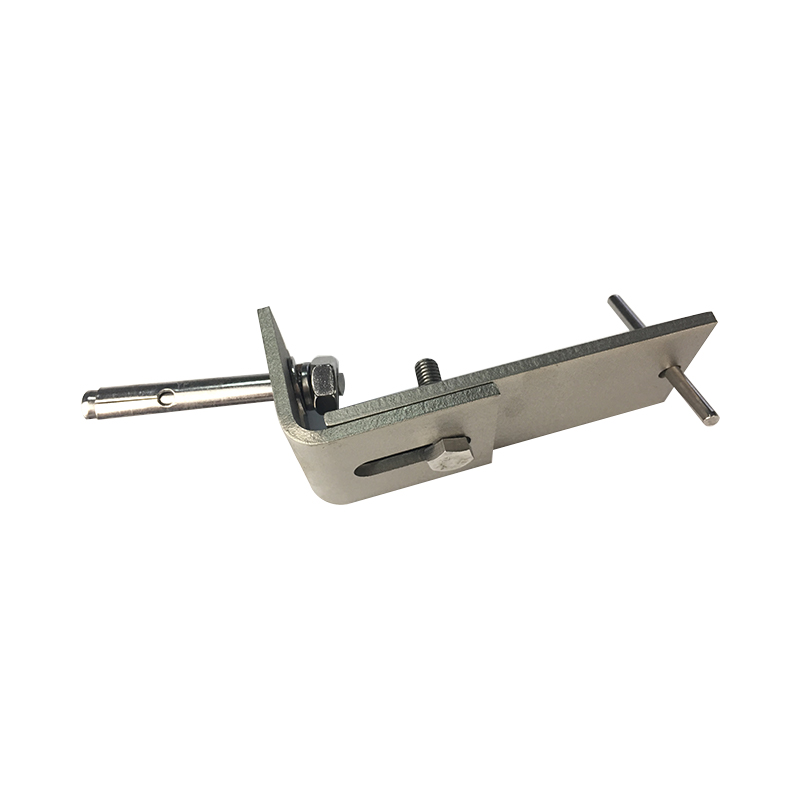 Wholesale Stainless Steel Adjustable L Angle Suppliers, FactoryWe Are China Stainless Steel Adjustable L Angle Suppliers And Factory, Jiangsu Aozheng Metal Products Co., Ltd. Wholesale Stainless Steel...View Product →
There is a trade-off. A larger adjustment slot reduces the bearing area under the bolt and can reduce the load capacity. Engineers look for a bracket that provides enough adjustment to accommodate structural tolerances but does not go beyond that, because the screw must be fully tightened at the design position. Field modification by bending or drilling a bracket should never be part of the installation. If the bracket has to be cut, re-drilled, or hammered into place, the design is wrong.
How the bracket attaches to the concrete structure is the second most significant engineering decision, after bracket selection. Two methods dominate.
Cast-in anchor channels are installed into the formwork before the concrete is poured. After the concrete hardens, a T-bolt slides into the open side of the channel at any position and locks into place to receive the bracket. Post-installed anchors are mechanical expansion anchors, chemical anchors, or undercut anchors that are installed into holes drilled in the hardened concrete.
For high-rise facades and heavy stone panels, cast-in channels offer several advantages: the load is distributed through a continuous steel profile embedded in concrete; the position of the fixing point can be adjusted horizontally along the channel; and there is no site drilling, which eliminates the risk of striking rebar or damaging the concrete. Stainless steel stainless steel cast-in channels are a common choice in marine environments and high-end commercial projects where the embedded profile will be exposed to moisture for decades.
 Wholesale Stainless Steel Cast In Channel Suppliers, FactoryWe Are China Stainless Steel Cast In Channel Suppliers And Factory, Jiangsu Aozheng Metal Products Co., Ltd. Wholesale Stainless Steel Ca...View Product →
Post-installation is more flexible and is the only option for retrofitting structures without embedded parts. The key is to select the proper anchor type. Ordinary expansion anchors can slip under repeated cyclic loads, particularly in cracked concrete, while undercut anchors and chemical anchors develop higher and more predictable capacity.
Once the basic structure is correct, the details determine the actual quality of the delivered system.
Even stainless steel can suffer from surface contamination. During transport and installation, carbon steel dust from other trades can embed in the surface of the stainless steel and cause brown surface stains. A quality supplier packs components separately, uses plastic or rubber protection, and avoids cross-contamination.
The best way to prevent quality problems during installation is to ask for batch certificates and inspect a random sample against the drawings. A good supplier can trace all components to a specific heat of raw material and verify dimensions with measuring instruments. For a more complete reference on what to specify and how to evaluate bracket options, consult this guide to choosing stainless steel cladding brackets.
A high-quality stone cladding system is not the same as a low price with a beautiful catalog photo. Here are the concrete points that should be verified before ordering.
If any of these documents is missing, the bid is incomplete. Professional engineering contractors will always ask for them.
Site-specific projects often require custom lengths, special hole patterns, or nonstandard configurations. A manufacturer with in-house CNC machining and bending capability can produce customized brackets with a short lead time, while trading companies cannot. It is also worth confirming that the supplier can maintain the same steel grade and finish across an entire order, especially if the order is delivered in multiple batches, because inconsistent finishes are a common source of disputes.
The question of what makes a high quality stone cladding system has a straightforward answer: an engineered load path, correct material grades, a reasonable adjustment range, a sound anchoring strategy, and rigorous production control. The stone panel is the aesthetic layer, but the metal system is the safety layer. When in doubt, invest in the hardware, demand the documentation, and ask the hard engineering questions before the project reaches the field.

We will wholeheartedly provide you with high quality products, reasonable price, on-time delivery and attentive service.
Maoshan Taiwan Business Industrial Park, Dinan Town, Xinghua City, Jiangsu Province, China

+86-523-82799922

+86-15996094444

+86-523-82799933


Copyright © Jiangsu Aozheng Metal Products Co., Ltd. All Rights Reserved.
 English
 русский
 Español
 عربى


Contact Us