-
 Tel:
Tel:+86-15996094444
-
 E-mail:
INQUIRE NOW
+86-15996094444
INQUIRE NOW

Article Directory
Understanding how to calculate the load-bearing capacity of a stainless steel cladding bracket is crucial for ensuring the safety, durability, and integrity of building facades. This process involves a detailed analysis of material properties, bracket geometry, and environmental factors. A miscalculation can lead to catastrophic failures, making it imperative for architects, engineers, and construction professionals to master this skill. This guide will provide a comprehensive, step-by-step approach to performing these calculations accurately, empowering you to make informed decisions for your cladding projects.
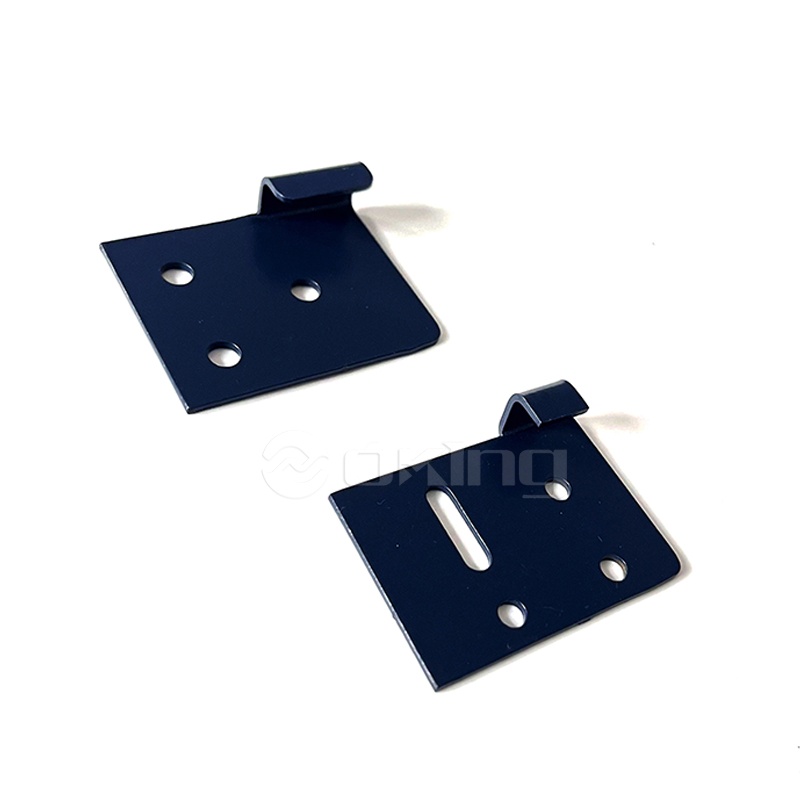
Ceramic Terracotta Clay Tile panels clip Metal Stamping Clamp Stainless Steel Facade Clamp System
Before diving into calculations, it's essential to grasp the core principles that govern how a bracket supports weight. The load-bearing capacity refers to the maximum load a bracket can sustain without experiencing failure or excessive deformation. For stainless steel cladding brackets, this is influenced by the material's yield strength, the bracket's shape, and the type of load applied (e.g., static, dynamic, wind).
Stainless steel is favored for stainless steel facade support systems due to its excellent corrosion resistance and strength. The specific grade of stainless steel, such as 304 or 316, plays a pivotal role in determining its mechanical properties.
The physical shape of the bracket is not just about fitting the cladding; it's an engineered component designed to manage stress. A well-designed bracket efficiently transfers loads from the cladding to the building's primary structure.
This section provides a practical, step-by-step methodology for calculating the load-bearing capacity of your stainless steel cladding bracket. Following this structured approach will help ensure accuracy and safety.
Accurately quantifying the loads is the most critical step. Underestimating loads is a common cause of bracket failure. For a comprehensive stainless steel bracket load calculation guide, one must consider all potential sources of force.
Here is a simplified table showing common load types and their characteristics:
| Load Type | Nature | Calculation Source |
| Dead Load (D) | Permanent, Vertical | Material Density & Volume |
| Wind Load (W) | Dynamic, Horizontal/Suction | Local Building Code |
| Seismic Load (E) | Dynamic, Horizontal | Local Building Code |
| Snow Load (S) | Variable, Vertical | Local Building Code |
The primary modes of failure for a bracket are bending and shear. The following formulas are fundamental to any structural calculation for cladding brackets.
Beyond pure calculation, several practical factors influence the final selection and performance of a stainless steel cladding bracket. Understanding these will help you choose the right stainless steel bracket specification for your project.
The "stainless" property of steel comes from a passive chromium oxide layer. However, this layer can be compromised. For corrosion resistant cladding bracket selection, the environment is the key deciding factor.
Here is a comparison of environmental suitability:
| Environment | Recommended Grade | Key Risk Factor |
| Inland, Urban | 304 | Low to Moderate Pollution |
| Coastal, Marine | 316 | Chloride-induced Pitting |
| Industrial | 316 or higher | Acidic/Chemical Fumes |
The lifespan of a stainless steel cladding bracket is highly dependent on the environmental conditions and the grade of stainless steel used. In a benign urban environment, a bracket made from Grade 304 can last for over 50 years without significant loss of performance. In more aggressive coastal or industrial settings, Grade 316 is essential and, with proper design to avoid water traps and debris accumulation, can also achieve a multi-decade service life. The key is selecting the right material for the specific corrosivity of the location.
Wall thickness is a primary factor in determining a bracket's load capacity. It directly influences the cross-sectional area (affecting shear capacity) and the moment of inertia (affecting bending stiffness and capacity). As a general rule, doubling the thickness of a bracket's leg will significantly more than double its bending capacity because the moment of inertia increases with the cube of the thickness. However, increasing thickness also adds weight and cost, so engineering calculations are necessary to optimize the design for the required stainless steel bracket specification.
While the fundamental principles of statics and strength of materials are the same, the calculation method must be adapted for aluminum. Aluminum has a different stress-strain curve, a distinct modulus of elasticity (about one-third that of steel), and different formulas for local buckling of thin sections. Design codes for aluminum, such as the Aluminum Design Manual (ADM), provide specific procedures and allowable stress values that differ from those for stainless steel. Using steel-based calculations for aluminum will lead to inaccurate and potentially unsafe results.
Understanding failure modes is crucial for prevention. The most common failures in stainless steel facade support systems include:
Wind uplift is a critical design load, often creating a suction force that tries to pull the bracket and cladding away from the building. To account for this, your structural calculation for cladding brackets must treat the upward wind pressure as a separate live load case. The brackets and their fasteners must be checked for tension (pull-out) at the building substrate connection. The net load on the bracket is often the dead load (downward) minus the wind uplift (upward). In many cases, this uplift scenario is the governing design condition, especially for lightweight cladding systems near the edges and corners of buildings where wind suction is highest.
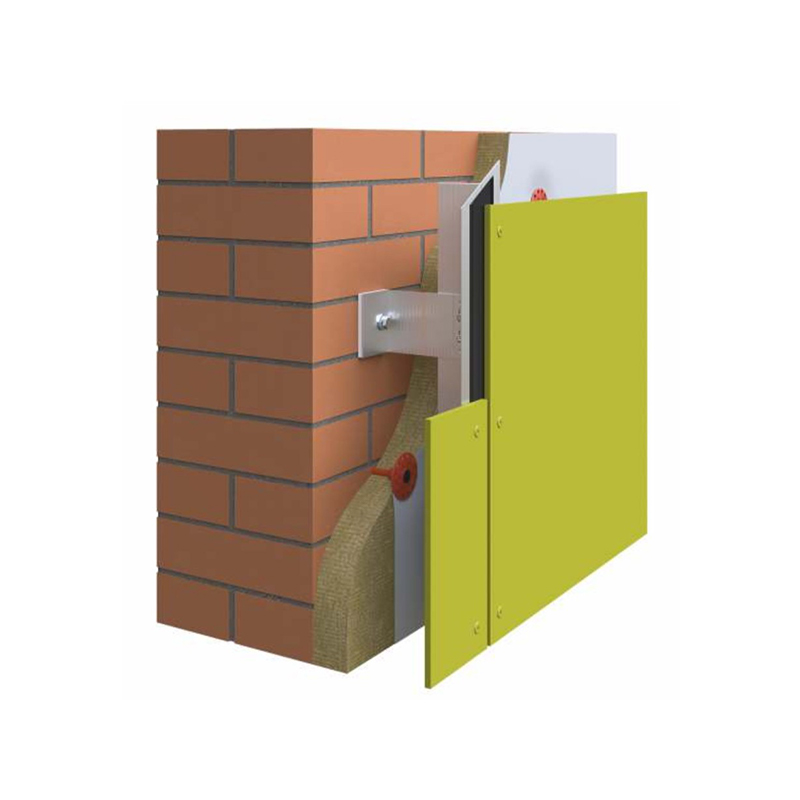
Facade System AOZ-v-100FACING MATERIAL:Fibre cement panels, HPL panels, RockPanels, asbestos cement slabs, aluminium composite panels, steel composite...
See Details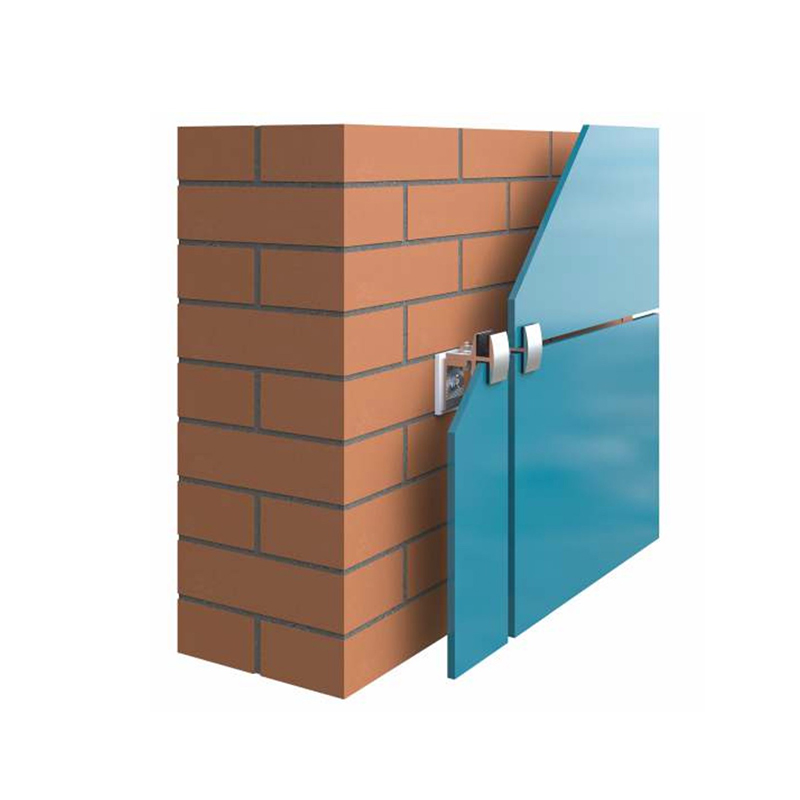
Facade System AOZ-v-300FACING MATERIAL:Tempered glass and stimulate 4 to 8 mm thickFIXING:Visible with clamps with gasketMAX FACING SIZES:1200x2000mm
See Details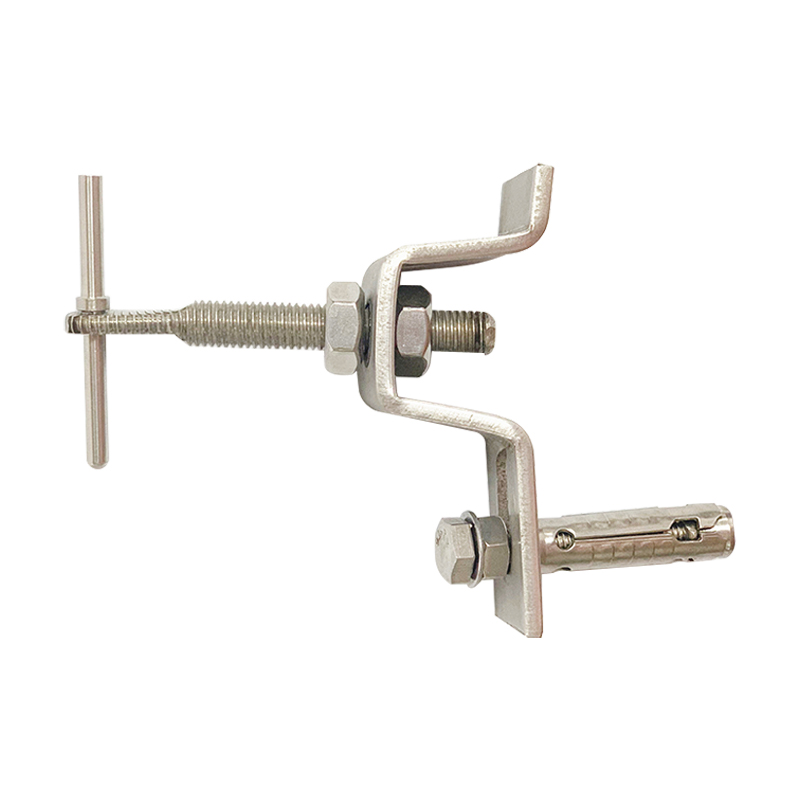
Wall Stone Cladding Fixing System Omega Anchor bracket is an efficient and reliable wall stone mounting system. This system uses Omega Anchor brackets...
See Details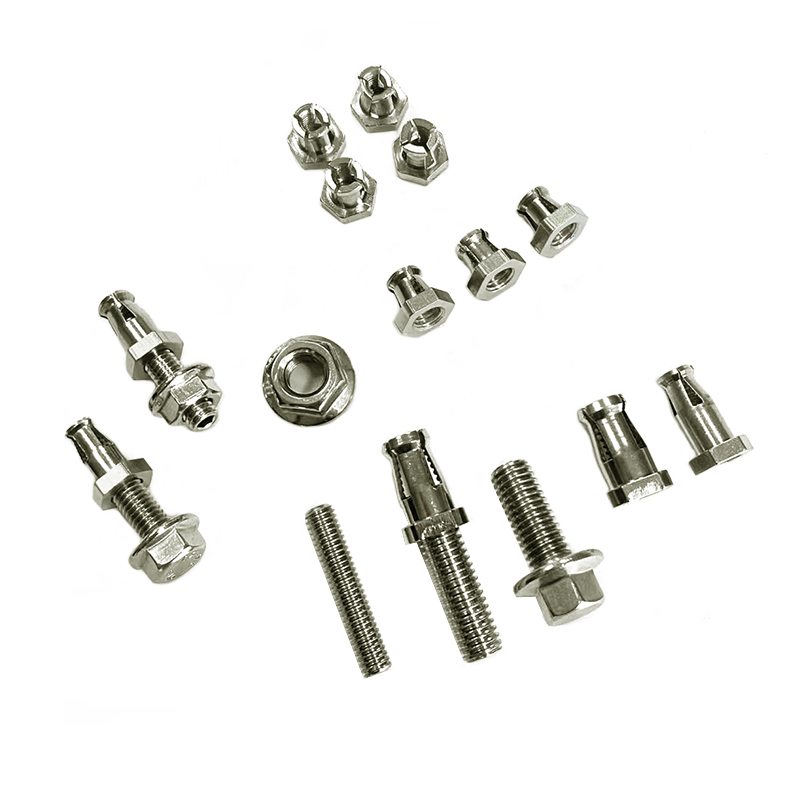
Detachable rotary back bolt anchoring material is a new kind of curtain wall, made of high-quality stainless steel material processing, according to t...
See Details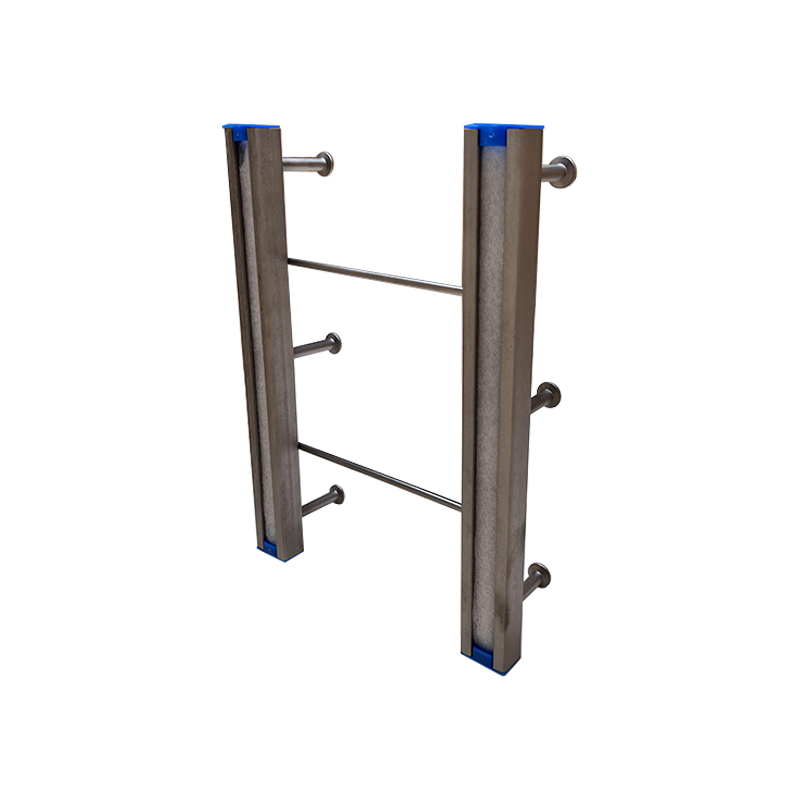
Stainless Steel Anchor Channel Pair is an important construction and engineering material popular for its corrosion resistance and high strength prope...
See Details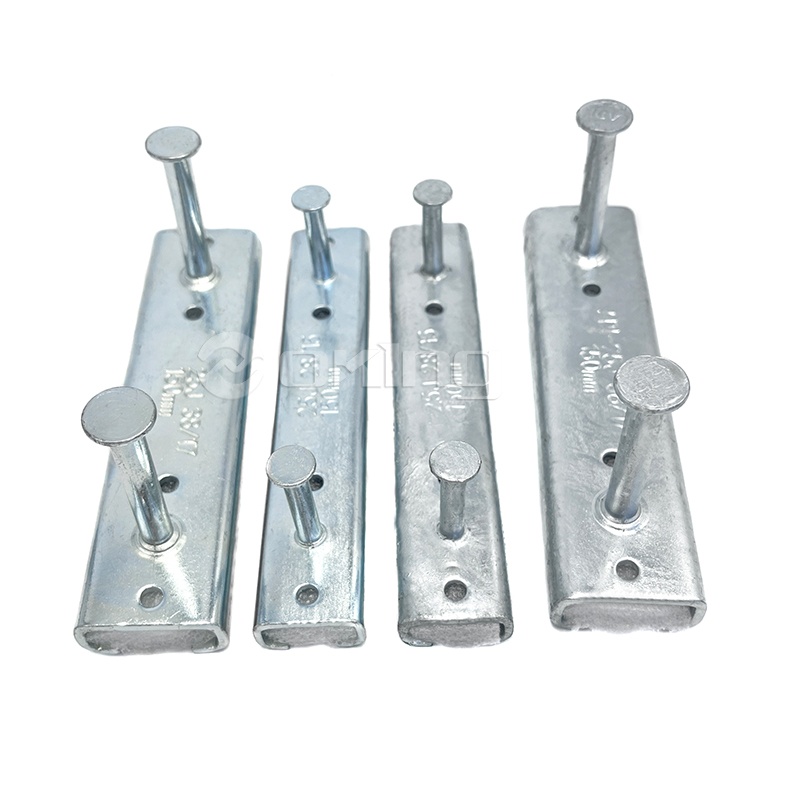
Cold Roll Anchor Channel is a steel product processed by cold bending process, with a unique shape and performance. Use high-quality carbon structural...
See Details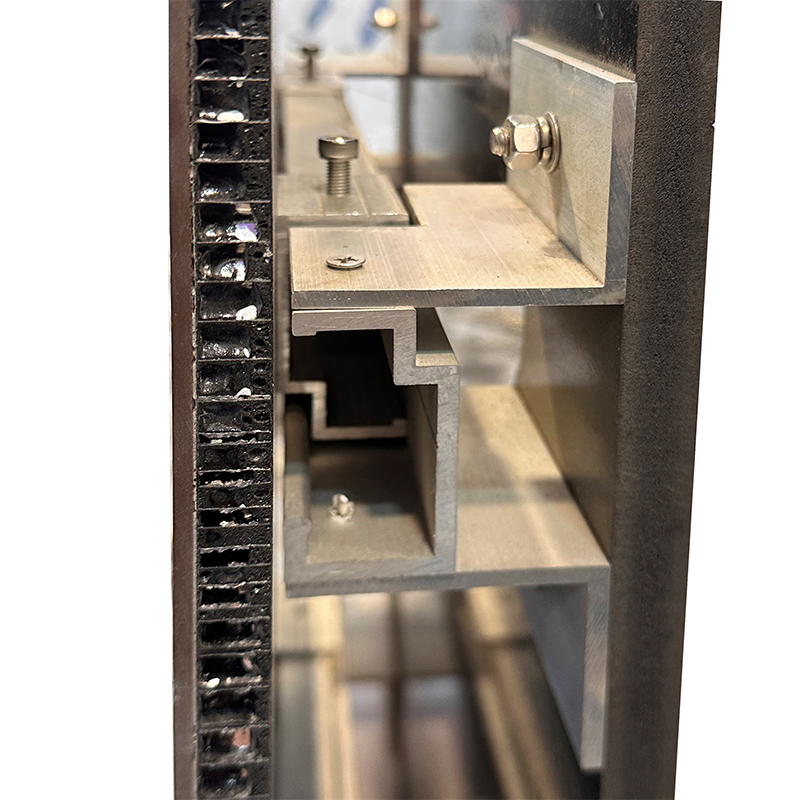
The honeycomb panel pendant mainly consists of the following accessories:Pendant body: This is the core part of the pendant, which is usually made of ...
See Details
We will wholeheartedly provide you with high quality products, reasonable price, on-time delivery and attentive service.
Maoshan Taiwan Business Industrial Park, Dinan Town, Xinghua City, Jiangsu Province, China

+86-523-82799922

+86-15996094444

+86-523-82799933


Copyright © Jiangsu Aozheng Metal Products Co., Ltd. All Rights Reserved.
 English
 русский
 Español
 عربى
عربى

Contact Us