-
 Tel:
Tel:+86-15996094444
-
 E-mail:
INQUIRE NOW
+86-15996094444
INQUIRE NOW

Article Directory
In the world of construction and industrial fastening, achieving a reliable and robust connection to concrete is paramount. Among the various solutions available, the undercut anchor bolt stands out for its exceptional performance in high-stress applications. This guide delves deep into the mechanics, benefits, and installation procedures of undercut anchors, providing you with the expert knowledge needed to specify and use them correctly. We will explore key topics such as how to install undercut anchor bolts in concrete, their advantages over other anchors, and critical sizing guidelines to ensure your projects are both safe and compliant.
An undercut anchor bolt is a specialized mechanical anchor designed for heavy-duty fastening into concrete and other hard base materials. Unlike sleeve anchors or wedge anchors that exert outward expansion pressure, undercut anchors work by creating a mechanical interlock at the bottom of the hole. This is achieved by using a special drill bit to create an undercut profile in the concrete. The anchor is then inserted, and when the bolt is torqued, a separate expansion clip or sleeve expands into this undercut, locking the anchor securely in place without generating lateral stress. This unique mechanism makes them ideal for applications where high tensile loads, vibration, or dynamic forces are present, and they are often the preferred choice for undercut anchor bolt applications in seismic zones.
The design of the undercut anchor bolt offers several distinct advantages that make it a superior choice in many demanding scenarios. Its performance characteristics directly address the limitations of other anchor types, providing engineers and contractors with a reliable solution for critical connections.
Choosing the right anchor is critical for structural integrity. While both are popular for heavy-duty applications, their fundamental working principles differ significantly. Understanding the undercut anchor bolt specifications and uses in contrast to wedge anchors helps in making an informed decision.
The following table outlines the key differences:
| Feature | Undercut Anchor Bolt | Wedge Anchor |
| Working Principle | Mechanical interlock in an undercut | Expansion against hole walls via a wedge |
| Stress on Concrete | Minimal to zero lateral stress | High outward expansion pressure |
| Performance in Cracked Concrete | Excellent, often certified | Poor, not recommended |
| Tensile Load Capacity | Very High | High |
| Installation Complexity | Higher (requires special drill bit) | Lower (standard drilling) |
| Ideal Use Case | Critical structures, seismic zones, edges | Solid concrete, non-critical static loads |
Proper installation is non-negotiable for achieving the designed load capacity of an undercut anchor bolt. The process requires precision and the correct tools, but when followed correctly, it results in an exceptionally strong and reliable connection. The question of how to install undercut anchor bolts in concrete is one of the most searched topics, and for good reason.
Selecting the correct size and understanding the undercut anchor bolt specifications and uses is fundamental to a safe design. Sizing involves more than just the bolt diameter; it encompasses embedment depth, hole diameter, and the resulting load values.
Always refer to the manufacturer's Engineering Technical Assessment (ETA) or catalog for precise, project-specific data, as this is crucial for determining the correct undercut anchor bolt size for heavy loads.
When your project involves suspending heavy machinery or supporting structural elements, choosing the correct undercut anchor bolt size for heavy loads is a calculated decision. It's not just about picking the largest bolt; it's about matching the anchor's capacity to the applied loads and concrete strength.
The unique properties of undercut anchor bolts make them suitable for a wide array of demanding applications. Their reliability under stress is why they are specified in some of the most challenging environments.
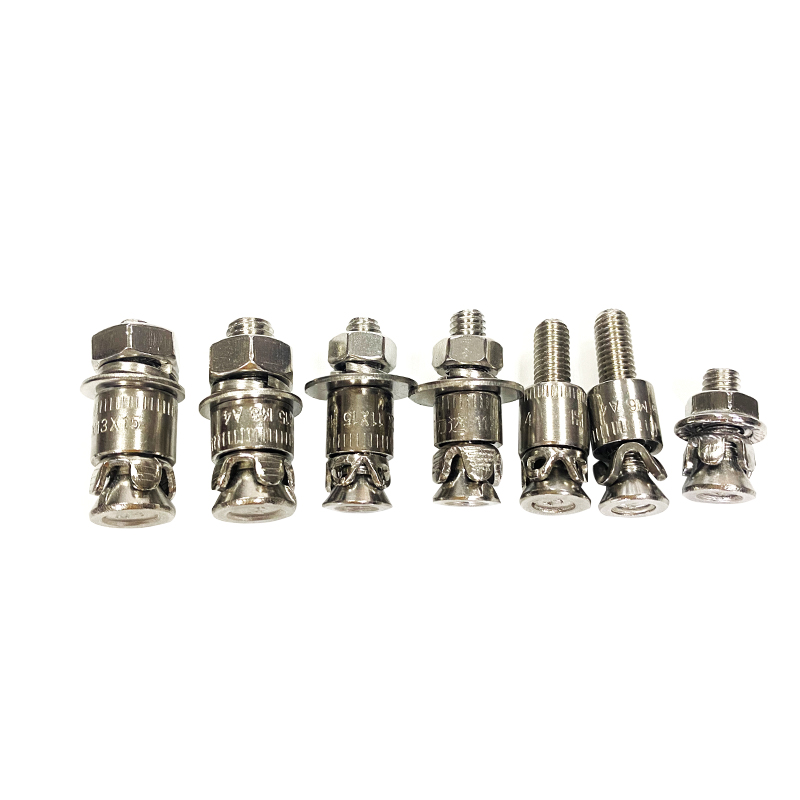
Undercut Anchor For Nature Stone Slabs
The primary advantage is its non-expansive nature. While a wedge anchor relies on creating outward pressure against the concrete, which can cause spalling and is not suitable for cracked concrete, an undercut anchor creates a mechanical interlock at the base of the hole. This makes it vastly superior for use near edges, in cracked concrete, and in applications with high cyclic or seismic loads, as it provides higher tensile strength without damaging the base material.
Generally, no. Undercut anchor bolts require a solid, thick concrete section to develop the full strength of the undercut. Hollow core slabs have voids that prevent the formation of a proper undercut and do not provide the necessary bearing material for the anchor to lock into. In such applications, through-bolting or other anchors designed for hollow bases should be considered. Always verify the substrate suitability before selecting an anchor type.
The required installation torque is not a guess; it is a critical value specified by the manufacturer for each anchor size and type. This information is found in the product's technical data sheet or installation instructions. Using a calibrated torque wrench is essential to achieve this specified torque. Under-torquing can result in the anchor not fully engaging the undercut, leading to a significant reduction in load capacity. Over-torquing can damage the anchor or the threads.
Undercut anchor bolts are typically more expensive than standard wedge or sleeve anchors. This higher cost is due to the more complex manufacturing process and the requirement for a specialized undercut drill bit. However, this initial cost is often justified by their superior performance, higher load capacities, and ability to solve challenging installation problems (like close edge distances), which can reduce overall project risk and potential remediation costs. They are a value-engineering solution, not just a commodity fastener.
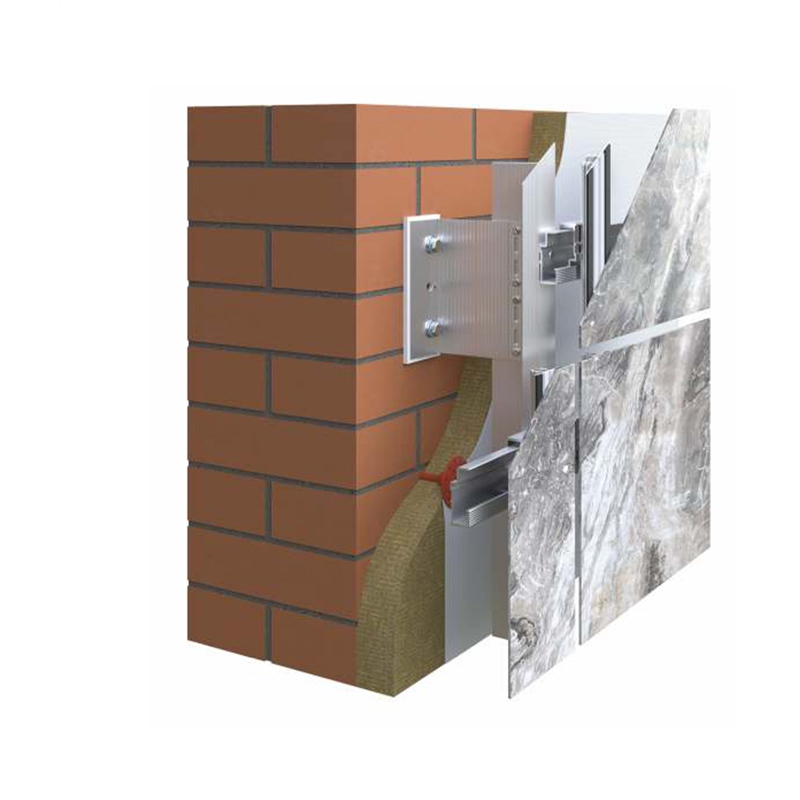
Facade System AOZ-v-300FACING MATERIAL:Tempered glass and stimulate 4 to 8 mm thickFIXING: .Concealed: adhesive binding with M-profile, TRAG profile, ...
See Details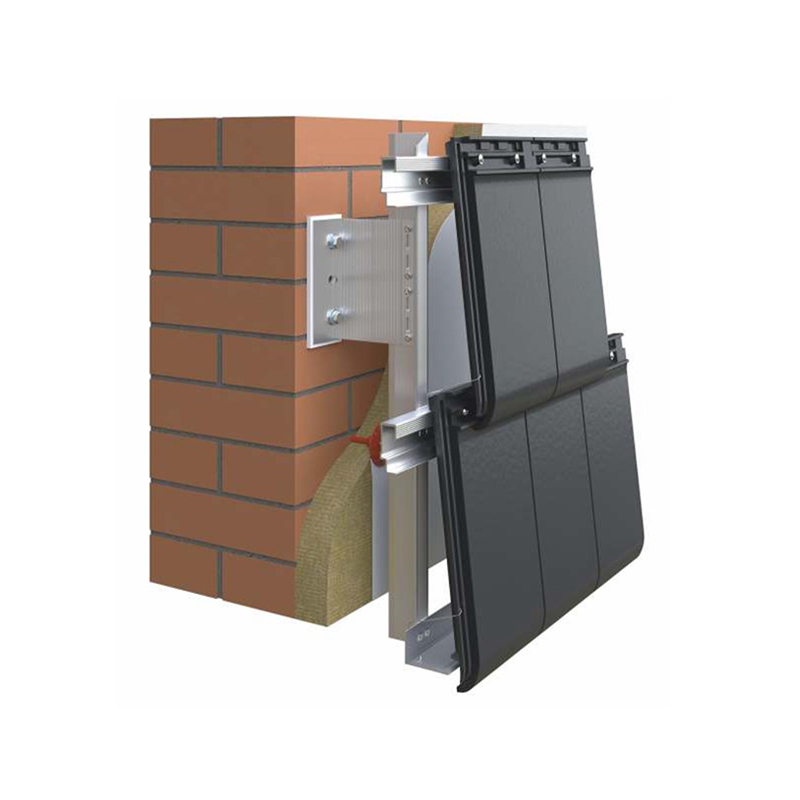
Facade System A0Z-v-350FACING MATERIAL: Ceramic roof tilesFIXING:Concealed with tiles fixed to horizontal bars with self. tapping screw and wind clamp...
See Details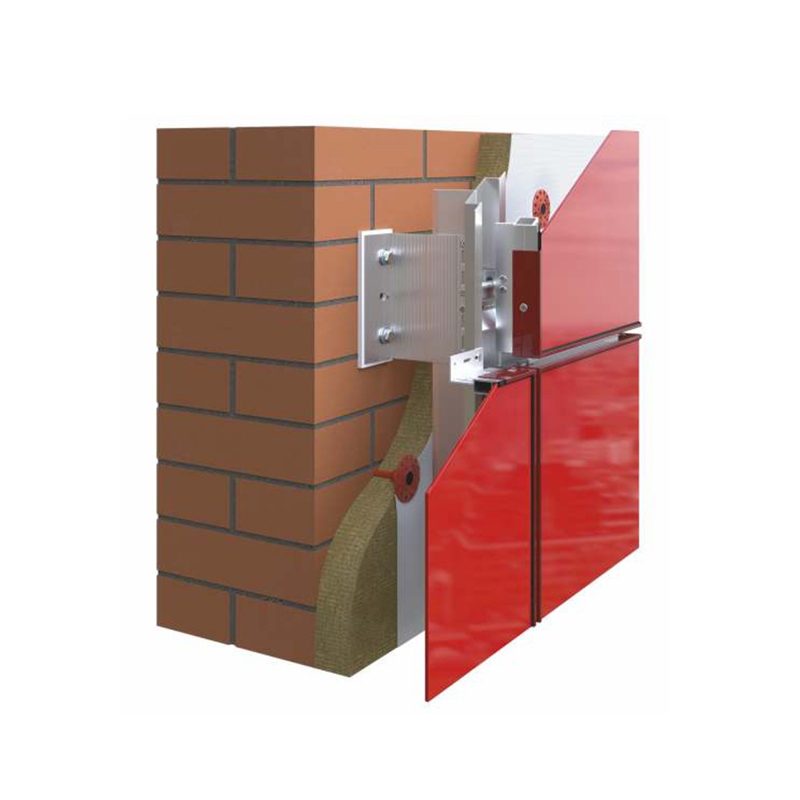
Facade System A0Z-v-300FACING MATERIAL:Tempered glass and stimulate 4 to 8 mm thickFIXING:Concealed with latches (slide holders and cassette hangers),...
See Details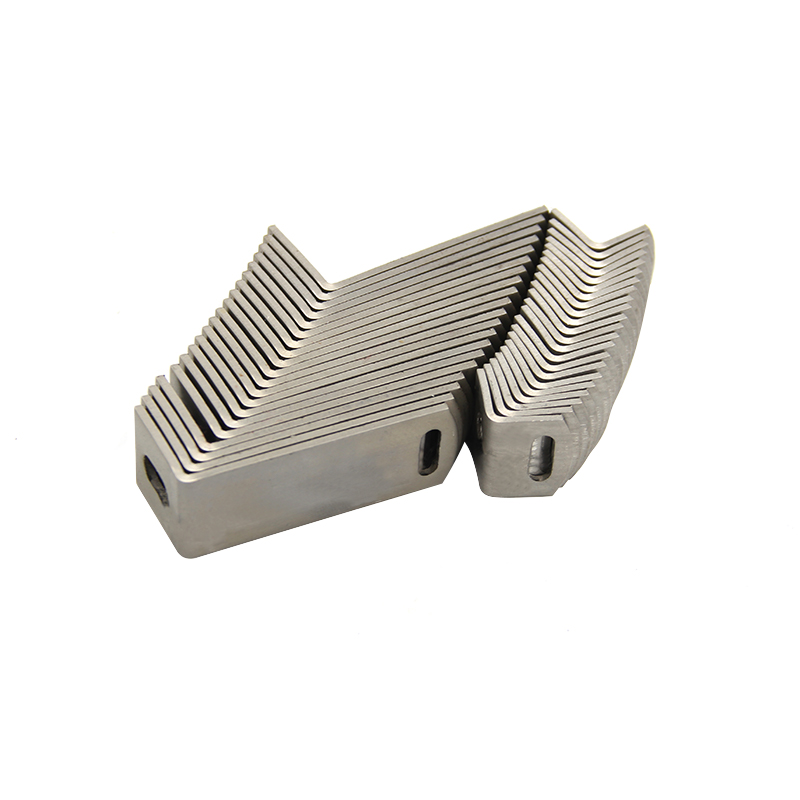
L cladding system Marble clamp is an advanced stone curtain wall fixing system specially used for installing heavy stone panels such as marble. The co...
See Details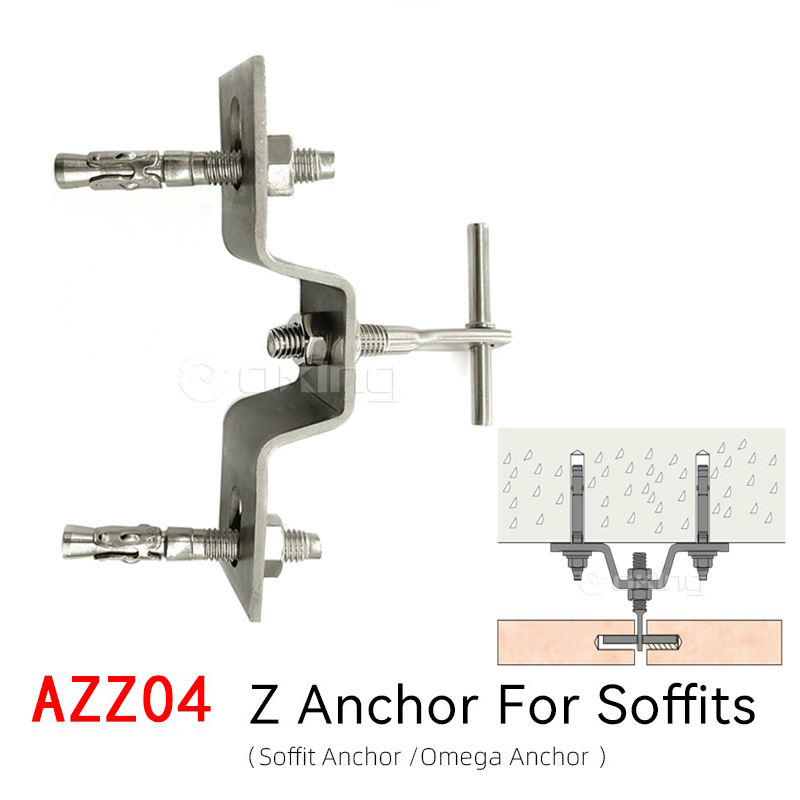
SS Omega Cladding Metal Bracket is a high-performance metal bracket designed specifically for exterior wall cladding. It is made of high-quality stain...
See Details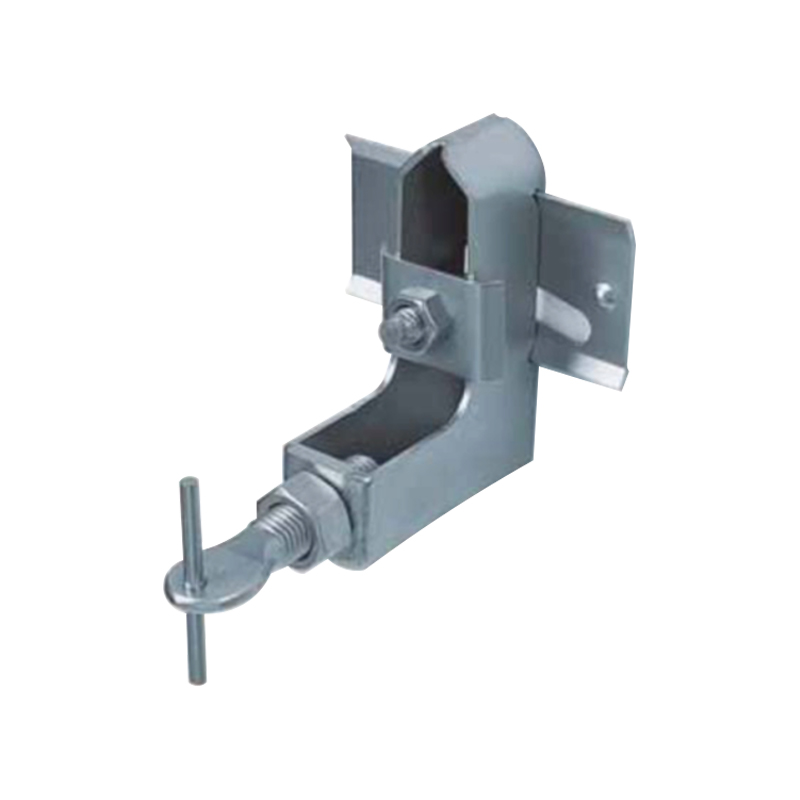
The Body Anchor Stone Support is a structural component engineered for the mechanical fixation of natural stone slabs, including granite, marble, and ...
See Details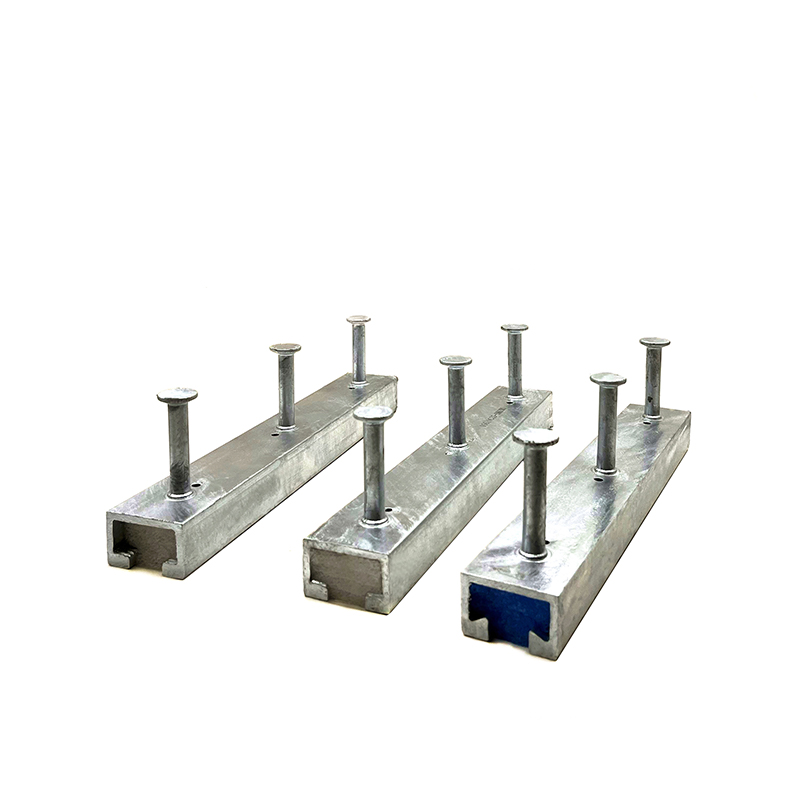
Hot roll anchor channel is an important steel material widely used in buildings, bridges, roads, and other civil engineering structures. It is produce...
See Details
We will wholeheartedly provide you with high quality products, reasonable price, on-time delivery and attentive service.
Maoshan Taiwan Business Industrial Park, Dinan Town, Xinghua City, Jiangsu Province, China

+86-523-82799922

+86-15996094444

+86-523-82799933


Copyright © Jiangsu Aozheng Metal Products Co., Ltd. All Rights Reserved.
 English
 русский
 Español
 عربى
عربى

Contact Us