-
 Tel:
Tel:+86-15996094444
-
 E-mail:
INQUIRE NOW
+86-15996094444
INQUIRE NOW

Article Directory
In the world of modern construction and architectural design, the choice of support components is critical for both aesthetics and longevity. Stainless steel cladding brackets form the unseen backbone of many stunning building exteriors, providing the essential link between the cladding material and the primary structure. This guide delves deep into the specifics of these vital components, exploring their types, applications, and the technical considerations that ensure a successful and durable installation. Understanding these elements is key to specifying the correct bracket for your project, guaranteeing performance that lasts for decades.
Stainless steel cladding brackets are engineered metal supports designed to fix cladding panels—such as stone, metal, terracotta, or fiber cement—to a building's substrate. Their primary role is to transfer the weight of the cladding and any external loads (like wind or seismic forces) safely back to the main structure. The choice of stainless steel, typically grades 304 or the more corrosion-resistant 316, is paramount for durability. These brackets must resist not only the static load of the cladding but also dynamic environmental pressures, thermal expansion and contraction, and potential chemical exposure from atmospheric pollutants.
When searching for detailed information or specific products, using precise search terms can yield more relevant results. The following long-tail keywords are highly relevant, have measurable search traffic, and face lower competition compared to the core term. Integrating these into your research and content can significantly improve the discovery of targeted information.
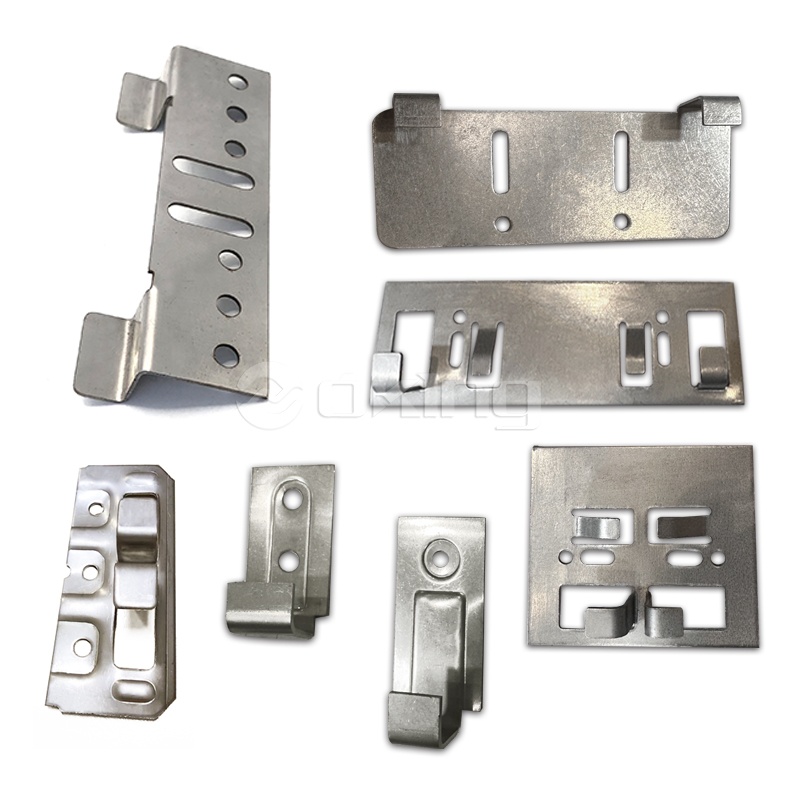
Ceramic Terracotta Clay Tile panels clip Metal Stamping Clamp Stainless Steel Facade Clamp System
Selecting the appropriate stainless steel cladding bracket is not a one-size-fits-all process. It requires a careful analysis of the cladding material, structural requirements, and environmental conditions. An incorrect choice can lead to system failure, water ingress, or costly repairs. The following table provides a comparative overview of common bracket types based on their primary application and key features, helping you make an informed initial selection.
| Bracket Type | Ideal Cladding Material | Key Feature | Typical Use Case |
| Fixed Angle Bracket | Lightweight Metal Panels | Simple, cost-effective, non-adjustable | Low-rise buildings with minimal tolerance requirements |
| Adjustable facade bracket system | Stone, Terracotta, HPL | 3D adjustability (X, Y, Z axes) for precise alignment | Complex facades and high-rise buildings where perfect leveling is critical |
| Heavy duty stone cladding brackets | Natural Stone, Thick Precast Concrete | Reinforced design, higher load capacity | Ventilated facades with thick, heavy panels |
| Slide-on Bracket | Various Composite Panels | Allows for thermal movement; easy installation | Areas subject to significant temperature fluctuations |
The grade of stainless steel is a primary determinant of a bracket's lifespan, especially in corrosive environments. While both 304 and 316 are Austenitic stainless steels known for their toughness and corrosion resistance, the key difference lies in their chemical composition. The addition of Molybdenum in 316 stainless steel cladding support bracket products dramatically enhances their resistance to chlorides and industrial chemicals, making them the superior choice for coastal areas or regions with high air pollution.
A stainless steel cladding bracket size chart is an indispensable tool for engineers and installers. It provides the critical dimensions and load-bearing capacities for each bracket model. Correct interpretation ensures that the selected bracket can handle the projected loads with an appropriate safety factor. Key parameters to look for include the base plate dimensions, leg height, material thickness, and the maximum allowable vertical and horizontal loads.
Improving a building's thermal efficiency involves eliminating cold bridges—points where heat can easily transfer between the interior and exterior. Thermal break cladding bracket specifications detail how a bracket is designed to mitigate this issue. These brackets incorporate a non-conductive material, such as a polyamide or thermal pad, between the stainless steel section attached to the structure and the section supporting the cladding. This breaks the path of thermal conductivity, leading to significant energy savings and preventing interior surface condensation.
The lifespan of a properly specified and installed stainless steel cladding bracket system can easily exceed 50 years. Grade 304 brackets in standard atmospheric conditions can last several decades, while 316 stainless steel cladding support brackets in aggressive coastal environments are designed for a similar longevity due to their superior pitting resistance. The actual lifespan is contingent on factors like local pollution levels, the frequency of maintenance (e.g., cleaning), and ensuring that the correct grade was selected for the environment.
Determining the correct load capacity is a multi-step process that must be performed by a qualified structural engineer. The calculation must account for the dead load (weight of the cladding panels and insulation), live loads (primarily wind pressure, both positive and negative/suction), and potential seismic activity. The engineer will use this data to specify a bracket from a stainless steel cladding bracket size chart that has a certified safe working load significantly higher than the calculated maximum load, typically incorporating a safety factor of 2.0 or more.
Absolutely. Stainless steel cladding brackets are versatile and are fundamental to both new builds and retrofit projects. In new construction, they are integrated into the building's design from the outset. In renovations, they are used to create a ventilated rainscreen facade over an existing structure, which can dramatically improve the building's appearance, weatherproofing, and thermal performance without the need for complete demolition.
An adjustable facade bracket system is critical for achieving a perfectly level and aligned cladding installation, especially given that no building substrate is perfectly flat or plumb. These systems allow for fine-tuning in all three dimensions (in/out, up/down, left/right) after the bracket is fixed to the structure. This adjustability accommodates construction tolerances, simplifies the installation process, and ensures that the final facade meets the highest aesthetic standards without compromising structural integrity.
Yes, standard brackets are not suitable for very heavy materials. For natural stone, thick precast concrete, or large-format ceramic panels, you must use specifically engineered heavy duty stone cladding brackets. These are characterized by their increased material thickness (gauge), larger base plates, more robust welding, and often a design that provides multiple points of support for the panel. They are rigorously tested to certify their load capacities and are essential for ensuring the safety and durability of a heavy cladding system.
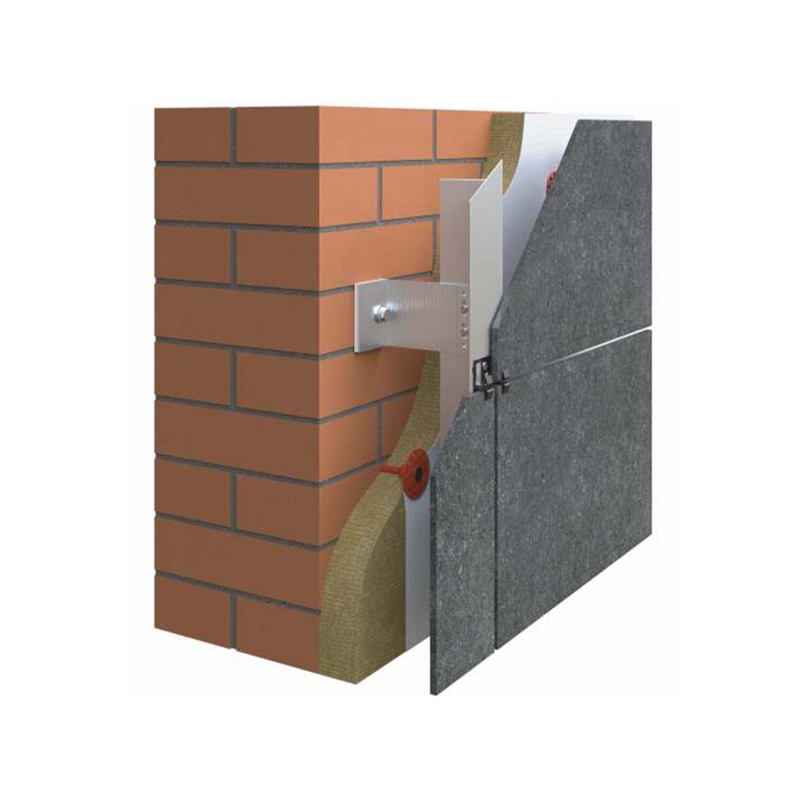
Facade System A0Z-v-100FACING MATERIAL:Porcelain stoneware tiles 8 to 20mm thickFIXING:Visible with stainless steel clampsMAX FACING SIZES:2385x1195mm...
See Details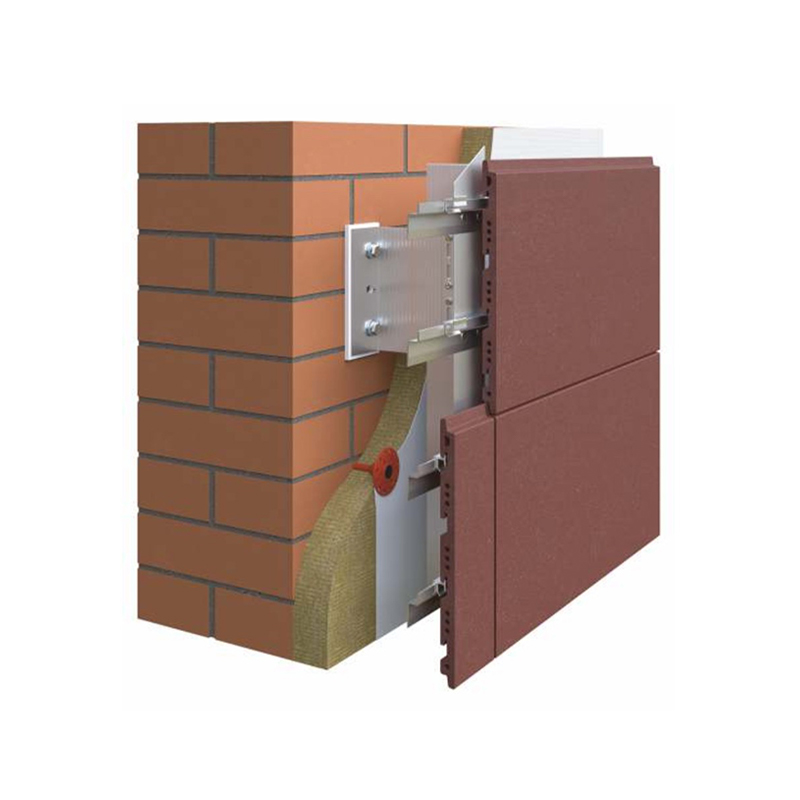
Facade System AOZ-v-350FACING MATERIAL:Horizontally oriented solid and hollow terracotta tilesFIXING:Concealed with clamps fixed to horizontal barsMAX...
See Details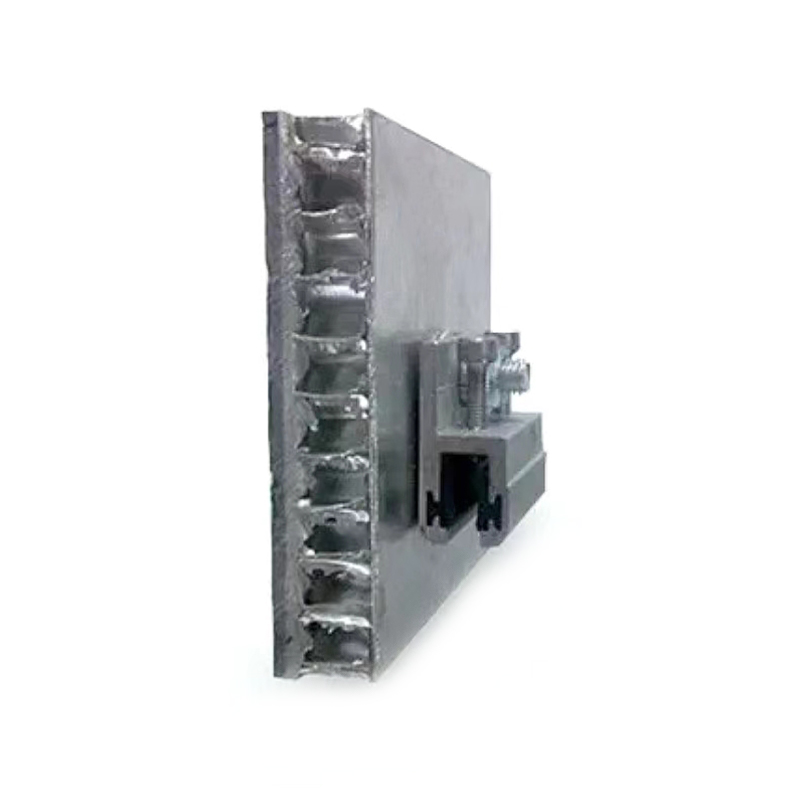
The honeycomb panel pendant mainly consists of the following accessories:Pendant body: This is the core part of the pendant, which is usually made of ...
See Details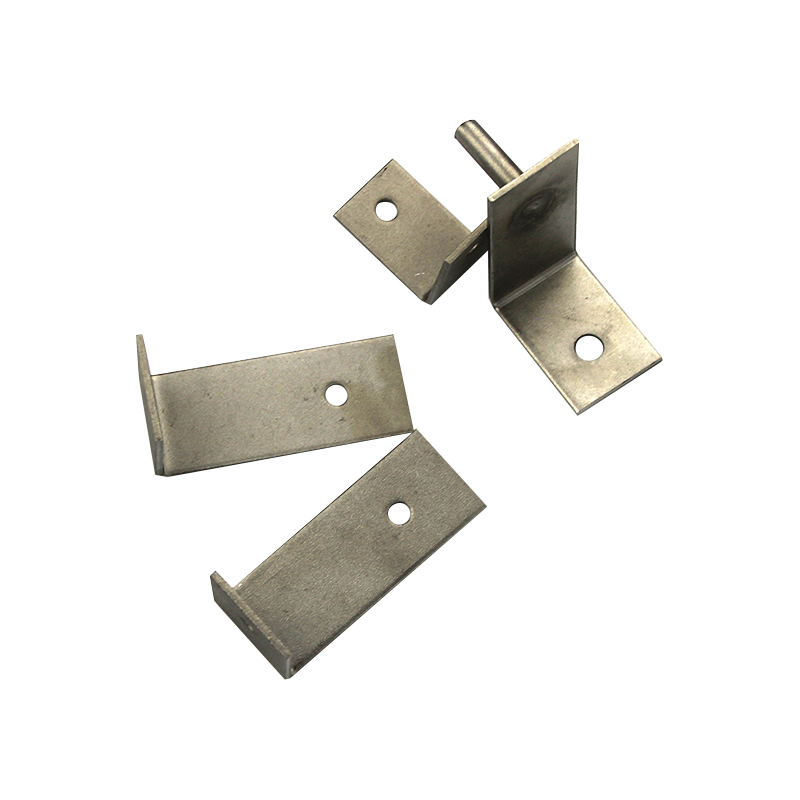
Stainless steel welded L-shaped angle steel is a commonly used building structural material. It is made of stainless steel through a welding process a...
See Details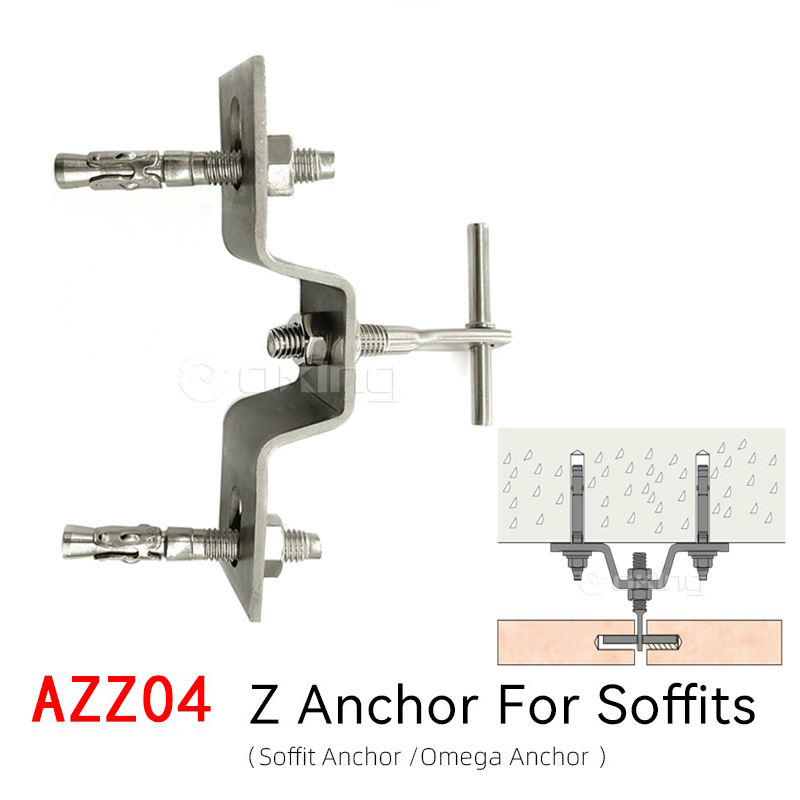
SS Omega Cladding Metal Bracket is a high-performance metal bracket designed specifically for exterior wall cladding. It is made of high-quality stain...
See Details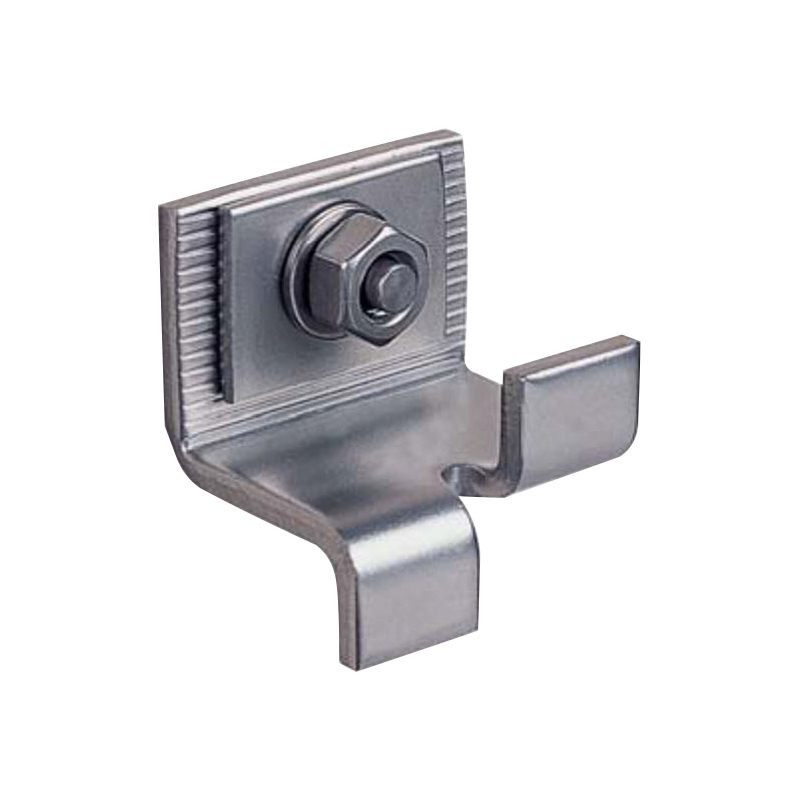
● Load bearing&restrain ● Projection sizes between 30 and 55 mm● Loadsupto400N● Suitable for horizontal joints● Stone thicknesses above 20mm● Fast...
See Details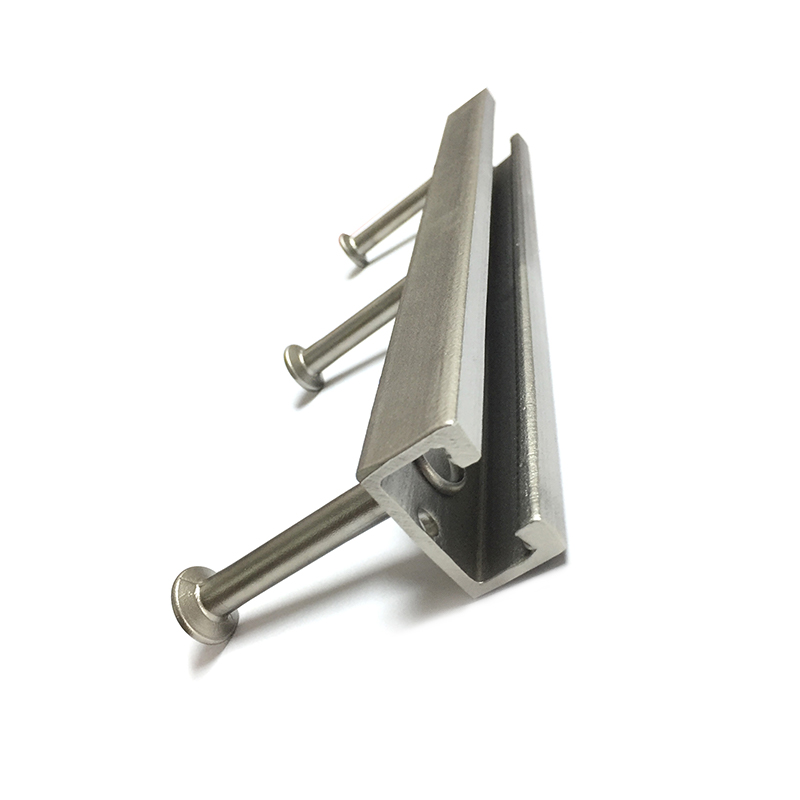
A stainless steel anchor channel is a structural connector widely used in buildings, bridges, tunnels, and other fields. It is made of high-quality st...
See Details
We will wholeheartedly provide you with high quality products, reasonable price, on-time delivery and attentive service.
Maoshan Taiwan Business Industrial Park, Dinan Town, Xinghua City, Jiangsu Province, China

+86-523-82799922

+86-15996094444

+86-523-82799933


Copyright © Jiangsu Aozheng Metal Products Co., Ltd. All Rights Reserved.
 English
 русский
 Español
 عربى
عربى

Contact Us