-
 Tel:
Tel:+86-15996094444
-
 E-mail:
INQUIRE NOW
+86-15996094444
INQUIRE NOW

Article Directory
Choosing the right anchoring system is a critical decision in construction and engineering projects, impacting everything from structural integrity and installation speed to long-term flexibility. Two primary methods dominate the conversation: the modern, efficient Cast In Anchor Channels and the versatile, well-established traditional anchoring systems. This comprehensive guide delves into a detailed comparison, exploring the mechanics, advantages, and ideal applications of each to help professionals make an informed choice tailored to their specific project requirements.
Cast-in anchor channels are linear channel profiles made from hot-rolled steel, stainless steel, or other alloys, which are embedded directly into concrete during the pour. They feature a slotted opening that allows for the insertion of specialized T-head bolts, providing a continuous, adjustable anchoring point along the entire length of the channel. This system is designed for high load-capacity applications and offers unparalleled flexibility for attaching facades, machinery, and safety systems. The integration into the concrete matrix during casting is what sets this method apart, creating a monolithic connection with the structural element.
The adoption of cast in anchor channels brings a host of significant benefits, particularly in large-scale or complex projects. Their primary advantage lies in the elimination of drilling, which not only saves considerable labor time but also avoids the creation of dust, the risk of hitting rebar, and the potential for micro-fractures that can compromise concrete strength. Furthermore, the continuous nature of the channel allows for incredible versatility in design, as attachments can be positioned and repositioned anywhere along its length, even long after the initial construction phase is complete.
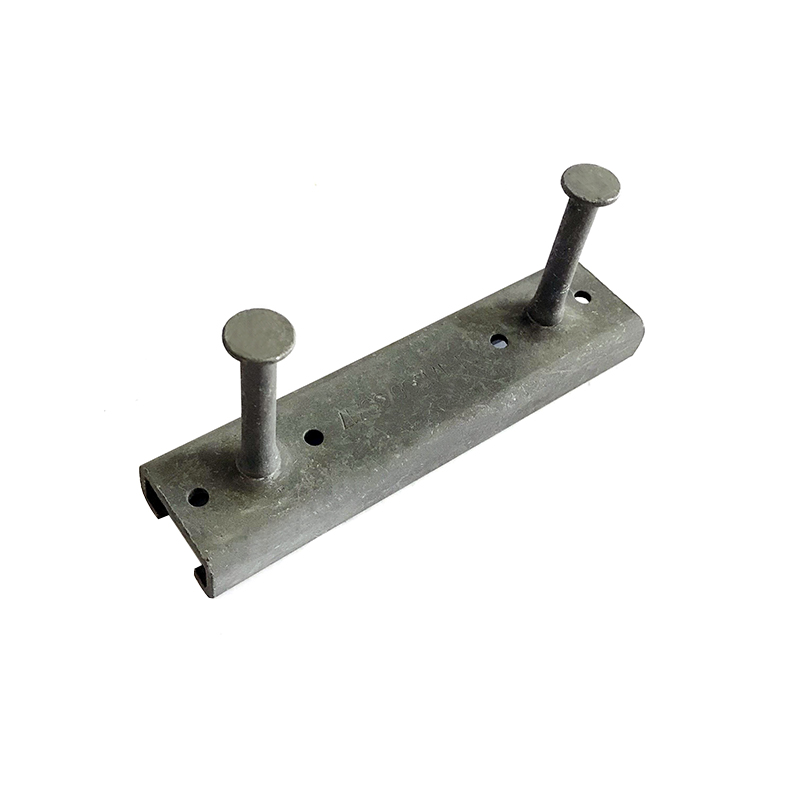
The unique characteristics of cast-in channels make them the superior choice for specific applications where precision, high loads, and future flexibility are paramount. They are extensively used in modern construction for securing heavy facade elements, curtain walls, and precast concrete panels. Their use is also critical in infrastructure projects like tunnels and bridges for attaching safety systems, lighting, and cable management. Furthermore, internal applications such as securing heavy machinery in industrial settings or complex MEP (Mechanical, Electrical, Plumbing) supports in buildings benefit greatly from this system.
Traditional anchoring systems, often referred to as "post-installed" anchors, are installed into hardened concrete. This category encompasses a wide variety of mechanical and chemical anchors, including wedge anchors, sleeve anchors, drop-in anchors, and chemical adhesive systems. Their operation relies on creating a secure hold through expansion, friction, or bonding within a pre-drilled hole. Their versatility and the ability to be installed after the concrete has cured make them a ubiquitous tool across countless construction and renovation projects.
The family of traditional anchors is diverse, with each type offering distinct mechanisms and suited for particular load conditions and base materials. Mechanical expansion anchors, like wedge anchors, provide a high clamp force and are ideal for solid concrete. Sleeve anchors offer a good balance of strength and versatility for concrete, block, and brick. Chemical anchors, which involve injecting resin into a drilled hole and inserting a threaded rod, provide the highest load capacities and are excellent for cracked concrete and edge distances, making them a key component in many concrete anchoring solutions.
When selecting an anchoring system, the choice between cast-in channels and traditional anchors is not about which is universally better, but which is more appropriate for the specific project context. A direct comparison reveals a trade-off between pre-planning and post-construction flexibility, installation speed, and ultimate load performance. The following table breaks down the key differences across several critical parameters to guide this decision.
| Comparison Factor | Cast In Anchor Channels | Traditional Anchoring Systems |
| Installation Time | Fastest (pre-set before pour) | Slower (drilling, cleaning, setting required) |
| Design Flexibility | High (continuous adjustment) | Low (fixed point location) |
| Concrete Integrity | Preserved (no drilling) | Potentially compromised (drilling required) |
| Load Distribution | Linear (along channel) | Point (at anchor location) |
| Ideal for High-Vibration | Excellent | Varies (Chemical anchors are best) |
| Ease of Future Modification | Very Easy | Difficult (anchor is fixed) |
| Project Stage Applicability | New construction only | New construction and renovation |
Selecting the optimal system hinges on a careful analysis of your project's specific demands. For new construction where the attachment points are known and the loads are high, cast in anchor channels are often the most efficient and robust choice. They are perfect for applications demanding a clean finish, such as glass facade installation, or in environments subject to dynamic forces. Conversely, traditional anchors are indispensable for renovation work, small-scale projects, or situations where the exact attachment location cannot be predetermined during the initial concrete pour. Understanding the anchor channel installation process versus the steps for post-installed anchors is crucial for accurate project scheduling and costing.
The load capacity of a cast in anchor channel is not a single value but is determined by a complex interaction of factors including the channel profile size, the concrete strength (psi), the embedment depth, and the location of the load on the channel. Manufacturers provide extensive certification tables (ETAs) that specify precise tensile, shear, and bending capacities for their systems under various conditions. It is absolutely critical to involve a structural engineer to perform these calculations based on the project's specific requirements and the manufacturer's data to ensure safety and compliance, as this is a fundamental aspect of anchor channel design specifications.
Yes, cast in anchor channels are exceptionally well-suited for use in pre-cast concrete elements. In fact, this is one of their most common and efficient applications. The channels are mounted onto the mold or formwork before the concrete is poured. Once the pre-cast panel is cured and lifted into place, the channel is immediately ready to receive attachments for connecting to the building's structure or for securing external cladding. This method streamlines the installation process on-site and ensures a high degree of accuracy and strength for connecting pre-cast components.
Repairing a damaged cast in anchor channel, while not common, is possible and should be approached with caution. If the channel is deformed, a specialized repair kit from the original manufacturer may be used to straighten and reinforce it. If the channel is severely compromised, the most reliable method is to bypass it. This involves drilling into the surrounding sound concrete and installing a high-strength chemical anchor or a mechanical anchor adjacent to the damaged section to transfer the load. This repair must always be designed and approved by a qualified structural engineer to guarantee the safety and integrity of the connection.
The primary advantage of chemical anchors, a key type of traditional anchor, over mechanical expansion anchors is their performance in compromised concrete conditions. Chemical anchors distribute stress more evenly through a bonded zone, making them the superior choice for use in cracked concrete, near edges, or with reduced spacing between anchors. They also generally offer higher ultimate load capacities in tension and are highly resistant to vibration and shock loads, making them a preferred concrete anchoring solution for critical, high-stress applications.
Yes, the installation and design of both cast-in and post-installed anchoring systems are governed by strict international and local building codes. Key standards include the American Concrete Institute's ACI 318 (Chapter 17), which provides extensive requirements for the design and inspection of anchors in concrete. In Europe, the ETAG 001 guideline and the subsequent European Assessment Documents (EADs) provide the framework for assessing and approving anchor products. Compliance with these codes and the manufacturer's anchor channel installation instructions is not optional; it is a legal and safety necessity to ensure the structural stability of the connection.
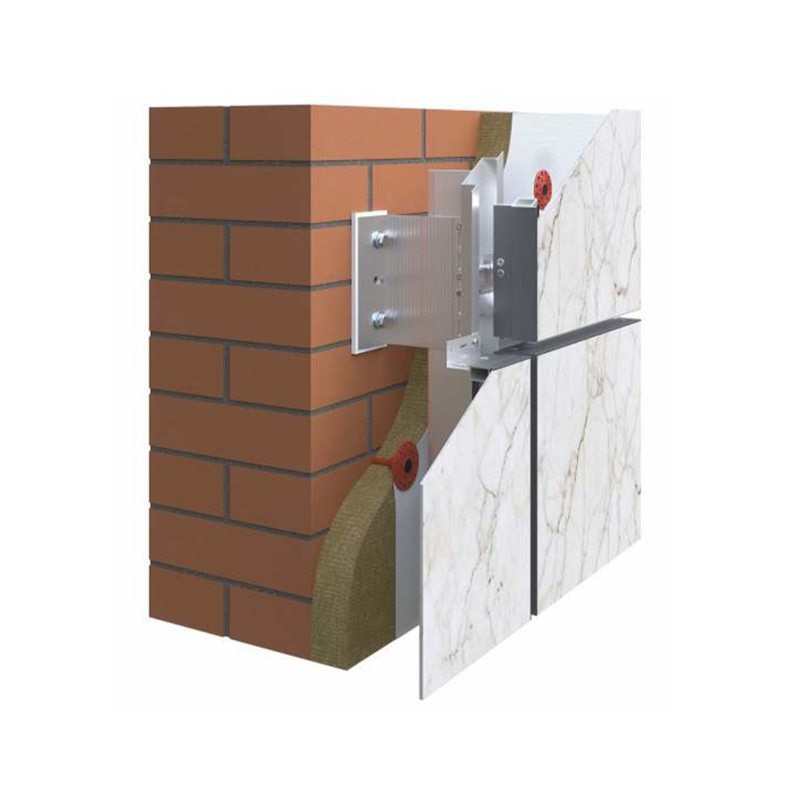
Facade System A0Z-v-300FACING MATERIAL:Large-sized porcelain stoneware tiles 3 to 6 mm thick.FIXING:Concealed with latches (slide holders and cassette...
See Details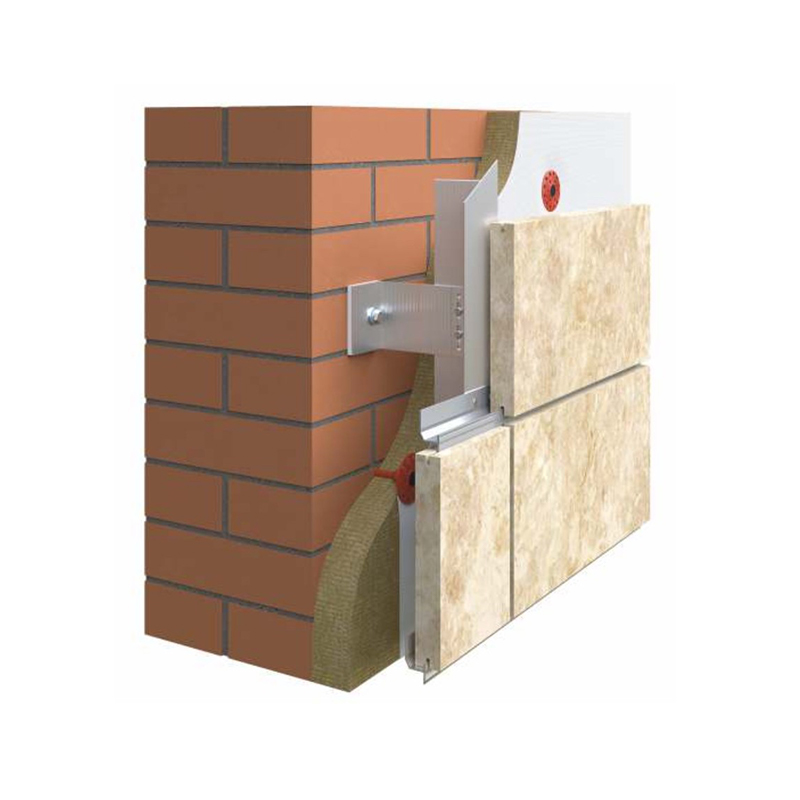
Facade System AOZ-v-20FACING MATERIAL:Natural stone slabs (medium hard rocks, hard rocks), agglomerate granite composite slabsFIXING:Concealed mountin...
See Details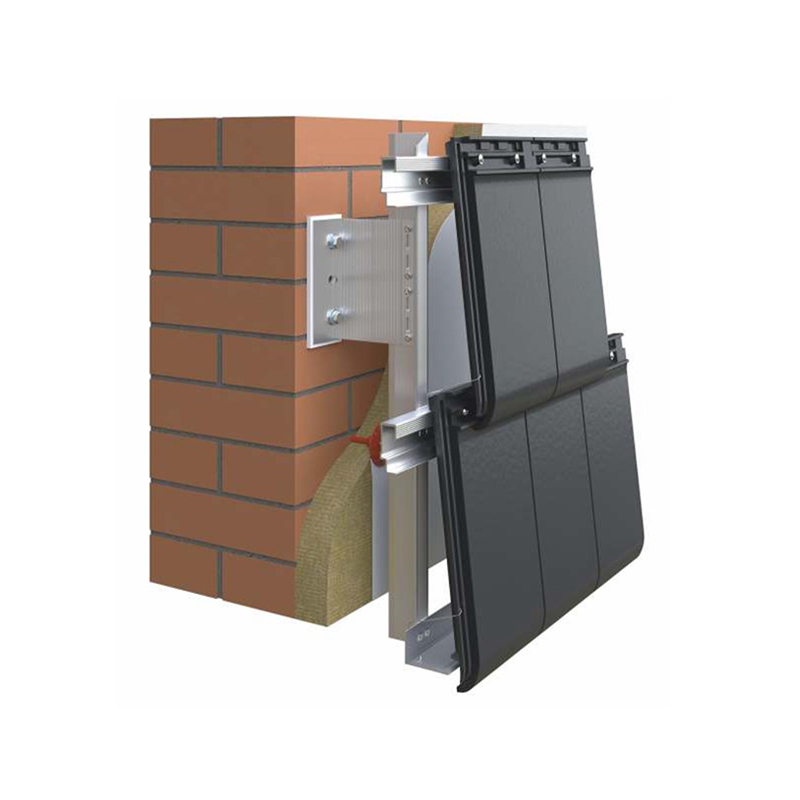
Facade System A0Z-v-350FACING MATERIAL: Ceramic roof tilesFIXING:Concealed with tiles fixed to horizontal bars with self. tapping screw and wind clamp...
See Details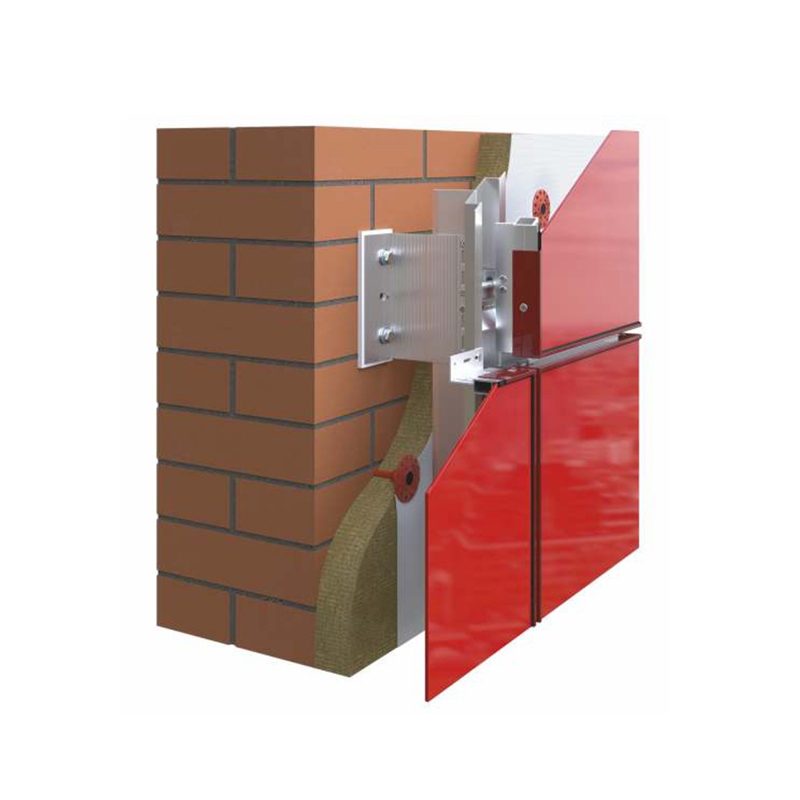
Facade System A0Z-v-300FACING MATERIAL:Tempered glass and stimulate 4 to 8 mm thickFIXING:Concealed with latches (slide holders and cassette hangers),...
See Details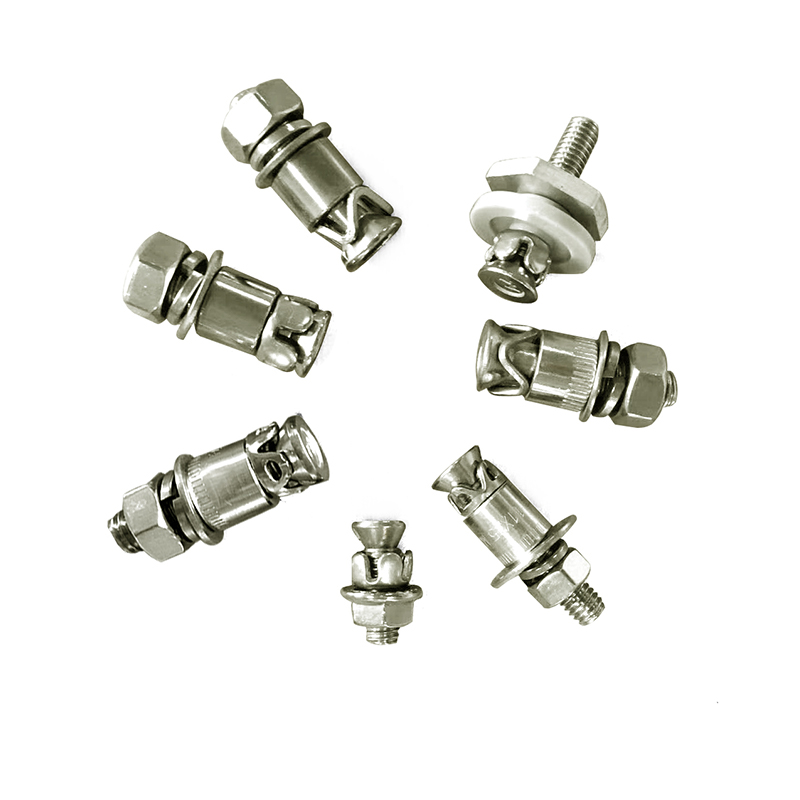
This product is a continuous structure surface, the expansion of the body, while expanding the upper diameter decreases. and the bottom diameter incre...
See Details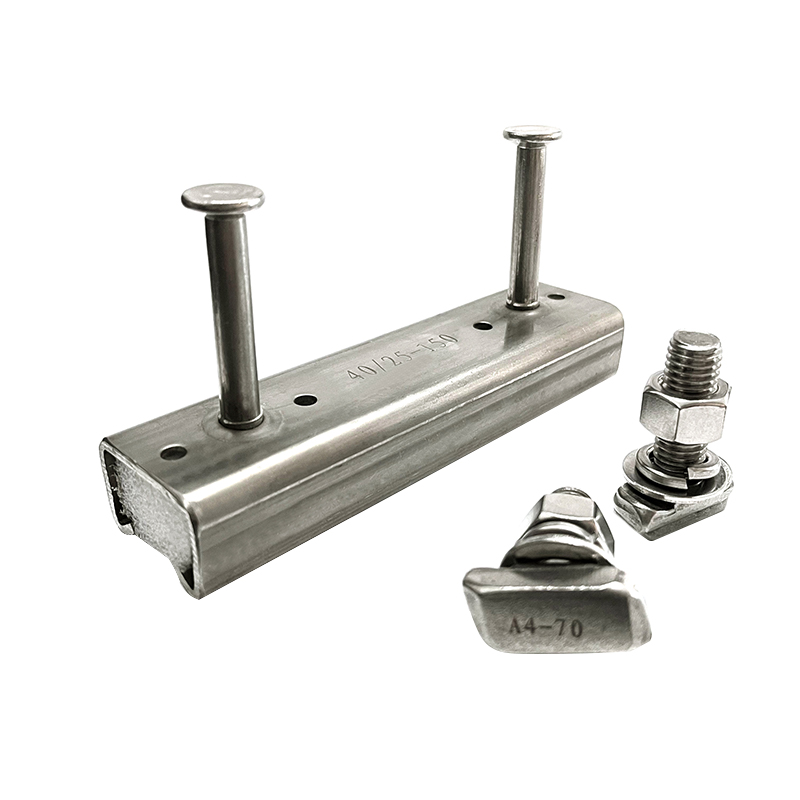
Stainless steel cast channel is an industrial product with durability and stability and is widely used in various fields. Stainless steel material has...
See Details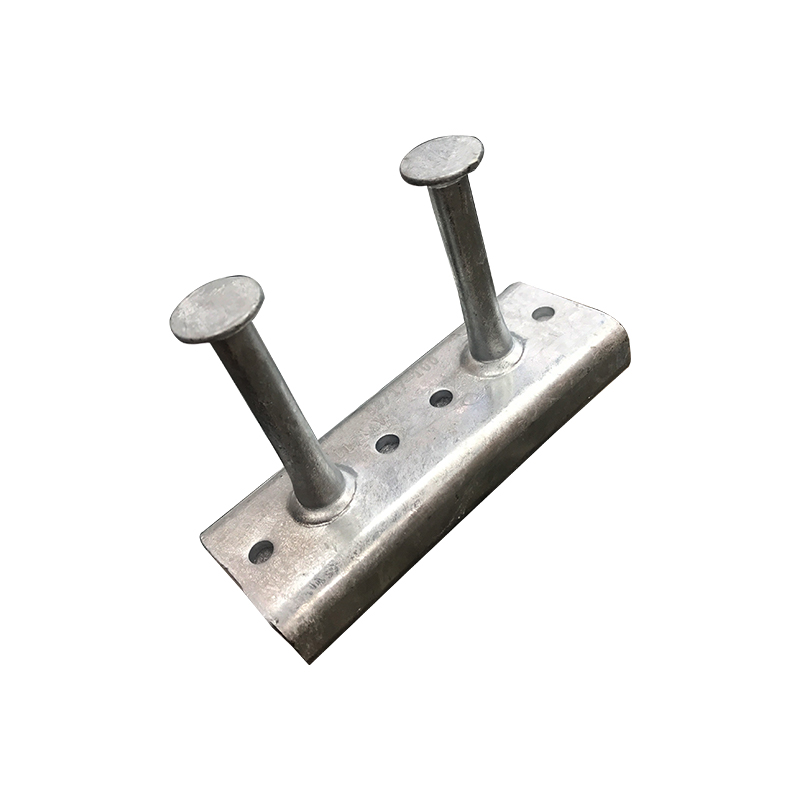
Cold roll cast-in anchor is an important building connector. This anchor is pre-buried in a predetermined position before concrete is poured and ensur...
See Details
We will wholeheartedly provide you with high quality products, reasonable price, on-time delivery and attentive service.
Maoshan Taiwan Business Industrial Park, Dinan Town, Xinghua City, Jiangsu Province, China

+86-523-82799922

+86-15996094444

+86-523-82799933


Copyright © Jiangsu Aozheng Metal Products Co., Ltd. All Rights Reserved.
 English
 русский
 Español
 عربى
عربى

Contact Us