-
 Tel:
Tel:+86-15996094444
-
 E-mail:
INQUIRE NOW
+86-15996094444
INQUIRE NOW

Article Directory
Cast in anchor channels are metal channels embedded into concrete during the casting process. These channels provide a secure and stable point for attaching fixtures or other structural elements. By embedding the anchors within the concrete, they create a strong bond that enhances the durability and safety of the structure.
Using cast in anchor channels for structural applications offers several advantages over traditional anchoring methods. The primary benefit is the seamless integration into the concrete, which avoids post-construction drilling and ensures that the anchors are securely placed within the structure.
Before starting the installation of cast in anchor channels, make sure you have all necessary tools and materials. The most common tools include drills, laser levels, and concrete mixers. The materials you will need are the anchor channels themselves, anchor bolts, concrete mix, and measuring tools.
A thorough site assessment is crucial for the success of your installation of cast in anchor channels. The site must be clean and level to ensure that the anchor channels are placed correctly. Assess the site's load-bearing capacity and make any necessary adjustments before beginning the installation process.
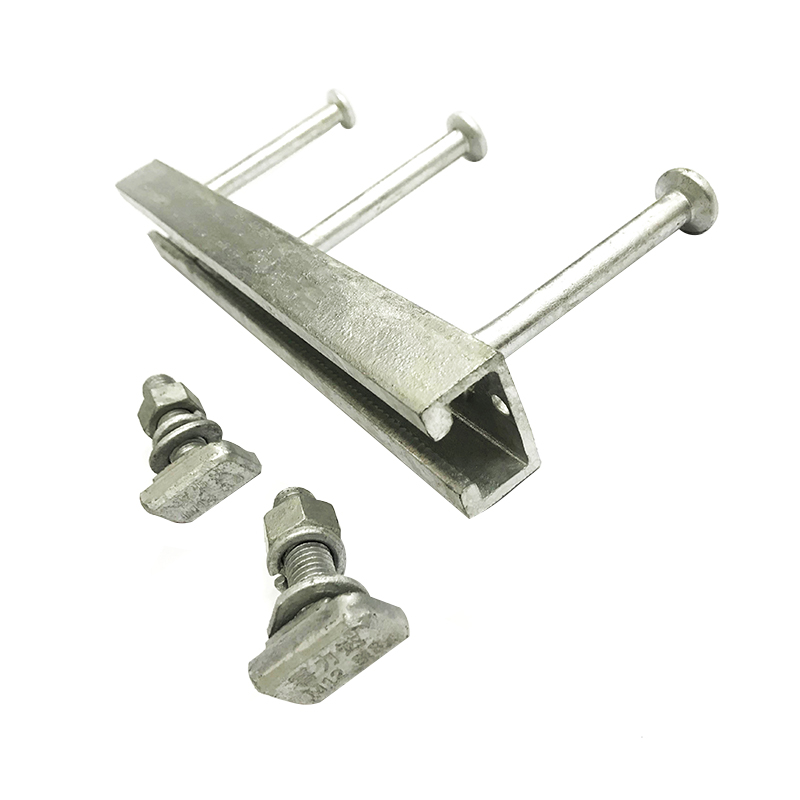
Hot Dip Galvanized Cast In Anchor Channel
The first step is to accurately position the cast in anchor channels where they will be embedded in the concrete. Use a laser level to ensure that the channels are placed in the correct alignment. Mark the spots where the channels will be fixed, ensuring there is enough space between each channel for proper load distribution.
Once positioned, fix the cast in anchor channels for structural applications in place using suitable fasteners or clamps. This step is critical to ensure that the channels remain in place during the concrete pour.
With the channels secured, the next step is pouring the concrete. Ensure the mix is of the correct consistency, and that it flows into all parts of the form. As you pour, use a vibrator to eliminate air bubbles and ensure the concrete fully covers the anchor channels.
Once the concrete is poured, allow it to cure properly. Curing is essential to ensure that the concrete gains the necessary strength to support the anchor system. After curing, perform a final check to ensure that the anchor channels are secure and correctly aligned.
One of the most common mistakes during installation is incorrect channel placement. Ensure that the channels are positioned according to the project's specifications, and that they are properly aligned. This will prevent the need for costly repairs or adjustments after the concrete has cured.
Proper alignment of the anchor channels is essential for the stability of the structure. Misalignment can lead to uneven load distribution, affecting the strength and performance of the anchoring system.
Cast in anchor channels are embedded in the concrete during the casting process, providing a more secure and long-lasting anchoring solution. Traditional anchors, on the other hand, are installed after the concrete has hardened, requiring drilling and potentially weakening the concrete structure.
Yes, cast in anchor channels can be used for both heavy and light load applications. The specific size and material of the anchor channel should be chosen based on the load requirements of the project.
To ensure proper alignment, always use a laser level and check the position of the anchor channels before securing them. Align the channels according to the project's blueprint and confirm that they are positioned correctly before pouring the concrete.
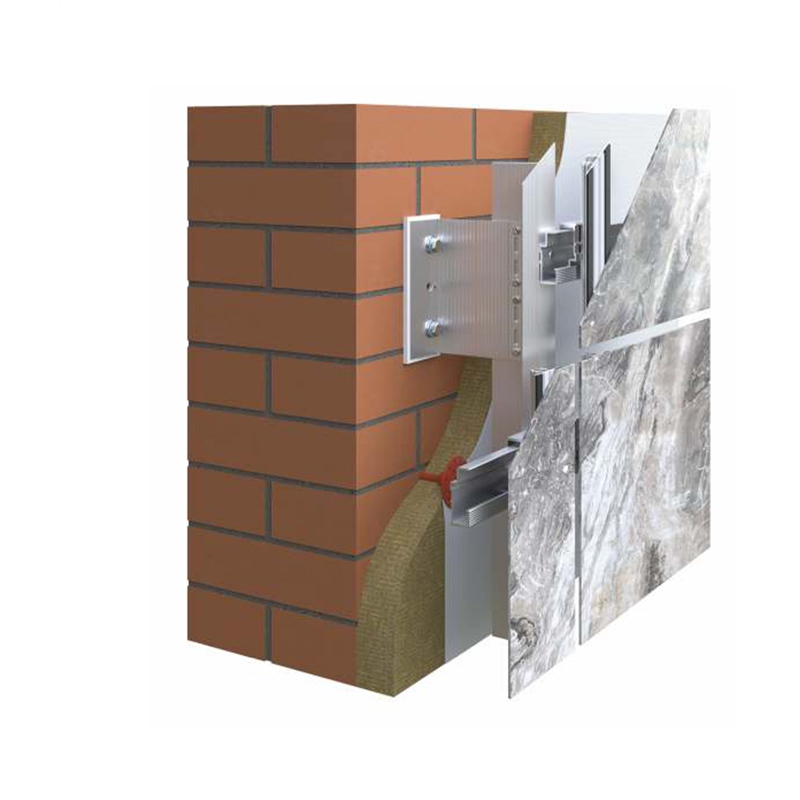
Facade System AOZ-v-300FACING MATERIAL:Tempered glass and stimulate 4 to 8 mm thickFIXING: .Concealed: adhesive binding with M-profile, TRAG profile, ...
See Details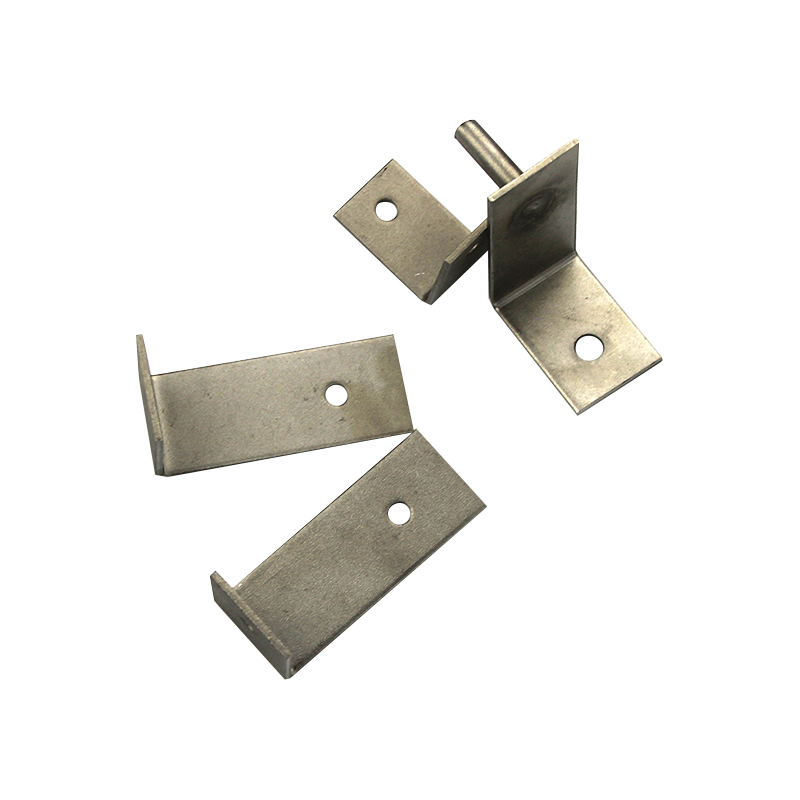
Stainless steel welded L-shaped angle steel is a commonly used building structural material. It is made of stainless steel through a welding process a...
See Details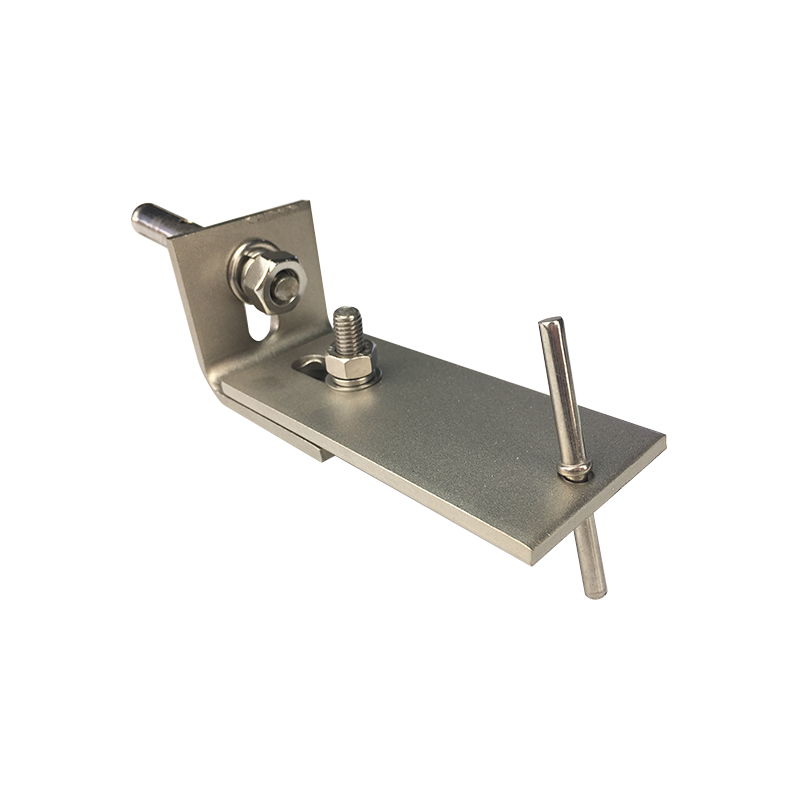
The stainless steel adjustable L-shaped corner code is a practical construction and home accessory. It is made of high-quality stainless steel, which ...
See Details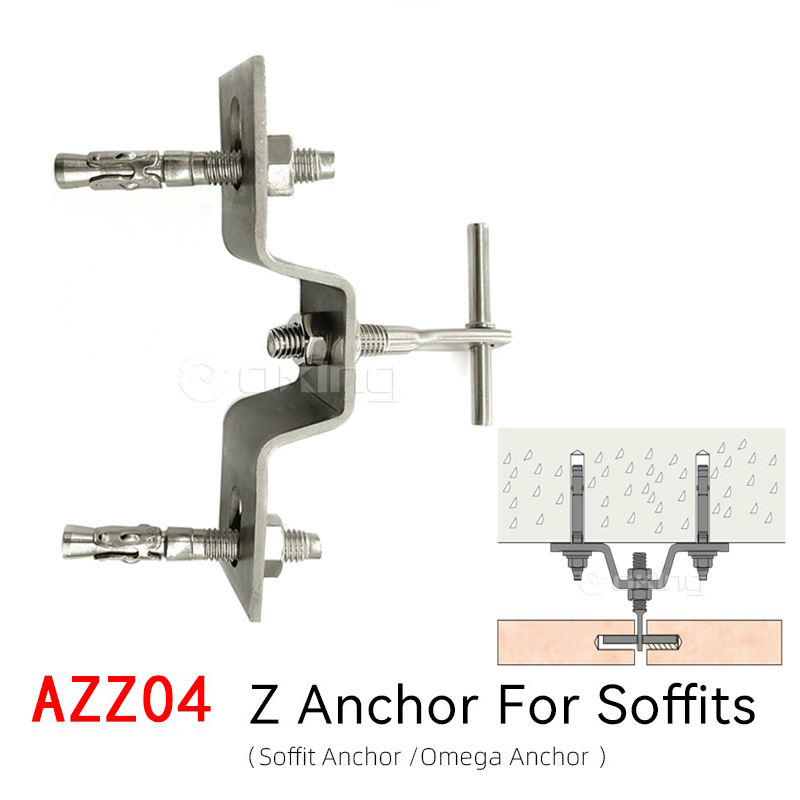
SS Omega Cladding Metal Bracket is a high-performance metal bracket designed specifically for exterior wall cladding. It is made of high-quality stain...
See Details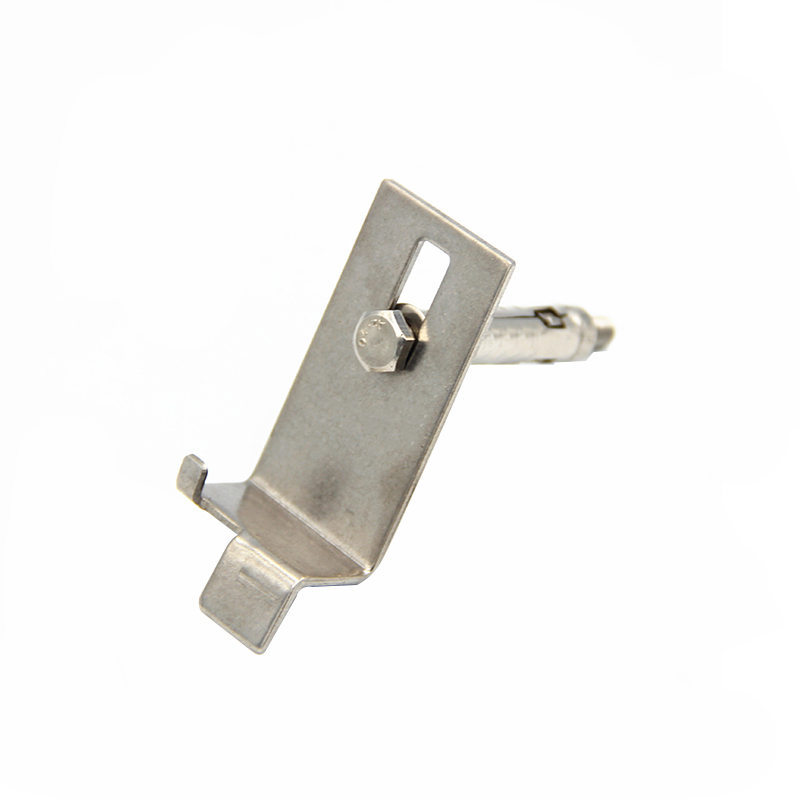
Stone Cladding System Up And Down Stone Fixing Anchor Bracket is an advanced stone curtain wall fixing system designed for vertically installed stone ...
See Details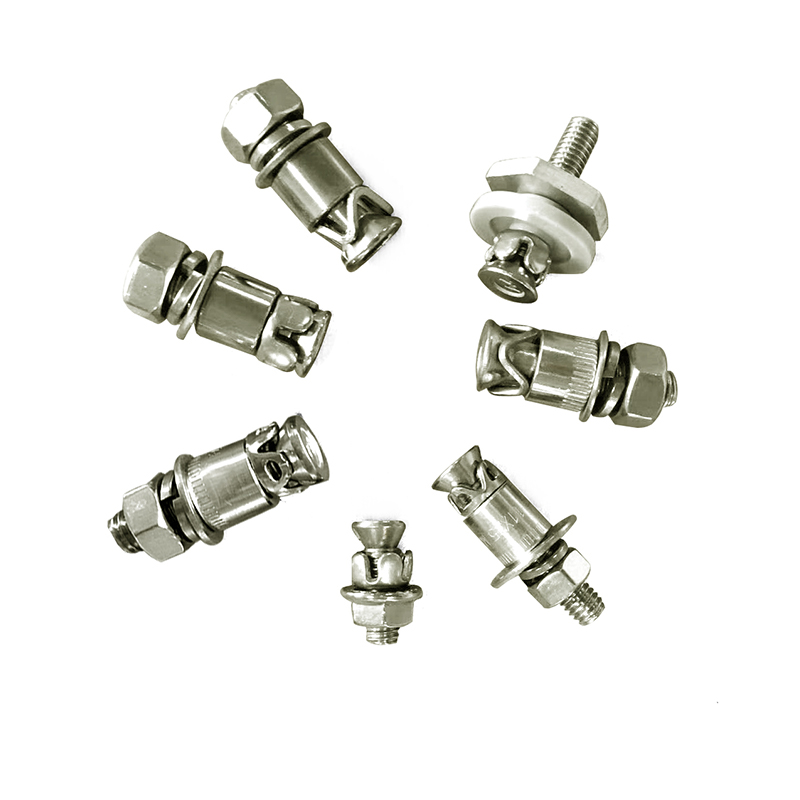
This product is a continuous structure surface, the expansion of the body, while expanding the upper diameter decreases. and the bottom diameter incre...
See Details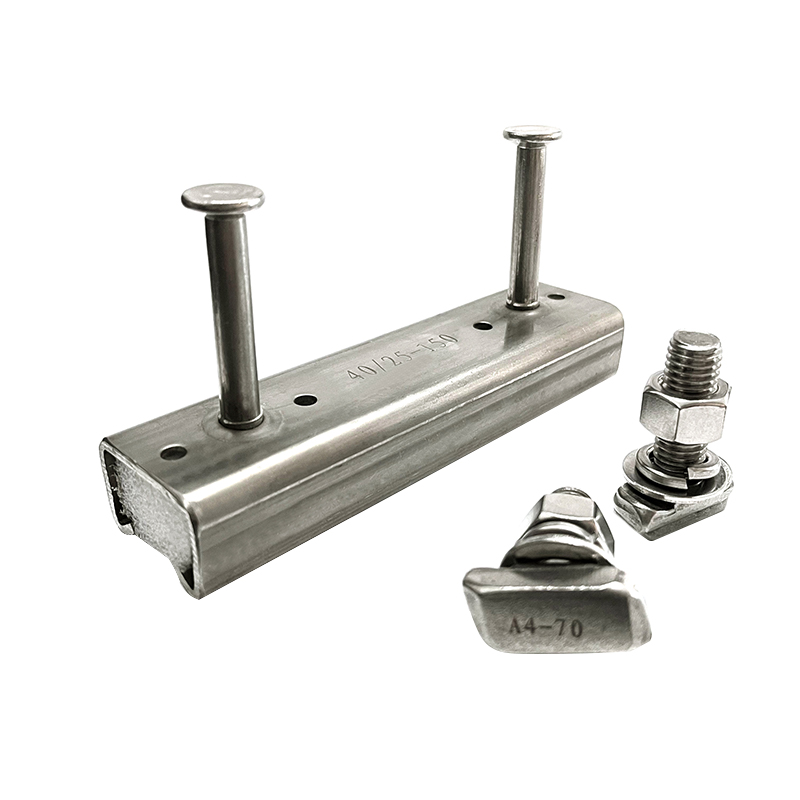
Stainless steel cast channel is an industrial product with durability and stability and is widely used in various fields. Stainless steel material has...
See Details
We will wholeheartedly provide you with high quality products, reasonable price, on-time delivery and attentive service.
Maoshan Taiwan Business Industrial Park, Dinan Town, Xinghua City, Jiangsu Province, China

+86-523-82799922

+86-15996094444

+86-523-82799933


Copyright © Jiangsu Aozheng Metal Products Co., Ltd. All Rights Reserved.
 English
 русский
 Español
 عربى
عربى

Contact Us