-
 Tel:
Tel:+86-15996094444
-
 E-mail:
INQUIRE NOW
+86-15996094444
INQUIRE NOW

Article Directory
Minimizing installation errors for stainless steel cladding brackets is critical for ensuring the long-term performance, safety, and aesthetic integrity of building facades. Even the highest-quality brackets can fail if installed incorrectly, leading to costly repairs, structural concerns, and potential safety hazards. This comprehensive guide provides practical strategies and systematic approaches to significantly reduce common on-site mistakes, focusing on proper planning, precise execution, and thorough verification throughout the installation process. By implementing these best practices, contractors and installers can achieve reliable, durable, and code-compliant cladding systems.
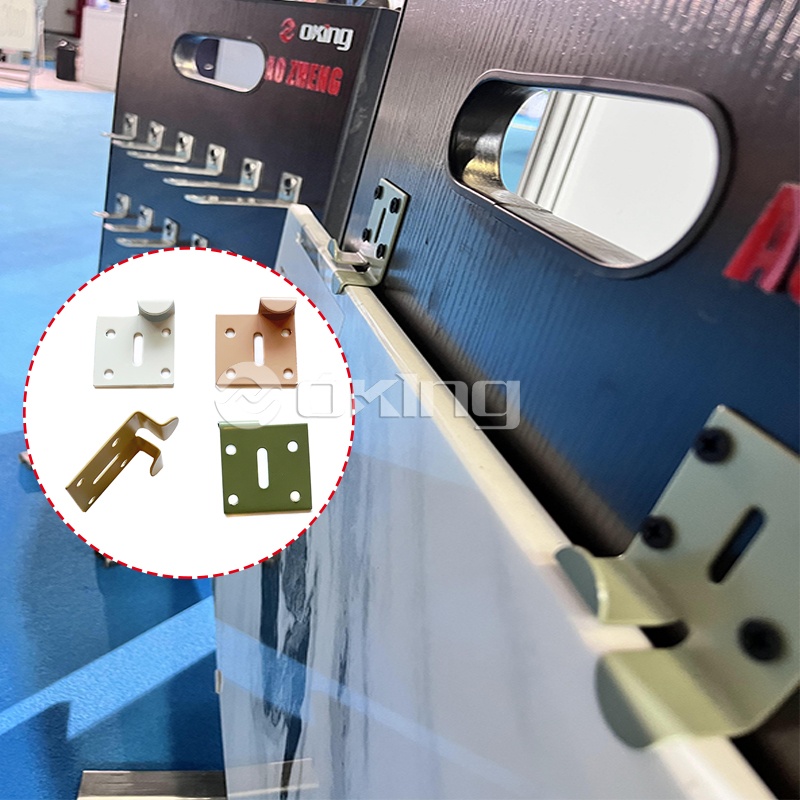
304 316 Stainless Steel Painted Color Ceramic Tiles Clips Stone Cladding Brackets
The most effective way to reduce errors is to prevent them before they occur through meticulous preparation. A robust pre-installation process sets the foundation for a successful project by addressing potential issues in advance and ensuring all components and information are ready and accurate.
A primary source of installation error is a mismatch between the designed system and the as-built conditions of the structure. Proactive verification is a key component of cladding bracket installation best practices.
The following table outlines critical pre-installation checks:
| Checkpoint | Tool/Method | Tolerance Goal |
| Structural Flatness | Straightedge & Level | As per project specs (e.g., ±3mm over 2m) |
| Bracket Dimension | Calipers / Tape Measure | Match shop drawing dimensions exactly |
| Anchor Type & Grade | Visual & Certificate Check | Must conform to structural engineer's specification |
Executing the installation with precision and a logical sequence is paramount. Rushing this phase or using incorrect techniques is a direct path to rework and failure. Adhering to a methodical process ensures consistency and quality across the entire facade.
Fastener-related errors are among the most frequent and consequential on-site problems. Proper technique in this area is non-negotiable for achieving a secure stainless steel facade support system.
Here is a comparison of common fastener issues and their solutions:
| Common Error | Potential Consequence | Preventive Solution |
| Overtightening | Stripped threads, bracket warping | Use a calibrated torque wrench |
| Dirty Anchor Holes | Reduced bond strength for epoxy anchors | Use air blower and brush to clean holes thoroughly |
| Incorrect Embedment | Pull-out failure under load | Use a depth gauge on the drill bit and anchor |
An ongoing and rigorous quality control process is the safety net that catches errors before they are concealed by subsequent construction activities. Implementing a multi-stage inspection protocol is a hallmark of professional on-site construction error reduction.
A structured checklist ensures that no critical item is overlooked. This systematic approach is essential for maintaining high standards in metal cladding support system installation.
Ultimately, the skill and awareness of the installation team are the most critical factors in preventing errors. Investing in training and fostering clear communication channels pays significant dividends in quality and efficiency.
The single most common error is incorrect fastener installation. This encompasses a range of mistakes, including drilling holes that are too large or too deep, failing to properly clean drill dust from holes (for epoxy anchors), over-tightening or under-tightening bolts, and using the wrong type or grade of anchor for the substrate. Since the entire load path relies on these connections, any compromise here directly threatens the integrity of the stainless steel facade support system. A rigorous focus on following the anchor manufacturer's instructions and using calibrated tools is the best defense.
Verifying a correct installation involves a multi-step visual and physical check. First, confirm its location and alignment against the control lines. Second, visually inspect for any obvious gaps between the bracket and the substrate, which indicate poor contact. Third, check for the presence of all specified fasteners and any required isolation washers. Finally, if possible and safe, a calibrated torque wrench can be used to perform an audit check on a sample of fasteners to confirm they meet the specified torque value. For critical applications, a pull-out test on a sample of anchors may be specified by the engineer.
The corrective action depends on the severity of the misalignment. For minor deviations that are within the adjustment range of the cladding panel's attachment slots, no action may be needed. For more significant misalignments that affect level, plumb, or panel alignment, the faulty brackets must be carefully removed and reinstalled. This typically involves drilling new anchor holes in the correct location, following the original specifications for hole size and spacing. The old holes must be patched with a material approved by the structural engineer to maintain the substrate's integrity. This is a clear example of why continuous quality control during installation is more efficient than post-installation correction.
Yes, absolutely. Most manufacturers and suppliers, including reputable ones like Jiangsu Aozheng Metal Products Co., Ltd., provide warranties that cover material defects and manufacturing workmanship. However, these warranties are typically voided by improper installation, storage, or handling. If a bracket fails due to an on-site error like cross-threading, overtightening, or using incorrect fasteners, the responsibility for remediation falls on the installer or contractor, not the manufacturer. This underscores the economic importance of getting the installation right the first time.
Proper storage is a fundamental but often overlooked aspect of on-site construction error reduction. If stainless steel cladding brackets are stored loosely in a pile, they can become bent, scratched, or have their threads damaged. This can lead to installation difficulties, forced fits, and compromised connections. Brackets should be stored off the ground on pallets, protected from the elements, and organized by type and size. Keeping them in their original packaging or labeled crates until the moment of use prevents mix-ups and physical damage, ensuring that installers are working with components that are in the same condition they were when they left the factory.
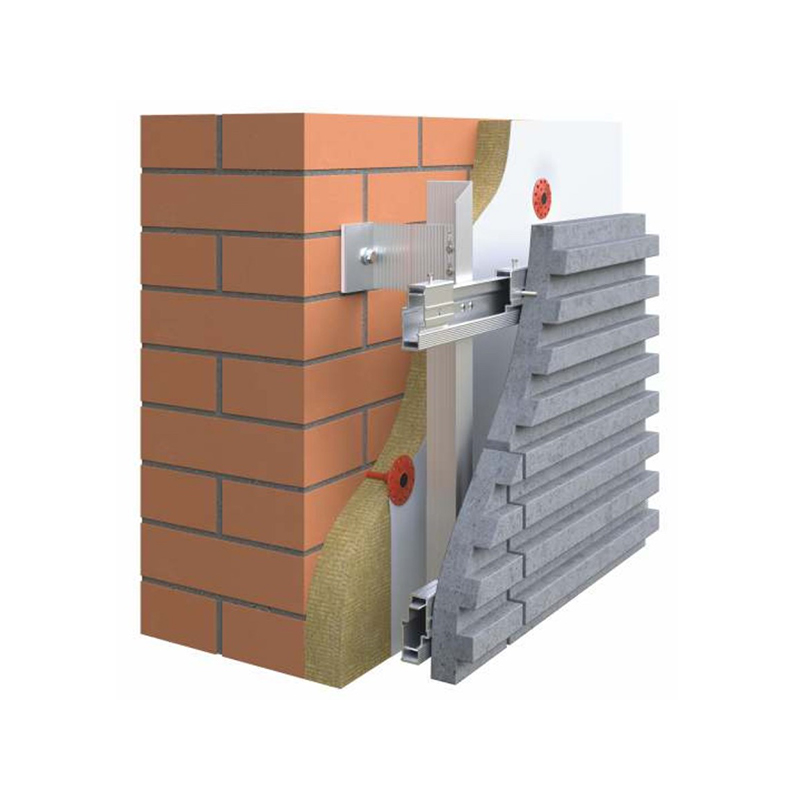
Facade System A0Z-v-20FACING MATERIALS:Porcelain stoneware tiles, natural stone slabs, textured glass-fiber reinforced concrete slabs, fiberglass comp...
See Details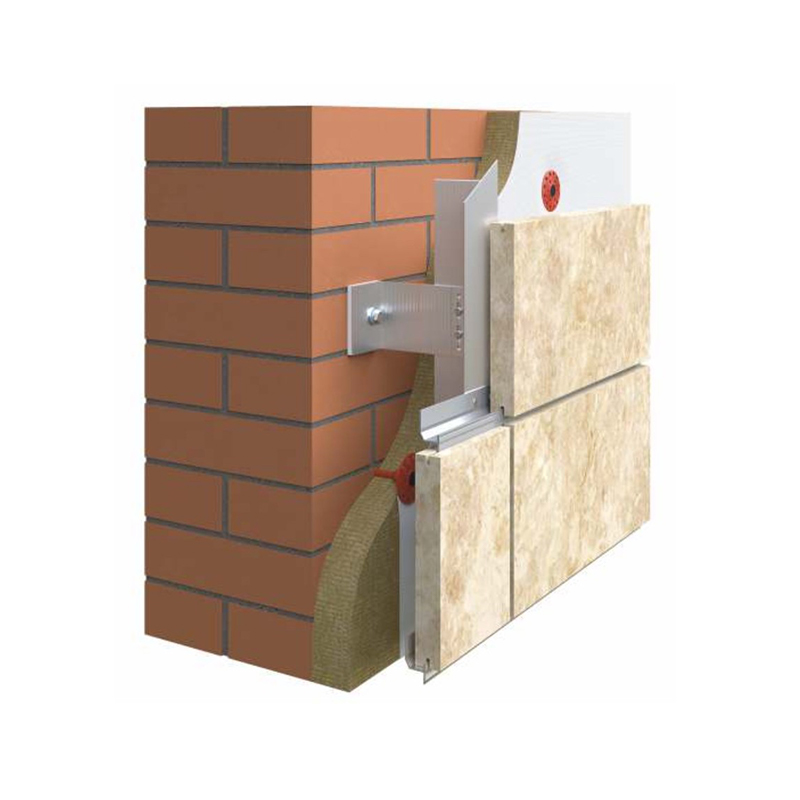
Facade System AOZ-v-20FACING MATERIAL:Natural stone slabs (medium hard rocks, hard rocks), agglomerate granite composite slabsFIXING:Concealed mountin...
See Details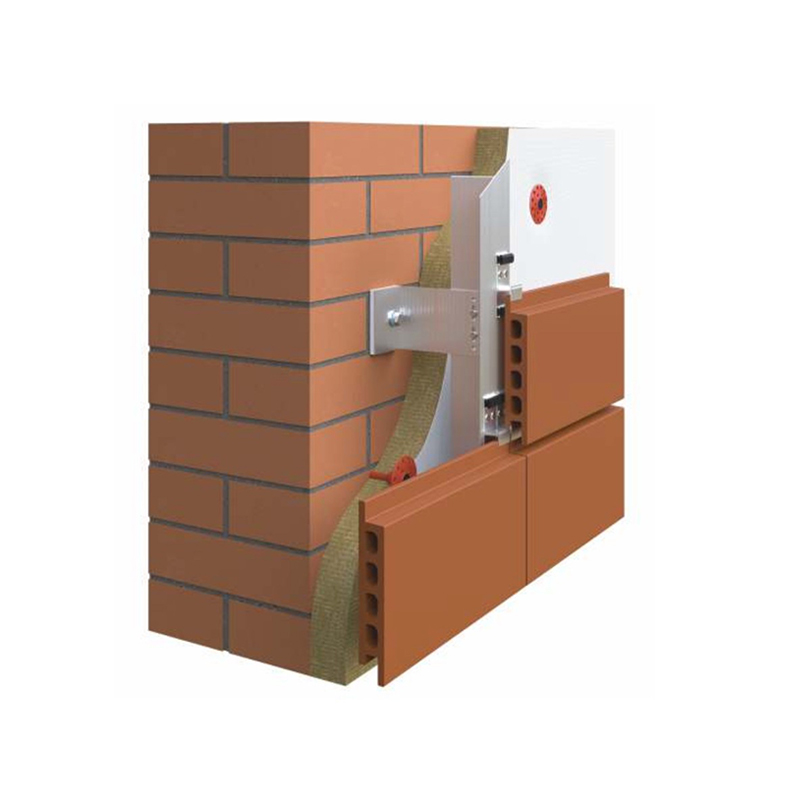
Facade System A0Z-v-350FACING MATERIAL:Horizontally-oriented solid and hollow terracotta tilesFIXING:Concealed with clamps or hold-down barsMAX FACING...
See Details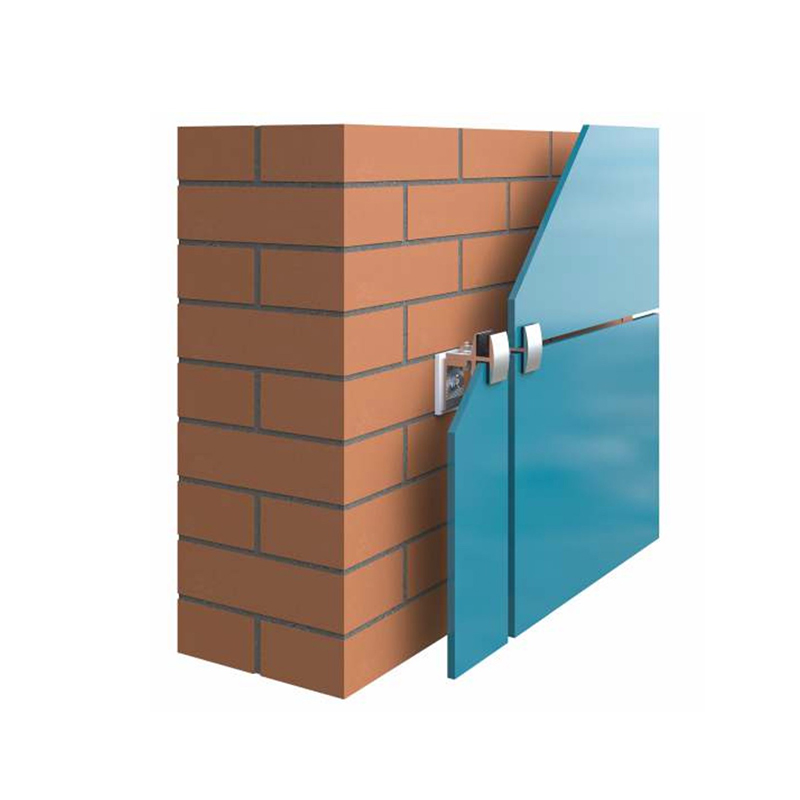
Facade System AOZ-v-300FACING MATERIAL:Tempered glass and stimulate 4 to 8 mm thickFIXING:Visible with clamps with gasketMAX FACING SIZES:1200x2000mm
See Details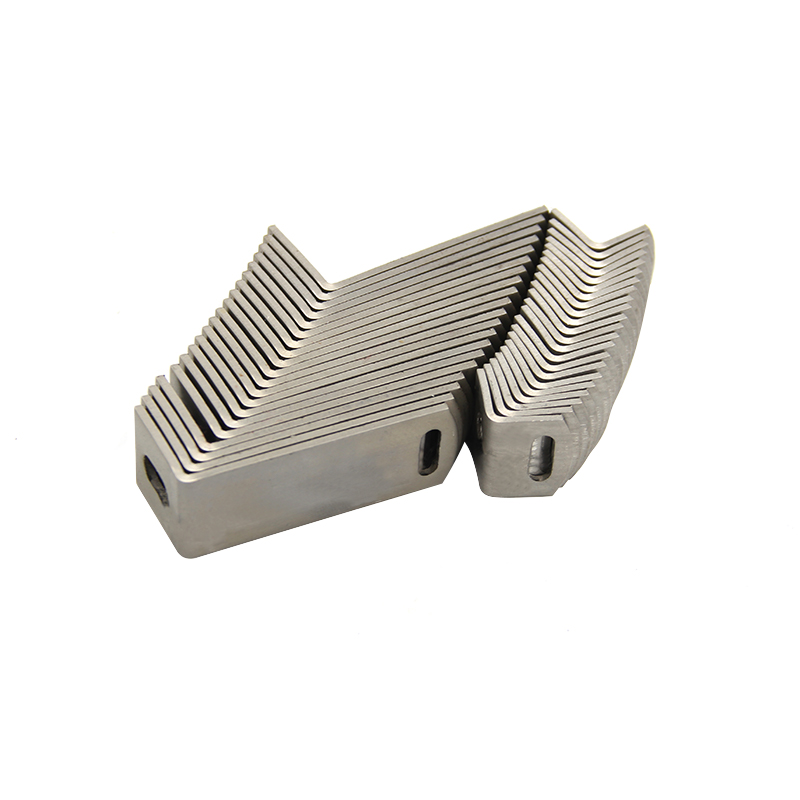
L cladding system Marble clamp is an advanced stone curtain wall fixing system specially used for installing heavy stone panels such as marble. The co...
See Details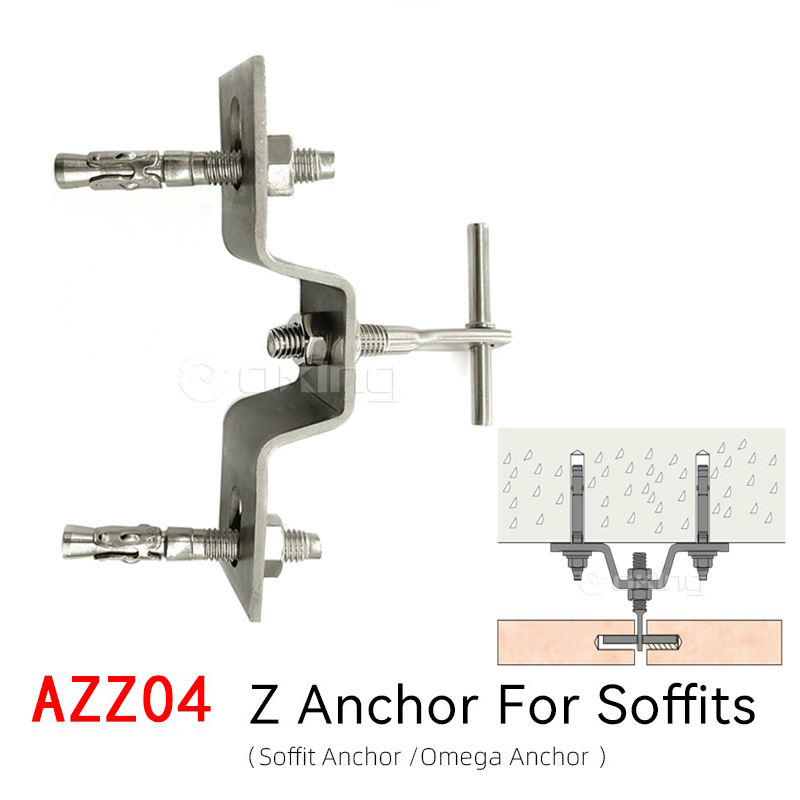
SS Omega Cladding Metal Bracket is a high-performance metal bracket designed specifically for exterior wall cladding. It is made of high-quality stain...
See Details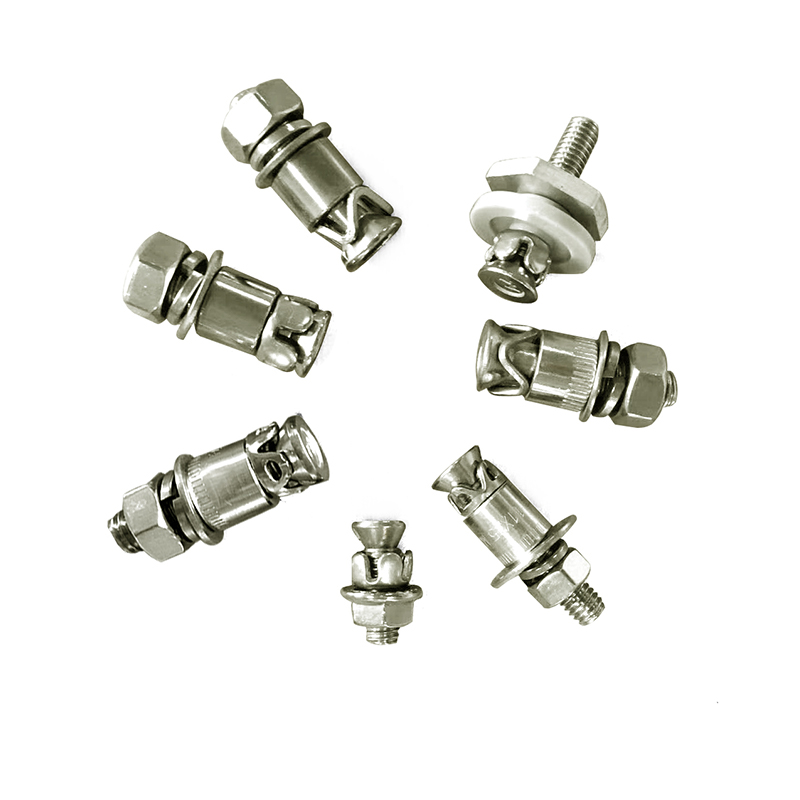
This product is a continuous structure surface, the expansion of the body, while expanding the upper diameter decreases. and the bottom diameter incre...
See Details
We will wholeheartedly provide you with high quality products, reasonable price, on-time delivery and attentive service.
Maoshan Taiwan Business Industrial Park, Dinan Town, Xinghua City, Jiangsu Province, China

+86-523-82799922

+86-15996094444

+86-523-82799933


Copyright © Jiangsu Aozheng Metal Products Co., Ltd. All Rights Reserved.
 English
 русский
 Español
 عربى
عربى

Contact Us