-
 Tel:
Tel:+86-15996094444
-
 E-mail:
INQUIRE NOW
+86-15996094444
INQUIRE NOW

Article Directory
Selecting the right curtain wall panel materials for use with stainless steel cladding brackets is crucial for creating durable, safe, and visually striking building envelopes. The compatibility between panel and bracket affects everything from structural performance and thermal movement to long-term maintenance costs. Stainless steel brackets offer exceptional strength and corrosion resistance, making them suitable for a wide range of panel types, but understanding the specific interface requirements is key to a successful project. This guide explores the most common and suitable curtain wall materials, detailing how they interact with stainless steel support systems to help architects and engineers make informed decisions.
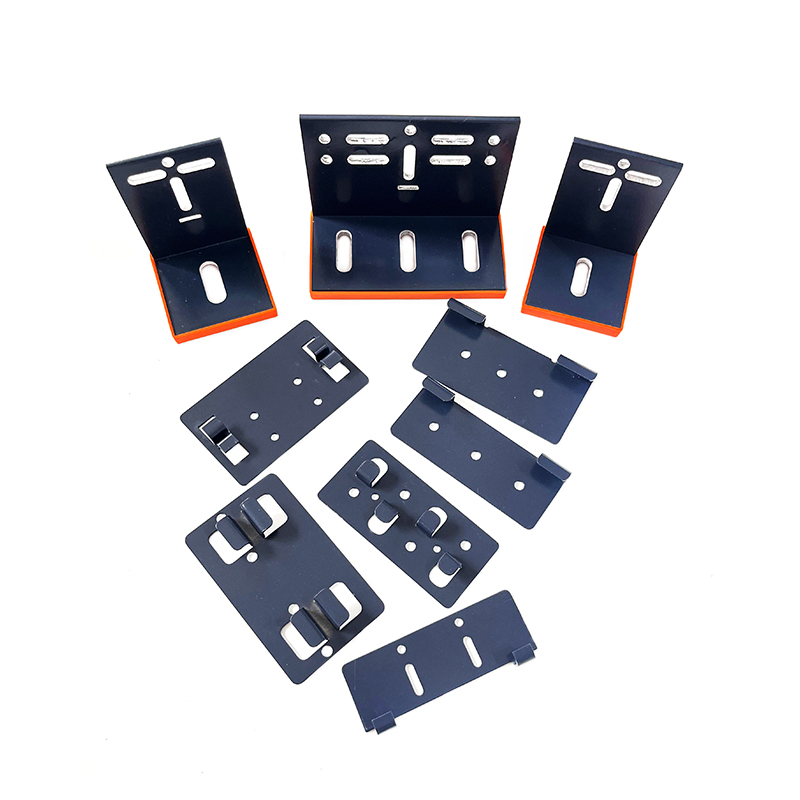
Clips For Ceramic Facade System
Before selecting a specific panel material, it's essential to understand the core engineering and design principles that govern a successful partnership with a stainless steel bracket system. These considerations ensure the assembled facade performs as a cohesive unit under various environmental loads.
A primary function of the stainless steel cladding bracket is to safely manage forces. This involves both supporting the panel's weight and allowing for its natural dynamic behavior, which is a critical aspect of curtain wall bracket material compatibility.
Metal panels are a natural partner for stainless steel brackets due to their high strength-to-weight ratio and modern aesthetic. The key to a successful installation lies in managing the metal-to-metal interface, particularly concerning galvanic corrosion.
When using stainless steel brackets for ACP systems, the prevention of galvanic corrosion is the single most important design detail. Without proper isolation, the aluminum will corrode rapidly, compromising the panel's attachment.
The following table outlines key considerations for metal panel compatibility:
| Panel Material | Primary Consideration with SS Brackets | Required Interface Component |
| Aluminum Composite Panel (ACP) | High risk of galvanic corrosion | Non-conductive isolation pad (e.g., PVC, EPDM) |
| Terra Cotta | High dead load, moisture exposure | Robust, corrosion-resistant bracket; often with adjustable shims |
| Zinc/Copper | Moderate galvanic risk, aesthetic protection | Isolation pad recommended to prevent staining and corrosion |
Heavy and prestigious materials like natural stone and large-format glass require robust and reliable support systems. Stainless steel cladding brackets are often the preferred choice for these applications due to their high strength and proven performance.
The use of stainless steel brackets for stone cladding is a standard in the industry for high-rise and significant buildings. The design focuses on creating a fail-safe connection for the substantial weight involved.
Modern architecture often utilizes innovative composite and engineered materials that offer unique benefits. Integrating these with a stainless steel bracket system requires an understanding of their specific properties and attachment methods.
The versatility of stainless steel cladding brackets makes them suitable for even the most modern panel systems. Success hinges on customizing the connection detail to the panel's unique characteristics.
Comparison of composite material requirements:
| Panel Material | Weight Consideration | Bracket Interface Detail |
| Fiber Reinforced Polymer (FRP) | Lightweight | Direct fastener with load-spreading washer |
| High-Pressure Laminate (HPL) | Light to Medium | Connection via aluminum carrier frame |
| Photovoltaic (BIPV) Panels | Medium to Heavy | Robust, non-corrosive support frame with electrical isolation |
The primary advantage is superior corrosion resistance. While carbon steel brackets are often galvanized, this coating can be scratched or damaged during installation or over time, leading to rust that can compromise structural integrity and stain the facade. Stainless steel cladding brackets, particularly grades 304 and 316, form a passive oxide layer that self-heals, providing maintenance-free durability for the life of the building. This is especially critical in coastal, industrial, or high-pollution environments where corrosion is a major concern, ensuring the long-term reliability of the stainless steel facade system.
Yes, it is a non-negotiable best practice. Aluminum is anodic to stainless steel in the galvanic series. When moisture is present, this creates a battery-like effect where the aluminum (the anode) corrodes sacrificially to protect the stainless steel (the cathode). This corrosion can be rapid and severe, leading to pitting and failure of the aluminum panel at the connection point. Therefore, using a non-conductive isolation pad for cladding brackets is essential for any permanent installation to break the electrical circuit and prevent this destructive electrochemical process.
Absolutely. Stainless steel brackets are highly versatile and form the primary structural support for both system types. The fundamental design of the bracket itself is often similar. The key differences lie in the overall wall assembly behind the panels—specifically, the presence and design of the air and moisture barriers. The bracket must be compatible with the sealing details of the chosen system. For example, in a pressure-equalized rainscreen, the bracket's penetration through the air barrier must be meticulously sealed to maintain the chamber's performance.
Panel weight directly dictates the required load-bearing capacity of the stainless steel cladding bracket. Heavier materials like thick granite or GFRC require brackets with a larger cross-section, greater thickness, and more robust fasteners. The structural engineer must calculate the dead load (the panel's weight) and live loads (wind, seismic) to specify a bracket with an appropriate factor of safety. Using an undersized bracket for a heavy panel is a critical safety error. This is why manufacturers like Jiangsu Aozheng Metal Products Co., Ltd. often provide a range of bracket sizes and capacities to suit everything from lightweight ACP to heavy stone cladding.
When properly specified and installed, a stainless steel bracket system can last for the entire design life of the building, often considered to be 50 years or more. The actual lifespan depends on the stainless steel grade (with 316 lasting longer in harsh environments), the local atmospheric conditions, and the quality of installation. Unlike other materials, stainless steel does not require periodic painting or coating maintenance to retain its corrosion resistance, making it a low-maintenance, life-cycle cost-effective solution for permanent building structures.
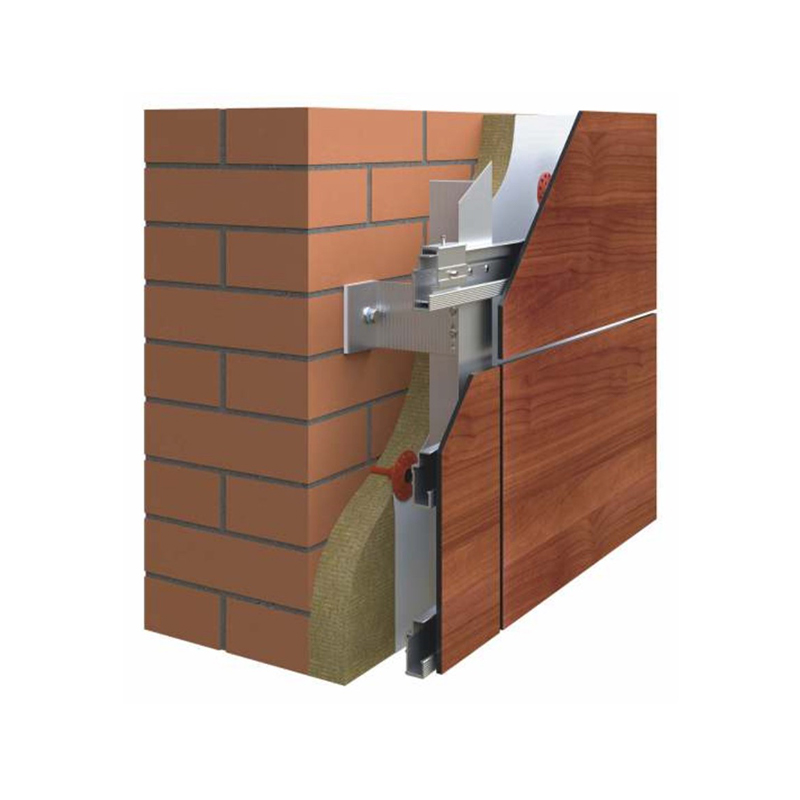
Facade System A0Z-v-20FACING MATERIAL:Fiber cement panels, RockPanels, HPL panelsFIXING:concealed with KEIL anchors, TRAG profile, and hangersMAX FACI...
See Details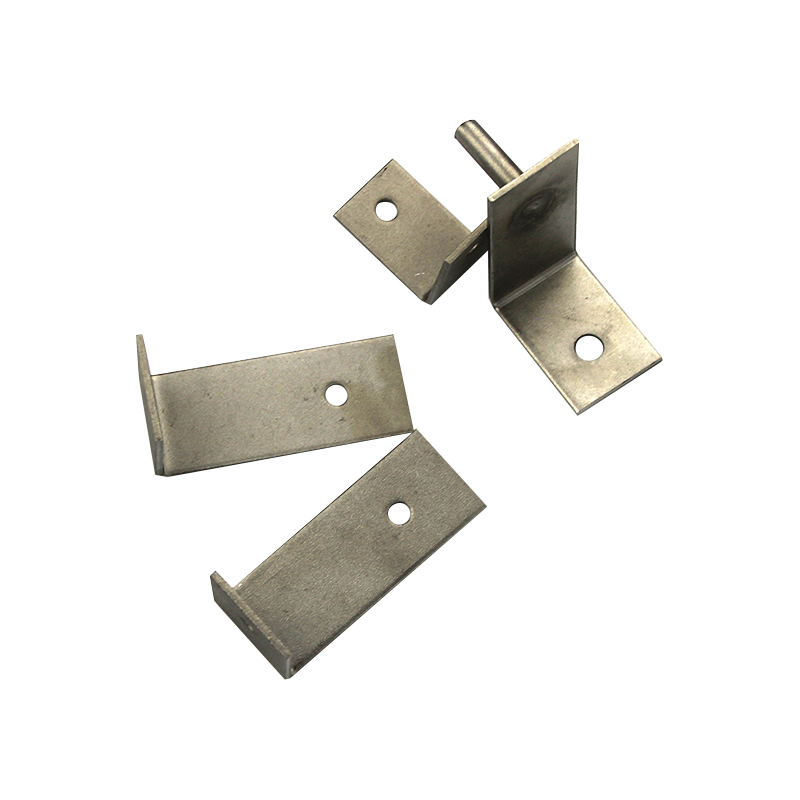
Stainless steel welded L-shaped angle steel is a commonly used building structural material. It is made of stainless steel through a welding process a...
See Details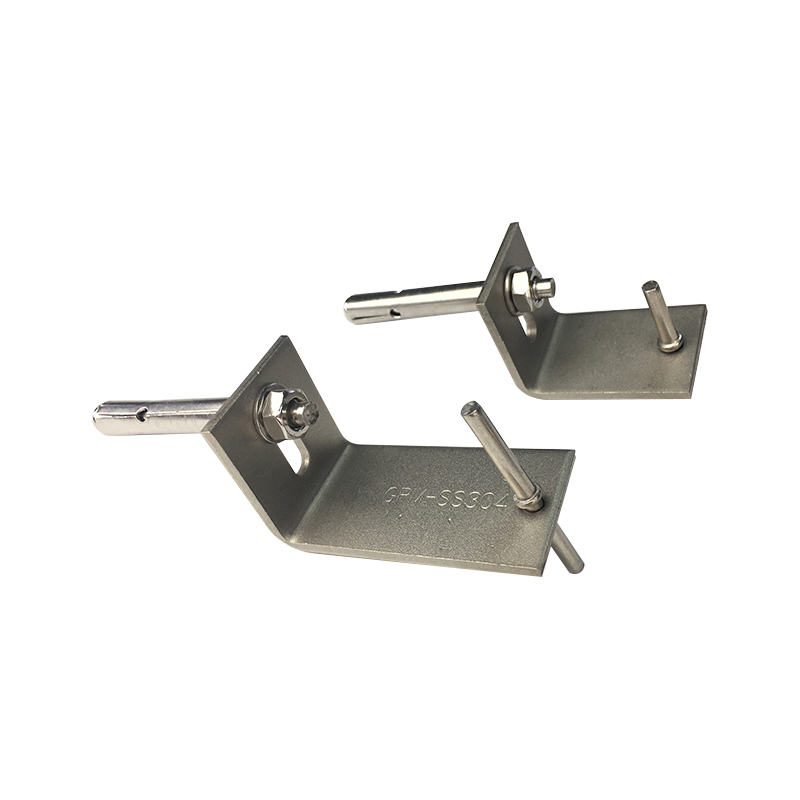
L Angle Bracket in the Cladding System is an important connecting element used to support and fix the boards or panels of building exterior walls. Wit...
See Details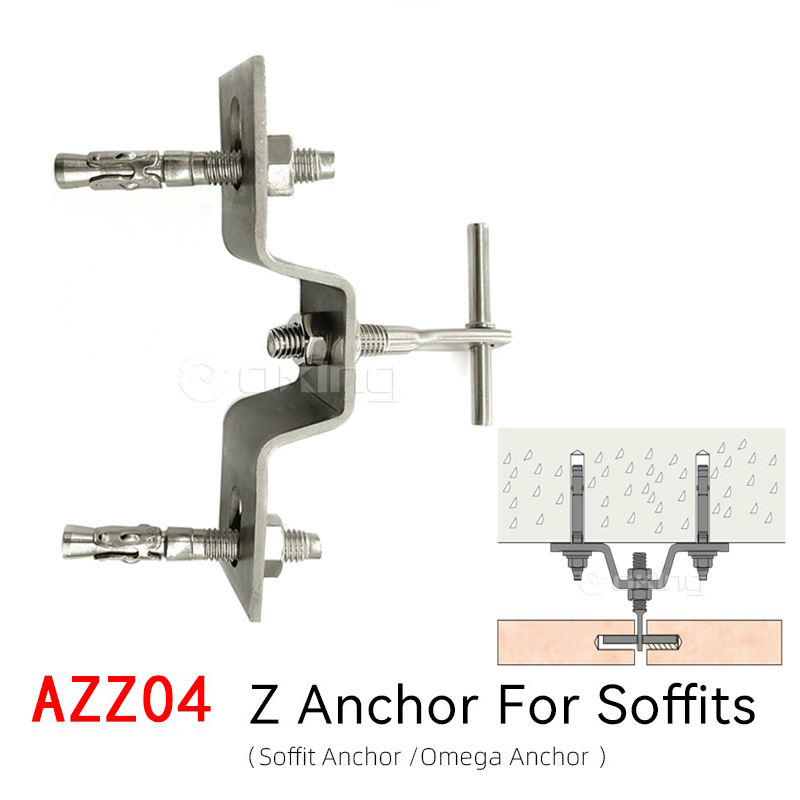
SS Omega Cladding Metal Bracket is a high-performance metal bracket designed specifically for exterior wall cladding. It is made of high-quality stain...
See Details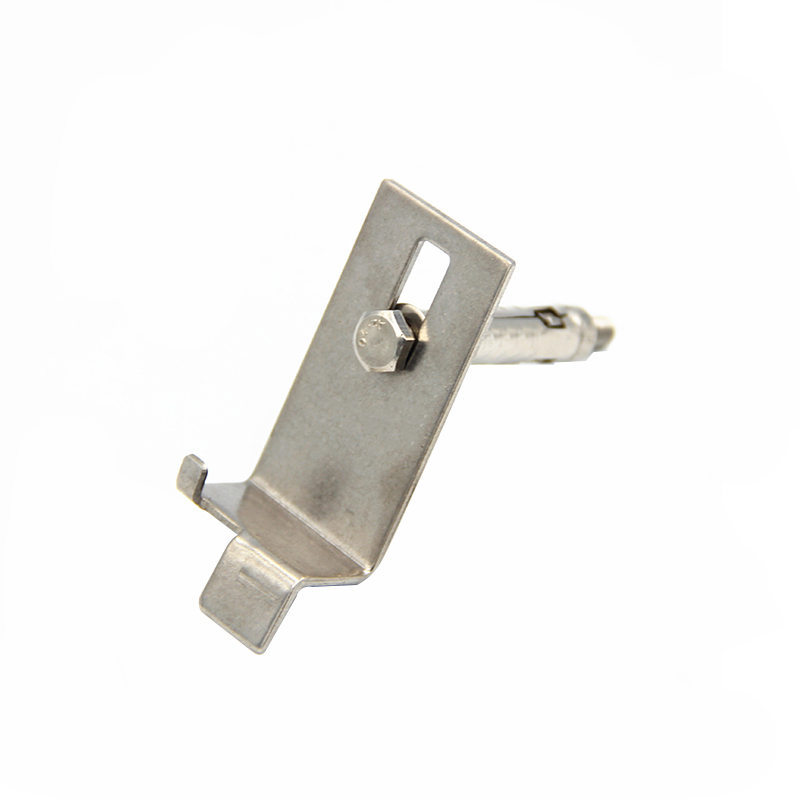
Stone Cladding System Up And Down Stone Fixing Anchor Bracket is an advanced stone curtain wall fixing system designed for vertically installed stone ...
See Details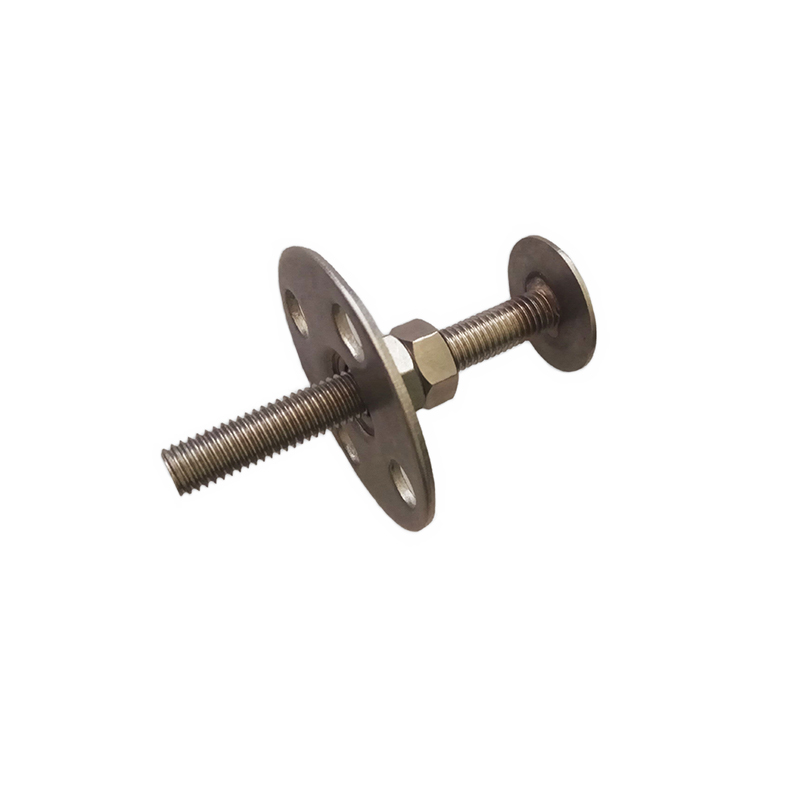
The Stone Clips For Wall Fixing System provides a structural solution for the secure attachment of natural stone, ceramic tiles, and heavy cladding pa...
See Details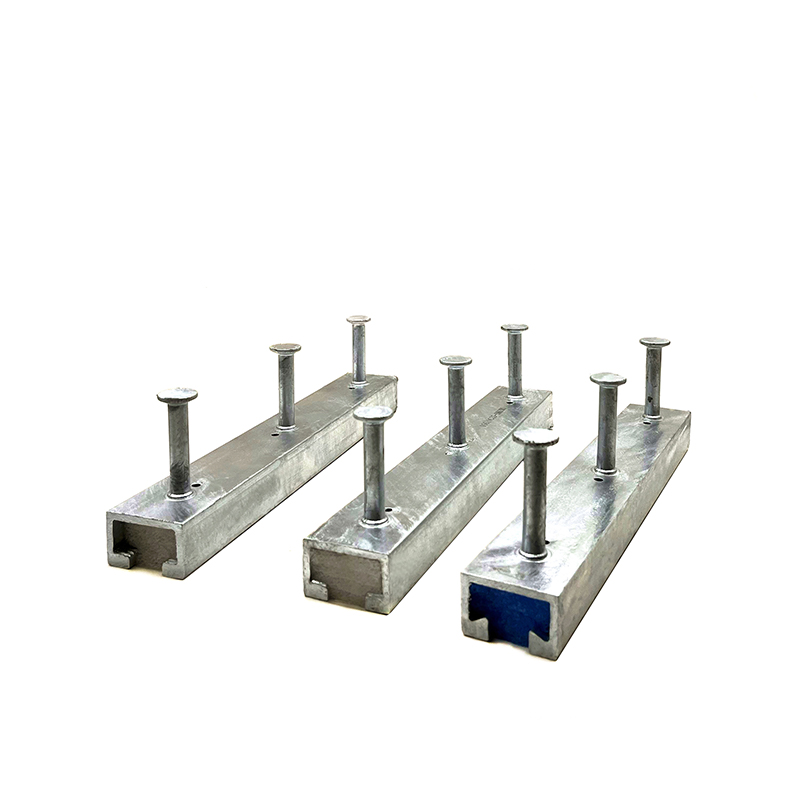
Hot roll anchor channel is an important steel material widely used in buildings, bridges, roads, and other civil engineering structures. It is produce...
See Details
We will wholeheartedly provide you with high quality products, reasonable price, on-time delivery and attentive service.
Maoshan Taiwan Business Industrial Park, Dinan Town, Xinghua City, Jiangsu Province, China

+86-523-82799922

+86-15996094444

+86-523-82799933


Copyright © Jiangsu Aozheng Metal Products Co., Ltd. All Rights Reserved.
 English
 русский
 Español
 عربى
عربى

Contact Us