-
 Tel:
Tel:+86-15996094444
-
 E-mail:
INQUIRE NOW
+86-15996094444
INQUIRE NOW

Article Directory
In modern architectural façade systems, the role of metal brackets in supporting cladding panels is critical. This article explores in depth stainless steel cladding bracket sizes: what size means, why it matters, how to select, and how to measure for installation. We also present insights from our company, Jiangsu Aozheng Metal Products Co., Ltd., a diversified and large‑scale professional production base for stainless steel, aluminum alloy, carbon steel and low alloy steel materials. With advanced automated cutting, stamping, welding processes and an annual production of over 2000 tons for building materials exported globally, our expertise ensures reliable bracket sizing and production for high‑end markets.
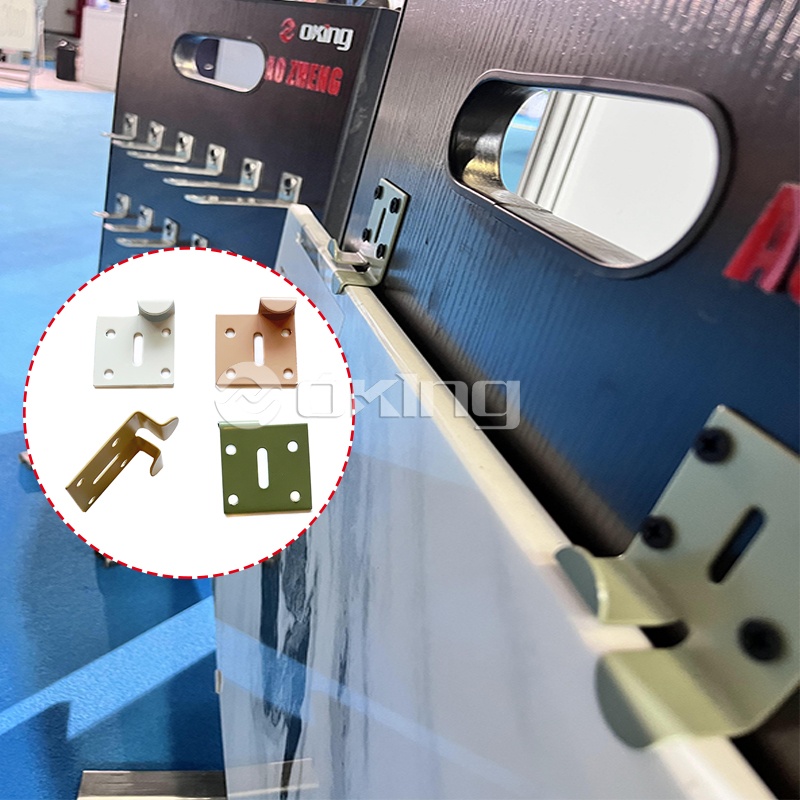
304 316 Stainless Steel Painted Color Ceramic Tiles Clips Stone Cladding Brackets
Here is a comparison between typical low‑rise and high‑rise systems to illustrate sizing differences:
| Project Type | Typical Bracket Leg Length | Plate Thickness | Slot/Hole Size |
|---|---|---|---|
| Low‑rise, up to 6 storeys | 150‑250 mm | 5‑8 mm | 12‑20 mm |
| Mid‑rise, 7‑15 storeys | 250‑400 mm | 8‑12 mm | 16‑25 mm |
| High‑rise, over 15 storeys | 400‑600 mm+ | 10‑16 mm | 20‑30 mm+ |
The following table summarises typical cost/lead‑time differences:
| Parameter | Standard Size | Custom Size |
|---|---|---|
| Material & Fabrication Cost | Lower (economies of scale) | Higher (special tooling, non‑standard dimensions) |
| Lead Time | Shorter (stocked or quick fabrication) | Longer (design/custom drawing, approval, fabrication) |
| Design Flexibility | Limited to standard dimensions | High flexibility to meet project‑specific needs |
td>550‑700 mm
| Building Height | Leg Length | Plate Thickness |
|---|---|---|
| 20‑30 storeys | 450‑550 mm | 12‑14 mm |
| 30‑50 storeys | 14‑16 mm | |
| 50+ storeys | 700 900 mm+ | 16‑20 mm+ |
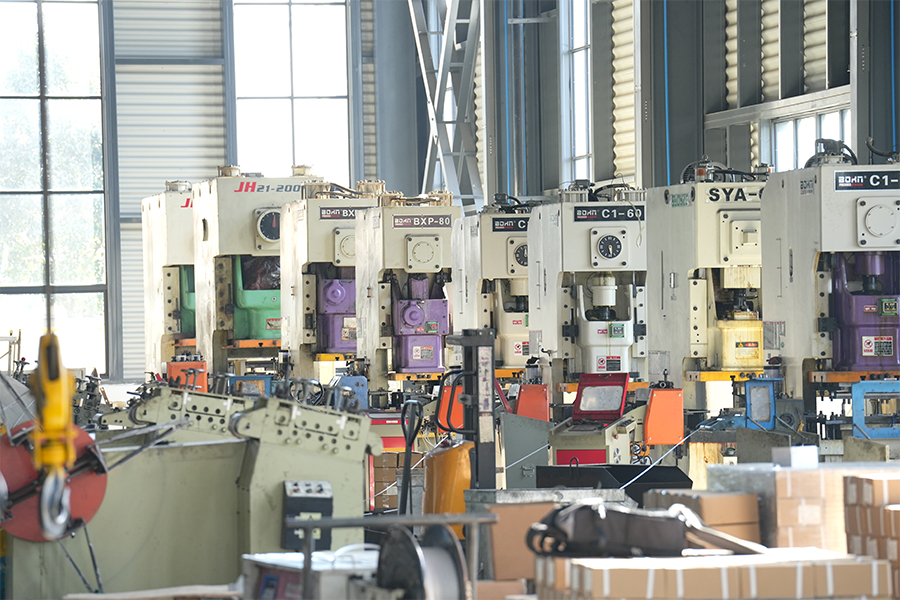
Jiangsu Aozheng Metal Products Co., Ltd. is a combination of industry and trade enterprises, committed to the production of stainless steel, aluminum alloy, carbon steel and low alloy steel materials and architectural hardware. The firm uses advanced automated cutting, stamping and welding processes and is a diversified and large‑scale professional production base, with raw‑materials molding and machining in one. The company is based on high‑quality and high‑end markets, with an annual production of various types of building materials of more than 2000 tons, mainly exported to the United States, Germany, Italy, Britain, South Korea, Australia, Canada, the Middle East and dozens of countries. The company cooperates with large construction companies and has become their important building materials supplier.
| Parameter | Specification |
|---|---|
| Material | Stainless Steel 304 / 316 (depending on corrosion resistance requirements) |
| Surface Finish | Brushed, Polished, Passivated, Powder Coated (optional) |
| Corrosion Resistance | Excellent for marine, coastal, and industrial environments |
| Operating Temperature | -40°C to 300°C |
| Compliance Standards | ASTM A240, EN 10088-1, ISO 3506 |
| Bracket Type | Leg Length (mm) | Plate Thickness (mm) | Slot/Hole Size (mm) | Adjustability (mm) |
|---|---|---|---|---|
| Low-rise, up to 6 storeys | 150–250 | 5–8 | 12–20 | 10–25 |
| Mid-rise, 7–15 storeys | 250–400 | 8–12 | 16–25 | 20–40 |
| High-rise, 16–50 storeys | 400–700 | 12–16 | 20–30 | 30–50 |
| Super High-rise, 50+ storeys | 700–900+ | 16–20+ | 25–35 | 40–60 |
| Parameter | Low-rise | Mid-rise | High-rise | Super High-rise |
|---|---|---|---|---|
| Vertical Load Capacity (kN) | 2–4 | 4–8 | 8–15 | 15–25+ |
| Lateral Load Resistance (kN) | 1–2 | 2–4 | 4–8 | 8–12+ |
| Maximum Wind Pressure (Pa) | 500–800 | 800–1200 | 1200–2000 | 2000–3000+ |
| Recommended Fastener Type | Stainless Steel M8/M10 Screws or Bolts | M10/M12 Bolts | M12/M16 Bolts | M16/M20 Bolts |
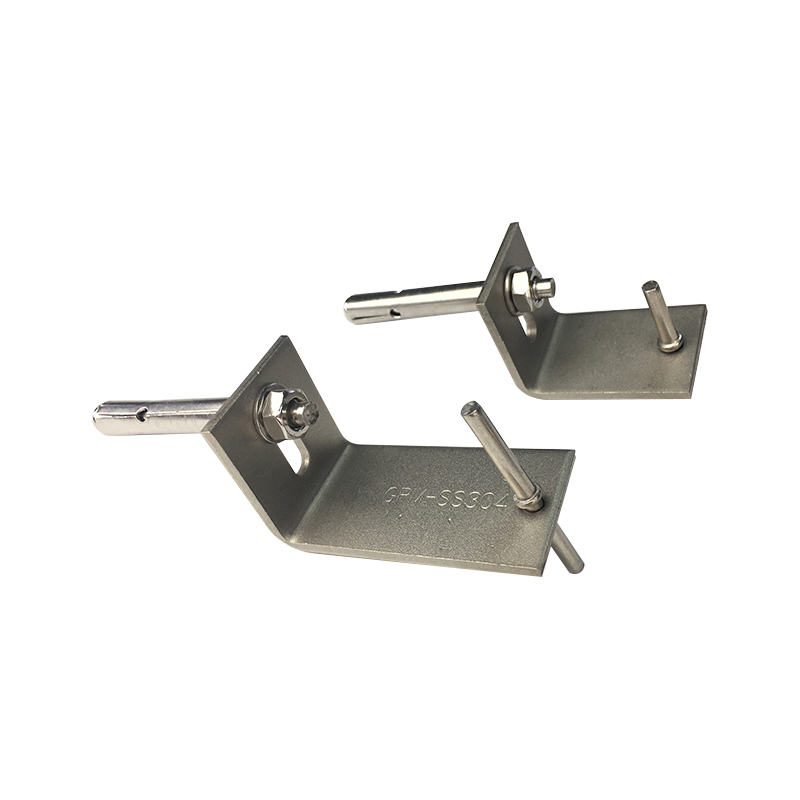
L Angle Bracket in the Cladding System is an important connecting element used to support and fix the boards or panels of building exterior walls. Wit...
See Details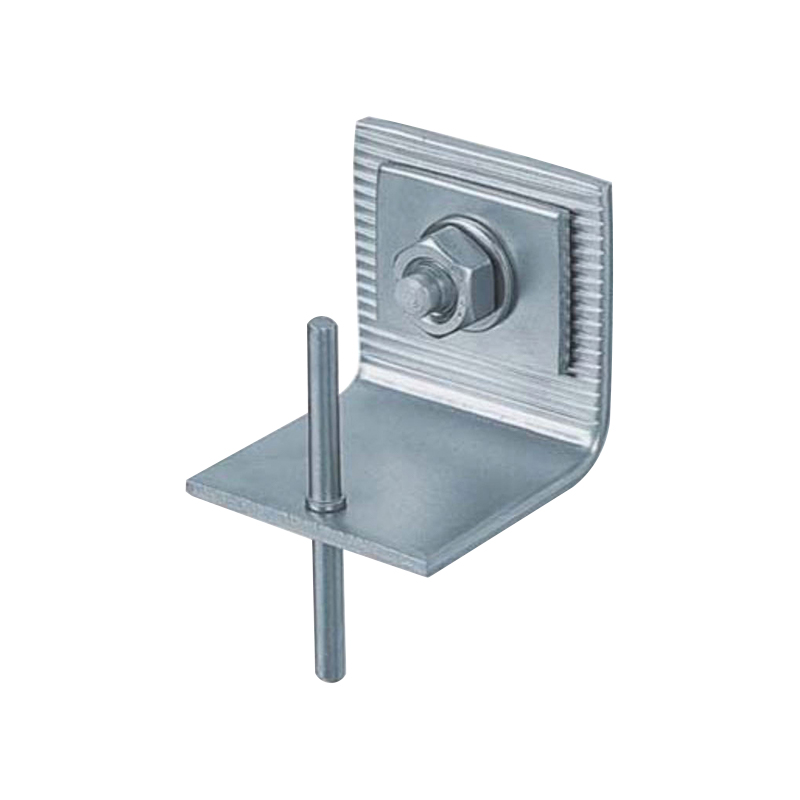
● Material: Stainless Steel 1.4301 IA2| & 1.4401 [A41]● The table above is prepared according to the DIN 18516 standard● Loads stated are working ...
See Details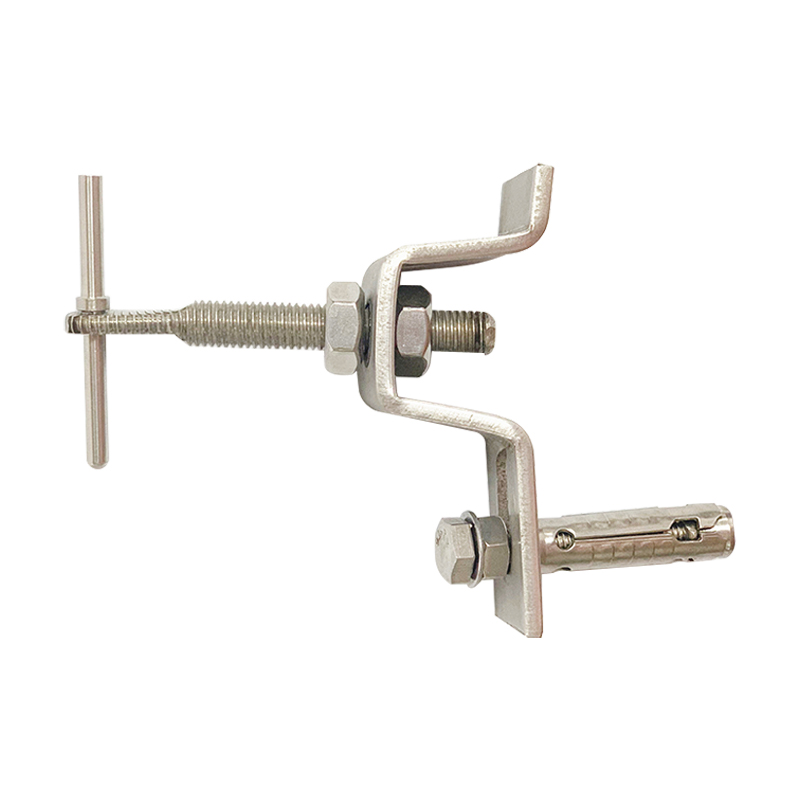
Wall Stone Cladding Fixing System Omega Anchor bracket is an efficient and reliable wall stone mounting system. This system uses Omega Anchor brackets...
See Details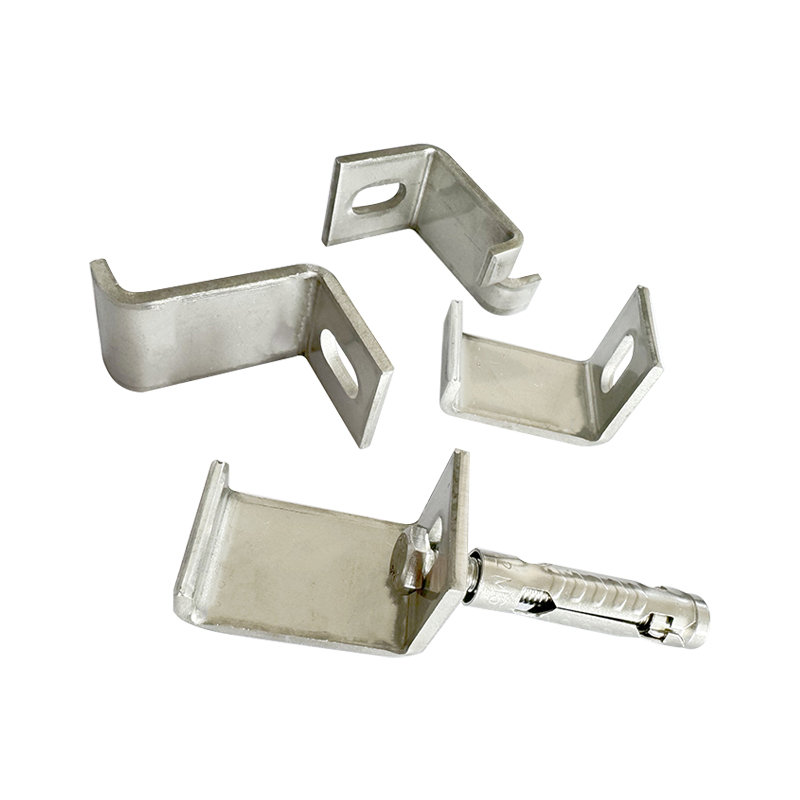
The stainless steel dry-hanging upper bracket is a support component specially designed for dry-hanging installation. Its performance and durability m...
See Details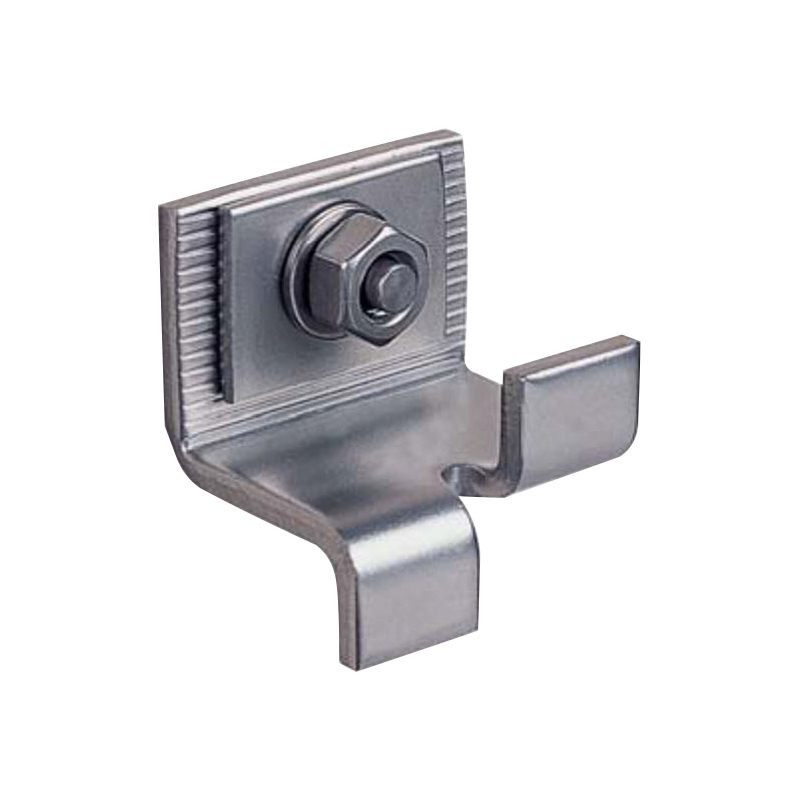
● Load bearing&restrain ● Projection sizes between 30 and 55 mm● Loadsupto400N● Suitable for horizontal joints● Stone thicknesses above 20mm● Fast...
See Details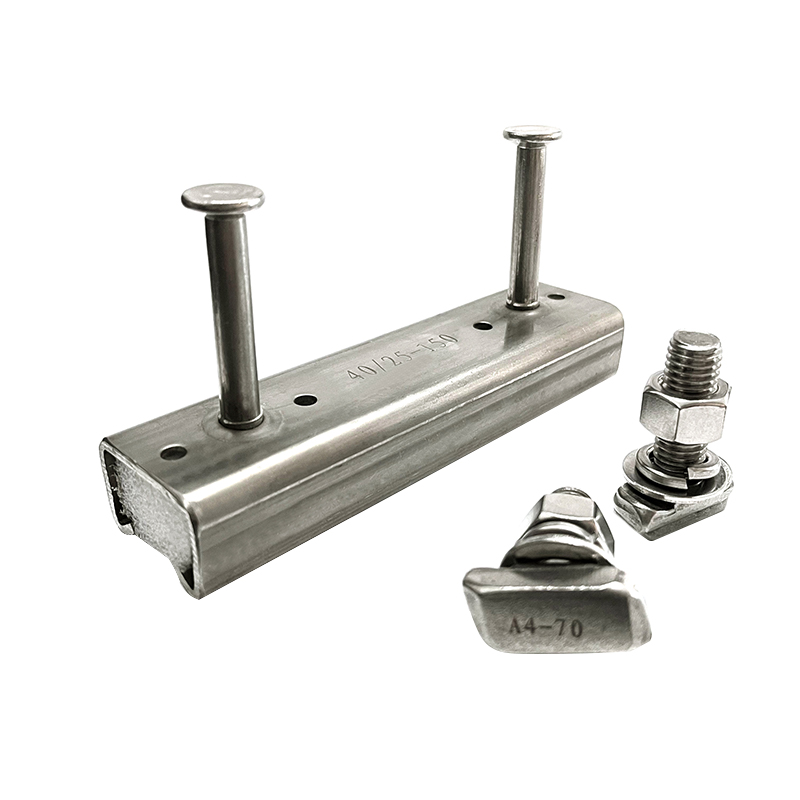
Stainless steel cast channel is an industrial product with durability and stability and is widely used in various fields. Stainless steel material has...
See Details
We will wholeheartedly provide you with high quality products, reasonable price, on-time delivery and attentive service.
Maoshan Taiwan Business Industrial Park, Dinan Town, Xinghua City, Jiangsu Province, China

+86-523-82799922

+86-15996094444

+86-523-82799933


Copyright © Jiangsu Aozheng Metal Products Co., Ltd. All Rights Reserved.
 English
 русский
 Español
 عربى
عربى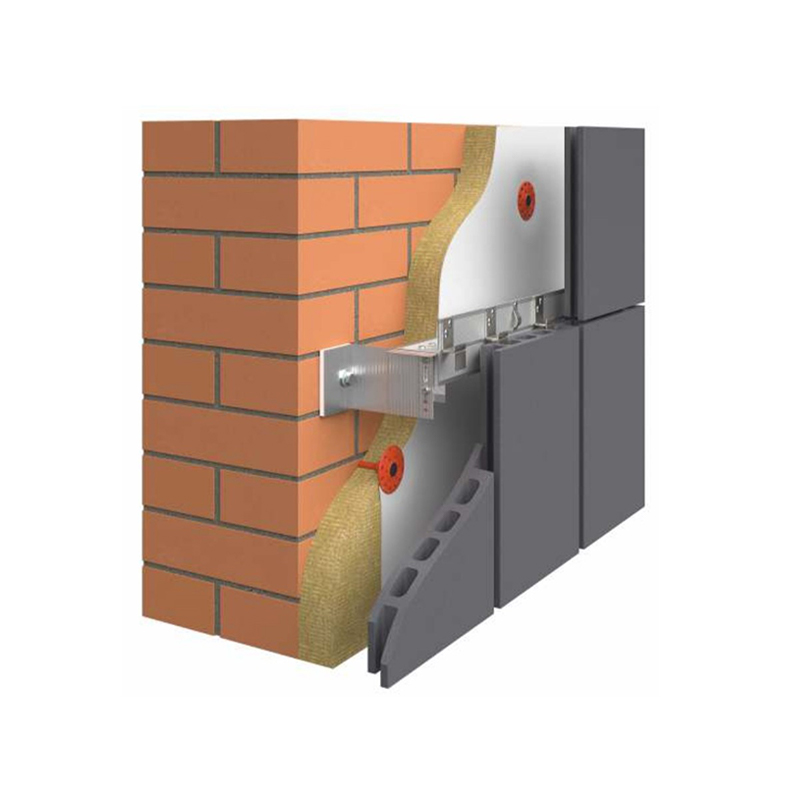


Contact Us