-
 Tel:
Tel:+86-15996094444
-
 E-mail:
INQUIRE NOW
+86-15996094444
INQUIRE NOW

Article Directory
In the realm of heavy-duty concrete construction—especially when dealing with high-strength concrete slabs, columns and structural connections—the choice of anchoring method can significantly affect performance, safety and long-term durability. At Jiangsu Aozheng Metal Products Co., Ltd., we specialise in the production of stainless steel, aluminium alloy, carbon steel and low alloy steel anchoring materials, employing advanced automated cutting, stamping and welding processes. Our large-scale production base aggregates raw material forming and machining under one roof, enabling us to deliver over 2000 tons annually of building material anchors to clients across the United States, Germany, Italy, the United Kingdom, South Korea, Australia, Canada and the Middle East.
In this article we compare undercut anchors vs wedge anchors, and guide you to understand which anchoring method is more suitable when you are working with high-strength concrete structures.
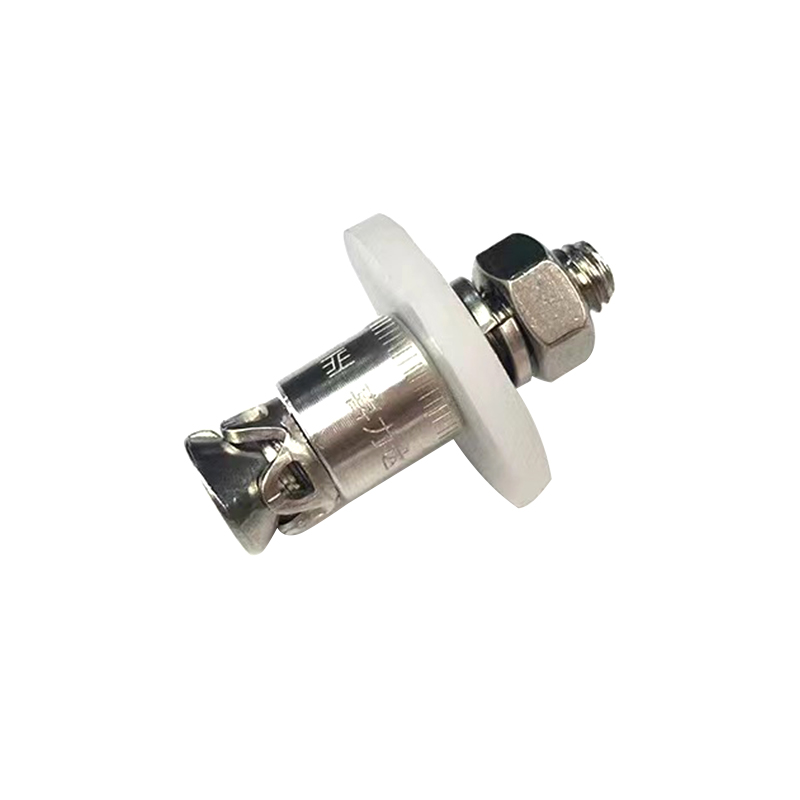
Undercut Anchor For Nature Stone Slabs
| Criterion | Undercut Anchors | Wedge Anchors |
|---|---|---|
| Load capacity & ductility | High capacity, ductile behaviour via bearing interlock | Moderate to high capacity, but more brittle expansion reliance |
| Performance in cracked concrete | Low sensitivity to cracks, reliable in high-strength concrete | More sensitive to cracks, potential reduction in capacity |
| Embedment & spacing flexibility | Often better flexibility; safe for shallower embedments | Requires deeper embedments, more spacing/edge restrictions |
| Installation cost & complexity | Higher cost, requires specialised drilling/installation | Lower cost, standard installation process |
| Best application scenarios | Critical structural connections in high-strength concrete, seismic zones | General purpose anchors in non-critical heavy-load areas |
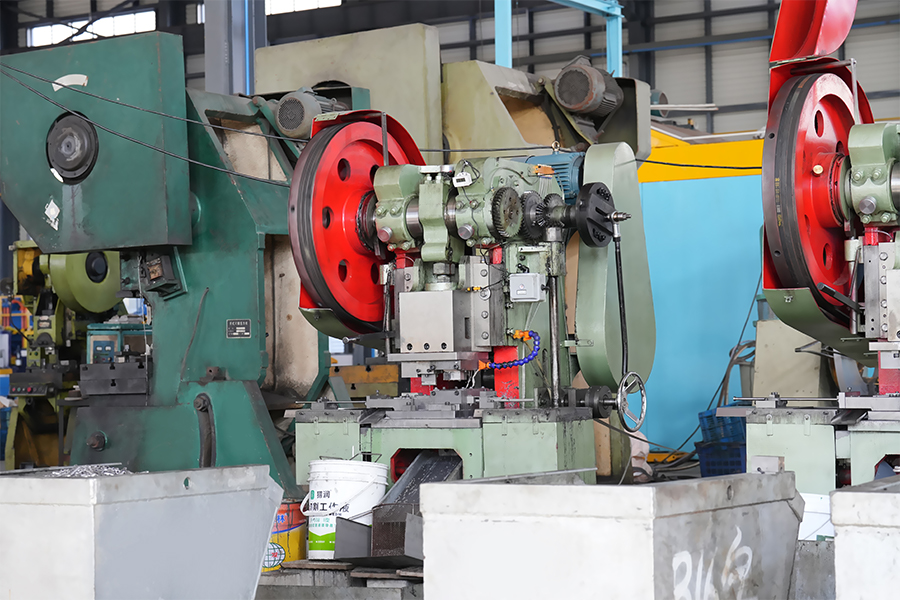
Jiangsu Aozheng Metal Products Co., Ltd. is a combination of industry and trade enterprise, committed to the production of stainless steel, aluminium alloy, carbon steel and low alloy steel anchoring materials and architectural hardware. Utilizing advanced automated cutting, stamping and welding processes, we are a diversified and large-scale professional production base, covering raw material forming and machining in one facility. Based on a high-quality, high-end market orientation, our annual production exceeds 2000 tons of various building-material anchors, mainly exported to markets such as the United States, Germany, Italy, the United Kingdom, South Korea, Australia, Canada and the Middle East. We partner with large construction firms and well-known architectural teams, and have become a key supplier of building materials in the Middle East. Our capabilities enable us to supply anchoring systems suitable for demanding high-strength concrete structural projects around the globe.
In summary, when comparing **Undercut Anchors vs Wedge Anchors** for high-strength concrete structures, the decision comes down to performance demands, installation constraints and cost. If your project demands maximum load capacity, ductility, crack-resilience and minimal displacement—especially in high-strength concrete and critical structural roles—then undercut anchors are the superior choice. For less critical heavy-load anchoring where cost and installation speed are key, wedge anchors may serve adequately. By applying clear selection criteria and installation best practices, and partnering with a capable supplier like our company, you can ensure reliable anchoring for your structure's long-term performance.
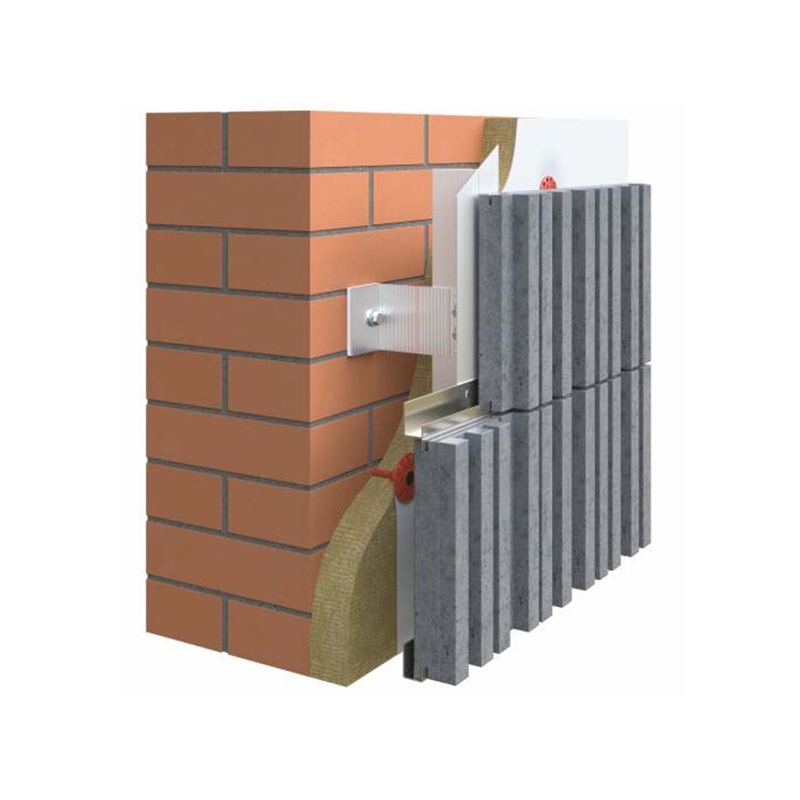
Facade System AOZ-v-20FACING MATERIAL:Textured glass fiber reinforced concrete slabs, artificial stone slabs, natural stone slabs (medium hard rocks, ...
See Details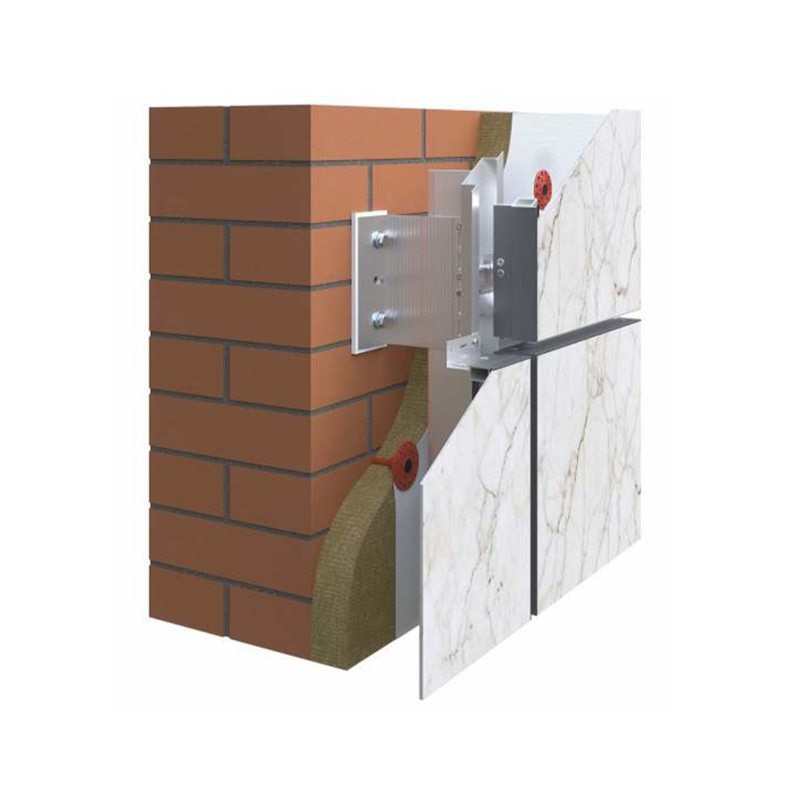
Facade System A0Z-v-300FACING MATERIAL:Large-sized porcelain stoneware tiles 3 to 6 mm thick.FIXING:Concealed with latches (slide holders and cassette...
See Details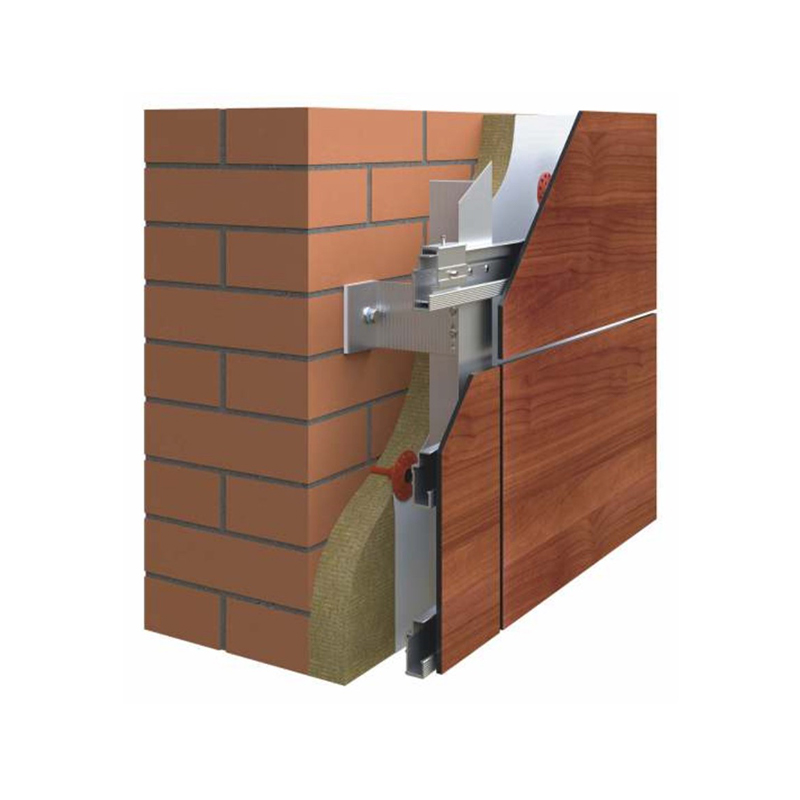
Facade System A0Z-v-20FACING MATERIAL:Fiber cement panels, RockPanels, HPL panelsFIXING:concealed with KEIL anchors, TRAG profile, and hangersMAX FACI...
See Details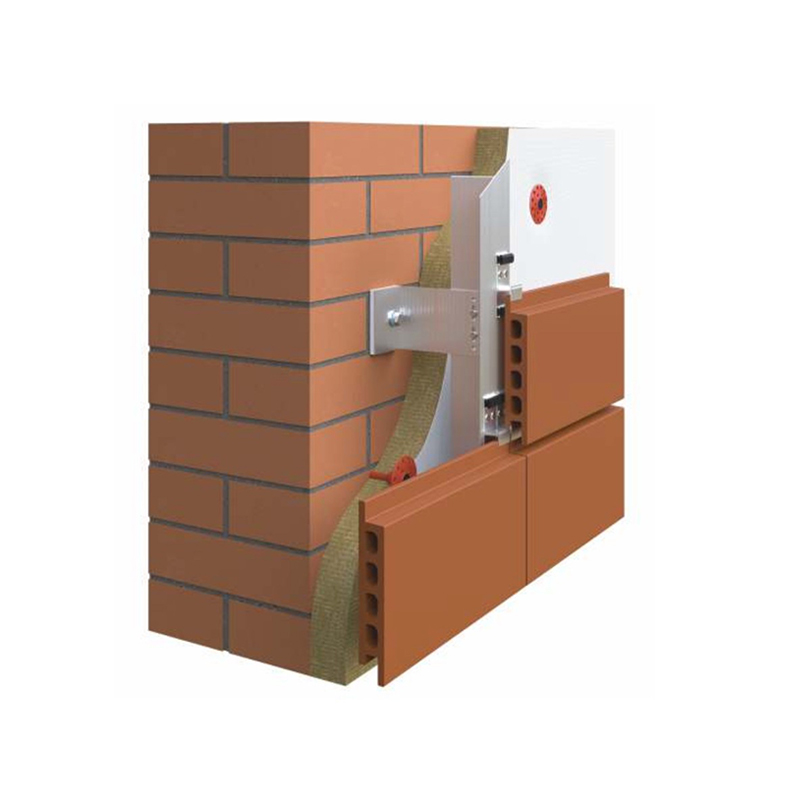
Facade System A0Z-v-350FACING MATERIAL:Horizontally-oriented solid and hollow terracotta tilesFIXING:Concealed with clamps or hold-down barsMAX FACING...
See Details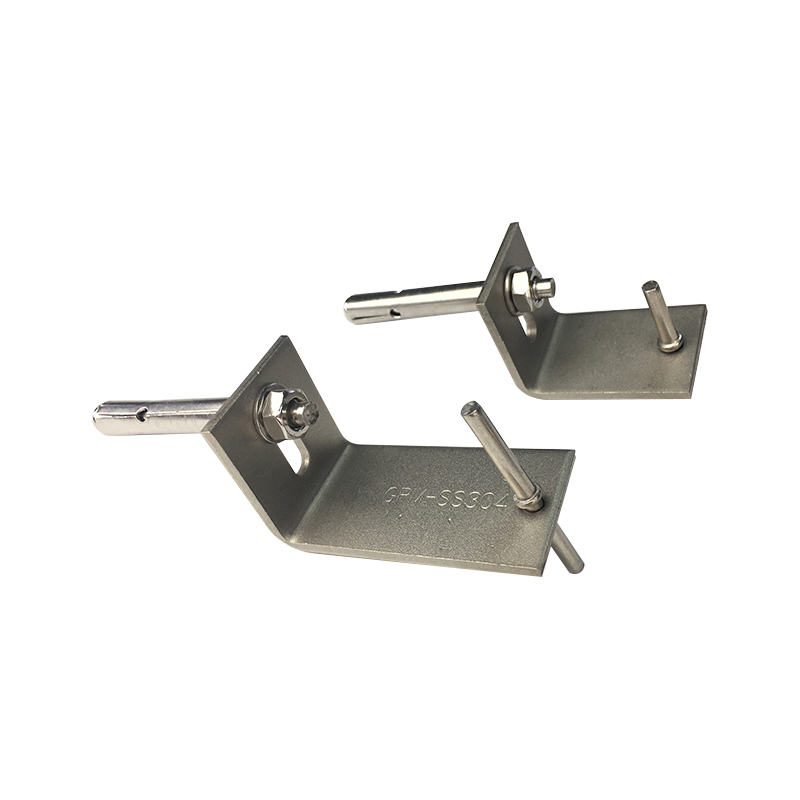
L Angle Bracket in the Cladding System is an important connecting element used to support and fix the boards or panels of building exterior walls. Wit...
See Details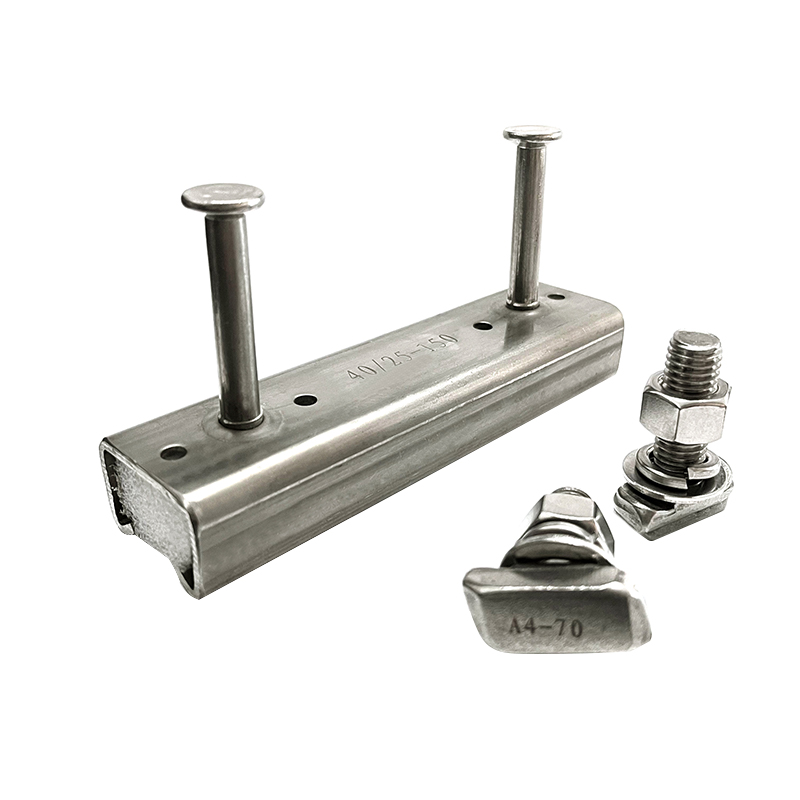
Stainless steel cast channel is an industrial product with durability and stability and is widely used in various fields. Stainless steel material has...
See Details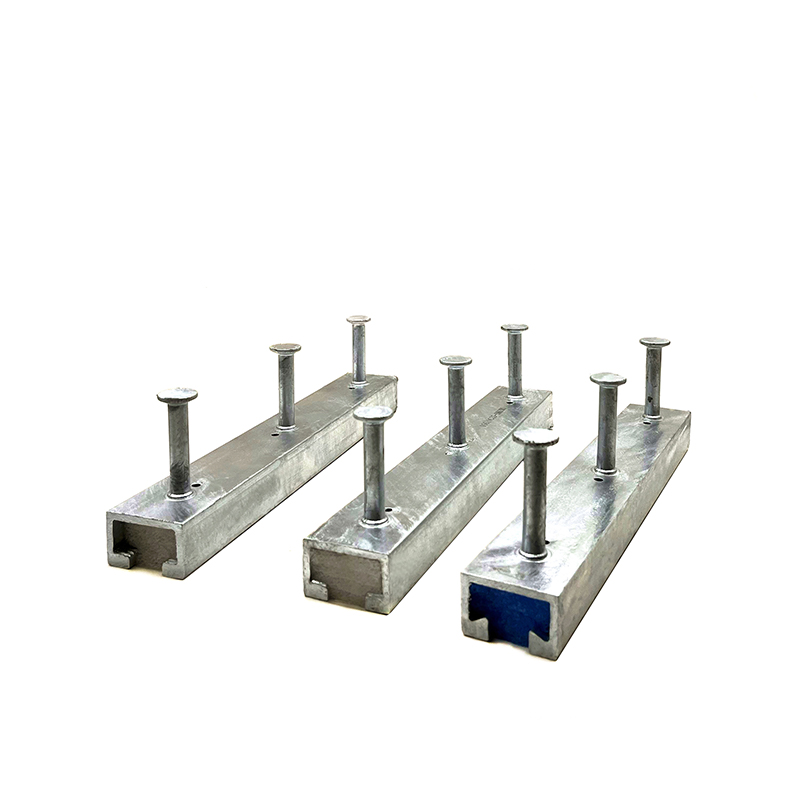
Hot roll anchor channel is an important steel material widely used in buildings, bridges, roads, and other civil engineering structures. It is produce...
See Details
We will wholeheartedly provide you with high quality products, reasonable price, on-time delivery and attentive service.
Maoshan Taiwan Business Industrial Park, Dinan Town, Xinghua City, Jiangsu Province, China

+86-523-82799922

+86-15996094444

+86-523-82799933


Copyright © Jiangsu Aozheng Metal Products Co., Ltd. All Rights Reserved.
 English
 русский
 Español
 عربى
عربى

Contact Us