-
 Tel:
Tel:+86-15996094444
-
 E-mail:
INQUIRE NOW
+86-15996094444
INQUIRE NOW

Article Directory
In modern structural and architectural construction, post-installed anchors are critical components, forming the essential connection between a steel base plate and the concrete structure. The choice between **Undercut anchors vs wedge anchors** is not merely a matter of cost, but a complex engineering decision driven by the substrate condition, expected load profile, and required safety factors. As an industry and trade enterprise specializing in the production of high-quality architectural hardware, Jiangsu Aozheng Metal Products Co., Ltd. uses advanced automated processes to manufacture products from stainless steel, aluminum alloy, and carbon steel, supplying major construction firms and high-quality architectural teams globally.
The fundamental difference between these two anchor types lies in how they resist tensile load, which directly determines their performance in critical applications.
A wedge anchor operates on the **friction-lock** principle. When torque is applied, the expansion clip (wedge) is driven down, pressing against the wall of the drill hole. Load transfer is primarily achieved through friction and compression of the concrete. Conversely, the undercut anchor operates on the **mechanical interlock** principle. The anchor hole is first drilled and then enlarged at the base (the undercut profile). When the anchor is set, a displacement element expands into this enlarged cavity, creating a true form-fitting mechanical key.
This fundamental difference is key to understanding the **Undercut anchors vs wedge anchors** load performance comparison. The mechanical interlock provides a more robust and predictable resistance to pull-out forces than friction alone.
Concrete is guaranteed to crack under tension. When a crack propagates across a wedge anchor, the friction and compression holding the wedge in place can be significantly reduced, leading to reduced load capacity. The undercut anchor, however, is designed to perform reliably in cracked concrete. Even if a crack forms, the base of the anchor remains mechanically keyed into the pre-formed undercut, allowing for safe, predictable load transfer.
Comparison of load performance in cracked concrete (typical tensile strength factor):
| Anchor Type | Primary Locking Mechanism | Tensile Load Capacity (Cracked Concrete) | Ideal Substrate Condition |
|---|---|---|---|
| Undercut Anchor | Mechanical Interlock | High (Capacity remains near uncracked levels) | Cracked/Seismic Zones |
| Wedge Anchor | Friction Lock | Significantly Reduced (Requires higher safety factor) | Non-Cracked/Low Tension Zones |
For demanding environments, specifying **High-seismic performance undercut anchors** for structural loads is essential to comply with international codes requiring anchors to maintain their specified capacity even after concrete cracking has occurred.
While undercut anchors offer superior performance, their installation process is more complex, requiring specific planning and specialized tooling.
**Installing undercut anchors** in cracked concrete procedures requires a multi-step drilling process. First, the hole is drilled to a specific depth, and then a specialized drill bit or setting tool is used to create the conical or cylindrical undercut at the base of the hole. This precision step adds time and labor complexity. Wedge anchors, conversely, require only a single straight hole drilled to the correct diameter and depth.
The added step of creating the undercut translates into a higher **Undercut anchor installation cost** vs productivity analysis. While the anchor unit cost is also typically higher for undercut anchors, the long-term cost savings in safety and structural integrity often justify the expense in critical applications. For non-structural loads, the speed of wedge anchor installation makes them the obvious economic choice.
Comparison of installation time and tooling:
| Anchor Type | Drill Hole Requirement | Required Tooling | Typical Labor Time per Anchor (Relative) |
|---|---|---|---|
| Undercut Anchor | Two-step (Drill + Undercut) | Specialized Undercutting Tool | High |
| Wedge Anchor | Single-step (Straight Drill) | Standard Hammer Drill Bit | Low |
Wedge anchors remain the workhorse of the construction industry for non-critical, static, or light-to-medium load applications in sound concrete. For these projects, sourcing to a **Wholesale wedge anchor specification** for non-cracked concrete offers the best balance of cost-efficiency and installation speed. Applications include installing railing posts, securing non-structural electrical conduit racks, and fastening machinery base plates not subject to heavy vibration.
Regardless of the anchor type, B2B procurement must prioritize manufacturing quality. Jiangsu Aozheng, operating as a large-scale professional production base, utilizes advanced automated cutting, stamping, and welding processes. We offer anchors in high-grade materials like 304 and 316 stainless steel (essential for exterior or corrosive environments) and high-strength carbon steel, ensuring the final product meets the tensile and yield strength requirements necessary to support heavy structural loads, consistent with the demands of our large construction company clients and high-quality architectural teams globally.
The choice between **Undercut anchors vs wedge anchors** is a fundamental technical trade-off between installation speed and structural reliability. While wedge anchors offer speed and economy for non-critical loads in non-cracked concrete, undercut anchors provide a superior, verified mechanical connection essential for cracked concrete, high-seismic zones, and applications requiring the highest level of structural assurance. B2B professionals must use load requirements and substrate analysis to drive their procurement strategy, partnering with a high-quality manufacturer capable of delivering certified, precise architectural hardware solutions.
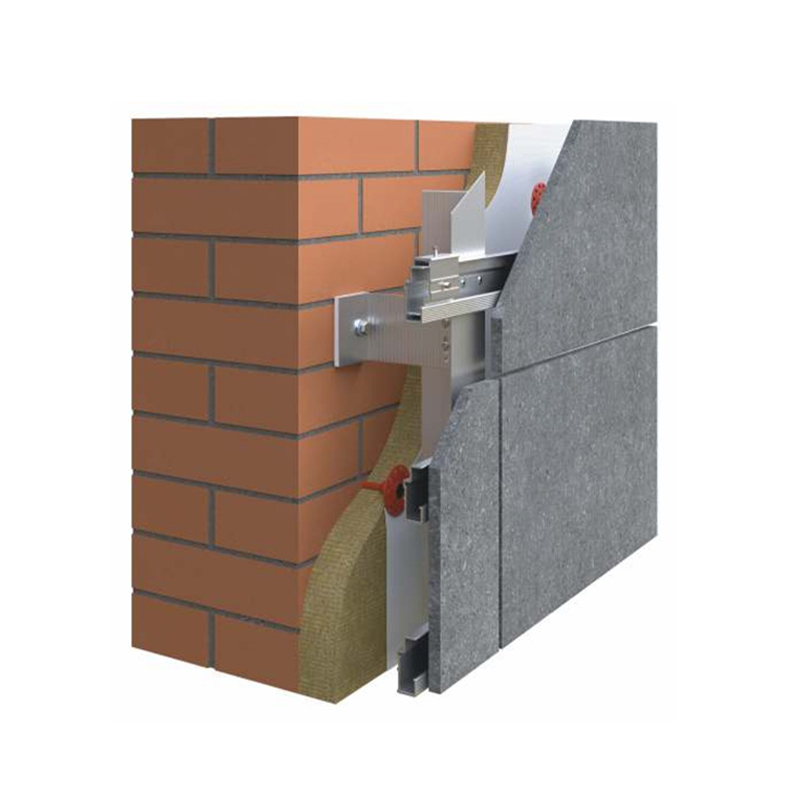
Facade System A0Z-v-20FACING MATERIALS:Porcelain stoneware tiles, natural stone slabs, textured glass-fiber reinforced concrete slabs, fiberglass comp...
See Details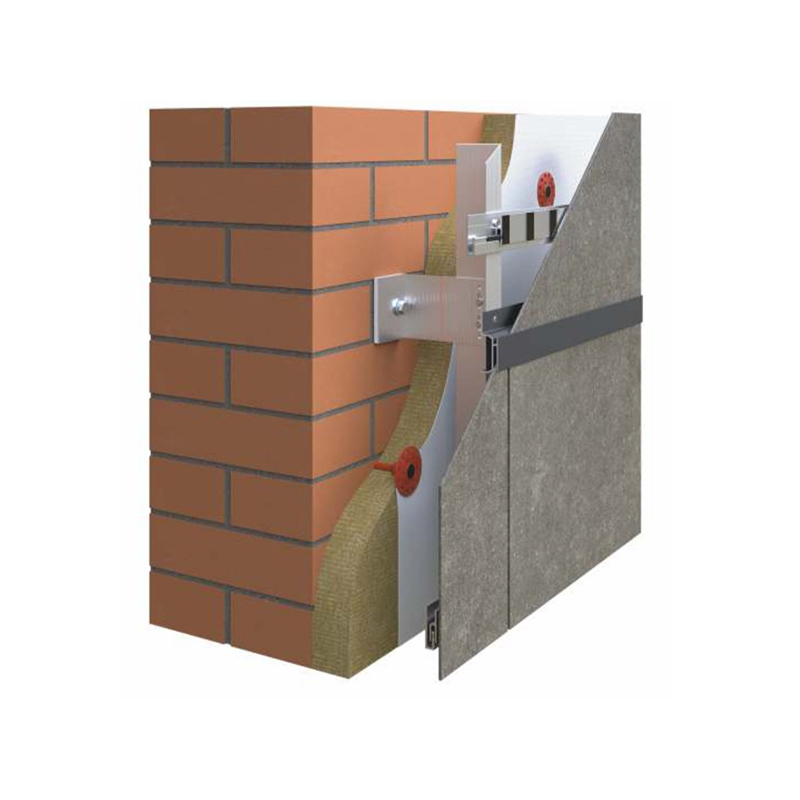
Facade System AOZ-v-300FACING MATERIAL:Large-sized porcelain stoneware tiles 3 to 6 mm thickFIXING:Mixed: visible with mechanically mounted painted ho...
See Details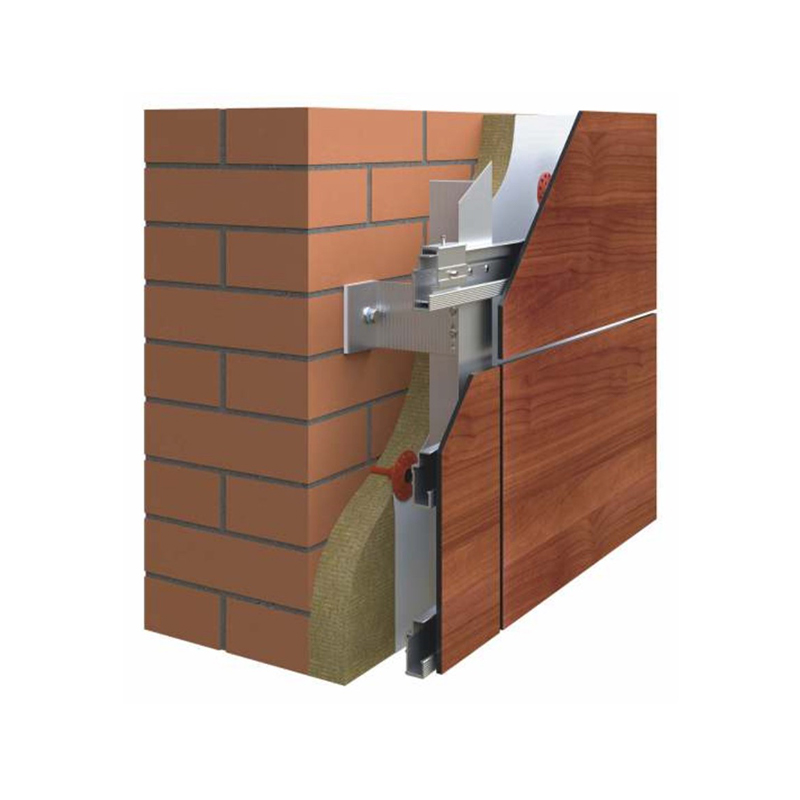
Facade System A0Z-v-20FACING MATERIAL:Fiber cement panels, RockPanels, HPL panelsFIXING:concealed with KEIL anchors, TRAG profile, and hangersMAX FACI...
See Details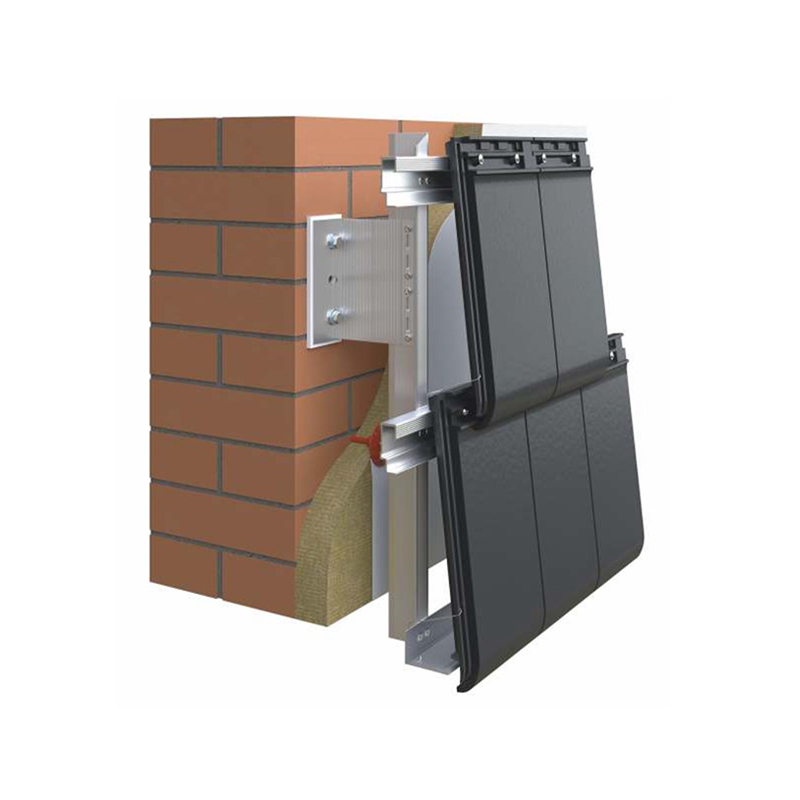
Facade System A0Z-v-350FACING MATERIAL: Ceramic roof tilesFIXING:Concealed with tiles fixed to horizontal bars with self. tapping screw and wind clamp...
See Details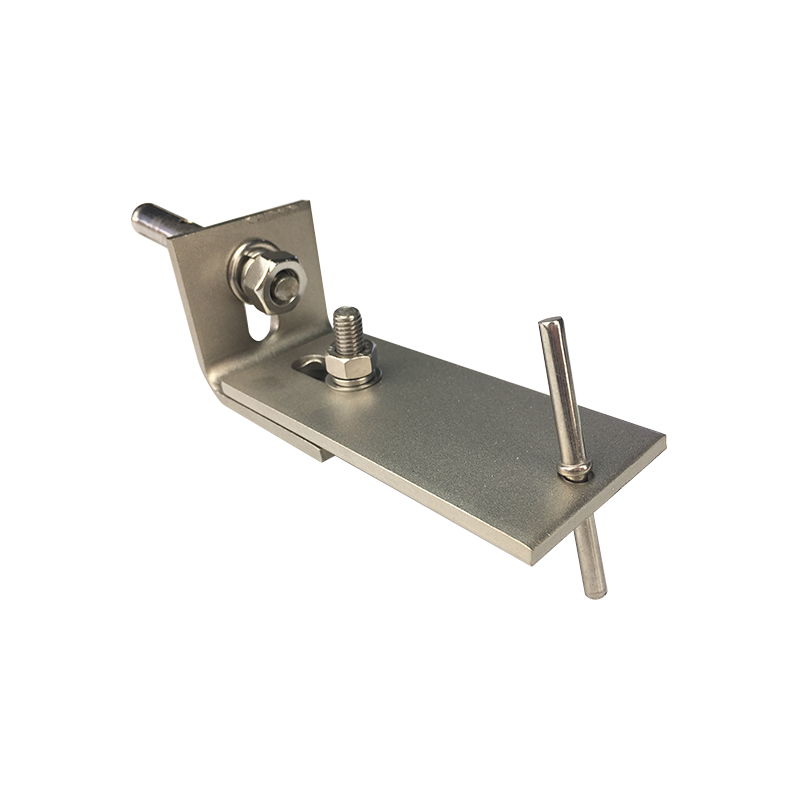
The stainless steel adjustable L-shaped corner code is a practical construction and home accessory. It is made of high-quality stainless steel, which ...
See Details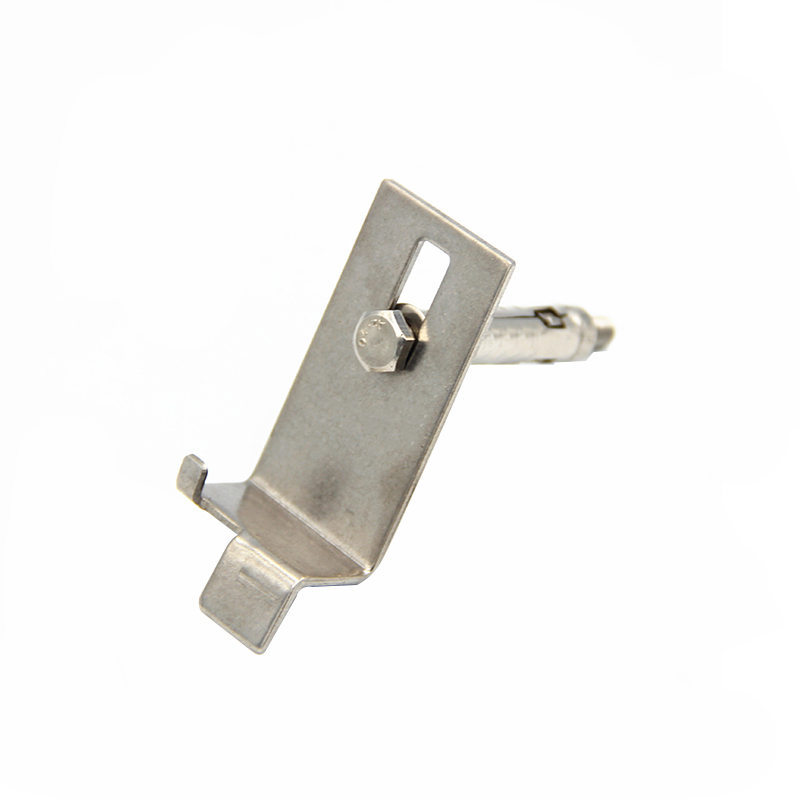
Stone Cladding System Up And Down Stone Fixing Anchor Bracket is an advanced stone curtain wall fixing system designed for vertically installed stone ...
See Details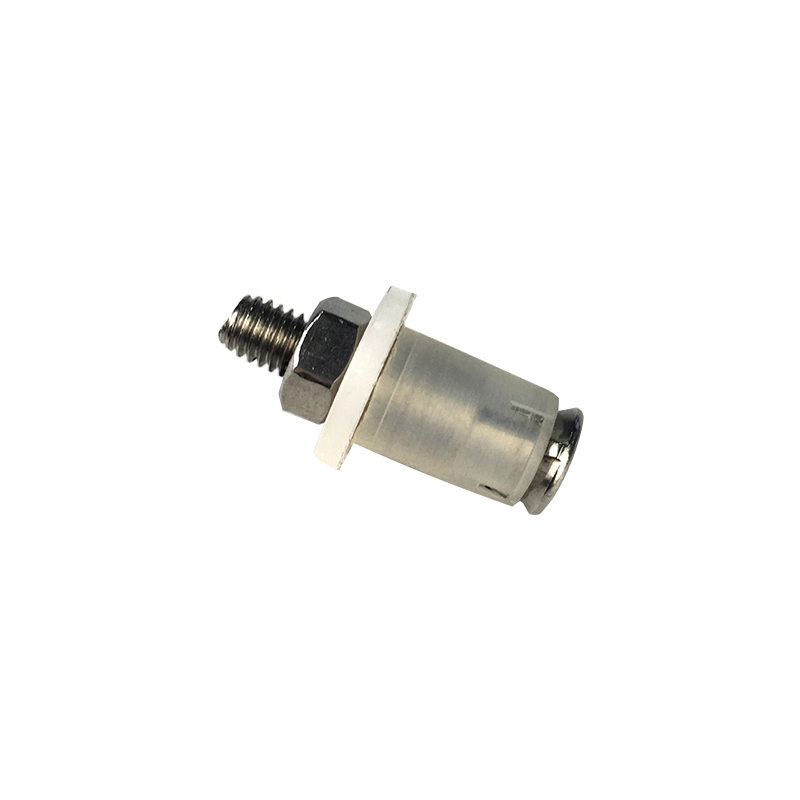
This product is composed of a conical screw, expanded cannulas, an aseismic cover and liner, and a hexagon nut, and fixed without expansion force by b...
See Details
We will wholeheartedly provide you with high quality products, reasonable price, on-time delivery and attentive service.
Maoshan Taiwan Business Industrial Park, Dinan Town, Xinghua City, Jiangsu Province, China

+86-523-82799922

+86-15996094444

+86-523-82799933


Copyright © Jiangsu Aozheng Metal Products Co., Ltd. All Rights Reserved.
 English
 русский
 Español
 عربى
عربى

Contact Us