-
 Tel:
Tel:+86-15996094444
-
 E-mail:
INQUIRE NOW
+86-15996094444
INQUIRE NOW

Article Directory
The choice between Undercut anchors vs wedge anchors is a critical engineering decision that affects the long-term safety, structural reliability, and financial viability of large construction projects. While wedge anchors are often the standard for non-critical applications, the superior mechanical performance of undercut systems is mandatory for high-load or dynamic environments. B2B procurement professionals must analyze performance metrics like **Undercut anchors tension** capacity and specialized attributes such as **Seismic performance of undercut anchors**. Jiangsu Aozheng Metal Products Co., Ltd., a professional production base for stainless steel and carbon steel architectural hardware, partners with leading construction companies globally to supply high-quality, high-end anchoring solutions.
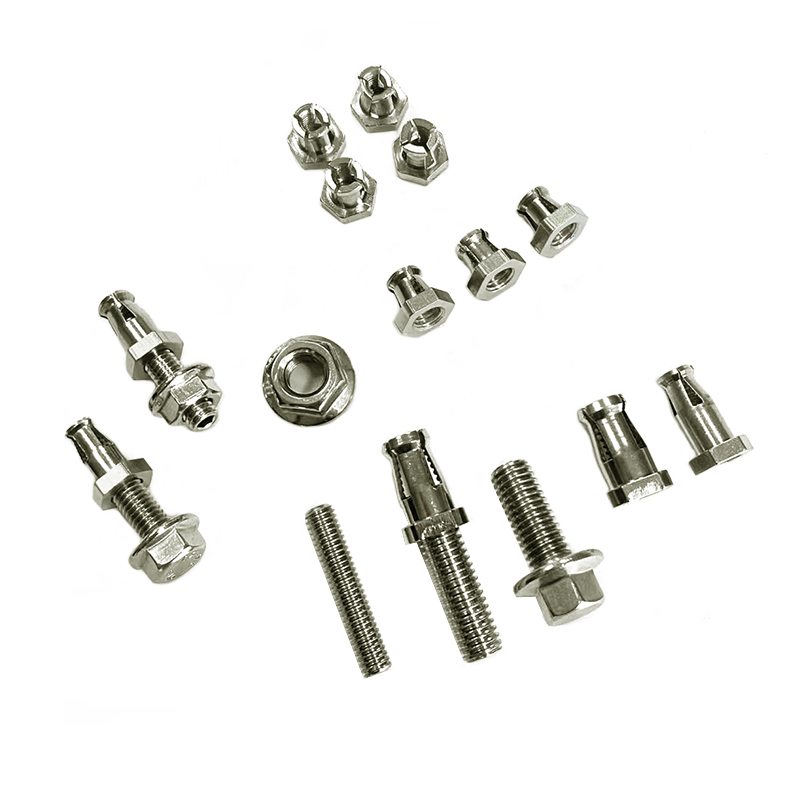
The fundamental difference in mechanism dictates the application suitability and ultimate load capacity.
Wedge anchors operate on the principle of friction and expansion. They are installed into a pre-drilled hole, and tightening the nut causes the wedge to expand the sleeve, creating frictional resistance against the concrete wall. Undercut anchors, conversely, require a specialized drill bit to create an inverse cone-shaped cavity (the undercut) at the bottom of the hole. When the anchor is set, it expands into this cavity, creating a true mechanical interlock that is independent of frictional forces.
The mechanical interlock provides significantly higher **Undercut anchors tension** capacity compared to the friction-based method of a wedge anchor of the same diameter. Because the load is transferred through bearing against the solid concrete, stress is distributed more uniformly and deeper within the substrate. This advantage allows the undercut system to be used closer to the edge of the concrete slab or closer to adjacent anchors, optimizing the layout efficiency of the installation.
The key differentiator in critical applications is **Anchor pull-out strength in cracked concrete**. When concrete cracks (due to load or shrinkage), the stress exerted by a friction-based wedge anchor is immediately relieved, leading to a drastic loss of load-carrying capacity. Since the undercut anchor's mechanical lock is formed beneath the concrete surface, it maintains its design load capacity even when cracks open, making it the preferred choice for safety-critical and high-reliability structures.
The application environment, particularly seismic activity and corrosion, dictates the anchor's required long-term performance.
While standard wedge anchors are effective in dry, static, non-critical environments, the **Durability of wedge anchors** can be compromised under dynamic loads or corrosive conditions. Undercut anchors are often specified in high-grade materials (e.g., stainless steel, which we specialize in) and are used in applications requiring longevity, such as curtain wall systems and architectural facades. This robust material requirement ensures the anchor maintains its integrity against environmental stressors over the building's lifespan.
The **Seismic performance of undercut anchors** is superior and often mandatory in zones requiring compliance with building codes like ACI 318. Seismic events generate rapid, cyclical, and high-tensile loads. Because the undercut anchor resists these forces primarily through mechanical bearing—rather than relying on friction that can be rapidly fatigued—it performs predictably and reliably, a critical safety advantage over traditional expansion anchors.
Comparison: Anchor Type vs. Performance in Cracked Concrete and Seismic Zones:
| Anchor Type | Primary Anchoring Mechanism | Anchor pull-out strength in cracked concrete | Seismic Performance (Relative) |
|---|---|---|---|
| Wedge Anchor | Friction and Expansion | Significantly Reduced Capacity | Low (Generally Unsuitable) |
| Undercut Anchor | Mechanical Interlock (Bearing) | Maintains Design Capacity | High (Preferred/Mandatory) |
Project cost analysis requires balancing material price against total installation time and long-term reliability.
The **Installation cost comparison** for anchors shows a clear trade-off. Undercut anchors typically have a higher unit material cost and require a specialized drill bit or setting tool to create the undercut cavity. However, their superior **Undercut anchors tension** capacity often means fewer anchors are required for the same load, potentially reducing the total number of anchor points. Wedge anchors have a simpler installation process, making them faster and cheaper for non-critical, high-volume, low-load scenarios.
As an industry and trade enterprise, Jiangsu Aozheng Metal Products Co., Ltd. uses advanced automated cutting, stamping, and welding processes to produce large volumes of architectural hardware from stainless steel, aluminum alloy, and carbon steel. Our focus on the high-end market means we guarantee the material specifications and dimensional accuracy necessary for critical fasteners like **Undercut anchors vs wedge anchors**, ensuring our products meet the stringent demands of major construction companies worldwide.
For B2B construction projects, the decision between **Undercut anchors vs wedge anchors** must be technically grounded. While the **Installation cost comparison** for anchors favors wedge anchors in simple applications, the superior **Anchor pull-out strength in cracked concrete** and guaranteed **Seismic performance of undercut anchors** make the undercut system the necessary choice for facades, heavy equipment, and all high-stress or dynamic environments. Jiangsu Aozheng Metal Products Co., Ltd. provides the high-quality materials and professional expertise to support the exacting requirements of global architectural teams.
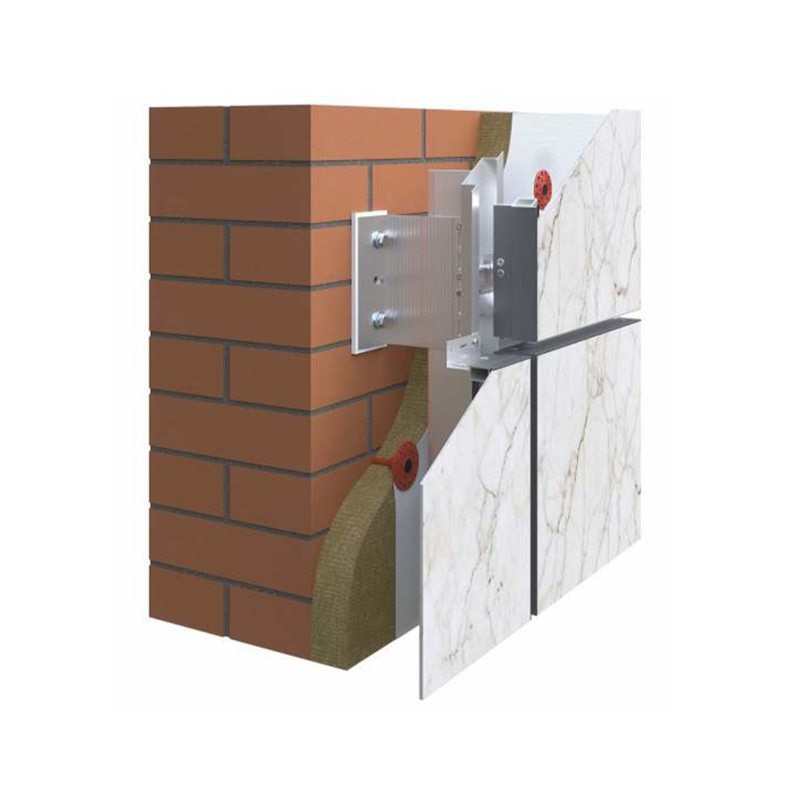
Facade System A0Z-v-300FACING MATERIAL:Large-sized porcelain stoneware tiles 3 to 6 mm thick.FIXING:Concealed with latches (slide holders and cassette...
See Details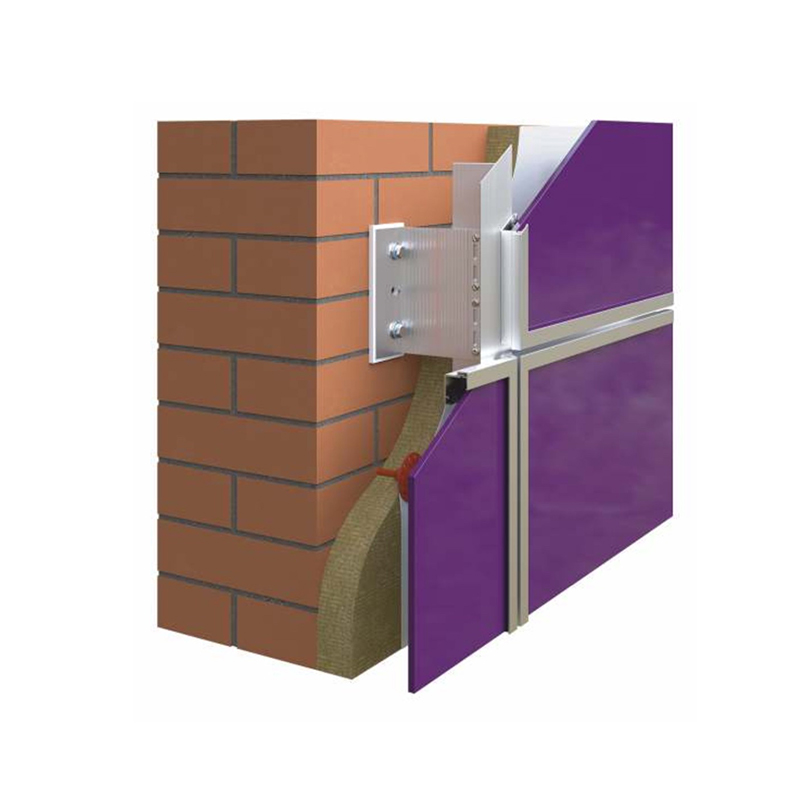
Facade System A0Z-v-300FACING MATERIAL:Tempered glass and stimulate 4 to 8 mm thickFIXING:Visible in framed profile with staple and gasketMAX FACING S...
See Details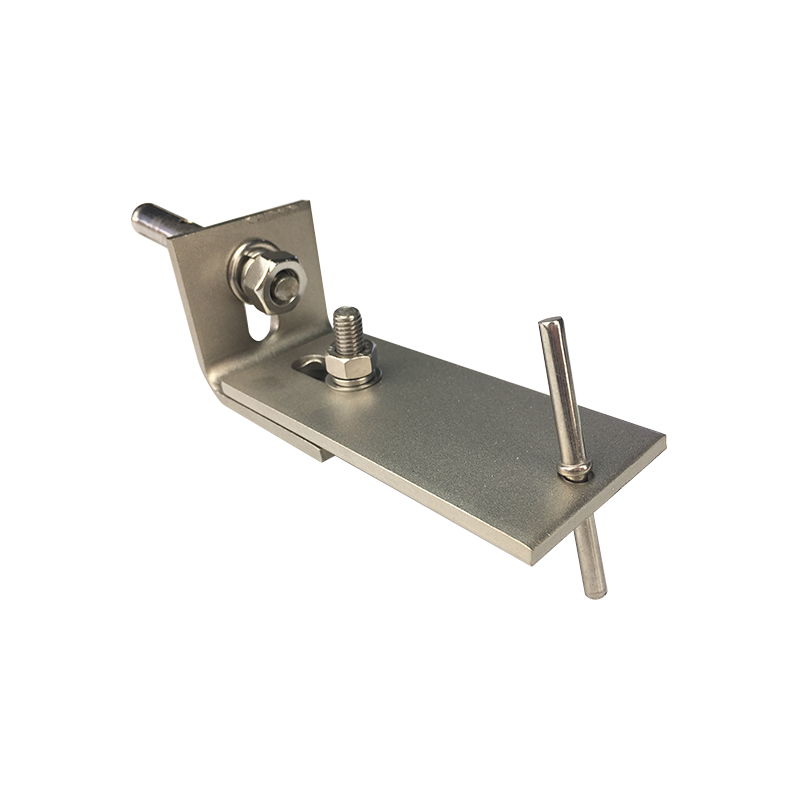
The stainless steel adjustable L-shaped corner code is a practical construction and home accessory. It is made of high-quality stainless steel, which ...
See Details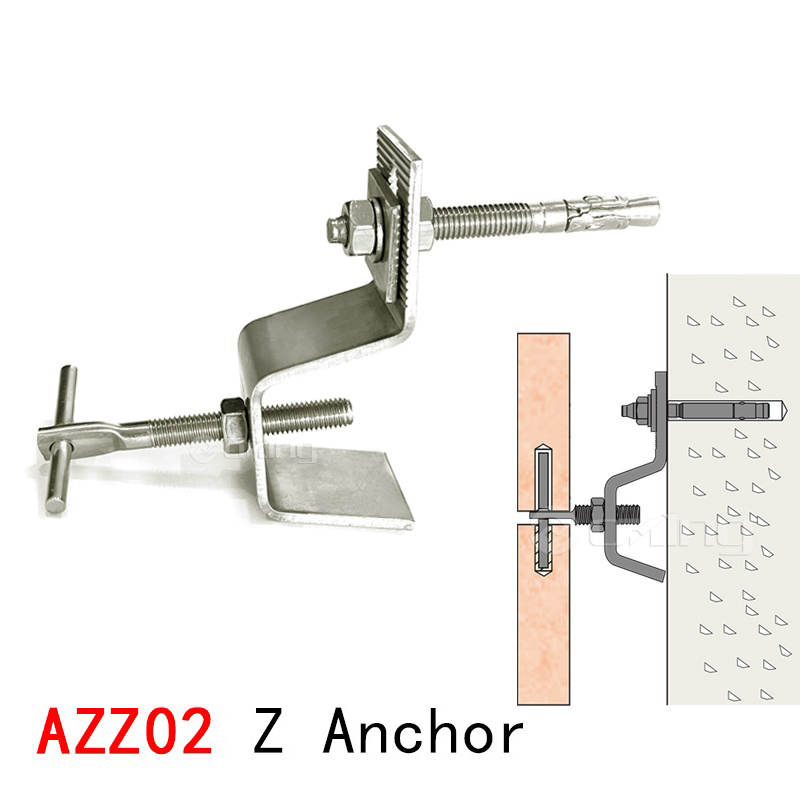
● Material : Stainless Steel 1.4301 [A2) & 1.4401 [A4]● The table above is prepared according to LGA test results● Loads stated are characteristic...
See Details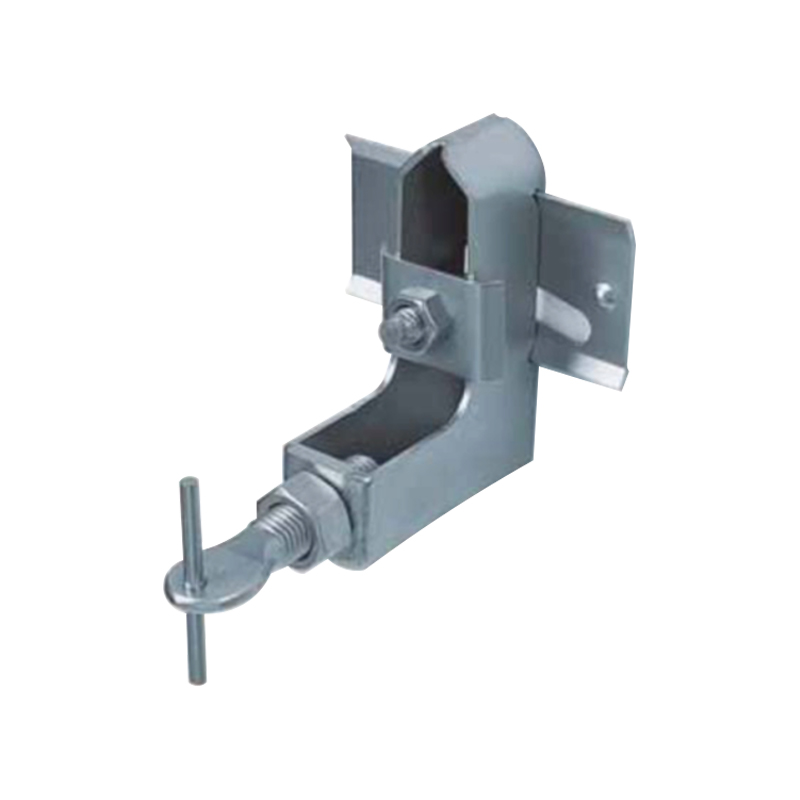
The Body Anchor Stone Support is a structural component engineered for the mechanical fixation of natural stone slabs, including granite, marble, and ...
See Details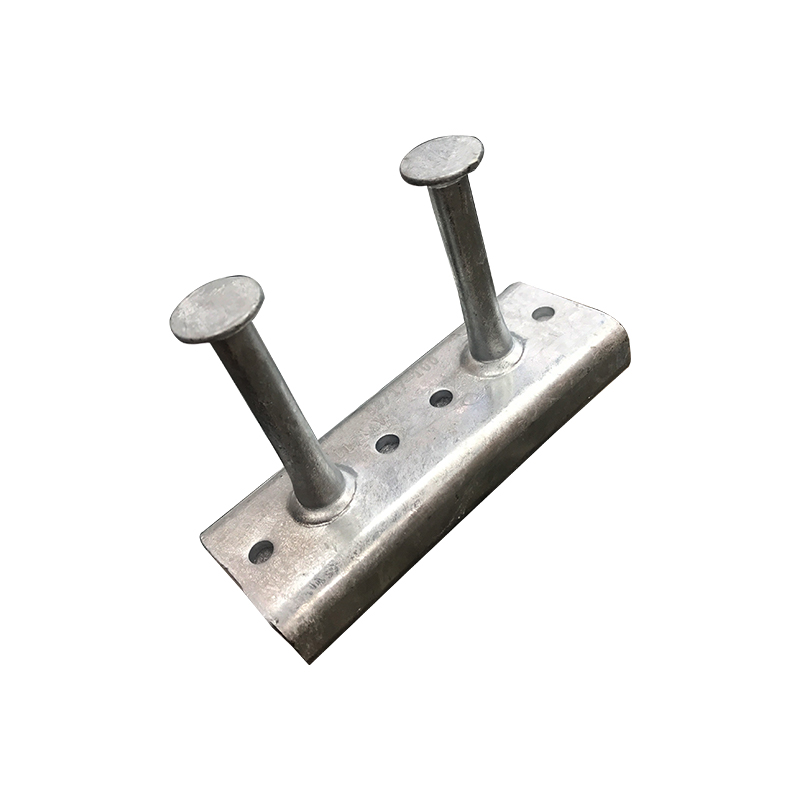
Cold roll cast-in anchor is an important building connector. This anchor is pre-buried in a predetermined position before concrete is poured and ensur...
See Details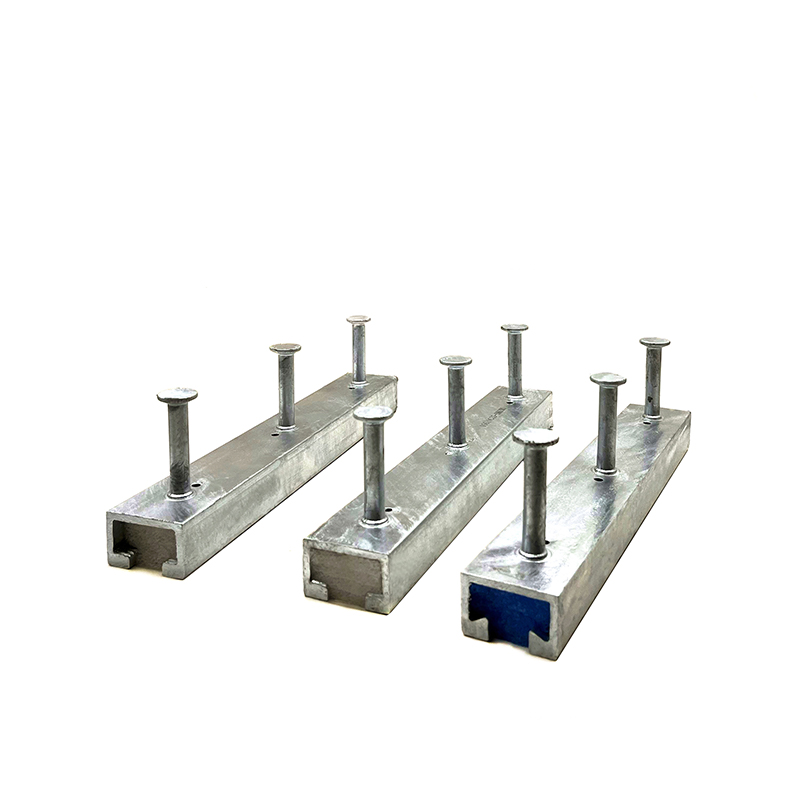
Hot roll anchor channel is an important steel material widely used in buildings, bridges, roads, and other civil engineering structures. It is produce...
See Details
We will wholeheartedly provide you with high quality products, reasonable price, on-time delivery and attentive service.
Maoshan Taiwan Business Industrial Park, Dinan Town, Xinghua City, Jiangsu Province, China

+86-523-82799922

+86-15996094444

+86-523-82799933


Copyright © Jiangsu Aozheng Metal Products Co., Ltd. All Rights Reserved.
 English
 русский
 Español
 عربى
عربى

Contact Us