-
 Tel:
Tel:+86-15996094444
-
 E-mail:
INQUIRE NOW
+86-15996094444
INQUIRE NOW

Article Directory
The successful integration of **Cast In Anchor Channels** into modern concrete structures relies not only on their ultimate load-bearing capacity but also critically on their long-term durability. When specifying these components for exterior, coastal, or industrial applications, engineers must make informed decisions regarding corrosion protection to meet the required design service life, often 50 years or more. This requires a precise understanding of the atmospheric corrosivity and the technical performance of materials like Hot-Dip Galvanized (HDG) carbon steel and Stainless Steel (A4/316).
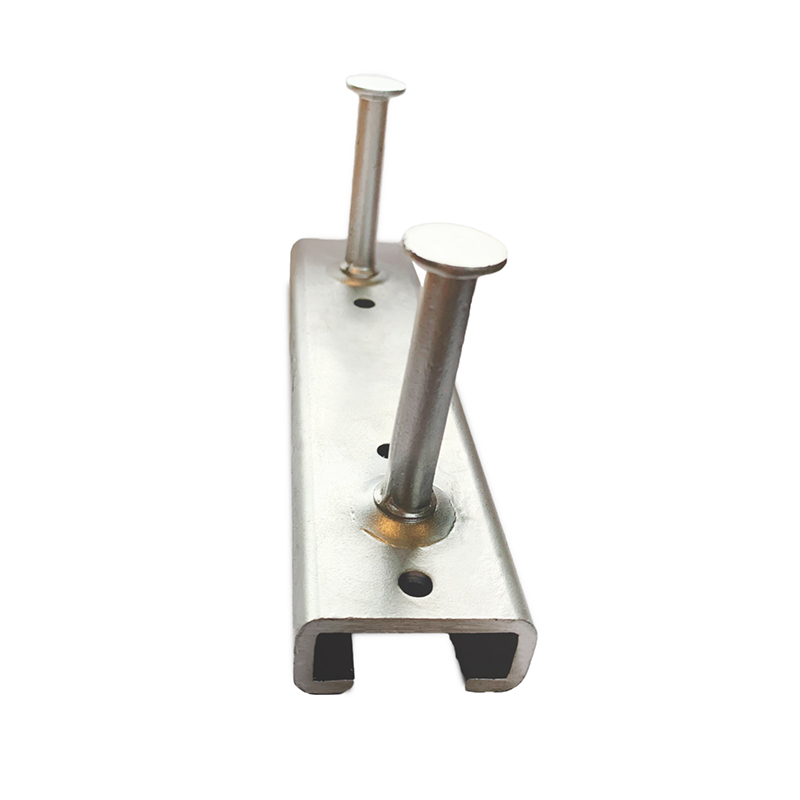
Hot Dip Galvanized Cast In Anchor Channel
The first step in materials selection is accurately classifying the installation environment. ISO 9223 provides a standardized system for classifying atmospheric corrosivity based on factors such as sulfur dioxide pollution and chloride deposition.
Selecting materials based solely on the corrosivity class is insufficient; the required service life (e.g., 20 years vs. 50 years) must also be factored in. For environments categorized as C3, a standard HDG channel may suffice for a 20-year lifespan, but extending that to 50 years necessitates a thicker HDG coating or an upgrade to stainless steel, directly utilizing the framework provided by the ISO 9223 categories for anchor channel materials.
| ISO 9223 Class | Typical Environment | Corrosion Rate (Steel, $\mu\text{m}$/year) | Recommended Anchor Material |
|---|---|---|---|
| C2 (Low) | Rural, low pollution | 1.3 to 25 | Electro-galvanized or HDG |
| C3 (Medium) | Urban, moderate pollution | 25 to 50 | HDG (Min. 50 $\mu\text{m}$) |
| C5 (Very High) | Coastal/Offshore, high salinity | 80 to 200 | Stainless Steel (A4/316) |
The choice between Hot-Dip Galvanized carbon steel and Stainless Steel (A4/316) represents a critical trade-off in corrosion resistance and cost for **Cast In Anchor Channels**.
For structural anchoring components, the **HDG minimum coating thickness for anchor channels** typically adheres to standards like EN ISO 1461, often resulting in a thickness of 55 Ranging from micrometers to 85 micrometers. The service life is calculated by dividing this coating thickness by the estimated zinc depletion rate specific to the ISO 9223 environment. While HDG is cost-effective, its protection is finite, lasting only as long as the zinc layer remains intact.
When atmospheric conditions exceed the capacity of zinc coatings, the design must mandate stainless steel.
For extreme environments, particularly those involving high chloride concentration (e.g., offshore platforms), Grade A4/316 stainless steel is specified due to its molybdenum content, which drastically improves resistance to pitting corrosion compared to the more common A2/304 grade. This distinction is vital when Selecting anchor channel material for C5 environment to achieve the expected Service life design for Cast In Anchor Channels.
Achieving a 50-year design life for **Cast In Anchor Channels** requires rigorous application of corrosion science principles.
While stainless steel offers superior passive protection, HDG requires careful inspection post-installation. Any damage to the zinc layer must be immediately repaired with zinc-rich paint to prevent localized failure, thereby supporting the overall **Service life design for Cast In Anchor Channels**.
Jiangsu Aozheng Metal Products Co., Ltd. is a combined industry and trade enterprise, specializing in the production of architectural hardware using stainless steel, aluminum alloy, carbon steel, and low alloy steel materials. We utilize advanced automated cutting, stamping, and welding processes to produce over 2,000 tons of building materials annually, including high-specification **Cast In Anchor Channels**. Our commitment to high quality ensures we provide reliable materials that meet the rigorous demands of projects across the United States, Germany, the Middle East, and other international markets. We are experienced in guiding clients through the ISO 9223 categories for anchor channel materials and specifying the correct material—whether it requires a specified HDG minimum coating thickness for anchor channels or the superior resistance needed when Selecting anchor channel material for C5 environment—to guarantee the expected Service life design for Cast In Anchor Channels.
The key determinant is the atmospheric corrosivity level as classified by the ISO 9223 standard. HDG is generally suitable up to C3 (Medium), while stainless steel (A4/316) is required for high-risk environments like C4 and C5 due to its superior inherent corrosion resistance.
The coating thickness is directly proportional to the service life. Engineers calculate the expected service life by dividing the minimum coating thickness (in micrometers) by the estimated annual zinc depletion rate for the specific operating environment.
A4/316 contains molybdenum, which significantly increases its resistance to chloride-induced pitting corrosion. This makes it essential for highly aggressive chloride-rich environments like offshore or severe coastal locations (C5) where A2/304 would be susceptible to failure.
The ISO 9223 categories (C1 to C5) are based on the measured atmospheric concentrations of pollutants like sulfur dioxide and the rate of chloride deposition, which are the main factors driving metallic corrosion.
HDG provides sacrificial protection, where the zinc is consumed over time. Stainless steel provides passive protection via a stable, self-healing chromium oxide layer, which offers indefinite protection unless compromised by severe chlorides or mechanical damage.
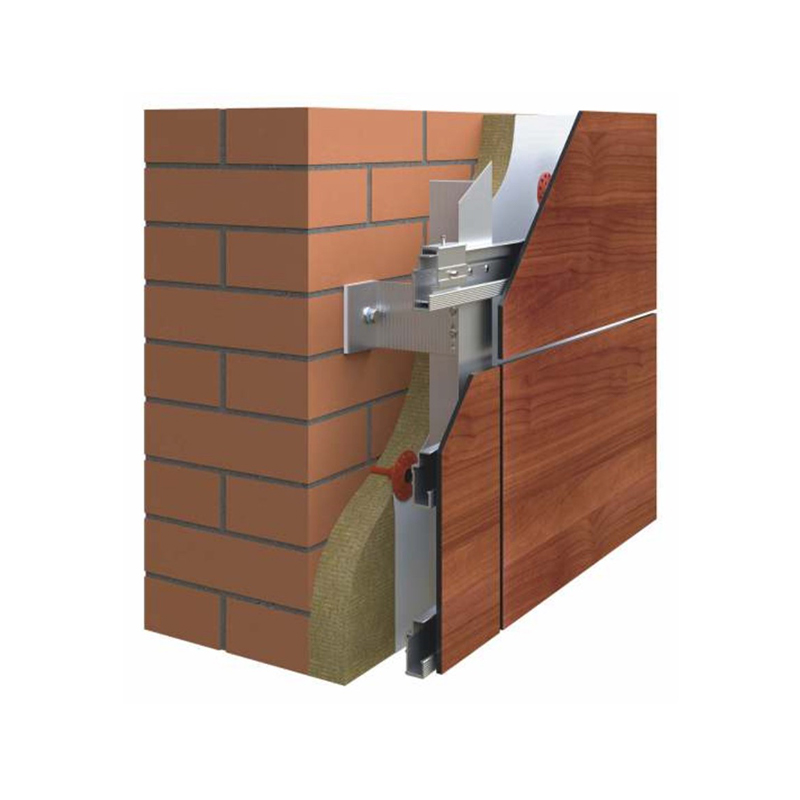
Facade System A0Z-v-20FACING MATERIAL:Fiber cement panels, RockPanels, HPL panelsFIXING:concealed with KEIL anchors, TRAG profile, and hangersMAX FACI...
See Details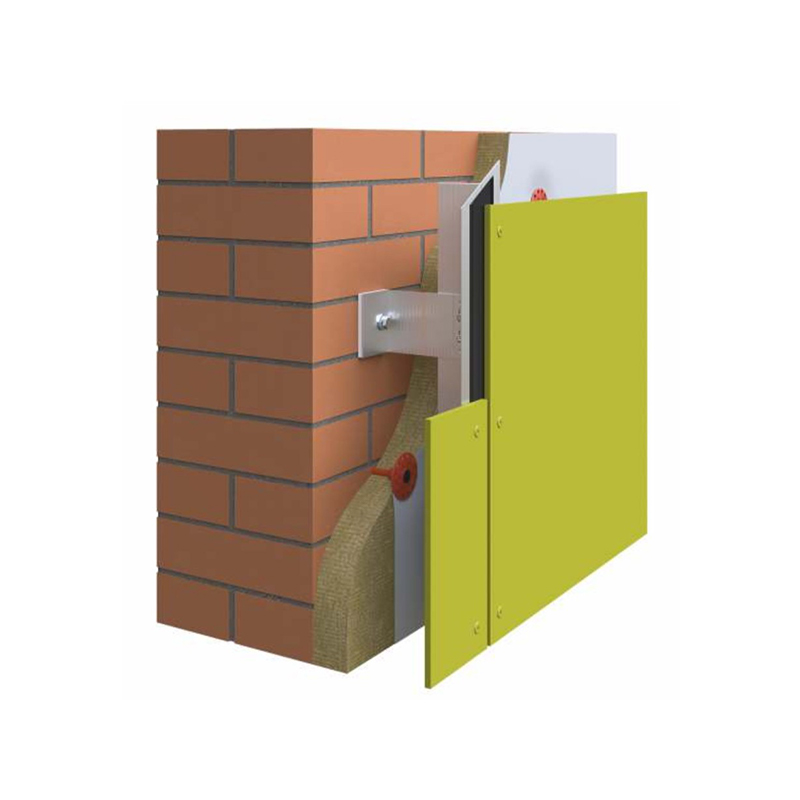
Facade System AOZ-v-100FACING MATERIAL:Fibre cement panels, HPL panels, RockPanels, asbestos cement slabs, aluminium composite panels, steel composite...
See Details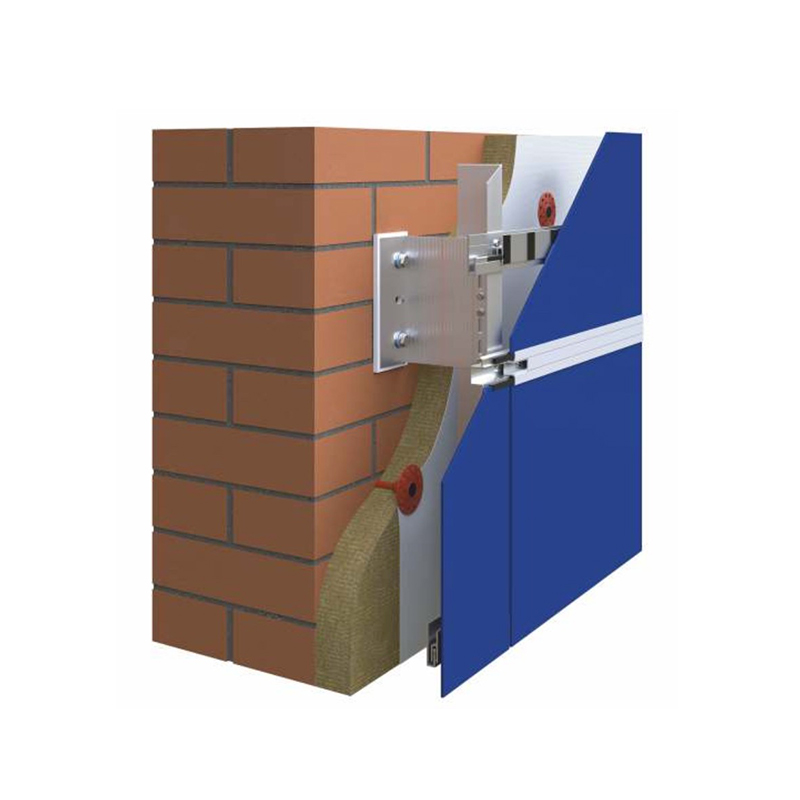
Facade System A0Z-v-300FACING MATERIAL:Tempered glass and stimulate 4 to 8 mm thickFIXING:Mixed: visible with mechanically mounted three-part horizont...
See Details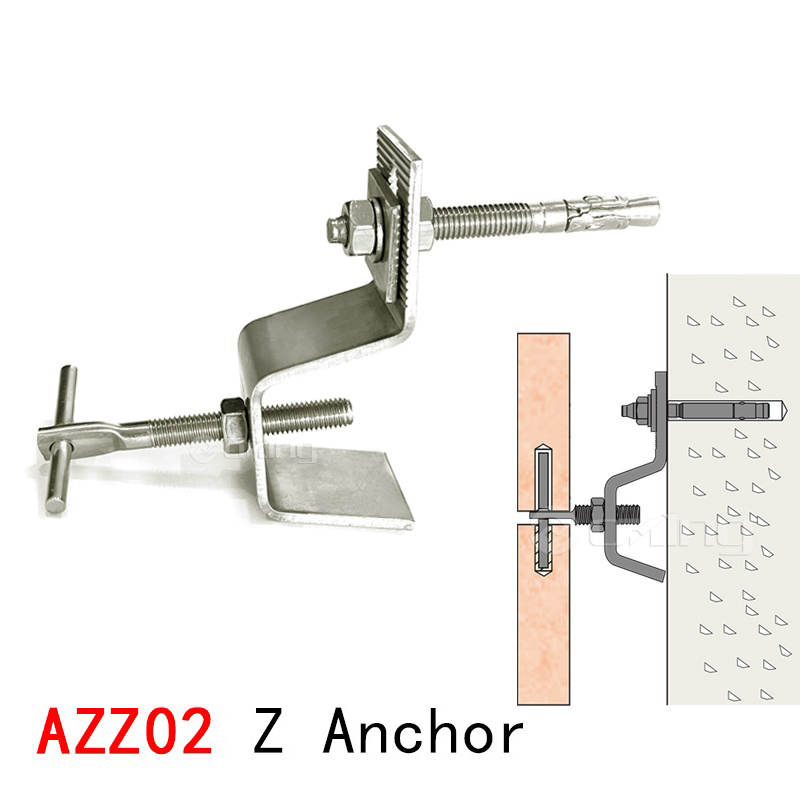
● Material : Stainless Steel 1.4301 [A2) & 1.4401 [A4]● The table above is prepared according to LGA test results● Loads stated are characteristic...
See Details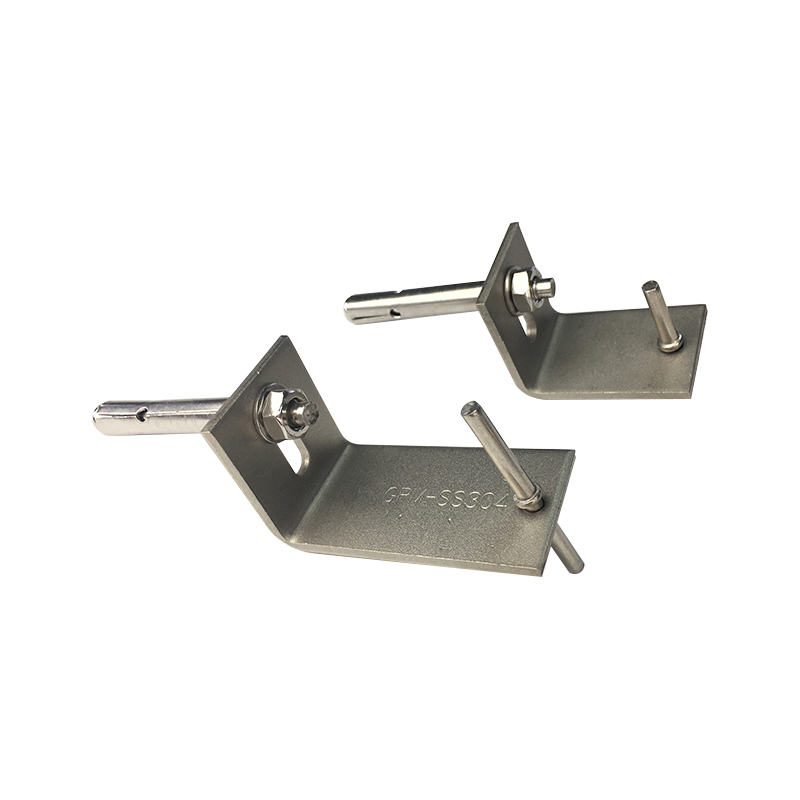
L Angle Bracket in the Cladding System is an important connecting element used to support and fix the boards or panels of building exterior walls. Wit...
See Details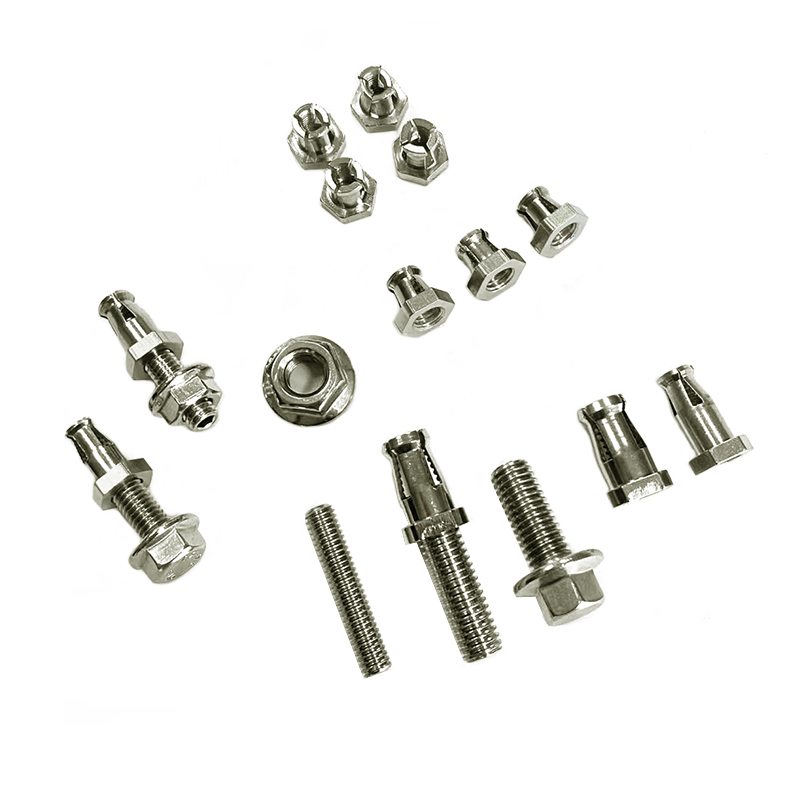
Detachable rotary back bolt anchoring material is a new kind of curtain wall, made of high-quality stainless steel material processing, according to t...
See Details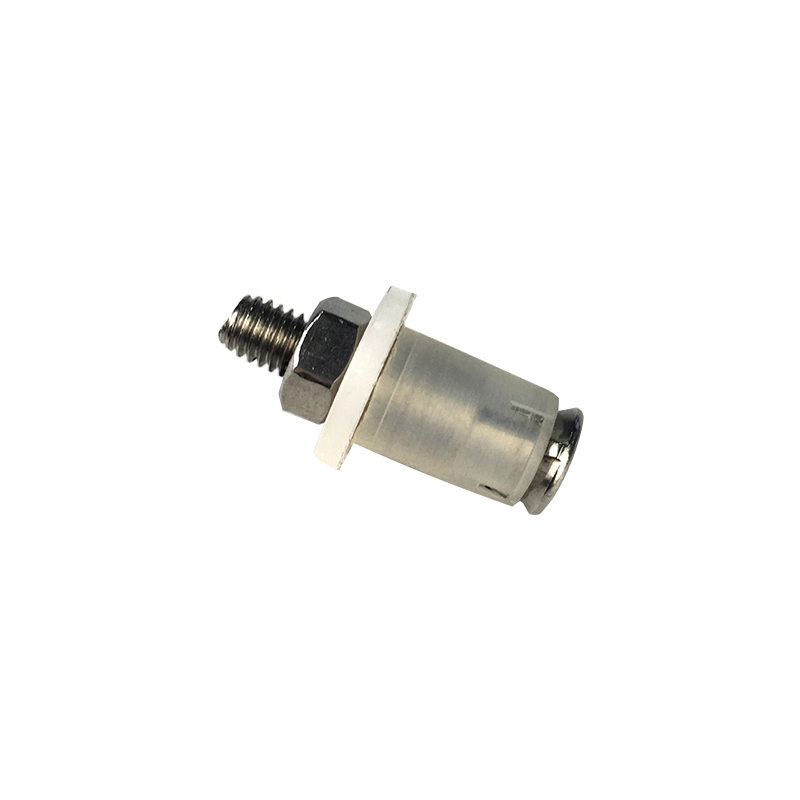
This product is composed of a conical screw, expanded cannulas, an aseismic cover and liner, and a hexagon nut, and fixed without expansion force by b...
See Details
We will wholeheartedly provide you with high quality products, reasonable price, on-time delivery and attentive service.
Maoshan Taiwan Business Industrial Park, Dinan Town, Xinghua City, Jiangsu Province, China

+86-523-82799922

+86-15996094444

+86-523-82799933


Copyright © Jiangsu Aozheng Metal Products Co., Ltd. All Rights Reserved.
 English
 русский
 Español
 عربى
عربى

Contact Us