-
 Tel:
Tel:+86-15996094444
-
 E-mail:
INQUIRE NOW
+86-15996094444
INQUIRE NOW

Article Directory
The facade of a modern building is a highly engineered system designed to manage weather, energy, and safety. At the interface between the concrete structure and the external cladding lies the Cast In Anchor Channels—a critical component responsible for securely fixing the secondary support system (like the ceramic facade framework). For large construction companies and sophisticated B2B procurement teams, the anchor channel must satisfy not only mechanical load requirements but also increasingly strict mandates concerning thermal efficiency and fire resistance.
Jiangsu Aozheng Metal Products Co., Ltd. is a specialized industry and trade enterprise committed to the production of high-quality architectural hardware using stainless steel, aluminum alloy, and carbon steel. We employ advanced automated processes (cutting, stamping, welding) to manufacture reliable anchoring solutions. With an annual production exceeding 2000 tons and exports to the US, Europe, Australia, and the Middle East, we have become an important supplier, working closely with leading global architectural teams to ensure material compliance and high-end market standards.
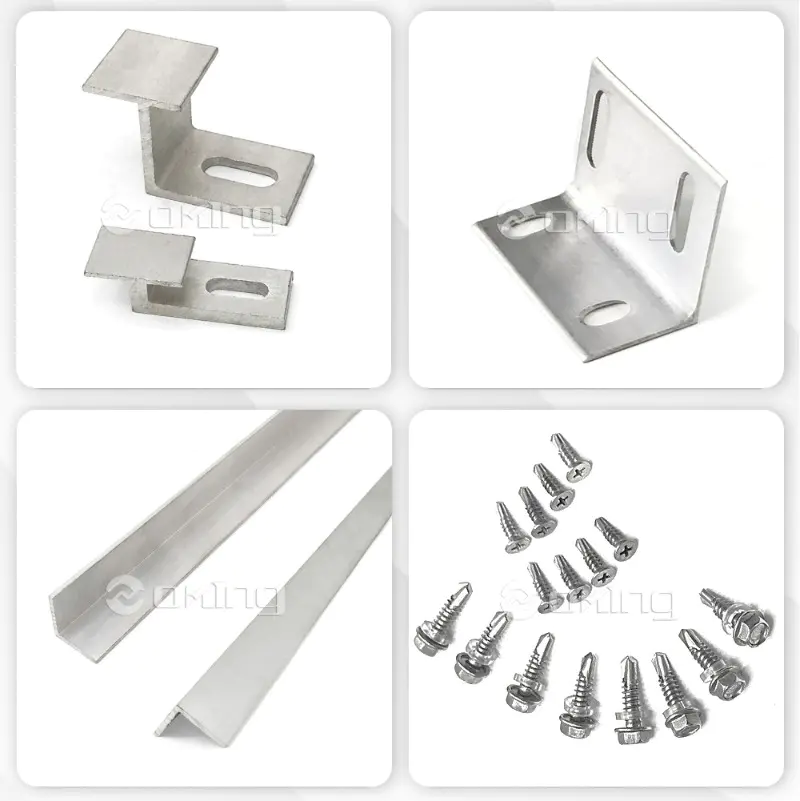
AZCT02 Aluminium Ceramic Tiles Sintered Stone Cladding Brackets
Modern building codes demand that the entire envelope minimizes thermal transfer, quantified by the U-value. When steel and aluminum components like Cast In Anchor Channels penetrate the insulation layer, they create thermal bridges, allowing heat to bypass the insulation. This significantly impacts the overall ceramic facade system thermal performance and can lead to internal condensation, mold growth, and substantial energy loss.
Precise anchor channel thermal bridging analysis is essential. Engineers use finite element modeling (FEM) to calculate the extent of heat flow through the anchor channel component and integrate this data into the overall U-value calculation for ventilated facade anchoring.
To mitigate this effect, high-performance systems utilize thermal break technology inserted between the metallic anchor channel and the facade brackets.
| Anchor Channel Configuration | Thermal Bridging Mitigation | Impact on Overall Facade U-Value | Relevance to U-value Calculation for Ventilated Facade Anchoring |
|---|---|---|---|
| Standard Metallic Anchor/Bracket Connection | Minimal to None. High potential for heat loss/gain. | Significantly raises U-value (reduces R-value). | Requires complex Chi-factor (point thermal bridge) calculation. |
| Metallic Anchor with Polyamide Thermal Shim | High; specialized polymer significantly reduces conductive heat flow. | Improves U-value by fifteen percent to thirty percent depending on insulation depth. | Enables high ceramic facade system thermal performance compliance. |
The deployment of thermal shims is a non-negotiable step for achieving high ceramic facade system thermal performance in energy-efficient buildings.
In multi-story construction, facade fire safety is paramount. The non-combustible nature of ceramic cladding must be supported by an equally resilient anchoring system. The Cast In Anchor Channels fire resistance rating is not based on the anchor itself, but on the entire load-bearing system's ability to maintain structural integrity of cast-in facade anchors under prolonged heat exposure.
The choice of anchor material is critical for maintaining load-bearing capacity during a fire event.
| Material Grade | Approximate Yield Strength Retention at 500 degrees Celsius | Primary Fire Safety Implication |
|---|---|---|
| Low Alloy Carbon Steel (Standard) | Less than fifty percent of initial yield strength. | Rapid loss of load-bearing capacity; unsuitable for high fire-rated systems. |
| Stainless Steel (e.g., A4/316 grade) | Approximately sixty percent to seventy-five percent of initial yield strength. | Maintains higher load capacity at high temperatures; preferred for high Cast In Anchor Channels fire resistance rating and structural integrity of cast-in facade anchors. |
Stainless steel is routinely specified over carbon steel for its superior retention of mechanical properties at elevated temperatures, ensuring the structural integrity of cast-in facade anchors for longer, a key requirement for fire resistance compliance.
The design and material specification of Cast In Anchor Channels must be tailored to the specific climatic and environmental conditions of the project. This involves adapting anchor sizing for increased wind loads in coastal areas, and selecting appropriate material grades for resistance to corrosion.
For projects in the Middle East, where high temperatures are prevalent, the primary thermal focus shifts to preventing heat gain, reinforcing the need for highly effective thermal break components identified through anchor channel thermal bridging analysis. In contrast, cold climates prioritize preventing condensation and maximizing insulation, requiring deeper stud walls and specialized vapor barrier integration. The structural integrity of cast-in facade anchors must be guaranteed against the thermal movement induced by extreme temperature cycling in both contexts.
The selection and integration of Cast In Anchor Channels are central to delivering a high-performance facade. By meticulously addressing the technical requirements for anchor channel thermal bridging analysis and Cast In Anchor Channels fire resistance rating, suppliers like Jiangsu Aozheng Metal Products Co., Ltd. provide the foundational components necessary for compliance. Our commitment to high-quality stainless steel and advanced manufacturing ensures that the final ceramic facade system thermal performance meets the stringent specifications demanded by high-end markets globally.
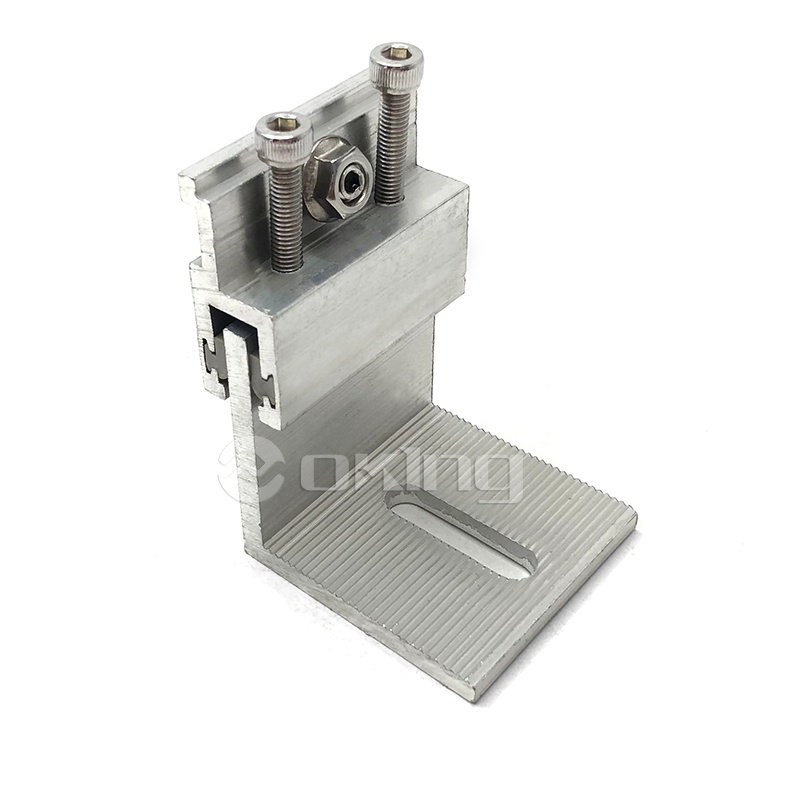
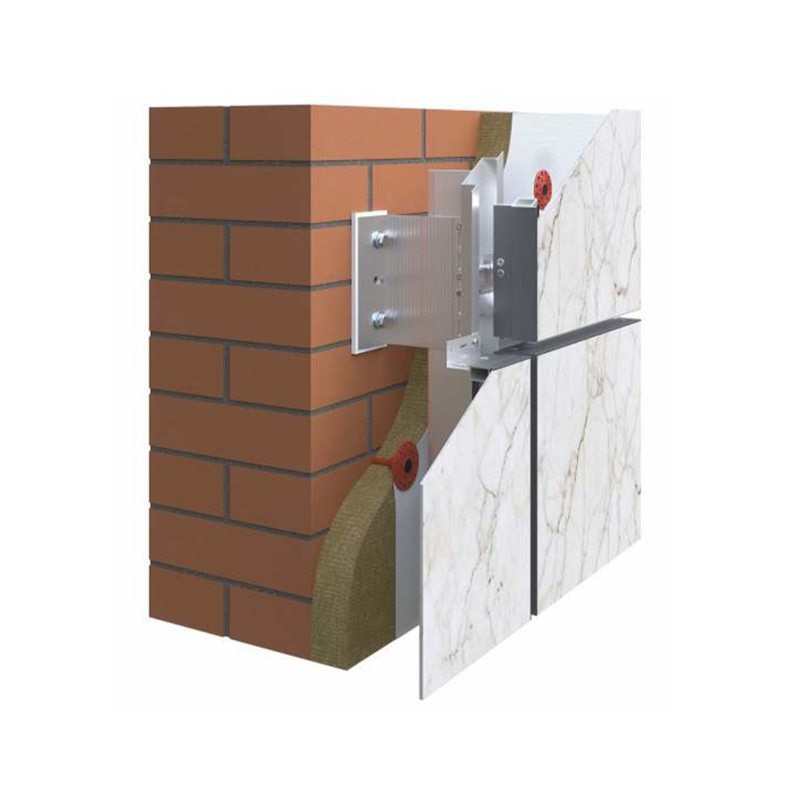
Facade System A0Z-v-300FACING MATERIAL:Large-sized porcelain stoneware tiles 3 to 6 mm thick.FIXING:Concealed with latches (slide holders and cassette...
See Details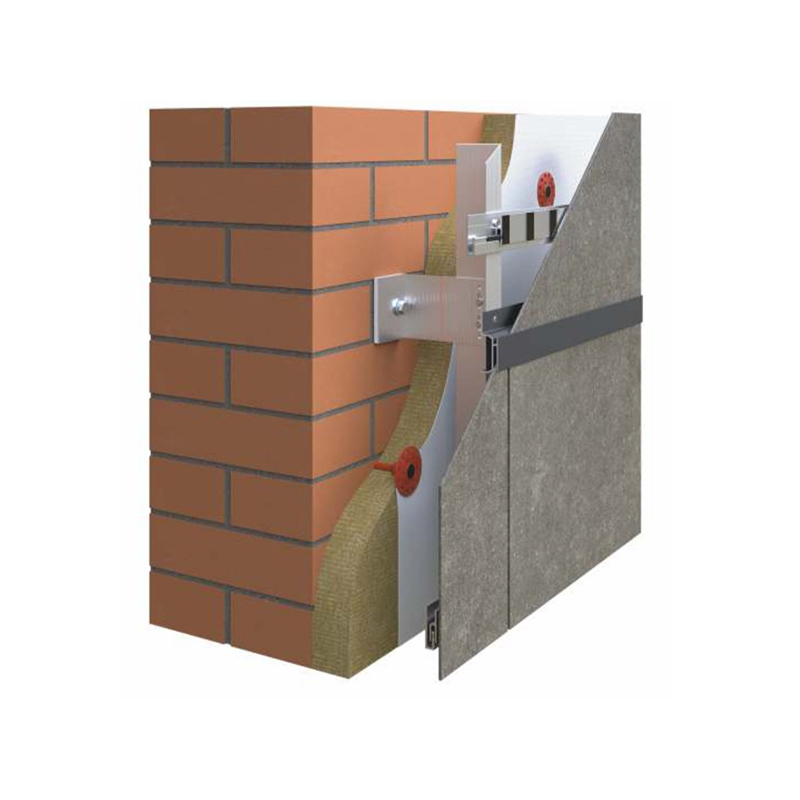
Facade System AOZ-v-300FACING MATERIAL:Large-sized porcelain stoneware tiles 3 to 6 mm thickFIXING:Mixed: visible with mechanically mounted painted ho...
See Details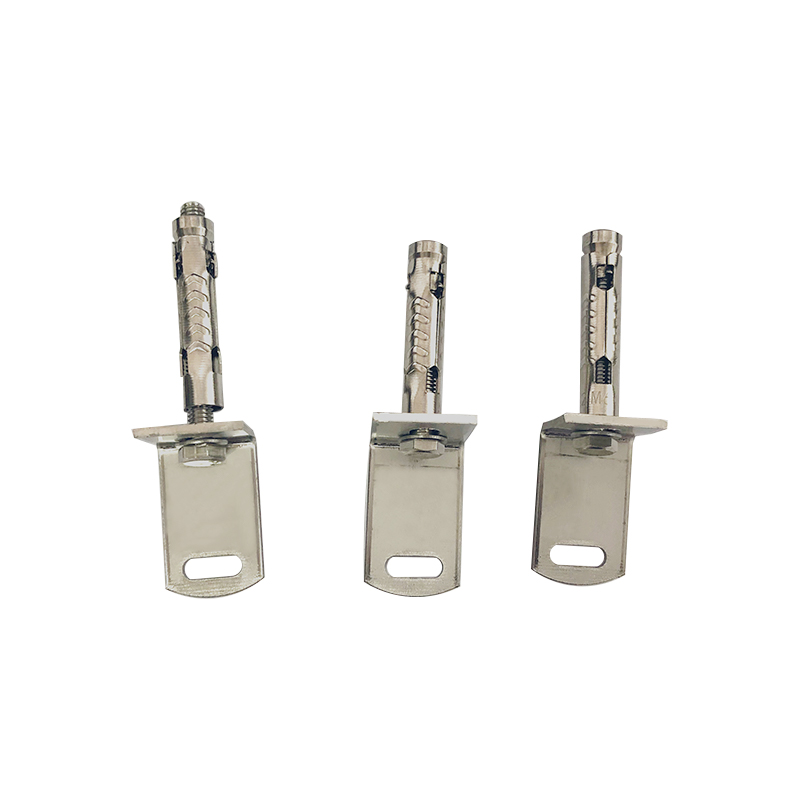
Cladding System L bracket is a supporting and fixing device specially designed for marble corners. With its unique L-shaped design, it provides stable...
See Details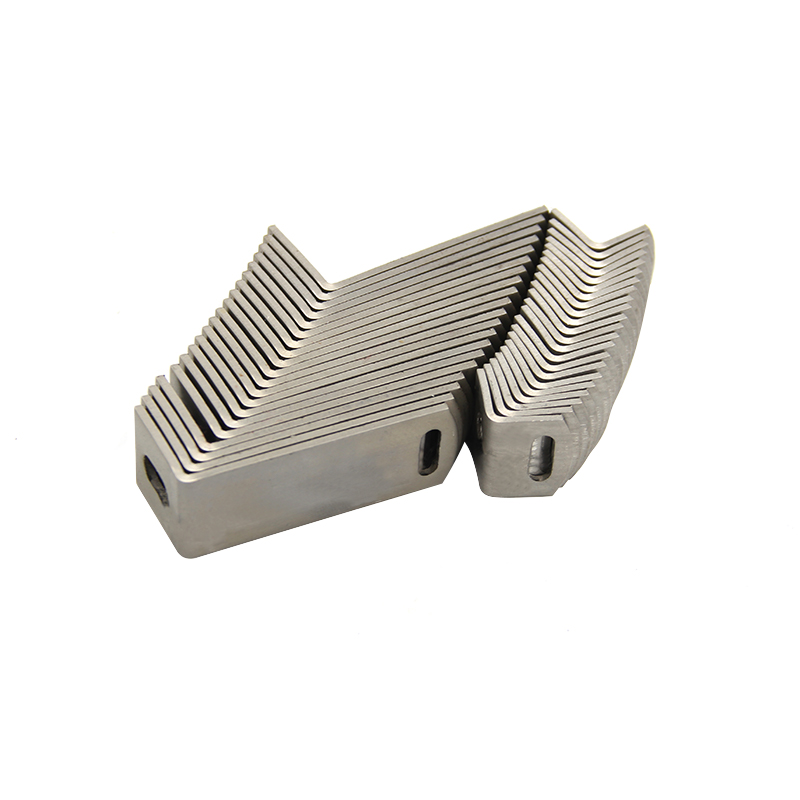
L cladding system Marble clamp is an advanced stone curtain wall fixing system specially used for installing heavy stone panels such as marble. The co...
See Details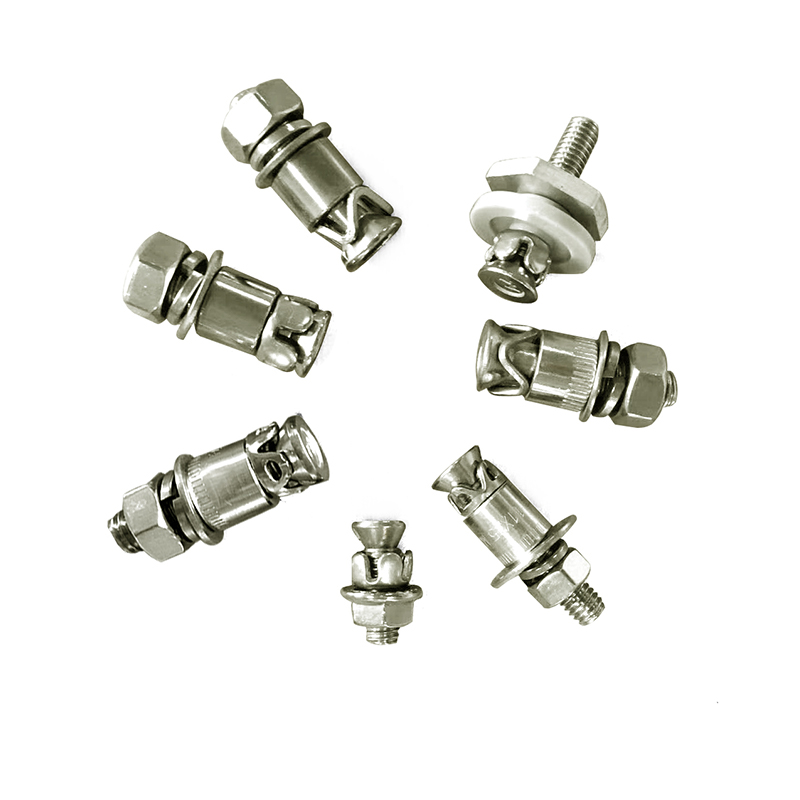
This product is a continuous structure surface, the expansion of the body, while expanding the upper diameter decreases. and the bottom diameter incre...
See Details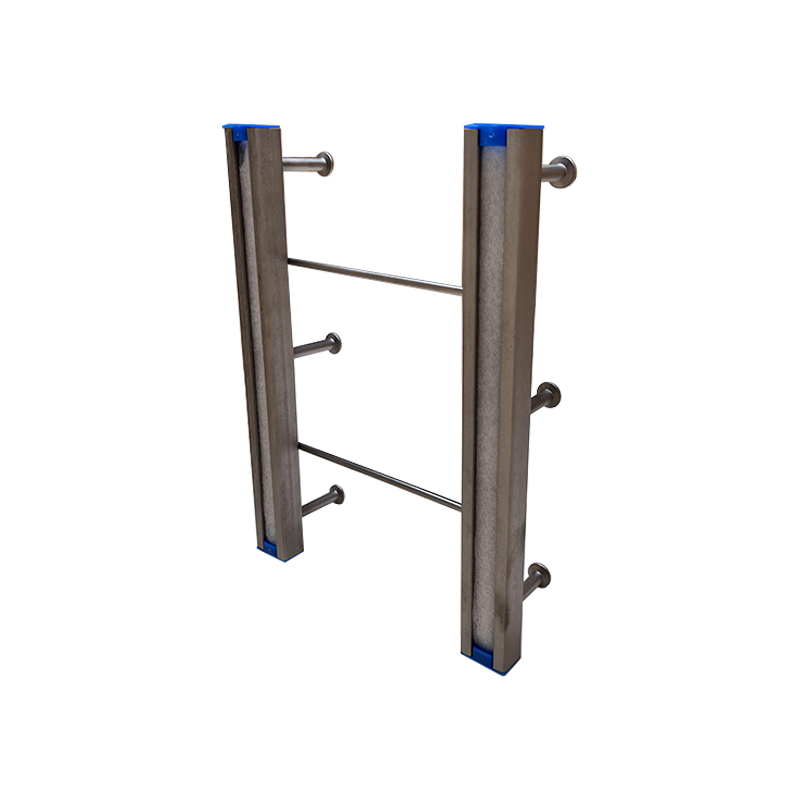
Stainless Steel Anchor Channel Pair is an important construction and engineering material popular for its corrosion resistance and high strength prope...
See Details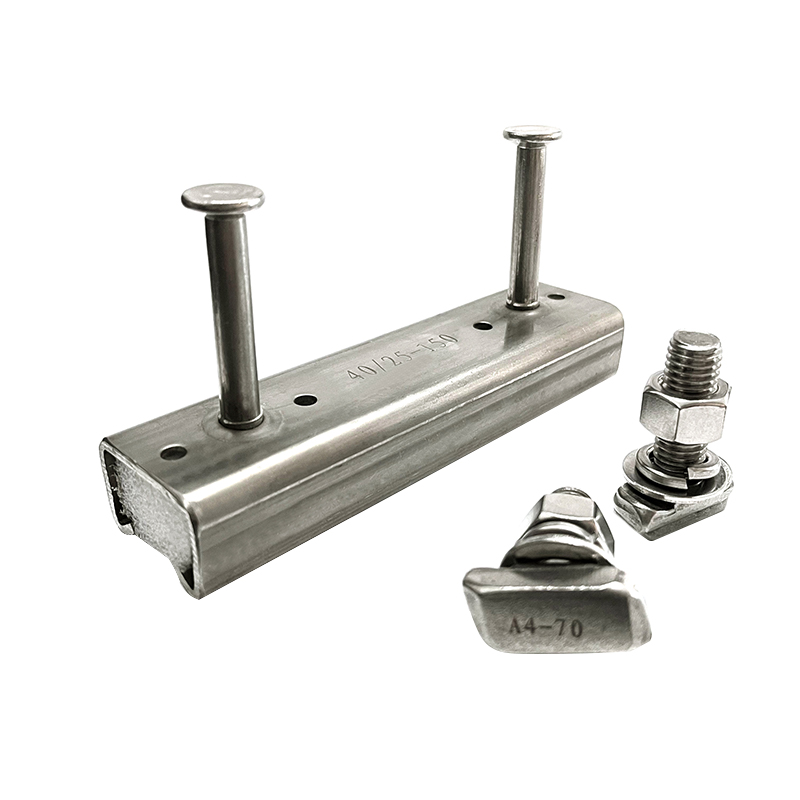
Stainless steel cast channel is an industrial product with durability and stability and is widely used in various fields. Stainless steel material has...
See Details
We will wholeheartedly provide you with high quality products, reasonable price, on-time delivery and attentive service.
Maoshan Taiwan Business Industrial Park, Dinan Town, Xinghua City, Jiangsu Province, China

+86-523-82799922

+86-15996094444

+86-523-82799933


Copyright © Jiangsu Aozheng Metal Products Co., Ltd. All Rights Reserved.
 English
 русский
 Español
 عربى
عربى

Contact Us