-
 Tel:
Tel:+86-15996094444
-
 E-mail:
INQUIRE NOW
+86-15996094444
INQUIRE NOW

Article Directory
Facade performance depends as much on the substructure hidden behind the panels as it does on the cladding material itself. A stainless steel cladding system bracket forms the structural link between the building frame and the outer envelope, carrying dead load, wind load, and thermal movement over decades of service. Choosing the right bracket system means evaluating more than surface finish: adjustability, load rating, corrosion class, and compatibility with the anchor and subframe all determine whether a facade performs as designed. This guide walks through the common bracket types, where each is applied, the structural properties worth comparing, and the installation factors that influence long-term facade reliability.
Bracket geometry and adjustability vary depending on the cladding material, wall construction, and thermal movement the system needs to absorb. Understanding the types of stainless steel cladding system brackets available is the starting point for matching hardware to a specific facade design.
A general term for the structural hardware set that connects subframe rails to the building substrate, typically combined with insulation spacers to reduce thermal bridging.
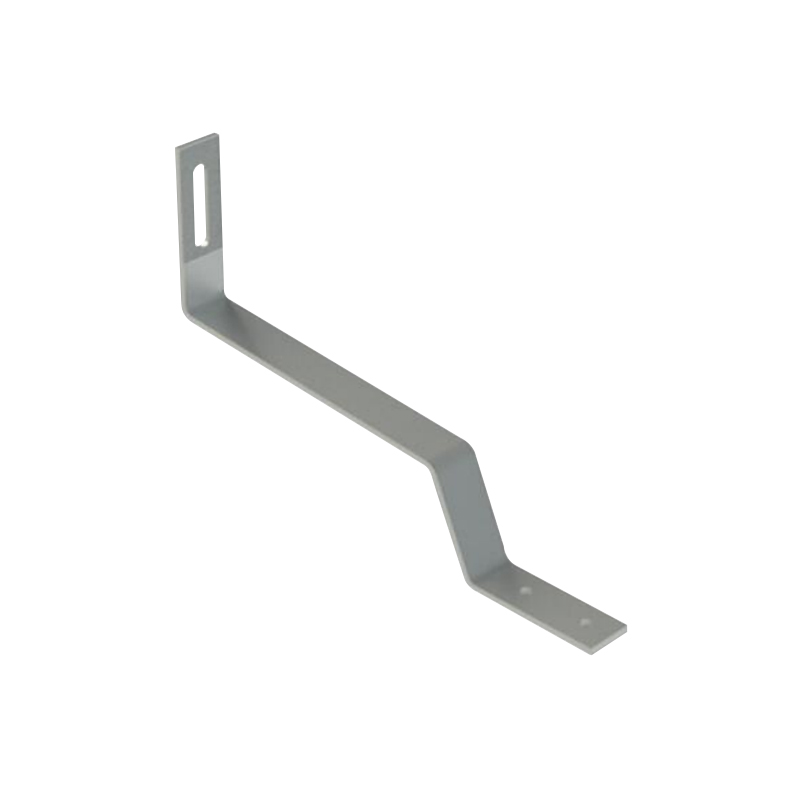
Carries the direct load of the cladding panel and subframe, transferring it back to the wall or slab edge through a fixed or slotted connection point.
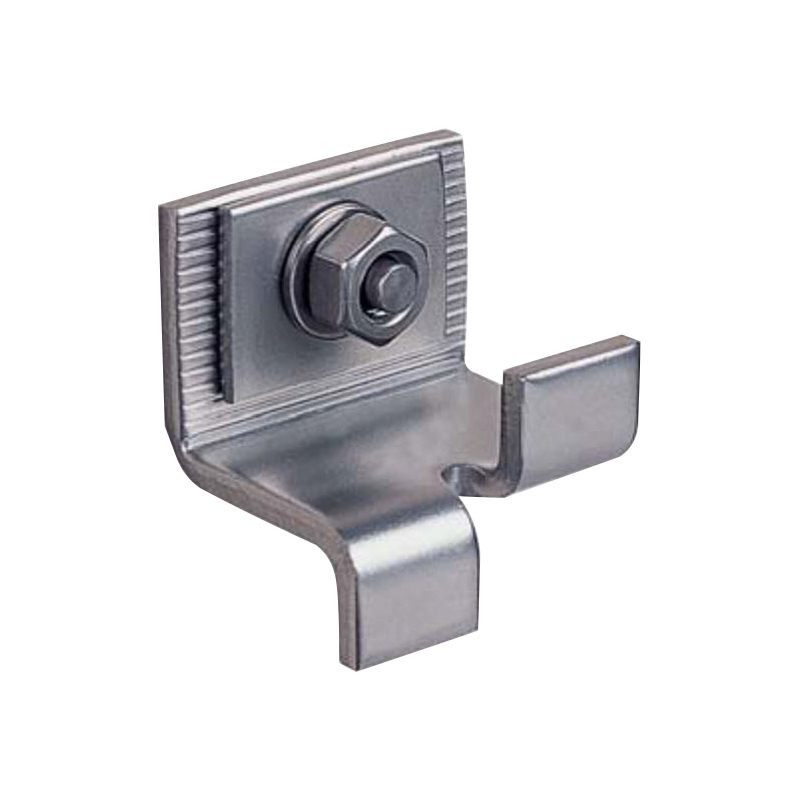
Mounts directly to masonry, concrete, or steel-framed walls, often available in fixed and articulated versions depending on wall tolerance requirements.
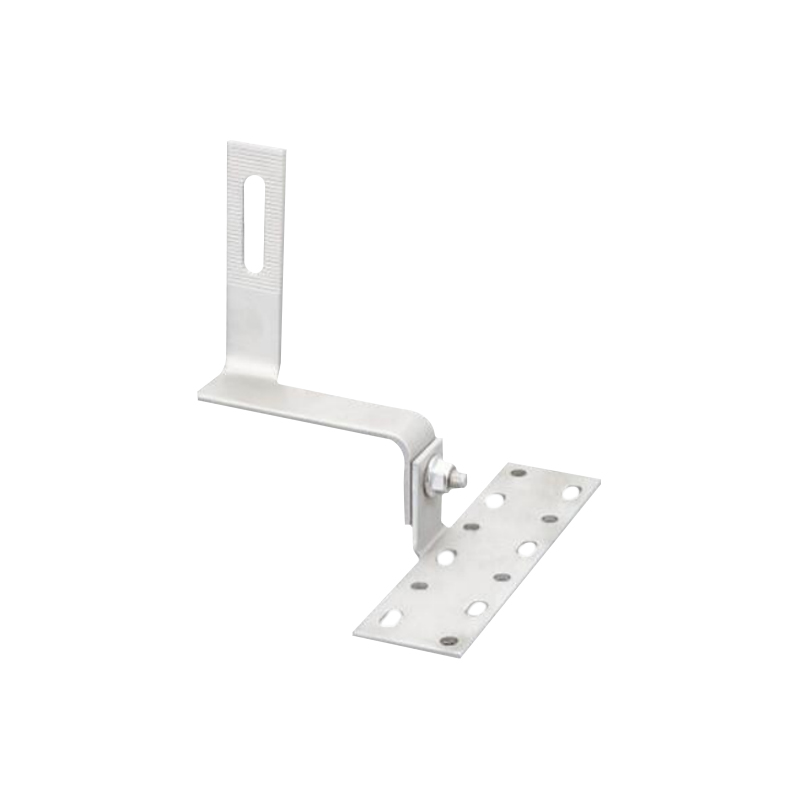
Provides horizontal and vertical adjustment to correct for wall irregularities, a common requirement in an adjustable stainless steel facade bracket system on existing buildings.
A heavier-duty connector used where a ventilated facade bracket stainless steel design must carry higher panel weights or longer spans between fixing points.
For projects with strict weight and wind demands, a heavy duty cladding wall bracket system typically combines a structural connector with reinforced anchor points, while lighter residential or low-rise applications may use simpler fixed wall brackets with fewer adjustment features.
Bracket selection is closely tied to the building envelope type and the cladding system it supports. The same bracket family can perform differently depending on wall construction, panel weight, and exposure conditions.
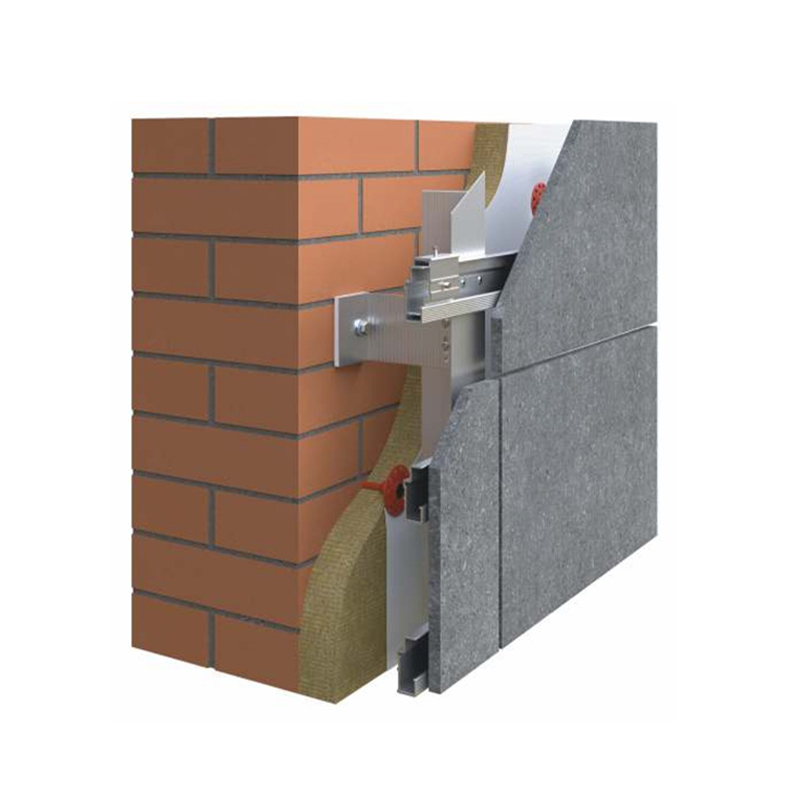
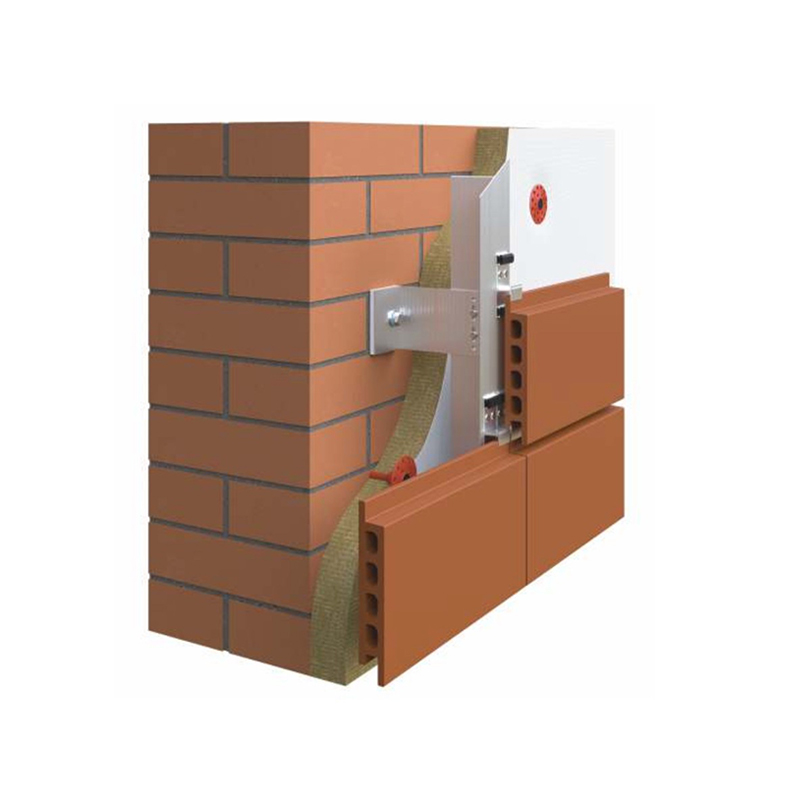
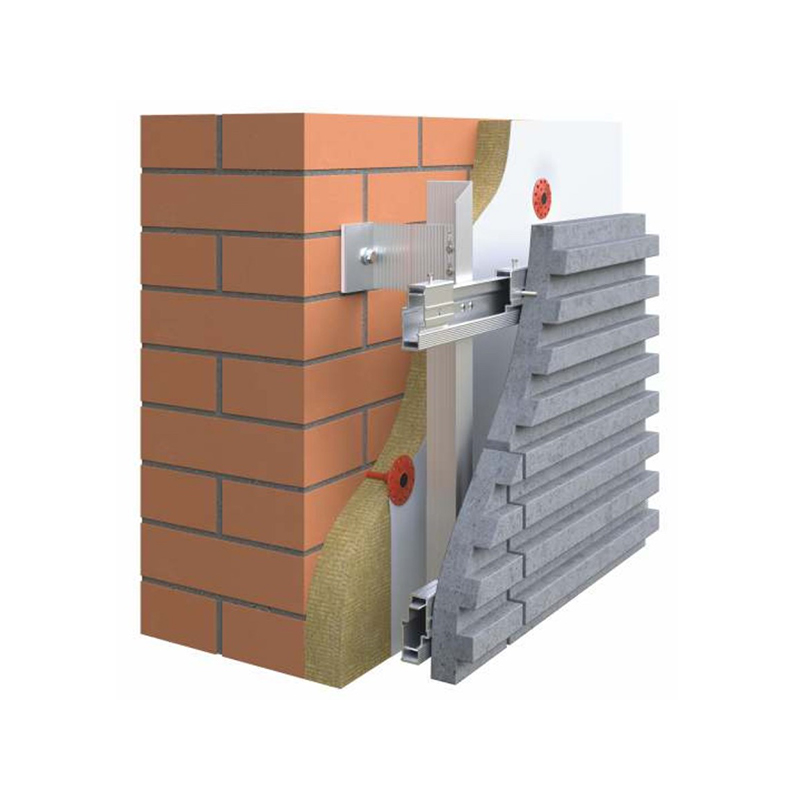
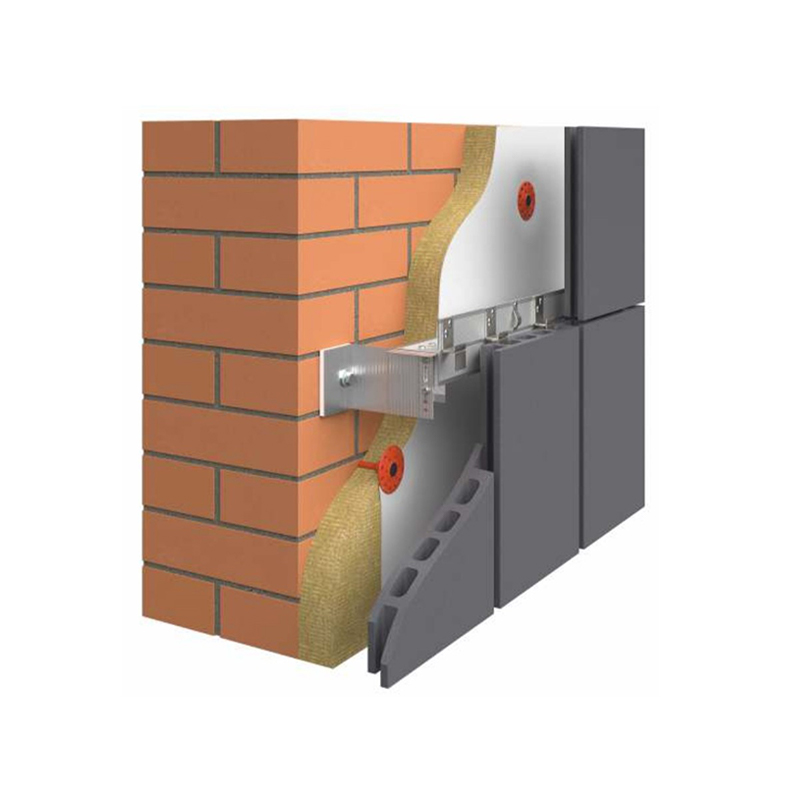
In a ventilated facade installation, brackets create the air cavity between the insulation layer and the cladding panel, which supports moisture management and thermal performance. The bracket depth and spacer length are selected to achieve the cavity dimension specified in the facade design.
Stainless steel cladding brackets for curtain wall applications typically integrate with a subframe rail system, distributing panel loads across multiple fixing points rather than relying on a single connection. This is particularly relevant for architectural panel systems using larger format panels.
Retrofit projects place additional demands on a facade support bracket system for buildings, since existing wall surfaces are rarely perfectly flat. Adjustable brackets accommodate this variation without requiring extensive substrate preparation.
Architectural panel systems with irregular geometry or varying panel angles often require structural cladding connectors capable of multi-directional adjustment, allowing the design intent to be achieved without compromising load transfer back to the structure.
A ventilated facade substructure bracket system typically separates load-bearing brackets from purely alignment-adjustment components, allowing each part of the system to be optimized for its specific function rather than combining both roles into a single fitting.
Bracket selection ultimately comes down to structural performance under real building conditions. These are the core properties worth comparing across bracket systems.
Corrosion resistance facade bracket performance depends heavily on stainless steel grade and surface finish. Grade A2 stainless is common for standard exposure, while A4 grade is generally specified in coastal or high-pollution environments due to its higher molybdenum content.
Stainless steel cladding bracket load capacity is determined by bracket cross-section, material thickness, and the fixing method used at the anchor point. Manufacturers typically publish rated load values that should be verified against project-specific structural calculations.
A wind load rated cladding support system must account for both positive and negative pressure across the facade, since suction loads on tall or exposed elevations can exceed the direct wind pressure the bracket experiences.
Thermal movement allowance facade bracket design accommodates the expansion and contraction of both the cladding panel and the subframe across seasonal temperature ranges, typically through slotted fixing holes or dedicated expansion joints in the bracket layout.
| Property | What to Check | Why It Matters |
| Stainless steel grade | A2 vs A4 specification | Determines corrosion resistance for the exposure environment |
| Load rating | Published rated capacity per bracket | Must match panel weight and span between fixings |
| Wind load design | Positive and negative pressure rating | Confirms performance under suction as well as direct pressure |
| Adjustment range | Horizontal and vertical tolerance | Accommodates wall irregularity without compromising alignment |
Stainless steel grade for facade systems is one of the most frequently underestimated selection factors, since a bracket that meets load and wind requirements can still underperform structurally if the grade is mismatched to the building's environmental exposure.
How a bracket is installed has as much influence on facade performance as the bracket design itself. A facade installation system is only as reliable as its anchor connection and subframe integration.
Verify that the anchor fixing system matches the substrate material, whether concrete, masonry, or structural steel, and that anchor spacing follows the structural engineer's specification.
Use adjustable bracket features to establish a consistent reference plane across the facade before securing the subframe cladding system rails.
Attach subframe rails to the brackets, allowing for the specified thermal expansion gaps and confirming that the cavity depth matches the ventilated facade design.
Secure panels to the subframe following the panel manufacturer's fixing pattern, checking that load is distributed evenly across the bracket layout.
How to install stainless steel cladding brackets correctly depends on close coordination between the structural engineer, facade installer, and panel supplier, since misalignment at the bracket stage compounds through every later step of the building envelope design.
It is a structural fitting that connects a facade subframe or cladding panel to the building's structural wall or slab, transferring dead load, wind load, and thermal movement while typically providing adjustment to correct for wall tolerance.
It supports and positions exterior cladding panels or a facade subframe system, carrying structural loads back to the building frame while often creating the ventilation cavity required in ventilated facade designs.
Grade A2 stainless steel is commonly used for standard exposure conditions, while grade A4 is typically specified for coastal, industrial, or high-pollution environments due to its improved corrosion resistance.
Installation generally follows anchor fixing to the substrate, alignment of the bracket to a reference plane, attachment of subframe rails, and finally mounting of the cladding panels according to the specified fixing pattern.
Stainless steel brackets are generally selected specifically for their weather and corrosion resistance, though performance depends on matching the correct grade to the building's exposure category.
It is a bracket and subframe arrangement that creates an air cavity between the insulation layer and the cladding panel, supporting moisture management and thermal performance across the building envelope.
Selecting the right bracket system depends on matching stainless steel grade, load rating, and adjustment range to the specific building envelope and exposure conditions of the project. Structural performance and long-term durability need to be evaluated together, since a bracket that meets load requirements on paper can still underperform if the corrosion class or thermal movement allowance is not suited to the installation environment. Reviewing these factors against project-specific structural documentation is the most reliable way to select a stainless steel cladding system bracket that performs reliably across the life of the facade.

We will wholeheartedly provide you with high quality products, reasonable price, on-time delivery and attentive service.
Maoshan Taiwan Business Industrial Park, Dinan Town, Xinghua City, Jiangsu Province, China

+86-523-82799922

+86-15996094444

+86-523-82799933


Copyright © Jiangsu Aozheng Metal Products Co., Ltd. All Rights Reserved.
 English
 русский
 Español
 عربى
عربى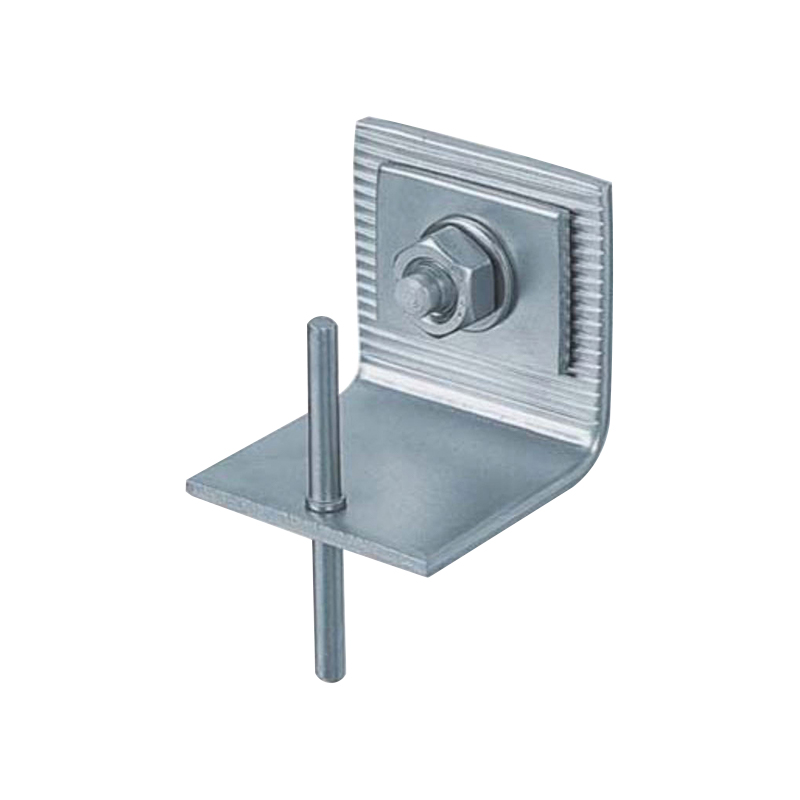


Contact Us