-
 Tel:
Tel:+86-15996094444
-
 E-mail:
INQUIRE NOW
+86-15996094444
INQUIRE NOW
Article Directory
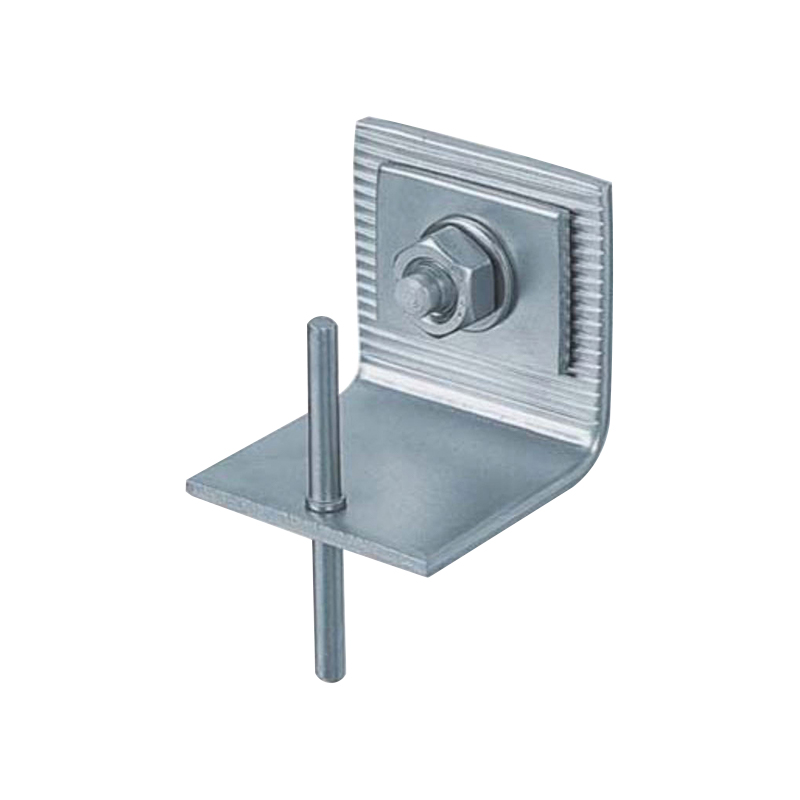
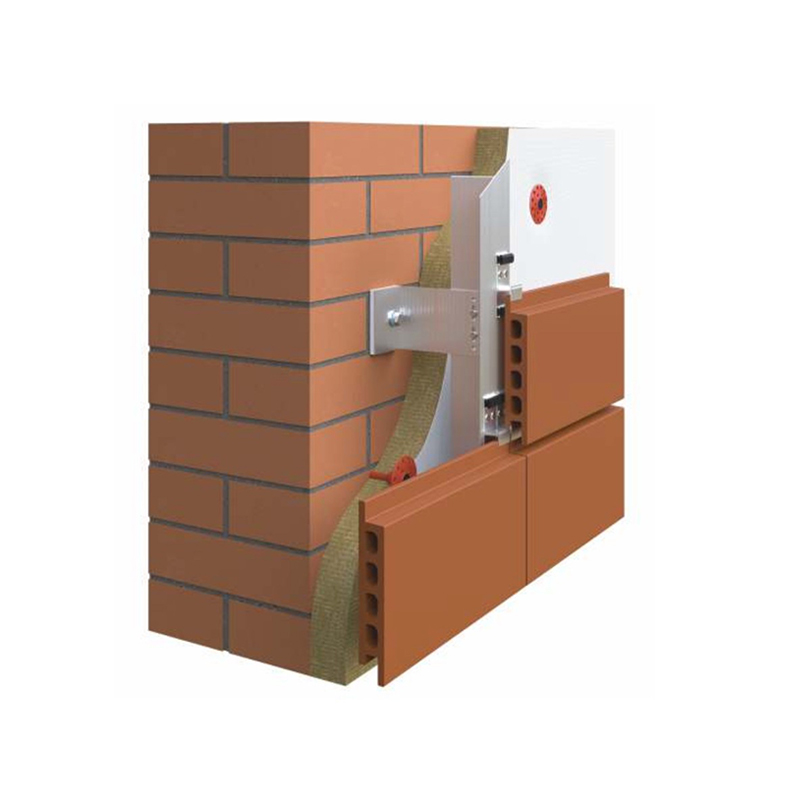
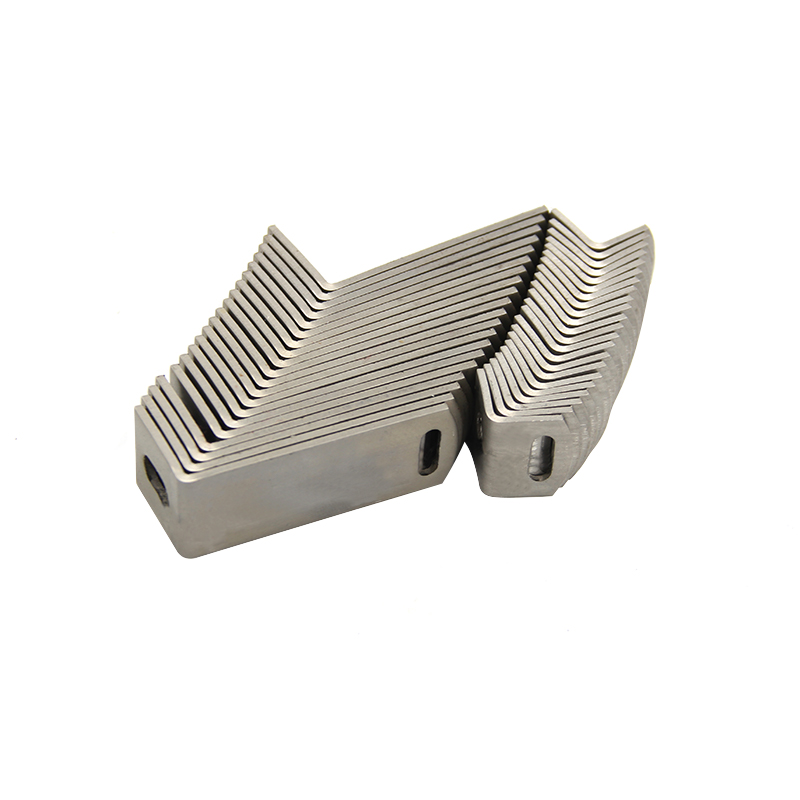
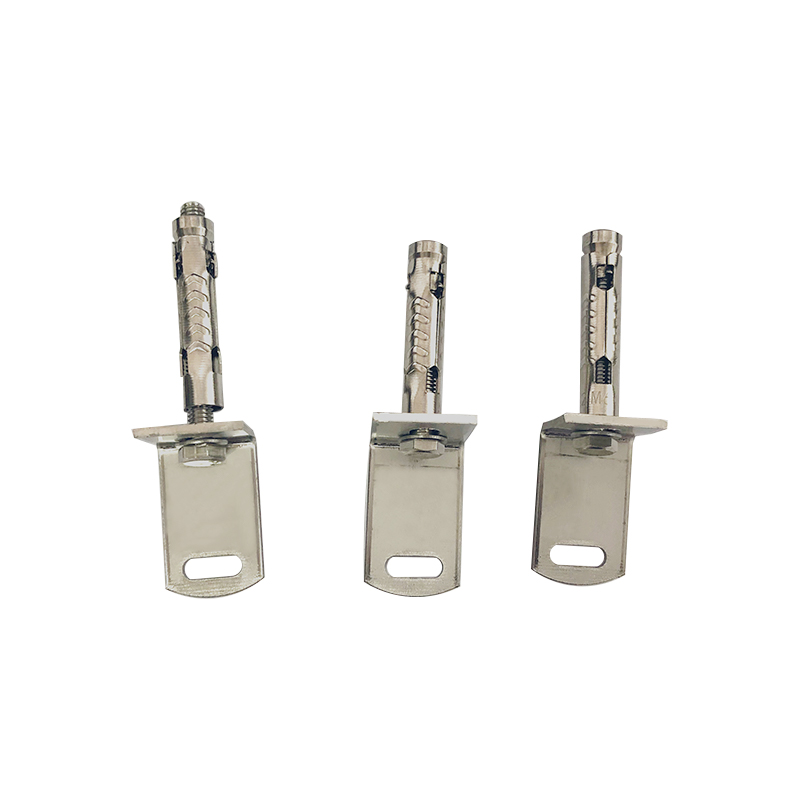
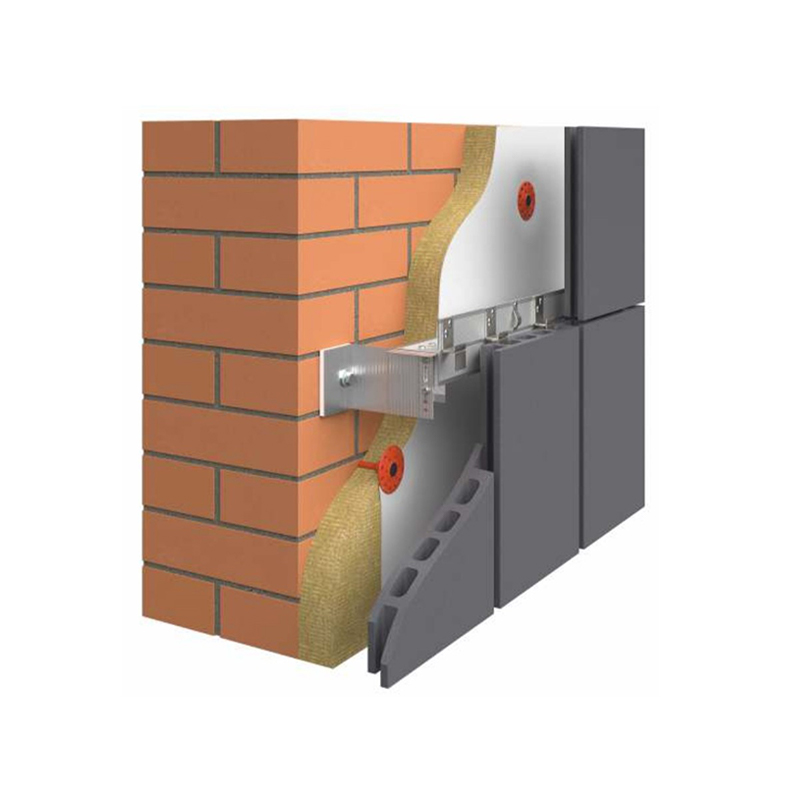
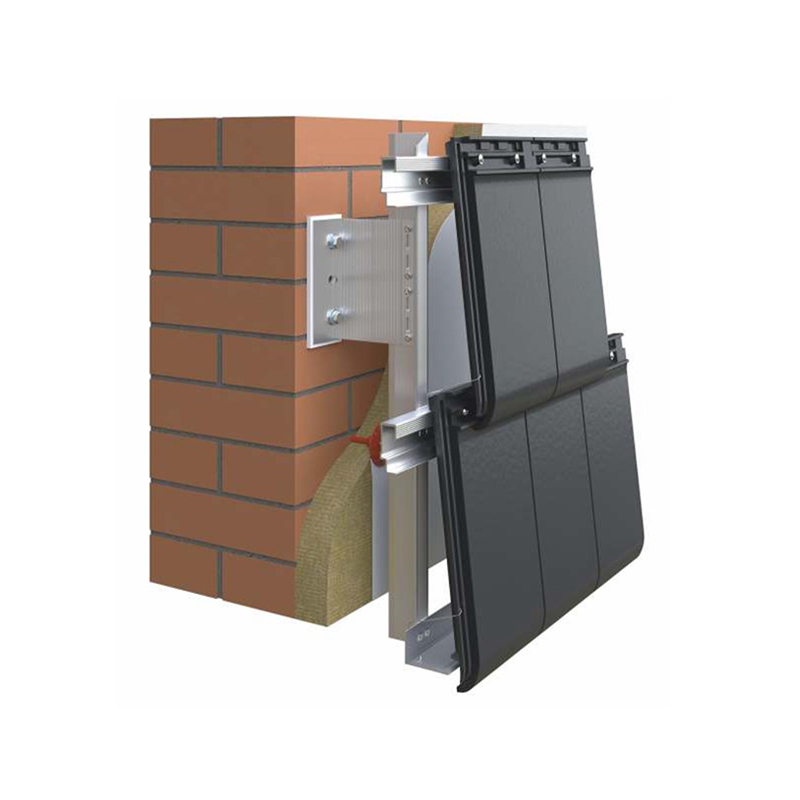
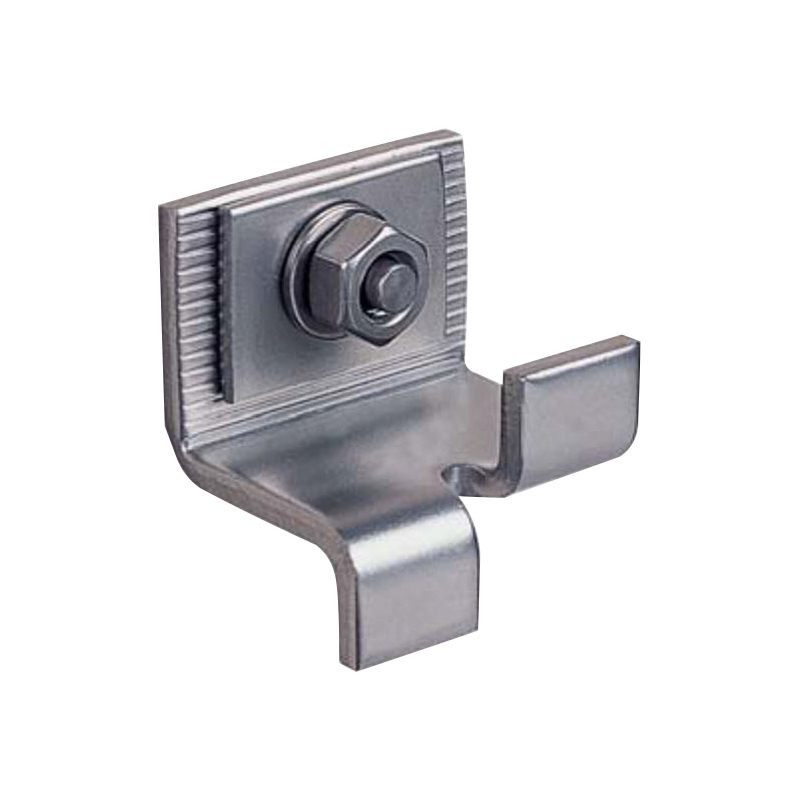
An L cladding system angle is a structural bracket component used in ventilated facade and rainscreen cladding assemblies to transfer panel dead load and wind load from the cladding surface into the building's primary structure. The L profile — a right-angle section with two flanges of defined thickness and leg length — functions as both a load-bearing and alignment element, establishing the plane of the cladding surface while maintaining a precise air cavity behind the panel for drainage and ventilation.
L cladding system angle load capacity is determined by three concurrent load conditions that the bracket must resist simultaneously: dead load (the self-weight of the cladding panel transferred vertically into the building substrate), wind load (suction and pressure forces acting perpendicular to the facade plane), and thermal movement load (horizontal forces generated as the cladding panel expands and contracts across temperature cycles).
In a ventilated facade system, the L angle is typically installed in one of two configurations: a fixed bracket that resists both vertical dead load and horizontal wind load, or a sliding bracket that resists wind load only while permitting vertical thermal movement. The structural capacity of the fixed bracket governs the system's maximum panel weight per fixing point — a calculation that combines the panel area tributary to each bracket with the panel's mass per square meter and an applied safety factor of 1.5 to 2.0 per EN 1990.
Panel dead load transferred to substrate via shear through the horizontal flange. Governed by flange thickness and anchor bolt capacity.
Wind suction and pressure transferred via bending in the vertical flange. Bracket depth and steel thickness determine moment resistance.
In-plane restraint force generated by differential thermal expansion between panel and substructure. Managed by slotted holes in sliding positions.
Bracket spacing directly governs individual bracket load. Standard ventilated facade designs target bracket spacings of 400–800mm vertically and 600–1200mm horizontally, but these values must be recalculated for each project based on panel format, panel weight, local wind pressure zone, and substrate anchor capacity. A facade engineer's bracket schedule — not a catalog default — is the authoritative load document for any given installation.
L cladding system angle installation begins with the substrate survey — a critical pre-installation step that establishes the actual plane of the building's structural face relative to the specified cladding plane. Substrate tolerances in reinforced concrete construction typically run to ±15–20mm over a 3-meter span; brick and block construction can exceed ±25mm. The L angle bracket system must absorb this substrate variation within its adjustment range while delivering the cladding surface to within ±1–2mm of the specified face plane.
Adjustment is achieved through a combination of slotted holes in the bracket flange (for in-plane lateral adjustment), packing shims between bracket and substrate (for depth adjustment), and vertical slot positions in the rail or sub-rail (for height adjustment). Premium L angle systems provide 30–40mm of depth adjustment, 10–15mm of lateral adjustment, and 25mm of vertical adjustment — sufficient to accommodate most concrete substrate tolerances without resort to remedial works.
Establish primary datum plane using laser level. Mark bracket positions per approved bracket schedule. Identify substrate zones requiring packing shim or bridging anchor.
Drill and install approved anchors per pull-out test results or ETA anchor design. Minimum edge distances and anchor spacing per EN 1992-4 must be maintained regardless of bracket position.
Install fixed brackets at the defined horizontal reference course first. Set depth using shims and confirm face plane with string line or laser. Torque anchor bolts to specified value before proceeding.
Install sliding brackets above and below fixed course with slotted holes in the vertical direction. Do not fully torque fasteners — sliding positions must remain free to move across the panel's thermal range.
Attach vertical rails to bracket faces. Confirm rail plane to ±1mm using stretched line. Adjust any brackets outside tolerance before panel installation begins — corrections after rail fixing are disruptive and time-intensive.
L cladding system angle material options span three primary substrate families — stainless steel, hot-dip galvanized carbon steel, and aluminum alloy — each appropriate to a defined exposure class and design service life requirement. The selection is not a value engineering decision; it is a durability specification that determines whether the concealed substructure meets its 25, 40, or 50-year design life without remedial access or replacement.
The benchmark specification for facades in urban, coastal, and aggressive industrial environments. Molybdenum content resists chloride pitting. Designed service life exceeds 50 years without surface treatment. Mandatory for facades within 1km of coastline or in C4–C5 corrosivity zones per ISO 9223.
Suitable for inland, low-pollution environments in C1–C3 corrosivity zones. Lower molybdenum content limits chloride resistance. Not recommended in coastal or de-icing salt exposure zones. Cost-effective for urban commercial projects in temperate, low-humidity climates.
Minimum 85μm zinc coating per EN ISO 1461. Suitable for C1–C3 environments with 25–30 year design life. Lower material cost than stainless but requires coating inspection access at mid-life. Not suitable for coastal or chemically aggressive facades without additional organic coating.
Lightweight — approximately one-third the density of steel — with natural oxide corrosion resistance. Suitable for C1–C4 environments. Lower structural capacity than stainless at equivalent section size, requiring larger bracket profiles to achieve the same load rating. Galvanic isolation required at contact with carbon steel.
L cladding system angle corrosion resistance is specified against ISO 9223 atmospheric corrosivity categories, which classify environments from C1 (very low, heated indoor spaces) through C5 (very high, industrial coastal zones). The concealed position of L angle brackets within the ventilated cavity — protected from direct rain but exposed to condensation, capillary moisture, and in coastal facades, chloride-laden air — places most installations in the C3 to C4 range regardless of the building's inland or urban location.
Bimetallic corrosion is the most commonly underspecified failure mechanism in cladding substructures. When stainless steel brackets are fastened to galvanized rails with carbon steel bolts, or when aluminum components contact stainless without isolation, galvanic cells form at the contact interface and accelerate corrosion at the less noble material. Isolation washers, EPDM pads, and specified fastener material matching are mandatory provisions in correctly detailed L angle systems — not optional accessories.
| ISO Corrosivity Class | Typical Environment | Min. Bracket Material | Design Life |
| C1 – C2 | Heated indoor / Rural low humidity | HDG Fe/Zn 85 or 304 SS | 25–30 yr |
| C3 | Urban / light industrial | 304 SS or HDG + organic coat | 30–40 yr |
| C4 | Industrial / sheltered coastal | 316L SS | 40–50 yr |
| C5 | Marine / aggressive industrial | 316L SS — mandatory | 50 yr+ |
An L cladding system angle for facade systems serves a dual structural and geometric function within the ventilated rainscreen assembly. Structurally, it anchors the cladding load path to the building. Geometrically, it establishes and maintains the air cavity depth — typically 20–50mm — that enables the ventilated facade to function as designed: drawing moisture-laden air upward and out through the cavity, preventing condensation accumulation behind the panel, and allowing any water that penetrates the panel joints to drain freely to the base of the wall.
The L profile geometry directly determines cavity depth. A bracket with a 60mm horizontal flange and a 40mm vertical leg creates a 60mm cavity when mounted flush to the substrate — deeper than many standard systems and appropriate for high-moisture climates or facade heights where stack-effect ventilation must be maximized. Shallower cavities of 20–30mm are standard for most commercial cladding applications in moderate climates.
Sufficient for drainage and limited stack-effect ventilation in moderate climates. Compatible with most 50–80mm bracket leg depths.
Increased wind pressure differential at elevation demands deeper cavity to maintain airflow and drainage performance under suction conditions.
Maximizes drainage capacity and ventilation rate to manage elevated moisture drive through open-joint panels and wind-driven rain penetration.
The L cladding system angle vs Z bracket comparison is a decision between profile geometry, load distribution efficiency, and installation adjustability. The L angle — a single right-angle section — attaches directly to the substrate on one flange and presents a flat face for rail or panel attachment on the other. The Z bracket adds a third plane: a setback flange that positions the rail or panel face at a defined distance from the substrate anchor without requiring shims for depth setting.
Z brackets offer a dimensional advantage where substrate variation is low and the specified cavity depth is fixed by the bracket geometry itself. However, L cladding system angles with slotted adjustment holes provide greater field adjustability — essential on substrates with significant planarity variation — and a simpler load path geometry that is easier to verify in structural calculations. For projects requiring ETA-certified systems with documented load tables, L angle systems dominate the European facade market.
| Comparison Factor | L Cladding System Angle | Z Bracket |
| Profile Geometry | Two-flange right angle | Three-plane offset profile |
| Depth Adjustment | Via shims — up to 40mm range | Fixed by bracket geometry |
| Substrate Tolerance | Handles ±20–25mm variation | Best suited to ±10mm variation |
| Load Path Clarity | Direct — easier ETA verification | Offset moment arm complicates calc |
| Thermal Movement | Via slotted holes in sliding position | Via slotted holes or floating clip |
| Material Options | SS 316L, 304, HDG, Aluminum | Typically aluminum or HDG steel |
| Typical Application | ETA-certified rainscreen systems | Proprietary cladding panel systems |
We will wholeheartedly provide you with high quality products, reasonable price, on-time delivery and attentive service.
Maoshan Taiwan Business Industrial Park, Dinan Town, Xinghua City, Jiangsu Province, China

+86-523-82799922

+86-15996094444

+86-523-82799933


Copyright © Jiangsu Aozheng Metal Products Co., Ltd. All Rights Reserved.
 English
 русский
 Español
 عربى
عربى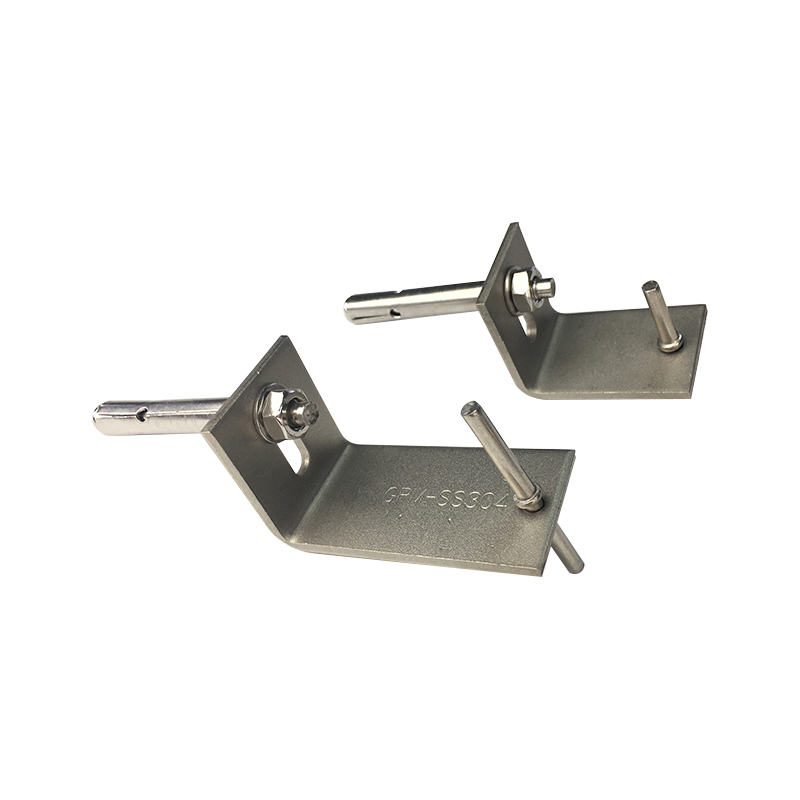


Contact Us