-
 Tel:
Tel:+86-15996094444
-
 E-mail:
INQUIRE NOW
+86-15996094444
INQUIRE NOW

Article Directory
The Z cladding bracket is the primary structural connector between a building's substrate wall and its exterior cladding panel system. Named for its Z-shaped cross-section profile, it simultaneously provides a fixed bearing point for the panel's lower edge and a restraint point for its upper edge — functions that no single L bracket or flat clip can replicate in one component. This guide covers applications, structural support mechanisms, heavy-cladding suitability, installation procedure for aluminium composite panels, load capacity benchmarks, and the key differences from L brackets.
A Z cladding bracket is used to create a ventilated cavity between a building's structural wall and its exterior cladding skin. This cavity — typically 25 to 100 mm wide — serves four simultaneous functions: it allows moisture that penetrates behind the cladding to drain freely rather than accumulating against the wall structure; it permits continuous airflow that accelerates drying of any residual moisture; it accommodates thermal insulation within the cavity depth; and it provides a mechanical decoupling layer that prevents cladding movement from transferring stress into the primary structure.
Z cladding brackets support exterior panels through a two-point engagement geometry that the Z profile makes possible within a single component. The lower horizontal flange of the Z receives the panel's bottom edge in bearing — carrying the panel's dead weight in vertical shear. The upper horizontal flange restrains the panel's top edge against wind suction — resisting outward pull loads perpendicular to the façade plane. The vertical web connecting both flanges simultaneously sets the cavity depth and transfers both load components into the wall anchor.
The vertical spacing between Z brackets — typically 600 mm, 800 mm, or 1,200 mm centre-to-centre depending on panel size and wind load zone — determines the span of unsupported panel between supports. Structural calculations must confirm that the panel material's bending capacity is not exceeded at the design wind pressure for the building's location and height zone.
Z cladding brackets are fully suitable for heavy cladding systems when specified in appropriate gauge, alloy, and anchor configuration. Stone cladding panels in the 20 to 40 kg/m² range, thick fibre cement board, and precast concrete veneer panels are all routinely supported on Z bracket subframe systems engineered to meet the load requirements of each specific application.
For true curtain wall systems — where the cladding carries no floor load and spans between floor slabs — Z brackets are typically used as infill panel supports within the curtain wall frame rather than as the primary structural connector. In this configuration, the Z bracket transfers wind load and panel dead weight into a secondary steel or aluminium mullion system, which in turn connects to the primary structure at floor slab anchor points.
Installing Z cladding brackets for aluminium composite panel (ACP) systems follows a sequence that must be completed in order — deviating from the sequence produces misalignment that compounds across the full façade height and cannot be corrected without partial disassembly.
Set out horizontal and vertical chalk lines across the substrate wall at the bracket spacing specified in the engineer's layout drawing — typically 600 mm vertical centres and panel-width horizontal centres. Verify plumb and level with a laser level; do not rely on existing window openings or floor slab edges as reference — these are rarely level or plumb to façade tolerance.
Drill anchor holes at each bracket position to the specified diameter and depth for the anchor type — chemical anchors into concrete typically require a 10 mm diameter hole at 80 to 110 mm depth for M8 threaded rod. Clean the hole with compressed air and a brush before injection. Allow full cure time (typically 30 to 60 minutes at 20°C for epoxy anchors) before loading.
Position each Z bracket with the lower bearing flange pointing outward and downward. Insert the wall anchor bolt through the bracket's slotted fixing hole — the slot allows ±10 mm vertical adjustment to accommodate substrate level tolerances. Do not fully torque the fixing bolt at this stage; leave it hand-tight to allow fine adjustment during rail installation.
Clip or bolt horizontal aluminium carrier rails onto the Z bracket flanges along each horizontal row. Check rail alignment with a string line or laser level; use the bracket's slotted adjustment to bring each rail to within ±1.5 mm of true level before final torquing. Rail-to-rail joints must incorporate a 3 to 5 mm thermal expansion gap per 3 metres of rail length.
Hook the pre-routed ACP panel's return flange onto the lower carrier rail. Check panel plumb and lateral position before fixing the upper restraint clip into the upper rail. Maintain a minimum 8 mm open joint between adjacent panels — do not seal horizontal joints; they must remain open to allow drainage and ventilation in the cavity behind the panels.
Once the full bay of panels is positioned and aligned, torque all bracket fixing bolts to the specified value — typically 25 to 35 Nm for M8 stainless bolts into chemical anchors. Inspect every bracket for full bearing contact between flange and rail. Document anchor positions for the as-built record required for building maintenance and future facade inspection.
Z cladding bracket load capacity is determined by the bracket's material grade and thickness, the anchor type and substrate strength, the bracket's flange dimensions, and the eccentricity of the applied load relative to the wall anchor line. Published load tables from manufacturers assume standard substrate conditions — always verify anchor pull-out capacity against site-specific substrate test data.
| Bracket Gauge | Material | Vertical Dead Load | Wind Suction (per bracket) | Typical Panel Weight Served |
| 1.5 mm | SS 304 / 316 | 0.6 – 0.9 kN | 0.4 – 0.6 kN | Up to 20 kg/m² lightweight ACP |
| 2.5 mm | SS 304 / 316 | 1.2 – 1.8 kN | 0.8 – 1.2 kN | Up to 30 kg/m² fibre cement |
| 3.0 mm | SS 316 / Duplex | 2.0 – 2.8 kN | 1.4 – 2.0 kN | Up to 45 kg/m² terracotta |
| 4.0 mm | SS 316 / Duplex | 3.2 – 4.5 kN | 2.2 – 3.0 kN | Up to 60 kg/m² stone veneer |
| 6.0 mm | Duplex 2205 | 6.0 – 9.0 kN | 4.0 – 5.5 kN | Up to 80 kg/m² heavy stone / precast |
Load capacity figures must be reduced by a safety factor of 2.0 to 3.0 for ultimate limit state design per EN 1993 (Eurocode 3) or equivalent national standard. A bracket with a published vertical capacity of 2.0 kN must be designed for a maximum working load of 0.67 to 1.0 kN in service. Always obtain manufacturer test certification for the specific bracket-anchor-substrate combination used on each project.
The Z and L bracket profiles are often considered interchangeable by non-specialist contractors — they are not. Each profile solves a different geometric and structural problem, and substituting one for the other in a designed system invalidates the engineering basis of the installation.
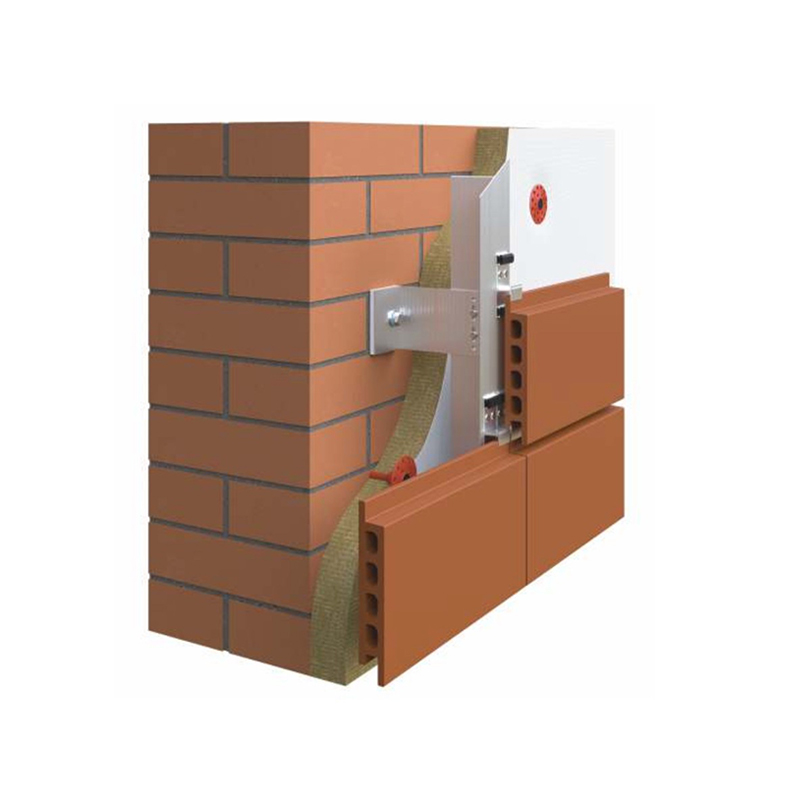
Facade System A0Z-v-350FACING MATERIAL:Horizontally-oriented solid and hollow terracotta tilesFIXING:Concealed with clamps or hold-down barsMAX FACING...
See Details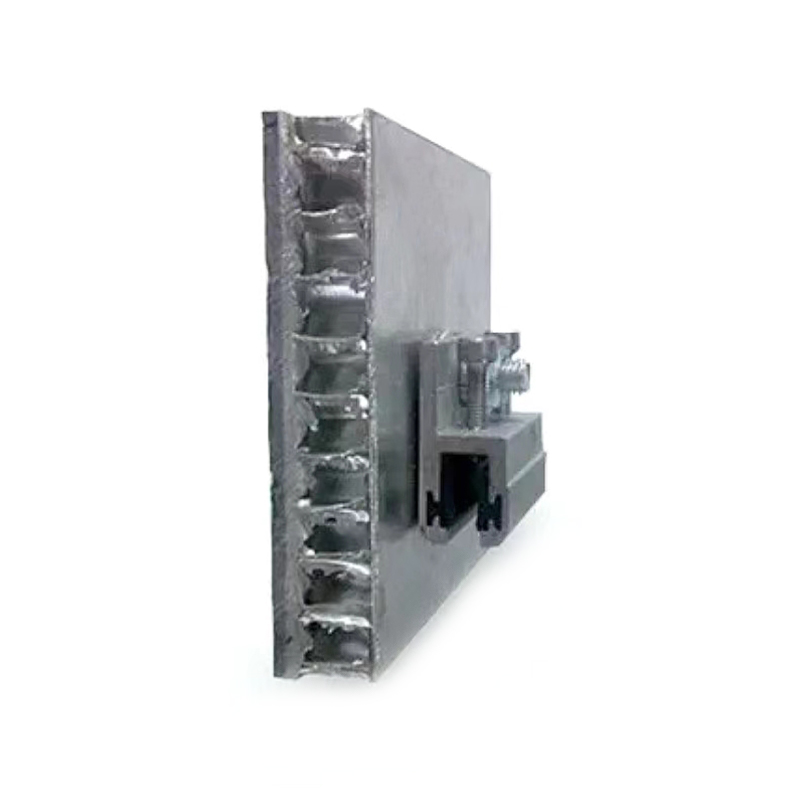
The honeycomb panel pendant mainly consists of the following accessories:Pendant body: This is the core part of the pendant, which is usually made of ...
See Details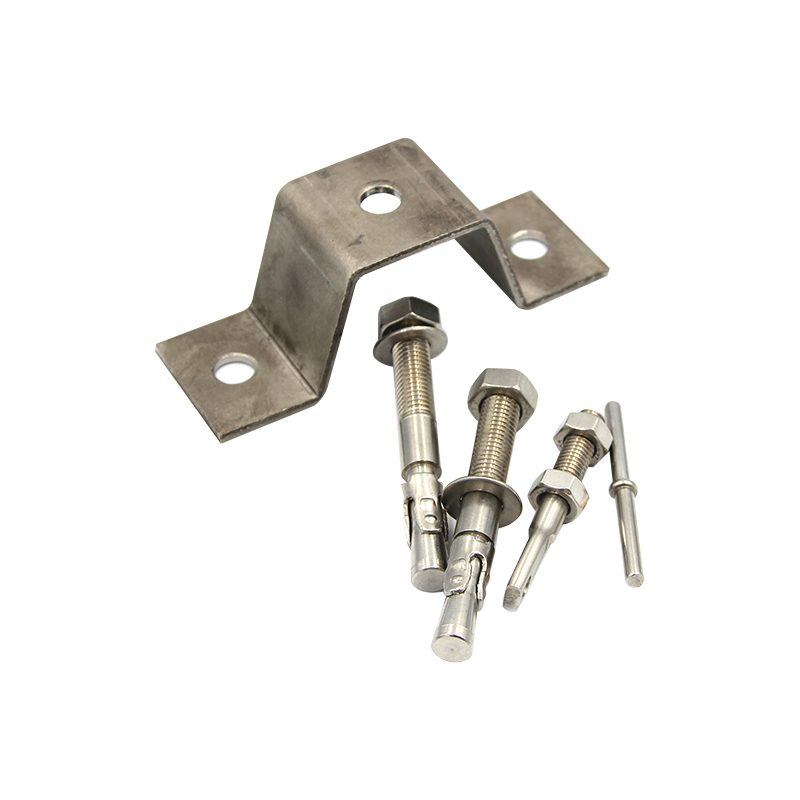
Fixing systems can accommodate all types of backing structures, whether it may be concrete walls, block work & masonry walls, or steel structures....
See Details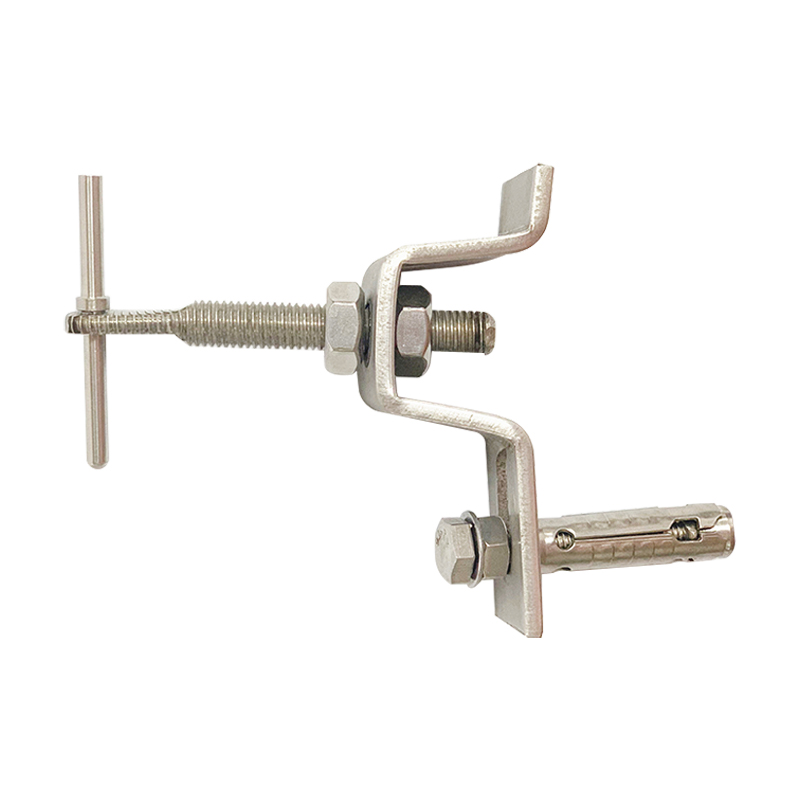
Wall Stone Cladding Fixing System Omega Anchor bracket is an efficient and reliable wall stone mounting system. This system uses Omega Anchor brackets...
See Details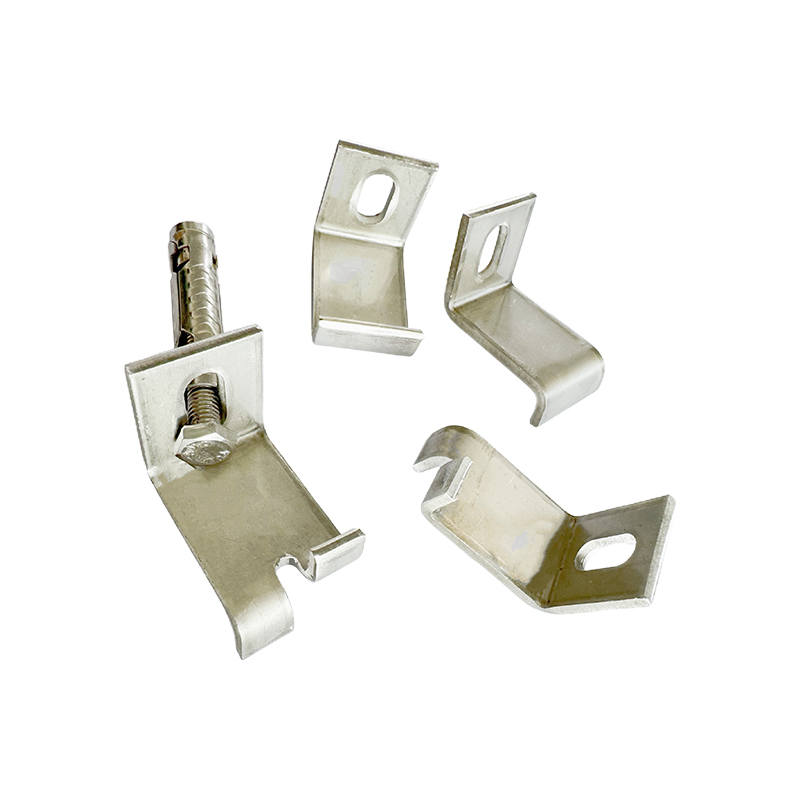
The Stone Fixing Cladding Metal Down Anchor Bracket is a precision-engineered structural component designed for the secure secondary support of natura...
See Details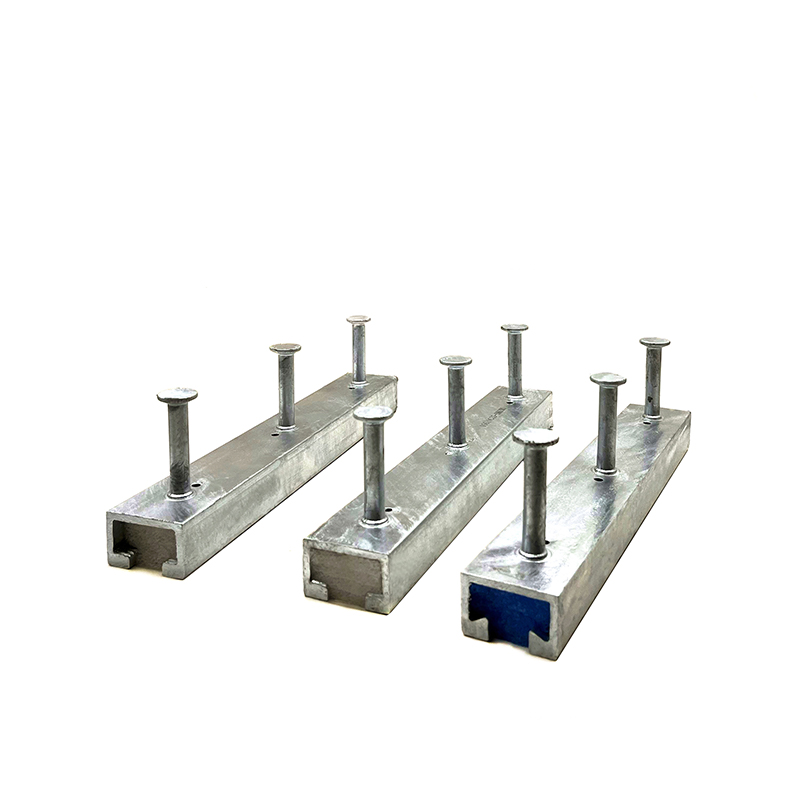
Hot roll anchor channel is an important steel material widely used in buildings, bridges, roads, and other civil engineering structures. It is produce...
See Details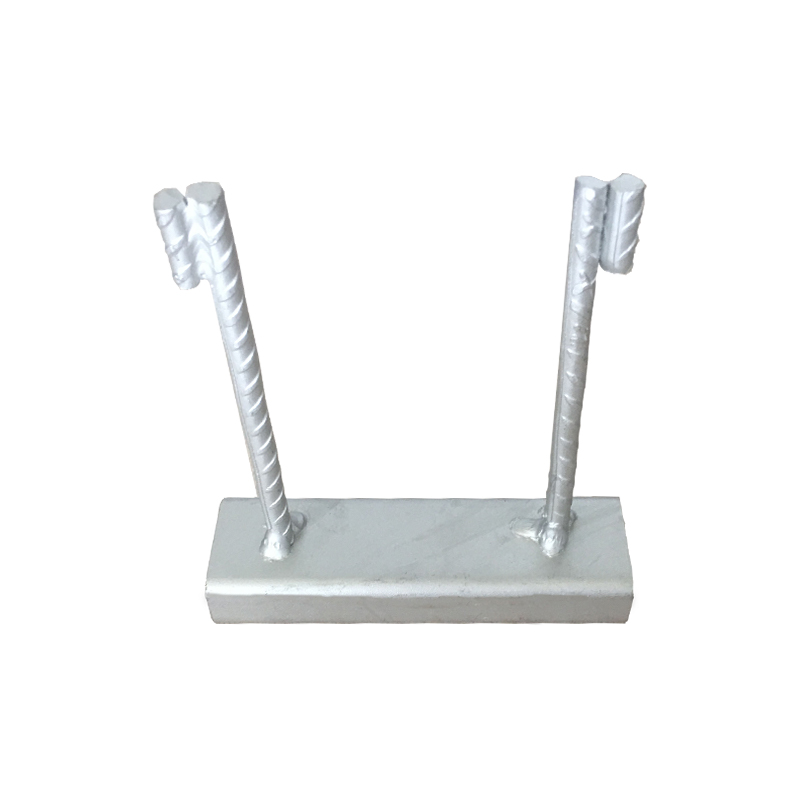
A welded anchor channel, referred to as welded anchor channel or anchor channel, is a special channel used in concrete structures and fixed by welding...
See Details
We will wholeheartedly provide you with high quality products, reasonable price, on-time delivery and attentive service.
Maoshan Taiwan Business Industrial Park, Dinan Town, Xinghua City, Jiangsu Province, China

+86-523-82799922

+86-15996094444

+86-523-82799933


Copyright © Jiangsu Aozheng Metal Products Co., Ltd. All Rights Reserved.
 English
 русский
 Español
 عربى
عربى

Contact Us