-
 Tel:
Tel:+86-15996094444
-
 E-mail:
INQUIRE NOW
+86-15996094444
INQUIRE NOW

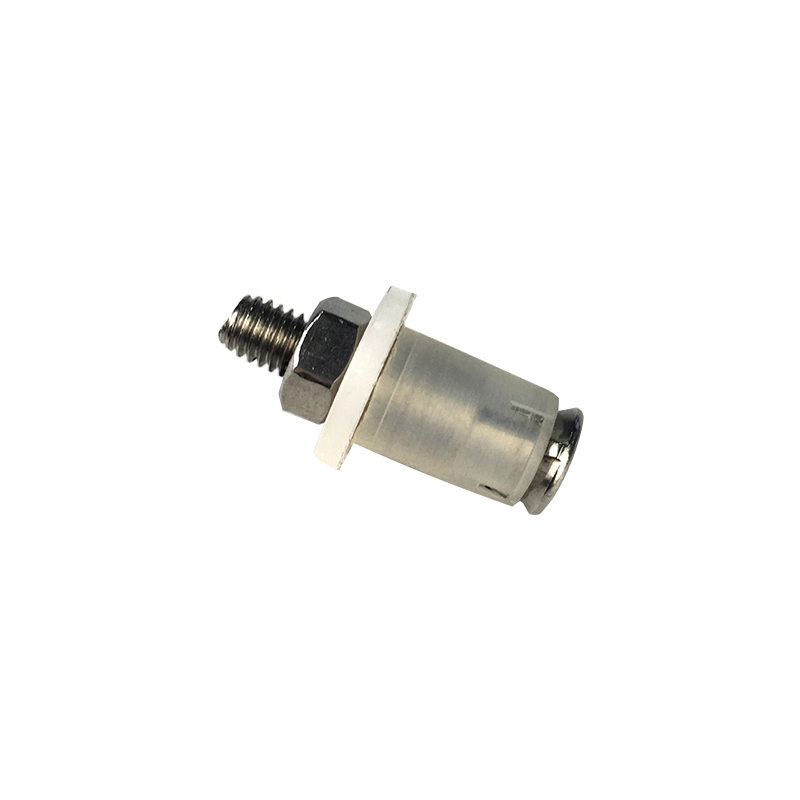
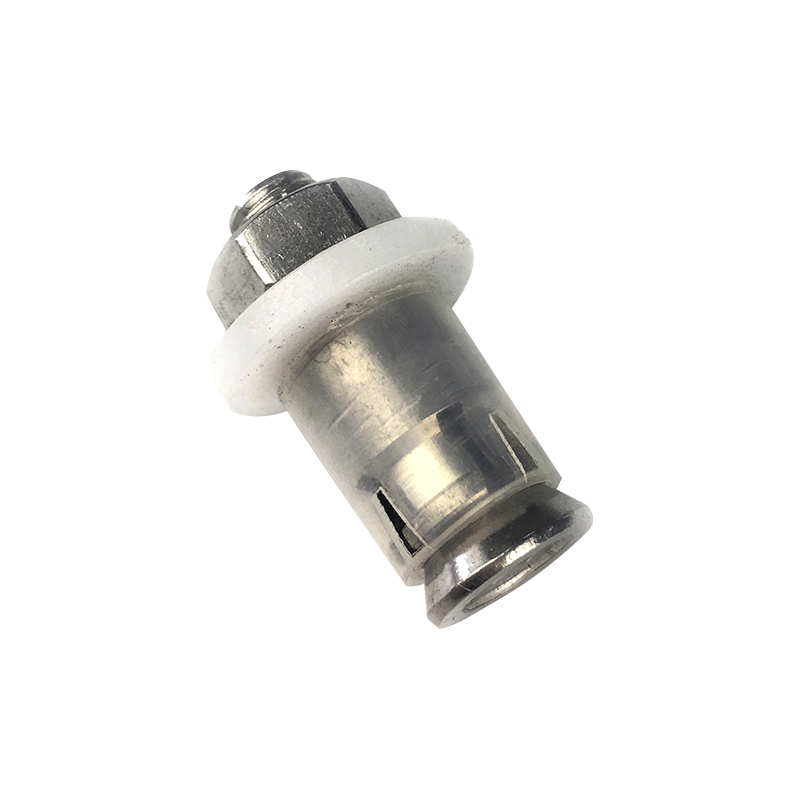
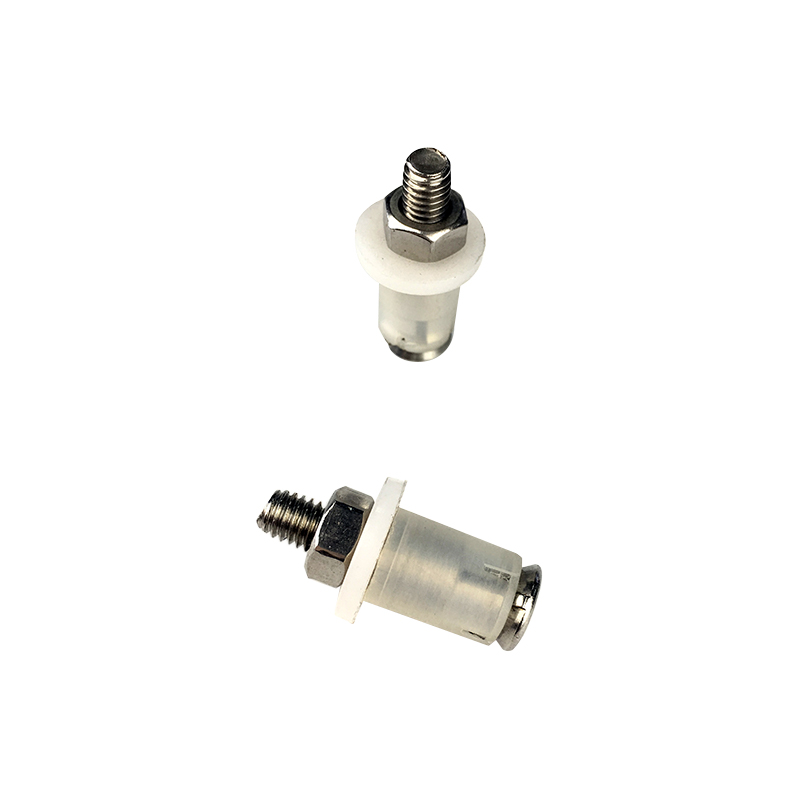
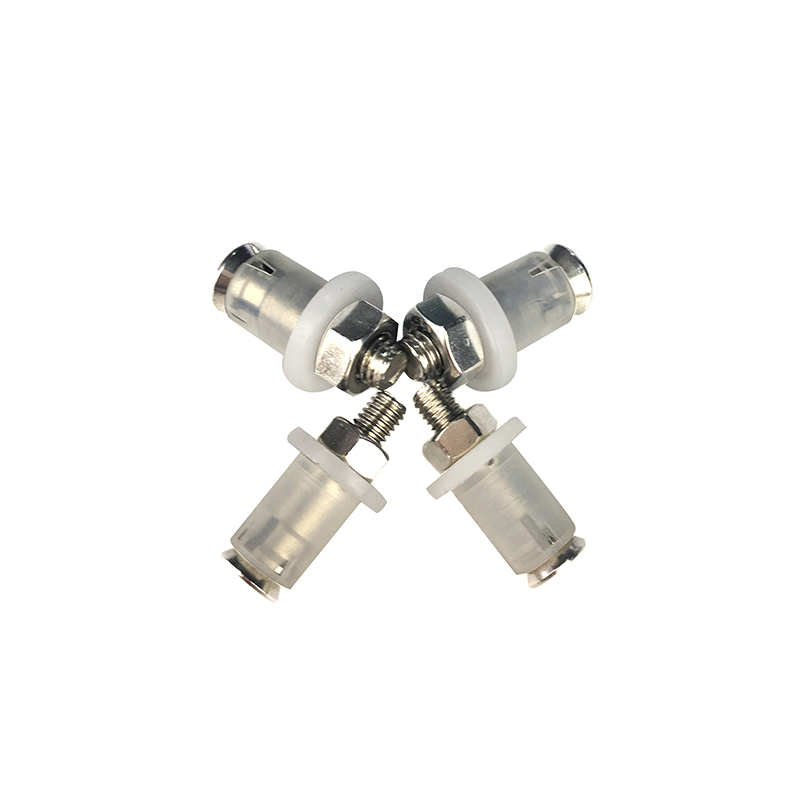
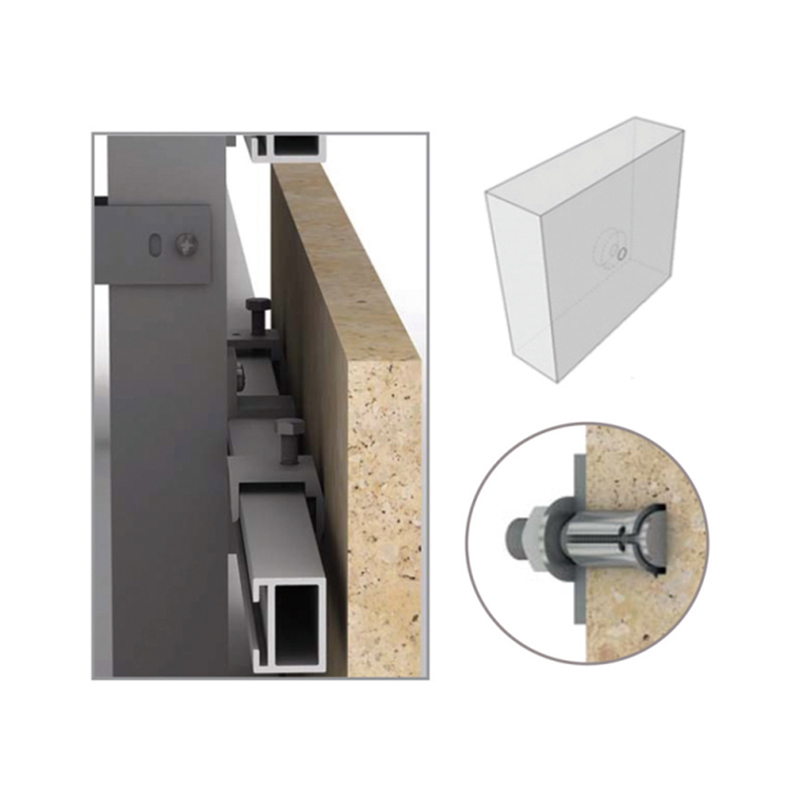
The Resistant Undercut Anchor is engineered for superior load-bearing capacity and reliability in cracked and uncracked concrete. This mechanical anchor creates a positive, self-locking connection by undercutting the base material, ensuring exceptional resistance to tensile and shear forces. It is the ideal solution for structural steel connections, facade systems, and safety-critical installations where conventional anchors may not suffice.
This undercut anchor is suitable for a wide range of demanding industrial and commercial applications, including:
The main advantage lies in its mechanical locking principle. Unlike expansion anchors that rely on friction and wedging forces against the concrete, the undercut anchor creates a positive, form-closed connection by machining a precise undercut into the base material. This design significantly improves resistance to dynamic loads and vibrations, and it is less susceptible to concrete cracking, making it a safer and more reliable choice for high-stress applications. For professionals seeking a secure concrete anchor for cracked concrete, this system is a superior solution.
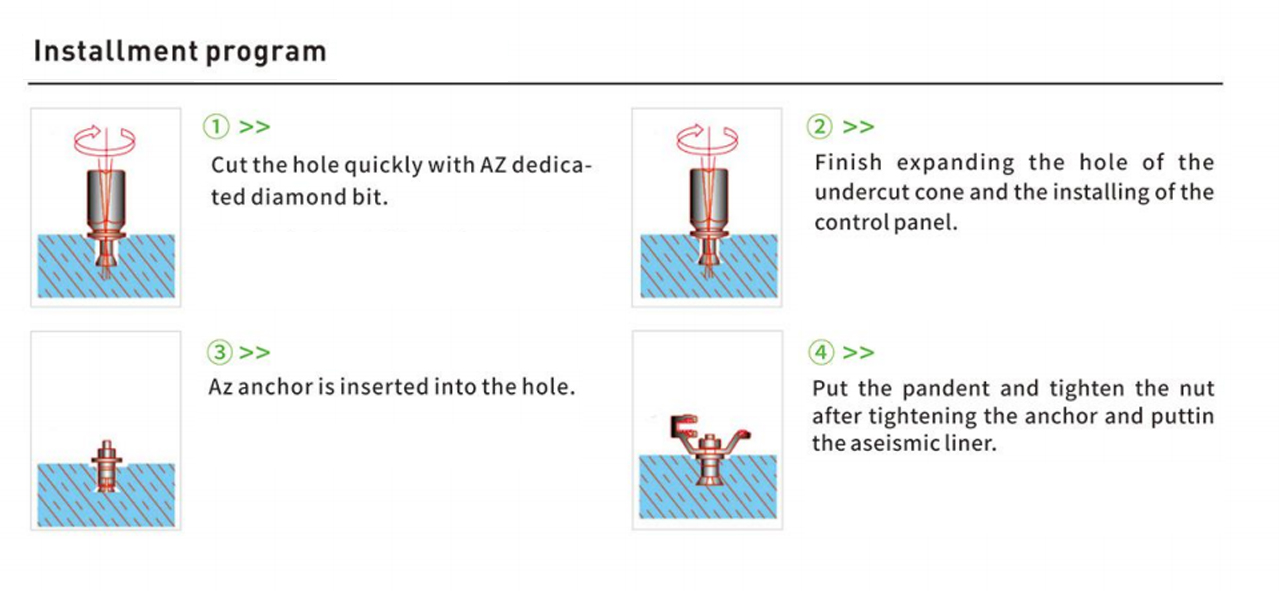
The installation process for the Resistant Undercut Anchor involves three main steps. First, a hole is drilled to the specified diameter and depth. Second, a specialized bit is used to create the undercut profile at the bottom of the hole. Finally, the anchor is inserted and tightened. A precise, controlled installation process is critical to ensure the anchor reaches its maximum specified load capacity. For optimal performance, it is recommended to use the manufacturer's specified drill bits and setting tools.
Yes. The Resistant Undercut Anchor is available in various materials to meet different environmental requirements. For general use and applications with low corrosion risk, galvanized carbon steel versions are available. For outdoor installations, marine environments, or chemical processing plants, we offer anchors in A4 stainless steel, which provides excellent resistance to corrosion and pitting. Choosing the correct material grade is crucial for the longevity and safety of the installation, especially in demanding conditions.
| Model | Drill diameter expanded (mm) | Anchorage depth (mm) | Connection Screw thread (mm) |
| AZKE-M6*30/6 | ф9.5 | 6 | 2 |
| AZKE-M6*30/6 | ф9.5 | 8 | 4 |
| AZKE-M6*30/6 | ф9.5 | 10 | 6 |
| AZKE-M6*30/6 | ф11 | 12 | 6 |
| AZKE-M6*30/6 | ф11 | 15 | 6 |
| AZKE-M8*30/6 | φ13 | 15 | 8 |
| AZKE-M8*30/6 | ф13 | 15 | 8 |
| AZKE-M8*30/6 | φ13 | 18 | 8 |
An undercut anchor, also known as an undercut bolt or wedge anchor, is a type of mechanical fastener used to secure objects to concrete, masonry, or other solid materials. It is commonly used in construction and structural applications where a reliable and strong anchor point is required.
The term "undercut" refers to the unique design feature of this anchor. Undercut anchors consist of a threaded bolt with a cone-shaped end and a sleeve or expansion clip. The anchor is inserted into a pre-drilled hole in the material, and as the bolt is tightened, the cone-shaped end pulls the expansion clip into the sleeve, causing it to expand and grip the surrounding material.
The expansion of the clip creates a mechanical wedge effect, which secures the anchor firmly in place. This design provides a high load capacity and high-quality resistance to pull-out forces.
The installation process of an undercut anchor typically involves the following steps:
1. Drilling: A hole is drilled into the base material using a suitable drill bit and hammer drill. The diameter of the hole should match the size of the undercut anchor being used.
2. Cleaning: The drilled hole is thoroughly cleaned to remove any debris or dust. This ensures proper contact between the anchor and the material.
Insertion: The undercut anchor is inserted into the hole, with the cone-shaped end facing outward.
3. Tightening: The anchor is secured by tightening the nut or bolt with an appropriate wrench or socket. As the bolt is tightened, the cone-shaped end pulls the expansion clip into the sleeve, causing it to expand and grip the material edge of the panel.
4. Stress is not reduced to the edges of the panel, as is common with pin attachment.
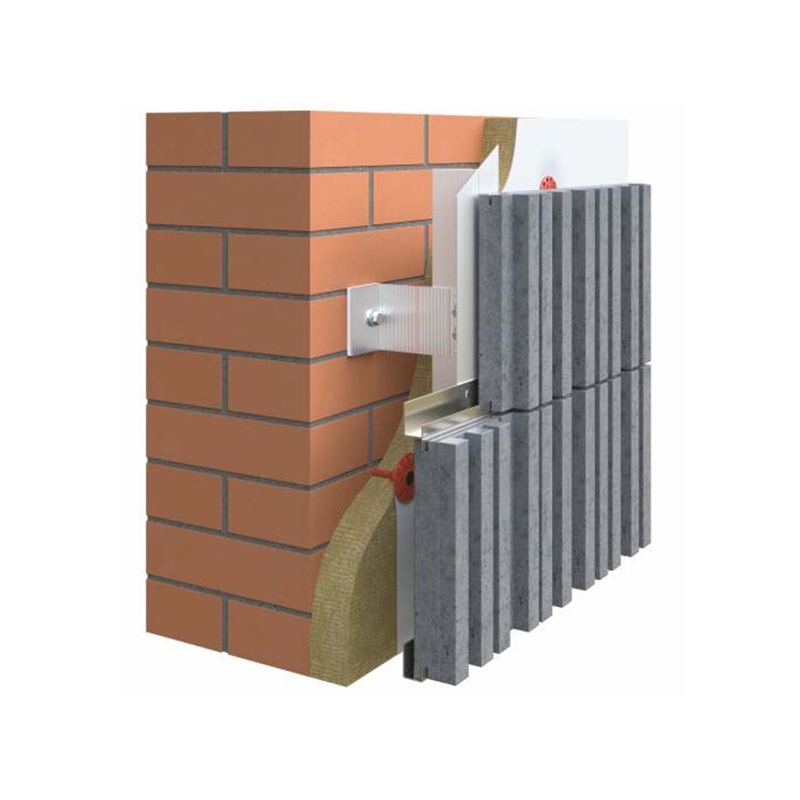
Facade System AOZ-v-20FACING MATERIAL:Textured glass fiber reinforced concrete slabs, artificial stone slabs, natural stone slabs (medium hard rocks, ...
See Details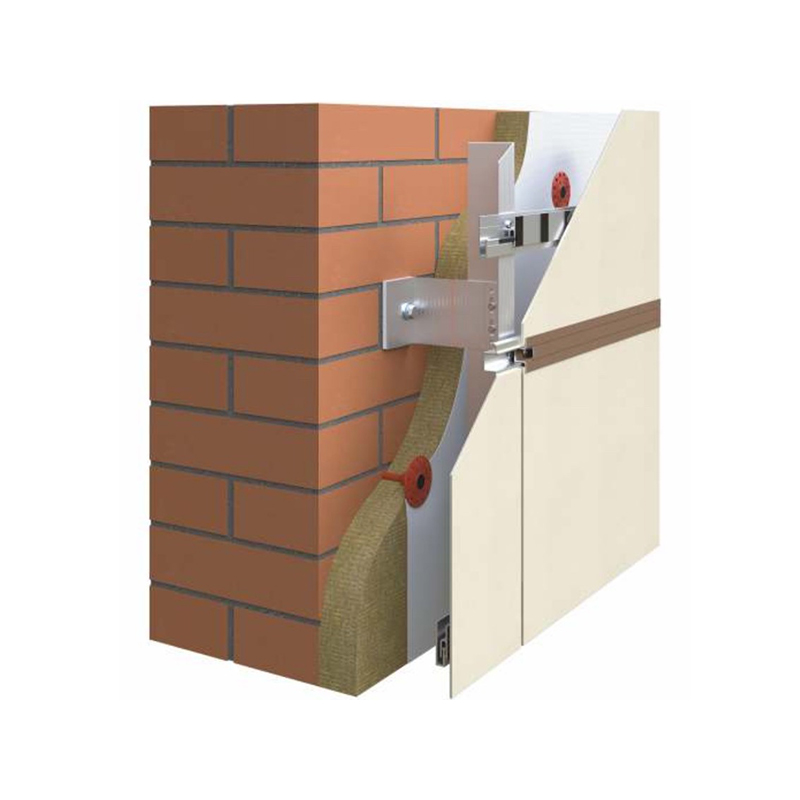
Facade System A0Z-v-300FACING MATERIAL:Large-sized porcelain stoneware tiles 3 to 6 mm thickFIXING:Mixed: visible with mechanically mounted three-part...
See Details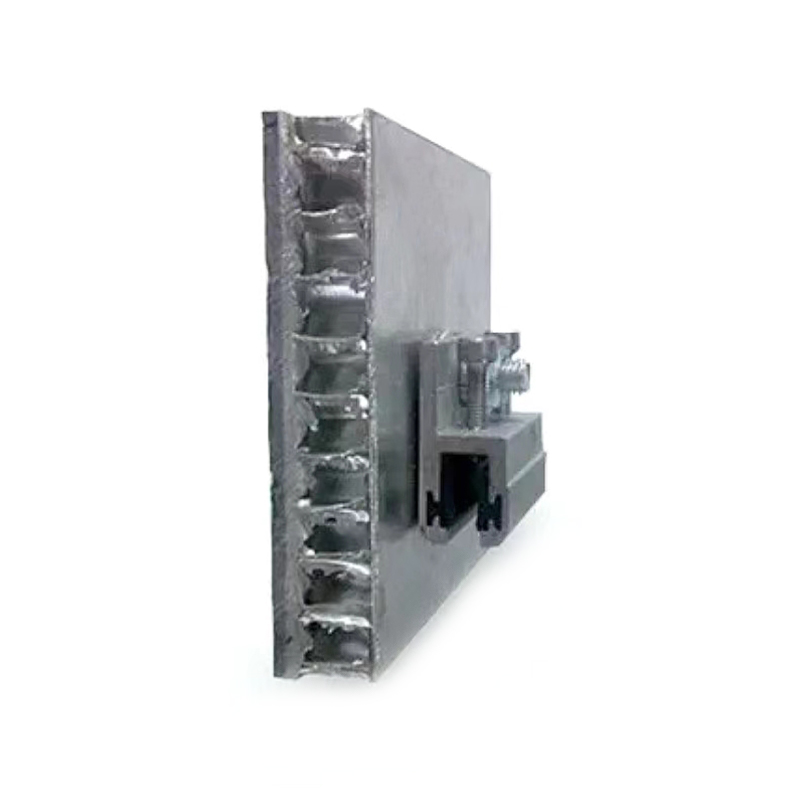
The honeycomb panel pendant mainly consists of the following accessories:Pendant body: This is the core part of the pendant, which is usually made of ...
See Details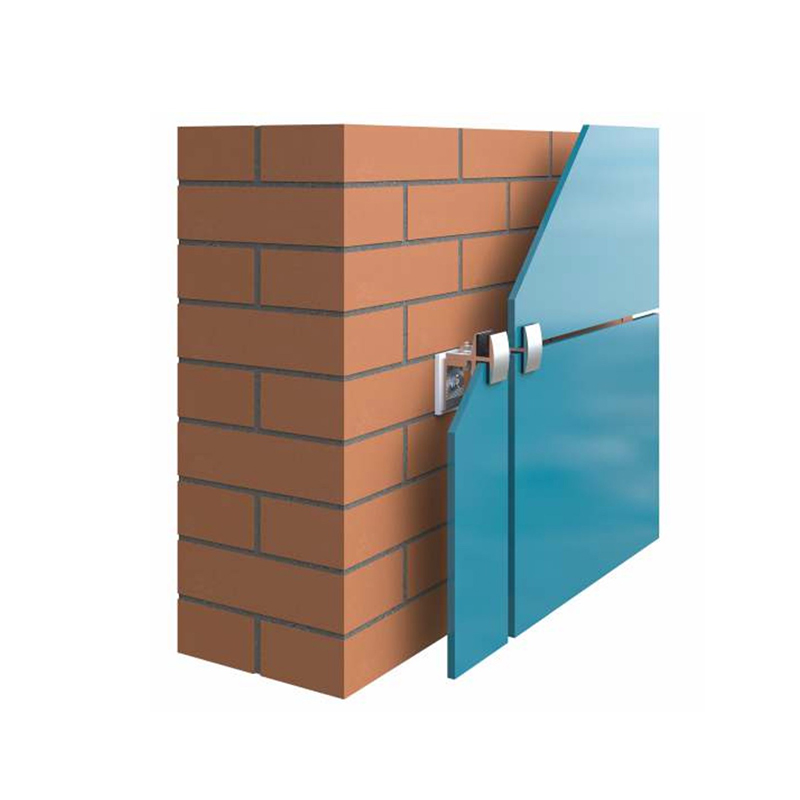
Facade System AOZ-v-300FACING MATERIAL:Tempered glass and stimulate 4 to 8 mm thickFIXING:Visible with clamps with gasketMAX FACING SIZES:1200x2000mm
See Details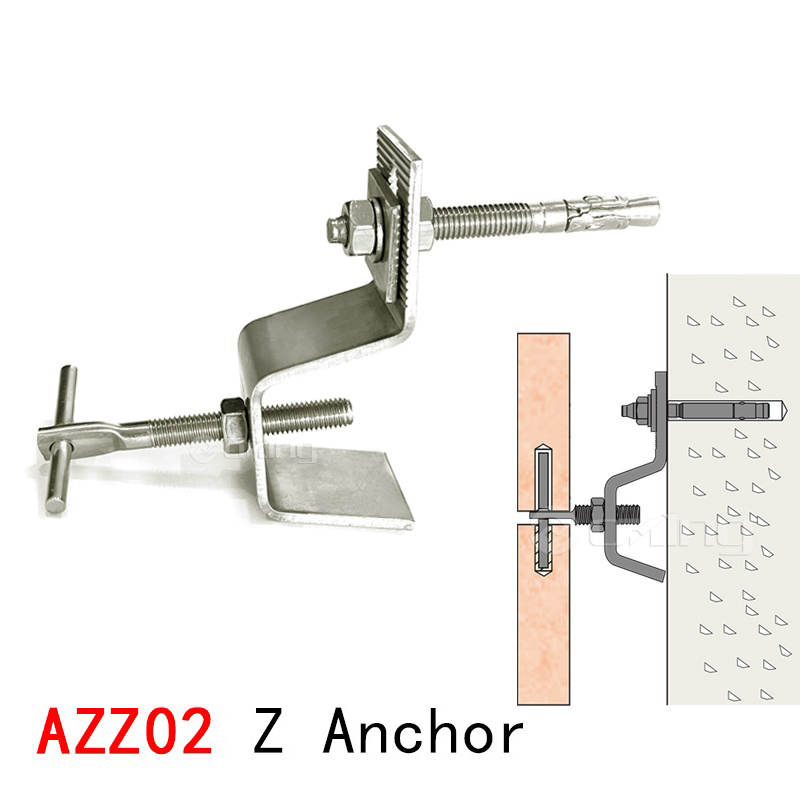
● Material : Stainless Steel 1.4301 [A2) & 1.4401 [A4]● The table above is prepared according to LGA test results● Loads stated are characteristic...
See Details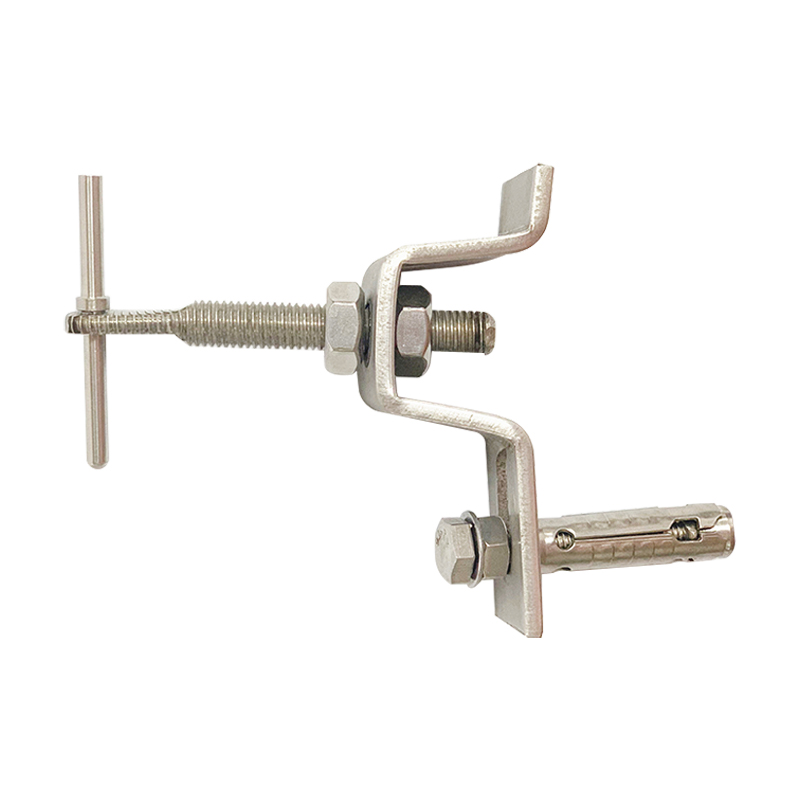
Wall Stone Cladding Fixing System Omega Anchor bracket is an efficient and reliable wall stone mounting system. This system uses Omega Anchor brackets...
See Details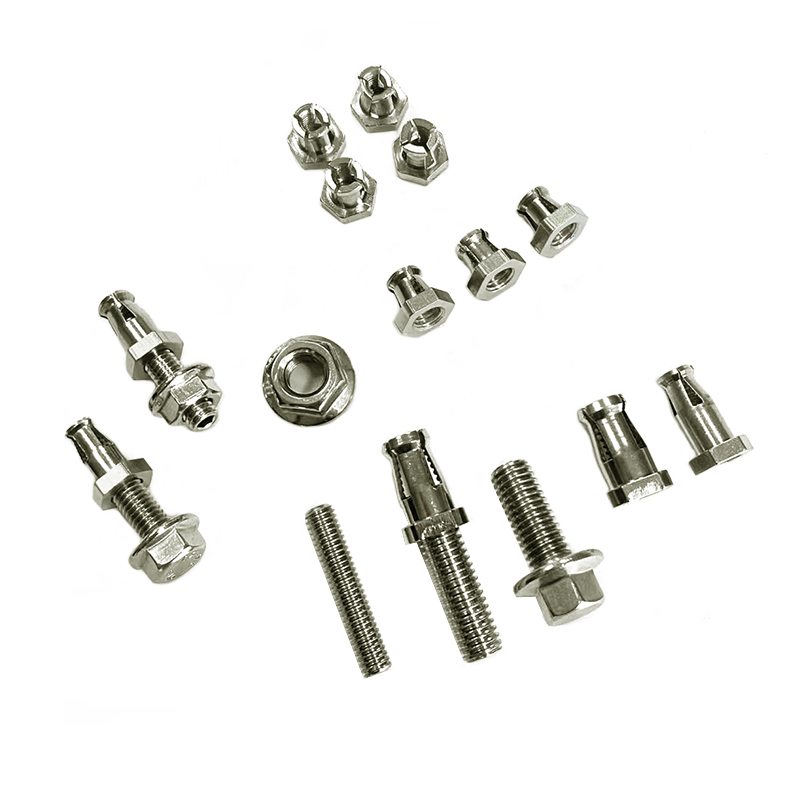
Detachable rotary back bolt anchoring material is a new kind of curtain wall, made of high-quality stainless steel material processing, according to t...
See Details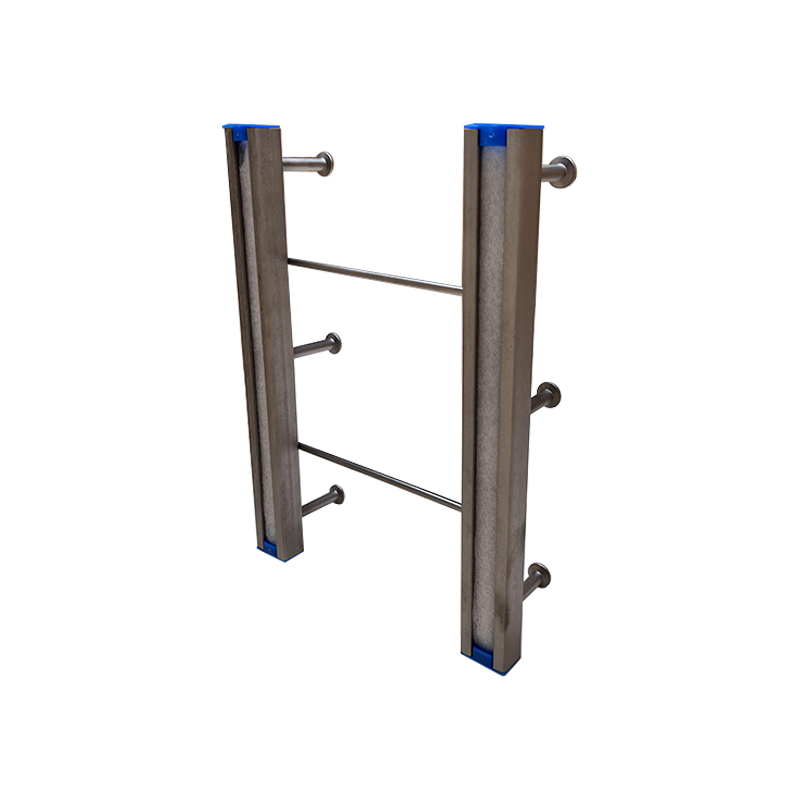
Stainless Steel Anchor Channel Pair is an important construction and engineering material popular for its corrosion resistance and high strength prope...
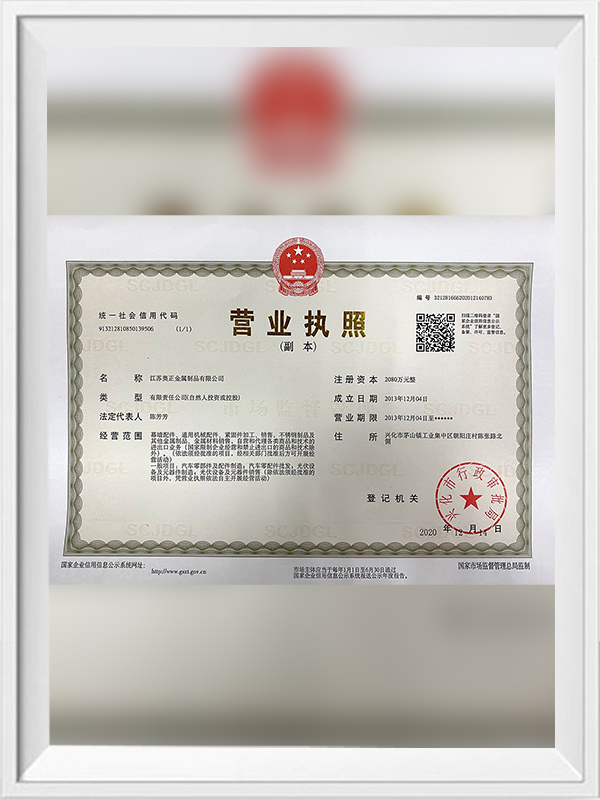
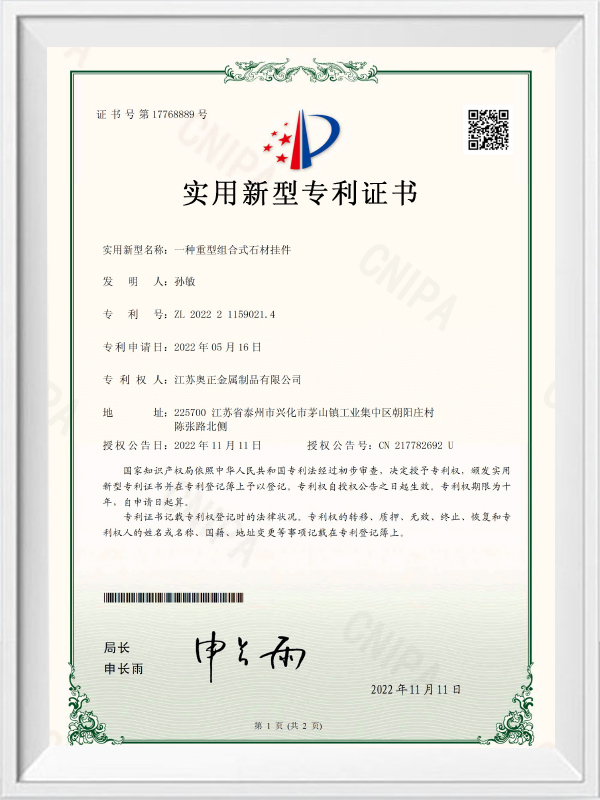
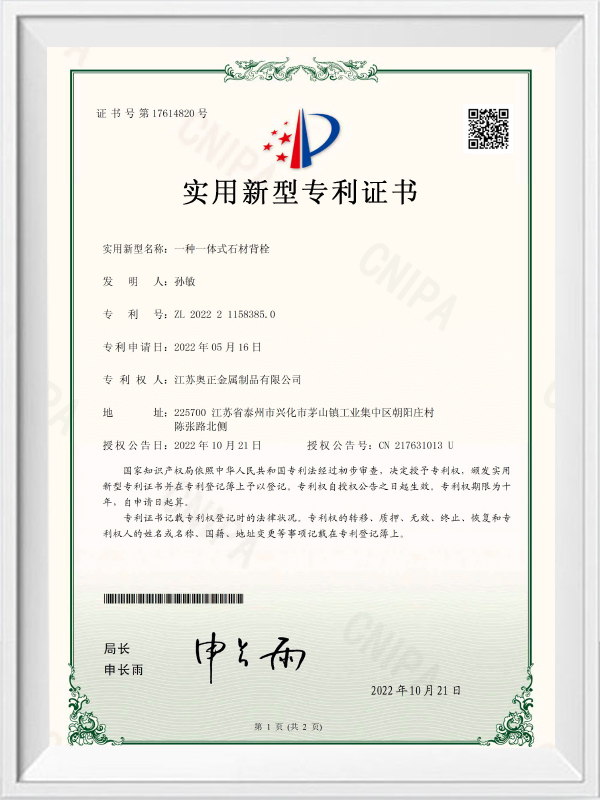
See DetailsJiangsu Aozheng Metal Products Co., Ltd.is a professional industry and trade integrated enterprise, with a modern production plant covering an area of 32,000 square meters. We specialize in the R&D, production and supply of a full range of high-quality construction hardware products. Our core product portfolio includes exterior wall cladding fixing system brackets, C channels, seismic support brackets, anchor bolts, cast-in channels, concrete embedded parts and photovoltaic bracket clamps, which cater to various customized construction and engineering installation requirements. Our products are manufactured from premium raw materials including stainless steel, aluminum alloy, carbon steel and low alloy steel. Equipped with advanced industrial production technologies, we adopt automated cutting, extrusion, stamping, welding, CNC machining and laser processing craftsmanship. Strict standardized production and precise processing procedures are implemented throughout production to ensure stable, reliable and high-standard product quality. Integrating raw material forming and mechanical processing, our factory operates as a large-scale, diversified and professional manufacturing base for construction hardware. Upholding strict quality standards and high-end global market positioning, we achieve an annual production capacity of 8,000 tons of diverse building materials. Our products are widely exported to dozens of countries and regions across the globe, covering the United States, Germany, Italy, Belgium, the United Kingdom, Japan, Australia, Canada, Russia, Central Asia and the Middle East. We have established long-term, stable and strategic cooperative relationships with large construction enterprises and renowned engineering teams worldwide. Supported by superior product quality and professional all-round services, we have become a core and trusted building material supplier for our global partners in China.


A 20-story commercial tower commonly carries 900 to 1,400 cladding panels on a single elevation, and every panel transfers its weight and wind load through a small metal bracket that disappears from...
READ MOREOn a high-rise facade, one 30 mm granite panel measuring 1200 x 600 mm carries a dead weight of roughly 58 kg, transferred through two or three stainless steel brackets and a row of anchor pins into ...
READ MOREEvery natural stone facade project starts with a common dilemma: the quarried stone is specified to the millimetre, but the fixing system is often chosen from a catalogue that was never designed for...
READ MORE
We will wholeheartedly provide you with high quality products, reasonable price, on-time delivery and attentive service.
Maoshan Taiwan Business Industrial Park, Dinan Town, Xinghua City, Jiangsu Province, China

+86-523-82799922

+86-15996094444

+86-523-82799933


Copyright © Jiangsu Aozheng Metal Products Co., Ltd. All Rights Reserved.
 English
 русский
 Español
 عربى
عربى