-
 Tel:
Tel:+86-15996094444
-
 E-mail:
INQUIRE NOW
+86-15996094444
INQUIRE NOW

Article Directory
In the landscape of 2026 urban renewal, the integration of high-performance building envelopes is critical for meeting stringent environmental benchmarks. A Terracotta Facade System represents one of the most effective solutions for architects aiming to balance historical aesthetics with modern sustainability. Jiangsu Aozheng Metal Products Co., Ltd., a premier manufacturer based in China, specializes in the architectural hardware—including stainless steel and aluminum alloy components—essential for the structural integrity of these envelopes. With an annual production of 2,000 tons and a reputation as a trusted supplier for high-quality architectural teams in the US, Germany, and the Middle East, we provide the engineering backbone for a Terracotta Facade System. This article provides a technical breakdown of how these systems contribute to specific LEED (Leadership in Energy and Environmental Design) credits.
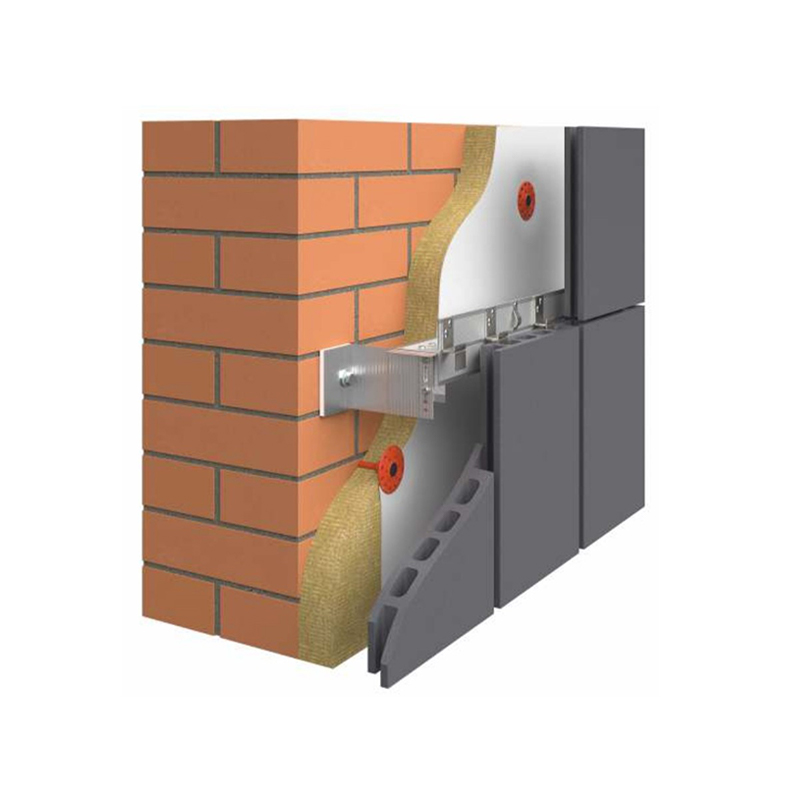
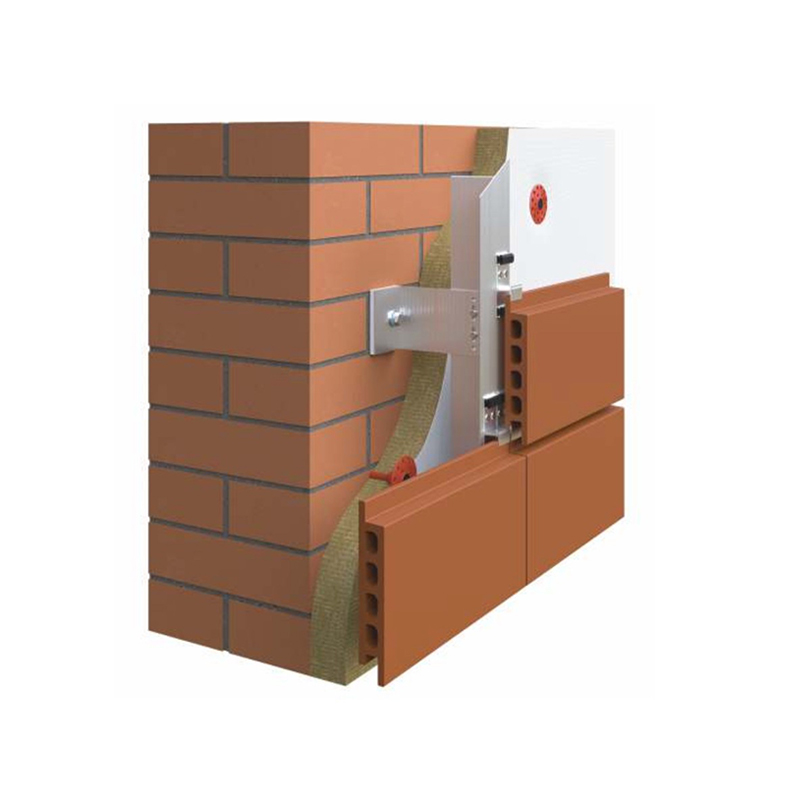
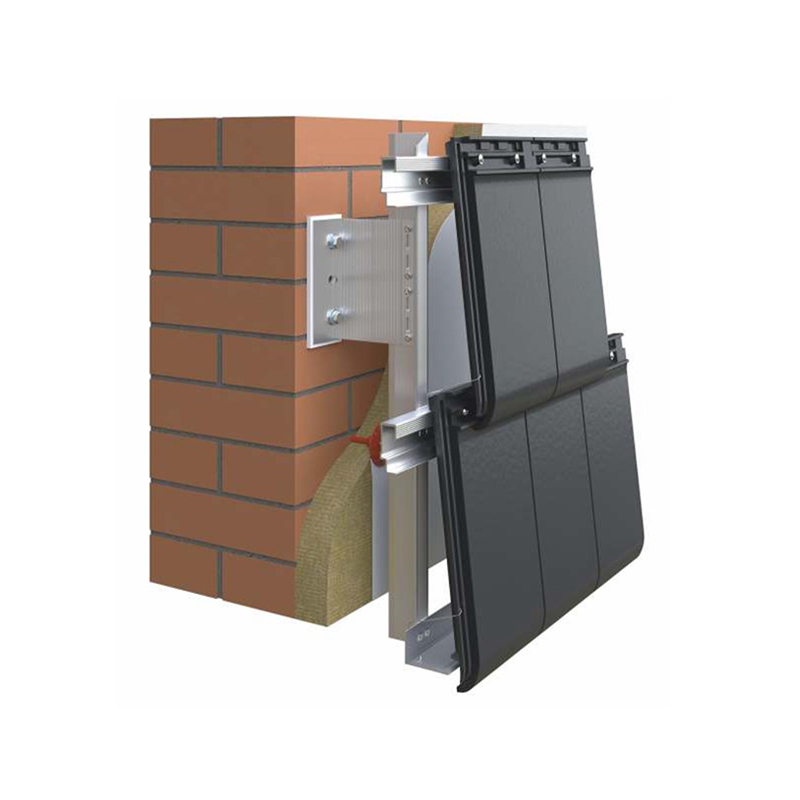
The primary contribution of a Terracotta Facade System to LEED certification lies within the Energy and Atmosphere category. By utilizing a terracotta rainscreen cladding installation, developers create a ventilated air cavity between the terracotta panel and the structural wall. This "chimney effect" facilitates natural ventilation, reducing the cooling load in summer and providing thermal mass that retains heat in winter. Unlike traditional curtain walls that may rely heavily on high-performance glass with high solar heat gain, terracotta panels offer a superior thermal barrier. This directly contributes to the Optimize Energy Performance credit by significantly reducing the building's total energy consumption compared to a baseline model.
Terracotta systems offer vastly improved R-values and thermal inertia compared to traditional glazed systems, leading to lower HVAC operational costs.
| Performance Metric | Standard Glazed Curtain Wall | Terracotta Facade System (Ventilated) |
| Thermal Inertia | Low (Rapid temperature fluctuations) | High (Slow thermal release) |
| Solar Heat Gain Coefficient | Varies (Requires high-end coatings) | Naturally Low (Opaque material) |
| LEED EA Credit Potential | Moderate | Significant (Up to 18-20 points) |
Urban renewal projects often prioritize the sustainable terracotta facade benefits found in the Materials and Resources category. Terracotta is a 100% natural material made from clay, which is abundant and requires lower processing temperatures than glass or steel. Furthermore, the terracotta facade system durability ensures a lifespan exceeding 50 years, reducing the need for material replacement. Jiangsu Aozheng Metal Products Co., Ltd. supports these credits by providing high-quality, recyclable aluminum alloy architectural hardware for the support structure, contributing to the Building Product Disclosure and Optimization credits through material ingredient reporting and recycled content.
The lifecycle of terracotta is remarkably circular, often utilizing locally sourced clays and offering full recyclability at the end of its service life.
| Sustainability Factor | Aluminum Composite Panels (ACP) | Terracotta Facade System |
| Raw Material Base | Synthetic/Polymer & Metal | Natural Raw Clay |
| Recyclability | Difficult (Requires separation) | 100% Recyclable/Reusable |
| VOC Emissions | Potential for off-gassing | Zero (Inert material) |
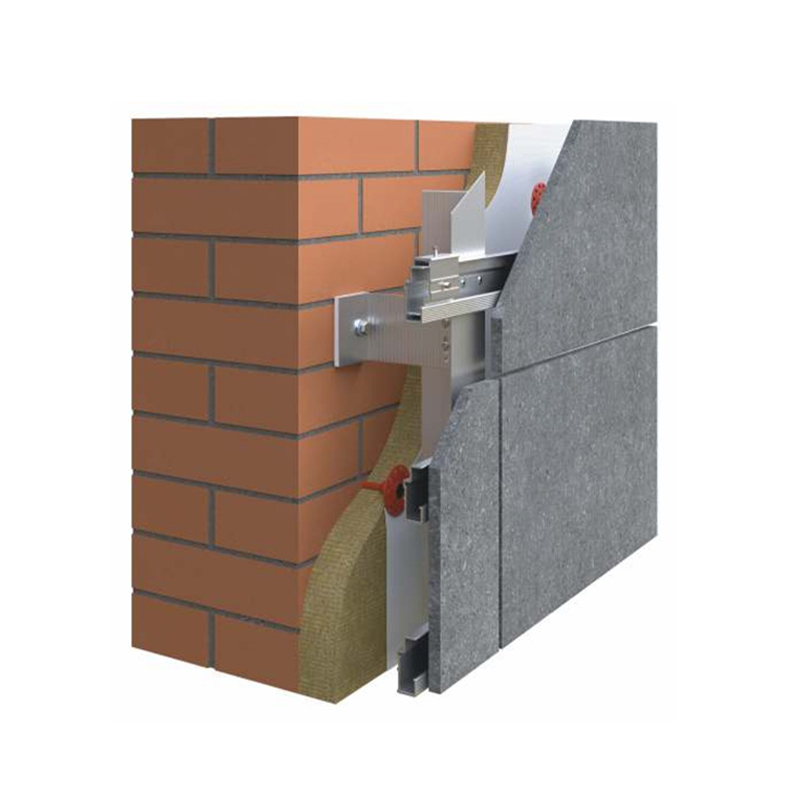
A sustainable Terracotta Facade System also earns credits in the Indoor Environmental Quality category. The acoustic insulation properties of terracotta are naturally superior to metal or glass, contributing to the Acoustic Performance credit by mitigating urban noise—a critical factor in high-density renewal zones. Additionally, because the system is installed as a dry-fix rainscreen, it prevents moisture penetration into the building envelope, thereby eliminating the risk of mold growth and improving overall indoor air quality. When considering terracotta facade system vs fiber cement, terracotta's density provides a much more robust barrier against sound transmission.
LEED rewards projects that demonstrate exceptional performance using innovative technologies. Implementing high performance terracotta facade engineering can earn credits under the Innovation category. Jiangsu Aozheng Metal Products Co., Ltd. facilitates this through our advanced automated cutting and welding processes, which produce high-precision mounting brackets that minimize thermal bridging. By reducing the number of fasteners required and optimizing the load-bearing capacity of our terracotta facade mounting hardware, architectural teams can achieve terracotta facade energy efficiency levels that exceed ASHRAE 90.1 standards, qualifying for exemplary performance credits.
Specifying a Terracotta Facade System for urban renewal is more than an aesthetic choice; it is a strategic engineering decision that yields tangible LEED points across multiple categories. From energy optimization to material circularity, the benefits are clear. Supported by the high-grade architectural hardware and large-scale professional production of Jiangsu Aozheng Metal Products Co., Ltd., your project can achieve the highest levels of sustainability. As a diversified production base with a global reach, we remain committed to serving high-end markets with building materials that define the future of sustainable architecture.
The opaque nature and thermal mass of terracotta panels prevent the absorption and re-radiation of heat into the urban environment, unlike glass or dark-colored metals, directly assisting with the Heat Island Reduction credit.
Absolutely. High-performance engineering and robust support systems, such as those manufactured by Jiangsu Aozheng, allow terracotta to be safely installed in high-wind zones and extreme heights common in urban centers.
Terracotta is frost-resistant, UV-resistant, and non-combustible. In Middle Eastern or coastal regions, it resists salt spray and sand abrasion better than many synthetic coatings, ensuring a 50+ year lifecycle.
Yes. Terracotta generally earns more points in the Materials and Resources category due to its longer lifespan, lower maintenance requirements, and the absence of synthetic binders found in some fiber cement products.
Yes. As a manufacturer combining industry and trade, we customize stainless steel and aluminum alloy mounting systems to satisfy the diverse demands of the market and the world's highest-quality architectural teams.

We will wholeheartedly provide you with high quality products, reasonable price, on-time delivery and attentive service.
Maoshan Taiwan Business Industrial Park, Dinan Town, Xinghua City, Jiangsu Province, China

+86-523-82799922

+86-15996094444

+86-523-82799933


Copyright © Jiangsu Aozheng Metal Products Co., Ltd. All Rights Reserved.
 English
 русский
 Español
 عربى
عربى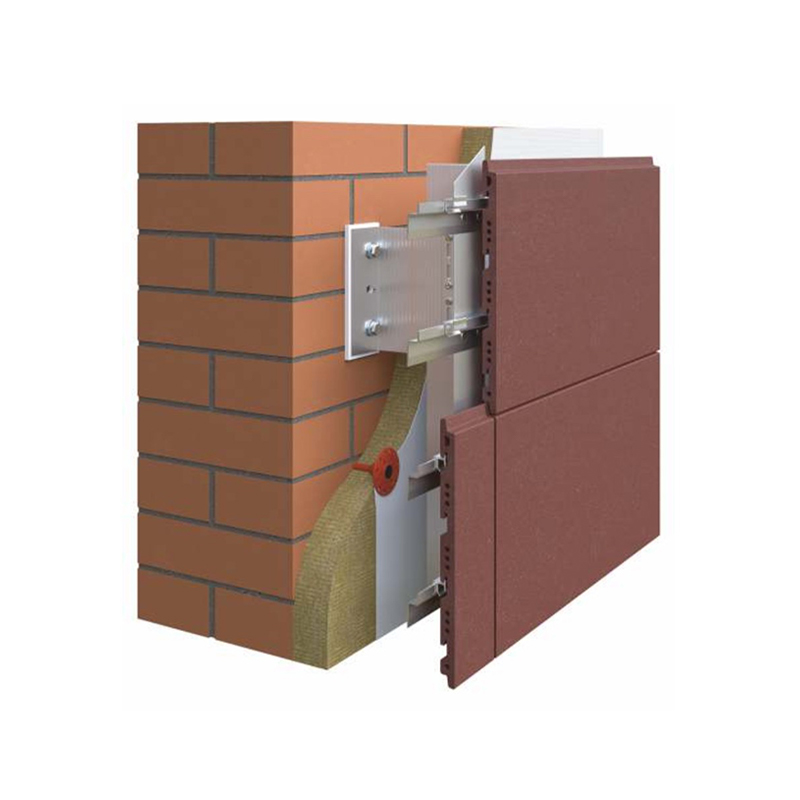


Contact Us