-
 Tel:
Tel:+86-15996094444
-
 E-mail:
INQUIRE NOW
+86-15996094444
INQUIRE NOW

Article Directory
Coastal environments present some of the most rigorous testing grounds for architectural envelopes. The combination of high salinity, extreme wind loads, and persistent humidity necessitates a sophisticated engineering approach. Ceramic rainscreen cladding is often the material of choice for these regions due to its inherent resistance to UV radiation and chemical inertness. However, the success of the system depends heavily on the sub-frame and anchoring hardware. Jiangsu Aozheng Metal Products Co., Ltd., a specialized industry and trade enterprise, provides the high-end stainless steel and aluminum alloy architectural hardware required for such demanding markets. With an annual production of 2,000 tons and advanced automated cutting and welding processes, we serve global construction teams from Germany to the Middle East, ensuring structural integrity in corrosive atmospheres.
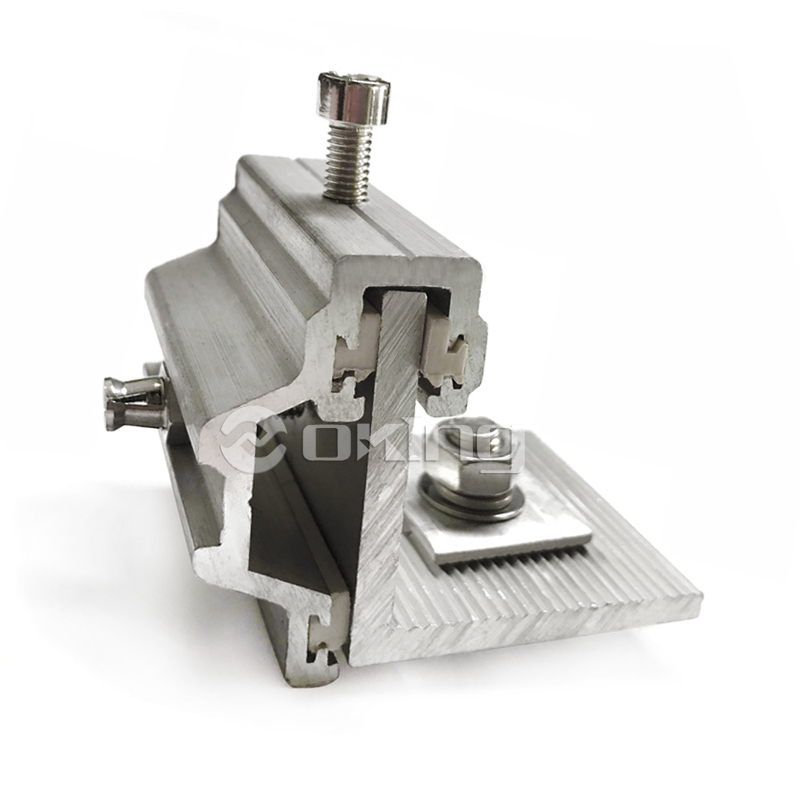
In coastal zones, the primary engineering hurdle is preventing the degradation of the metallic support system. While ceramic rainscreen cladding panels themselves do not corrode, the rails and brackets that hold them are vulnerable to salt-laden air. Engineers must evaluate ceramic rainscreen cladding vs aluminum composite panels in terms of total system weight and the subsequent load on stainless steel anchors. A common error is using incompatible metals in contact, which leads to galvanic corrosion. Using high-grade stainless steel (316 grade) or specialized anodized aluminum from a diversified production base like Aozheng is essential to ensure a service life exceeding 50 years.
Stainless steel 316 offers superior pitting resistance compared to 304 or carbon steel, making it the benchmark for coastal hardware.
| Hardware Material | Corrosion Resistance (Coastal) | Mechanical Strength |
| Carbon Steel (Galvanized) | Low (Risk of red rust) | High |
| Aluminum Alloy (Anodized) | High (Self-passivating) | Moderate |
| Stainless Steel 316 | Excellent (Molybdenum added) | Very High |
Coastal buildings are subject to significantly higher wind pressures and suction forces. When calculating how to install ceramic rainscreen cladding on high-rise coastal structures, engineers must account for peak gust speeds that can exceed 50 m/s. The ceramic rainscreen cladding system must be designed as a "pressure-equalized" envelope. This allows the air pressure in the cavity behind the ceramic panel to equalize with the external pressure, reducing the wind-induced stress on the panels and the underlying moisture barrier. Proper spacing of stainless steel clips is vital to prevent panel vibration or "rattling" during storm events.
Pressure-equalized systems significantly reduce the risk of water penetration compared to sealed face-sealed systems during high-wind rain events.
| System Logic | Wind Load Management | Water Drainage Efficiency |
| Sealed Facade | High Stress on Sealants | Low (Traps moisture) |
| Rainscreen (Equalized) | Balanced (Lower stress on anchors) | Superior (Back-ventilated) |
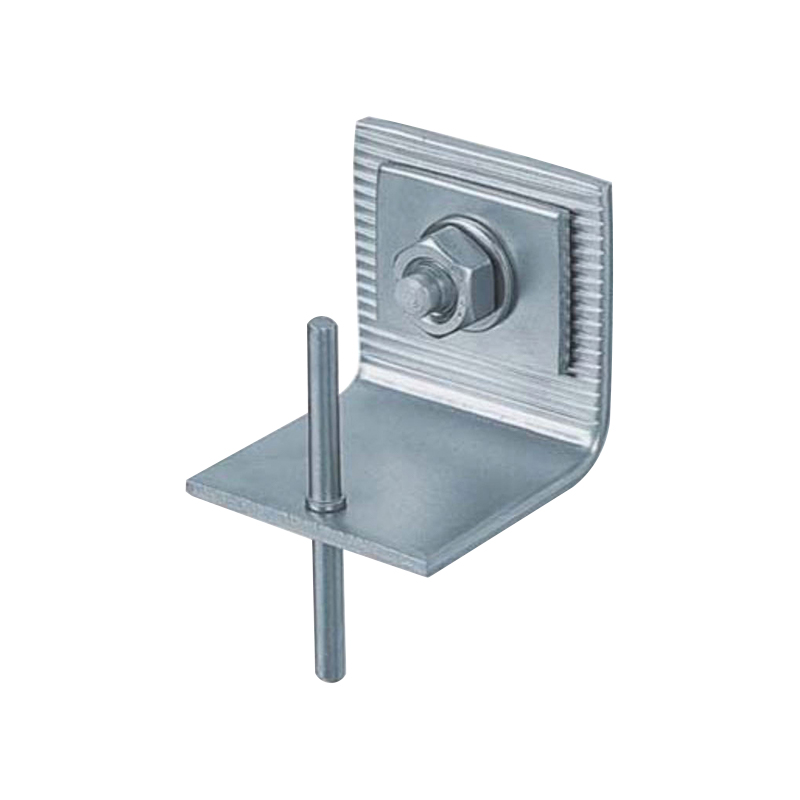
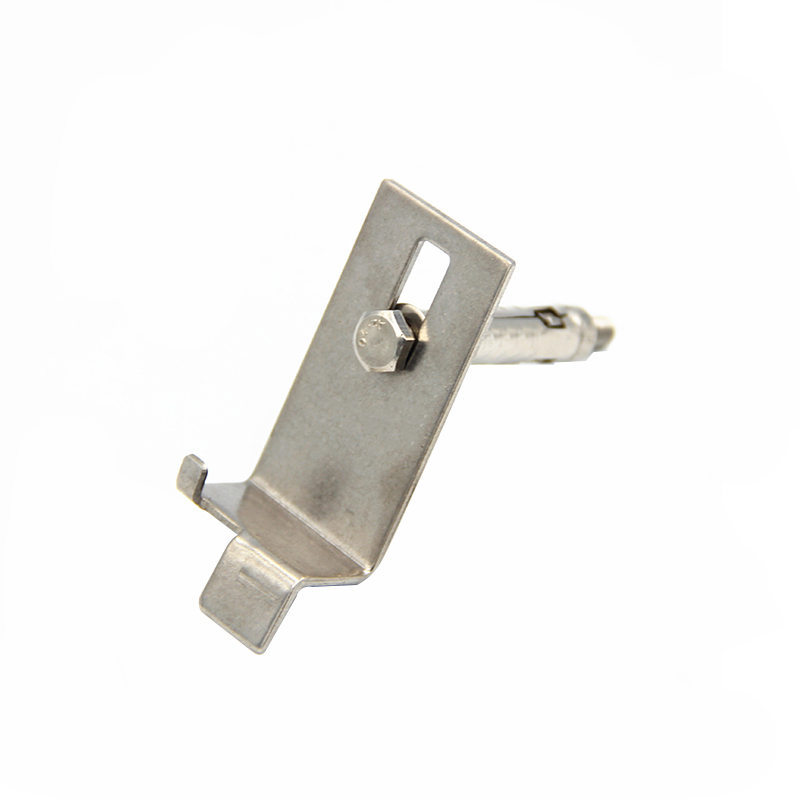
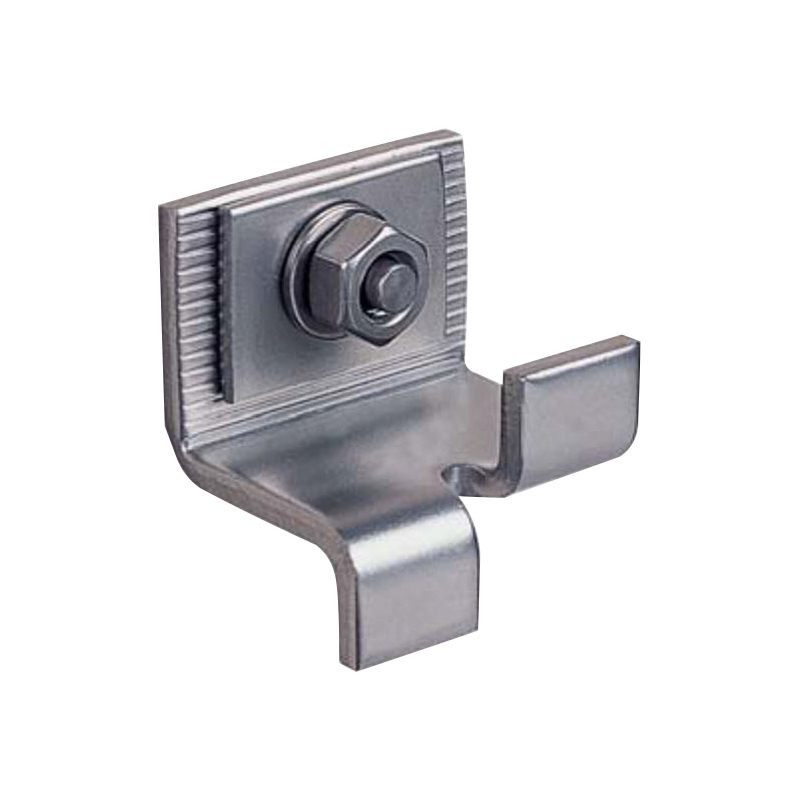
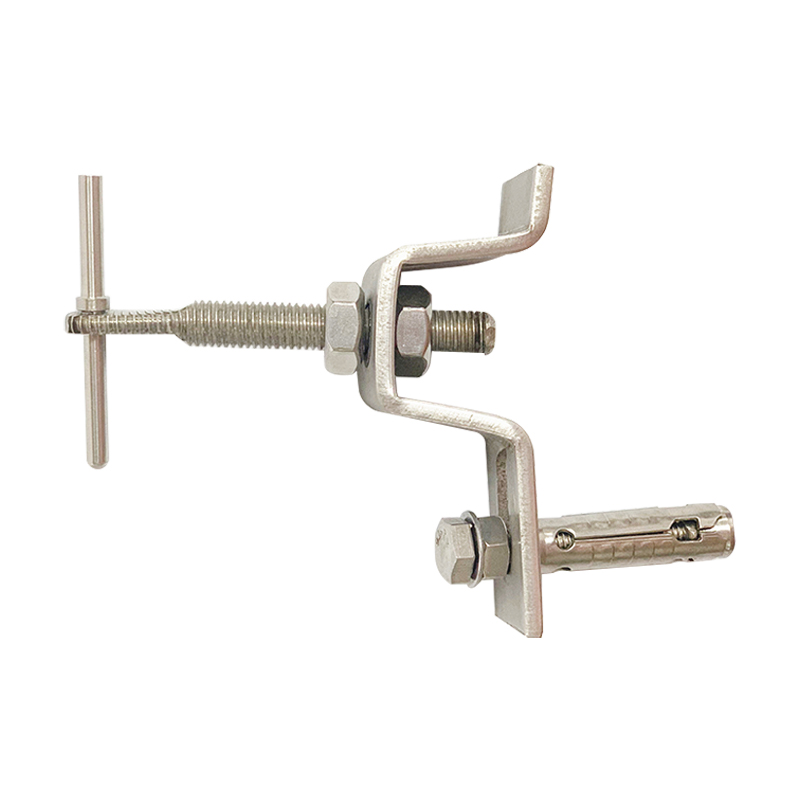
Temperature fluctuations in coastal areas, often exacerbated by high humidity, cause thermal expansion and contraction. One technical inquiry often raised by contractors is how to clean ceramic rainscreen cladding and maintain the joints. Because ceramic has a low coefficient of thermal expansion, the metal sub-structure (usually aluminum or steel) will move at a different rate. This requires the use of "fixed" and "sliding" points in the bracket design to allow for movement without cracking the ceramic tiles. Jiangsu Aozheng Metal Products Co., Ltd. utilizes advanced automated stamping and welding to produce brackets that accommodate this thermal movement, ensuring the facade remains stress-free.
For large-scale projects, the ceramic rainscreen cladding cost per square meter is heavily influenced by the complexity of the installation hardware. Choosing a ceramic rainscreen cladding supplier in China that integrates raw material molding and machining can significantly reduce lead times and logistics costs. Aozheng’s large-scale professional production base allows us to provide high-precision, low-alloy steel and aluminum components that streamline the installation process, reducing the man-hours required on-site in difficult coastal conditions.
While ceramic is self-cleaning to a degree, salt crystallization in the joints and behind the panels can eventually affect the drainage path. Understanding ceramic rainscreen cladding maintenance requirements is crucial. In coastal environments, an annual freshwater rinse is recommended to prevent salt crusting on the metallic sub-structure. Designing the system with adequate ventilation gaps allows salt-laden moisture to evaporate quickly, preventing the "stagnant damp" that causes mold growth or metallic oxidation within the cavity.
The installation of ceramic rainscreen cladding in coastal environments is a task of precision. It requires more than just high-quality ceramic; it demands an engineered support system capable of withstanding the world's harshest climates. By partnering with a diversified manufacturer like Jiangsu Aozheng Metal Products Co., Ltd., construction teams can secure the high-grade stainless steel and aluminum alloy components necessary for a resilient, beautiful, and long-lasting facade.
When comparing terracotta vs ceramic rainscreen cladding, ceramic typically has lower water absorption rates (often <0.5%), making it slightly more resistant to salt-bursting and freeze-thaw cycles in extreme coastal conditions.
Hardware costs vary based on wind load requirements and the grade of stainless steel used. High-rise coastal projects using 316 stainless steel will have a higher hardware cost but offer significantly lower lifetime maintenance expenses.
Installation must follow a "clip and rail" system with mechanical fixings. Every panel should be secured with a minimum of four stainless steel clips that are engineered to withstand the calculated wind suction (negative pressure) of that specific coastal zone.
Yes. As a combination of industry and trade, we can use our advanced automated cutting and stamping processes to create bespoke brackets and rails that satisfy specific architectural requirements for high-end markets.
A simple low-pressure freshwater wash is usually sufficient. Avoid abrasive tools that could scratch the glaze, and ensure the drainage weep holes at the bottom of the facade are clear of salt and debris.

We will wholeheartedly provide you with high quality products, reasonable price, on-time delivery and attentive service.
Maoshan Taiwan Business Industrial Park, Dinan Town, Xinghua City, Jiangsu Province, China

+86-523-82799922

+86-15996094444

+86-523-82799933


Copyright © Jiangsu Aozheng Metal Products Co., Ltd. All Rights Reserved.
 English
 русский
 Español
 عربى
عربى


Contact Us