-
 Tel:
Tel:+86-15996094444
-
 E-mail:
INQUIRE NOW
+86-15996094444
INQUIRE NOW

Article Directory
Every natural stone facade project starts with a common dilemma: the quarried stone is specified to the millimetre, but the fixing system is often chosen from a catalogue that was never designed for that stone. At Jiangsu Aozheng Metal Products Co., Ltd., we see this tension in nearly every project file that crosses our engineering desk. Stone cladding slabs weighing 40 to 120 kg each require custom brackets, anchors and profiles engineered to the actual stone thickness, joint geometry and structural substrate. Ignoring these variables results in facade vibration, visible clip deformation, or panel failure at the anchor point — and that is the part that is hardest to replace once the facade is closed.
Natural stone cladding requires a custom fixing system because panel weight, wind load and thermal movement vary on every project. Standard off-the-shelf brackets are designed around idealised conditions: a 30 mm stone, a flat substrate and static loads only. Real projects rarely match that ideal. Panel weight, wind suction and thermal movement all pull the connection hardware in different directions. Custom natural stone cladding solutions respond to these forces with project-specific bracket dimensions, anchor placement and material grades.
A custom natural stone cladding solution is defined by four parameters: stone load, bracket span, anchor type and corrosion protection.
Panel weight is the starting point. A 30 mm granite slab weighs roughly 80 kg per square metre, while a 20 mm limestone panel comes in around 50 kg per square metre. The bracket spacing, usually 400 to 800 mm in both directions, determines the point load transmitted to each bracket. Doubling the spacing increases the per-bracket load by roughly the same factor, so custom layouts must follow the stone schedule, not a generic grid.
Every fixing system needs a mechanical connection into the concrete or steel frame. Cast-in anchor channels suit precast concrete panels. Undercut anchors work well for in-situ concrete; see our guide to stone undercut anchors. T-bolts fix brackets to pre-installed channels.
The four main fixing systems for natural stone are the omega bracket, the up-and-down kerf bracket, the pin anchor, and the hidden hanger with anchor. Before selecting custom hardware, project teams should compare these systems against their specific stone conditions. Load transfer, adjustment freedom and installed cost vary significantly between bracket families. The table below summarises the four main systems used for natural stone facades.
| Fixing System | Stone Panels | Load Transfer | Adjustment | Typical Application |
| Omega bracket | 20–40 mm | Edge-bearing with slot | 2-axis | Large-format granite, high-rise |
| Up-and-down kerf bracket | 25–40 mm | Discrete kerf anchor | 2-axis | Marble, limestone, classic facades |
| Pin anchor | 20–30 mm | Recessed pin connection | 1-axis | Sandstone, polished stone |
| Hidden hanger with anchor | 20–30 mm | Concealed mechanical fix | 3-axis | Precast panels, retrofit |
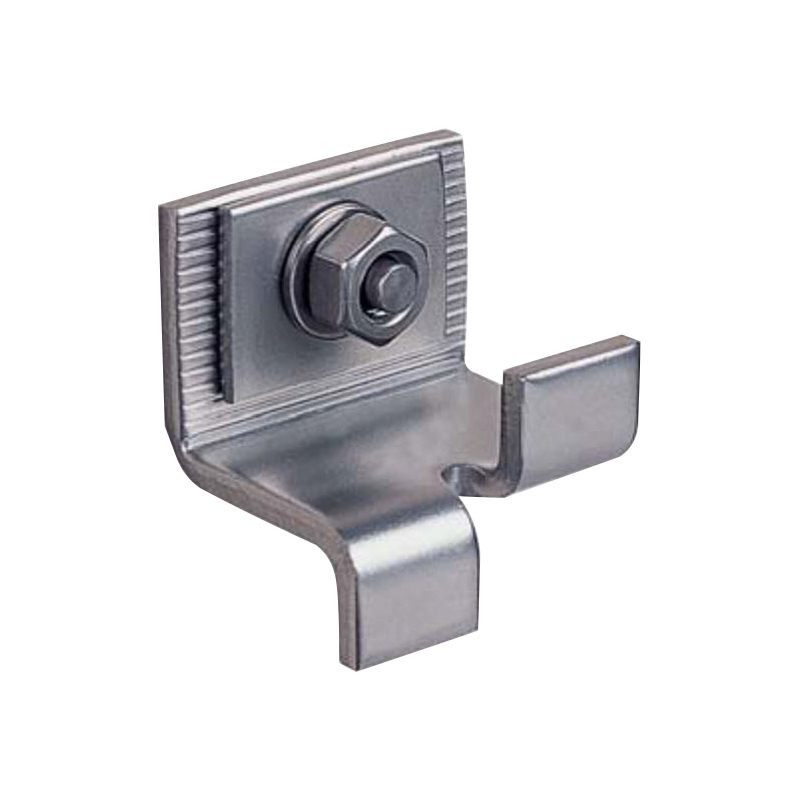
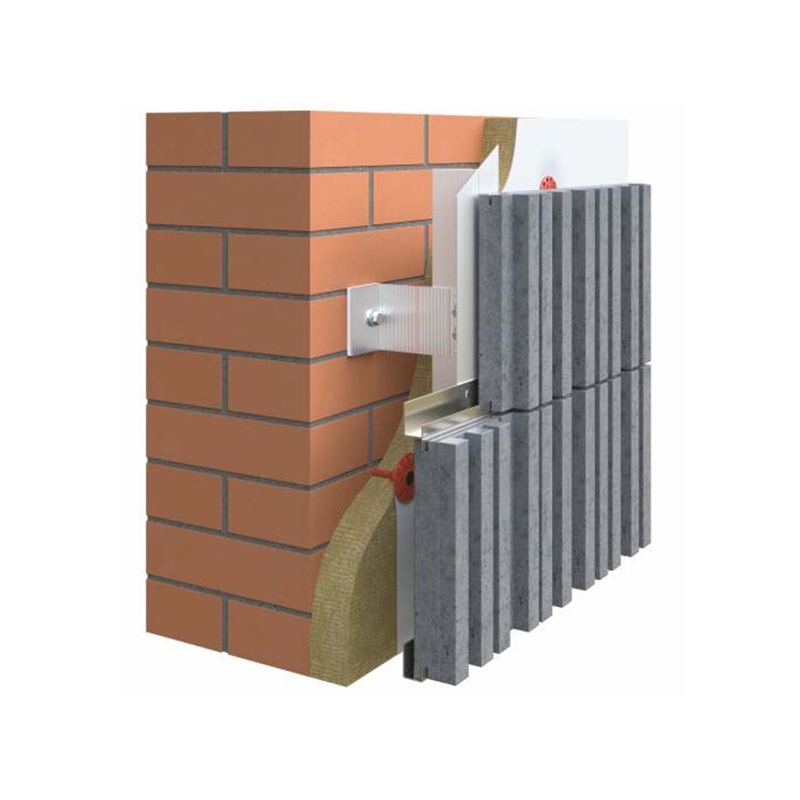
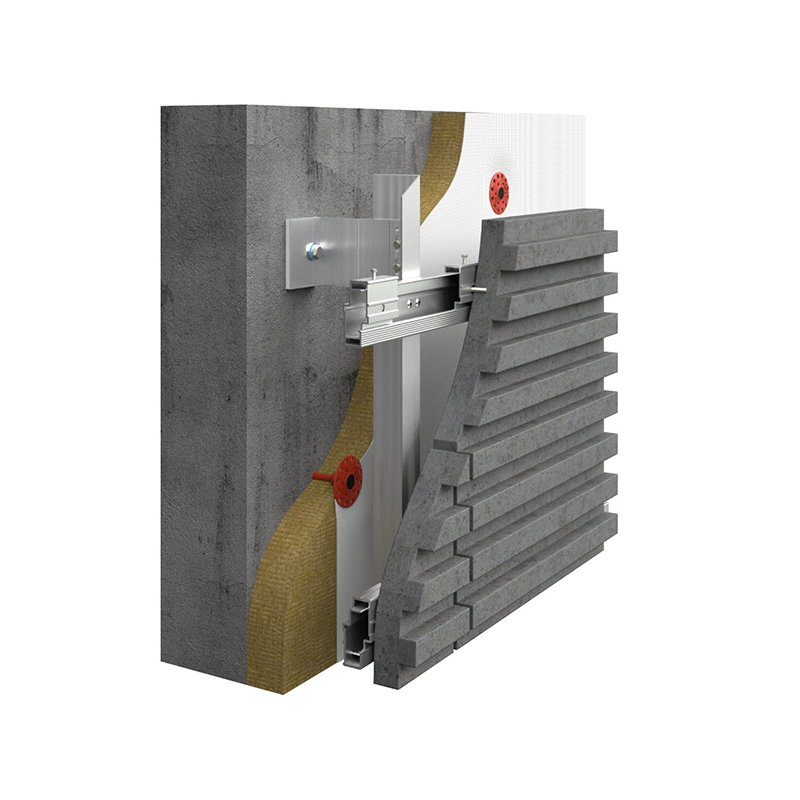 Concealed Stone Facade Fixing System with Saw Kerf for Natural and Composite SlabsThis system supports natural stone, agglomerate granite, and reinforced concrete slabs with concealed stainless steel clamps or bars, suitable for large panels up to 1500x1500mm and various thicknesses, making it a robust choice for high-load facade applications.View Product →
Point load capacity per anchor point is the key comparison metric between fixing systems. The horizontal bar chart below shows typical values for standard-grade 304 stainless steel with a safety factor of 2.0 applied. Higher capacity systems are the natural choice for 40 mm stone panels and exposed corners, where suction and gravity combine.
Point Load Capacity by Fixing System (kN per anchor point)
Choose the steel grade before you choose the bracket. It is the single most important corrosion decision in the project lifecycle, and it directly affects the long-term service life of the facade connection.
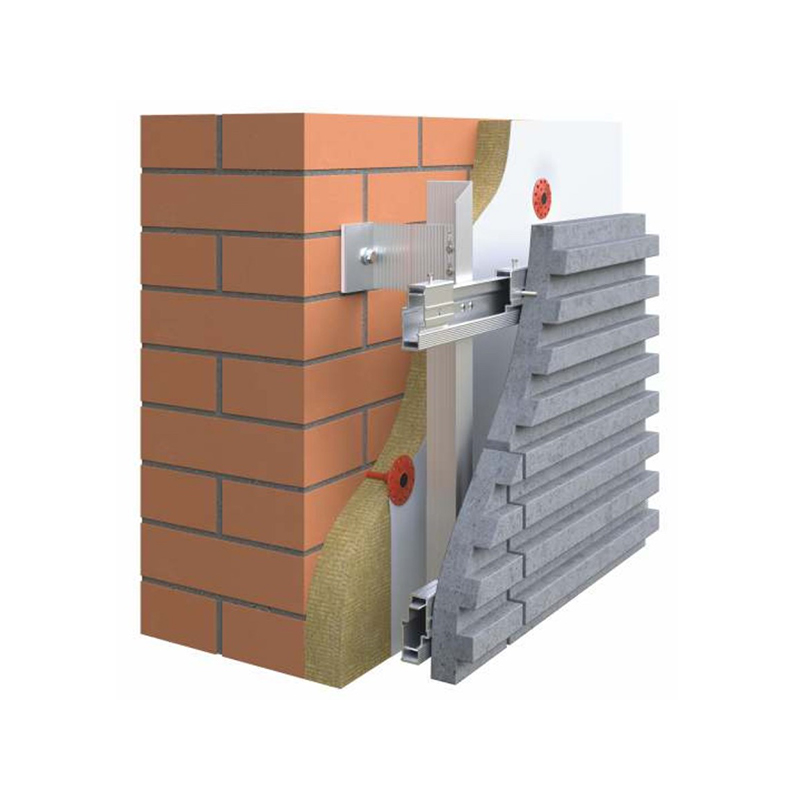
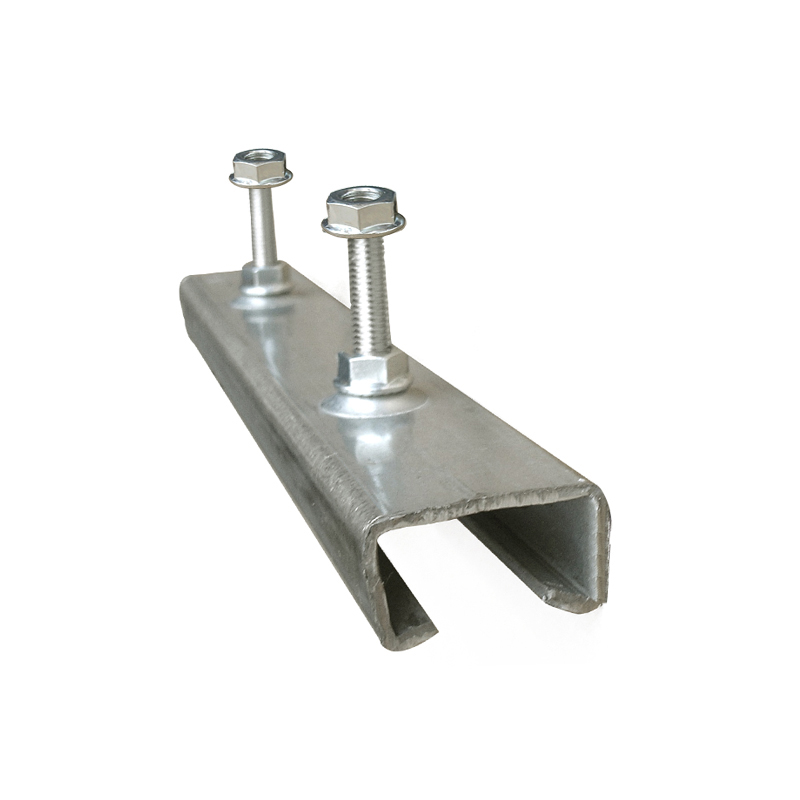
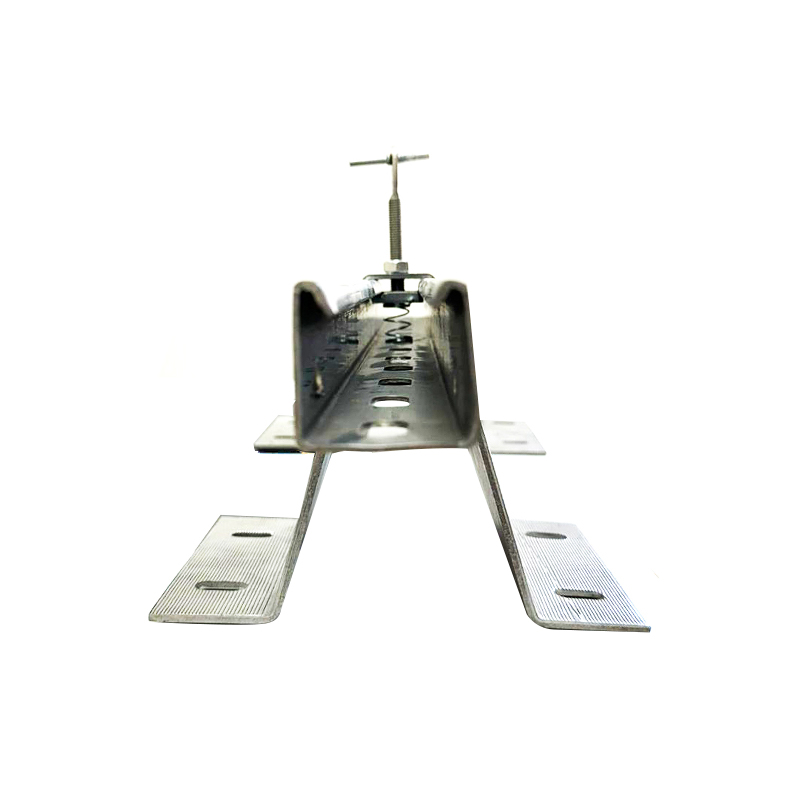 Omega Fixing System for Natural Stone Cladding with Custom Engineering OptionsThe omega system offers concealed mounting for stone and composite panels, with customizable solutions from an in-house engineering team. Ideal for projects requiring precise adjustments and load-bearing performance, as highlighted by the surrounding text on corrosion-resistant steel selection.View Product →
A custom cladding project runs through a defined engineering flow: drawing review, material selection, tooling, trial assembly and production. Our team of facade hardware engineers manages each step in-house, so dimension revisions and material changes are handled without third-party friction.
Give the hardware supplier three things: the stone schedule, the facade elevation drawings and the structural substrate details. With those inputs, a custom solution can be engineered accurately.
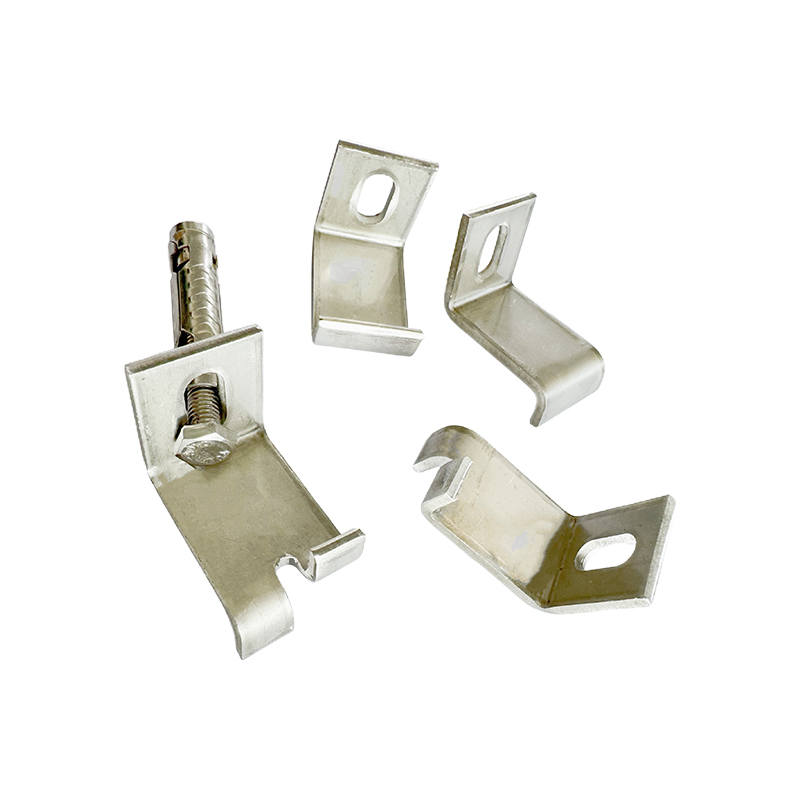
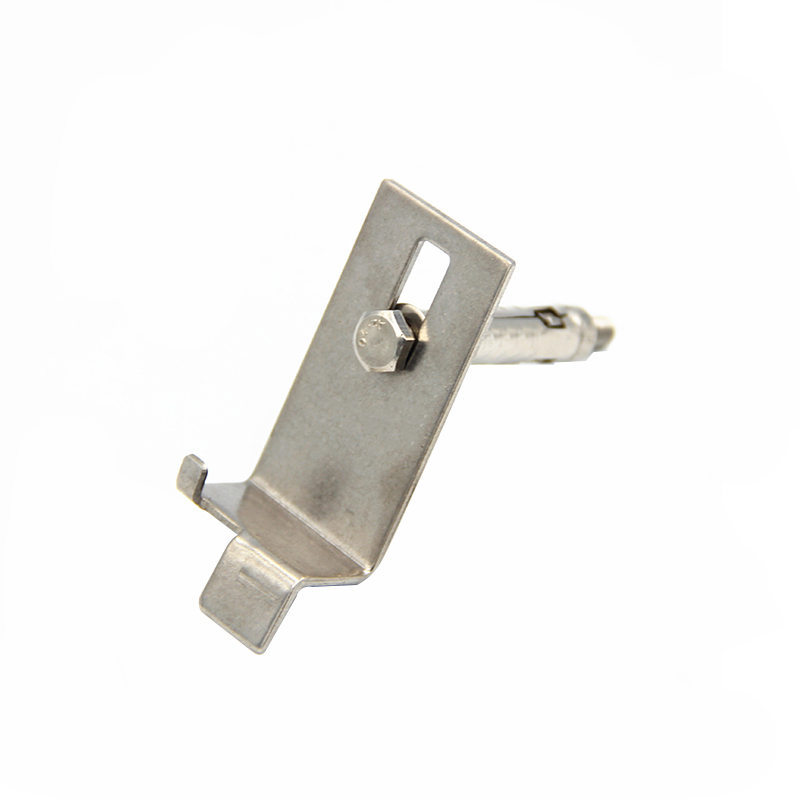
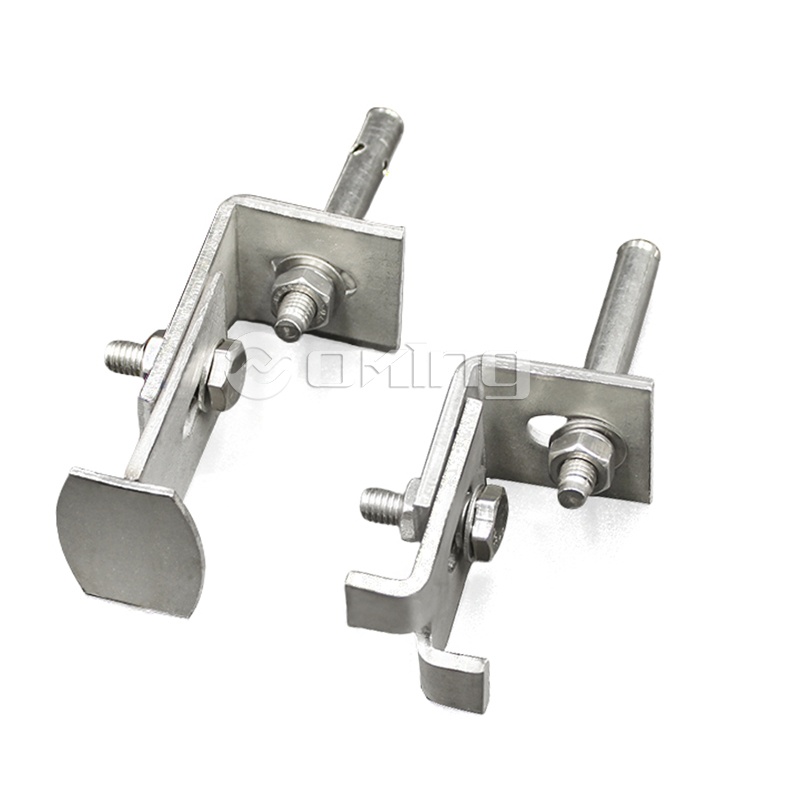
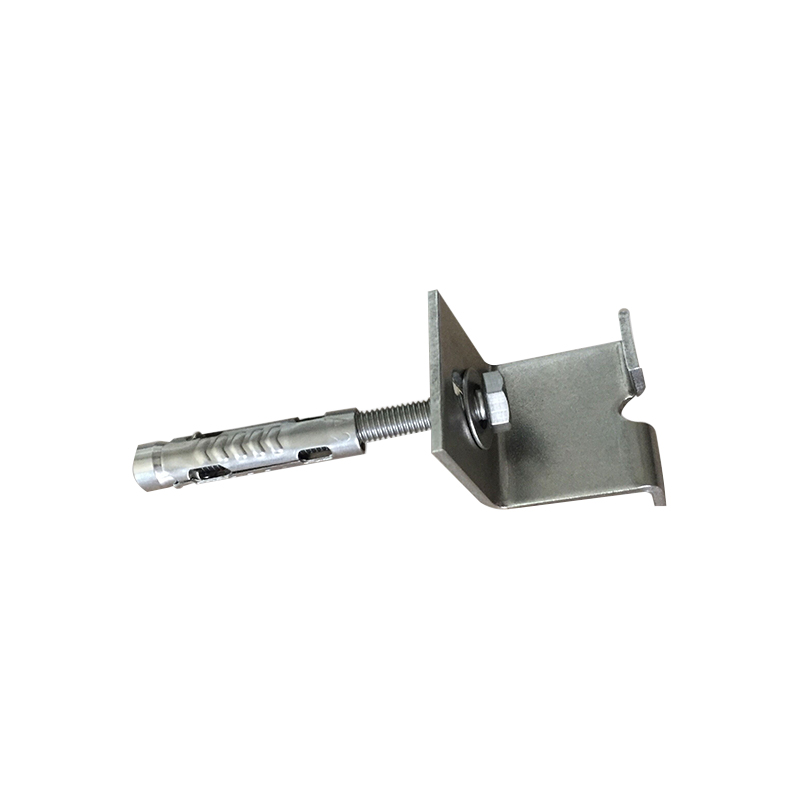 Kerf Bracket System for Facade Construction with Custom Retrofit CapabilitiesThis kerf bracket system is designed for stone facades and supports retrofit installations using expansion bolts or chemical anchors on concrete substrates. It is well-suited for projects needing tailored hardware based on detailed facade drawings and structural conditions.View Product →
Yes. Jiangsu Aozheng Metal Products Co., Ltd. manufactures custom L brackets, Z brackets and omega systems for retrofit projects. Expansion bolts, chemical anchors and undercut anchors connect the brackets to existing concrete structures.
For a facade package of 500 to 2,000 pieces, standard production takes three to five weeks after drawing approval. Tooling for non-standard profiles adds approximately five to seven days.
Our engineering team works directly from the stone detail drawings and verifies critical dimensions on a trial assembly before mass production. This eliminates kerf misalignment on site.
Yes. Our facade fixing product range covers natural stone, ceramic, terracotta, fibre cement and aluminium composite panels. A mixed facade project can be supplied from one manufacturing source, simplifying procurement and coordination.

We will wholeheartedly provide you with high quality products, reasonable price, on-time delivery and attentive service.
Maoshan Taiwan Business Industrial Park, Dinan Town, Xinghua City, Jiangsu Province, China

+86-523-82799922

+86-15996094444

+86-523-82799933


Copyright © Jiangsu Aozheng Metal Products Co., Ltd. All Rights Reserved.
 English
 русский
 Español
 عربى
عربى


Contact Us