-
 Tel:
Tel:+86-15996094444
-
 E-mail:
INQUIRE NOW
+86-15996094444
INQUIRE NOW

Screw-in undercut anchors are a sophisticated and reliable fastening solution, especially valued in construction for their high performance in demanding applications. This guide will delve into their mechanics, installation, performance, and optimal use cases.
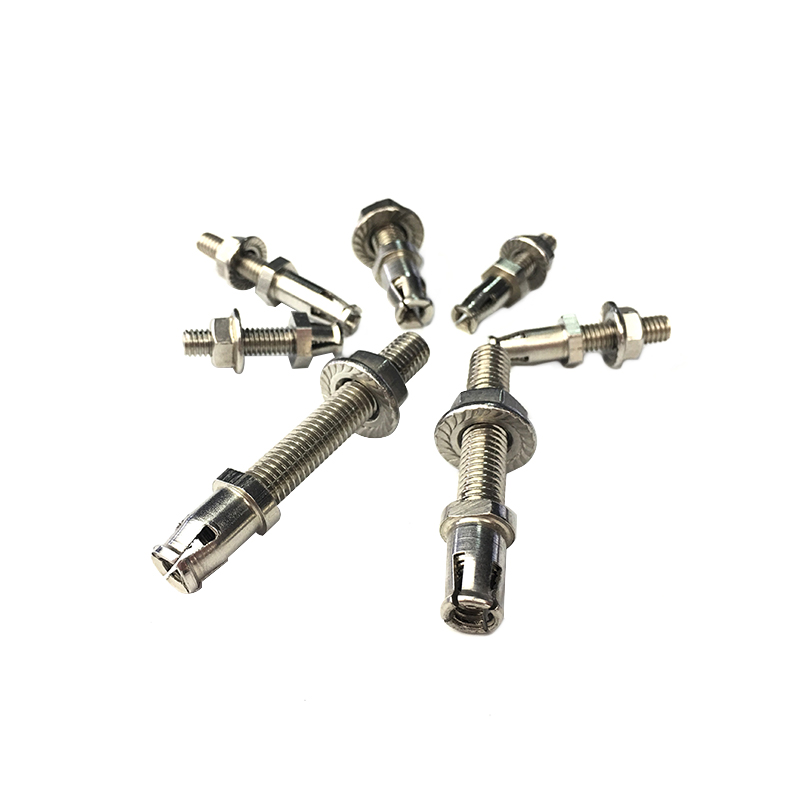
A screw-in undercut anchor is a mechanical anchor that creates an interlock with the base material by forming an "undercut" profile within the drilled hole. Unlike expansion anchors that rely on friction, undercut anchors derive their holding power from a positive mechanical connection.
The anchor typically consists of a threaded rod or screw with a specialized tip and a matching sleeve or expansion element. During installation, a pre-drilled hole is created, often with a pilot drill followed by an undercutting tool. When the anchor is screwed into the hole, the tip expands or cuts into the base material, creating a reverse-cone shape or an "undercut." This unique shape locks the anchor into the concrete or masonry, providing exceptional resistance to pull-out loads.
Screw-in undercut anchors are primarily designed for use in dense, solid materials. They are most commonly used in concrete (both cracked and uncracked) and certain types of masonry. Their design makes them particularly effective in applications where the integrity of the base material is critical.
Proper installation is crucial to ensure the optimal performance of a screw-in undercut anchor.
The performance of screw-in undercut anchors is a key reason for their widespread use in critical applications.
Screw-in undercut anchors boast excellent static load capacity, meaning they can withstand significant constant forces without deformation or failure. Furthermore, their mechanical interlock makes them highly resistant to dynamic loads, such as vibrations or repeated stresses, where other anchor types might fail due to fatigue. The screw-in undercut anchor wind load capacity is also a critical consideration for outdoor applications, particularly for facade systems and solar panel mounting, where they must withstand significant uplift and lateral forces.
One of the most significant advantages of screw-in undercut anchors is their seismic performance. They are often designed and tested to meet stringent requirements for seismic retrofitting and use in seismic zones. Their ability to resist significant movement and maintain integrity during seismic events makes them a preferred choice for critical infrastructure.
Environmental factors can affect anchor performance. The screw-in undercut anchor fire resistance rating is an important consideration in buildings where fire safety is paramount. Anchors made of carbon steel will lose strength at elevated temperatures, while stainless steel options offer better performance in such conditions. Additionally, the screw-in undercut anchor corrosion resistance is vital for long-term durability, especially in corrosive environments or outdoor applications. Stainless steel anchors are generally preferred in such conditions.
The superior performance of screw-in undercut anchors makes them ideal for a wide range of demanding applications.
Selecting the correct screw-in undercut anchor is essential for safety and performance.
Look for anchors that meet recognized international standards and certifications. Key certifications include:
These certifications ensure that the anchor has undergone rigorous testing and meets specific performance criteria, giving you confidence in its quality and reliability.
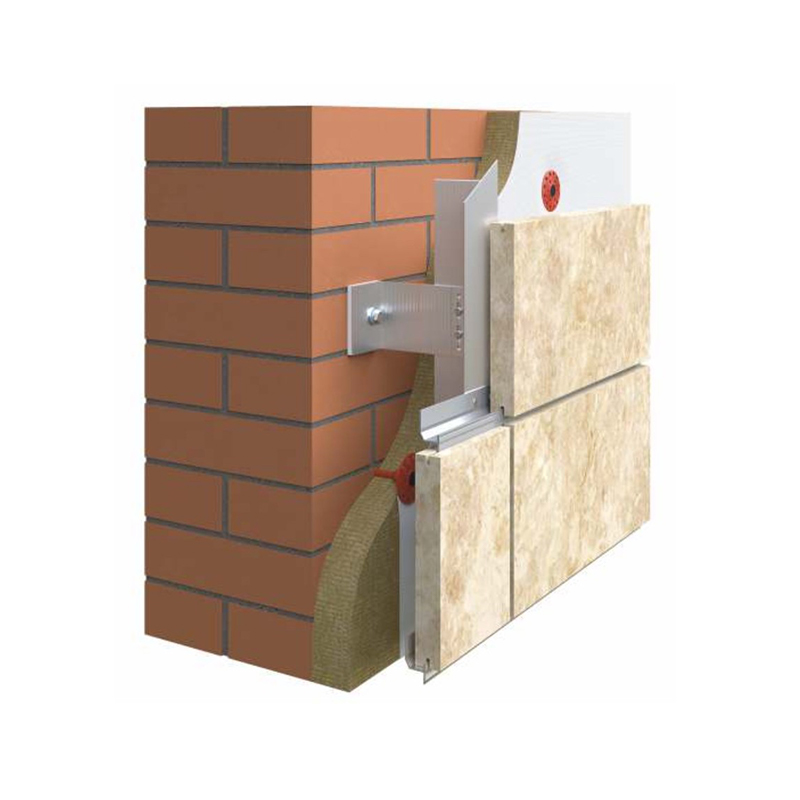
Facade System AOZ-v-20FACING MATERIAL:Natural stone slabs (medium hard rocks, hard rocks), agglomerate granite composite slabsFIXING:Concealed mountin...
See Details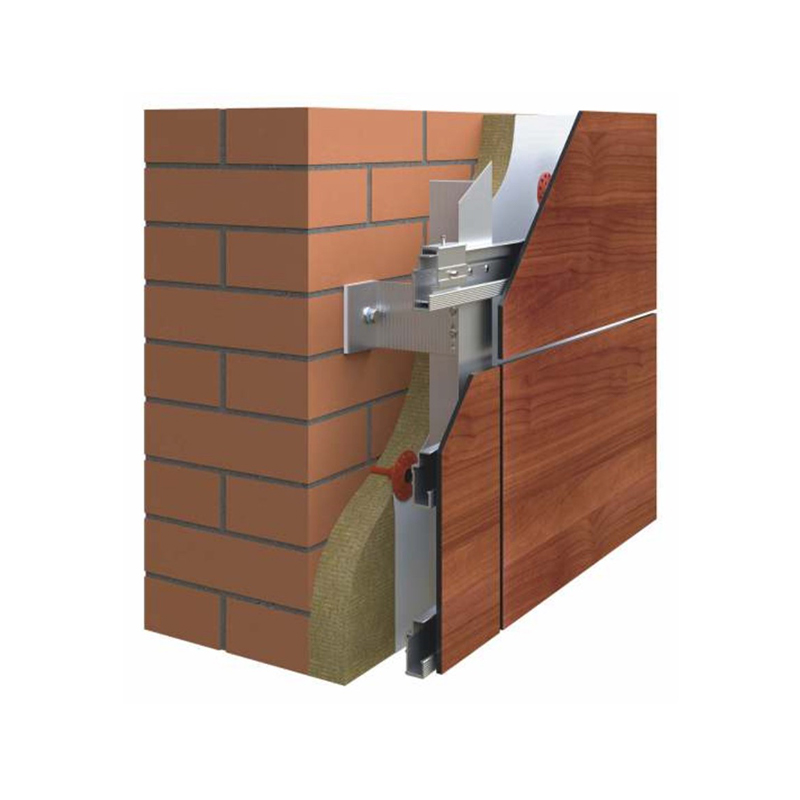
Facade System A0Z-v-20FACING MATERIAL:Fiber cement panels, RockPanels, HPL panelsFIXING:concealed with KEIL anchors, TRAG profile, and hangersMAX FACI...
See Details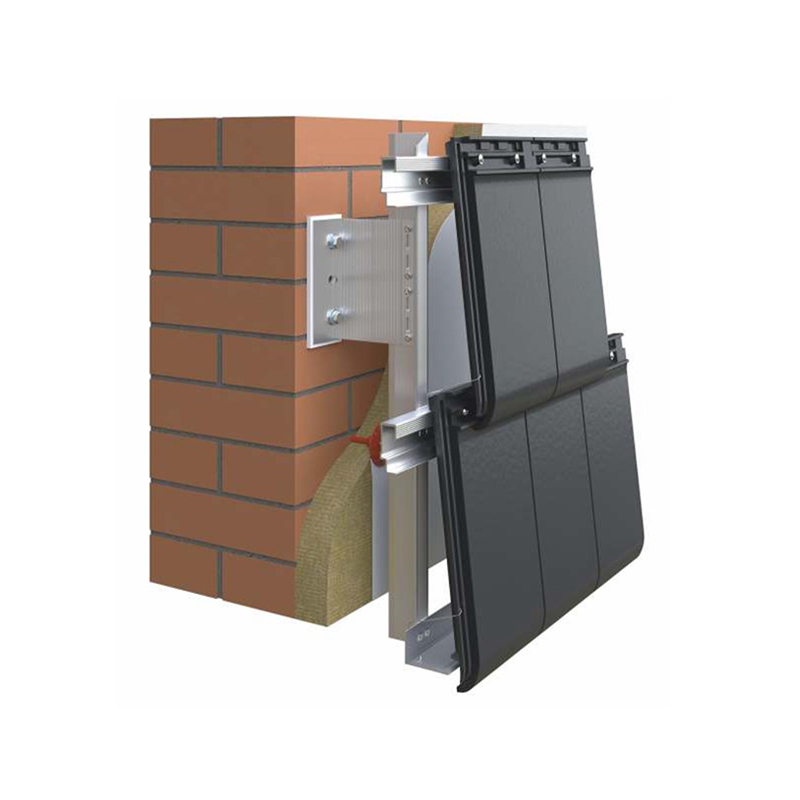
Facade System A0Z-v-350FACING MATERIAL: Ceramic roof tilesFIXING:Concealed with tiles fixed to horizontal bars with self. tapping screw and wind clamp...
See Details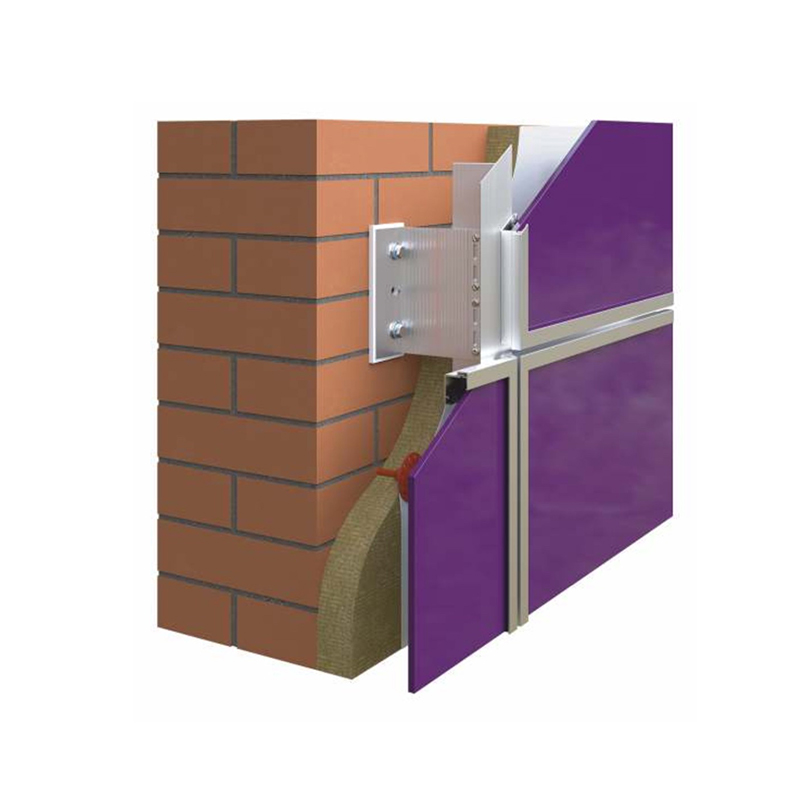
Facade System A0Z-v-300FACING MATERIAL:Tempered glass and stimulate 4 to 8 mm thickFIXING:Visible in framed profile with staple and gasketMAX FACING S...
See Details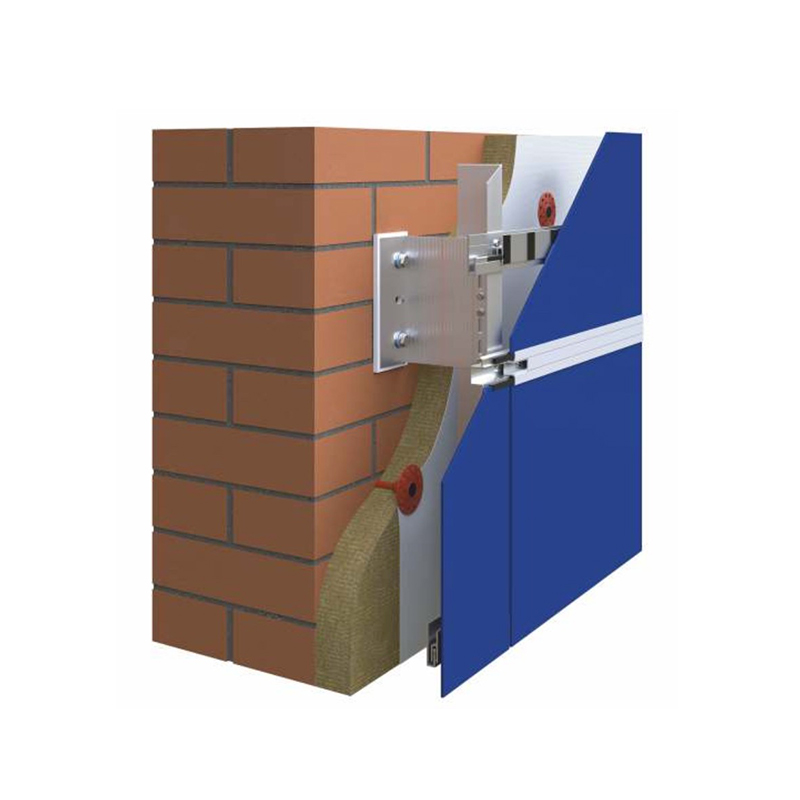
Facade System A0Z-v-300FACING MATERIAL:Tempered glass and stimulate 4 to 8 mm thickFIXING:Mixed: visible with mechanically mounted three-part horizont...
See Details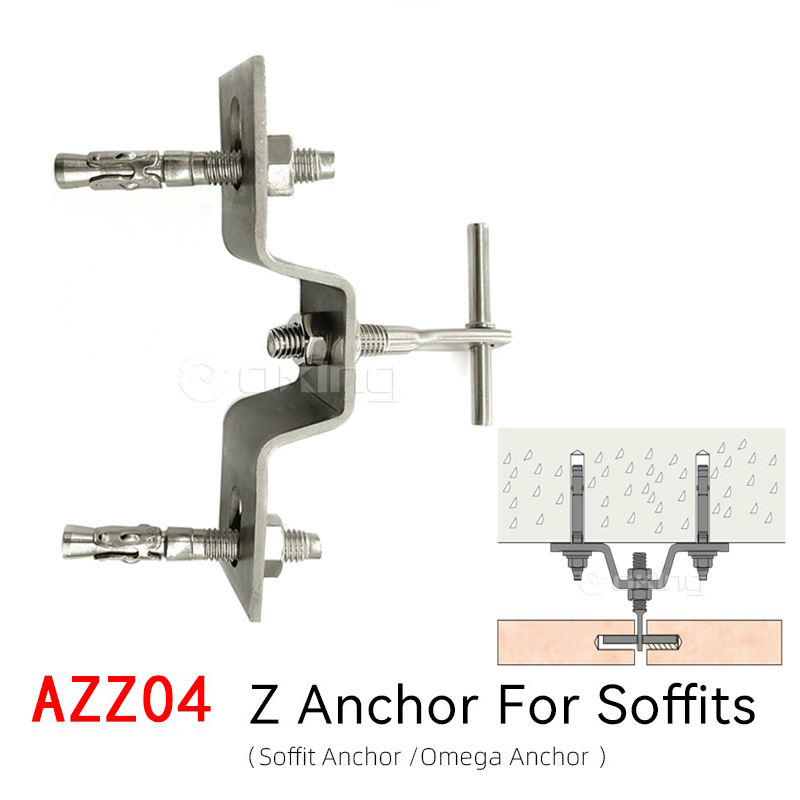
SS Omega Cladding Metal Bracket is a high-performance metal bracket designed specifically for exterior wall cladding. It is made of high-quality stain...
See Details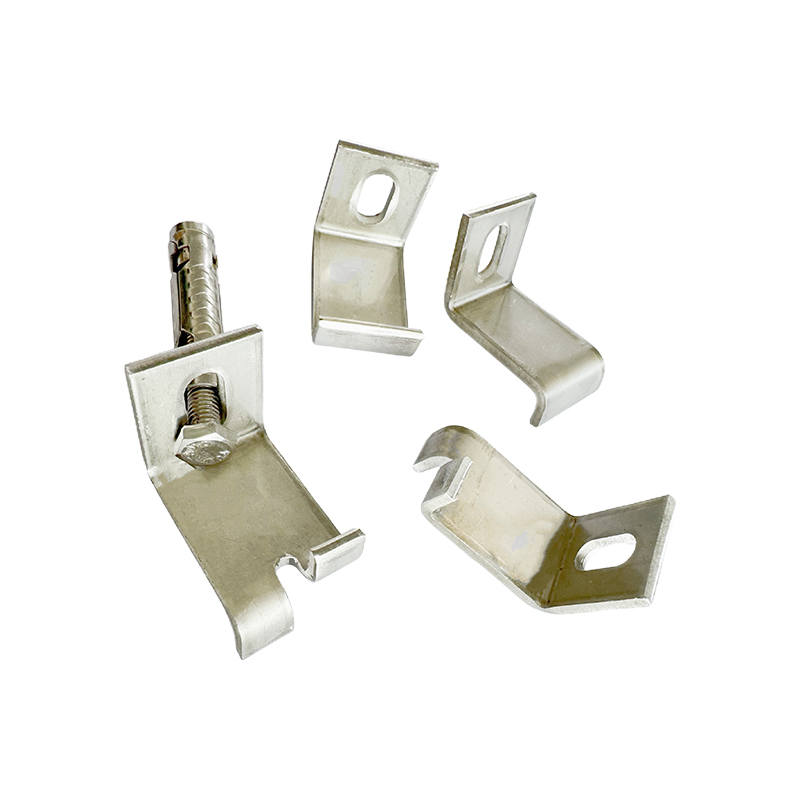
The Stone Fixing Cladding Metal Down Anchor Bracket is a precision-engineered structural component designed for the secure secondary support of natura...
See Details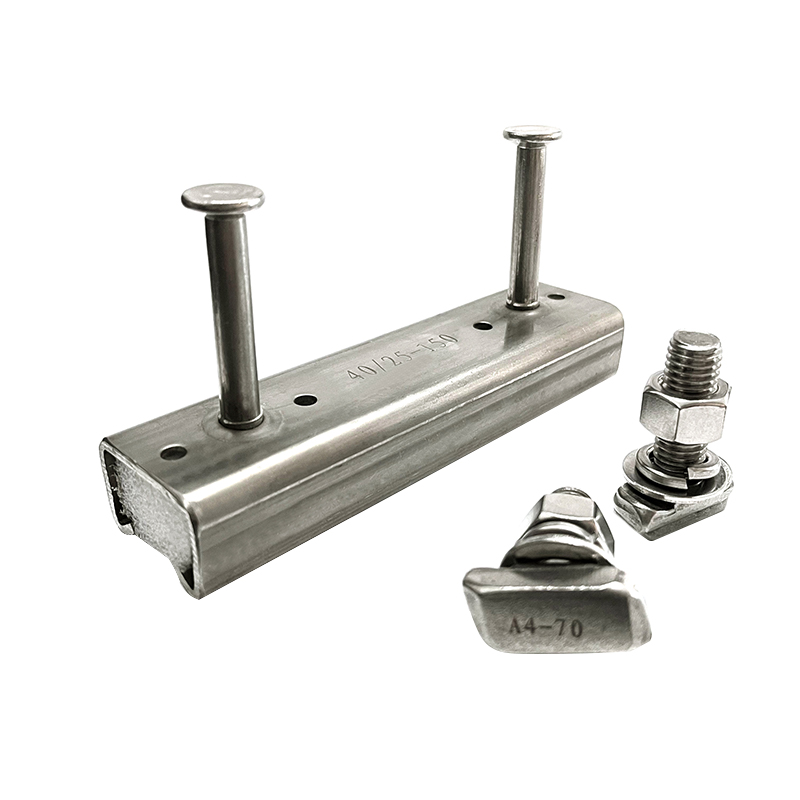
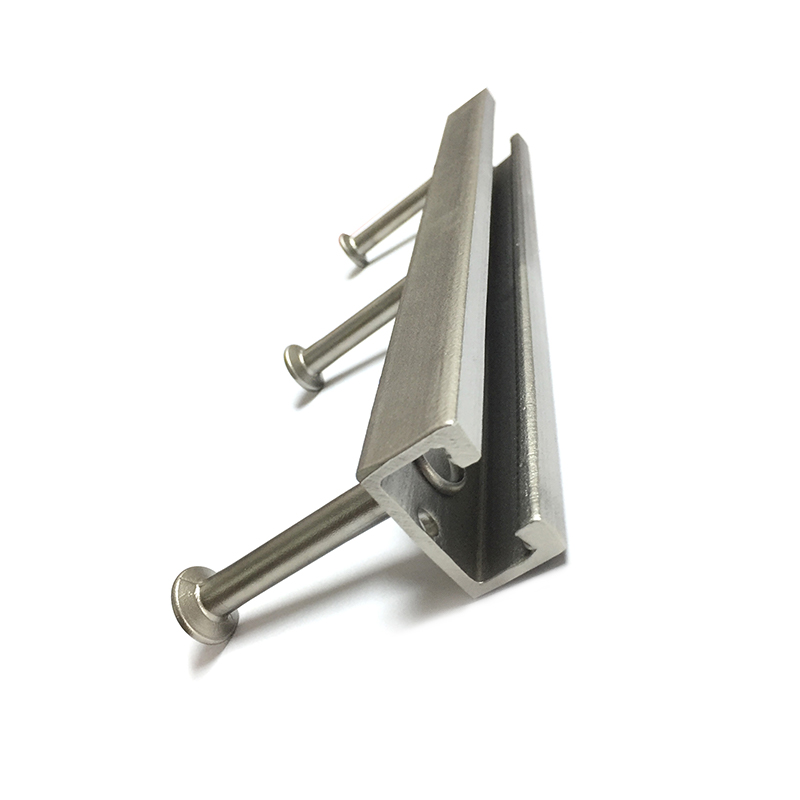
Stainless steel cast channel is an industrial product with durability and stability and is widely used in various fields. Stainless steel material has...
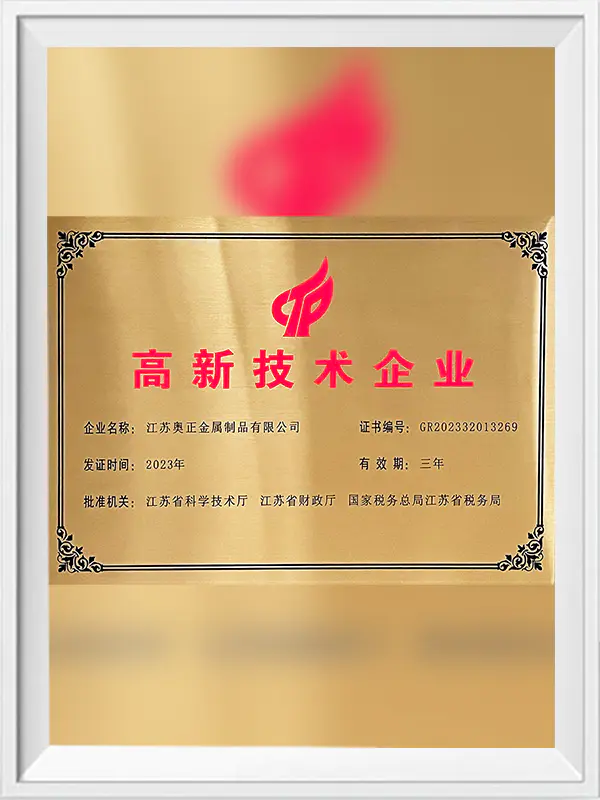
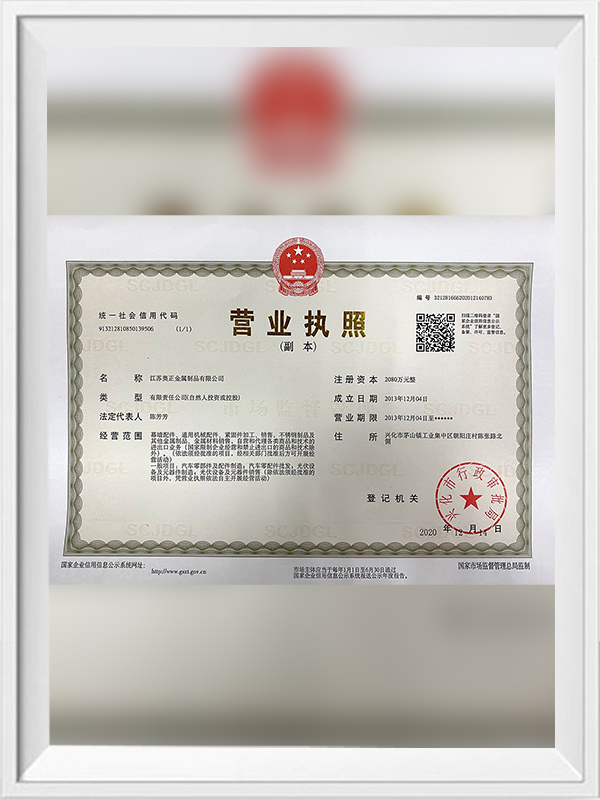
See DetailsJiangsu Aozheng Metal Products Co., Ltd.is a professional industry and trade integrated enterprise, with a modern production plant covering an area of 32,000 square meters. We specialize in the R&D, production and supply of a full range of high-quality construction hardware products. Our core product portfolio includes exterior wall cladding fixing system brackets, C channels, seismic support brackets, anchor bolts, cast-in channels, concrete embedded parts and photovoltaic bracket clamps, which cater to various customized construction and engineering installation requirements. Our products are manufactured from premium raw materials including stainless steel, aluminum alloy, carbon steel and low alloy steel. Equipped with advanced industrial production technologies, we adopt automated cutting, extrusion, stamping, welding, CNC machining and laser processing craftsmanship. Strict standardized production and precise processing procedures are implemented throughout production to ensure stable, reliable and high-standard product quality. Integrating raw material forming and mechanical processing, our factory operates as a large-scale, diversified and professional manufacturing base for construction hardware. Upholding strict quality standards and high-end global market positioning, we achieve an annual production capacity of 8,000 tons of diverse building materials. Our products are widely exported to dozens of countries and regions across the globe, covering the United States, Germany, Italy, Belgium, the United Kingdom, Japan, Australia, Canada, Russia, Central Asia and the Middle East. We have established long-term, stable and strategic cooperative relationships with large construction enterprises and renowned engineering teams worldwide. Supported by superior product quality and professional all-round services, we have become a core and trusted building material supplier for our global partners in China.



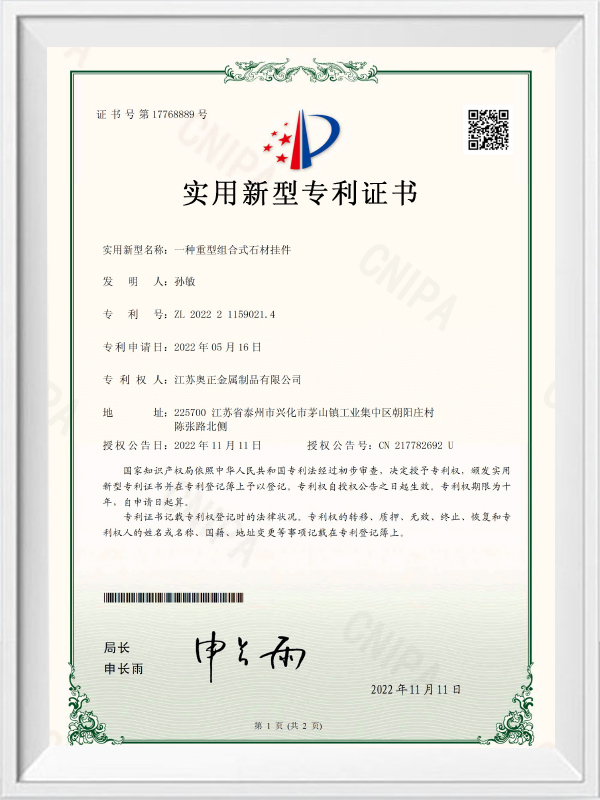
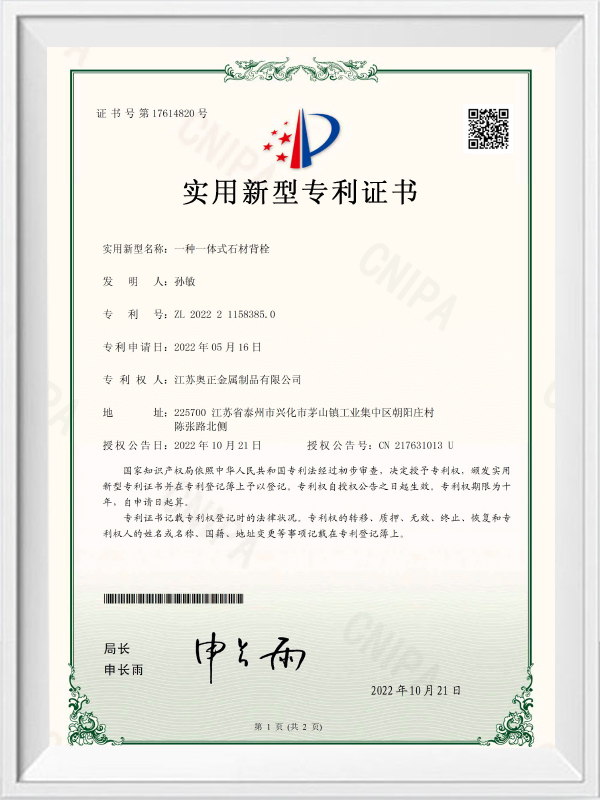
Stone cladding rarely fails because the slab itself gives way. In a ventilated facade, the granite or marble panel is often the strongest link; the weak points are the brackets, channels, and anchors...
READ MOREA 30 mm granite panel on a commercial tower weighs roughly 80 kg per square meter. On a 10,000-square-meter facade, that is about 800 tonnes of stone held by metal brackets, anchors and support profi...
READ MOREA 60-meter commercial tower on a coastal site was specified with 30 mm granite panels, but nobody reviewed the bracket system before fabrication. Within eight years, three panels had shifted enough t...
READ MORE
We will wholeheartedly provide you with high quality products, reasonable price, on-time delivery and attentive service.
Maoshan Taiwan Business Industrial Park, Dinan Town, Xinghua City, Jiangsu Province, China

+86-523-82799922

+86-15996094444

+86-523-82799933


Copyright © Jiangsu Aozheng Metal Products Co., Ltd. All Rights Reserved.
 English
 русский
 Español
 عربى
عربى