-
 Tel:
+86-15996094444
-
 E-mail:
INQUIRE NOW
+86-15996094444
INQUIRE NOW

Article Directory
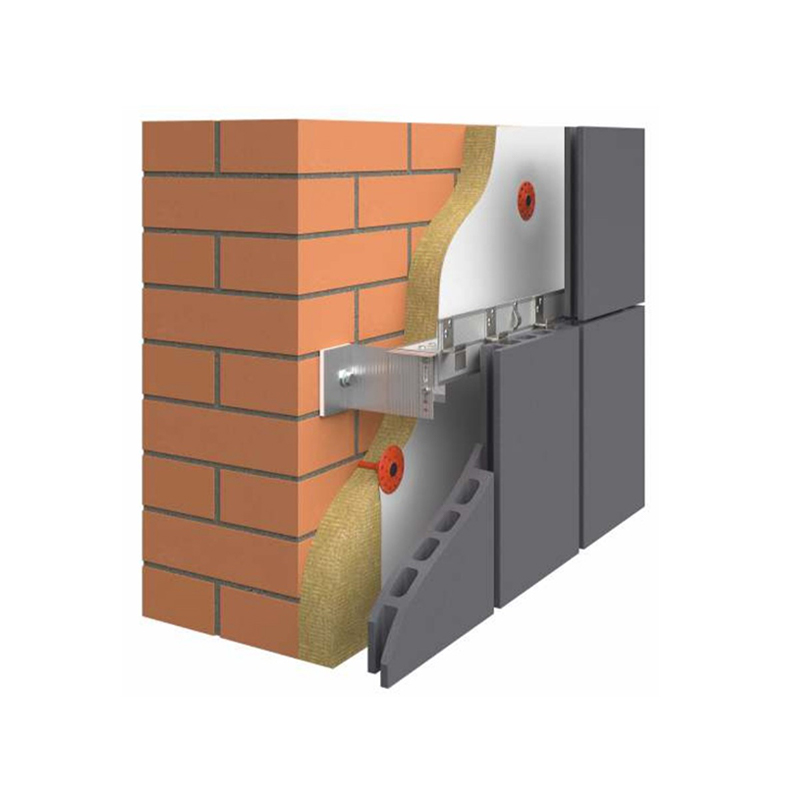
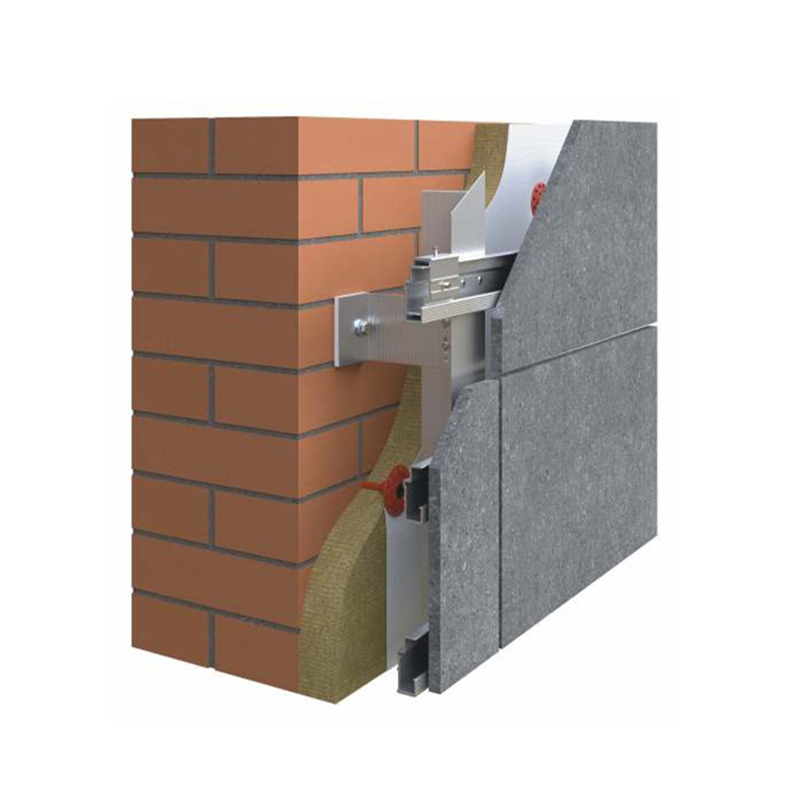
A facade contractor pricing a 30-story tower cannot specify connection hardware from a standard catalog. The dead load of a granite or terracotta rainscreen can exceed 60 kilograms per square meter, and wind pressure on a high-rise facade in a typhoon zone can reach 3.2 kilopascals in corner zones. That is why OEM cladding projects demand a custom facade cladding system built to drawings, with every specification documented before production starts.
A custom facade cladding system is a non-standard assembly of support brackets, anchors, and panel fixings engineered for one building envelope, typically manufactured to an OEM project's dimensional and load requirements.
In practice, a custom system differs from a catalog product in five measurable areas:
Material selection for custom cladding brackets is not driven by preference. It is driven by the corrosion environment, the load path, and the thermal expansion of the cladding panel.
Four material families are commonly used in OEM facade cladding systems. Their properties decide how the connection hardware performs over the building's service life.
| Material | Tensile Strength | Corrosion Resistance | Typical Application |
| Stainless Steel 304 | 515 MPa | Good for urban facades | Brackets, anchors, clips |
| Stainless Steel 316 | 520 MPa | Excellent for coastal zones | Marine facade hardware |
| Aluminum 6061-T6 | 310 MPa | Moderate, needs coating | Lightweight support tracks |
| Hot-Dip Galvanized Steel | 550 MPa | Good if zinc layer is 65 microns or more | Cast-in channels, structural rails |
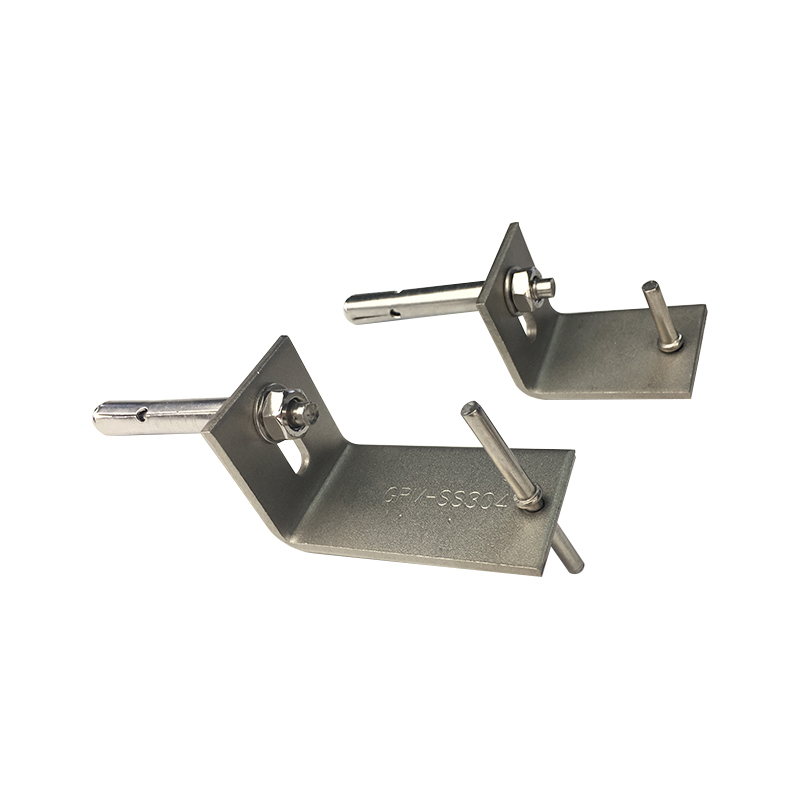
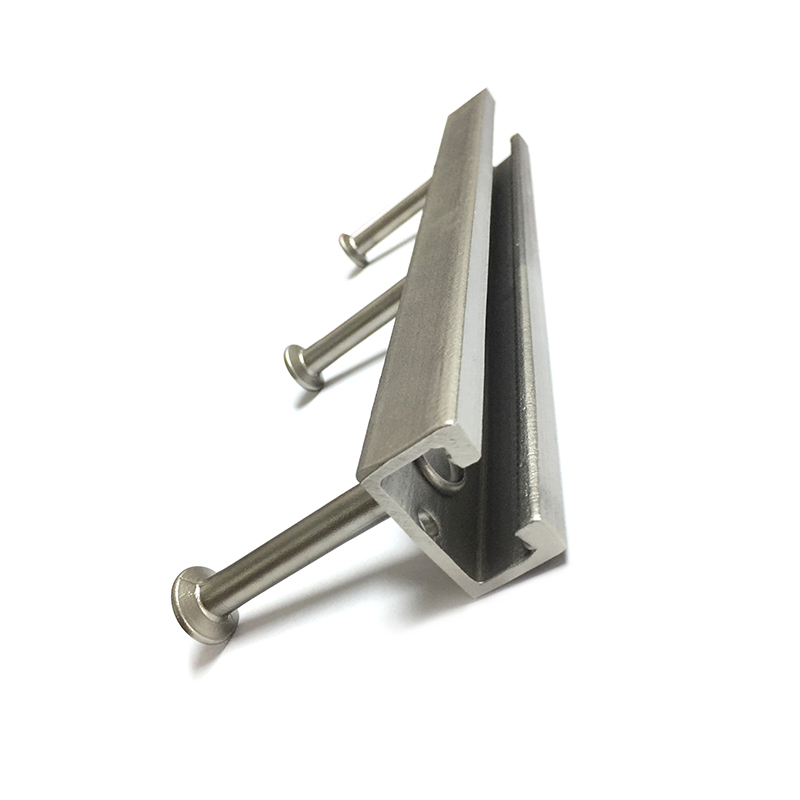 Stainless Steel Body Anchor for Stone Facade Cladding SystemsThis anchor secures stone or porcelain tiles with a serrated plate and pin, suited for OEM projects in coastal zones where 316 stainless is recommended.View Product →
A practical rule for OEM projects: specify 316 stainless for cladding hardware on facades within five kilometers of the sea. For an inner-city curtain wall, 304 stainless is usually sufficient. Galvanized steel is reserved for concealed structural elements rather than visible brackets. For a full selection walk-through, our stainless steel cladding bracket guide covers bracket families and load charts.
In a 2024 commercial-project audit, Jiangsu Aozheng Metal Products Co., Ltd. confirmed that corrosion-related bracket failures in OEM supply chains almost always originate from a skipped material-grade confirmation at the drawing stage.
Bracket load capacity in a custom facade cladding system is calculated on three axes: tension, shear, and moment. The permissible tolerance between the substrate and the cladding plane must be stated on the drawing.
Typical allowable loads for common bracket families are shown in the chart below.
Values reflect Aozheng test data on 100-millimeter brackets with 5-millimeter stainless plate, anchor-secured into C30 concrete.
| Bracket Type | Allowable Shear Load | Adjustment Range | Use Case |
| Z-bracket | 8.5 kN | +/-5 mm | Stone and terracotta panels |
| L-bracket | 6.2 kN | +/-3 mm | Corner and edge fixing |
| Omega bracket | 9.8 kN | +/-8 mm | Heavy natural stone |
| Adjustable angle | 7.4 kN | +/-20 mm | Post-installed adjustments |
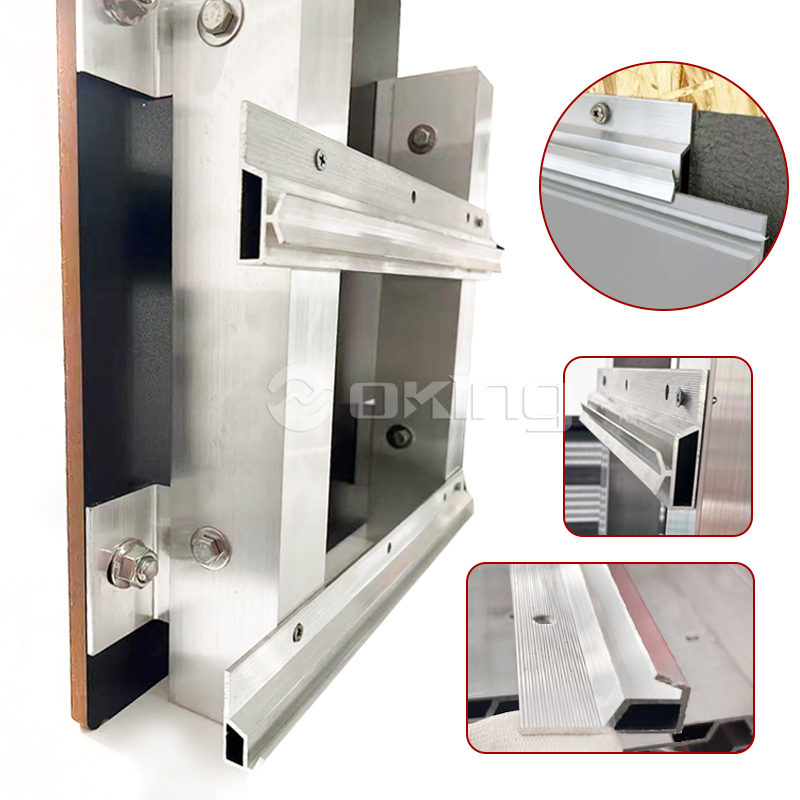
 Black Aluminum L Bracket for Facade Wall Track SystemsThis bracket holds tracks for facade walls and is exposed to weather, so its coating thickness and salt-spray resistance are critical for long-term performance.View Product →
Surface finish is not a cosmetic step. It directly determines the service life of the bracket. An OEM facade cladding system must define coating thickness, salt-spray hours, and color tolerance for exposed parts.
An OEM cladding hardware project moves through six controlled stages. The manufacturer's engineering input is most valuable in the first two stages.
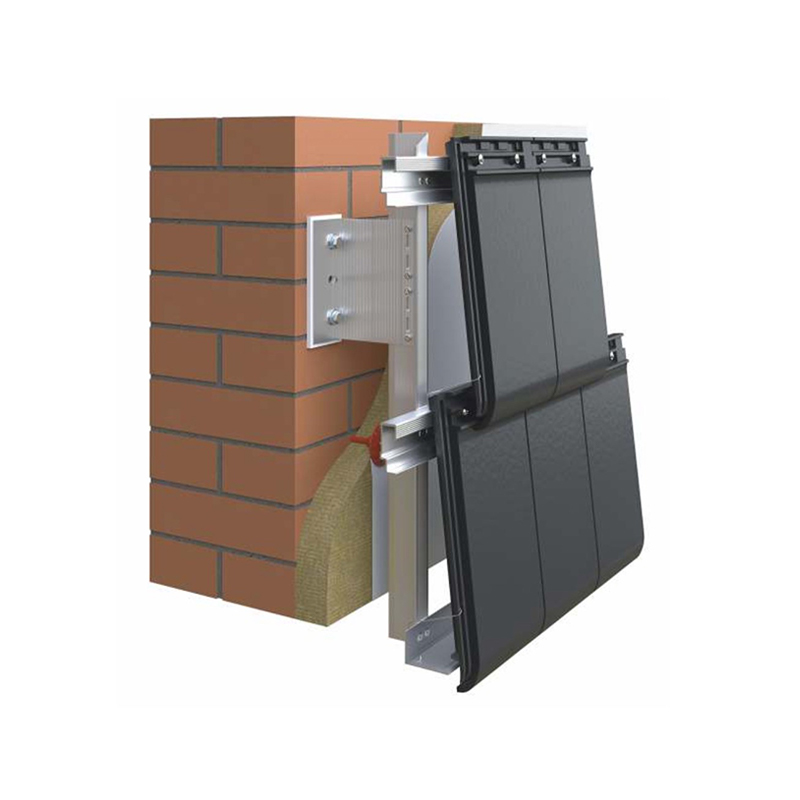
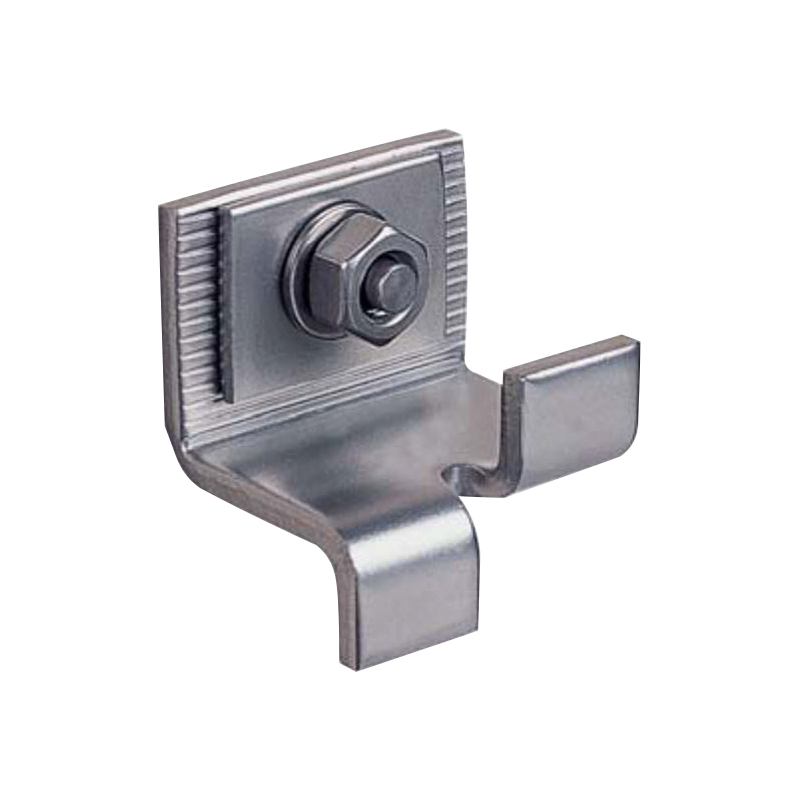
 Body Anchor with Serrated Plate for Stone Support FixingsManufactured from stainless steel or carbon steel, this body anchor features a serrated plate and pin for secure stone cladding restraint in structural applications.View Product →
An OEM supplier that skips the prototype stage shifts all risk to the site. A mock-up test at the factory takes one day and can eliminate a field rework worth weeks.
A credible OEM supplier splits quality control into three gates: incoming material, in-process dimension, and finished-part mechanical sampling. The project acceptance criteria must be written into the purchase order.
| Gate | Inspected Item | Acceptance Criteria |
| Incoming | Mill certificate, material grade | 304 or 316 per ASTM A240 / EN 10088 |
| In-process | Thickness, leg length, hole position | +/-0.5 mm for key dimensions |
| Finished | Surface condition, coating thickness, hardness | No cracks, coating of at least 65 microns for HDG |
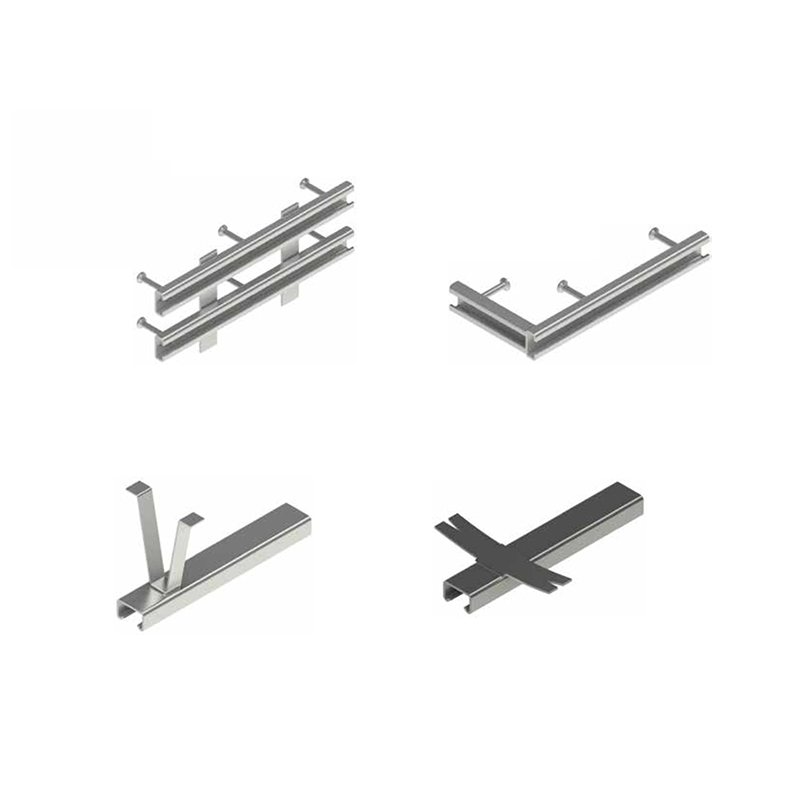
On projects where the structure uses precast concrete, the fixed points come from cast-in anchor channels rather than post-installed anchors. This changes the tolerance and inspection requirements because the channel is cast into the element before the panel is hung.
Contractors usually ask the same three questions before a custom cladding hardware order. The answers below reflect standard OEM practice for architectural metal systems.
An OEM bracket drawing should include the panel dead load, the wind pressure zone, the substrate material and tolerance, the required adjustment range, the material grade, the surface finish, and the anchor or channel fixing details.
From drawing review to delivery, an OEM project with a custom bracket geometry usually takes 30 to 45 days. The prototype stage takes 3 to 5 days, followed by production and coating within 2 to 3 weeks, and shipping by air or sea depending on the project timeline.
Minimum order quantity for custom brackets typically starts around 500 pieces, but it depends on the bracket size, material, and tooling. For lightweight aluminum profiles, the MOQ may be lower; for cast-in anchor channels, it is higher because of tooling setup.

We will wholeheartedly provide you with high quality products, reasonable price, on-time delivery and attentive service.
Maoshan Taiwan Business Industrial Park, Dinan Town, Xinghua City, Jiangsu Province, China

+86-523-82799922

+86-15996094444

+86-523-82799933


Copyright © Jiangsu Aozheng Metal Products Co., Ltd. All Rights Reserved.
 English
 русский
 Español
 عربى


Contact Us