-
 Tel:
Tel:+86-15996094444
-
 E-mail:
INQUIRE NOW
+86-15996094444
INQUIRE NOW

Article Directory
As the global construction industry shifts toward sustainable and carbon-neutral targets, the performance of building envelopes has come under intense technical scrutiny. High-rise structures, in particular, face extreme environmental pressures, including high wind loads and significant solar gain. Ceramic rainscreen cladding has emerged as a premier solution for these challenges. Jiangsu Aozheng Metal Products Co., Ltd., a leading industry-and-trade enterprise with an annual production of 2,000 tons, specializes in the stainless steel and aluminum alloy mounting systems that make these facades possible. By combining advanced automated cutting and welding processes, we support the installation of sustainable ceramic facade panels for modern architecture, ensuring high-end thermal performance for global projects spanning from Germany to the Middle East.
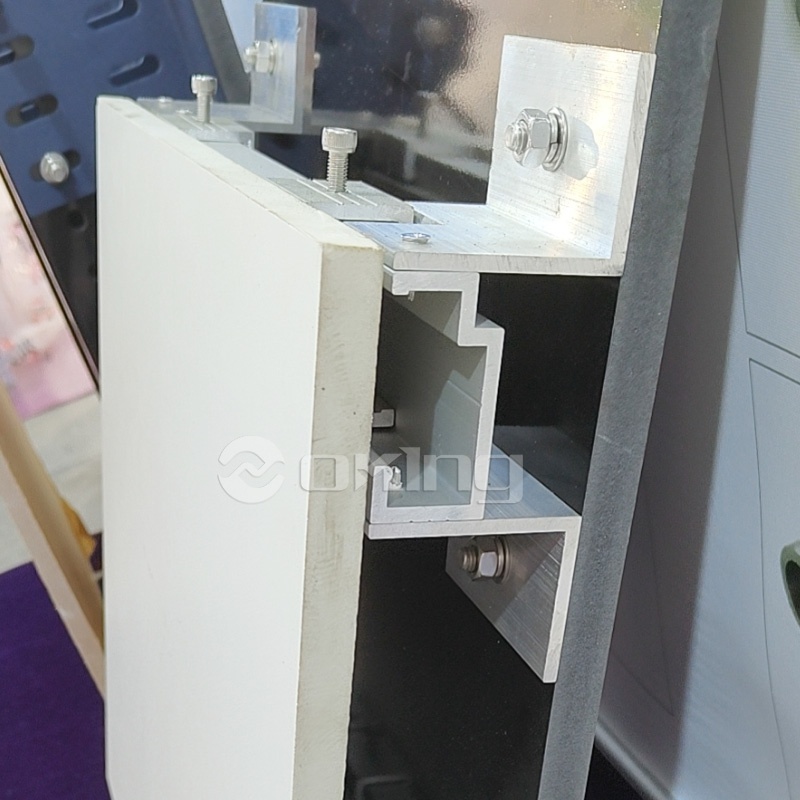
The core mechanism behind the efficiency of ceramic rainscreen cladding is the "chimney effect" created within the ventilated cavity. This space between the ceramic panel and the primary insulation layer acts as a thermal buffer. During summer months, solar radiation heats the ceramic panels, but the air within the cavity rises and escapes through the top vents, carrying away heat before it can penetrate the building's thermal envelope. According to the 2024 Building Performance Report by the Royal Institute of British Architects (RIBA), ventilated rainscreen systems can reduce the cooling load of high-rise commercial buildings by up to 30% compared to traditional face-sealed masonry. This is particularly effective when using ventilated ceramic rainscreen system for high-rise buildings, where wind pressure helps drive the vertical air movement.
Source: RIBA - Climate Guide: Sustainable Building Envelope Performance 2024
Unlike solid wall construction, which relies solely on the thickness of materials to resist heat transfer, the rainscreen system utilizes dynamic air movement to mitigate thermal bridging.
| Performance Metric | Traditional Solid Wall (Render/Brick) | Ceramic Rainscreen Cladding System |
| Heat Transfer Mechanism | Conduction through entire wall mass | Convective heat dissipation in air cavity |
| Thermal Bridge Risk | High (at joints and floor slabs) | Low (External insulation is continuous) |
| Summer Cooling Cost | Significant (High heat retention) | Reduced (Cavity air removes heat) |
| Winter Heat Retention | Moderate (Dependent on internal mass) | High (Insulation stays dry and effective) |
For a building to achieve high energy efficiency, the U-value (thermal transmittance) must be kept as low as possible. Ceramic rainscreen cladding facilitates the use of thick, continuous external insulation that is not interrupted by the structural frame. Furthermore, the lightweight ceramic cladding for commercial building renovation allows for the upgrading of older structures without overstressing the existing foundation. According to the 2025 Energy Efficiency Standards released by the International Energy Agency (IEA), preventing moisture accumulation within insulation is critical; a 1% increase in moisture can decrease the thermal resistance of mineral wool by up to 25%. The rainscreen design ensures that the insulation remains dry, maintaining its design R-value over the entire lifespan of the building.
Source: IEA - Energy Efficiency 2025: Global Building Envelope Standards
While stone or metal claddings are popular, fire rated ceramic wall cladding for urban projects offers superior thermal stability and a lower coefficient of thermal expansion, which protects the integrity of the airtightness layers behind the facade.
| Material Property | Standard Aluminum Panels | Ceramic Rainscreen Cladding (High-Tech) |
| Thermal Expansion | High (Needs large expansion joints) | Very Low (Maintains tighter airtightness) |
| Fire Resistance | Varies (Dependent on core) | Inherent Non-combustible (A1 Grade) |
| Solar Absorption | Moderate to High | Low (Reflective and UV stable) |
| Maintenance Cycle | 10-15 Years | 50+ Years (Self-cleaning surfaces) |
The thermal efficiency of ceramic rainscreen cladding is only as good as the hardware that supports it. At Jiangsu Aozheng Metal Products Co., Ltd., we engineer stainless steel and aluminum alloy brackets that incorporate thermal break technology. This prevents "point thermal bridging," where heat could otherwise bypass the insulation via the metal fixings. Our products are exported to the United States, Australia, and the Middle East, where they are used with UV resistant ceramic panels for exterior walls in extreme climates. By providing a cost effective ceramic facade solution for B2B buyers, we allow architects to achieve LEED and BREEAM certifications while keeping installation times efficient through our precision-stamped hardware.
Yes. In winter, the ceramic rainscreen cladding acts as a windbreaker, reducing the wind-chill effect on the primary wall and ensuring the insulation layer remains dry and fully functional.
Absolutely. Lightweight ceramic cladding for commercial building renovation is ideal because it adds minimal weight to the structure while providing a modern aesthetic and vastly improved thermal performance.
Our fire rated ceramic wall cladding for urban projects is made from inorganic materials that are A1 non-combustible, making it the safest choice for high-rise residential and commercial towers.
No. UV resistant ceramic panels for exterior walls are fired at temperatures exceeding 1200°C, meaning the mineral pigments are permanently fused and will not fade even after decades of intense solar exposure.
As a professional manufacturer, Aozheng Metal provides a cost effective ceramic facade solution for B2B that includes adjustable mounting systems compatible with various panel dimensions and thicknesses.
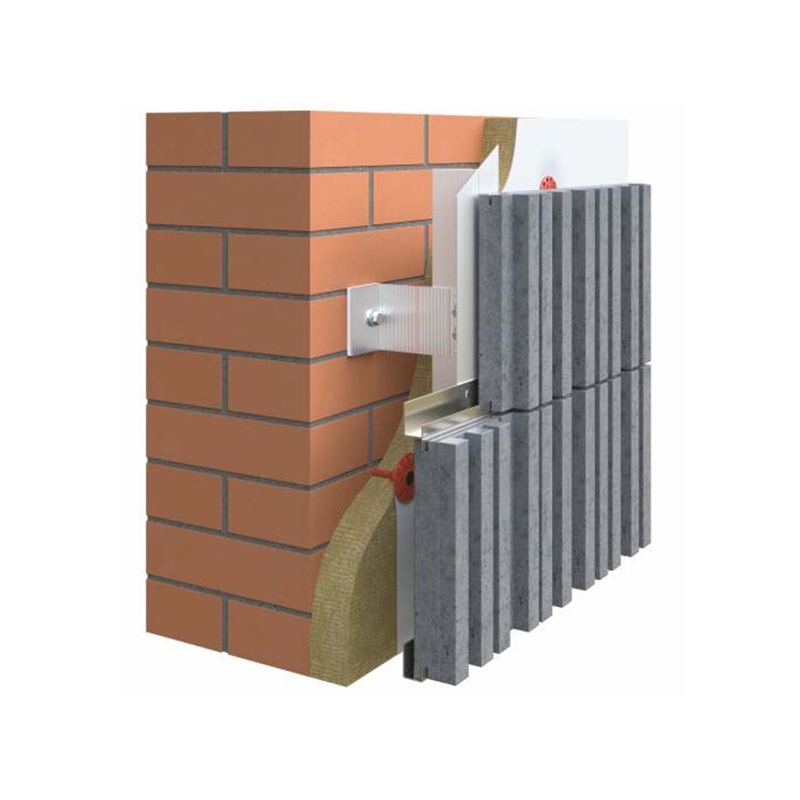
Facade System AOZ-v-20FACING MATERIAL:Textured glass fiber reinforced concrete slabs, artificial stone slabs, natural stone slabs (medium hard rocks, ...
See Details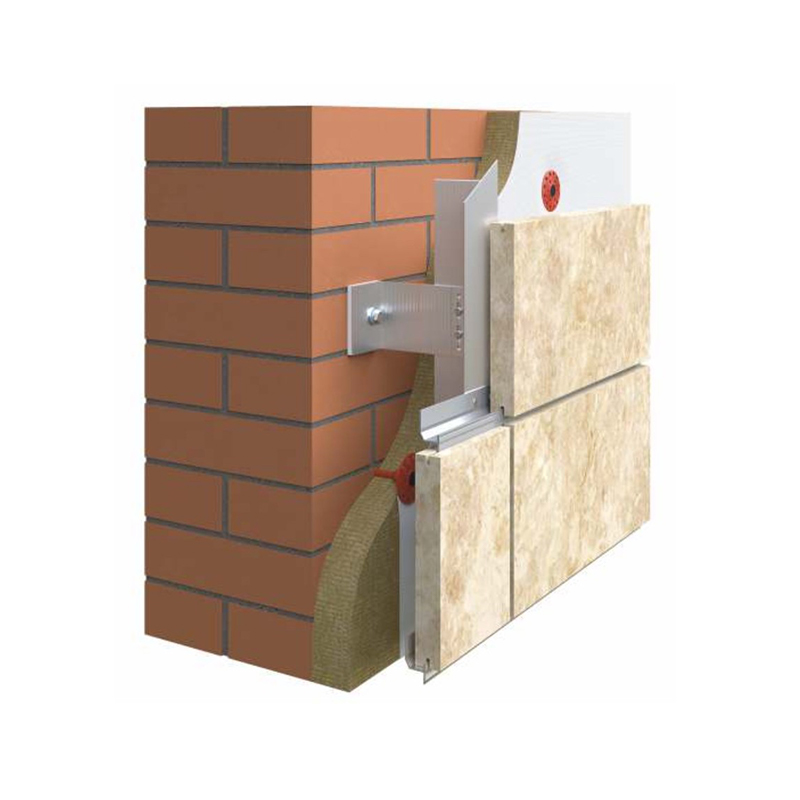
Facade System AOZ-v-20FACING MATERIAL:Natural stone slabs (medium hard rocks, hard rocks), agglomerate granite composite slabsFIXING:Concealed mountin...
See Details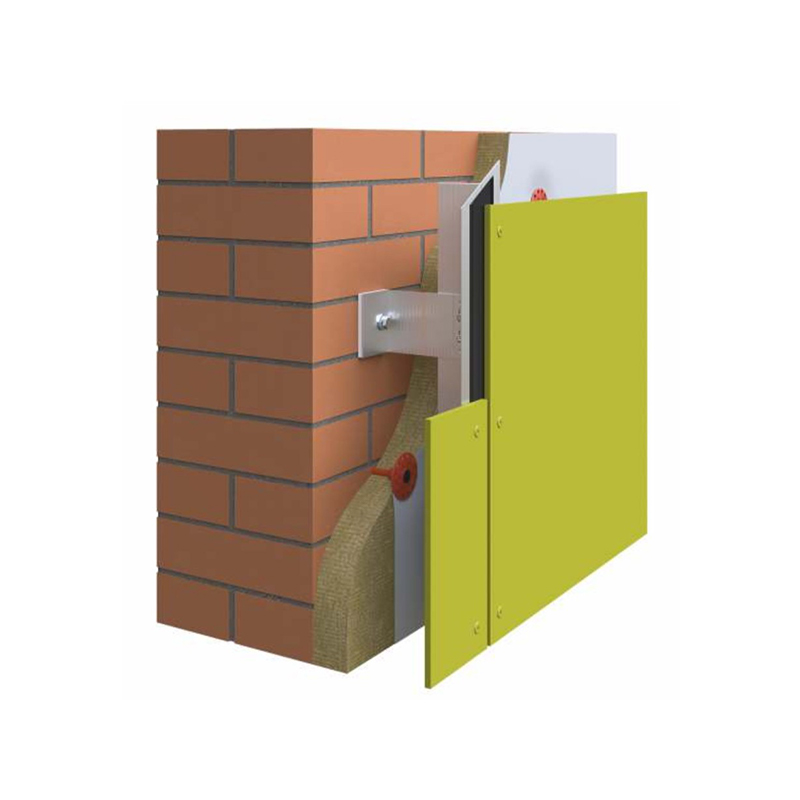
Facade System AOZ-v-100FACING MATERIAL:Fibre cement panels, HPL panels, RockPanels, asbestos cement slabs, aluminium composite panels, steel composite...
See Details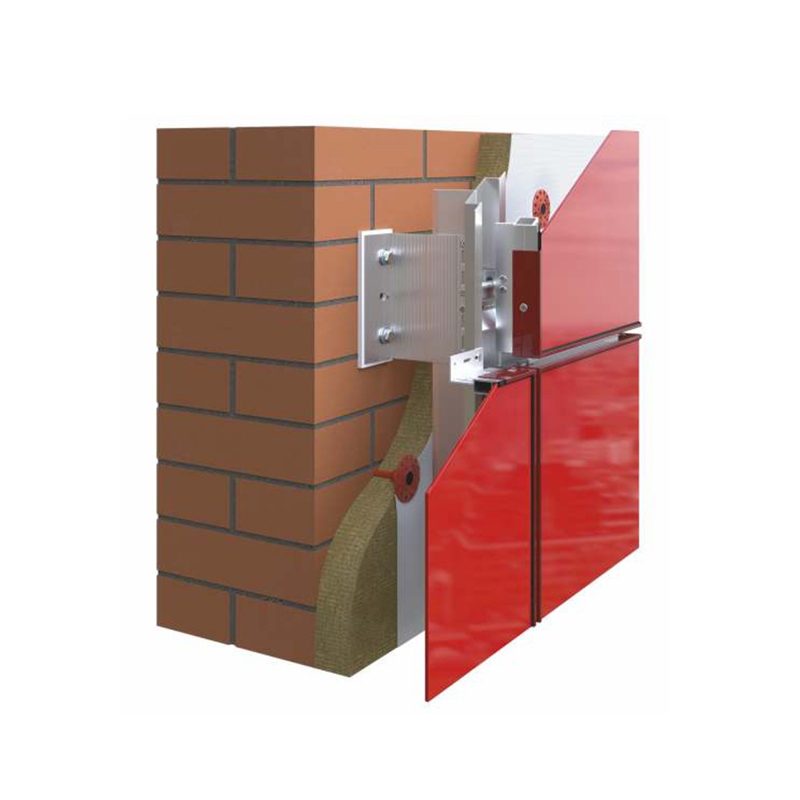
Facade System A0Z-v-300FACING MATERIAL:Tempered glass and stimulate 4 to 8 mm thickFIXING:Concealed with latches (slide holders and cassette hangers),...
See Details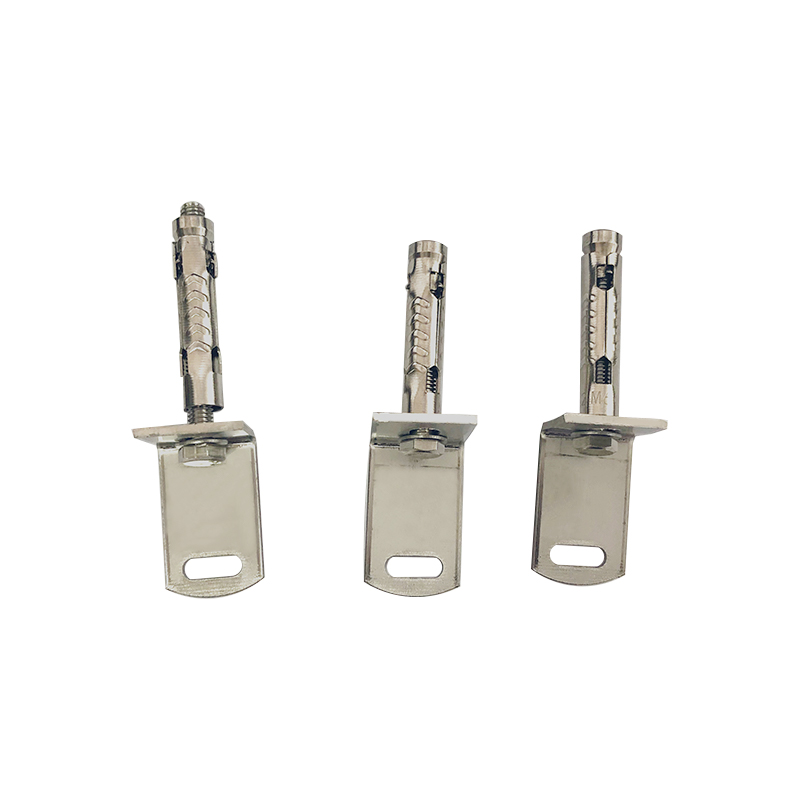
Cladding System L bracket is a supporting and fixing device specially designed for marble corners. With its unique L-shaped design, it provides stable...
See Details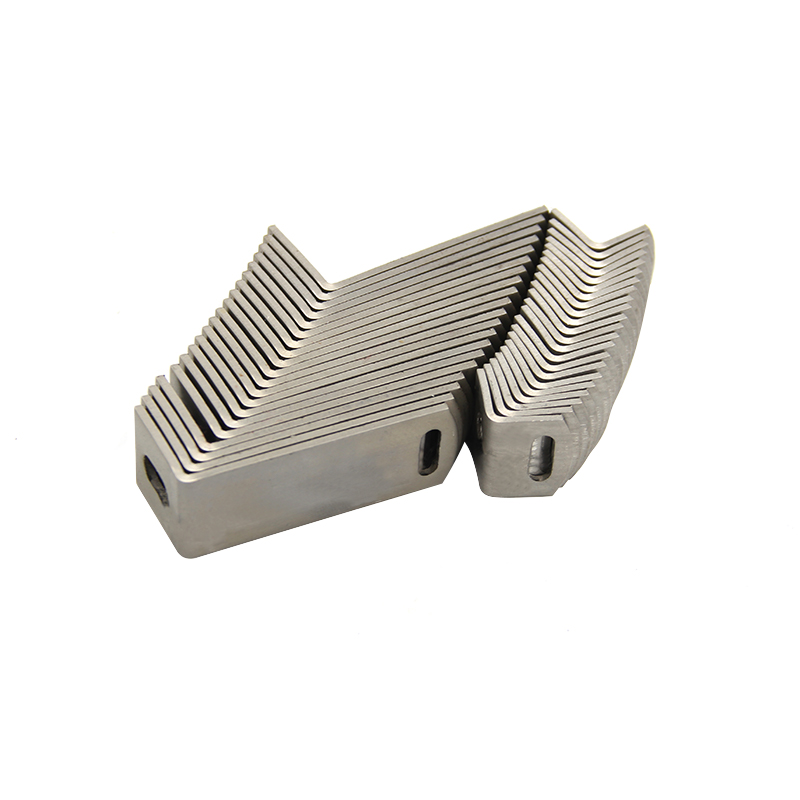
L cladding system Marble clamp is an advanced stone curtain wall fixing system specially used for installing heavy stone panels such as marble. The co...
See Details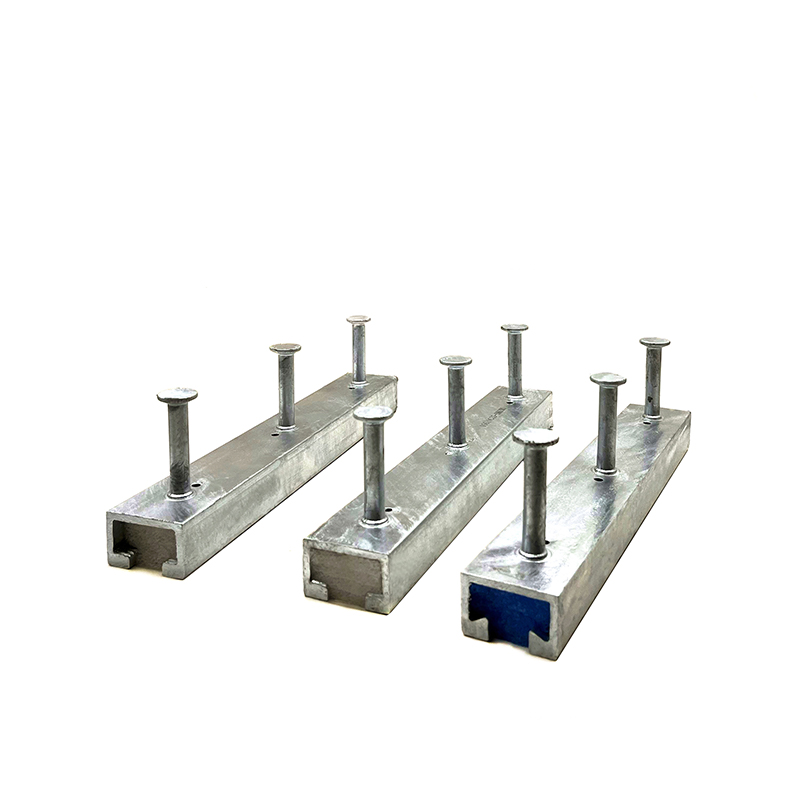
Hot roll anchor channel is an important steel material widely used in buildings, bridges, roads, and other civil engineering structures. It is produce...
See Details
We will wholeheartedly provide you with high quality products, reasonable price, on-time delivery and attentive service.
Maoshan Taiwan Business Industrial Park, Dinan Town, Xinghua City, Jiangsu Province, China

+86-523-82799922

+86-15996094444

+86-523-82799933


Copyright © Jiangsu Aozheng Metal Products Co., Ltd. All Rights Reserved.
 English
 русский
 Español
 عربى
عربى

Contact Us