-
 Tel:
Tel:+86-15996094444
-
 E-mail:
INQUIRE NOW
+86-15996094444
INQUIRE NOW

Article Directory
In the modern architectural landscape, the building envelope is no longer just a protective shield but a sophisticated thermal barrier. As global energy standards tighten, the role of cladding support brackets has evolved from simple structural fasteners to critical components in thermal management. Jiangsu Aozheng Metal Products Co., Ltd., a premier industry-and-trade enterprise, specializes in the R&D and production of stainless steel and aluminum alloy architectural hardware. With an annual output of over 2,000 tons and a global footprint spanning from the Middle East to Europe and North America, we utilize advanced automated cutting and welding to manufacture high-end cladding support brackets. By integrating thermal break technology, these systems address the "weakest link" in façade insulation: thermal bridging.
Thermal bridging occurs when highly conductive materials, such as aluminum or steel cladding support brackets, bypass the insulation layer, creating a direct path for heat transfer. This leads to energy loss, cold internal spots, and the risk of interstitial condensation. According to the 2025 technical update by the International Energy Agency (IEA), structural thermal bridging in poorly designed façades can account for up to 30% of a building's total heating and cooling load. To mitigate this, an aluminum cladding bracket with thermal pad is utilized to decouple the metal bracket from the substructure using high-performance insulating materials like reinforced polyamide or PVC, effectively "breaking" the thermal bridge.
Source: IEA - Technology Roadmap: Energy Efficient Building Envelopes
Standard metallic brackets act as "fins" that pull heat out of the building in winter and push it in during summer. Conversely, an energy efficient rainscreen support system utilizes thermal isolators to maintain the continuity of the insulation layer, resulting in significantly higher effective R-values for the wall assembly.
| Mechanical Parameter | Standard Metallic Bracket | Aluminum cladding bracket with thermal pad |
| Thermal Conductivity | High (Uninterrupted metal path) | Low (Isolated by non-conductive pad) |
| Condensation Risk | High (Surface temperature drop) | Minimal (Maintains internal warmth) |
| Total Façade R-Value | Significantly reduced by bridging | Optimized; nears nominal insulation value |
| Energy Loss Contribution | Major (up to 20-30% loss) | Negligible (Near-zero thermal bridge) |
While energy efficiency is vital, cladding support brackets must also support the dead load of the cladding panels and the dynamic loads of wind pressure. For high-rise developments, the stainless steel bracket for stone cladding is often the preferred choice due to its high tensile strength and corrosion resistance. Recent data from the American Society of Civil Engineers (ASCE) 2024 Standards emphasizes that as façade systems become heavier with triple-glazing and thick insulation, the load-bearing capacity of brackets must be verified through finite element analysis (FEA) to prevent structural fatigue while maintaining thermal efficiency. Jiangsu Aozheng addresses this by using advanced automated stamping and welding to ensure every heavy duty façade support bracket maintains its structural integrity without compromising the thermal break.
Source: ASCE - Minimum Design Loads and Associated Criteria for Buildings 2024
Stainless steel offers lower thermal conductivity than aluminum but is heavier. However, an aluminum cladding bracket with thermal pad can often achieve comparable energy performance at a lower weight, making it ideal for large-scale commercial rainscreen applications.
| Material Metric | Stainless steel bracket for stone cladding | Aluminum Alloy Bracket |
| Inherent Conductivity | Low (for a metal) | High |
| Corrosion Resistance | Exceptional (Grade 304/316) | High (when anodized/powder coated) |
| Weight-to-Strength Ratio | Excellent for heavy stone | Superior for lightweight panels |
| Cost Efficiency | High-end investment | Moderate / Commercial standard |
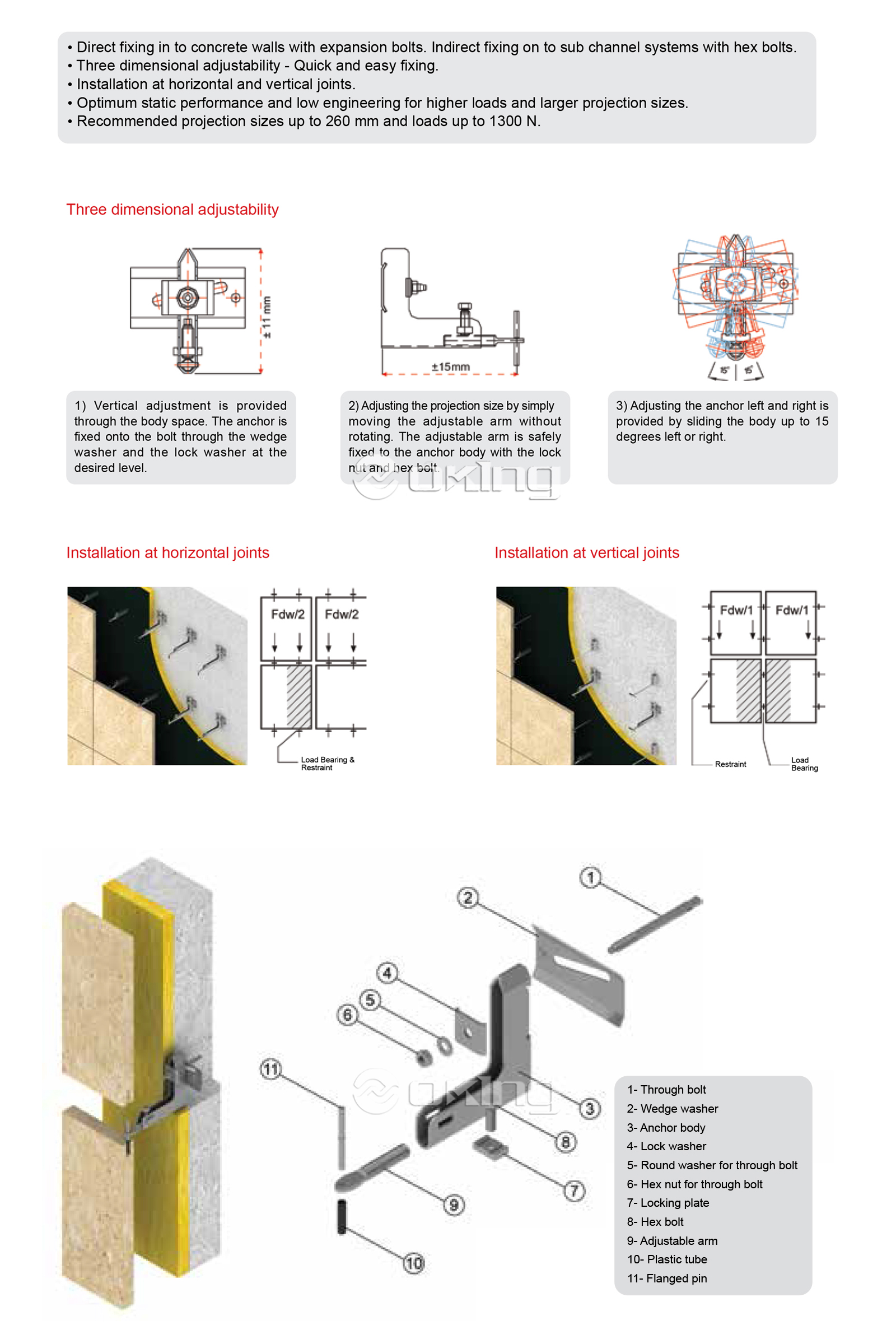
For large construction companies and architectural teams, the reliability of a wholesale cladding fixing system supplier is paramount. At Jiangsu Aozheng Metal Products Co., Ltd., we understand that every façade project has unique geometric requirements. Our production base is equipped to handle adjustable cladding support brackets for uneven walls, allowing for millimetric precision during installation. This adjustability ensures that the air gap in the rainscreen is maintained perfectly, which is essential for both moisture drainage and secondary thermal insulation (the "chimney effect").
While results vary by climate, using an energy efficient rainscreen support system with thermal breaks can reduce the overall heating and cooling energy consumption of a building by 10% to 15% by eliminating heat bypass through the cladding support brackets.
Aluminum alloy brackets are excellent for lightweight panels. However, for heavier materials like granite or marble, a stainless steel bracket for stone cladding is usually recommended due to its higher load-bearing capacity and lower creep rate.
We provide adjustable cladding support brackets for uneven walls. These feature slotted holes and extension arms that allow the installation team to create a perfectly plumb façade even if the concrete or steel structure is slightly out of alignment.
Our thermal pads are made from fire-rated materials like reinforced polyamide, ensuring that the heavy duty façade support bracket assembly complies with stringent fire safety standards for high-rise buildings.
Yes. For coastal projects, we recommend our Grade 316 cladding support brackets or specially treated aluminum alloys to ensure a service life that matches the building's lifespan.
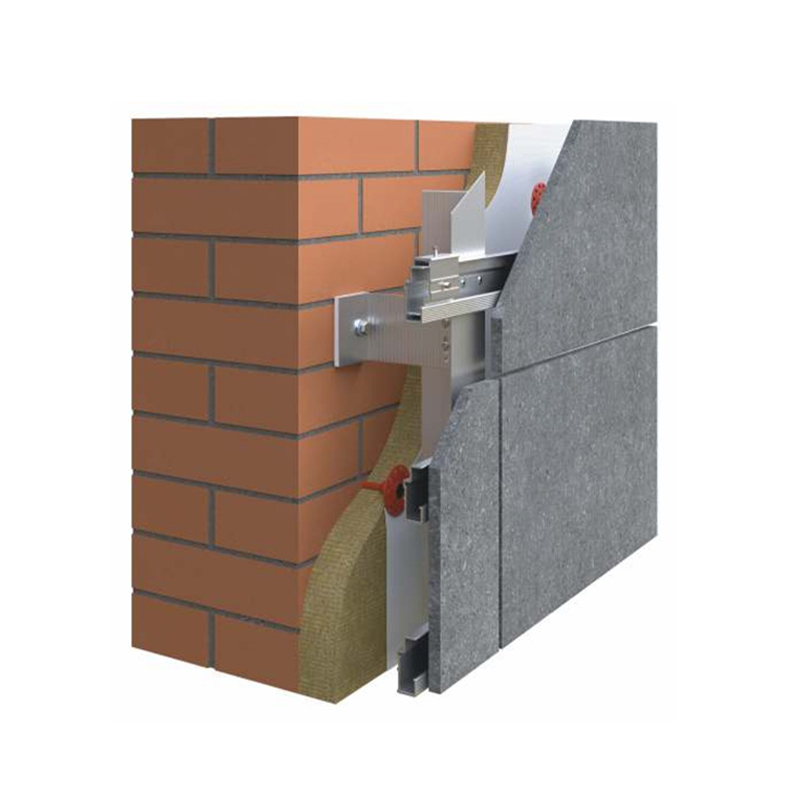
Facade System A0Z-v-20FACING MATERIALS:Porcelain stoneware tiles, natural stone slabs, textured glass-fiber reinforced concrete slabs, fiberglass comp...
See Details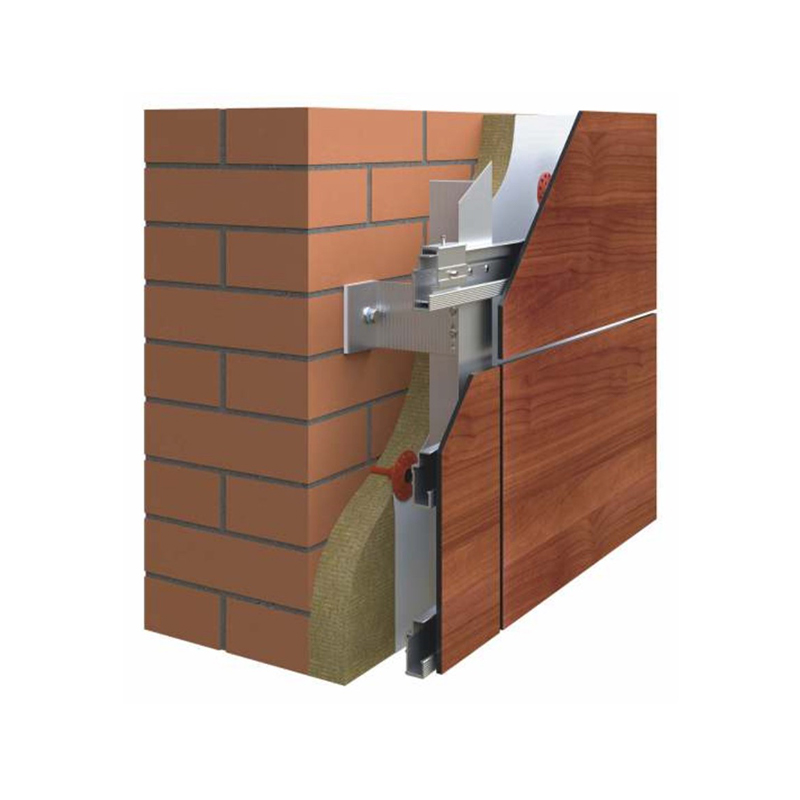
Facade System A0Z-v-20FACING MATERIAL:Fiber cement panels, RockPanels, HPL panelsFIXING:concealed with KEIL anchors, TRAG profile, and hangersMAX FACI...
See Details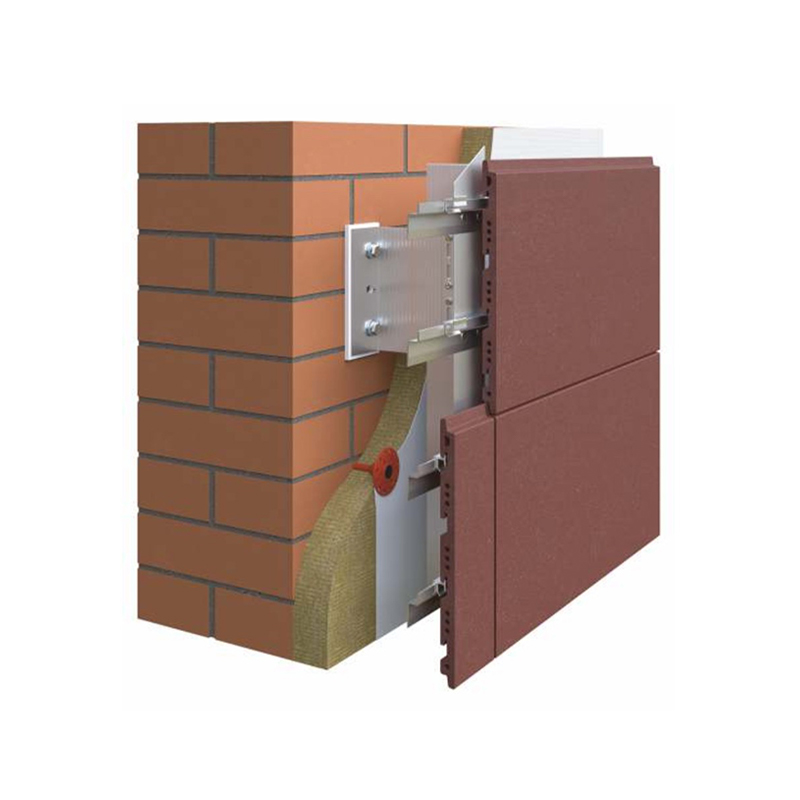
Facade System AOZ-v-350FACING MATERIAL:Horizontally oriented solid and hollow terracotta tilesFIXING:Concealed with clamps fixed to horizontal barsMAX...
See Details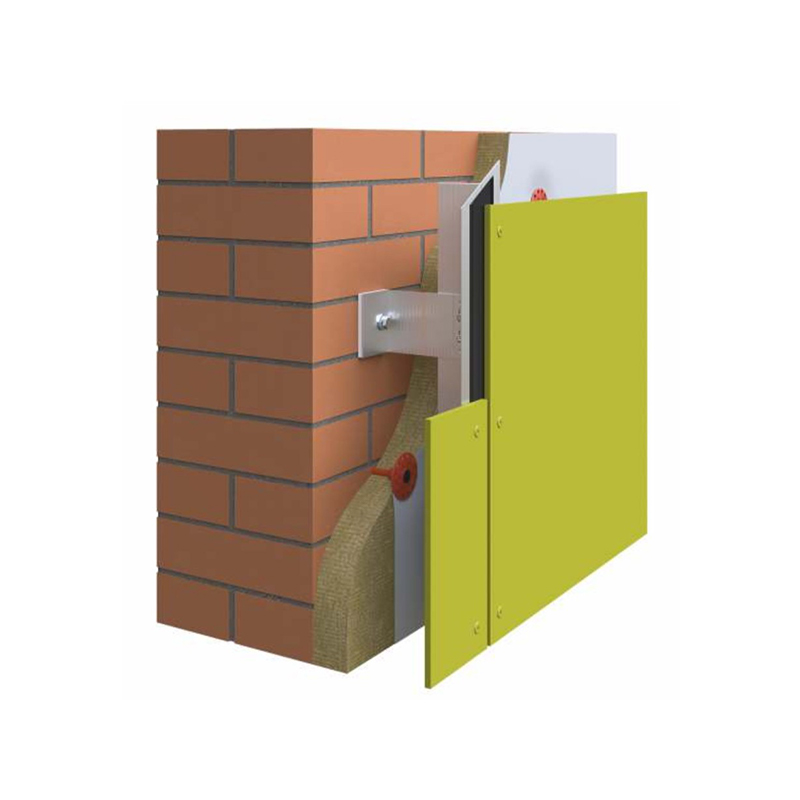
Facade System AOZ-v-100FACING MATERIAL:Fibre cement panels, HPL panels, RockPanels, asbestos cement slabs, aluminium composite panels, steel composite...
See Details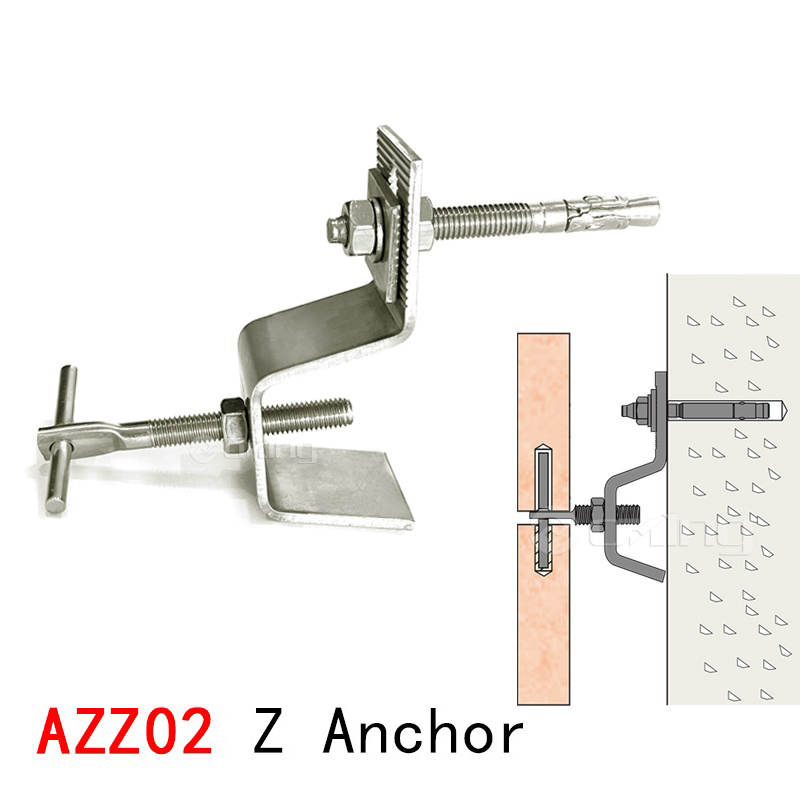
● Material : Stainless Steel 1.4301 [A2) & 1.4401 [A4]● The table above is prepared according to LGA test results● Loads stated are characteristic...
See Details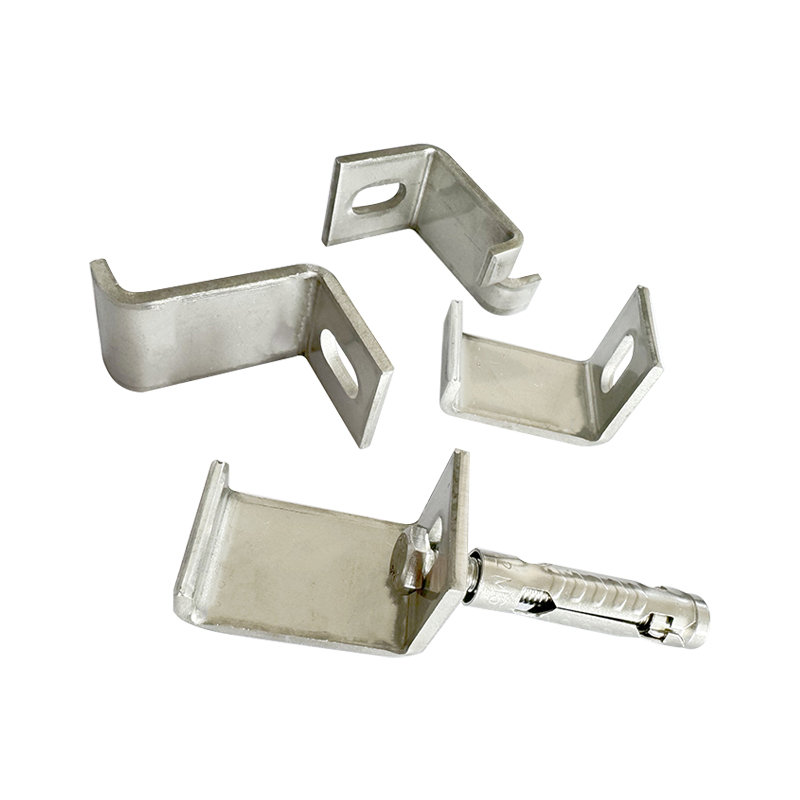
The stainless steel dry-hanging upper bracket is a support component specially designed for dry-hanging installation. Its performance and durability m...
See Details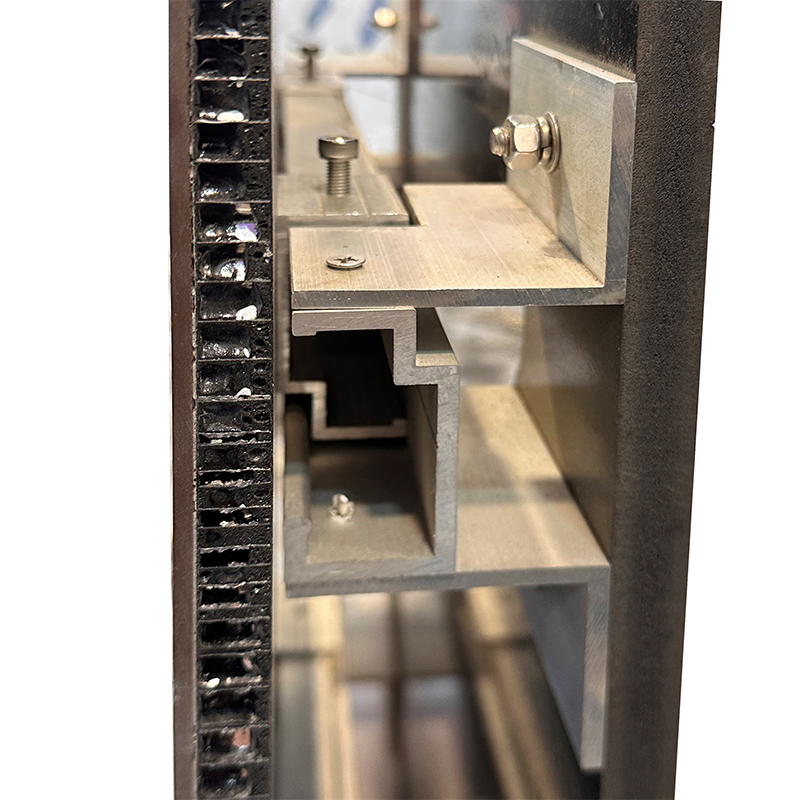
The honeycomb panel pendant mainly consists of the following accessories:Pendant body: This is the core part of the pendant, which is usually made of ...
See Details
We will wholeheartedly provide you with high quality products, reasonable price, on-time delivery and attentive service.
Maoshan Taiwan Business Industrial Park, Dinan Town, Xinghua City, Jiangsu Province, China

+86-523-82799922

+86-15996094444

+86-523-82799933


Copyright © Jiangsu Aozheng Metal Products Co., Ltd. All Rights Reserved.
 English
 русский
 Español
 عربى
عربى

Contact Us