-
 Tel:
Tel:+86-15996094444
-
 E-mail:
INQUIRE NOW
+86-15996094444
INQUIRE NOW

Article Directory
Stainless steel cladding system brackets are essential components in modern construction, providing structural support and aesthetic appeal to building exteriors. These specialized brackets serve as the critical link between the cladding panels and the building structure, ensuring durability, weather resistance, and long-term performance.
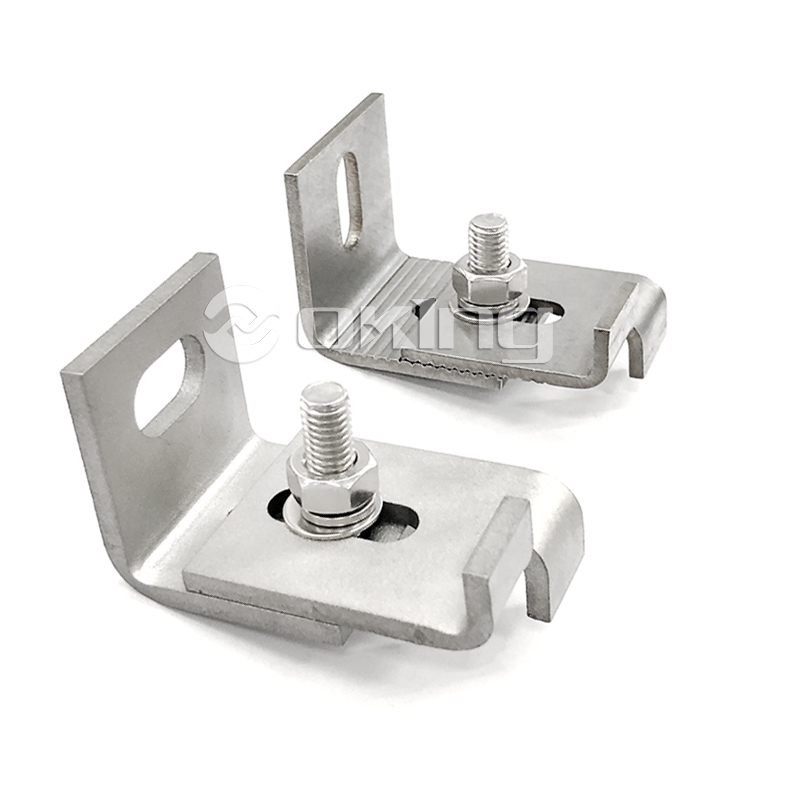
Stainless Steel Adjustable L Angle
Stainless steel offers numerous advantages for cladding system brackets that other materials cannot match. The corrosion resistance of stainless steel makes it particularly suitable for exterior applications where exposure to weather elements is constant. Unlike carbon steel or aluminum alternatives, stainless steel maintains its structural integrity even in harsh environments.
When comparing stainless steel to other common bracket materials:
| Material | Corrosion Resistance | Strength | Maintenance Requirements |
|---|---|---|---|
| Stainless Steel | Excellent | High | Low |
| Carbon Steel | Poor (without coating) | High | High |
| Aluminum | Good | Medium | Medium |
When selecting stainless steel rainscreen cladding bracket specifications, several technical factors must be considered to ensure optimal performance. The bracket's load-bearing capacity, thermal performance, and compatibility with different cladding materials are all critical aspects that influence the selection process.
The load capacity of stainless steel cladding brackets varies significantly depending on their design and the grade of stainless steel used. Architects and engineers must carefully calculate the expected loads, including dead loads (the weight of the cladding system itself) and live loads (wind pressure, seismic activity, etc.).
Thermal bridging is a significant concern in modern building envelopes. High-quality stainless steel cladding brackets often incorporate thermal break technology to minimize heat transfer between the exterior cladding and the building structure. This feature is particularly important in energy-efficient buildings where thermal performance directly impacts heating and cooling costs.
Proper installation of exterior cladding support brackets is crucial for the long-term performance of the entire cladding system. Following industry best practices ensures structural integrity, weather resistance, and compliance with building codes.
Before installing stainless steel cladding brackets, thorough preparation is essential. This includes verifying structural drawings, checking substrate conditions, and ensuring all necessary components are available. The substrate (typically concrete or steel) must be properly prepared to receive the brackets, with particular attention paid to alignment and levelness.
The installation sequence for cladding brackets typically follows these steps:
Commercial buildings often require high load bearing stainless steel facade brackets to support heavier cladding materials or to accommodate unique architectural designs. These specialized brackets must meet stringent performance requirements while maintaining the aesthetic qualities expected in commercial architecture.
When designing or specifying high load-bearing brackets for commercial facades, engineers must consider multiple factors:
High load-bearing facade brackets typically require rigorous testing to verify their performance characteristics. Common tests include static load testing, fatigue testing, and corrosion resistance testing. Certifications from recognized building standards organizations provide assurance of the brackets' quality and reliability.
Coastal environments present unique challenges for building materials, making corrosion resistant cladding mounting brackets essential for long-term performance. The combination of salt spray, high humidity, and frequent temperature changes accelerates corrosion in standard materials.
Not all stainless steel grades offer equal protection against saltwater corrosion. For coastal applications, 316 stainless steel is typically recommended over the more common 304 grade due to its higher molybdenum content, which significantly improves resistance to chloride-induced corrosion.
Beyond material selection, several additional measures can enhance the corrosion resistance of cladding brackets in coastal areas:
Modern thermal break technology in metal cladding support systems has revolutionized the energy performance of building envelopes. These innovative systems minimize heat transfer through the bracket system while maintaining structural integrity and load-bearing capacity.
Thermal break brackets incorporate a non-conductive material (typically a high-strength polymer) between the interior and exterior portions of the bracket. This barrier significantly reduces heat flow while maintaining the mechanical connection required for structural support. The effectiveness of thermal breaks is measured by their Ψ-value (linear thermal transmittance), with lower values indicating better thermal performance.
Different thermal break technologies offer varying levels of performance:
| Thermal Break Type | Typical Ψ-value (W/mK) | Maximum Load Capacity | Suitable Applications |
|---|---|---|---|
| Basic Polymer Barrier | 0.05-0.08 | Medium | Residential, Low-rise |
| Reinforced Composite | 0.03-0.05 | High | Commercial, High-rise |
| Advanced Hybrid System | 0.01-0.03 | Very High | High-performance buildings |
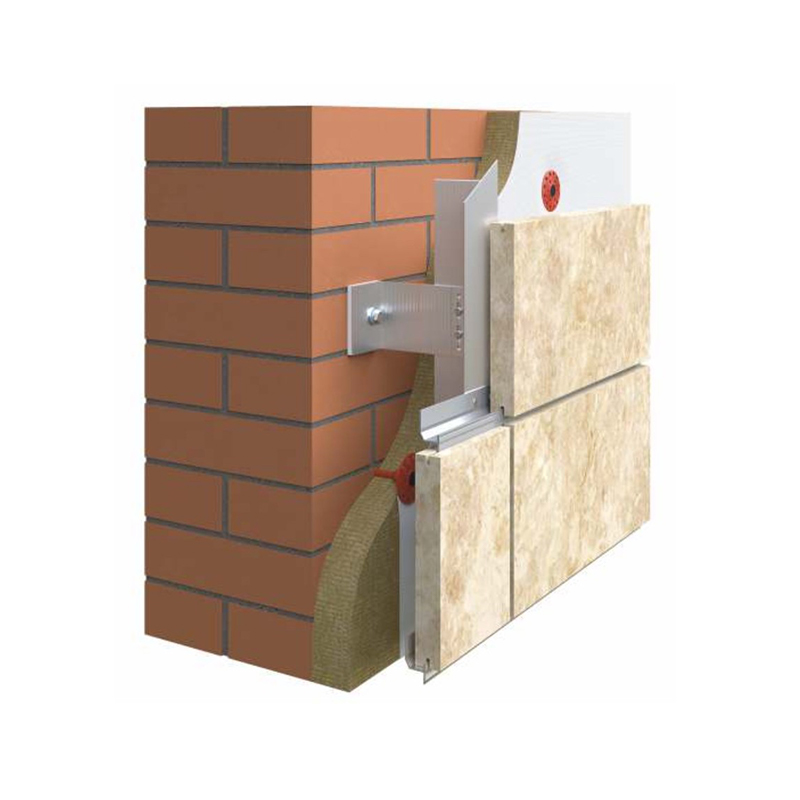
Facade System AOZ-v-20FACING MATERIAL:Natural stone slabs (medium hard rocks, hard rocks), agglomerate granite composite slabsFIXING:Concealed mountin...
See Details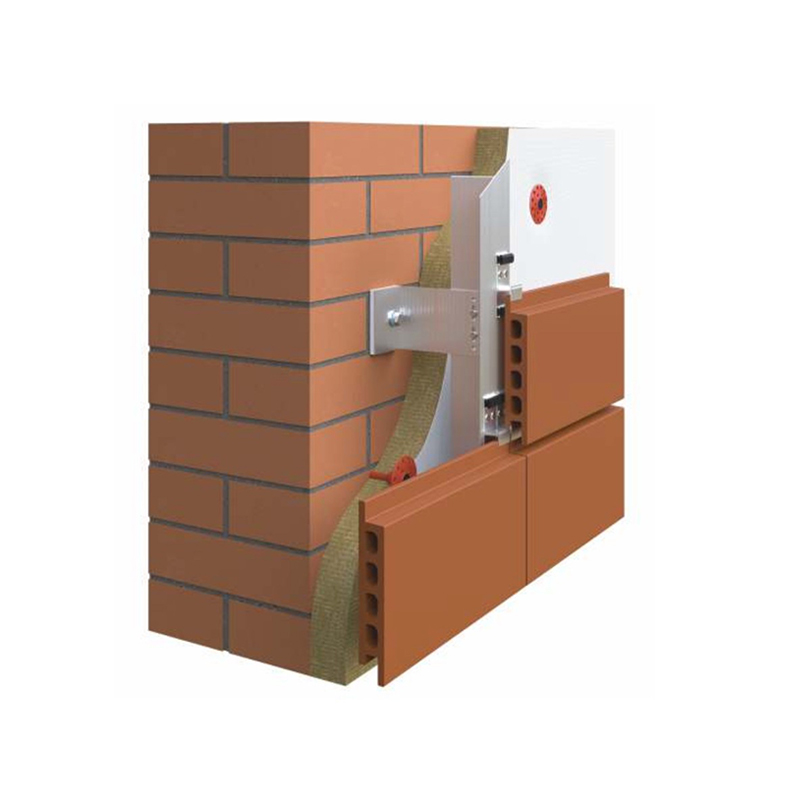
Facade System A0Z-v-350FACING MATERIAL:Horizontally-oriented solid and hollow terracotta tilesFIXING:Concealed with clamps or hold-down barsMAX FACING...
See Details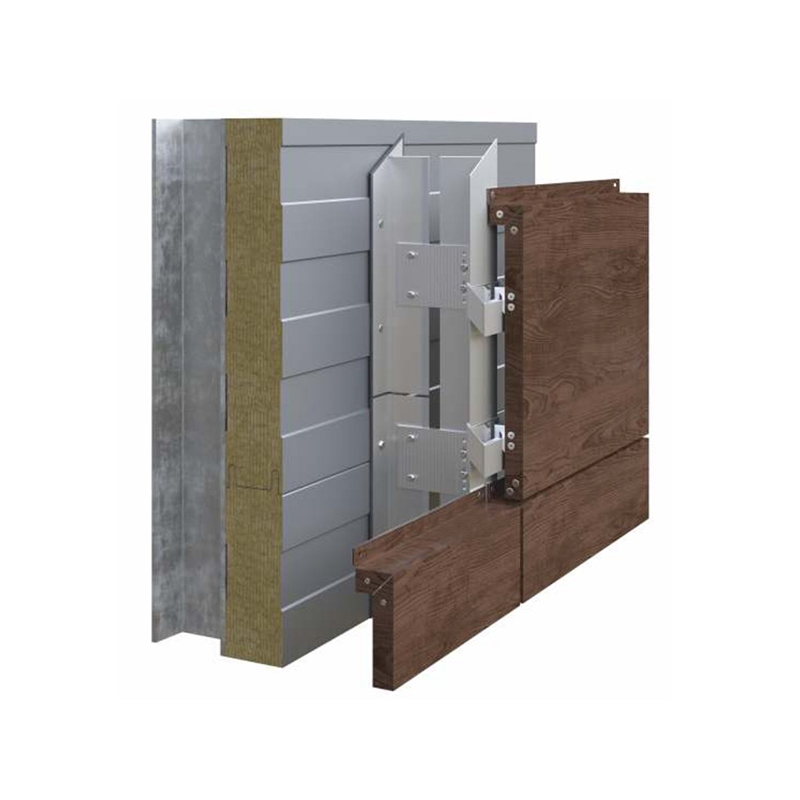
Facade System A0Z-v-300 DecoFACING MATERIAL:Porcelain stoneware tiles including large-sized tiles, fiber cement panels; HPL panels; RockPanels;Aluminu...
See Details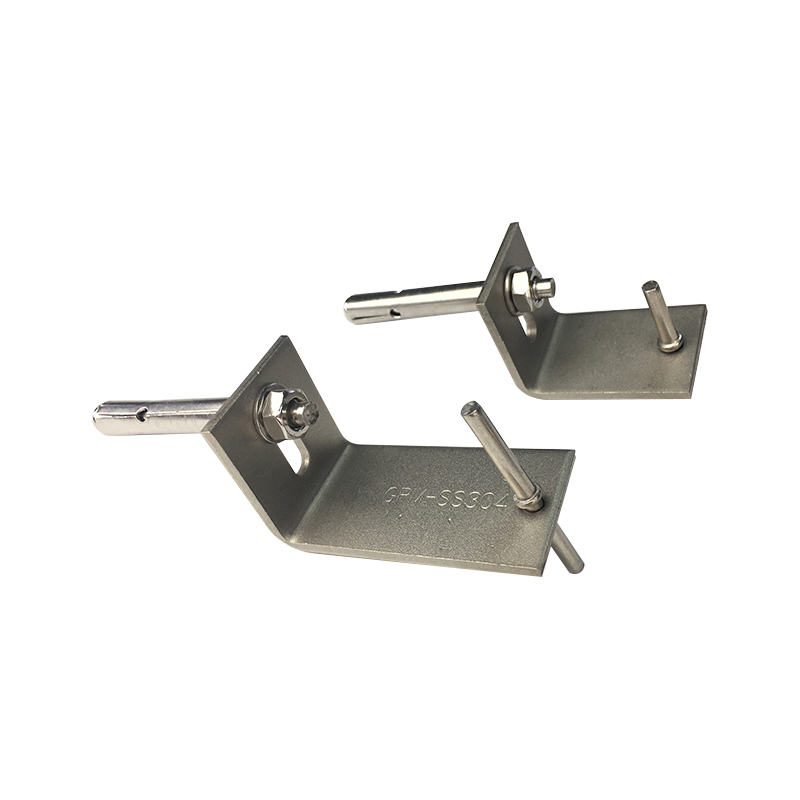
L Angle Bracket in the Cladding System is an important connecting element used to support and fix the boards or panels of building exterior walls. Wit...
See Details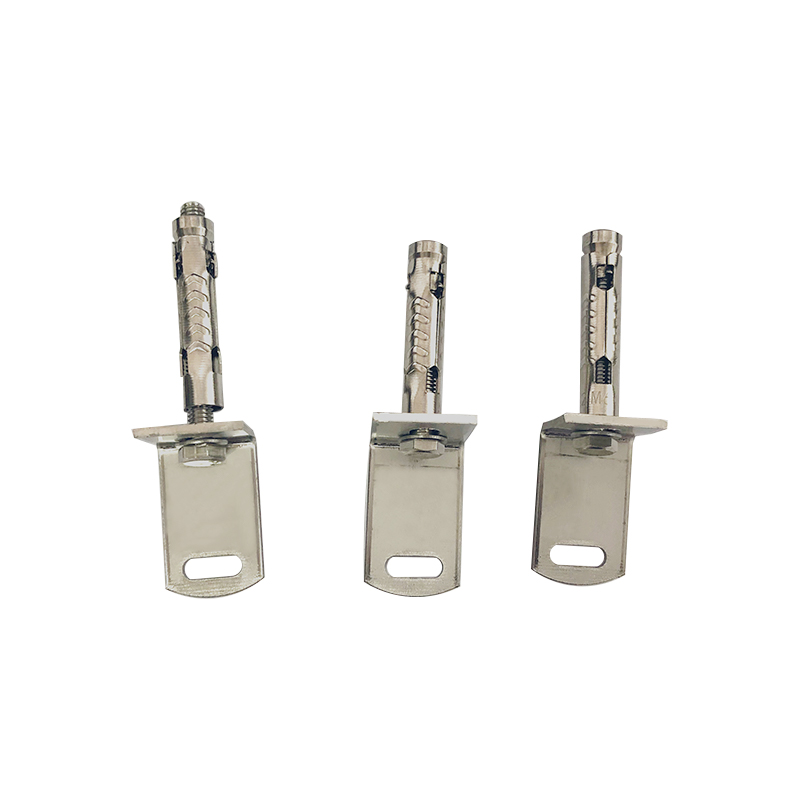
Cladding System L bracket is a supporting and fixing device specially designed for marble corners. With its unique L-shaped design, it provides stable...
See Details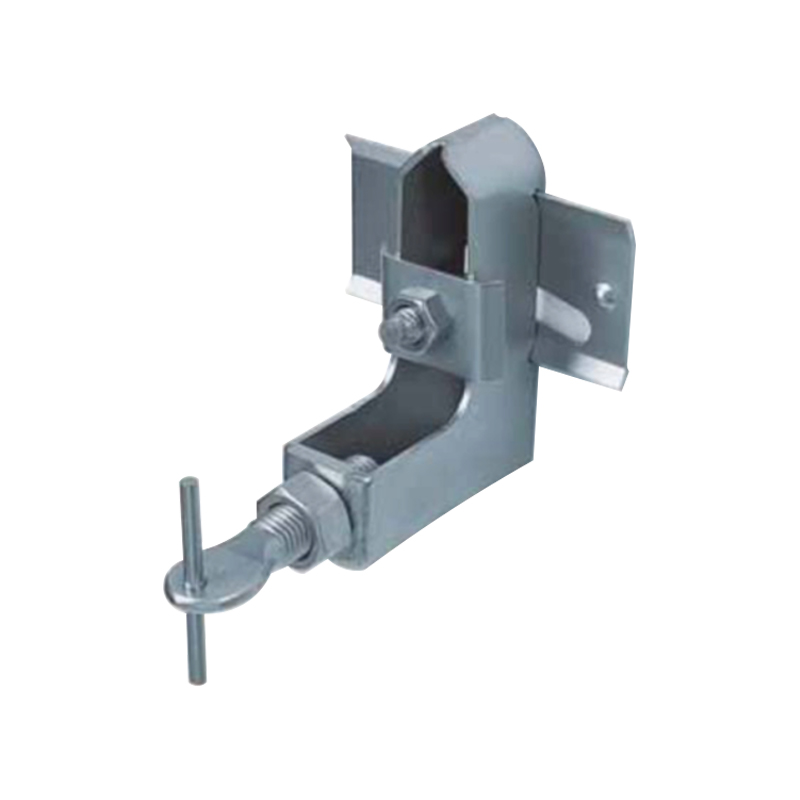
The Body Anchor Stone Support is a structural component engineered for the mechanical fixation of natural stone slabs, including granite, marble, and ...
See Details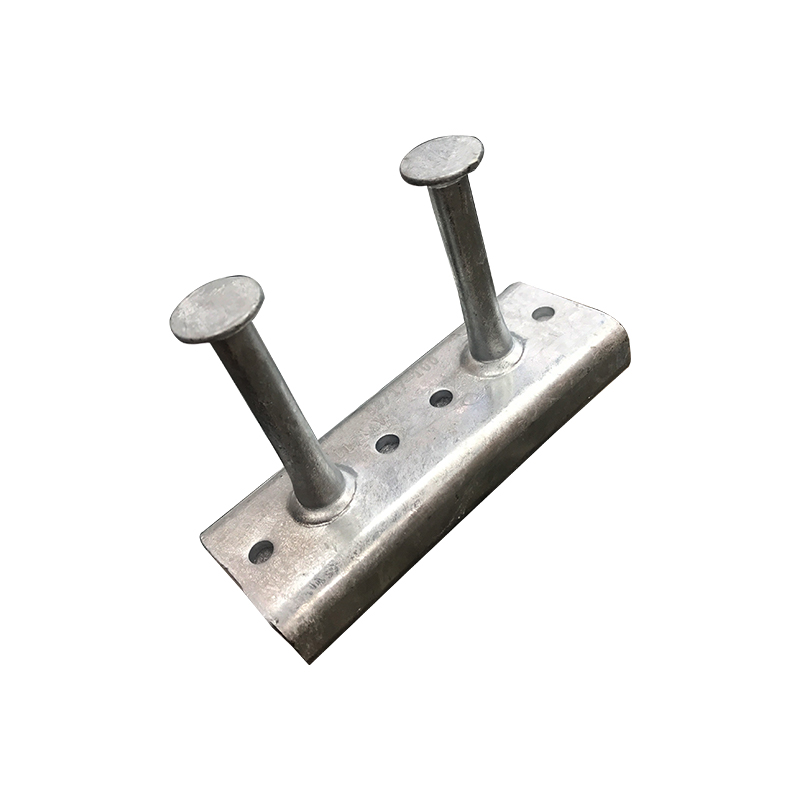
Cold roll cast-in anchor is an important building connector. This anchor is pre-buried in a predetermined position before concrete is poured and ensur...
See Details
We will wholeheartedly provide you with high quality products, reasonable price, on-time delivery and attentive service.
Maoshan Taiwan Business Industrial Park, Dinan Town, Xinghua City, Jiangsu Province, China

+86-523-82799922

+86-15996094444

+86-523-82799933


Copyright © Jiangsu Aozheng Metal Products Co., Ltd. All Rights Reserved.
 English
 русский
 Español
 عربى
عربى

Contact Us