-
 Tel:
Tel:+86-15996094444
-
 E-mail:
INQUIRE NOW
+86-15996094444
INQUIRE NOW

Article Directory
When it comes to securing heavy loads in brittle materials, screw-in-undercut anchors offer unparalleled performance. These specialized fasteners are designed to create mechanical interlock in base materials where traditional anchors might fail. Below are the five most effective applications:
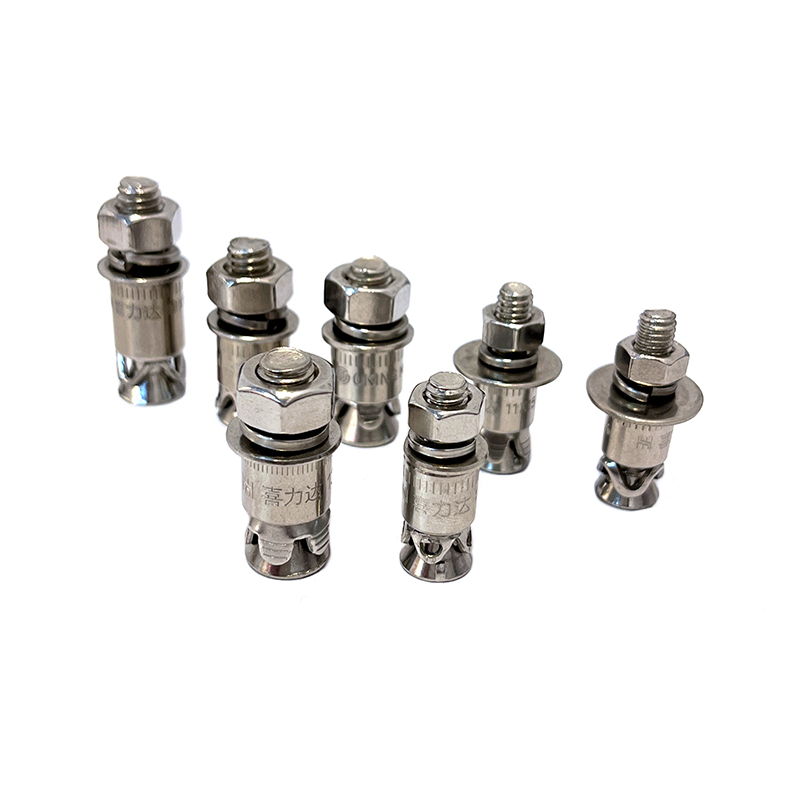
The unique design of screw-in-undercut anchors makes them ideal for overhead applications where vibration resistance is critical. Unlike expansion anchors that rely solely on friction, these create positive mechanical engagement:
Comparative analysis shows:
| Anchor Type | Overhead Performance | Vibration Resistance |
|---|---|---|
| Screw-In-Undercut | Excellent | Superior |
| Wedge Anchors | Good | Moderate |
| Sleeve Anchors | Fair | Poor |
Where minimum edge and spacing requirements limit other anchor types, screw-in-undercut anchors for thin concrete provide exceptional load capacity. Their undercutting action distributes stress deeper in the material:
Understanding the performance differences helps engineers select the right fastener:
In standardized testing, screw-in-undercut anchors demonstrate 20-35% higher ultimate load values compared to similar-sized expansion anchors in cracked concrete:
| Anchor Size | Undercut Anchor (kN) | Wedge Anchor (kN) |
|---|---|---|
| M10 | 25.4 | 18.7 |
| M12 | 36.2 | 27.5 |
The screw-in-undercut anchor installation process eliminates several common issues found with other mechanical anchors:
Correct installation is critical for achieving rated performance:
Unlike conventional anchors, screw-in-undercut anchors require specific hole geometry:
The characteristic undercut forms through controlled rotation:
Even premium anchors encounter installation challenges:
The high stresses generated during undercut formation require careful planning:
While most screw-in-undercut anchors feature stainless steel construction, additional protection may be needed:
| Environment | Protection Level | Expected Service Life |
|---|---|---|
| Indoor Dry | A2 Stainless | 50+ years |
| Coastal | A4 Stainless | 30 years |
Recent advancements have expanded application possibilities:
New generation anchors address challenges in non-traditional substrates:
Redesigned undercut profiles now meet stringent seismic requirements:
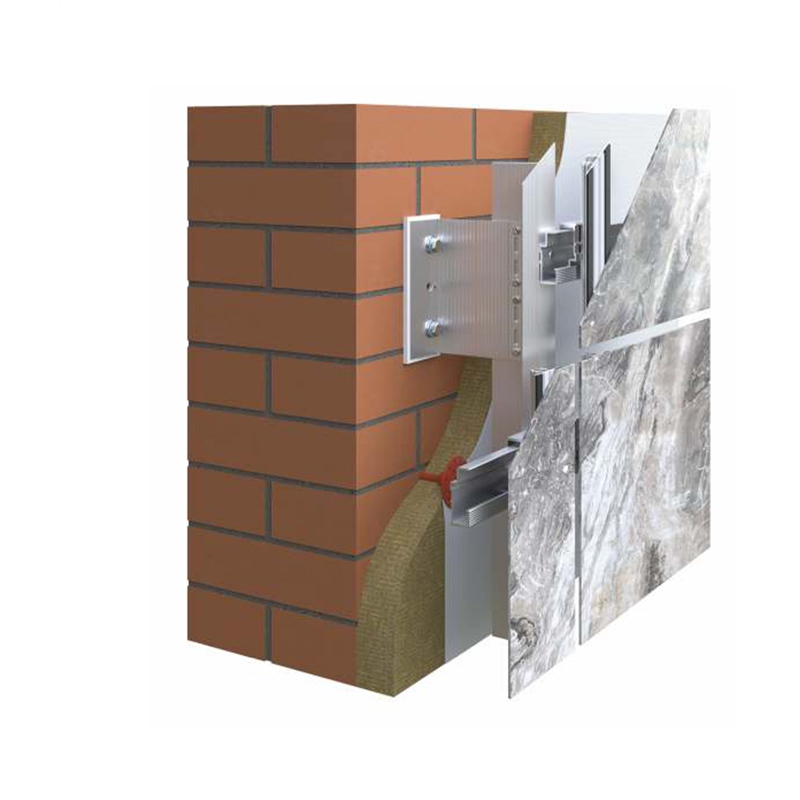
Facade System AOZ-v-300FACING MATERIAL:Tempered glass and stimulate 4 to 8 mm thickFIXING: .Concealed: adhesive binding with M-profile, TRAG profile, ...
See Details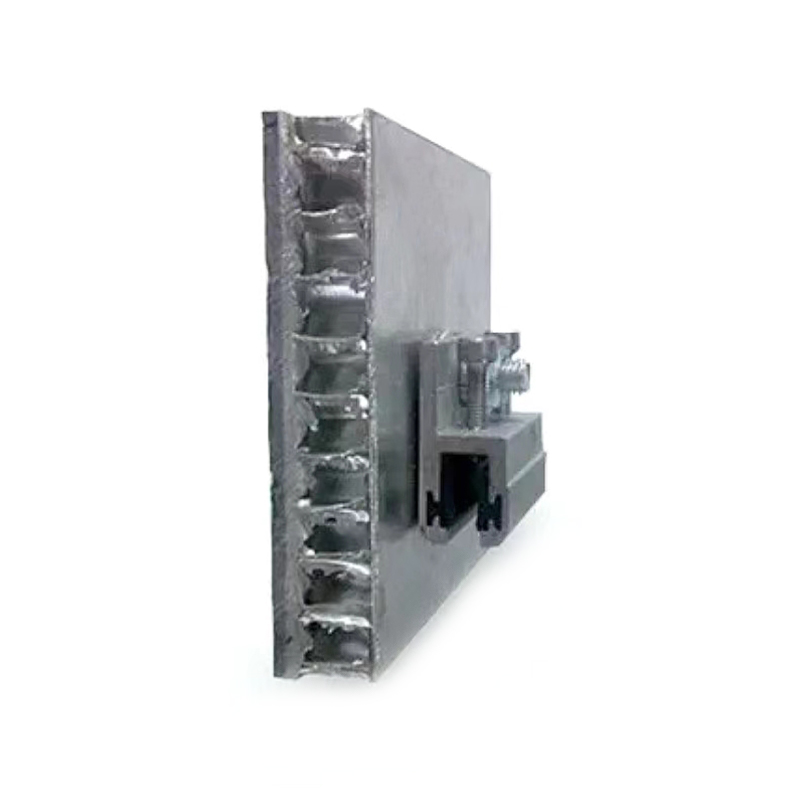
The honeycomb panel pendant mainly consists of the following accessories:Pendant body: This is the core part of the pendant, which is usually made of ...
See Details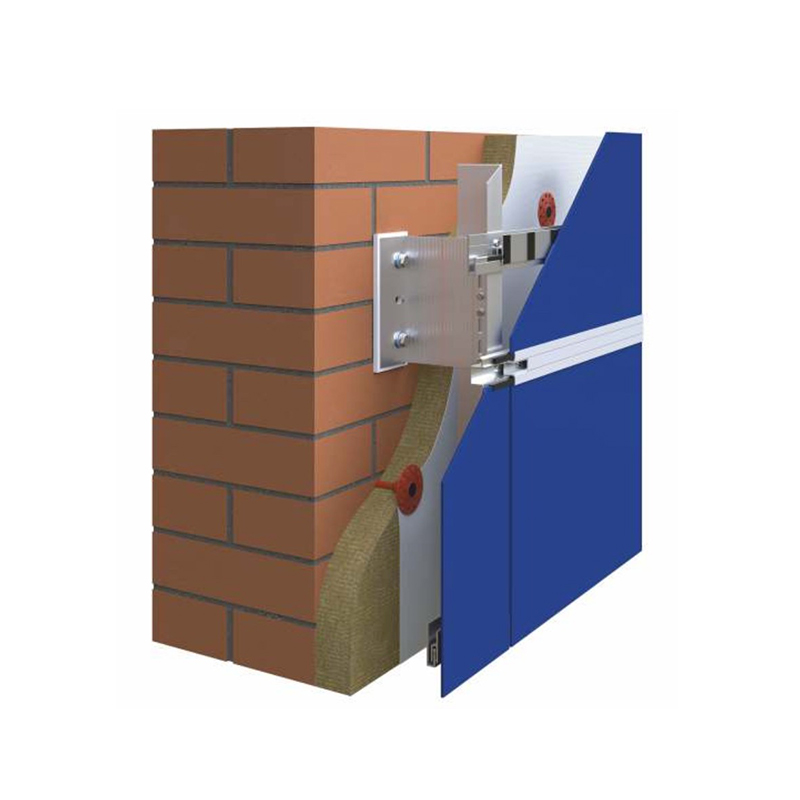
Facade System A0Z-v-300FACING MATERIAL:Tempered glass and stimulate 4 to 8 mm thickFIXING:Mixed: visible with mechanically mounted three-part horizont...
See Details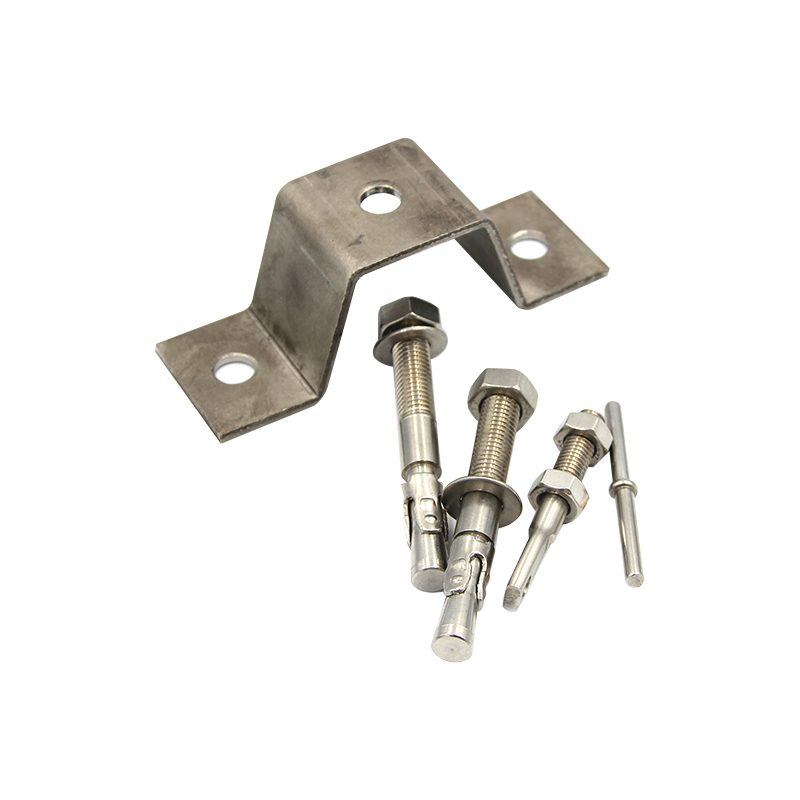
Fixing systems can accommodate all types of backing structures, whether it may be concrete walls, block work & masonry walls, or steel structures....
See Details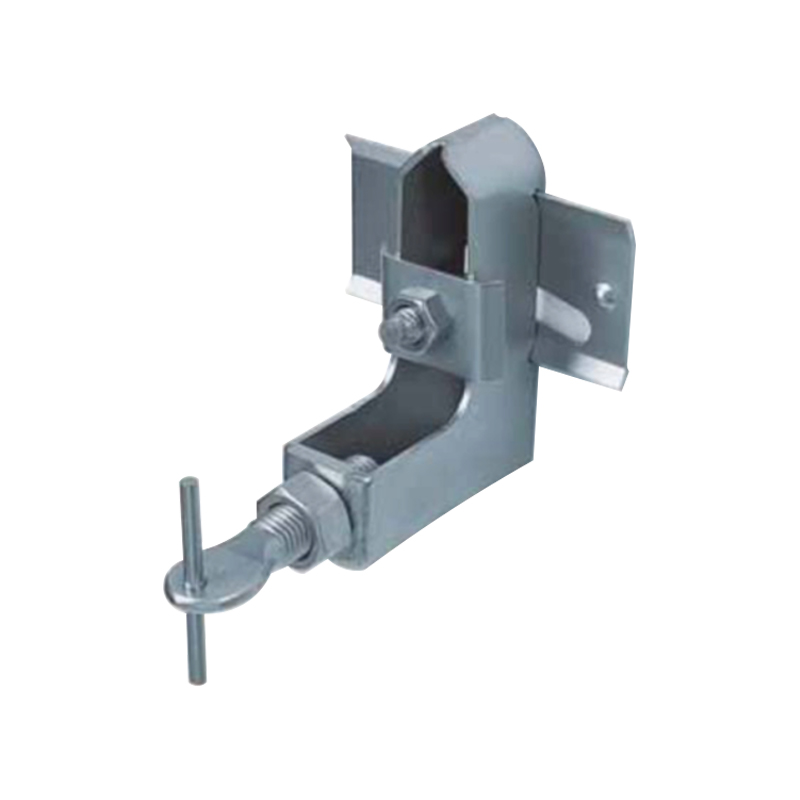
The Body Anchor Stone Support is a structural component engineered for the mechanical fixation of natural stone slabs, including granite, marble, and ...
See Details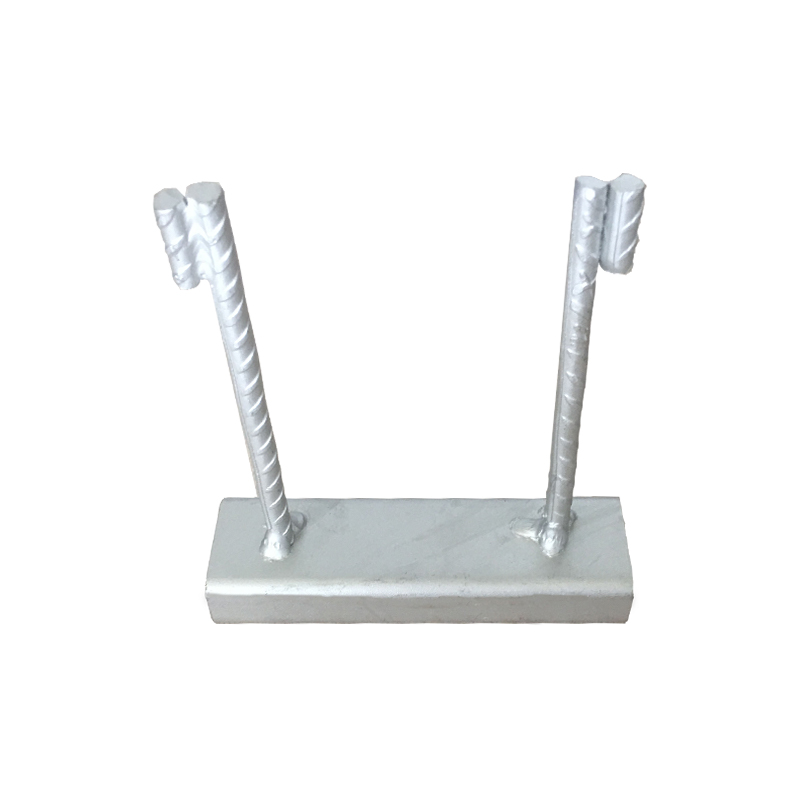
A welded anchor channel, referred to as welded anchor channel or anchor channel, is a special channel used in concrete structures and fixed by welding...
See Details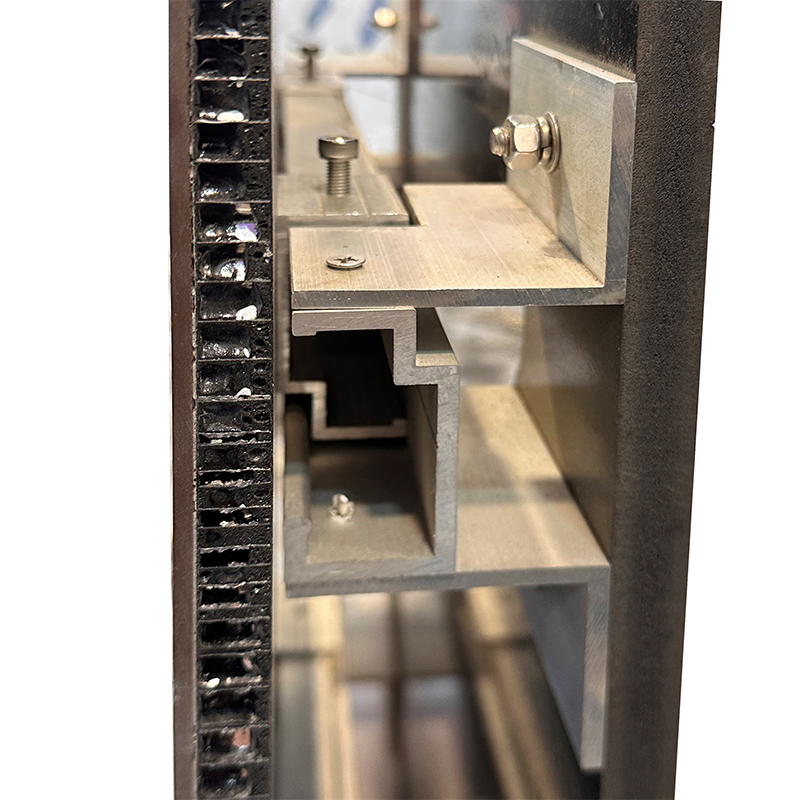
The honeycomb panel pendant mainly consists of the following accessories:Pendant body: This is the core part of the pendant, which is usually made of ...
See Details
We will wholeheartedly provide you with high quality products, reasonable price, on-time delivery and attentive service.
Maoshan Taiwan Business Industrial Park, Dinan Town, Xinghua City, Jiangsu Province, China

+86-523-82799922

+86-15996094444

+86-523-82799933


Copyright © Jiangsu Aozheng Metal Products Co., Ltd. All Rights Reserved.
 English
 русский
 Español
 عربى
عربى

Contact Us