-
 Tel:
Tel:+86-15996094444
-
 E-mail:
INQUIRE NOW
+86-15996094444
INQUIRE NOW

Article Directory
A 20-story commercial tower commonly carries 900 to 1,400 cladding panels on a single elevation, and every panel transfers its weight and wind load through a small metal bracket that disappears from view once the facade is closed. For B2B buyers - facade contractors, precast producers, and design-assist teams - that bracket, together with the anchor channel or bolt behind it, is not a commodity accessory. It is the structural interface that determines whether a building envelope performs for 50 years or fails within five. This article covers the engineering and procurement factors that matter most when specifying a facade cladding fixing system for commercial and institutional projects.
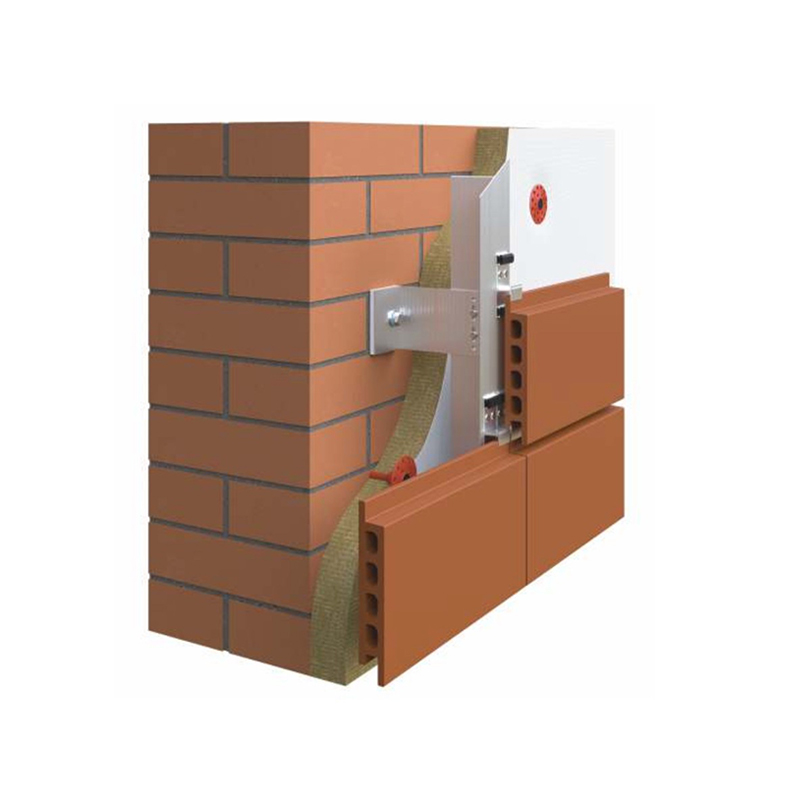
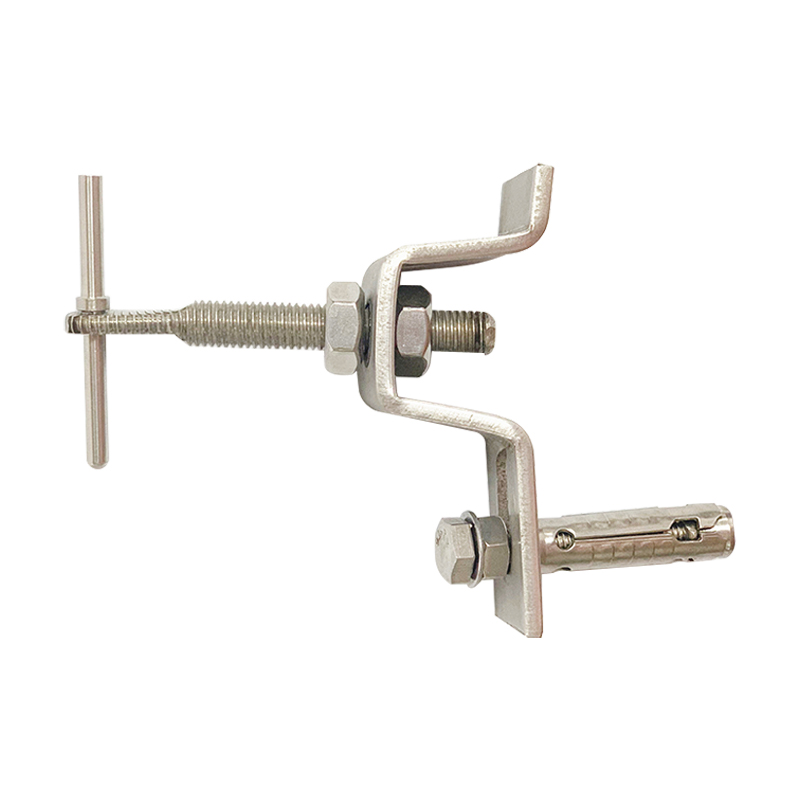
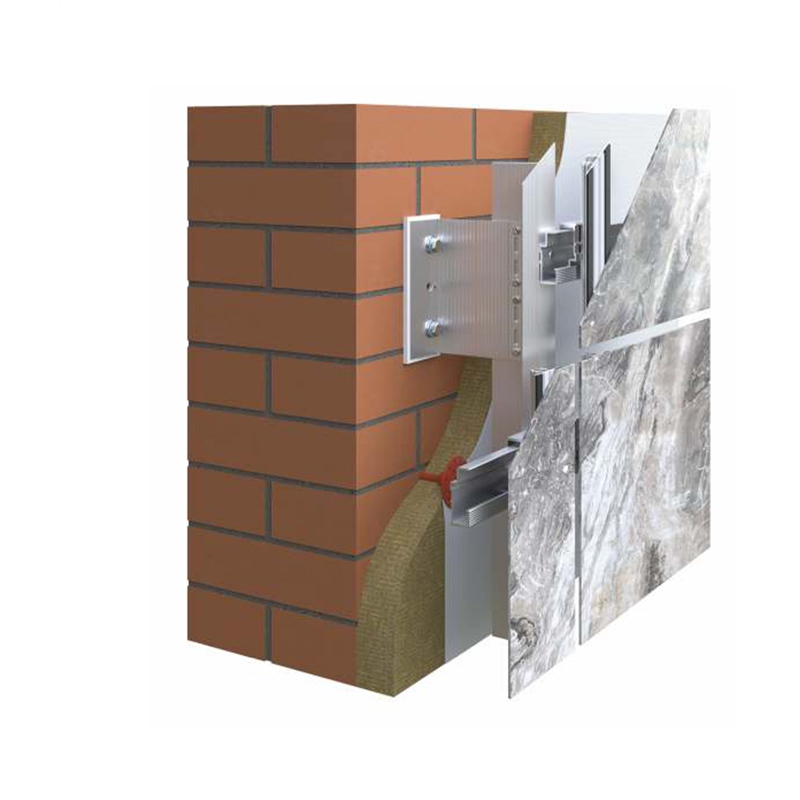
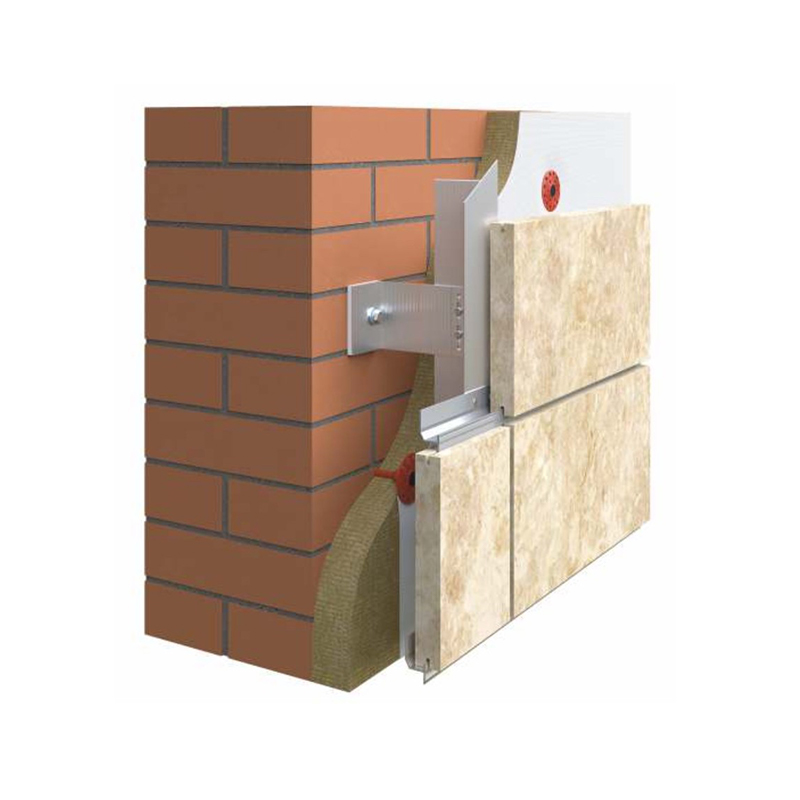
A facade cladding fixing system is an engineered set of metal brackets, embed channels, bolts, clips, and sub-frames that transfers cladding loads to the primary building structure while allowing controlled movement between the panel and the frame.
The system must satisfy four jobs at the same time: carry permanent gravity loads, resist transient wind pressure and suction, accommodate thermal and seismic displacement, and hold the panel plane flat within design tolerance.
A fragmented purchase of loose brackets and bolts usually fails because components from different sources have mismatched tolerances, incompatible geometry, and unverified load ratings. A genuine fixing system is engineered as a set, with each part's load path, adjustment range, and corrosion class matched to the others.
Every cladding fixing system must transfer three concurrent load families - gravity, wind, and cyclic thermal movement - from the panel to the building structure.
On a high-rise in a 40 m/s wind region, facade corner zones experience suction pressures that reach -1.5 kPa. A 1.5 m by 1.2 m stone panel in that zone pulls outward with roughly 2.7 kN of force, and the bracket must carry that load through hundreds of wind cycles over the service life.
Load capacity is not the only check. Displacement compatibility matters equally: a rigid bracket that locks the aluminum sub-frame in place will push thermal stress into the panel, and stone or ceramic will crack long before the steel yields. The best systems provide stiffness against wind load and controlled flexibility for thermal movement.
Typical axial load capacity of stainless steel cladding support brackets - indicative comparison, kN
Material grade is the most consequential specification decision in a cladding fixing system, because corrosion resistance determines both service life and maintenance cost.
Stainless steel grades 304 and 316 dominate exposed facade fixings. Hot-dip galvanized steel is common for embedded channels and heavy support steel in protected cavities, while zinc-plated components are limited to dry interior conditions. For the buyer, the decision is a risk trade-off: a higher alloy cost against the probability of chloride exposure.
| Grade | Corrosion resistance | Typical application | Relative cost | Indicative life |
| 304 stainless steel | Good in urban and inland environments; pitting under chloride contact | Brackets, channels, anchors on standard facades | 1.0x | 50+ years |
| 316 stainless steel | Excellent in coastal and industrial chloride exposure | Marine facades, coastal high-rises | 1.6x | 60+ years |
| Hot-dip galvanized | Good in embedded concrete; vulnerable at cut edges | Cast-in channels, heavy embed plates | 0.5x | 40-50 years |
| Zinc-plated | Low protection; fails under sustained moisture | Interior secondary steel | 0.3x | 15-20 years |
Cast-in anchor channels provide the highest load capacity and the widest installation tolerance window, while post-installed anchors remain the practical solution for fixing points that were not predicted before concrete placement.
A cast-in anchor channel is embedded in the concrete formwork before the slab or column is poured. The cladding bracket is then fixed to a T-bolt sliding inside the channel, giving the installer continuous horizontal adjustment along the full channel length. This solves the most common site problem - slab-edge dimensional deviation, which on concrete construction routinely runs 10-20 mm beyond the theoretical grid.
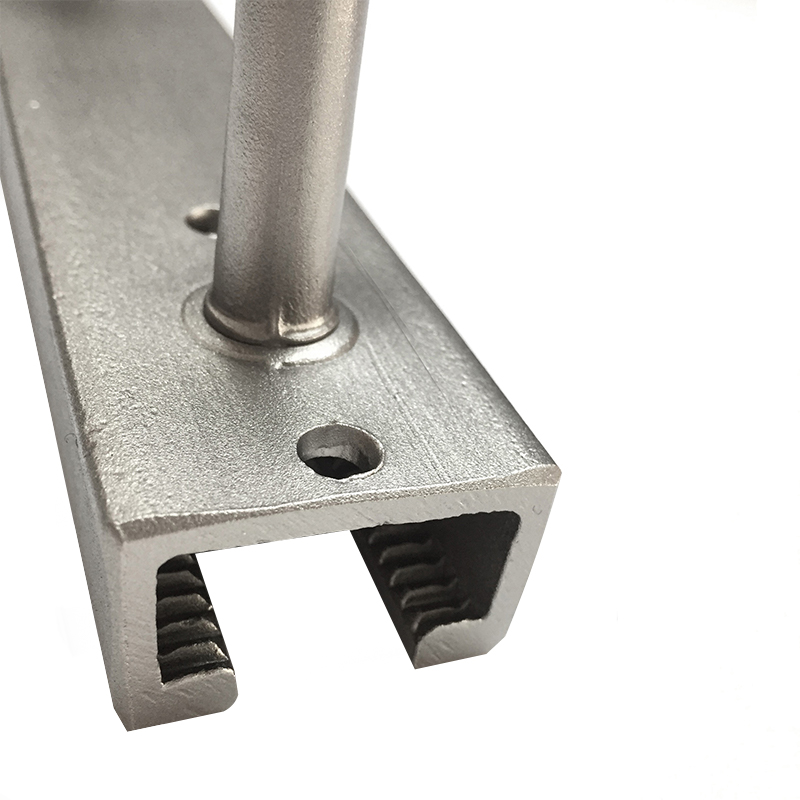 Stainless Steel Anchor Channel System for Concrete StructuresThis cast-in anchor channel offers continuous horizontal adjustment for cladding brackets, solving slab-edge dimensional deviations. Post-installed anchors are alternatives, but this channel suits retrofit work and late design changes while demanding careful installation.View Product →
Post-installed undercut and chemical anchors attach the fixing point after the concrete cures, which suits retrofit work and late design changes. They demand stricter installation discipline: edge distance, embedment depth, and drill hole cleanliness all affect the final load.
Buyers comparing the two options can start with our stainless steel anchor channel guide, which details geometry, load behavior, and installation sequences.
Bracket geometry determines how much three-dimensional adjustment the installer has on site, and that adjustability directly controls how fast the facade can be set to the design plane.
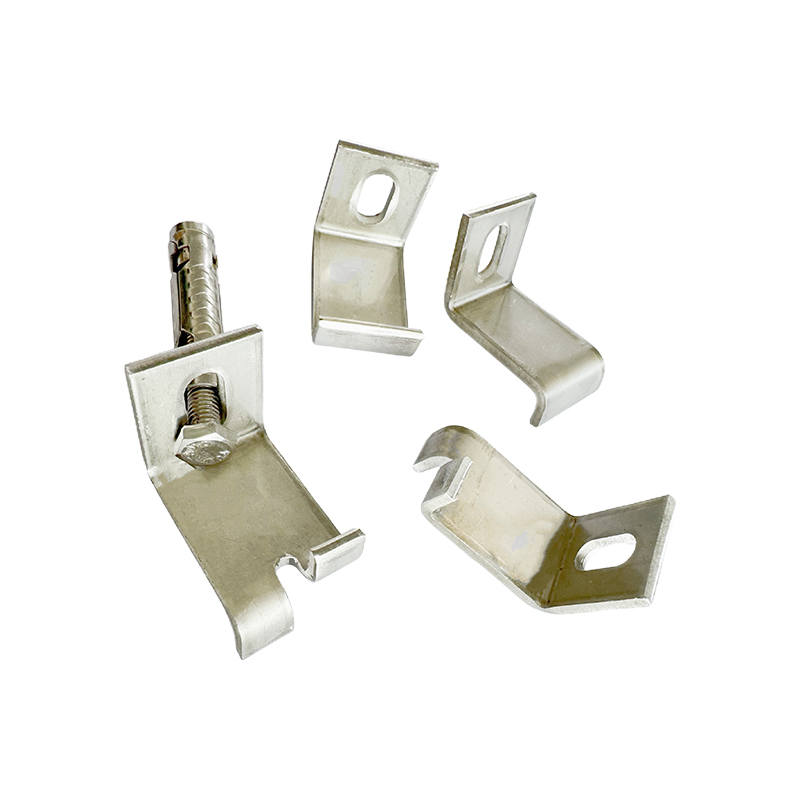
Four working families of cladding support brackets dominate facade engineering, and each balances capacity against adjustability in a different way.
In practice, omega and up/down families dominate premium stone and ceramic facades because their adjusters absorb casting tolerances without resorting to shims. A well-designed system should let the installer set vertical position, horizontal position, and standoff within +/- 2 mm on the first attempt.
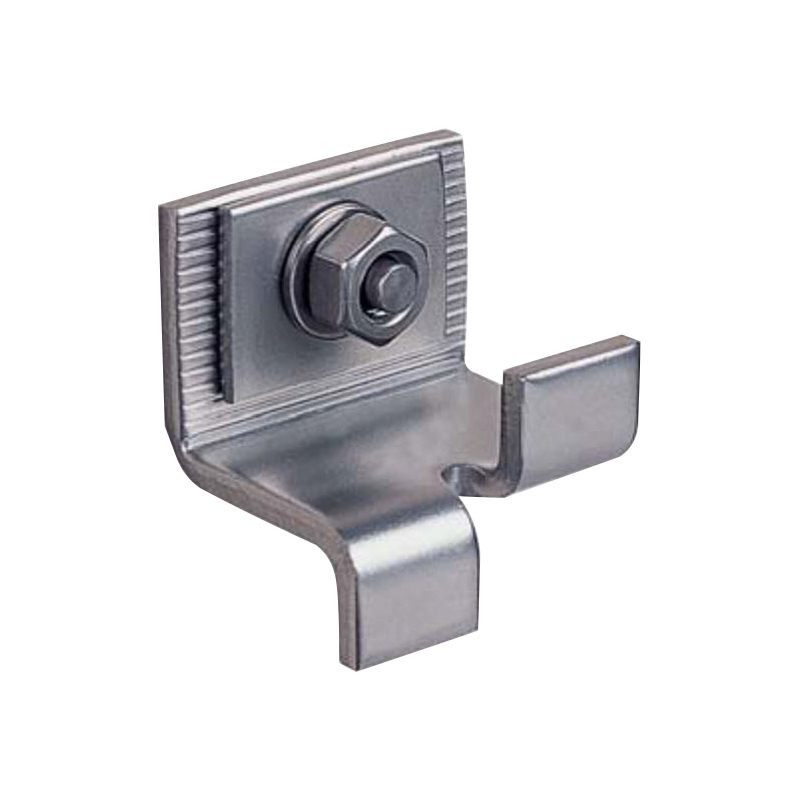
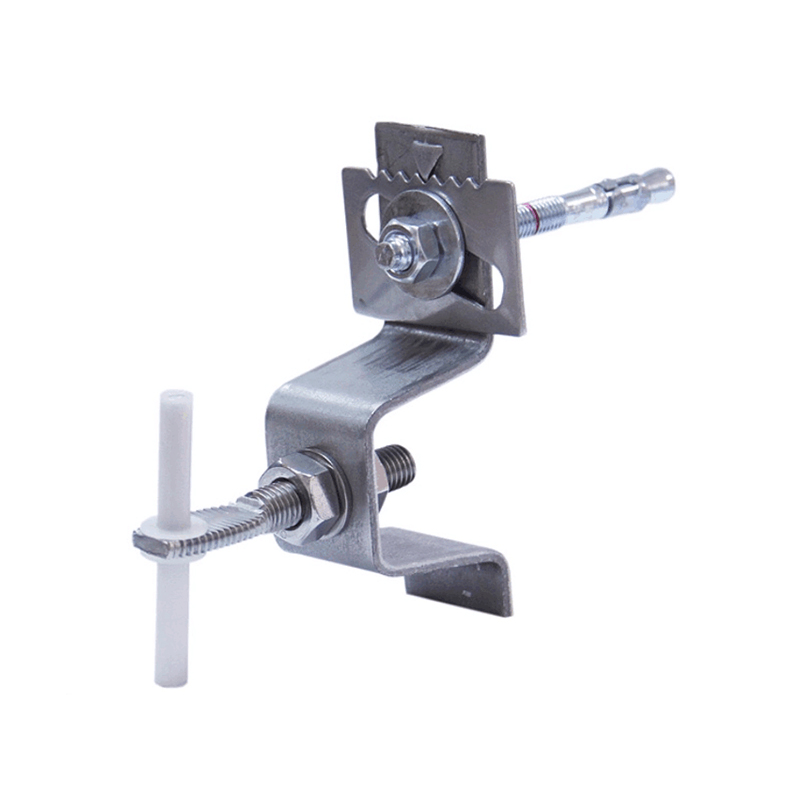 Adjustable Omega Bracket for Natural Stone FacadesPart of a stone fixing facade cladding system, this bracket works with textured GFRC and natural stone slabs. Its adjusters absorb casting tolerances, allowing installers to set vertical, horizontal, and standoff positions within +/- 2 mm on the first attempt.View Product →
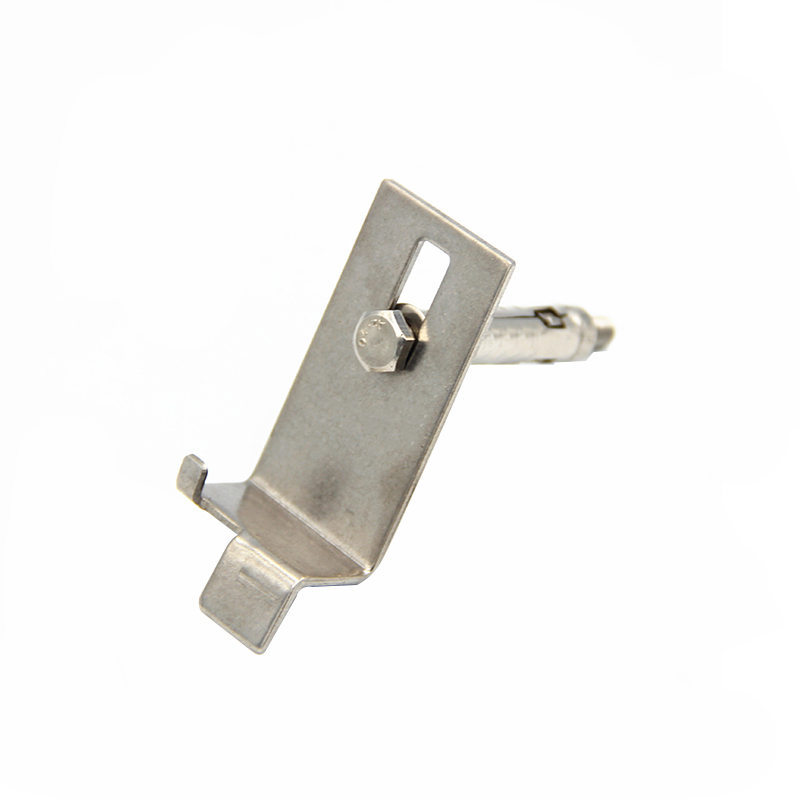
 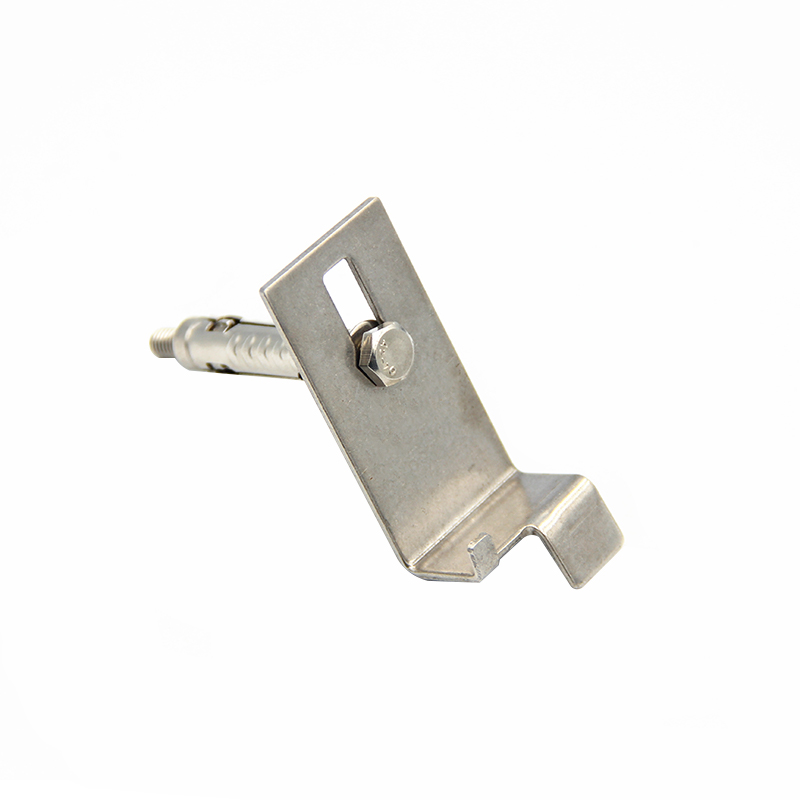 Up and Down Stone Fixing Anchor BracketA heavy-duty stainless steel bracket for exterior stone panels, offering dual-direction fixing and thermal movement compensation. It accommodates stone thicknesses from 20 to 60 mm and suits premium facades needing precise alignment and weight distribution.View Product →
For B2B buyers, the supplier's ability to produce custom geometry from engineering drawings, verify material chemistry, and deliver clean documentation is as important as the product's rated load.
Standard catalogs cover common conditions, but every significant project has non-standard details: a curved corner, an unusual panel thickness, a restricted cavity depth. That is why custom fabrication and OEM capability matter in supplier evaluation.
Jiangsu Aozheng Metal Products Co., Ltd. is a manufacturer of facade fixing systems - cast-in channels, cladding brackets, undercut anchors, and supporting profiles - with in-house CNC machining and customized OEM production. A supplier with factory-floor control can match geometry, surface finish, and tolerance on a per-project basis; a trading house cannot. The company's product range covers the systems described in this article.
A cast-in channel is placed in the formwork before pouring, offers high load capacity with continuous adjustment, and suits new construction. A post-installed anchor is drilled into cured concrete and suits retrofits or unforeseen fixing points, but requires strict control of edge distance and embedment depth.
Specify 316 when the facade is within roughly 1 km of saltwater, in industrial atmospheres, or where the panel detail traps moisture against the bracket. 304 is adequate for most urban and inland environments at a lower material cost.
A good system allows at least 10 mm of vertical, 10 mm of horizontal, and 15 mm of standoff adjustment per fixing point. Less than that pushes installers toward shims, which slow installation and create hidden eccentric loads.
Request material mill certificates, surface treatment reports, dimensional inspection reports, and a sealed approval drawing for each custom component. These records are the basis for engineering sign-off and long-term liability protection.

We will wholeheartedly provide you with high quality products, reasonable price, on-time delivery and attentive service.
Maoshan Taiwan Business Industrial Park, Dinan Town, Xinghua City, Jiangsu Province, China

+86-523-82799922

+86-15996094444

+86-523-82799933


Copyright © Jiangsu Aozheng Metal Products Co., Ltd. All Rights Reserved.
 English
 русский
 Español
 عربى
عربى


Contact Us