-
 Tel:
Tel:+86-15996094444
-
 E-mail:
INQUIRE NOW
+86-15996094444
INQUIRE NOW

Article Directory
Choosing the wrong facade bracket does not fail quietly. It shows up years later as streaking, panel drift, or a fastener that snapped under wind load nobody planned for. A properly specified Stainless Steel Cladding System Bracket is the difference between a facade that ages gracefully and one that needs remedial work before the building is ten years old.
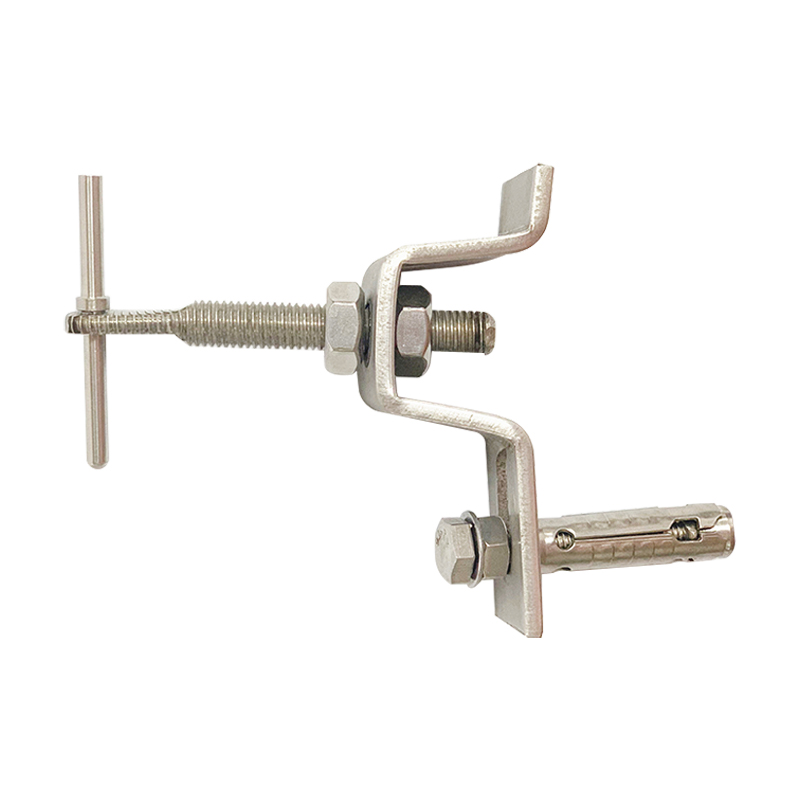
A stainless steel cladding bracket is the mechanical link between a building's structural frame and its exterior panels, carrying panel weight, wind load, and thermal movement without transferring stress back into the facade skin. Every bracket in a ventilated facade system performs four jobs at once: it supports dead load, transfers lateral force to the substructure, holds panel alignment within tolerance, and permits the panel to expand and contract without cracking.
Skip any one of those functions and the failure mode is predictable — displaced panels, uneven reveals, or stress fractures at the fixing point within the first few freeze-thaw cycles.
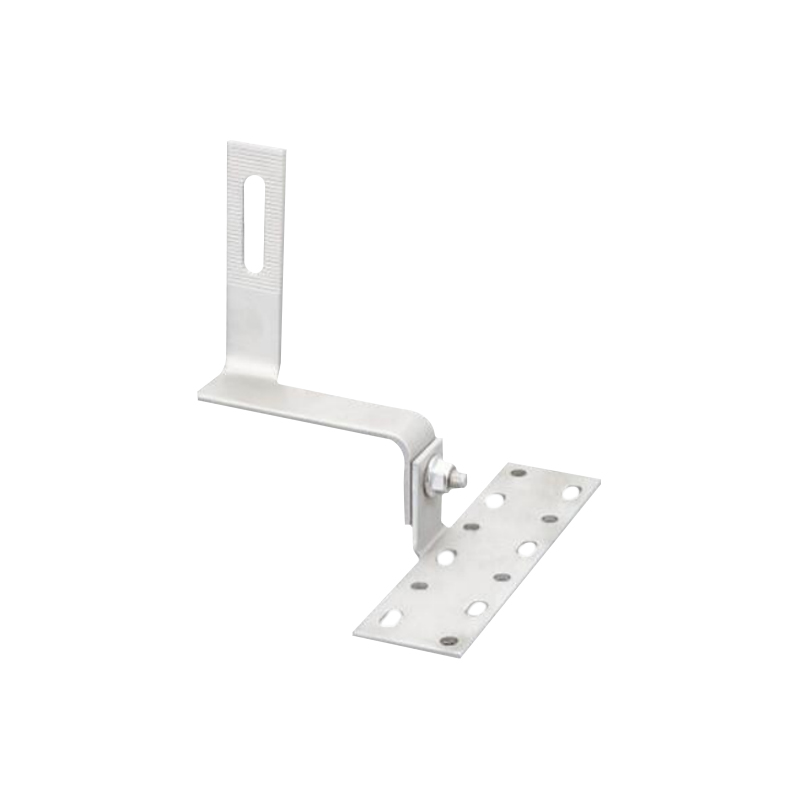
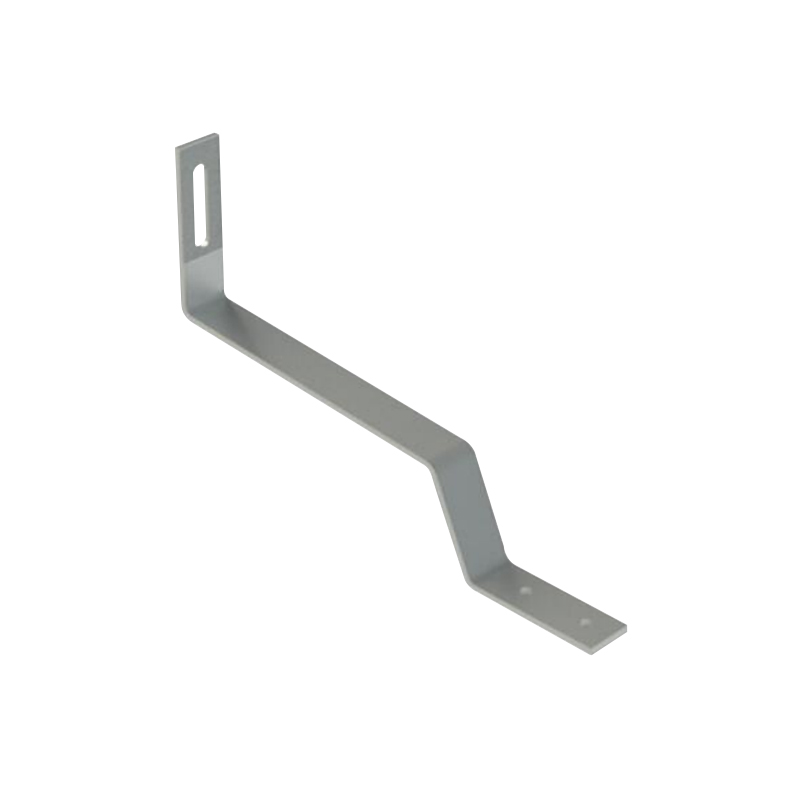
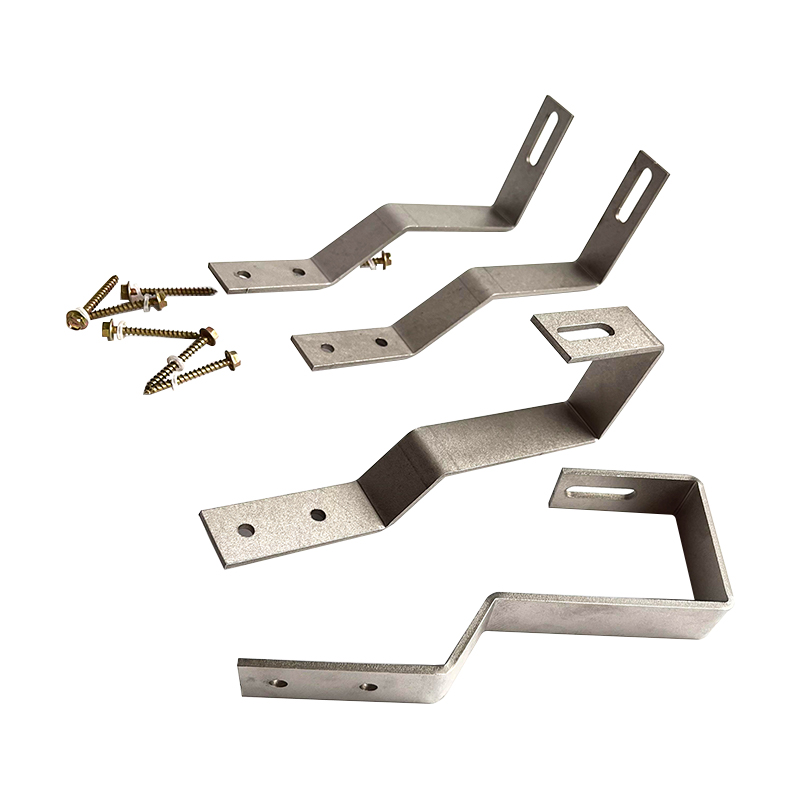
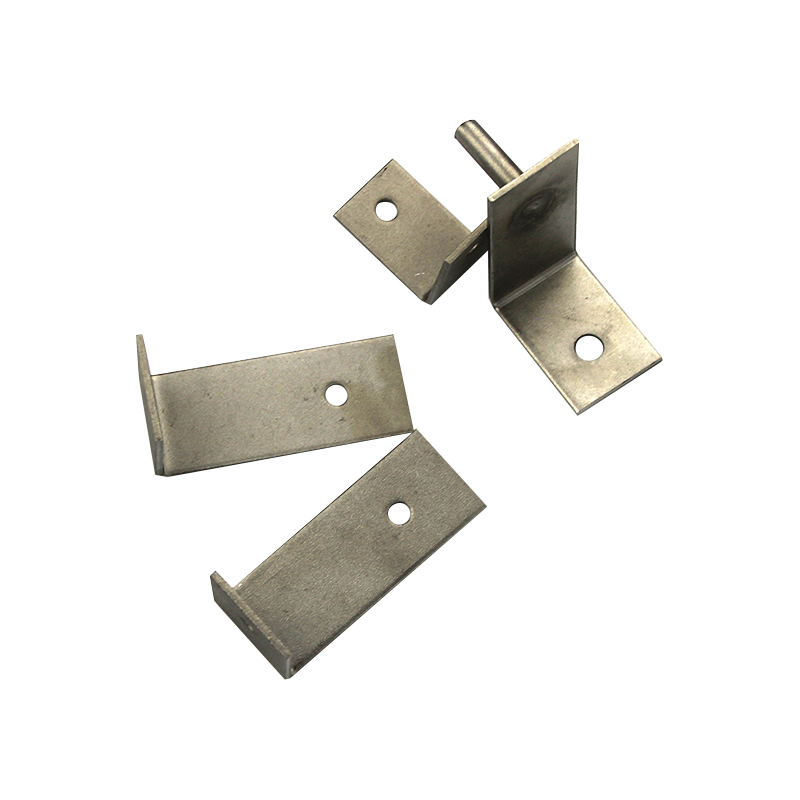
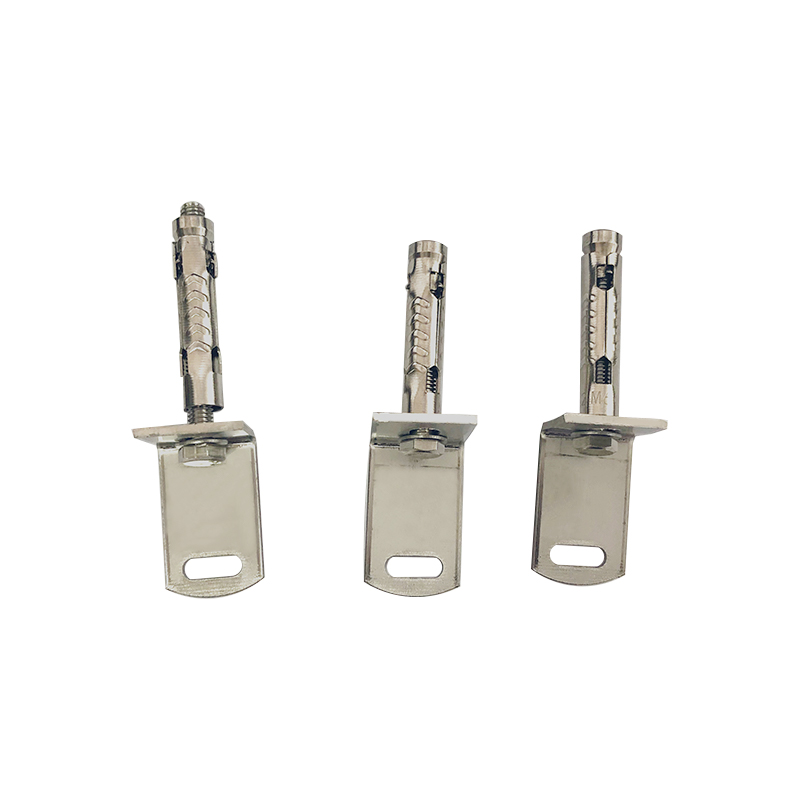
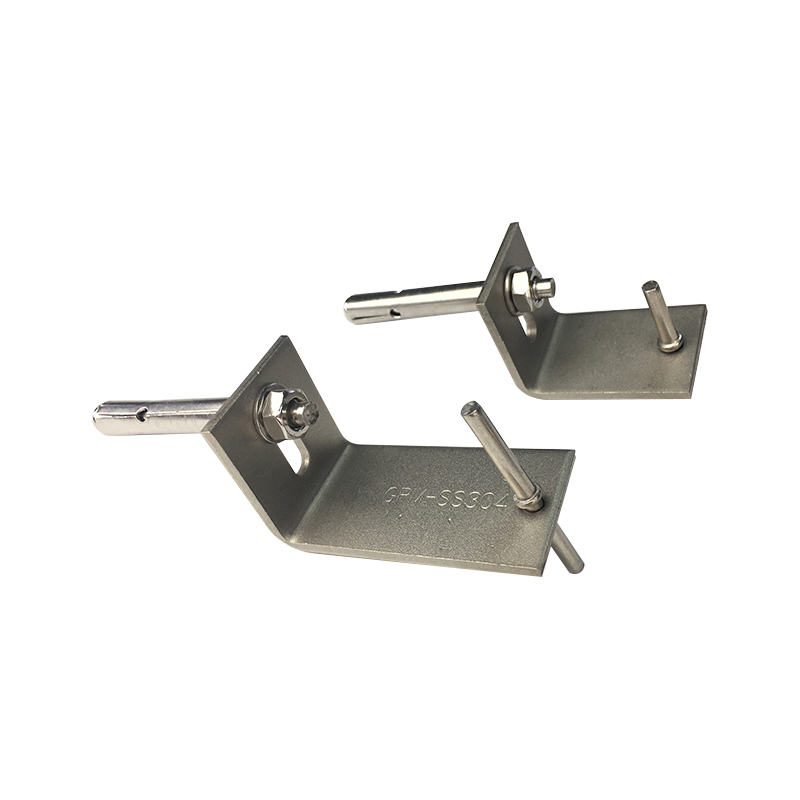
A facade fixing bracket that mechanically anchors cladding panels to a structural wall or subframe, engineered to carry static and dynamic load while accommodating thermal expansion.
Bracket geometry and fixing method change with the panel type. Treating all cladding as interchangeable is the single most common specification error on mid-size commercial jobs.
Load capacity, not price, should be the first filter in any bracket comparison. A bracket must withstand combined panel weight, wind pressure, and building-height amplification — figures that scale sharply on high-rise and coastal-exposed projects.
Relative Load Capacity by Bracket Material
Indexed load-bearing rating, uncoated finish, equal cross-section
Grade selection is where most long-term facade failures actually originate. Coastal salt spray, industrial chemical exposure, and freeze-thaw cycling each degrade steel differently, so the grade needs to match the exposure, not the budget.
Bracket Service Life by Environment (Correct Grade Selected)
*Coastal rating assumes upgraded corrosion-resistant grade specified for salt exposure
For architects weighing a stainless steel cladding system bracket against aluminum or carbon steel alternatives, the trade-offs are consistent across most climates and building types.
| Feature | Stainless Steel | Aluminum | Carbon Steel |
| Corrosion Resistance | Excellent | Good | Requires coating |
| Strength | High | Moderate | High |
| Outdoor Service Life | Excellent | Good | Depends on protection |
| Maintenance | Low | Medium | Higher |
| Heavy Panel Support | Excellent | Limited | Good |
Facade panels expand and contract with temperature swings. A bracket system that cannot absorb that movement pushes the stress straight into the panel — the usual cause of cracking and connection fatigue on south-facing elevations.
Verify panel weight, wind zone, and building height against the bracket's rated capacity before ordering.
Upgrade to a higher corrosion-resistant grade for coastal or industrial sites.
Specify brackets with enough slot or shim travel for thermal movement and installation correction.
Request material certificates, weld inspection records, and load-test data from the supplier.
Coastal and marine-exposed buildings need a higher corrosion-resistant grade than standard inland projects, since salt spray accelerates pitting on lower grades within a few years.
No. Stone requires a higher load rating and rigid connection, while aluminum composite panels use lighter, more adjustable brackets — mixing them under-specifies one material or over-engineers the other.
Wind pressure at building corners and upper floors can run several times higher than mid-wall zones, so brackets in those areas should be sized to the local pressure zone, not the building average.
Panels expand and contract with temperature. A bracket without adjustment range forces that movement into the panel itself, leading to cracking or connection fatigue over time.

We will wholeheartedly provide you with high quality products, reasonable price, on-time delivery and attentive service.
Maoshan Taiwan Business Industrial Park, Dinan Town, Xinghua City, Jiangsu Province, China

+86-523-82799922

+86-15996094444

+86-523-82799933


Copyright © Jiangsu Aozheng Metal Products Co., Ltd. All Rights Reserved.
 English
 русский
 Español
 عربى
عربى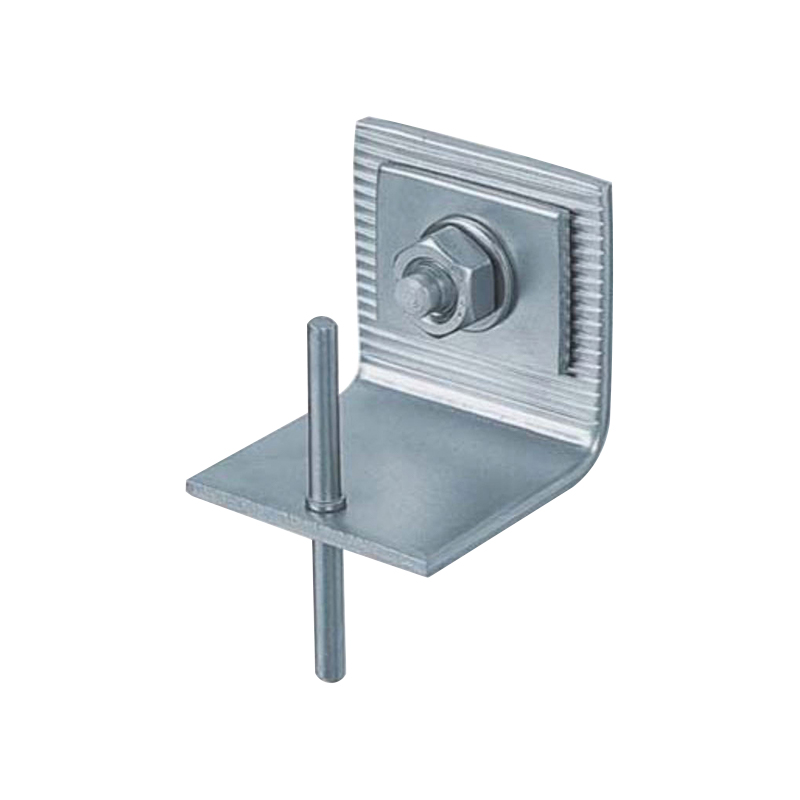


Contact Us