-
 Tel:
Tel:+86-15996094444
-
 E-mail:
INQUIRE NOW
+86-15996094444
INQUIRE NOW

Article Directory
Every facade panel on a modern building eventually has to transfer its weight somewhere, and that job usually falls to a small, unglamorous part: the L aluminum bracket for facade system. Shaped to connect panels, frames, and structure while staying light and corrosion-resistant, it's one of the components a facade's long-term performance actually depends on.
Here is what the bracket is built from, where it shows up, and how to specify one correctly.
An L aluminum bracket is an L-shaped structural support manufactured from aluminum alloy, designed to connect facade panels, substructures, and supporting frameworks with accurate positioning and load distribution.
Aluminum's natural oxide layer resists rain, humidity, and UV exposure.
Reduces overall facade weight without sacrificing structural support.
Adjustable fixing helps installers align panels accurately on site.
Proper surface treatment maintains performance for years outdoors.
Works across curtain wall, cladding, stone, and glass facade systems.
| Feature | L Aluminum Bracket | Steel Bracket |
| Weight | Lightweight | Heavier |
| Corrosion Resistance | Excellent | Requires protection |
| Installation | Easier | More complex |
| Outdoor Use | Highly suitable | Depends on coating |
Load requirements and alloy selection should be settled before finish color — a bracket rated for wind pressure and panel weight is a structural decision; the anodized or powder-coated finish is a cosmetic one.
Heated billets are pressed through molds into L-shaped profiles.
Cutting, drilling, and punching create precise mounting geometry.
Anodizing or powder coating adds corrosion protection and color.
Dimension, strength, and surface checks confirm consistency.
Specify load, alloy, and finish correctly, and an L aluminum bracket for facade system becomes one of the few facade components installers rarely have to think about again once the building is closed in.
6061 and 6063 aluminum alloys are common choices, selected for their balance of strength, corrosion resistance, and ease of fabrication in architectural applications.
Both improve corrosion resistance and appearance. Anodizing tends to offer a harder surface, while powder coating provides wider color options and consistent weather resistance.
Yes. Dimensions, hole positions, profiles, and surface finishes can typically be customized to match a project's structural and design requirements.
Aluminum offers better natural corrosion resistance and lighter weight, while steel brackets typically require additional coating to match that outdoor durability.
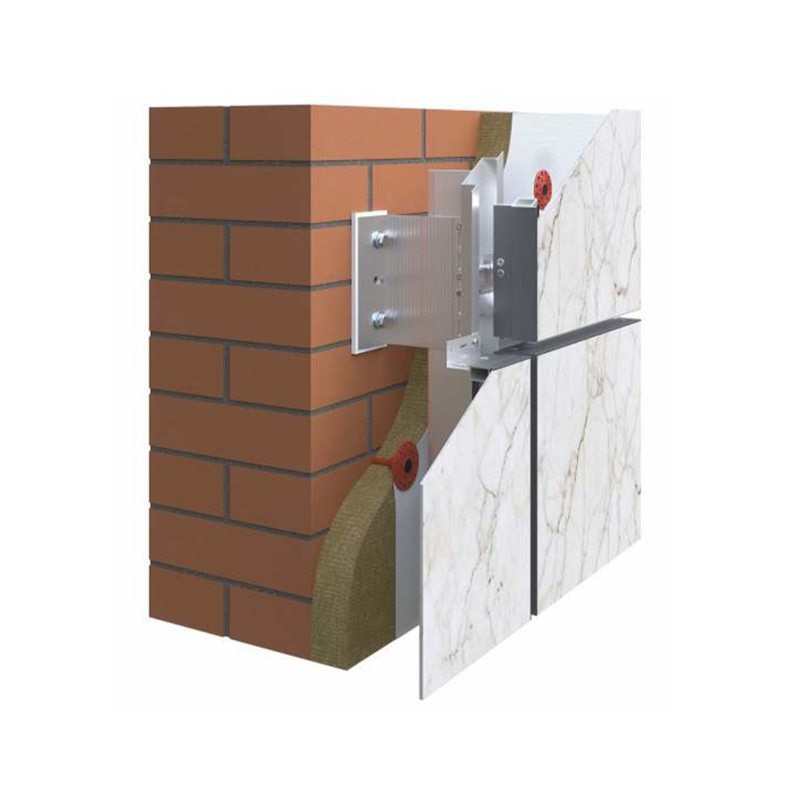
Facade System A0Z-v-300FACING MATERIAL:Large-sized porcelain stoneware tiles 3 to 6 mm thick.FIXING:Concealed with latches (slide holders and cassette...
See Details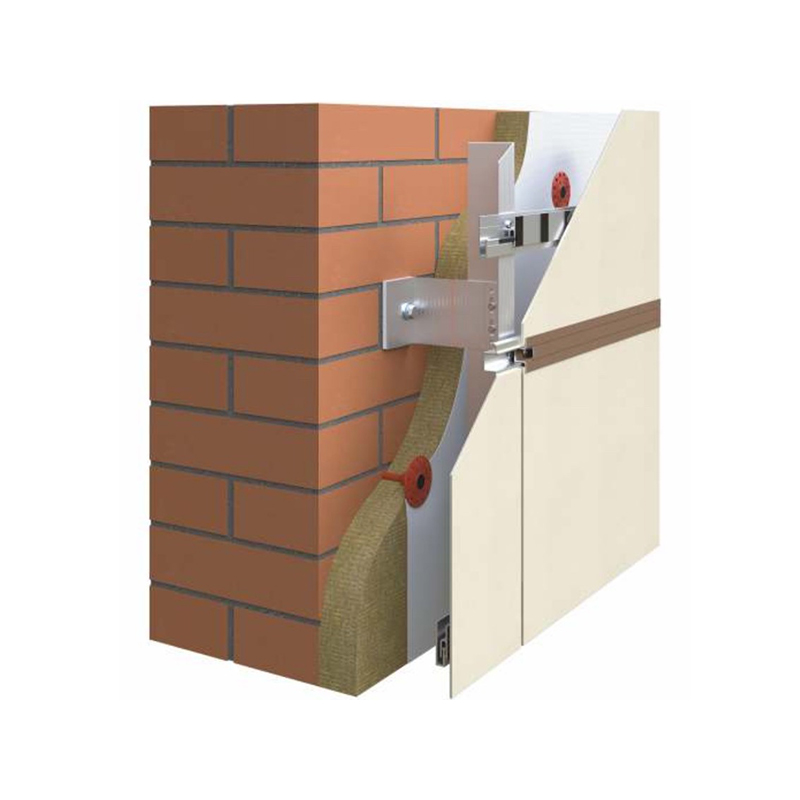
Facade System A0Z-v-300FACING MATERIAL:Large-sized porcelain stoneware tiles 3 to 6 mm thickFIXING:Mixed: visible with mechanically mounted three-part...
See Details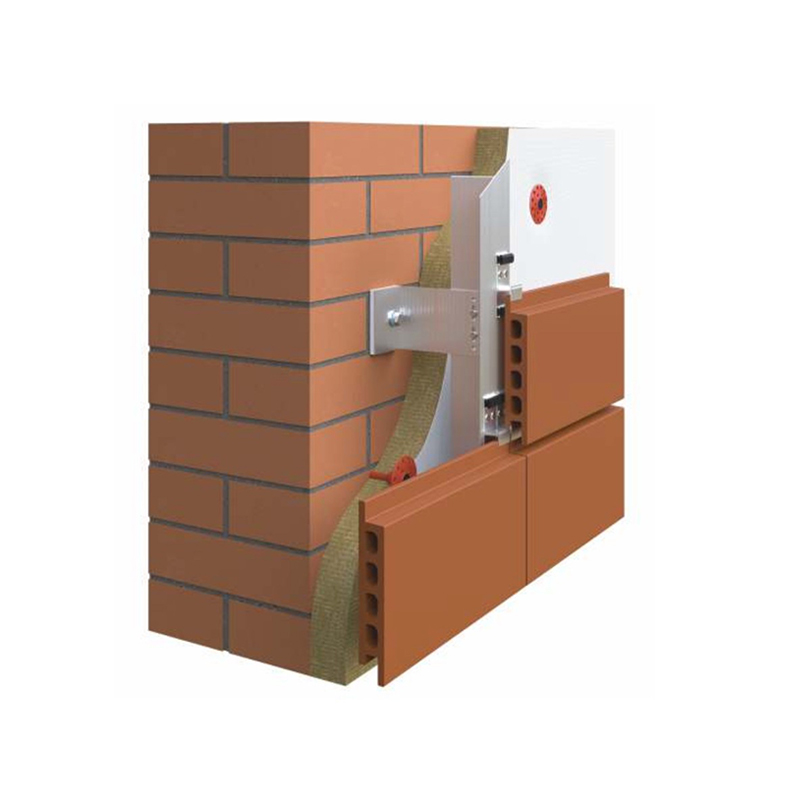
Facade System A0Z-v-350FACING MATERIAL:Horizontally-oriented solid and hollow terracotta tilesFIXING:Concealed with clamps or hold-down barsMAX FACING...
See Details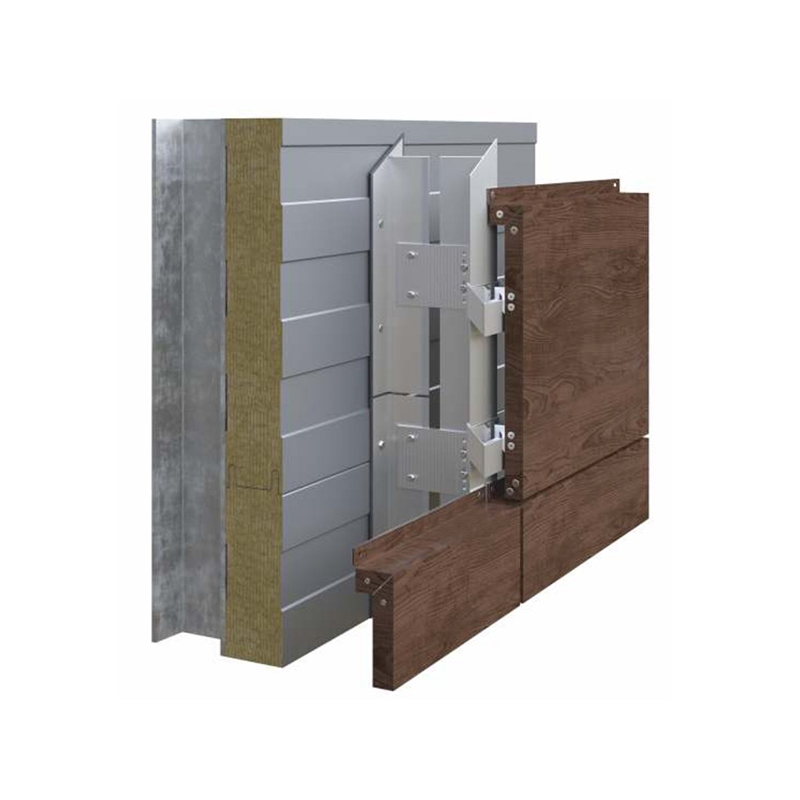
Facade System A0Z-v-300 DecoFACING MATERIAL:Porcelain stoneware tiles including large-sized tiles, fiber cement panels; HPL panels; RockPanels;Aluminu...
See Details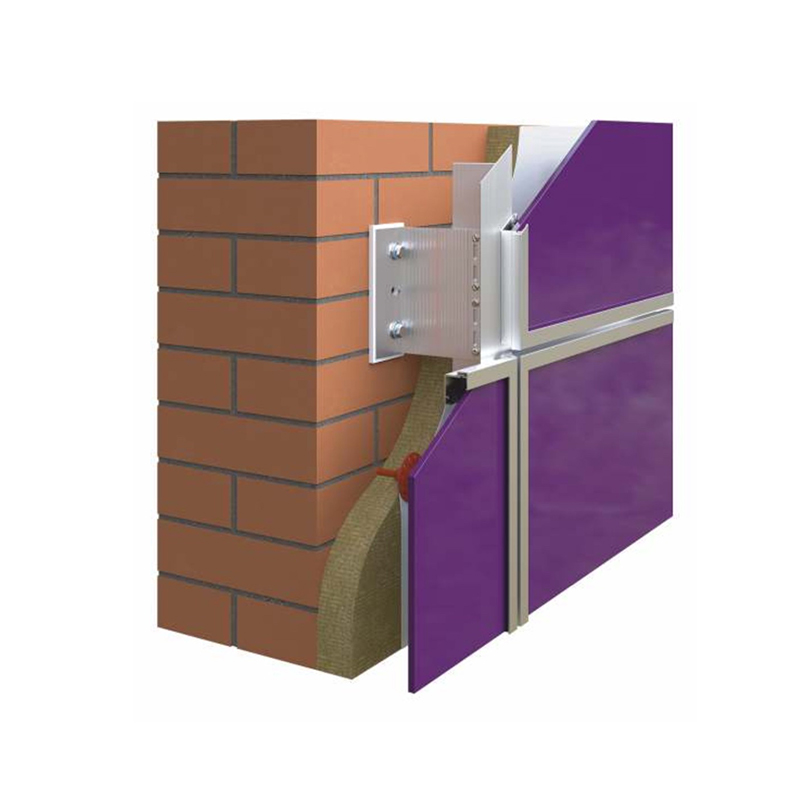
Facade System A0Z-v-300FACING MATERIAL:Tempered glass and stimulate 4 to 8 mm thickFIXING:Visible in framed profile with staple and gasketMAX FACING S...
See Details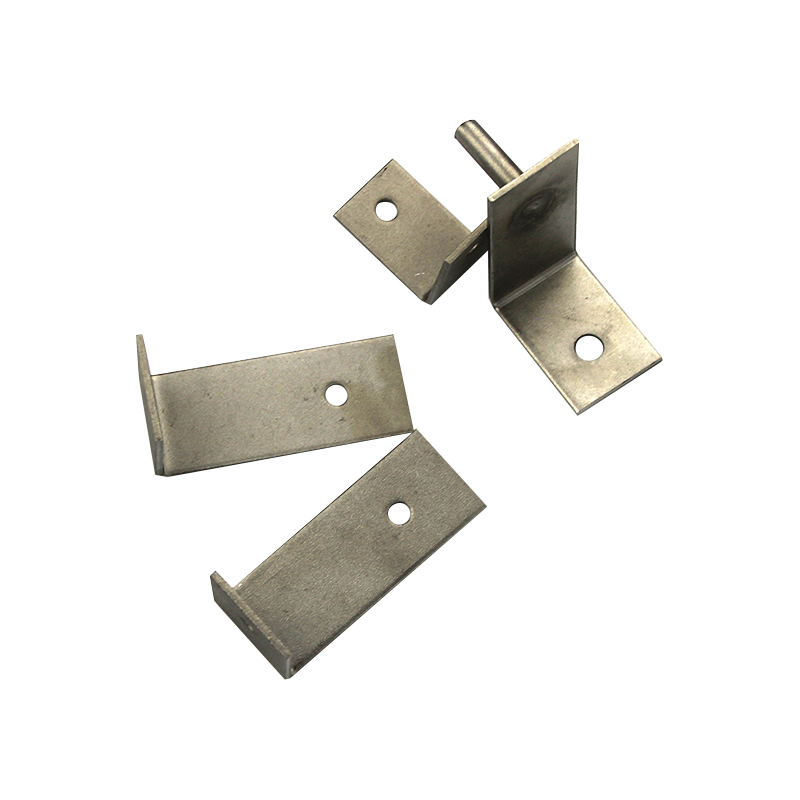
Stainless steel welded L-shaped angle steel is a commonly used building structural material. It is made of stainless steel through a welding process a...
See Details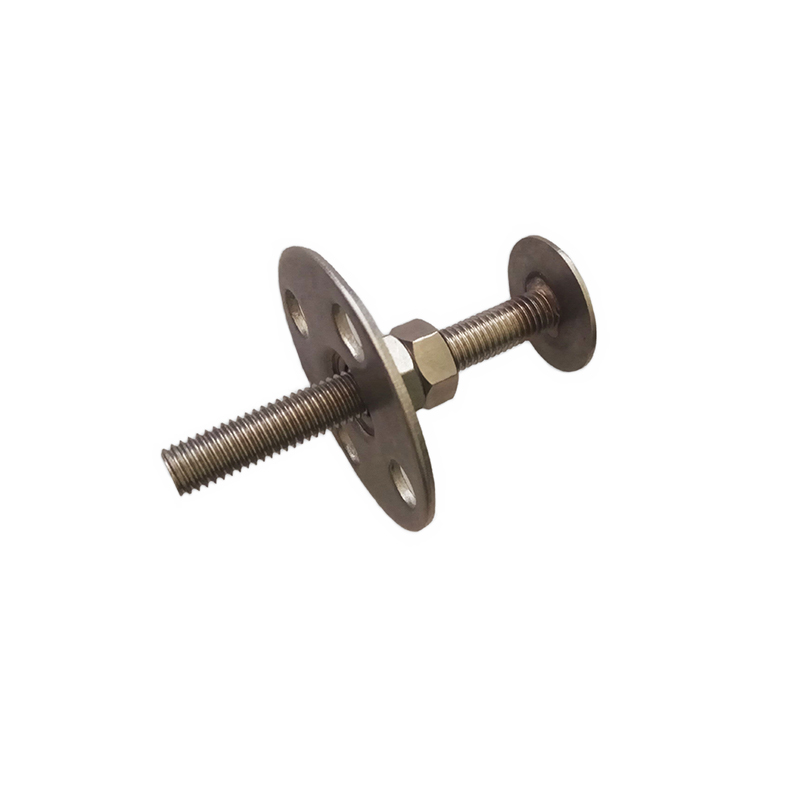
The Stone Clips For Wall Fixing System provides a structural solution for the secure attachment of natural stone, ceramic tiles, and heavy cladding pa...
See Details
We will wholeheartedly provide you with high quality products, reasonable price, on-time delivery and attentive service.
Maoshan Taiwan Business Industrial Park, Dinan Town, Xinghua City, Jiangsu Province, China

+86-523-82799922

+86-15996094444

+86-523-82799933


Copyright © Jiangsu Aozheng Metal Products Co., Ltd. All Rights Reserved.
 English
 русский
 Español
 عربى
عربى

Contact Us