-
 Tel:
Tel:+86-15996094444
-
 E-mail:
INQUIRE NOW
+86-15996094444
INQUIRE NOW

Article Directory
Steel gets specified out of habit more often than out of necessity, and aluminum usually wins once weight and machining time enter the calculation. Aluminum extrusion profiles deliver structural strength at a fraction of steel's weight, with a shape flexibility that lets one alloy serve automation frames, solar mounts, and architectural systems from the same core process.
| T-Slot | Modular framing for machine builds and workstation assembly |
| Structural | Heavy-duty support sections for industrial equipment |
| Heat Sink | Thermal management for electronics and LED lighting |
| Architectural | Doors, windows, and curtain wall systems |
Load conditions should drive alloy selection first — 6063 suits most architectural and light structural work, while 6061 handles higher-stress applications. From there, confirm dimensional accuracy tolerances, required surface finish, and whether secondary CNC machining or assembly is needed before the profile leaves the factory.
Aluminum profiles typically weigh roughly a third of an equivalent steel section while resisting corrosion without added coating — a combination that reduces both shipping cost and long-term maintenance. Steel still wins on raw load capacity for the heaviest structural applications, but for most industrial and architectural uses, aluminum's weight and machining advantages outweigh that gap.
Sourcing aluminum extrusion profiles reliably depends on die development capability, consistent dimensional tolerance across production runs, and a manufacturer able to support custom profile design alongside standard alloy and finish options.
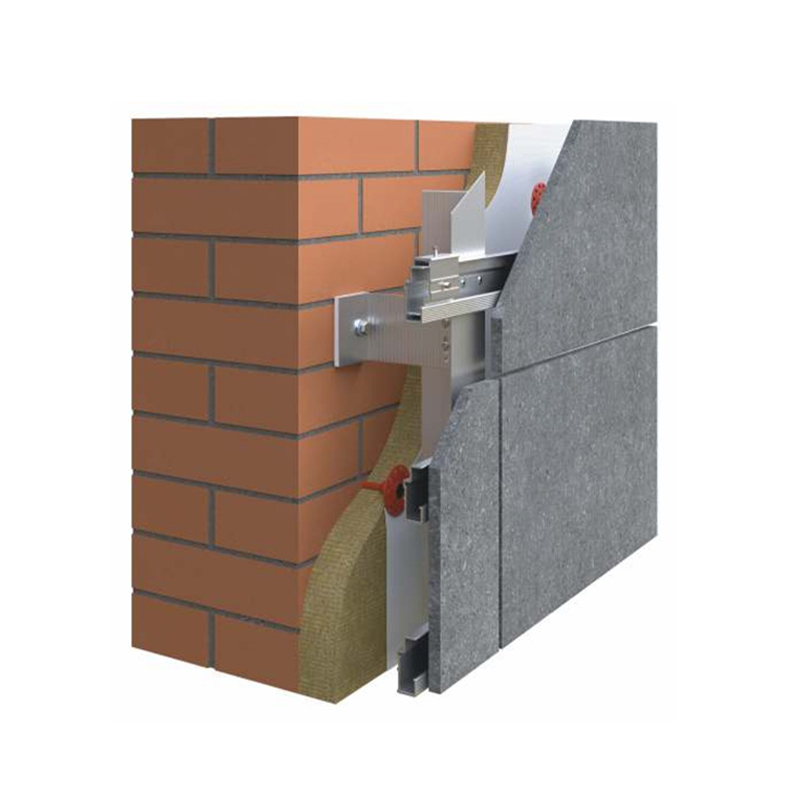
Facade System A0Z-v-20FACING MATERIALS:Porcelain stoneware tiles, natural stone slabs, textured glass-fiber reinforced concrete slabs, fiberglass comp...
See Details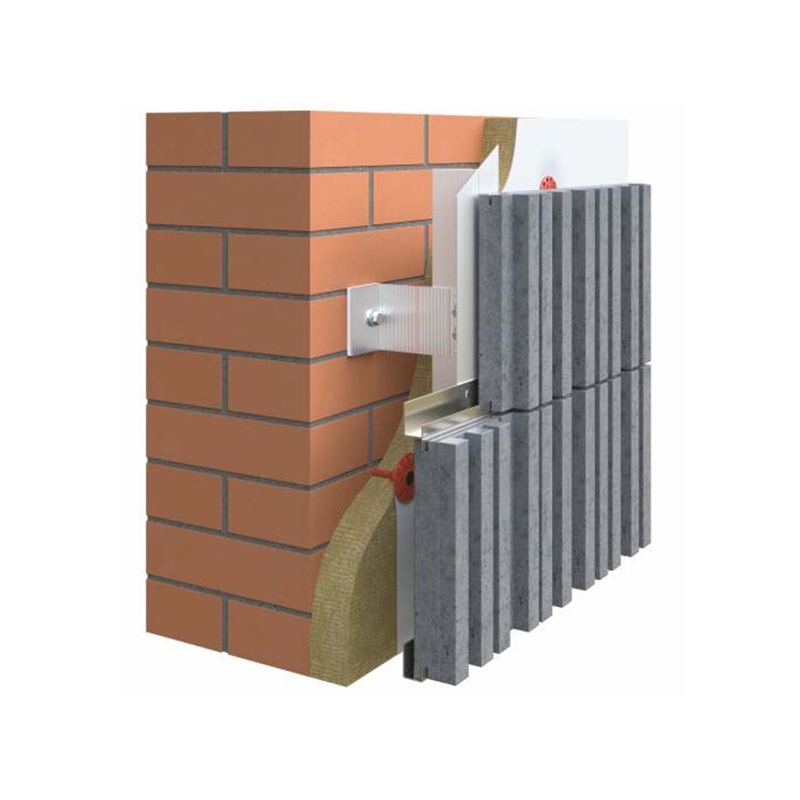
Facade System AOZ-v-20FACING MATERIAL:Textured glass fiber reinforced concrete slabs, artificial stone slabs, natural stone slabs (medium hard rocks, ...
See Details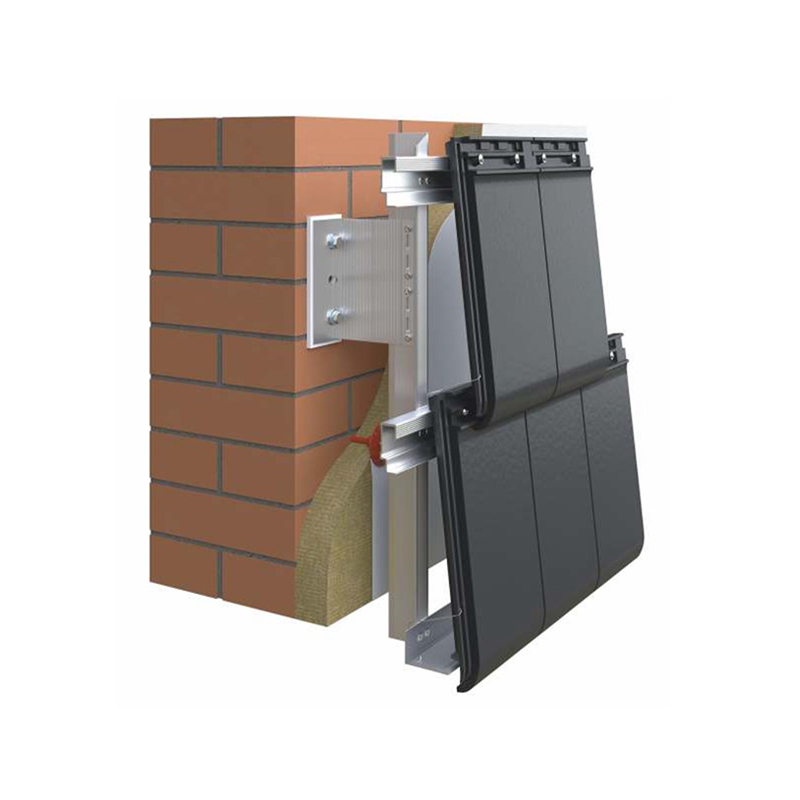
Facade System A0Z-v-350FACING MATERIAL: Ceramic roof tilesFIXING:Concealed with tiles fixed to horizontal bars with self. tapping screw and wind clamp...
See Details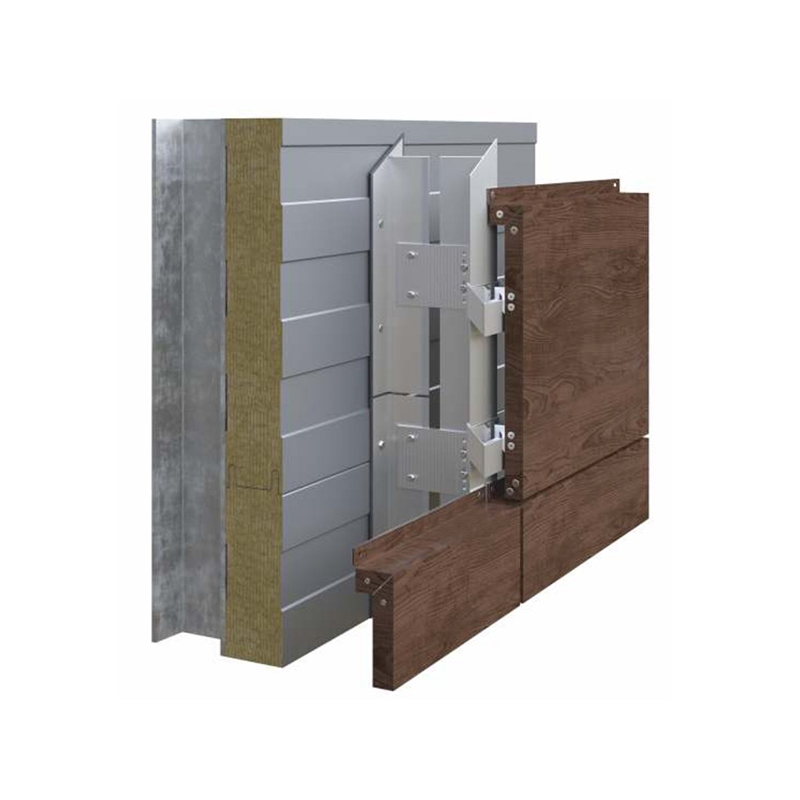
Facade System A0Z-v-300 DecoFACING MATERIAL:Porcelain stoneware tiles including large-sized tiles, fiber cement panels; HPL panels; RockPanels;Aluminu...
See Details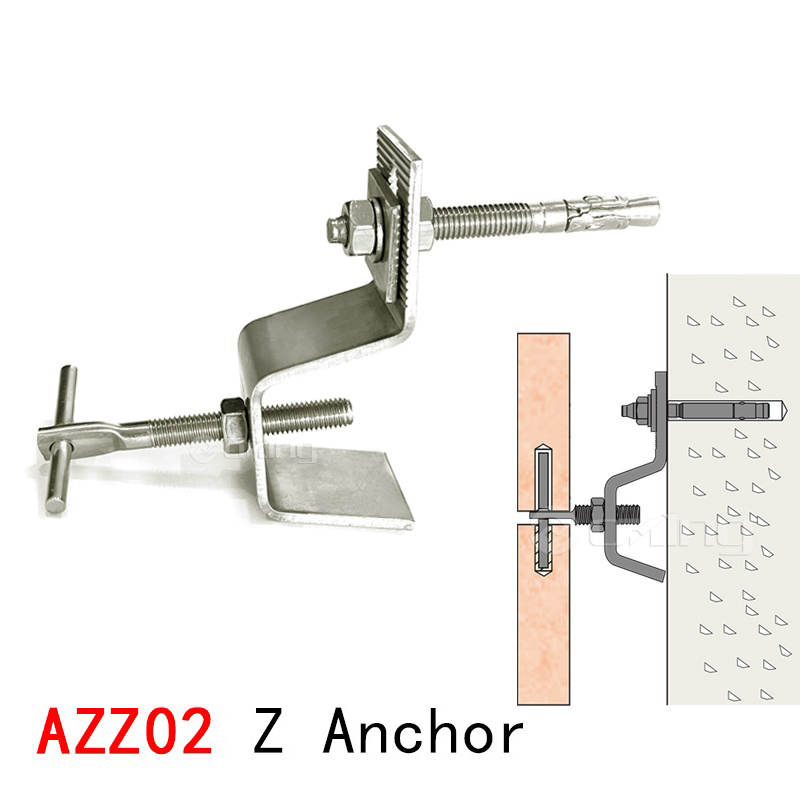
● Material : Stainless Steel 1.4301 [A2) & 1.4401 [A4]● The table above is prepared according to LGA test results● Loads stated are characteristic...
See Details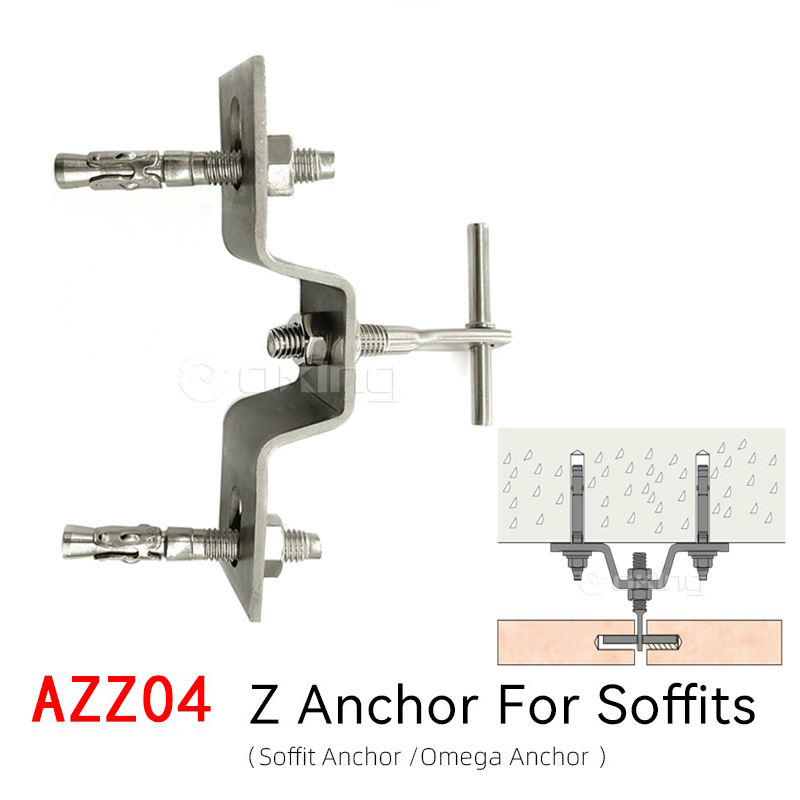
SS Omega Cladding Metal Bracket is a high-performance metal bracket designed specifically for exterior wall cladding. It is made of high-quality stain...
See Details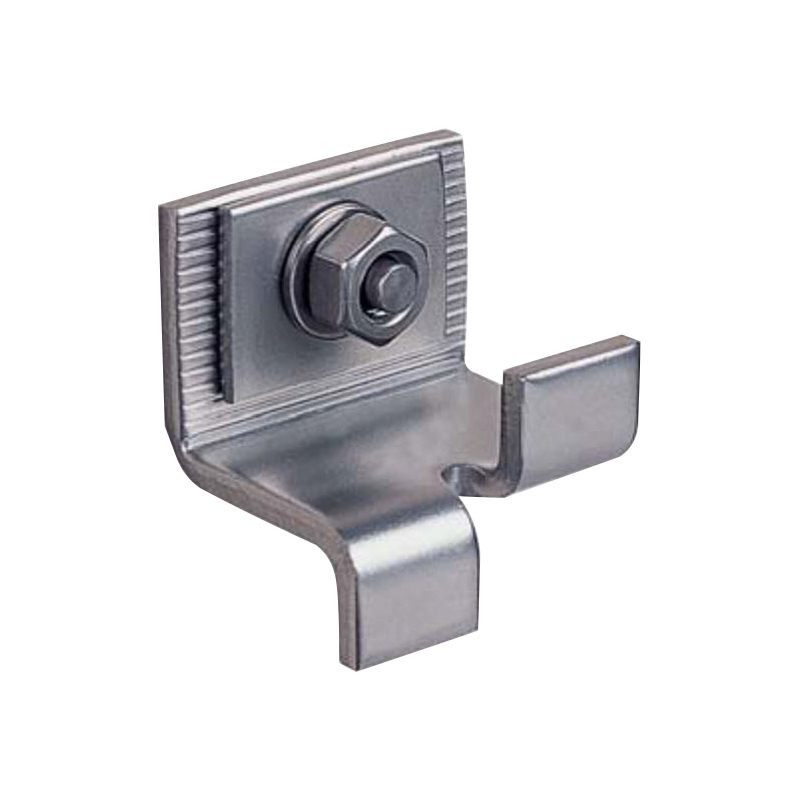
● Load bearing&restrain ● Projection sizes between 30 and 55 mm● Loadsupto400N● Suitable for horizontal joints● Stone thicknesses above 20mm● Fast...
See Details
We will wholeheartedly provide you with high quality products, reasonable price, on-time delivery and attentive service.
Maoshan Taiwan Business Industrial Park, Dinan Town, Xinghua City, Jiangsu Province, China

+86-523-82799922

+86-15996094444

+86-523-82799933


Copyright © Jiangsu Aozheng Metal Products Co., Ltd. All Rights Reserved.
 English
 русский
 Español
 عربى
عربى

Contact Us