-
 Tel:
Tel:+86-15996094444
-
 E-mail:
INQUIRE NOW
+86-15996094444
INQUIRE NOW

Article Directory
Roofing crews lose more time to inconsistent tile positioning than almost any other step in a clay roof installation. A Ceramic Terracotta Clay Tile Clip Bracket solves that problem directly, giving installers a standardized mechanical fixing point that holds tiles in place, speeds up construction, and improves long-term roof stability across ceramic, terracotta, and clay tile roofing systems.
Ceramic terracotta clay tile clip brackets are specialized fixing accessories designed to secure roof tiles in place, providing mechanical support between the tiles and the underlying roof structure. They are a standard component of any modern roof tile fixing system used across ceramic, terracotta, and clay tile roofing.
Their main function is straightforward: prevent tile movement, improve roof stability, support efficient installation, and enhance long-term roof performance across varying weather conditions.
Construction timelines are tightening across residential and commercial roofing projects alike, which puts pressure on every step of roof tile installation to move faster without sacrificing quality. Reliable roofing performance, reduced labor costs, and shorter installation time are now standard project requirements rather than bonus outcomes.
An efficient tile fixing system helps in three concrete ways: it simplifies construction procedures, reduces installation errors, and improves overall project quality, particularly on large-scale roofing projects where consistency across thousands of tiles matters.
| Benefit | How It Helps |
| Simplified Installation Process | Standardized fixing method reduces complicated manual adjustments |
| Better Installation Accuracy | Maintains consistent tile positioning and improves roof appearance |
| Reduced Installation Time | Easier fixing procedures improve overall construction efficiency |
A roof tile clip bracket securely holds tiles in position and reduces tile displacement caused by wind or other external forces, which directly improves overall roof system reliability. The mechanical connection created by the bracket delivers three measurable benefits: a stronger tile-to-structure connection, improved wind resistance, and better long-term roofing performance.
Loose or displaced tiles are one of the most common causes of water intrusion. A secure clip system addresses the root cause, not just the symptom.
Tile Clip Bracket System
Traditional Fixing Methods
Stainless Steel
Excellent corrosion resistance, suitable for long-term outdoor use
Aluminum Alloy
Lightweight construction with good weather resistance
Galvanized Steel
Strong mechanical performance at a cost-effective price point
Applications span residential buildings such as villas, houses, and traditional style architecture, commercial buildings including hotels and public buildings, and renovation projects covering roof upgrades and replacement roofing systems.
Selecting a Ceramic Terracotta Clay Tile Clip Bracket for a project should be based on four evaluation criteria.
| Factor | What to Confirm |
| Tile Compatibility | Tile type, tile dimensions, and installation method |
| Environmental Conditions | Rainfall, wind conditions, and temperature changes |
| Material Performance | Strength, corrosion resistance, and expected service life |
| Supplier Capability | Production quality, customization options, and technical support |
Testing at the quality inspection stage typically covers dimensional accuracy, strength testing, corrosion resistance testing, and installation performance testing before brackets are released to production.
Roofing hardware is trending toward lighter fixing components, improved corrosion resistance, and faster installation systems that shorten project timelines further. Expect continued growth in customized roofing solutions and rising safety requirements across both residential and commercial construction.
It secures roof tiles to the underlying structure, preventing movement and improving overall roof stability.
They provide a standardized fixing method that reduces manual adjustment, improves accuracy, and speeds up construction.
Compatibility depends on tile shape, size, and roof structure, so brackets should be matched to the specific tile system.
Stainless steel, aluminum alloy, and galvanized steel are the most common materials, chosen based on durability and budget requirements.
Evaluate tile compatibility, environmental conditions, material performance, and supplier capability together before selecting a bracket.
Yes, securing tiles mechanically reduces displacement caused by wind, which improves the roof's overall wind resistance.
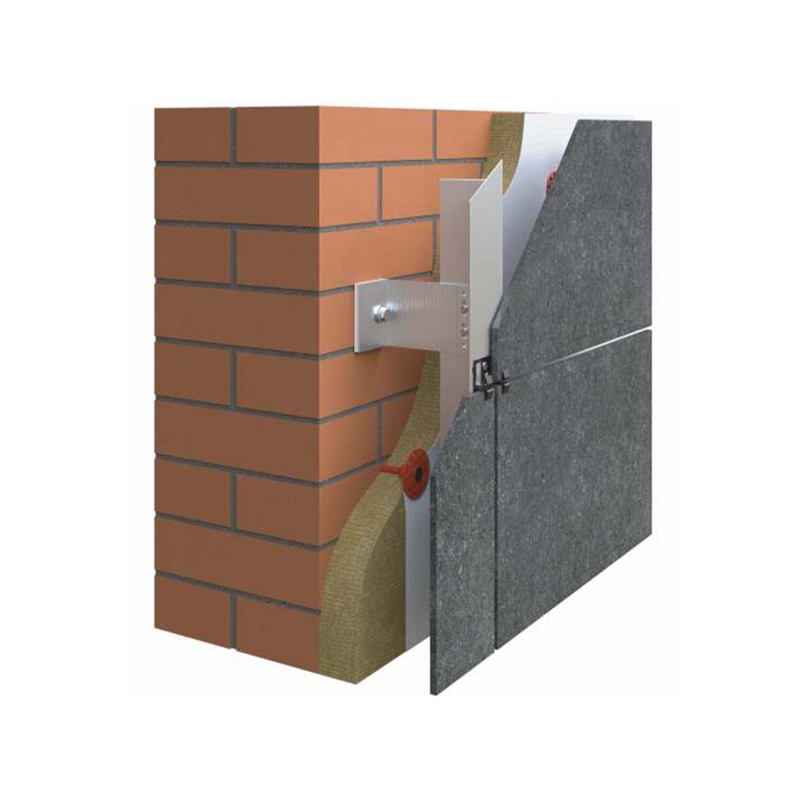
Facade System A0Z-v-100FACING MATERIAL:Porcelain stoneware tiles 8 to 20mm thickFIXING:Visible with stainless steel clampsMAX FACING SIZES:2385x1195mm...
See Details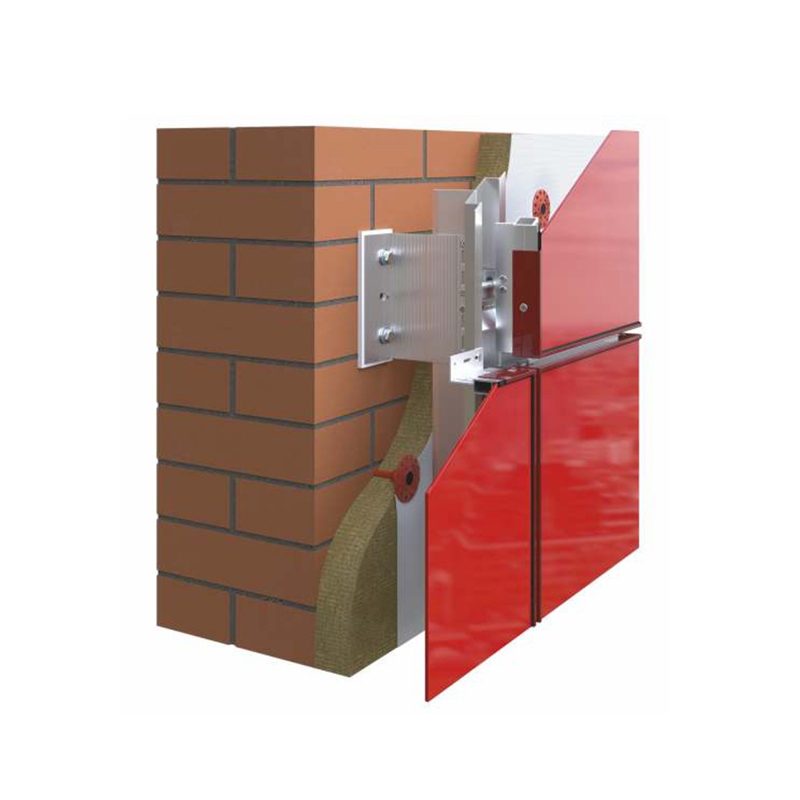
Facade System A0Z-v-300FACING MATERIAL:Tempered glass and stimulate 4 to 8 mm thickFIXING:Concealed with latches (slide holders and cassette hangers),...
See Details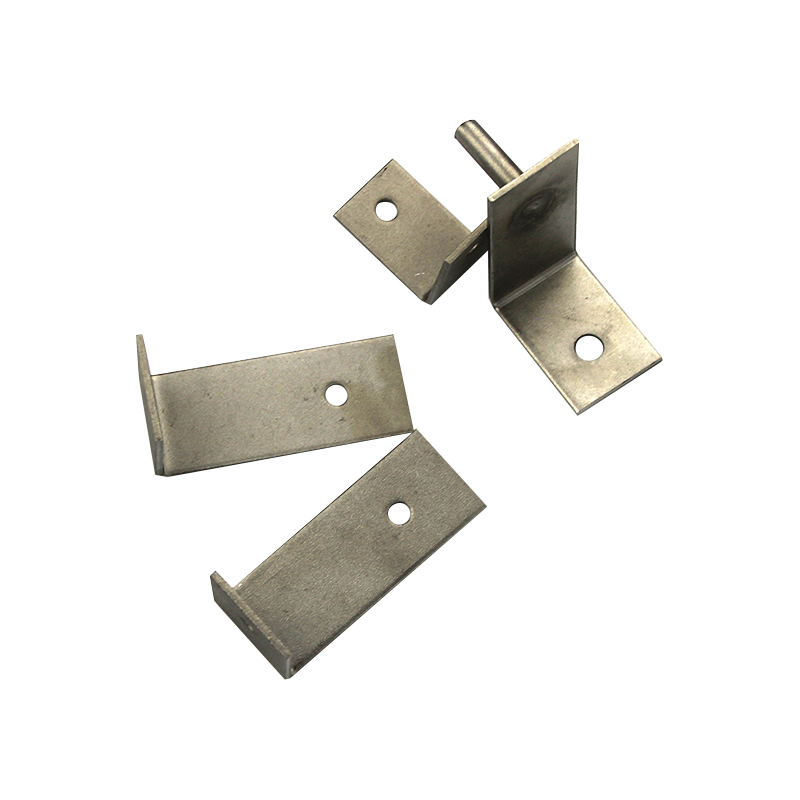
Stainless steel welded L-shaped angle steel is a commonly used building structural material. It is made of stainless steel through a welding process a...
See Details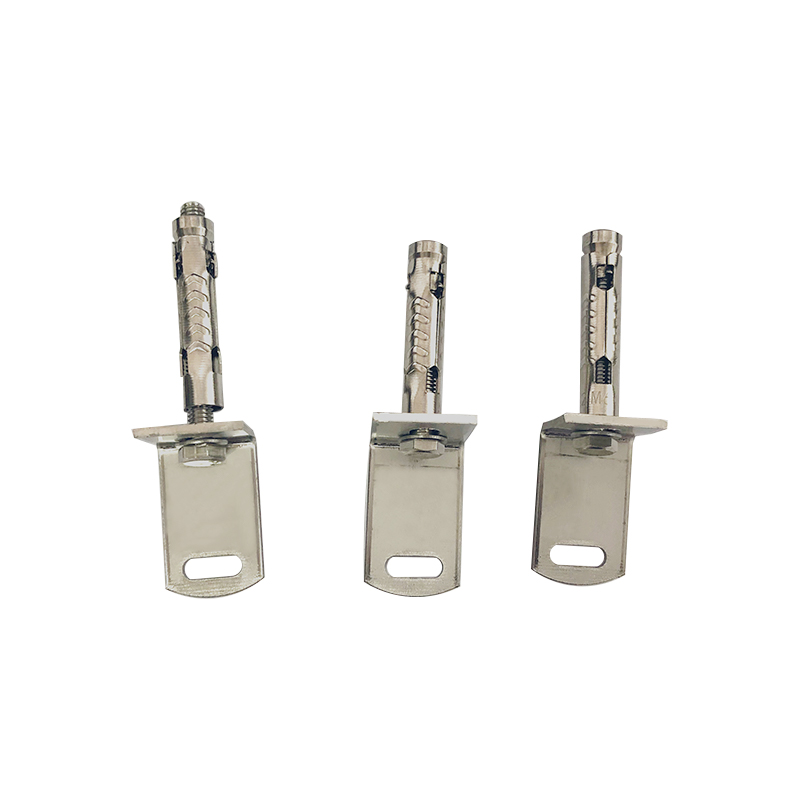
Cladding System L bracket is a supporting and fixing device specially designed for marble corners. With its unique L-shaped design, it provides stable...
See Details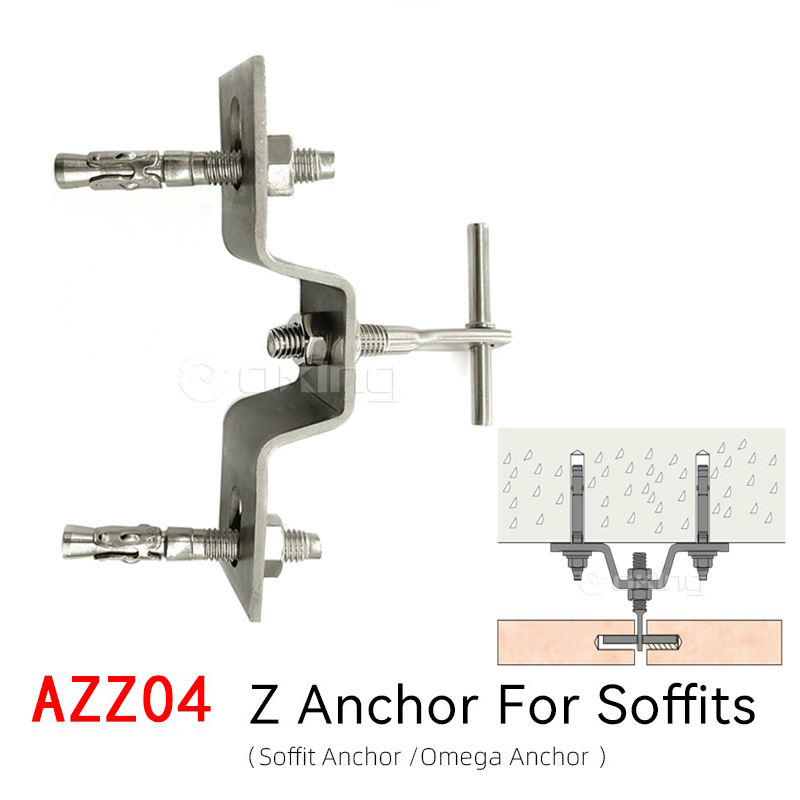
SS Omega Cladding Metal Bracket is a high-performance metal bracket designed specifically for exterior wall cladding. It is made of high-quality stain...
See Details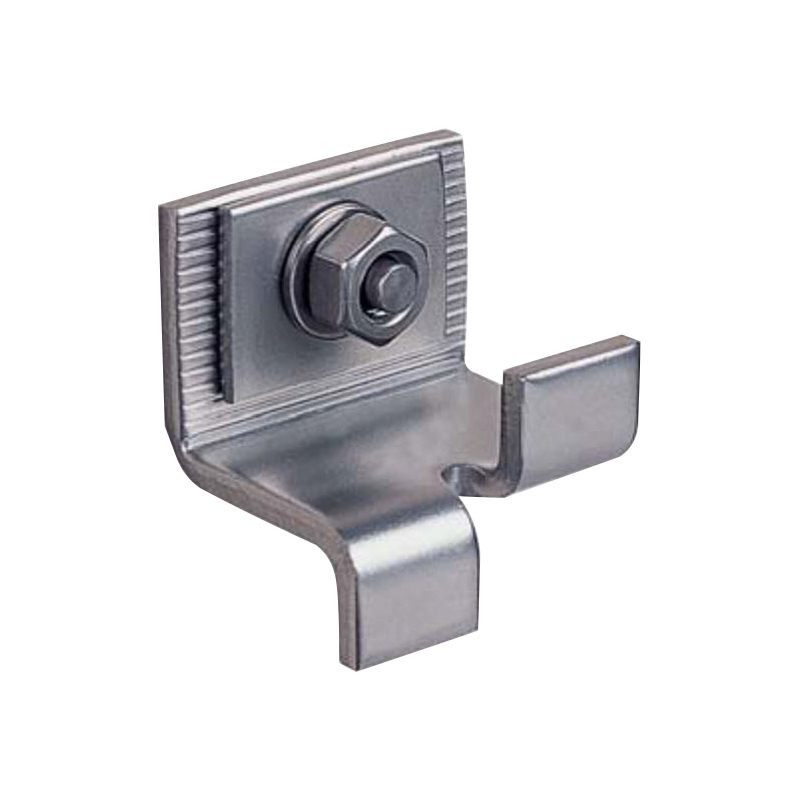
● Load bearing&restrain ● Projection sizes between 30 and 55 mm● Loadsupto400N● Suitable for horizontal joints● Stone thicknesses above 20mm● Fast...
See Details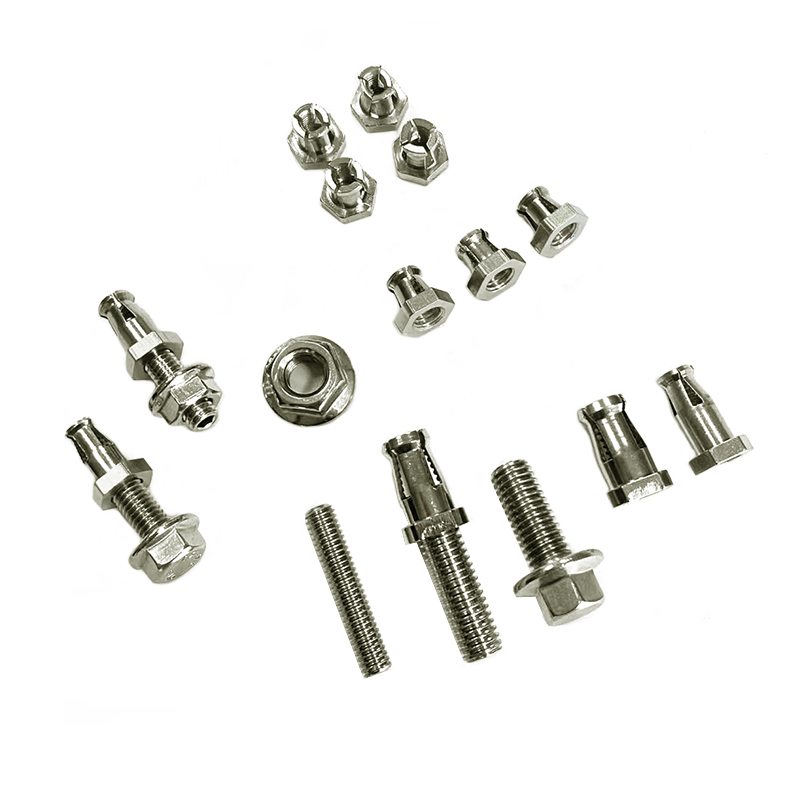
Detachable rotary back bolt anchoring material is a new kind of curtain wall, made of high-quality stainless steel material processing, according to t...
See Details
We will wholeheartedly provide you with high quality products, reasonable price, on-time delivery and attentive service.
Maoshan Taiwan Business Industrial Park, Dinan Town, Xinghua City, Jiangsu Province, China

+86-523-82799922

+86-15996094444

+86-523-82799933


Copyright © Jiangsu Aozheng Metal Products Co., Ltd. All Rights Reserved.
 English
 русский
 Español
 عربى
عربى

Contact Us