-
 Tel:
+86-15996094444
-
 E-mail:
INQUIRE NOW
+86-15996094444
INQUIRE NOW

Article Directory
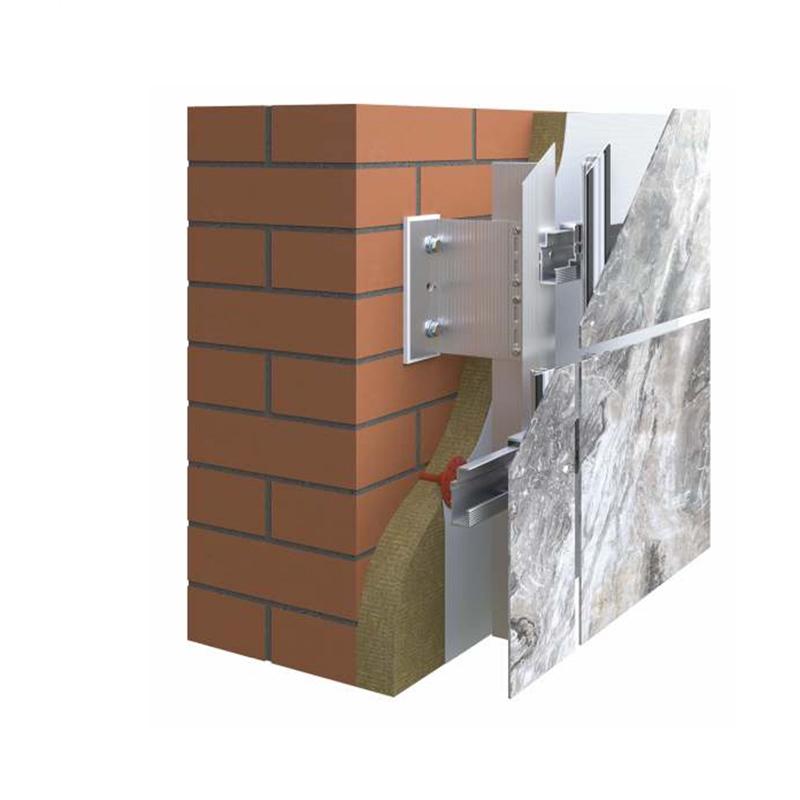
An aluminum composite material (ACM) panel is a manufactured cladding component; an ACM panel facade system is the engineered assembly of panels, support rails, brackets, anchors, and joint seals that transfers wind and dead loads back to the building structure. Published facade failure studies repeatedly trace failures not to a delaminating panel but to a corroded bracket, an incompatible core, or a fixing detail that ignored thermal movement.
In a correctly specified system, a 4 mm ACM panel with 0.5 mm aluminum skins stays flat for decades. In an under-specified one, the same panel oil-cans, shadows, or loses edge fixation within the first maintenance cycle. The difference is decided by a small set of performance requirements: fire performance, structural capacity, corrosion resistance, coating durability, moisture control, and verification.
A facade system performs only as well as its weakest link, so the requirements below must be defined as a set rather than selected from a menu.
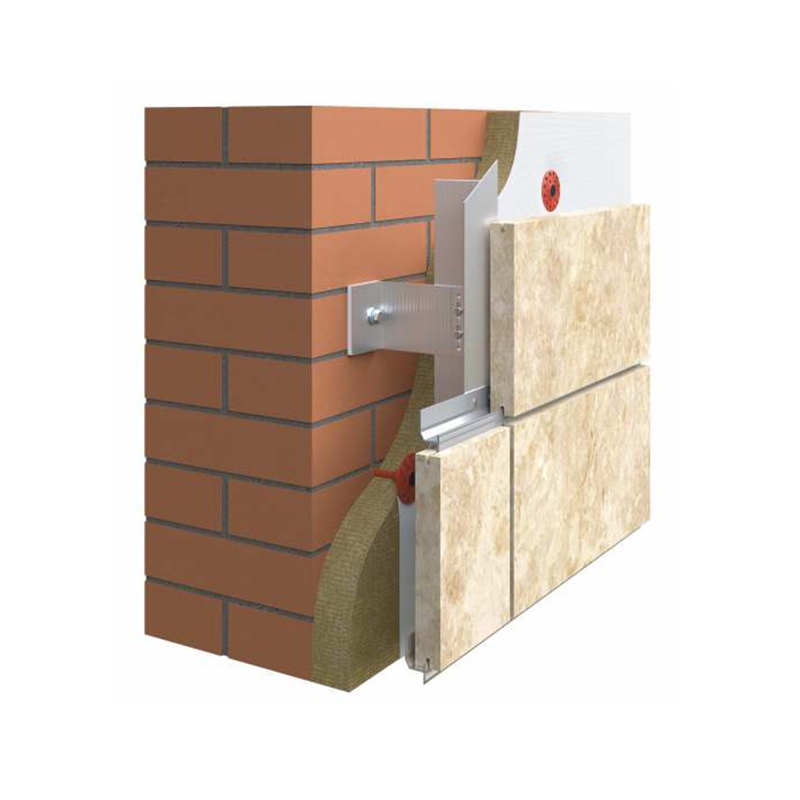
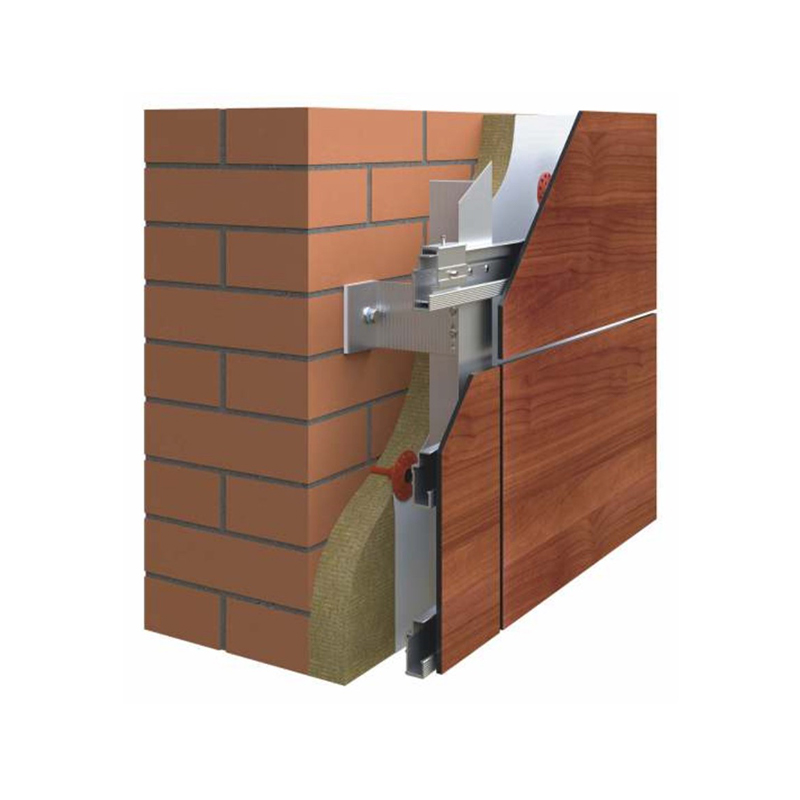
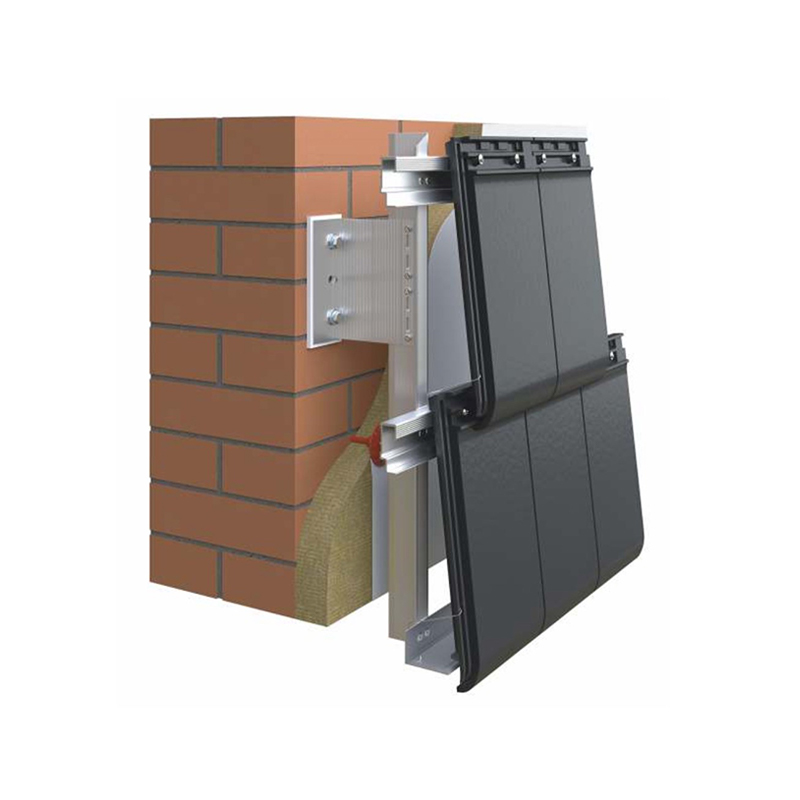
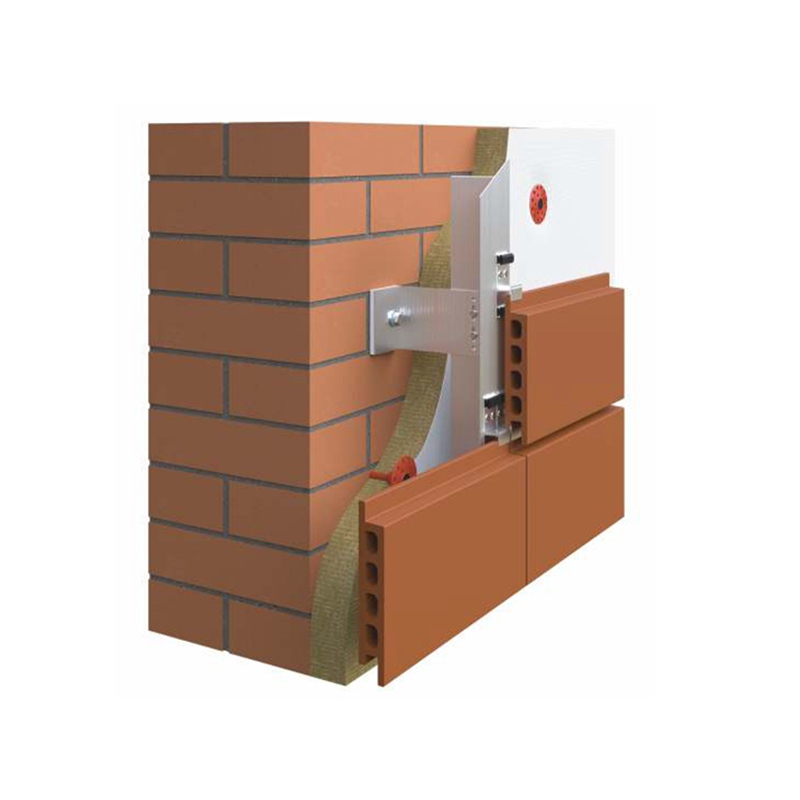
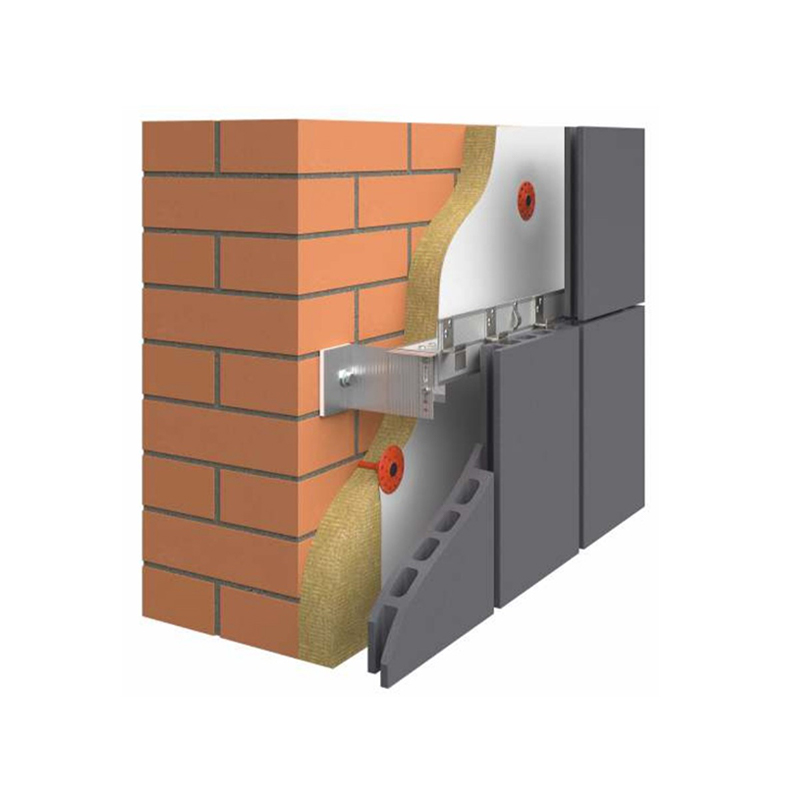
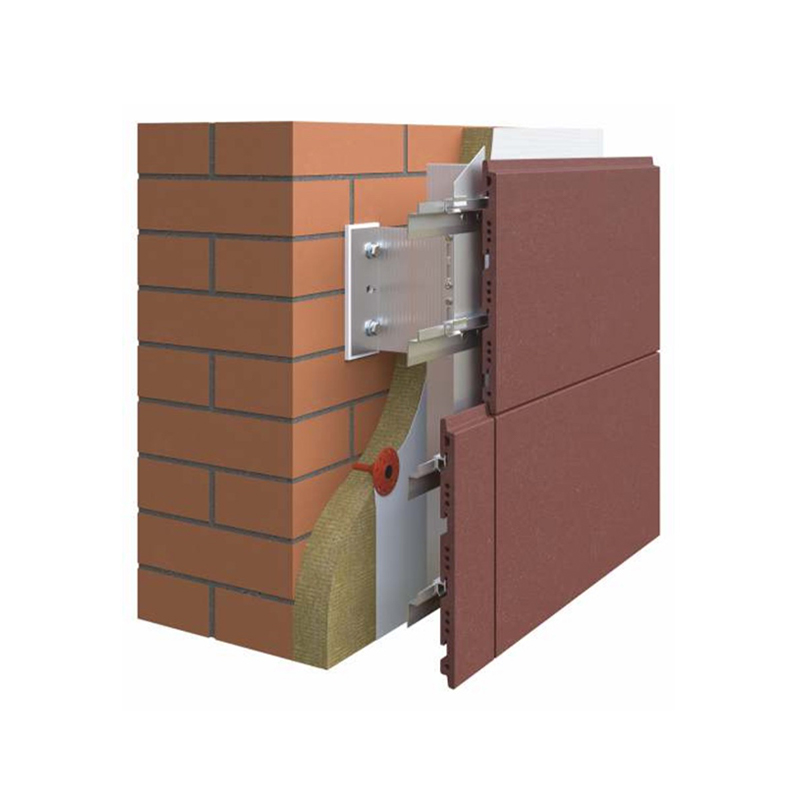
An ACM panel facade system is a drained and ventilated rainscreen assembly in which aluminum composite panels are retained by a metal support frame and fixed back to the structure with cast-in channels or post-installed anchors, engineered so that fire safety, structural resistance, and moisture management act together as one system.
Core classification and full-assembly NFPA 285 compliance matched to building height and occupancy.
Wind-load and dead-load path engineered with controlled deflection limits on panels and frame.
Brackets, rails, and fasteners rated for the site atmosphere and the expected service life.
PVDF skin finish that defends the panel face and cut edges against UV, salt, and acid rain.
A drained and vented cavity that removes condensation and equalizes pressure across the cladding.
Flat substrate and matched profiles that prevent oil-canning and visible wave in the panel plane.
The panel core is the first fire-safety decision a plan reviewer checks, and it sets the compliance path for the whole wall.
In the International Building Code (IBC) 2021, Section 1407.11 requires exterior walls containing metal composite material on buildings higher than 40 feet to pass NFPA 285 as a complete assembly. Choose the core before the color: the core determines whether that test is even achievable.
| Core type | Fire classification | Typical code position |
| Polyethylene (PE) | EN 13501: Class D or worse; combustible | Interior features, signage; restricted on exteriors in most jurisdictions |
| Fire-retardant (FR) | EN 13501: Class B-s1,d0; ASTM E84 Class A, flame spread 0-25, smoke developed 0-450 | Exterior cladding where the complete assembly passes NFPA 285 |
| Mineral non-combustible (A2) | EN 13501: A2-s1,d0; limited combustibility | High-rise facades, schools, hospitals, strict fire districts |
An FR core does not make the wall compliant by itself. NFPA 285 evaluates the complete assembly — substrate, insulation, cavity, and cladding together. Change the insulation thickness or the cavity detail and the previous test report no longer applies. Hold the tested build-up unchanged, or commission a new assembly test.
Wind resistance in an ACM facade is governed by panel stiffness, bracket spacing, and substrate flatness, in that order.
For commercial high-rise exteriors, 4 mm is the standard panel specification. The 4 mm build with 0.5 mm skins provides roughly twice the flexural rigidity of a 3 mm panel, which directly controls visible deflection under negative wind pressure. A 3 mm panel is lighter and less rigid and belongs on low-rise screens and decorative zones.
| Panel build | Typical skin | Application |
| 3 mm | 0.3 mm | Canopies, soffits, interior feature walls |
| 4 mm | 0.5 mm | Standard commercial and high-rise exterior cladding |
| 6 mm | 0.5 mm | Large-format panels, column covers, high-rigidity zones |
Substrate flatness is the requirement most often ignored. A frame that is out of tolerance cannot be corrected with packers without creating local point loads, and the panel will then reflect every deviation as a visible wave in low-angle light.
The durability of an ACM facade is the durability of its support frame, because corrosion failures develop silently behind the panels.
Brackets and rails for ACM systems come in three material families, and the choice should follow the building location and the expected service life.
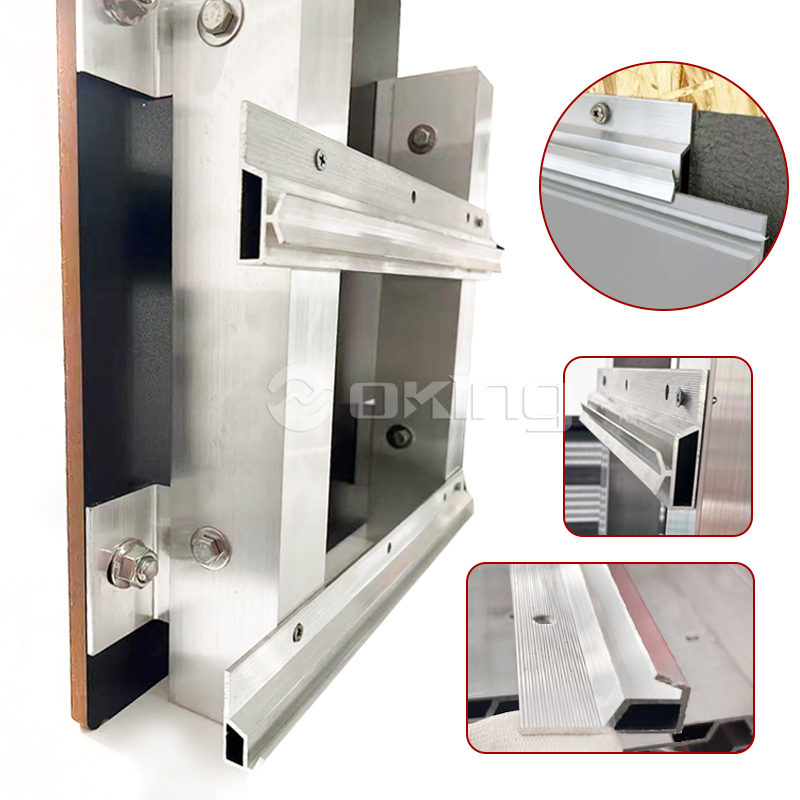
Panel retention is handled by aluminum profiles that grip the panel edge without crushing the core. A no-gap clamping channel holds the panel firmly and keeps the face flat; an aluminum bracket system speeds alignment on site.
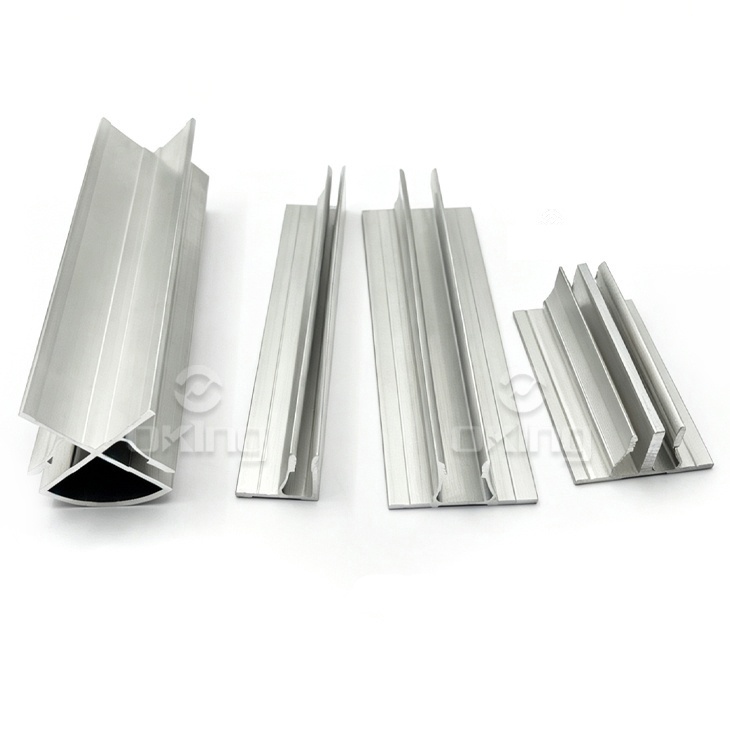 AOZ No-gap Clamping Channel for Aluminum Composite PanelsThis aluminum alloy clamping channel grips panel edges without crushing the core, ensuring a flat face and fast plug-in assembly. It suits composite panels, solid core boards, and interior cladding, with matched profiles for corners and edges.View Product →
For large-format facades, aluminum brackets for ACM panels are produced in matched sets so the panel plane stays true across the elevation.
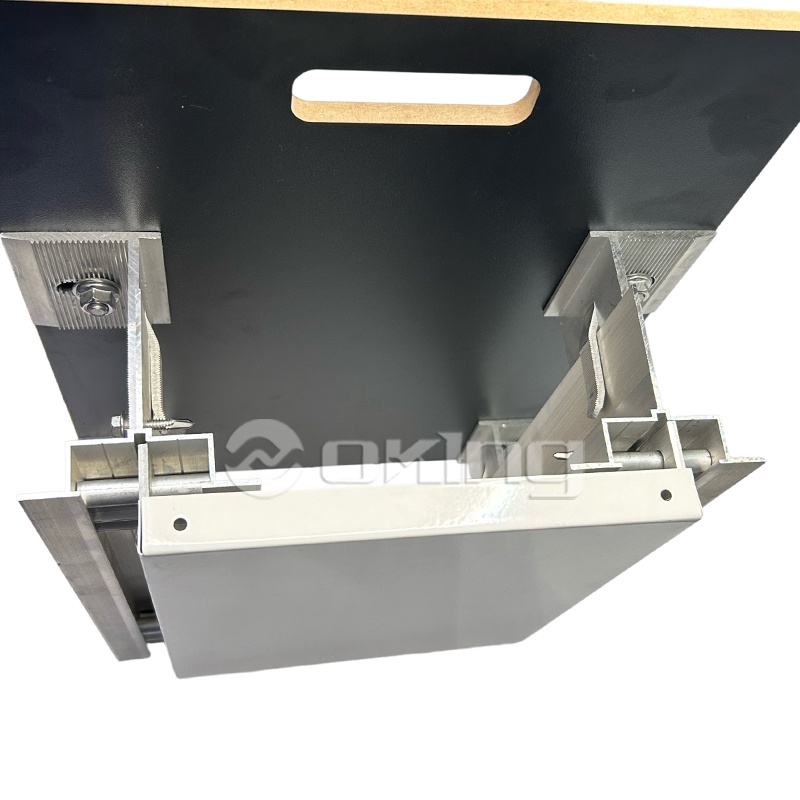 AZACP-01 Aluminum Bracket for ACM Panel Facade SystemsThis matched-set aluminum bracket keeps large-format ACM panel planes true across elevations. Designed for composite cassettes and concealed fixing, it simplifies alignment on site while supporting the load path to anchor channels or post-installed anchors.View Product →
At the back of the bracket, the load path reaches the structure through cast-in anchor channels embedded in the concrete, or through post-installed anchors where the fixing position was not planned. Both routes must be engineered for pull-out and shear, not static gravity alone. Detailed load and corrosion guidance for these parts is covered in our complete guide to stainless steel cladding brackets.
Galvanic corrosion is the silent failure of facade systems. Aluminum brackets on zinc-plated carbon steel bolts form a bimetallic couple that corrodes quickly in humid coastal air, and the joint fails years before the panel shows any visible change.
The aluminum skin and its coating define the facade's appearance and its cleaning interval, not the core.
Exterior skins should be at least 0.5 mm thick. Thinner skins, down to 0.2-0.3 mm, suit signage and interior work; on a building facade they oil-can and dent during cleaning and handling. Coating is the real life-cycle cost: a 70% PVDF finish survives 20 to 30 years of ultraviolet and acid-rain exposure, while polyester paint degrades in roughly half that time.
A coating warranty is not a coating lifetime. A 20-year PVDF warranty assumes the stated cleaning cycle is actually performed; in coastal salt and industrial fallout, washing intervals shorten and the film degrades from the cut edge inward.
Moisture management separates a rainscreen facade system from a face-sealed leak in progress.
The drained and ventilated cavity behind the panels releases wind-driven rain that passes the joints, carries condensation away at the base flashing, and equalizes pressure across the cladding. Without that cavity, water migrates into the insulation and corrodes the support frame from behind.
Thermal movement is equally demanding. Aluminum expands at roughly 0.023 mm per meter per degree C, so a 4 m panel crossing a 60-degree seasonal swing moves about 6 mm. Joints must allow movement at the panel perimeter, and long elevations need vertical expansion joints at the system supplier's recommended intervals. Corner returns, commonly formed with curved arc outside corner profiles, must be detailed so the bend radius matches the panel skin without cracking it.
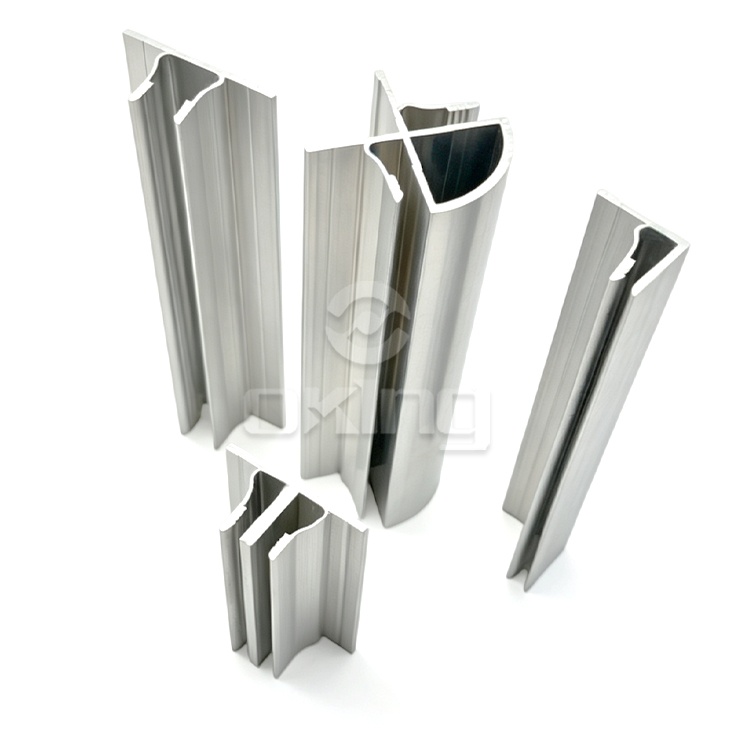 AOZ Curved Arc Outside Corner Profile for ACM PanelsThis extruded corner profile accommodates thermal expansion and maintains the bend radius without cracking the panel skin. It is essential for detailing corner returns on large-format facades, ensuring movement is allowed and the elevation stays intact.View Product →
A vented cavity also relieves solar-driven vapor pressure behind dark panels, which otherwise pushes moisture inward through the air barrier and condenses on the cold side of the insulation.
Procurement should verify certificates and inspect the first article, not compare catalog prices alone.
A production partner with its own factory can lock these verification steps into the contract. Jiangsu Aozheng Metal Products Co., Ltd. manufactures ACM panel facade hardware — clamping channels, corner profiles, and aluminum support brackets — and delivers worldwide as an OEM supplier, which means material certificates, coating records, and first-article dimensional checks can all be agreed before the production run starts.
Verify with documents, inspect the delivered parts, and keep the tested assembly unchanged. A facade specified this way performs; a facade specified on price alone becomes a maintenance budget.
A polyethylene (PE) core is fully combustible and typically achieves no better than Class D under EN 13501. A fire-retardant (FR) core contains mineral flame-retardant fillers, reaches Class B-s1,d0 in the European classification, and meets ASTM E84 Class A with a flame spread of 0-25 and smoke developed of 0-450 in the North American system. For any exterior cladding, specify FR at minimum; for high-rise and strict jurisdictions, specify an A2 non-combustible core.
Yes, on most buildings exceeding 40 feet in height in jurisdictions that adopt the IBC 2021, where Section 1407.11 requires it. The test runs on the complete exterior wall assembly, not on the panel alone, so the insulation, cavity, and support system used in the test must match the project design.
4 mm with 0.5 mm aluminum skins is the standard for commercial high-rise exteriors. The 3 mm panel is lighter and less rigid and is better reserved for low-rise canopies, soffits, and interior features.
With a 70% PVDF coating, an FR core, and a corrosion-protected stainless or aluminum support frame, a 25 to 30 year service life is realistic. Coating quality, installation tolerance, and the maintenance cycle set the actual figure.
If a supplier cannot produce the certificates listed above, treat the offer as non-compliant. The cheapest ACM facade system is the one that never needs early replacement — verify before you buy.

We will wholeheartedly provide you with high quality products, reasonable price, on-time delivery and attentive service.
Maoshan Taiwan Business Industrial Park, Dinan Town, Xinghua City, Jiangsu Province, China

+86-523-82799922

+86-15996094444

+86-523-82799933


Copyright © Jiangsu Aozheng Metal Products Co., Ltd. All Rights Reserved.
 English
 русский
 Español
 عربى


Contact Us