-
 Tel:
Tel:+86-15996094444
-
 E-mail:
INQUIRE NOW
+86-15996094444
INQUIRE NOW

Article Directory
Using Cast In Anchor Channels enhances installation speed, reduces noise, and offers flexibility that drilled anchors cannot provide.
| Aspect | Traditional Drilled Anchors | Cast In Anchor Channels |
| Installation Speed | Approx. 5–10 minutes per anchor | Approx. 1–2 minutes per fixing point |
| On-site Dust Level | High (due to drilling) | Negligible (embedded during casting) |
| Adjustment Range | None after drilling | ±40 mm sliding adjustment |
The table below illustrates technical differences between drilled anchors and Cast In Anchor Channels:
| Metric | Drilled Anchors | Cast In Anchor Channels |
| Installation Time | 5–10 min/point | 1–2 min/point |
| On-site Dust | High | Low |
| Flexibility | Fixed after drilling | Adjustable ±40 mm |
| Typical Bolt Size | M10–M16 | M8–M20 |
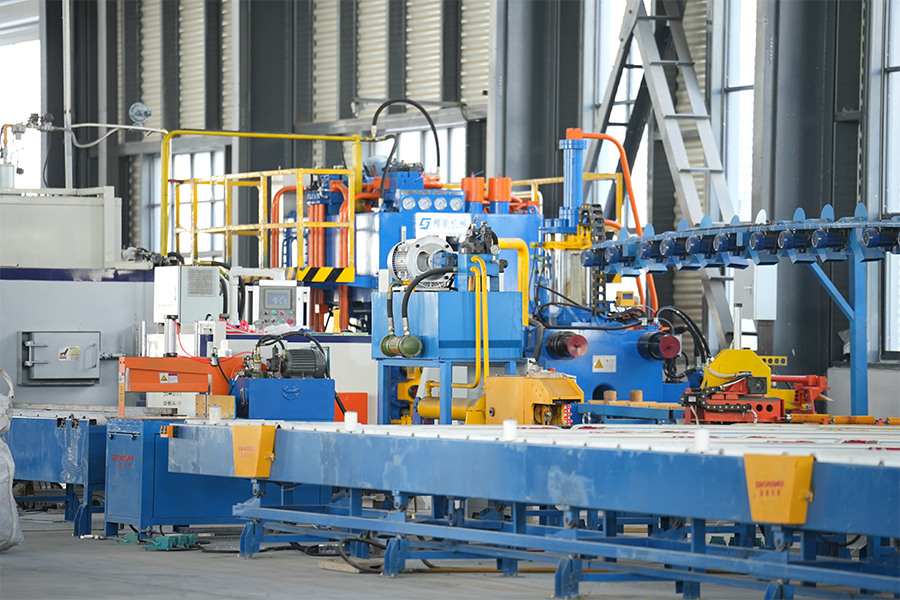
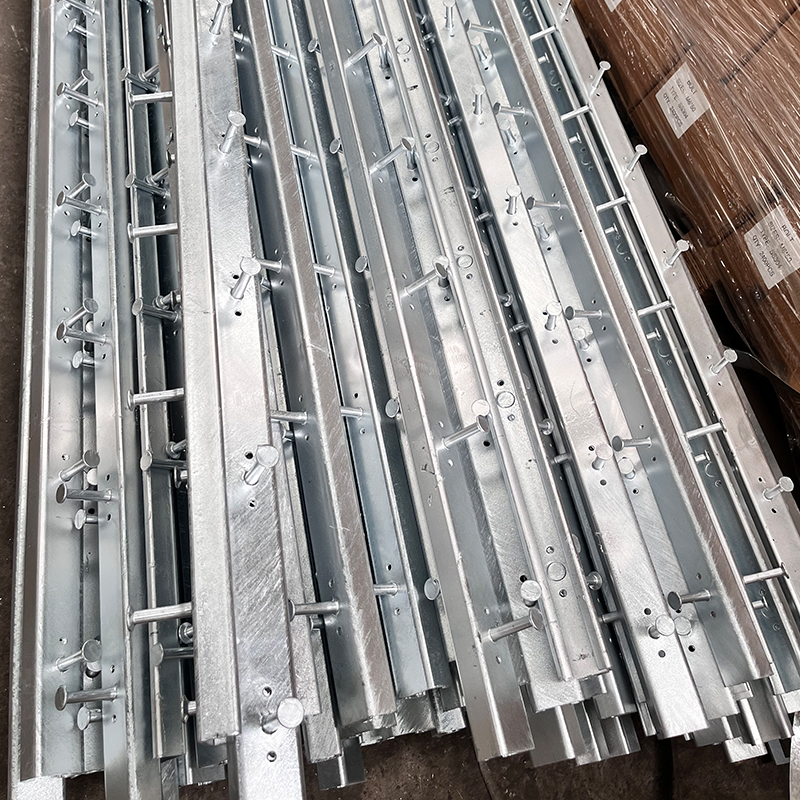
The primary advantages include faster installation (saving up to 30% time), improved cleanliness with almost no dust, and greater flexibility for alignment (±40 mm adjustment). Compared to traditional drilled anchors, these systems provide superior workflow integration and compliance with modern construction standards.
Yes. Cast In Anchor Channels are designed to handle significant static and dynamic loads. Typical tension capacity reaches up to 20 kN per anchor, and they comply with fire and seismic safety standards. Their adaptability makes them ideal for high-rise curtain wall systems that require precision and reliability.
Jiangsu Aozheng Metal Products Co., Ltd. is a combination of industry and trade enterprises, committed to producing stainless steel, aluminum alloy, carbon steel, and low alloy steel materials, as well as architectural hardware. The company uses advanced automated cutting, stamping, and welding processes, operating as a diversified and large-scale professional production base that integrates raw material forming and machining. With an annual production capacity exceeding 2000 tons of various building materials, Jiangsu Aozheng Metal Products Co., Ltd. primarily exports to the United States, Germany, Italy, the United Kingdom, South Korea, Australia, Canada, the Middle East, and many other countries. It collaborates with large construction companies and globally recognized architectural teams, becoming a trusted supplier of premium building materials in China.
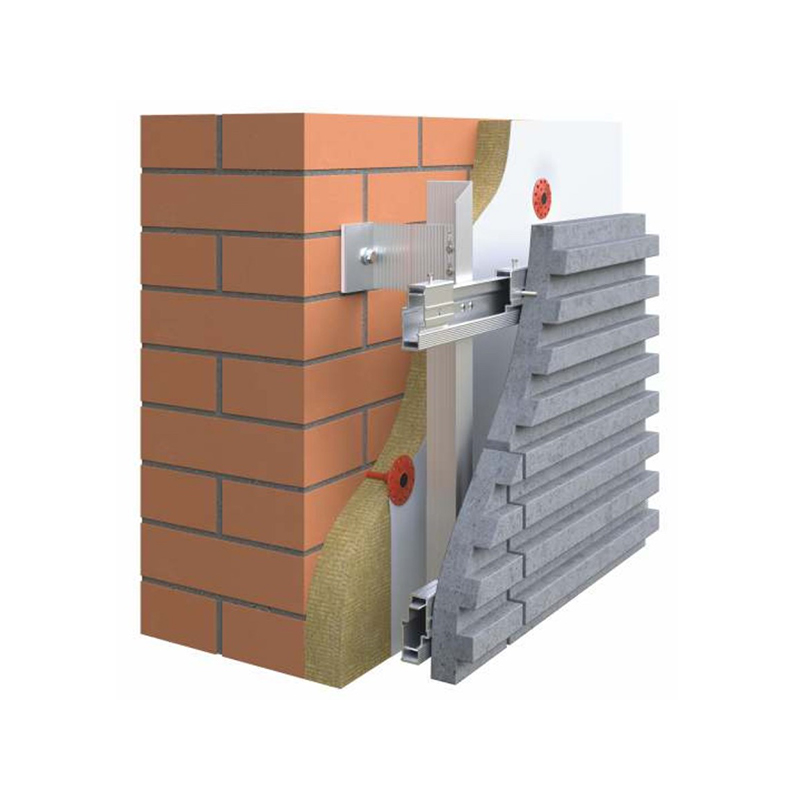
Facade System A0Z-v-20FACING MATERIALS:Porcelain stoneware tiles, natural stone slabs, textured glass-fiber reinforced concrete slabs, fiberglass comp...
See Details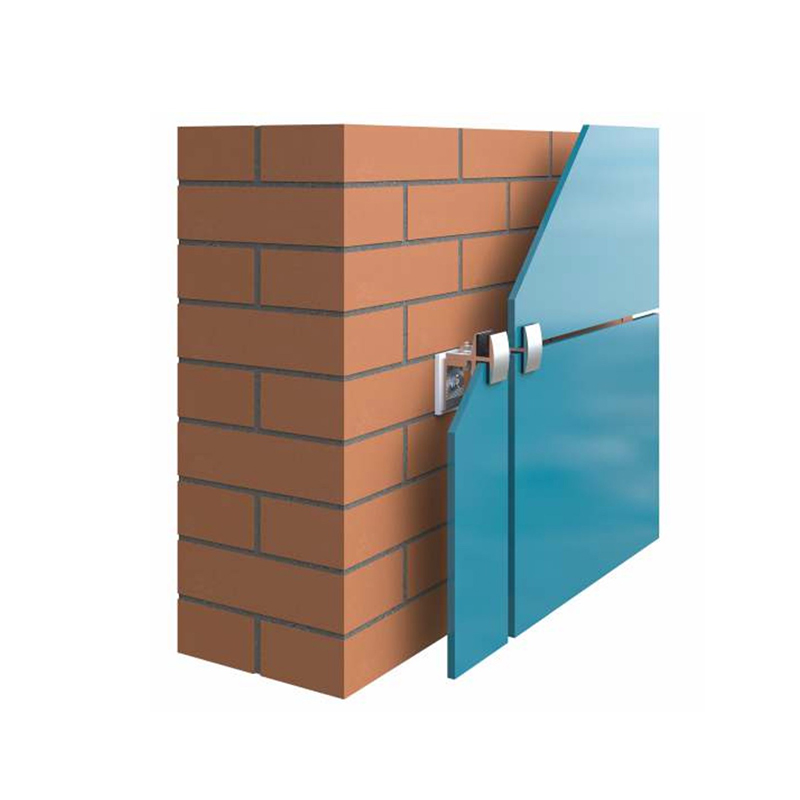
Facade System AOZ-v-300FACING MATERIAL:Tempered glass and stimulate 4 to 8 mm thickFIXING:Visible with clamps with gasketMAX FACING SIZES:1200x2000mm
See Details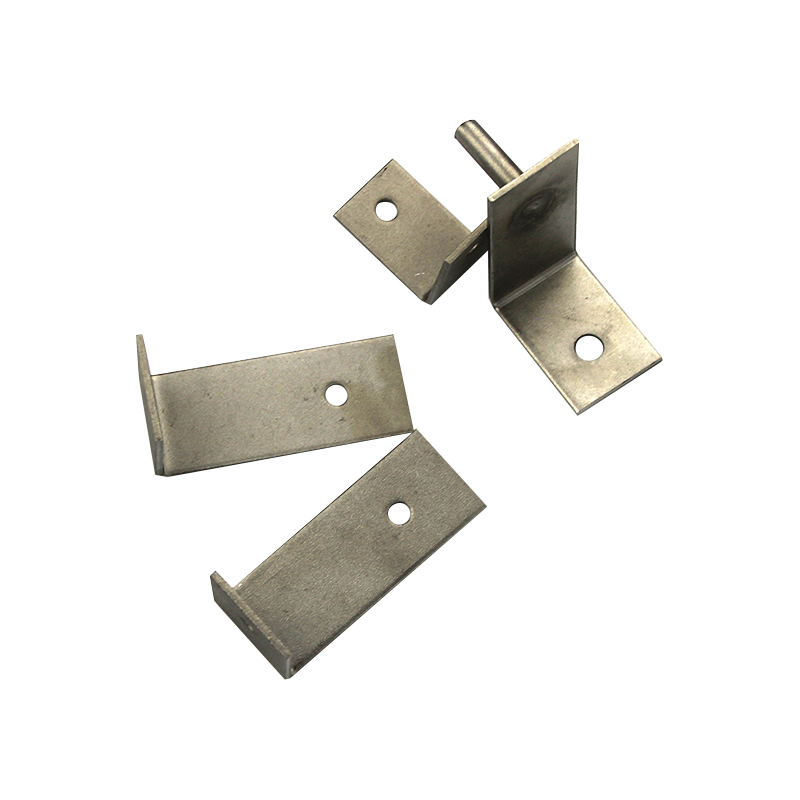
Stainless steel welded L-shaped angle steel is a commonly used building structural material. It is made of stainless steel through a welding process a...
See Details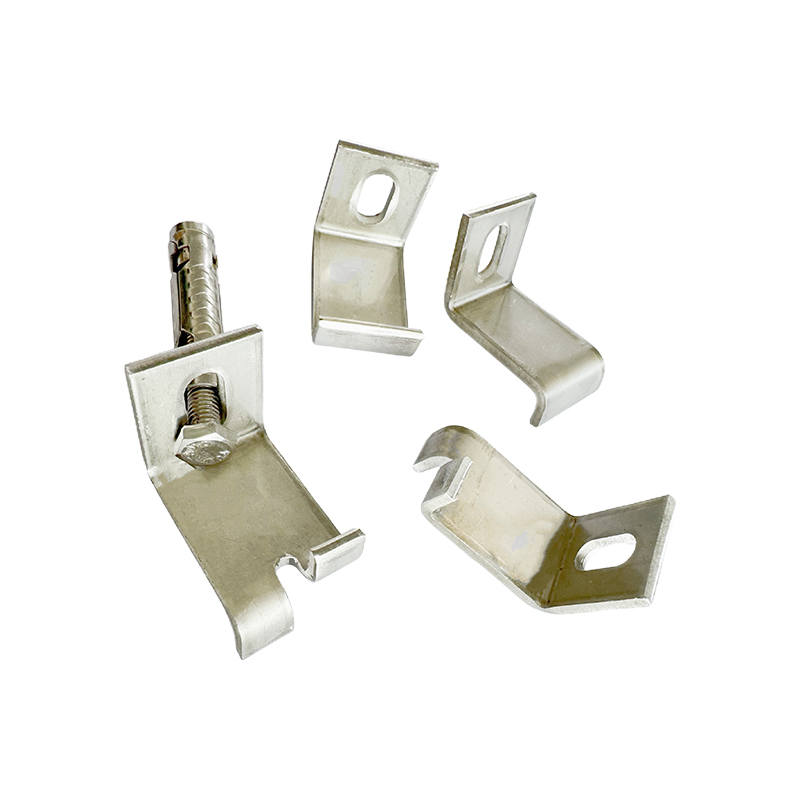
The Stone Fixing Cladding Metal Down Anchor Bracket is a precision-engineered structural component designed for the secure secondary support of natura...
See Details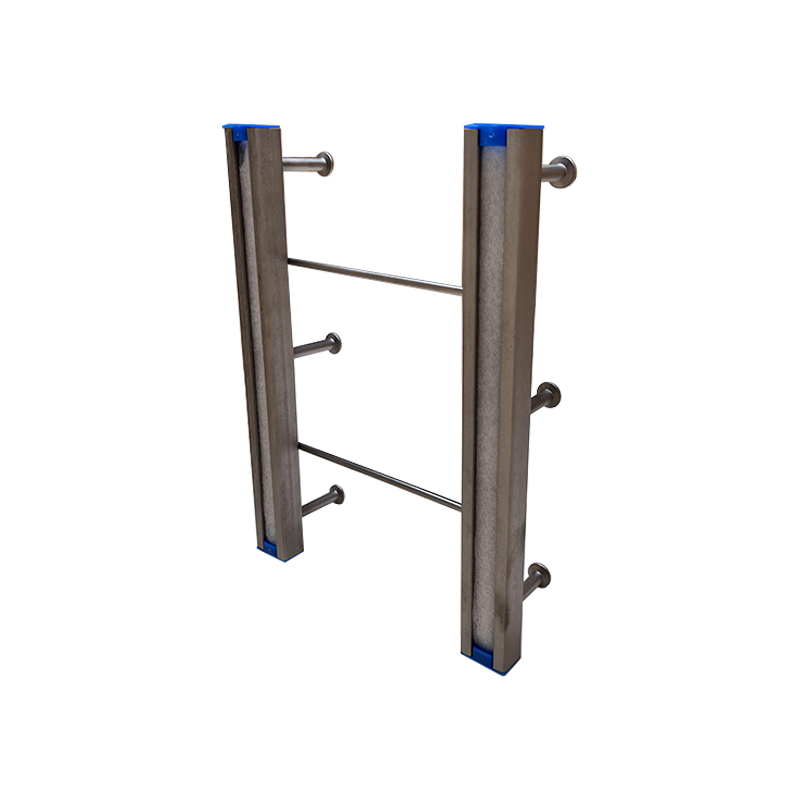
Stainless Steel Anchor Channel Pair is an important construction and engineering material popular for its corrosion resistance and high strength prope...
See Details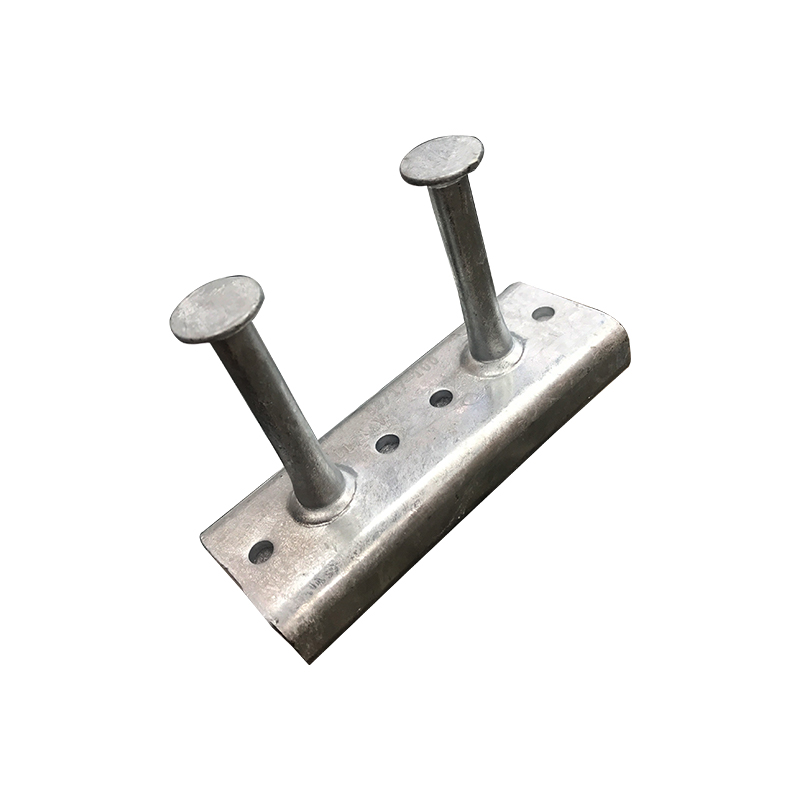
Cold roll cast-in anchor is an important building connector. This anchor is pre-buried in a predetermined position before concrete is poured and ensur...
See Details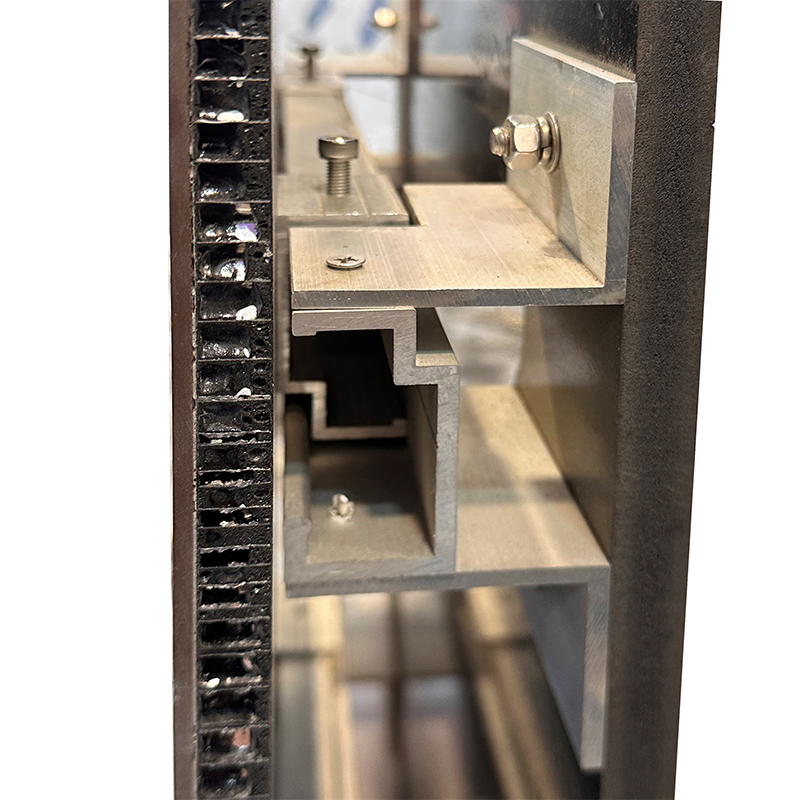
The honeycomb panel pendant mainly consists of the following accessories:Pendant body: This is the core part of the pendant, which is usually made of ...
See Details
We will wholeheartedly provide you with high quality products, reasonable price, on-time delivery and attentive service.
Maoshan Taiwan Business Industrial Park, Dinan Town, Xinghua City, Jiangsu Province, China

+86-523-82799922

+86-15996094444

+86-523-82799933


Copyright © Jiangsu Aozheng Metal Products Co., Ltd. All Rights Reserved.
 English
 русский
 Español
 عربى
عربى

Contact Us