-
 Tel:
Tel:+86-15996094444
-
 E-mail:
INQUIRE NOW
+86-15996094444
INQUIRE NOW

Article Directory
Curtain wall embedded parts are pre-installed steel anchoring components cast into a building's structural frame — columns, beams, floor slabs, or shear walls — that provide the fixed connection points from which the entire curtain wall system is suspended or anchored. Without them, no curtain wall can be safely attached to the primary structure. They are the first item installed and the last item anyone thinks about, yet every load the facade experiences — wind, seismic, thermal, dead weight — travels through these components before reaching the structure.
To address the related questions directly: curtain walls are generally non-structural (they carry only their own self-weight), but they can be engineered as structural elements in specific applications. Most curtain walls are fixed (non-operable) by default, though operable vents and windows are routinely incorporated. And yes — curtain wall systems are used on interior partitions in large open-plan buildings, not just building exteriors.
Embedded parts serve as the mechanical interface between two systems that behave very differently: a concrete or steel structural frame that moves slowly under long-term load, and a glass-and-aluminum curtain wall that expands, contracts, and deflects rapidly with temperature and wind. The embedded part must accommodate both while transmitting defined loads cleanly.
The four primary load paths through an embedded part are:
A conventional curtain wall is non-structural by definition: it spans between floors, carries its own weight, resists wind pressure, and transfers those loads to the building frame — but it does not carry floor loads, roof loads, or the weight of other building elements. This is the defining characteristic that separates a curtain wall from a load-bearing facade or a structural glazed wall.
However, the line blurs in two scenarios:
For standard multi-story curtain walls on commercial towers, the embedded parts are designed for facade loads only. The structural engineer specifies the embedded part geometry and position; the curtain wall engineer designs the bracket that connects to it.
Yes — but the operable portions are panel-level features, not system-level ones. A standard stick-built or unitized curtain wall provides the fixed, weathertight envelope. Within that envelope, individual panels can incorporate:
The embedded parts are unaffected by whether panels are operable or fixed — the anchor locations are determined by the structural grid, not the panel type. What changes is the mullion sizing: operable panels introduce additional dead load from hardware (hinges, operators, locking mechanisms) that the transom and the curtain wall bracket must carry.
Interior curtain wall applications are common in large commercial, retail, and institutional buildings. The same stick-built or unitized system used on an exterior facade can be installed on interior boundaries to create:
Interior installations typically use lighter embedded parts than exterior applications because wind load is eliminated. The governing loads become dead weight and the impact / accidental loads specified by the building code for interior partitions — usually a horizontal point load of 0.5 to 1.5 kN applied at 1.1 m above floor level. Seismic drift provisions still apply in seismic zones, even for interior walls.
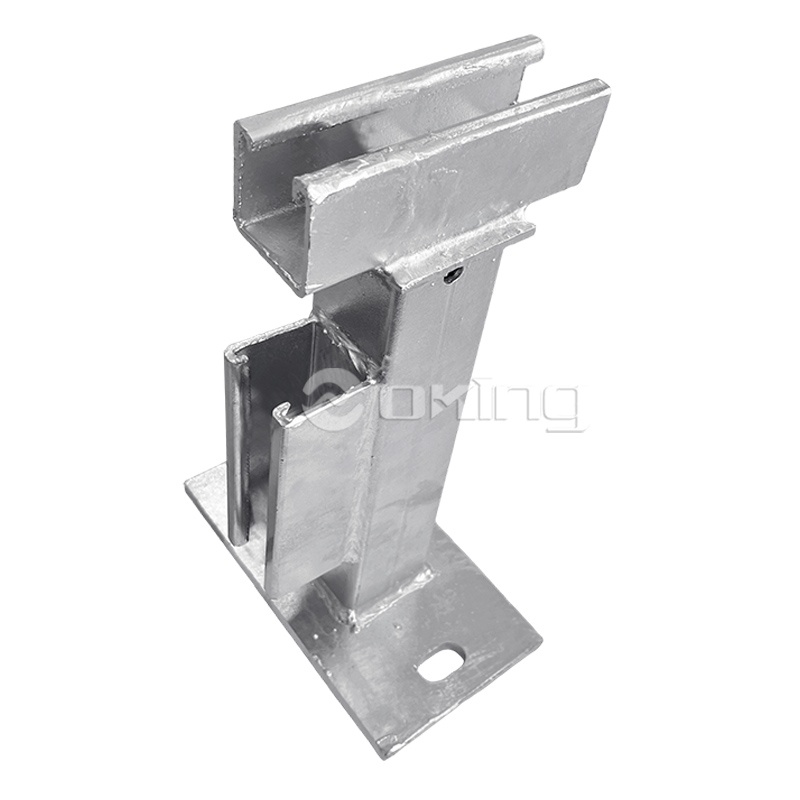
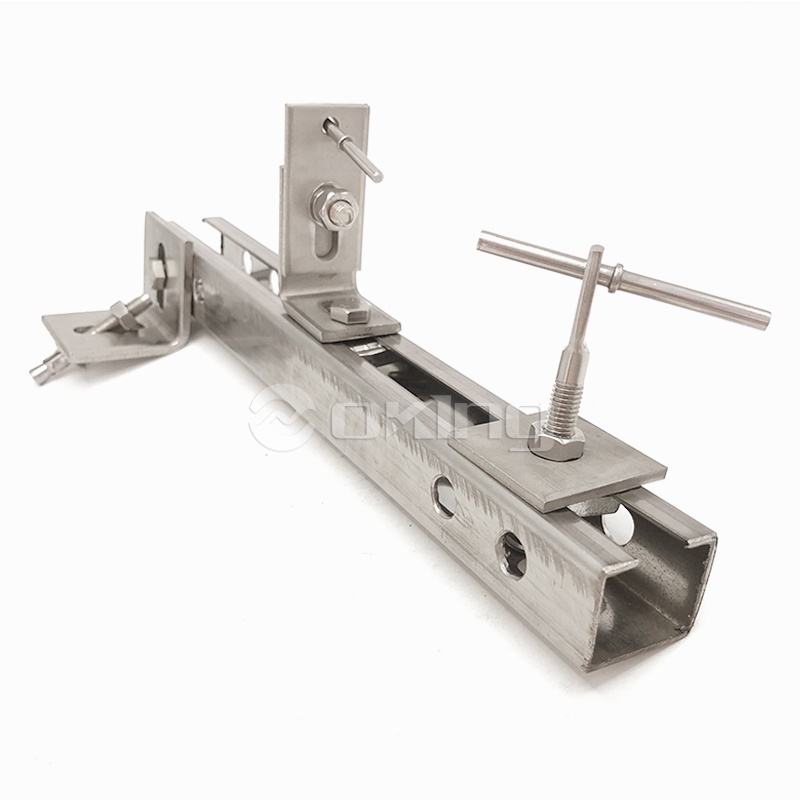
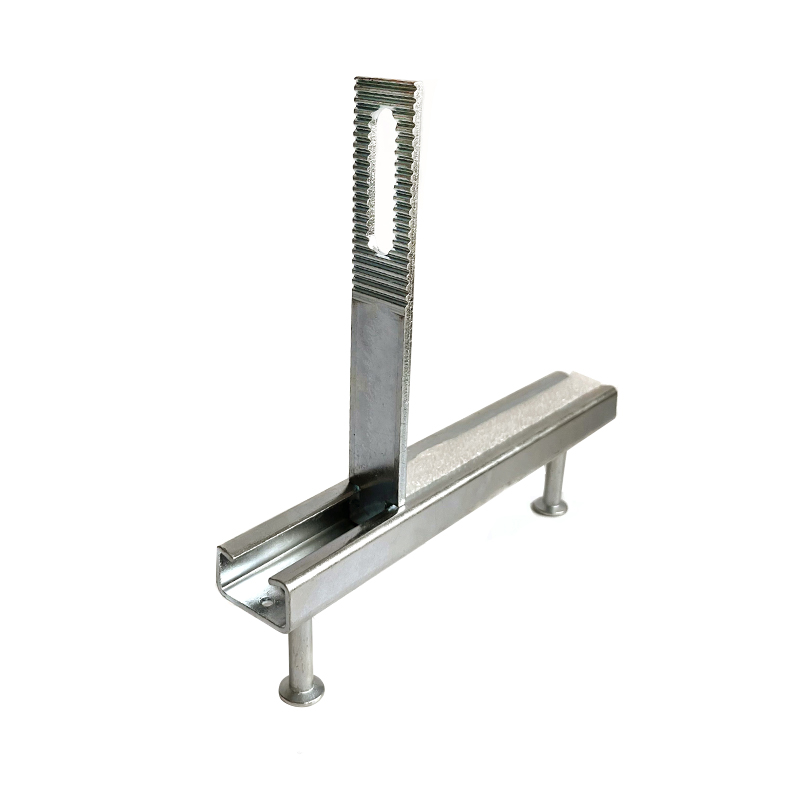
The correct embedded part type depends on the structural substrate, the load magnitude, and the required adjustability range. The four main categories:
| Type | Substrate | Typical Capacity | Adjustability |
|---|---|---|---|
| Cast-in channel (Halfen / T-bolt) | In-situ concrete slab or column | Up to 80 kN shear per node | Continuous along channel length |
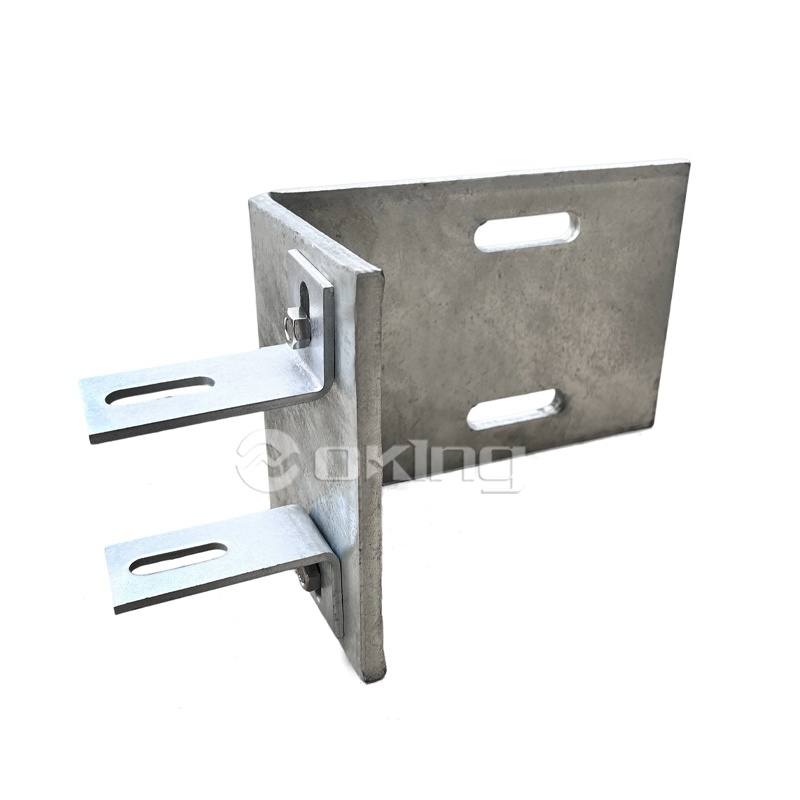
| Welded plate with anchor studs | In-situ or precast concrete | Up to 200 kN tension / shear | Fixed position; bracket provides adjustment |
| Precast concrete embedded insert | Precast slab or column | 20–120 kN depending on stud pattern | Fixed; set in factory |
| Post-installed anchor (epoxy / mechanical) | Any hardened concrete | 15–60 kN per anchor | Drilled to suit; flexible positioning |
Cast-in channels offer the best combination of load capacity and on-site adjustability for high-rise unitized curtain walls, where bracket positions must be fine-tuned after the concrete frame has been surveyed. Precast inserts are preferred in factory-controlled environments where positional tolerance can be held to ±2 mm, tighter than the ±5 to ±10 mm typical of site-cast concrete.
Embedded parts for curtain walls are designed under a combination of facade engineering standards and concrete anchor standards. The key design references in current practice include:
A correctly designed embedded part includes a minimum edge distance of 6× the anchor diameter from any concrete edge, and minimum spacing of 3× the anchor diameter between adjacent anchors in a group. Violations of these minimums trigger steep reduction factors that can reduce allowable capacity by 40% or more.
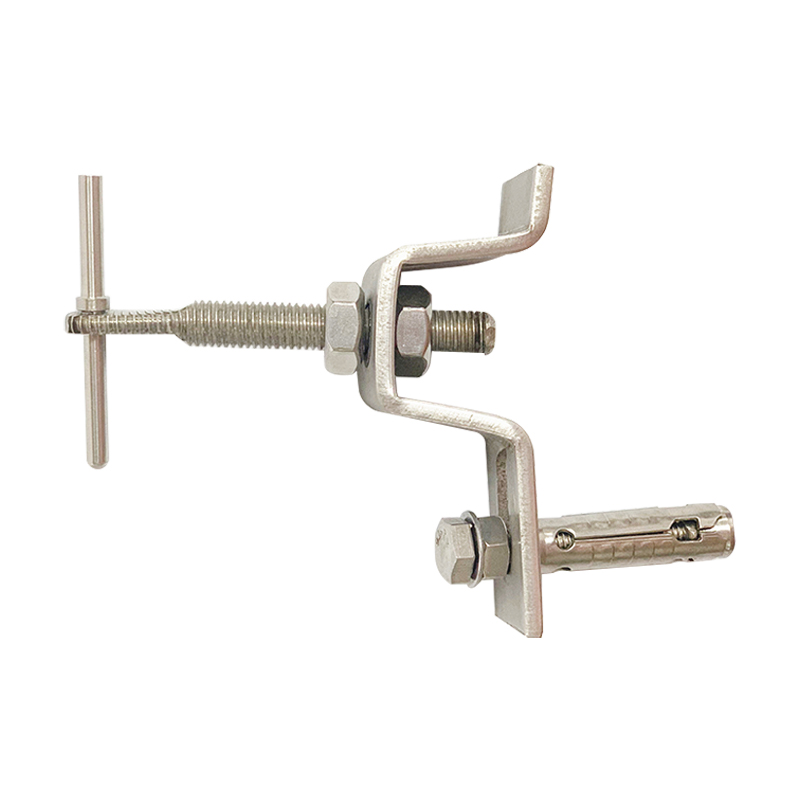
Positional accuracy of curtain wall embedded parts is critical because the curtain wall bracket system has a finite adjustment range — typically ±20 mm in three axes for a standard three-way adjustable anchor bracket. If embedded parts fall outside this envelope, remediation options are expensive: post-drilling, weld-on extension plates, or complete re-anchor in a new location.
Best practice on major projects includes three coordination steps:
Embedded parts operate at the boundary between two corrosion environments: the alkaline concrete interior (pH 12–13) and the exposed bracket zone subject to moisture, pollution, and — in coastal locations — chloride deposition. Material selection must address both zones.
Bi-metallic corrosion (galvanic action) is a persistent risk where aluminum brackets contact steel embedded parts. A neoprene or EPDM isolation washer, minimum 3 mm thick, at every bracket-to-embedded-part contact surface is a code requirement in most facade specifications and should never be omitted to save cost.

We will wholeheartedly provide you with high quality products, reasonable price, on-time delivery and attentive service.
Maoshan Taiwan Business Industrial Park, Dinan Town, Xinghua City, Jiangsu Province, China

+86-523-82799922

+86-15996094444

+86-523-82799933


Copyright © Jiangsu Aozheng Metal Products Co., Ltd. All Rights Reserved.
 English
 русский
 Español
 عربى
عربى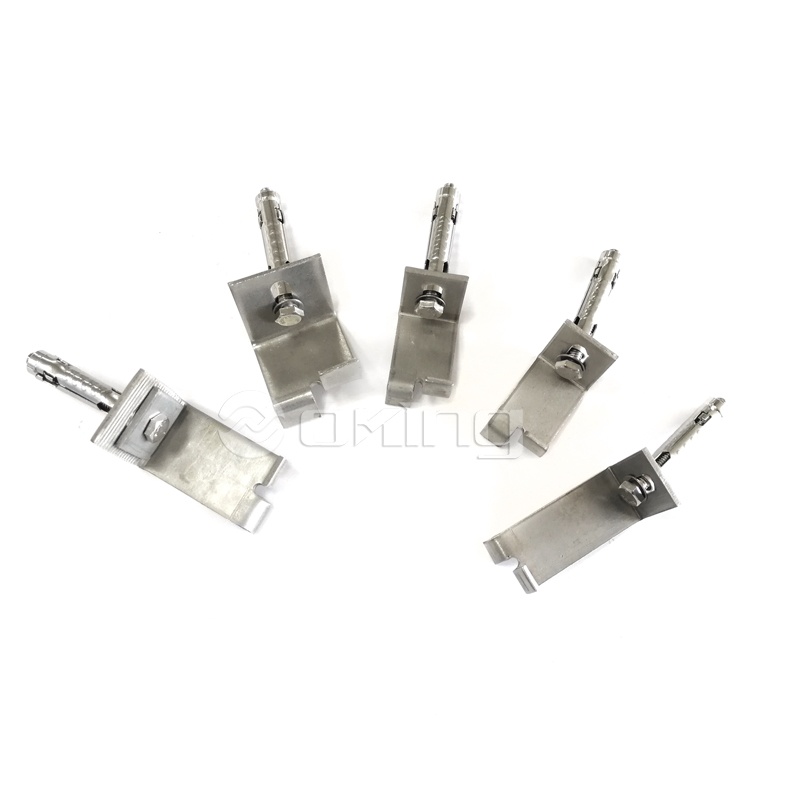


Contact Us