


 English
 русский
 Español
 عربى
عربىWhat Is Strut Channel?
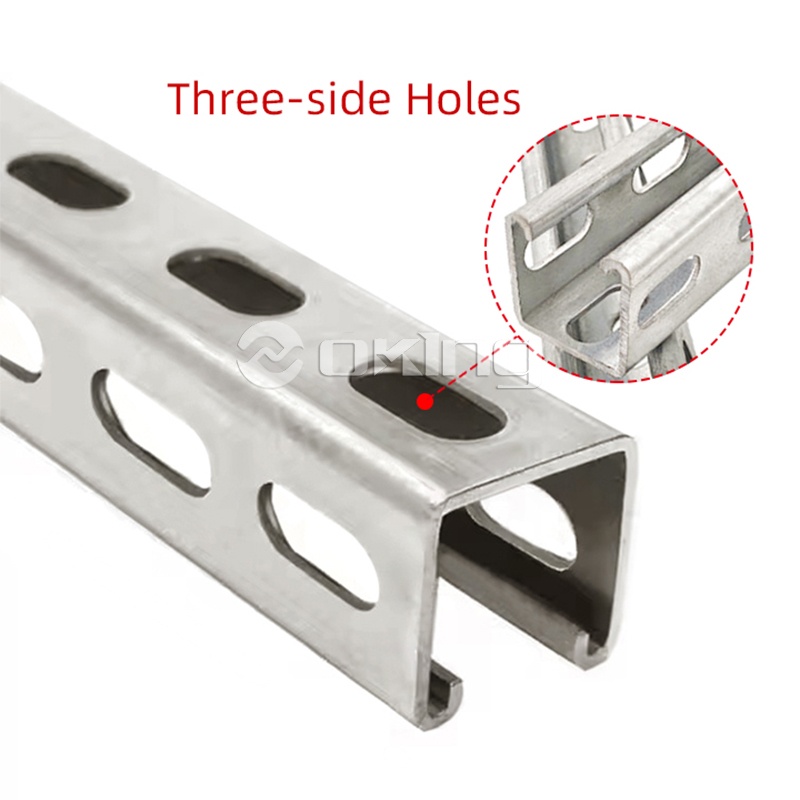
Strut channels are cold-formed, open-section steel (or aluminum) profiles with a continuous slot running along one face. That slot accepts square-neck bolts, spring nuts, and a wide range of fittings, making the channel a universal structural mounting rail for mechanical, electrical, and plumbing systems. You may also encounter them under the trade names Unistrut, Kindorf, Superstrut, or simply "slotted channel" — but strut channel is the generic engineering term recognized across the construction and manufacturing industries.
In practical terms: strut channel is a pre-punched or continuously slotted rail that lets you attach, adjust, and re-attach components anywhere along its length without drilling new holes. One 3-meter length can support conduit, cable trays, HVAC ductwork, solar panel frames, or pipe hangers — often all at once.
Is There a Channel Called Strut?
Yes. "Strut" in structural engineering refers to a compression member, and the channel profile was designed to function as both a compression strut and a mounting rail simultaneously. The name stuck. In North America the product is almost universally called strut channel or just "strut." In the UK and Australia it is frequently called Unistrut (after the dominant brand) or channel support system. ISO and European standards refer to it as "cable support systems — channel and channel fittings." All these names describe the same family of products.
How Is Strut Channel Made?
Most strut channel is produced by roll forming — a continuous cold-forming process in which a flat steel coil is fed through a series of shaped roller dies that progressively bend the metal into the finished profile. The key manufacturing steps are:
- Coil preparation: Hot-rolled or cold-rolled steel strip (typically 1.5 mm, 2.0 mm, or 2.5 mm gauge for standard duty; up to 4 mm for heavy duty) is cleaned and straightened before entering the mill.
- Roll forming: A sequence of 10–20 roller stations bends the flat strip into the characteristic C-section with inward-turned lips. The inside lip radius is typically 1–2 mm to maintain consistent spring-nut engagement.
- Punching or slotting: Either a progressive punch press stamps 9 mm x 21 mm slots at regular intervals (punched strut), or a rotary slotting unit cuts a continuous slot (slotted strut). Continuous slot channels allow fitting placement at any point; punched channels are slightly stiffer for the same gauge.
- Cut to length: A flying shear cuts the channel to standard lengths — 3 m, 6 m, and 10 m are the most common, though custom lengths are produced to order.
- Surface treatment: Standard finish is pre-galvanized (G90/Z275 zinc coating applied to the coil before forming). Hot-dip galvanizing after forming is available for outdoor or chemical environments. Stainless steel (304 or 316) and aluminum versions are roll-formed from matching alloy coil and require no additional coating.
Dimensional tolerances for roll-formed strut are governed by ASTM A1011 (steel strip) and ASTM C955 or manufacturer standards for the finished profile. The standard back-to-back channel opening width in North America is 41.3 mm (1-5/8 in); in metric markets it is 41 mm.
How Does Strut Channel Work?
The mechanical principle is simple and elegant. The inward-turned lips on either side of the open slot create a captured groove. A spring nut — a stamped steel plate with a threaded hole and two spring tabs — is inserted into the slot at any point and rotated 90 degrees, at which point the spring tabs grip the lips and prevent the nut from pulling out under load. A bolt passed through the fitting and threaded into the spring nut clamps the assembly together when torqued.
This means:
- No field drilling is required — fittings can be positioned anywhere along the channel length.
- Adjustments are non-destructive — loosen, slide, re-torque.
- Multiple fittings can share a single channel run, loaded at any point.
- Back-to-back or nested channel configurations double the load capacity without custom fabrication.
Load Capacity: What the Numbers Mean
Allowable load depends on channel gauge, span, and support configuration. A representative example using standard 41 mm x 41 mm steel strut at 2.0 mm gauge:
| Span (mm) | Single Channel — Uniform Load (kg) | Back-to-Back Channel — Uniform Load (kg) | Deflection Limit |
|---|---|---|---|
| 600 | 185 | 370 | L/240 |
| 1200 | 68 | 136 | L/240 |
| 1800 | 30 | 60 | L/240 |
| 2400 | 17 | 34 | L/240 |
These figures are indicative. Always consult the manufacturer's load tables or a structural engineer for safety-critical installations. Heavy-duty 2.5 mm gauge channel increases capacity by approximately 40–50% for the same span.
Which Strut Channel Should You Choose?
The right channel depends on load, environment, and space. The main variables are profile size, wall thickness, and material.
Profile Sizes
| Profile | Nominal Size | Section Depth | Typical Application |
|---|---|---|---|
| Standard (P1000) | 41 x 41 mm | 41 mm | General MEP, conduit support, light equipment |
| Deep (P1001) | 41 x 82 mm | 82 mm | Longer spans, heavier pipe, cable ladder support |
| Half-height (P1100) | 41 x 21 mm | 21 mm | Shallow ceiling plenum, light-duty surface mounting |
| Back-to-back (P2000) | 82 x 41 mm | 41 mm | Column/post applications, high point loads |
| Wide (P4000) | 89 x 41 mm | 41 mm | Solar racking, large panel arrays, heavy duct |
Material and Finish Selection
| Material / Finish | Corrosion Resistance | Best For | Relative Cost |
|---|---|---|---|
| Pre-galvanized steel | Moderate (indoor / dry) | Commercial interiors, data centers | Base reference |
| Hot-dip galvanized steel | High (outdoor / wet) | Rooftop MEP, car parks, industrial plants | 1.3 – 1.5x |
| Stainless steel 304 | Very high | Food processing, pharmaceutical, coastal | 3 – 4x |
| Stainless steel 316 | Excellent (chloride) | Marine, offshore, chemical plants | 4 – 5x |
| Aluminum (6063-T5) | Very high (no rust) | Lightweight structures, solar, clean rooms | 2 – 2.5x |
How to Connect Strut Channels
Connecting strut channels is the core skill in any strut-based installation. The system is intentionally tool-light: a socket wrench, a level, and the correct fittings are all that is typically required.
Spring Nuts and Bolts — The Foundation Connection
Every strut fitting attaches via a spring nut (also called a channel nut or T-nut). The standard process:
- Insert the spring nut into the channel slot at a 45-degree angle.
- Rotate 90 degrees so the nut tabs engage the channel lips — you will feel a positive snap.
- Position the fitting over the nut location and thread in the bolt (typically M10 or 3/8-in UNC).
- Torque to the manufacturer's specification — typically 20–25 Nm for M10 carbon steel, 18–22 Nm for stainless to prevent galling.
Channel-to-Channel Connections (In-Line Splicing)
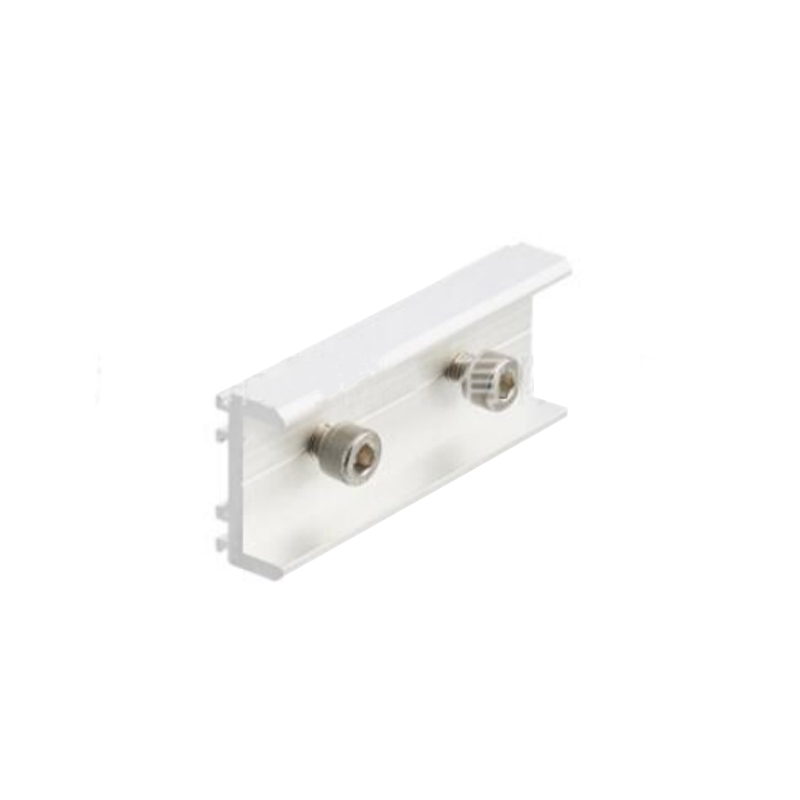
To extend a channel run end-to-end, use a splice plate fitting (also called a channel connector or fish plate). Splice plates straddle both channel ends and are bolted through the slots. For structural continuity, use a minimum 150 mm overlap with two bolts per side. For non-structural runs (cable management only), single-bolt splice connectors are acceptable.
Right-Angle and Cross Connections
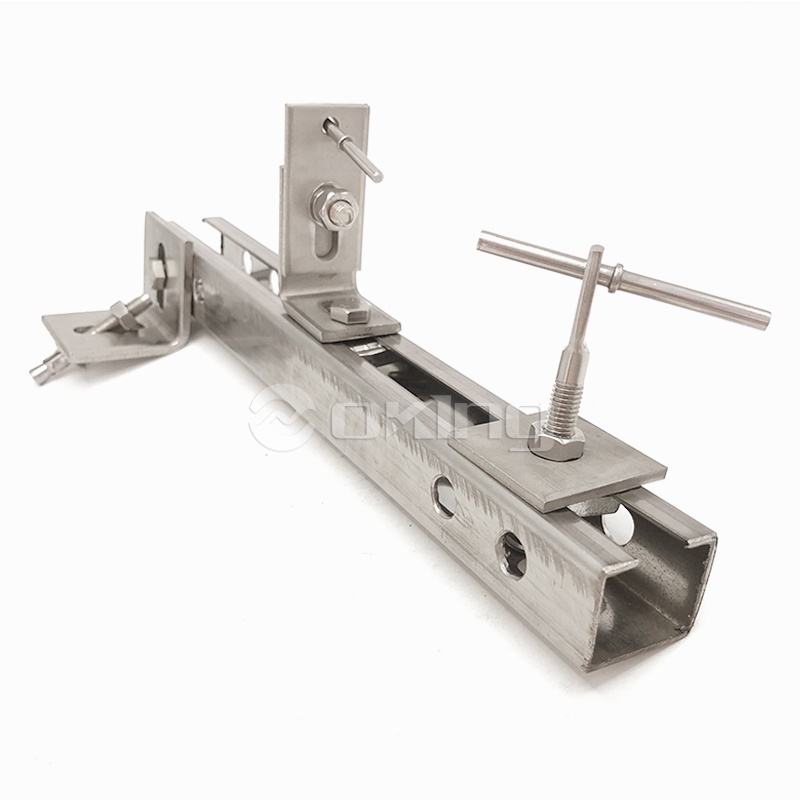
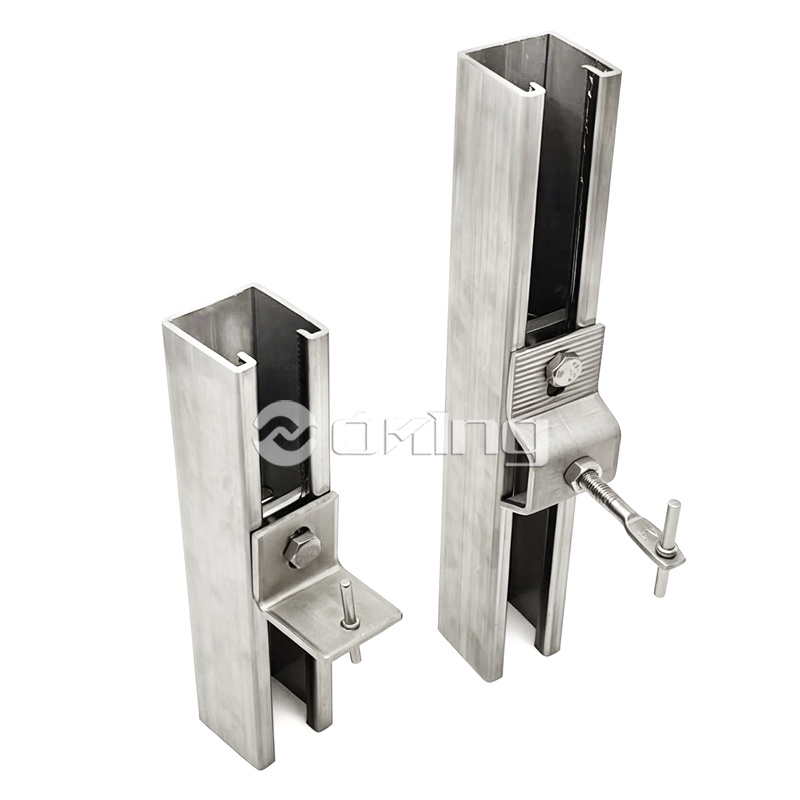
90-degree flat plate fittings connect two channels in the same plane (T-junction or cross). Angle brackets (standard 90-degree gusset plates) connect channels in perpendicular planes — for example, a horizontal run meeting a vertical drop. Combination angle fittings allow 3D frame construction without any welding or drilling.
Channel to Structure — Anchoring
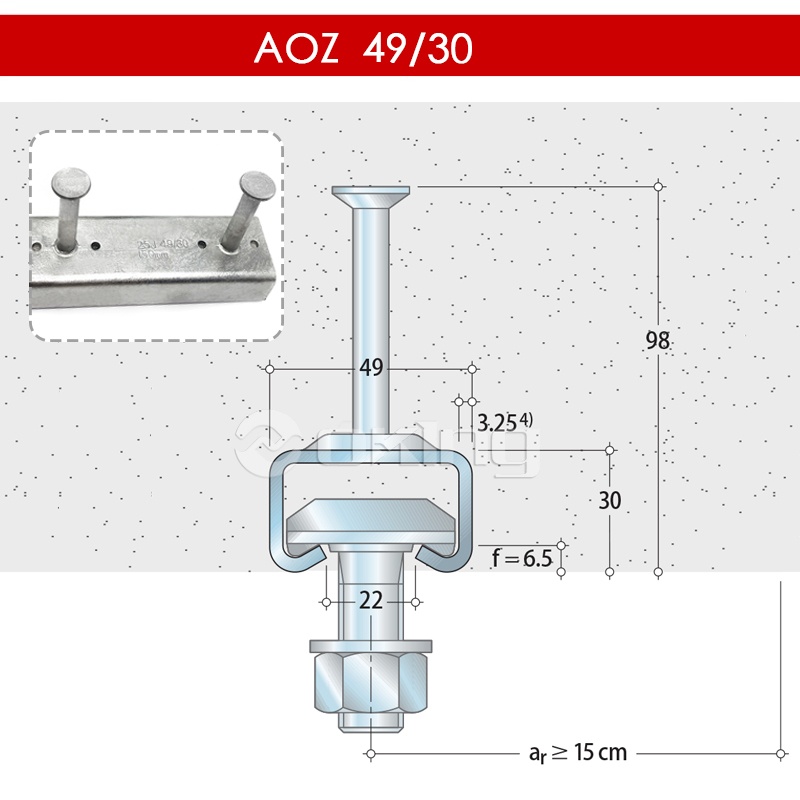
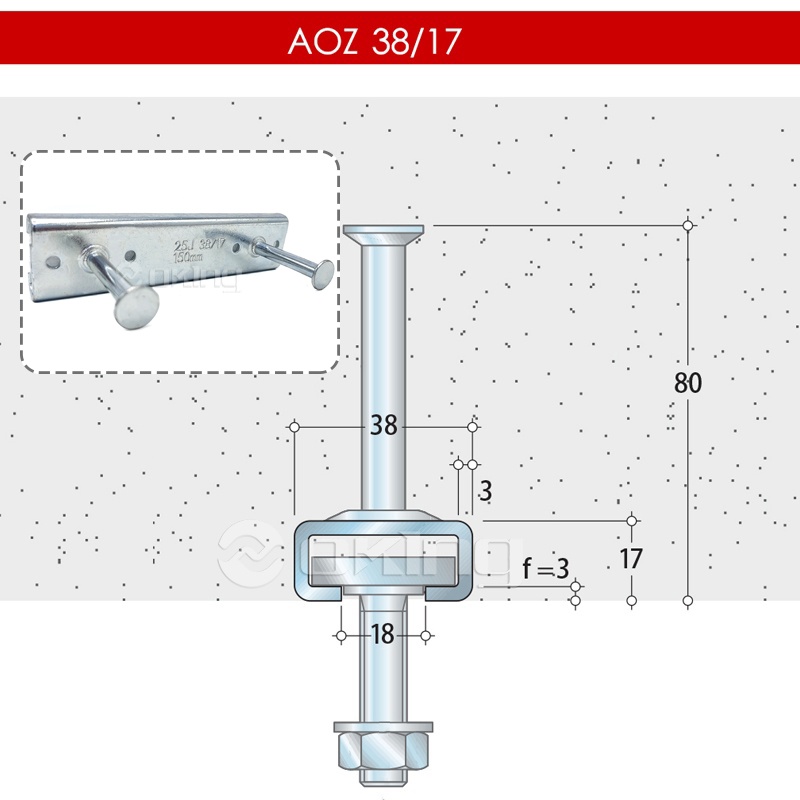
- Concrete: Use a channel insert cast into the slab, or post-install wedge anchors / chemical anchors through the channel back holes. Minimum embedment per anchor manufacturer's ETAG/ICC-ES evaluation.
- Steel beam / purlin: Use beam clamps that grip the flange — no drilling into structural steel required.
- Threaded rod hanger: Pipe hanger channel is suspended from threaded rod (M10, M12, or 3/8-in / 1/2-in) via a threaded rod coupling nut into the back of the channel or via a top-mounted bracket.
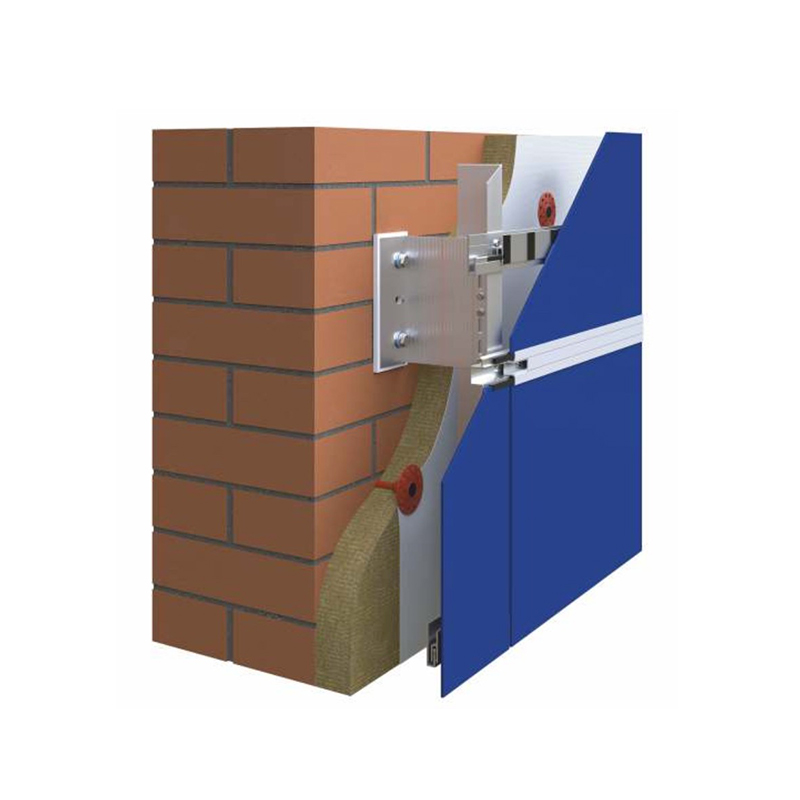
- Wall surface: Flat back-plate brackets or direct-mount base plates bolt through the channel back and into the wall substrate using appropriately rated anchors.
Building a Free-Standing Frame
Free-standing strut frames — common for equipment support, pipe racks, and solar ground mounts — use four vertical channels as posts connected by horizontal rails at top and mid-height. Post base plates are bolted to the floor. Diagonal bracing channels, attached with 45-degree fitting plates, provide lateral stability. A 1.0 m x 1.0 m x 2.0 m tall frame using 41 x 41 mm 2.0 mm gauge channel can carry a uniformly distributed load of approximately 400–600 kg at the top rail, depending on bracing configuration and anchor design.
Torque and Assembly Tips
- Always use a calibrated torque wrench for structural connections — finger-tight plus a quarter-turn is not adequate for load-bearing joints.
- Apply anti-galling compound (or use waxed nuts) when assembling stainless-to-stainless connections to prevent thread seizure.
- Check that spring nuts are fully rotated and engaged before applying load — a nut rotated only 45 degrees has less than 30% of its rated capacity.
- For vibration environments (HVAC, machinery bases), use serrated flange nuts or thread-locking compound on the bolt threads.
- When cutting channel to length in the field, use a metal-cutting saw or angle grinder — never a torch, as heat destroys the galvanized coating at the cut end. Touch up cut ends with cold-galvanizing compound.
Where Strut Channels Are Used
The versatility of the strut system means it appears across nearly every construction sector. Key application areas include:
| Sector | Typical Use | Common Channel Spec |
|---|---|---|
| Electrical / Data | Conduit support, cable tray framing, panel backing | P1000 pre-galvanized, 41 x 41 mm |
| Mechanical / HVAC | Duct hangers, fan coil unit supports, vibration bases | P1001 deep channel, hot-dip galvanized |
| Plumbing / Fire | Pipe hangers, sprinkler bracing, manifold frames | P1000 or P2000 back-to-back |
| Solar / Renewables | Panel racking, ground mounts, inverter frames | P4000 wide channel, aluminum or HDG |
| Food / Pharma | Equipment supports, cleanroom racks, hygienic framing | 316 stainless, continuous slot |
| Industrial / OEM | Machine guards, conveyor frames, instrument stands | Heavy-duty 2.5 mm, custom length |
Summary
Strut channel is a roll-formed, slotted steel or aluminum rail that functions as a universal mounting and support system for mechanical, electrical, and plumbing installations. It is made by cold roll-forming steel strip into a C-section with inward lips, then punching or continuously slotting the face for spring-nut engagement. Connections are made entirely with bolts and fittings — no welding or field drilling required — which means assemblies can be adjusted and reconfigured long after installation. Choosing the correct profile size, wall gauge, and material finish ensures the system meets both structural and environmental requirements for decades of reliable service.




Contact Us