-
 Tel:
Tel:+86-15996094444
-
 E-mail:
INQUIRE NOW
+86-15996094444
INQUIRE NOW

Article Directory
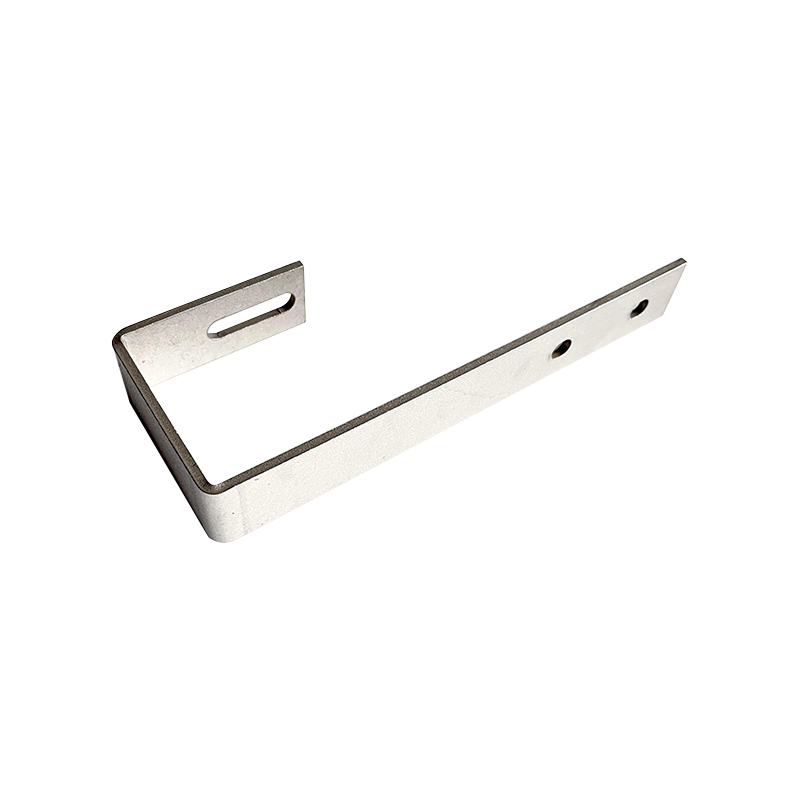
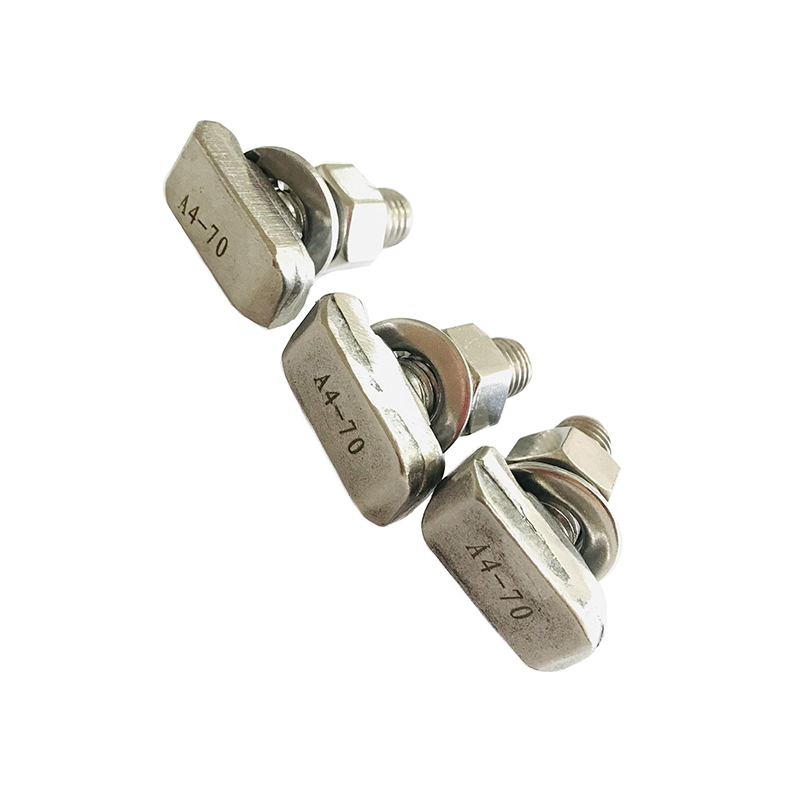
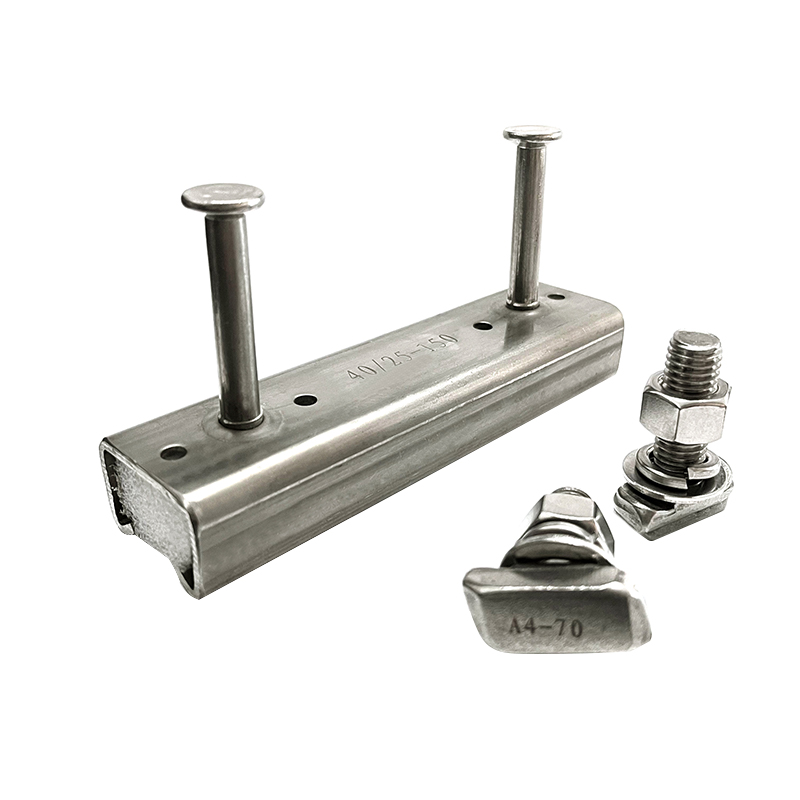
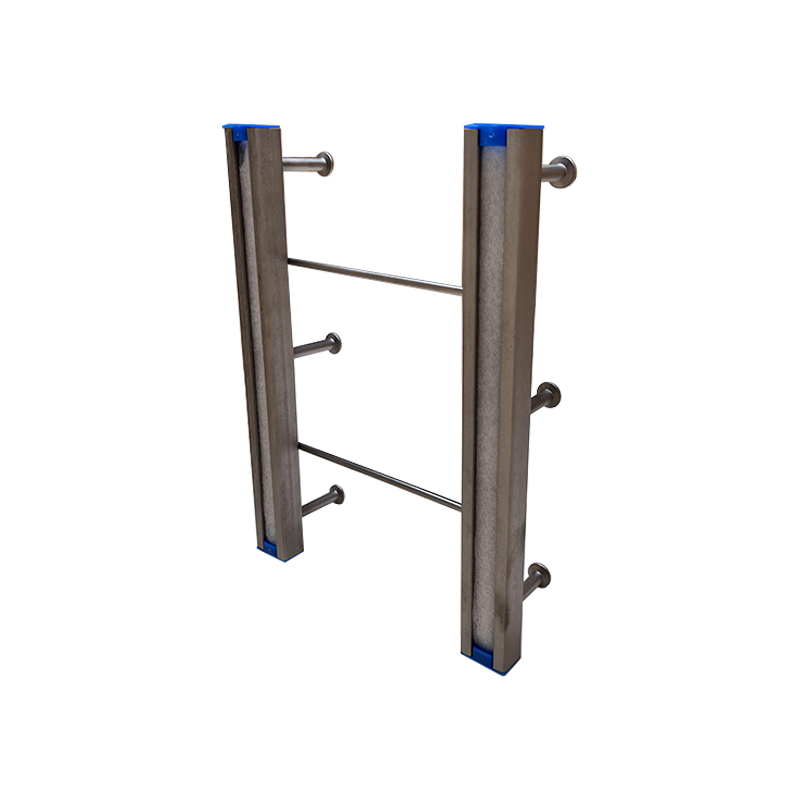
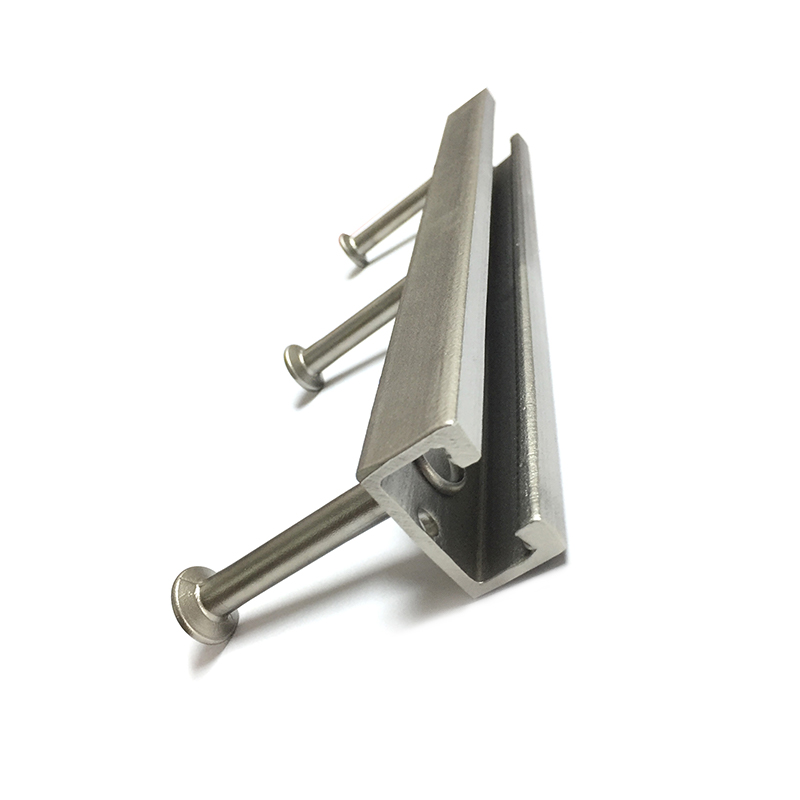
In modern facade engineering, the structural integrity of a building's exterior depends heavily on the sub-frame components. Cladding support brackets act as the primary interface between the building's load-bearing wall and the decorative cladding panels. In coastal environments, where high chloride concentrations and humidity accelerate metal degradation, selecting the correct material is not just a matter of cost—it is a matter of safety and longevity. Jiangsu Aozheng Metal Products Co., Ltd., a specialized industry and trade enterprise, produces over 2,000 tons of high-quality building materials annually. Utilizing advanced automated cutting and welding, we provide cladding support brackets to the world's most demanding construction teams. This article provides an engineering-level comparison of stainless steel and aluminum to determine the best cladding brackets for coastal areas.
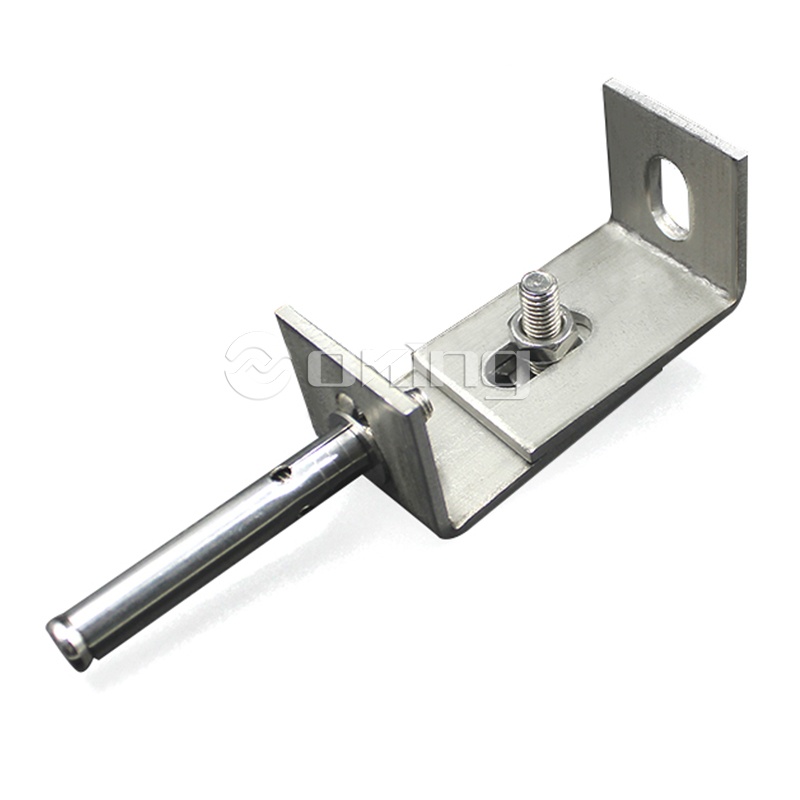
Coastal environments are characterized by "C5" high-corrosivity ratings, where airborne salt particles (chlorides) settle on metal surfaces. Stainless steel cladding support brackets, particularly those made from Grade 316, contain molybdenum which significantly enhances resistance to "pitting"—a localized form of corrosion that creates small holes in the metal. While aluminum alloys are known for their protective oxide layer, aluminum cladding bracket corrosion resistance can be compromised by "filiform corrosion" in high-humidity salt zones if the protective coating is scratched. When comparing 316 stainless steel vs aluminum for coastal facades, stainless steel offers a higher Pitting Resistance Equivalent Number (PREN), ensuring the structural cladding support brackets remain robust for decades.
| Material Property | Grade 316 Stainless Steel | 6061-T6 Aluminum Alloy |
| Pitting Resistance | Superior (PREN > 23) | Moderate (Requires Anodizing) |
| Self-Healing Ability | High (Instant passive film reform) | Moderate (Oxide layer dependent) |
| Coastal Lifespan | 50+ Years | 20-30 Years (Condition dependent) |
The mechanical properties of cladding support brackets must account for dead loads (cladding weight) and live loads (wind pressure). Stainless steel has a much higher modulus of elasticity than aluminum, meaning stainless steel cladding bracket systems can support heavier panels with less deflection. Additionally, thermal expansion in cladding brackets is a critical design variable. Aluminum expands and contracts nearly twice as much as stainless steel when temperatures fluctuate. By using adjustable cladding support brackets made of stainless steel, engineers can minimize the stress on panel joints. For high-load cladding support systems, the superior yield strength of stainless steel allows for a more compact bracket design without sacrificing safety factors.
While the cost of stainless steel vs aluminum brackets often favors aluminum initially, the "Total Life-Cycle Cost" (TLCC) tells a different story. Sustainable cladding support bracket materials like stainless steel are 100% recyclable and require virtually zero maintenance or repainting over their lifespan. Aluminum brackets in coastal regions often require expensive powder coating or anodizing to reach acceptable coastal facade corrosion resistance levels, which can peel or fade over time. For the high-end market, fire-rated cladding support brackets made of stainless steel also offer a higher melting point, providing superior safety in urban environments. Jiangsu Aozheng's commitment to high-quality architectural hardware ensures that our stainless steel facade support systems provide the best ROI for large-scale construction companies in the Middle East, Europe, and North America.
| Cost Variable | Aluminum (Coated) | Stainless Steel (Grade 316) |
| Initial Material Cost | Lower | Higher |
| Maintenance Requirements | Periodic Inspection/Cleaning | Negligible |
| Durability in C5 Zones | Requires surface protection | Inherent Resistance |
When engineering facades in coastal environments, cladding support brackets must be viewed as a long-term structural investment. While aluminum is lightweight and cost-effective for inland projects, the best cladding brackets for coastal areas are undoubtedly made of Grade 316 stainless steel. Its superior pitting resistance, higher load-bearing capacity, and minimal thermal expansion make it the benchmark for high-end facade engineering. At Jiangsu Aozheng Metal Products Co., Ltd., we combine industry expertise with advanced manufacturing to ensure your building materials stand the test of time, regardless of the salt or wind. We look forward to establishing more partnerships with global construction teams to create a safer, more durable architectural future.
Grade 316 contains 2-3% molybdenum, which provides specialized protection against chloride-induced pitting. Grade 304 is prone to "tea staining" and structural weakening when exposed to salt spray for prolonged periods.
Anodizing helps, but it is a surface treatment. If the coating is nicked during installation or by wind-blown debris, the underlying aluminum will corrode rapidly. Stainless steel cladding support brackets provide "through-and-through" protection.
Adjustable brackets are essential for managing tolerances in the building's concrete or steel frame. They allow for three-dimensional alignment, which is critical for the visual perfection and structural safety of the cladding system.
In many jurisdictions, facade sub-frames must be non-combustible. Stainless steel has a melting point of approximately 1400°C, significantly higher than aluminum's 660°C, making it a safer choice for high-rise buildings.
While stainless steel may increase the initial bracket budget by 20-30%, it eliminates the need for future replacements and maintenance, often saving the building owner thousands of dollars in repair costs over the building's life.

We will wholeheartedly provide you with high quality products, reasonable price, on-time delivery and attentive service.
Maoshan Taiwan Business Industrial Park, Dinan Town, Xinghua City, Jiangsu Province, China

+86-523-82799922

+86-15996094444

+86-523-82799933


Copyright © Jiangsu Aozheng Metal Products Co., Ltd. All Rights Reserved.
 English
 русский
 Español
 عربى
عربى


Contact Us