-
 Tel:
Tel:+86-15996094444
-
 E-mail:
INQUIRE NOW
+86-15996094444
INQUIRE NOW

Article Directory
In the pursuit of net-zero building standards, the building envelope plays a pivotal role in determining a structure's total embodied carbon and operational energy efficiency. Ceramic rainscreen cladding has emerged as a frontrunner for architects aiming to balance aesthetic permanence with environmental responsibility. As a professional production base specializing in stainless steel and aluminum alloy architectural hardware, Jiangsu Aozheng Metal Products Co., Ltd. provides the critical ceramic rainscreen cladding support systems necessary for global high-end markets. With an annual output of over 2,000 tons of building materials, we support zero-carbon goals through advanced automated cutting and welding processes. This article evaluates whether ceramic rainscreen cladding sustainability meets the rigorous demands of modern green certifications.
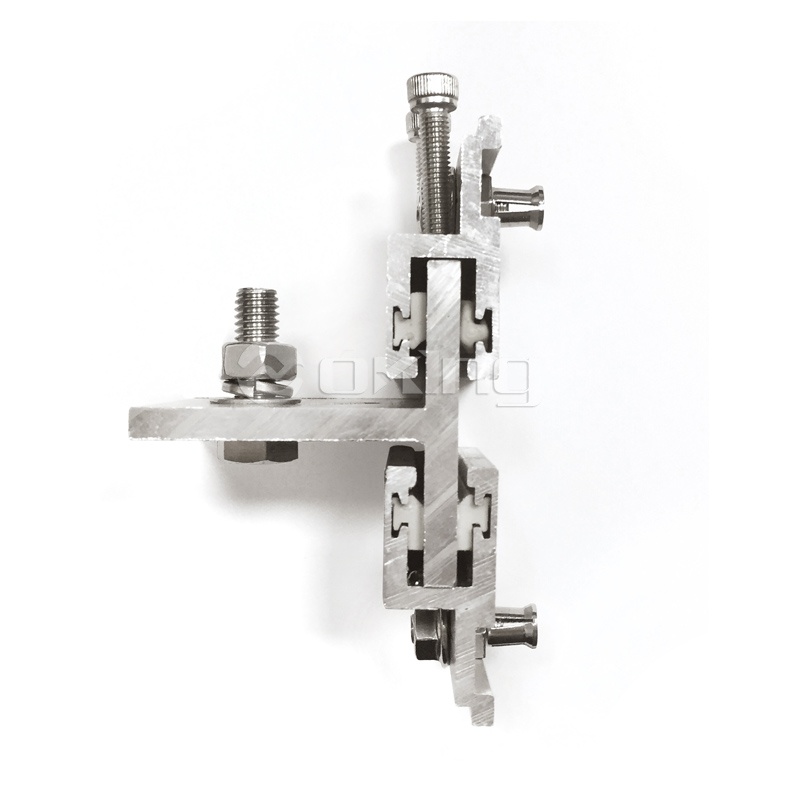
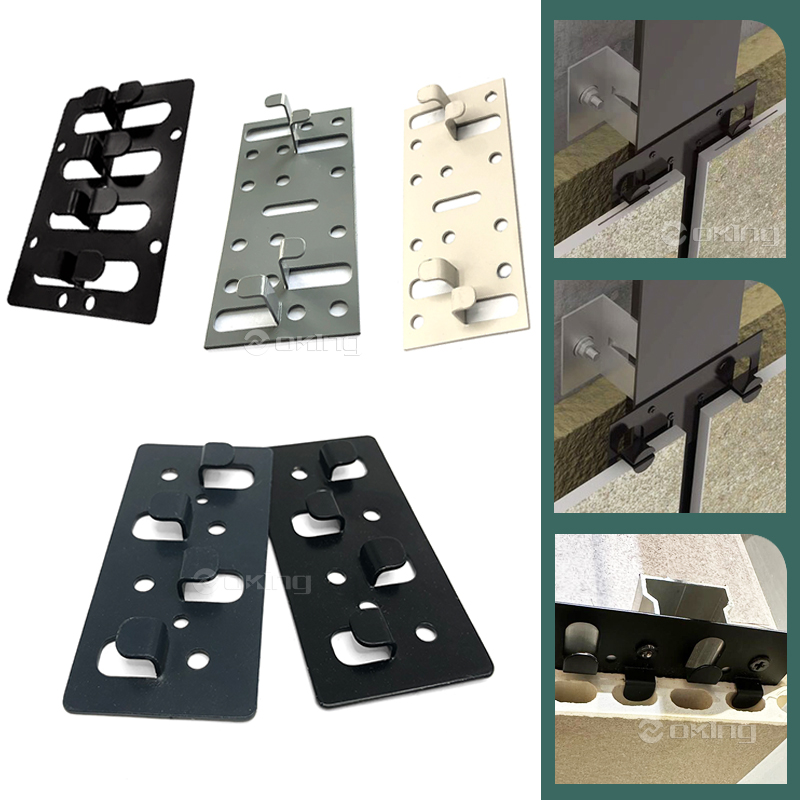
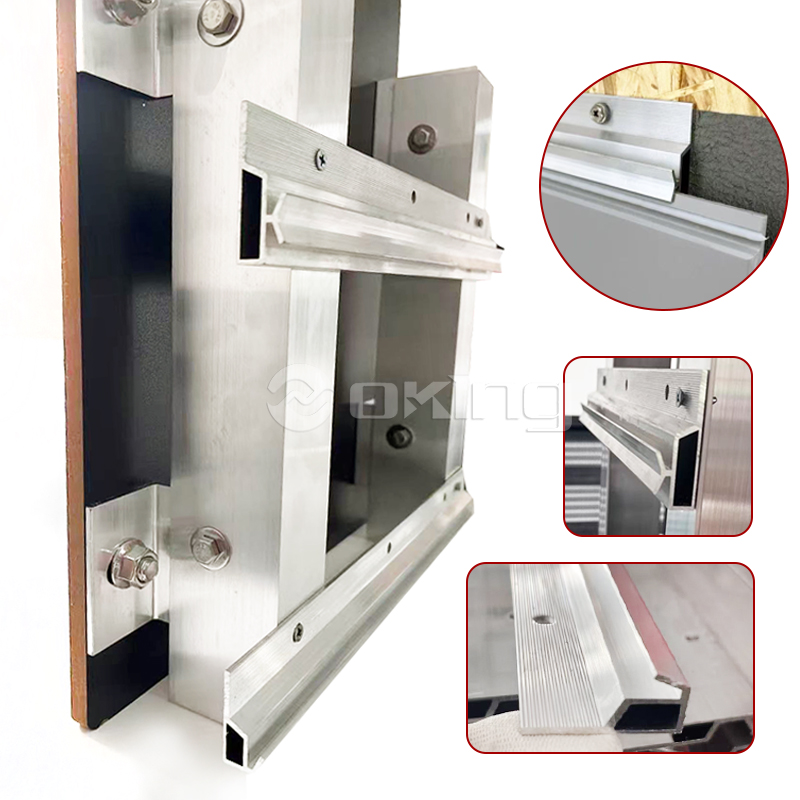
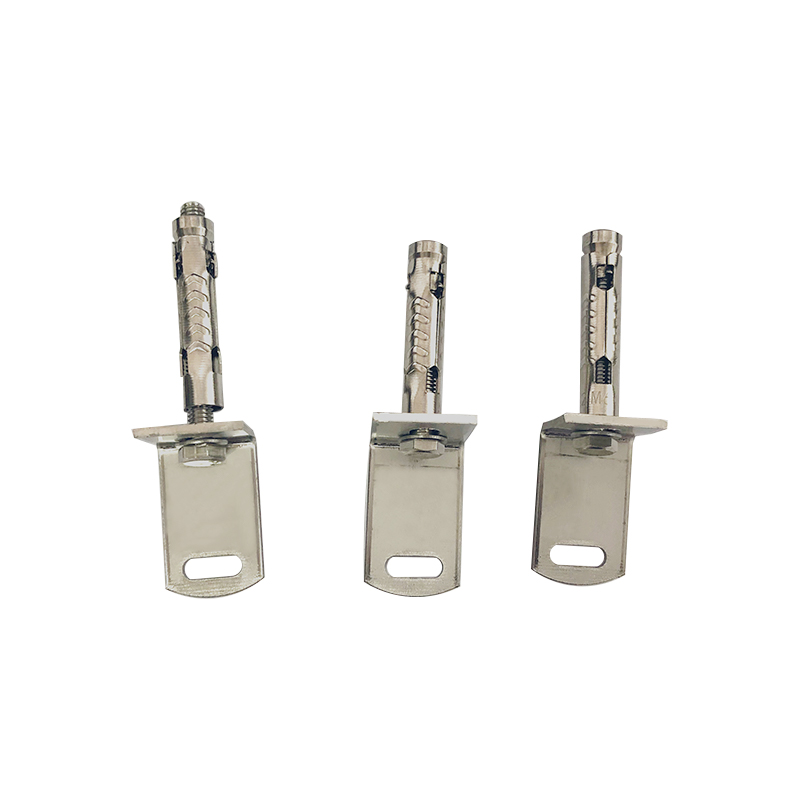
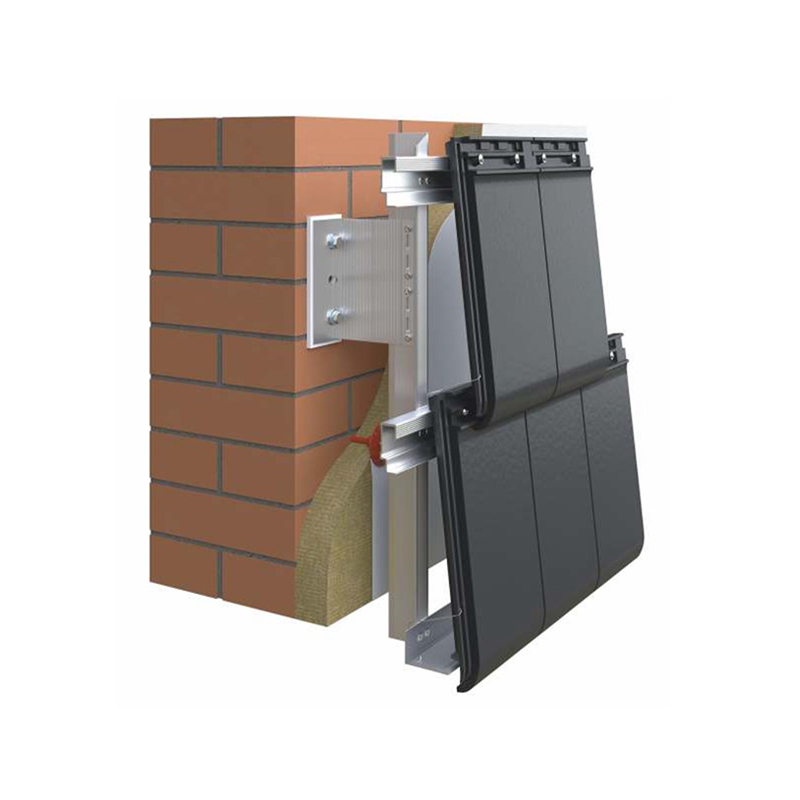
The sustainability of ceramic rainscreen cladding is defined by its incredibly long lifespan, which often exceeds 50 to 100 years with minimal maintenance. While the initial firing process is energy-intensive, the benefits of ceramic rainscreen cladding for green buildings are realized through its durability and recyclability. When comparing ceramic vs terracotta cladding sustainability, ceramic panels often exhibit higher density and lower water absorption, resulting in superior frost resistance and a longer service life in harsh climates. Furthermore, the ceramic rainscreen cladding environmental impact is mitigated by the material's inert nature, ensuring no toxic leaching into the ecosystem. By utilizing high-quality aluminum or stainless steel ceramic cladding mounting systems, the entire facade can be designed for deconstruction and circularity.
| Material Property | Traditional Masonry | Ceramic Rainscreen Cladding |
| Design Life | 30 - 50 Years | 75 - 100+ Years |
| Recyclability | Low (Difficult to separate) | High (Mechanical fixing allows reuse) |
| Water Absorption | High (5% - 10%) | Very Low (<0.5%) |
| Maintenance Needs | Periodic repointing/sealing | Minimal / Self-cleaning |
A zero-carbon project relies heavily on reducing operational energy for heating and cooling. The "chimney effect" inherent in a ventilated ceramic facade system creates a continuous air cavity that evacuates solar heat gain during summer and provides an additional thermal buffer in winter. When discussing how ceramic rainscreen cladding improves energy efficiency, engineers focus on the reduction of thermal bridging through the use of high-performance thermal break brackets for rainscreen. By integrating ceramic rainscreen cladding with integrated insulation, designers can achieve U-values far superior to traditional curtain walls. This synergy significantly lowers the building's carbon footprint throughout its occupancy phase.
| System Element | Standard Cladding | Ceramic Rainscreen Cladding |
| Summer Heat Gain | High (Conducted through walls) | Low (Evacuated by ventilation) |
| Condensation Risk | High (Trapped moisture) | Negligible (Ventilated cavity) |
| Thermal Bridging | High (Metal-to-Metal) | Low (When used with thermal break brackets for rainscreen) |
Sustainability also encompasses resilience—the ability of a building to withstand extreme weather events without requiring replacement. Ceramic rainscreen cladding fire resistance is rated Class A1, making it a safe and permanent choice for high-rise zero-carbon projects. To ensure the integrity of the facade, the best ceramic cladding support systems must be engineered to handle specific wind loads and seismic movements. Jiangsu Aozheng Metal Products Co., Ltd. utilizes automated stamping and welding to produce high-precision hardware that secures ceramic panels against high wind pressures. Determining the ceramic rainscreen cladding cost vs performance must include the reduction in insurance premiums and the elimination of fire-retardant chemical treatments required for other materials.
Is ceramic rainscreen cladding the most sustainable choice? From a technical and engineering perspective, its longevity, energy-saving ventilated structure, and fire-resistant properties align perfectly with zero-carbon architectural goals. While the upfront investment may be higher, the ceramic rainscreen cladding cost vs performance ratio over the building's life cycle proves its value. As a specialized manufacturer, Jiangsu Aozheng remains committed to supporting world-class architectural teams with the high-end hardware required to realize these sustainable visions across the Middle East, Europe, and the Americas.
Yes, it contributes to multiple categories including Energy Performance, Material Life Cycle Impact Reduction, and potentially Heat Island Reduction depending on the glaze reflectivity.
Ceramic is fired at higher temperatures (vitrification), making it more resistant to acid rain and environmental pollutants than terracotta, which extends its functional life and sustainability.
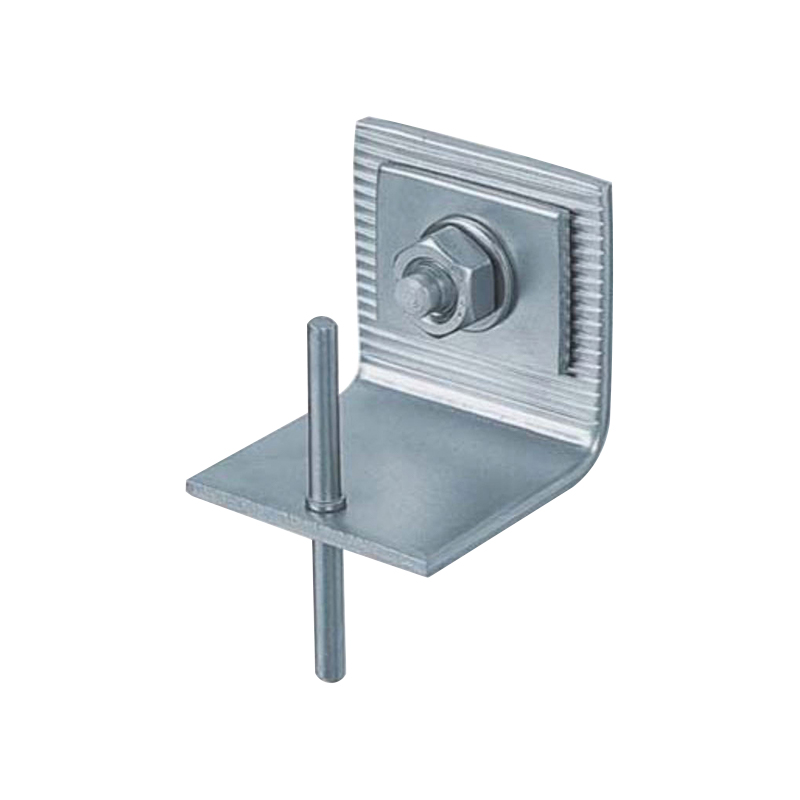
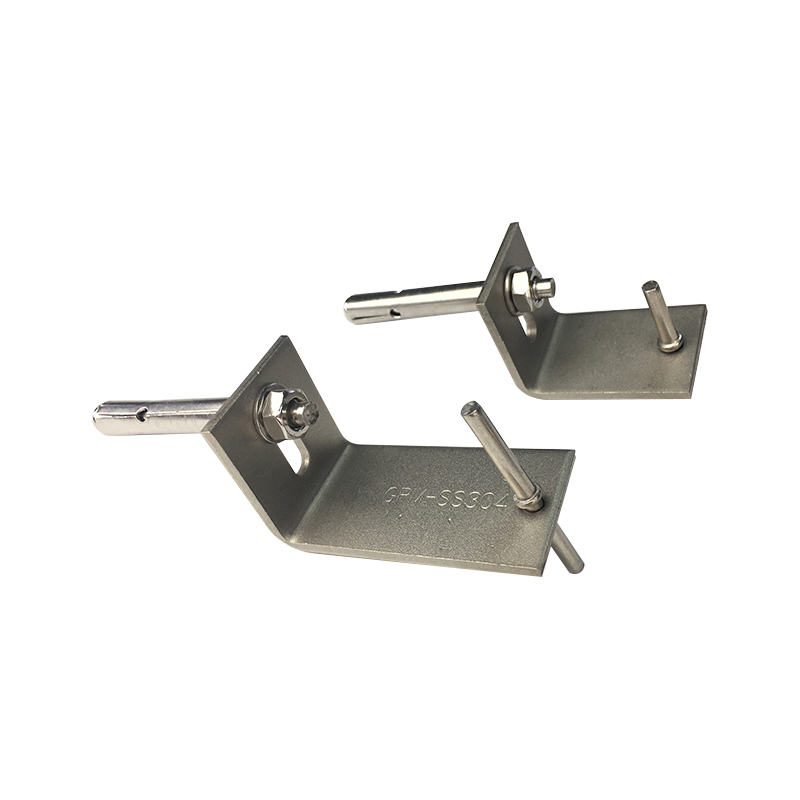
These specialized brackets interrupt the thermal bridge between the exterior panel and the interior structure, significantly improving the overall thermal resistance of the wall assembly.
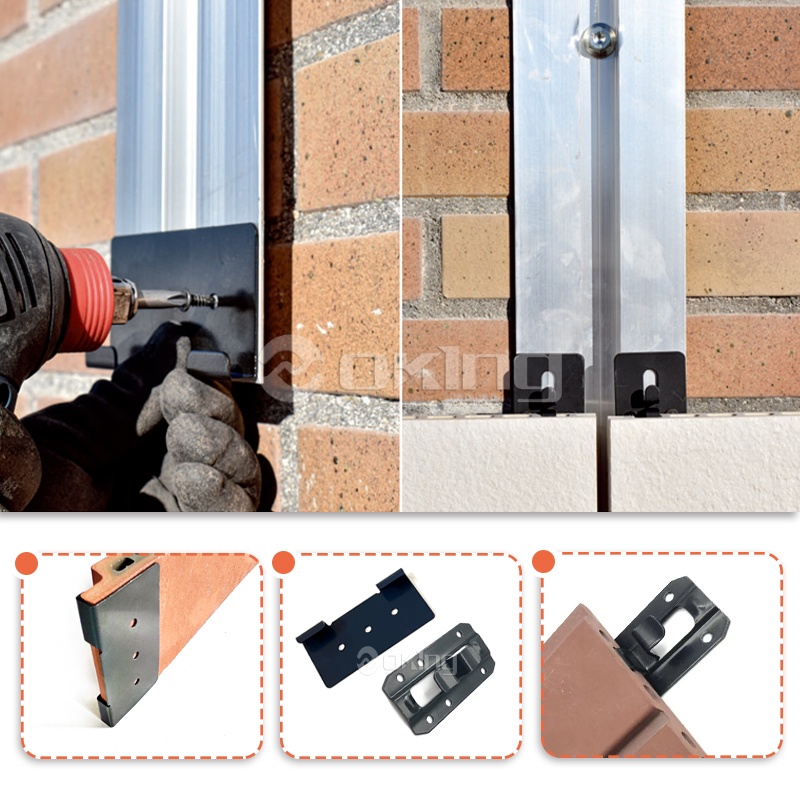
When using ceramic cladding mounting systems engineered by professionals like Jiangsu Aozheng, the modular nature of the panels allows for efficient and secure high-rise installation.
Yes, by specifying panels with recycled content and using locally sourced ceramic rainscreen cladding with integrated insulation to reduce transport-related emissions.

We will wholeheartedly provide you with high quality products, reasonable price, on-time delivery and attentive service.
Maoshan Taiwan Business Industrial Park, Dinan Town, Xinghua City, Jiangsu Province, China

+86-523-82799922

+86-15996094444

+86-523-82799933


Copyright © Jiangsu Aozheng Metal Products Co., Ltd. All Rights Reserved.
 English
 русский
 Español
 عربى
عربى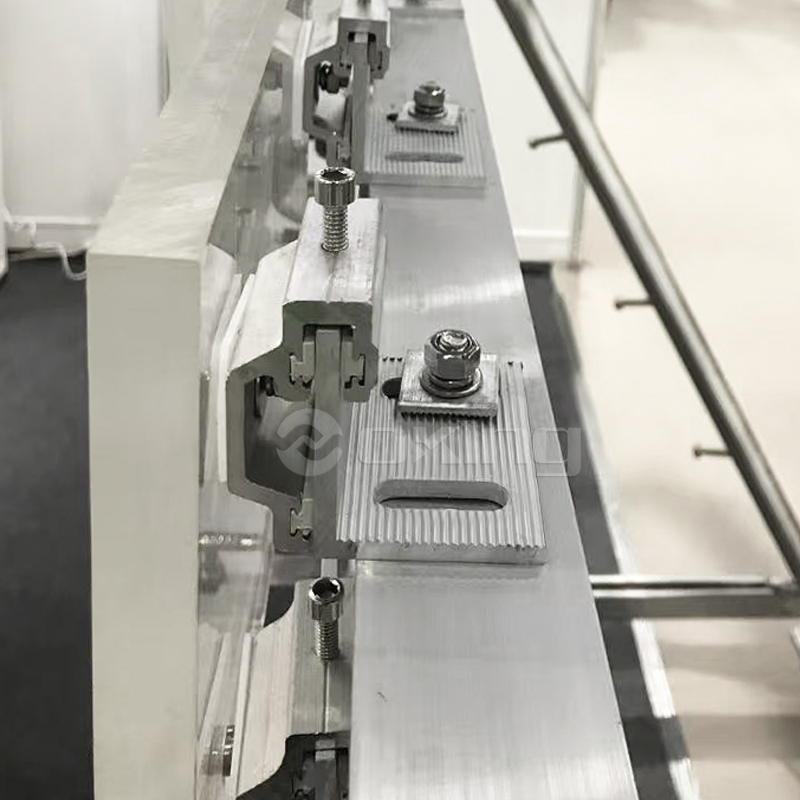


Contact Us