-
 Tel:
Tel:+86-15996094444
-
 E-mail:
INQUIRE NOW
+86-15996094444
INQUIRE NOW

Article Directory
In modern architectural engineering, the envelope of a building is no longer just a structural boundary but a high-performance skin. The Terracotta Facade System has emerged as a premier choice for global construction teams seeking longevity and aesthetic excellence. Unlike traditional clay masonry, which relies on solid, porous units, a modern terracotta rainscreen cladding system utilizes precision-engineered panels mounted on sophisticated aluminum alloy facade support structures. Jiangsu Aozheng Metal Products Co., Ltd., a specialized production base for stainless steel and aluminum alloy architectural hardware, provides the high-end market with the structural components necessary to support these advanced envelopes. With an annual production of over 2000 tons, we support projects across the United States, Germany, and the Middle East. This article explores the technical reasons why a Terracotta Facade System outperforms traditional masonry in color retention and maintenance efficiency.
The vibrant hues of architectural terracotta facade panels are not the result of surface paints or coatings but are achieved through high-temperature firing processes (often exceeding 1100°C). This process causes a "ceramic bond" where natural minerals and pigments become an integral part of the clay body. When comparing terracotta facades vs traditional brick, traditional masonry often suffers from efflorescence—a white salt deposit that migrates to the surface—whereas a UV resistant terracotta facade remains unaffected by solar radiation. This ensures that natural clay terracotta colors do not fade or peel over decades of exposure. Furthermore, the benefits of glazed vs unglazed terracotta allow architects to choose between a matte finish or a glass-like protective layer that further enhances color depth and protection against acid rain.
| Factor | Traditional Clay Masonry | Terracotta Facade System |
| Color Origin | Surface-level or natural earth tones | Integral ceramic minerals/Glazes |
| UV Resistance | Moderate (Prone to fading) | Superior (Inert ceramic surface) |
| Efflorescence Risk | High (Porous structure) | Negligible (Controlled firing) |
Maintenance costs are a primary concern for high-rise buildings. A self-cleaning terracotta facade system utilizes the hydrophilic nature of the ceramic surface. When it rains, water spreads evenly across the panels rather than beading, allowing it to "wash" away dust and organic matter. When comparing terracotta rainscreens vs stone cladding, stone is often porous and absorbs oils and soot, which can lead to permanent staining. In contrast, non-porous terracotta facade panels prevent pollutants from penetrating the surface. When integrated with stainless steel facade fixing hardware from Jiangsu Aozheng, the entire low maintenance terracotta cladding solution ensures that the building exterior remains pristine without the need for aggressive chemical cleaning.
| Property | Traditional Masonry Walls | Terracotta Facade System |
| Surface Porosity | 10% - 15% (Typical) | < 3% - 6% (Engineered) |
| Self-Cleaning Action | None (Absorbs dirt) | High (Hydrophilic wash-off) |
| Maintenance Cost | High (Requires periodic pointing/cleaning) | Low (Natural rain cleaning) |
Beyond aesthetics, the Terracotta Facade System acts as a highly efficient thermal shield. The air gap in a rainscreen system provides terracotta facade insulation properties that traditional masonry cannot match. By utilizing high-quality terracotta facade components and precision aluminum alloy facade support structures, engineers can reduce a building's energy consumption by up to 30%. This dual-purpose role—protecting the building from environmental elements while maintaining internal climate stability—makes it a cornerstone of sustainable high-end architectural design. At Jiangsu Aozheng, we ensure the stainless steel facade fixing hardware utilized in these systems meets the highest standards for wind load resistance and seismic safety.
The transition from traditional clay masonry to a modern Terracotta Facade System represents a significant leap in architectural technology. By offering permanent color stability and natural self-cleaning properties, this system reduces the lifecycle cost of a building while maintaining its "day-one" appearance. Whether for a large construction company or a specialized architectural team, choosing a Terracotta Facade System supported by the high-precision metal products from Jiangsu Aozheng ensures a building that is as durable as it is beautiful.
No. Because the color is a result of high-temperature firing and mineral vitrification, it is an integral part of the panel and never requires repainting or recoating.
While the initial material and aluminum alloy facade support structures may have a higher CAPEX, the significantly low maintenance terracotta cladding costs and longevity provide a much higher ROI over the building's lifespan.
The UV resistant terracotta facade is ideal for high-sunlight regions like the Middle East, as ceramic materials do not degrade or lose structural integrity under intense solar heat.
The rainscreen principle ensures a ventilated cavity behind the terracotta facade system, which allows moisture to evaporate quickly, preventing the damp conditions necessary for mold and mildew growth.
Absolutely. Modern terracotta rainscreen cladding benefits include the ability to create custom extrusions, including baguettes, louvers, and 3D textured panels to suit specific architectural visions.
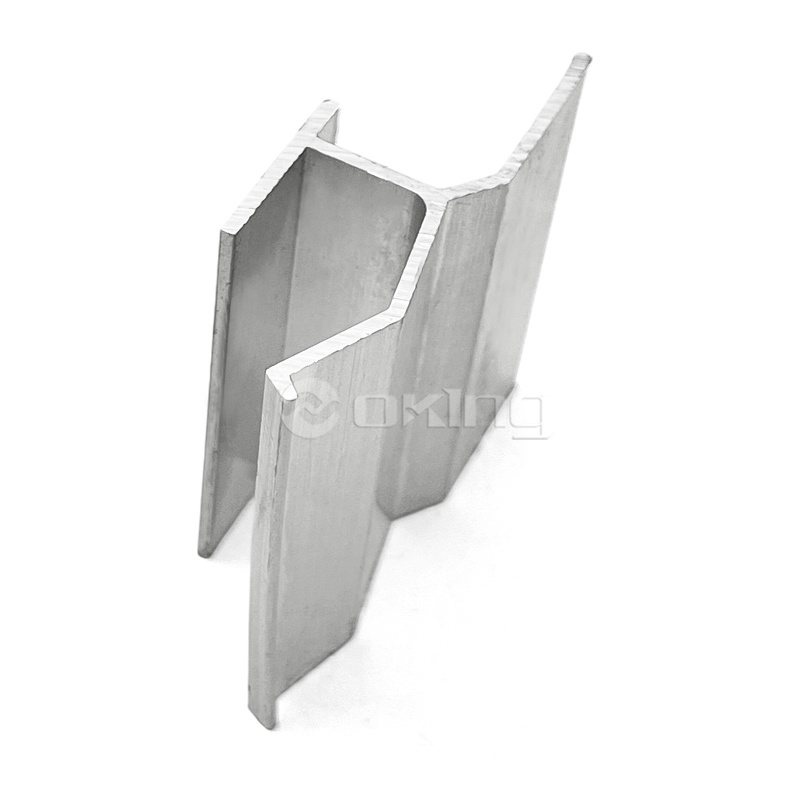
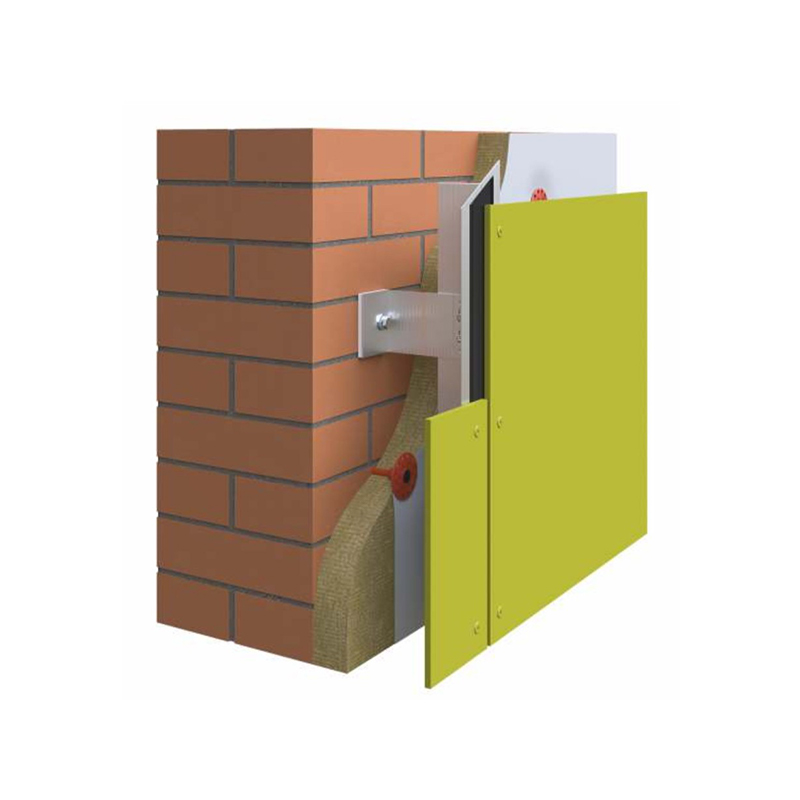
Facade System AOZ-v-100FACING MATERIAL:Fibre cement panels, HPL panels, RockPanels, asbestos cement slabs, aluminium composite panels, steel composite...
See Details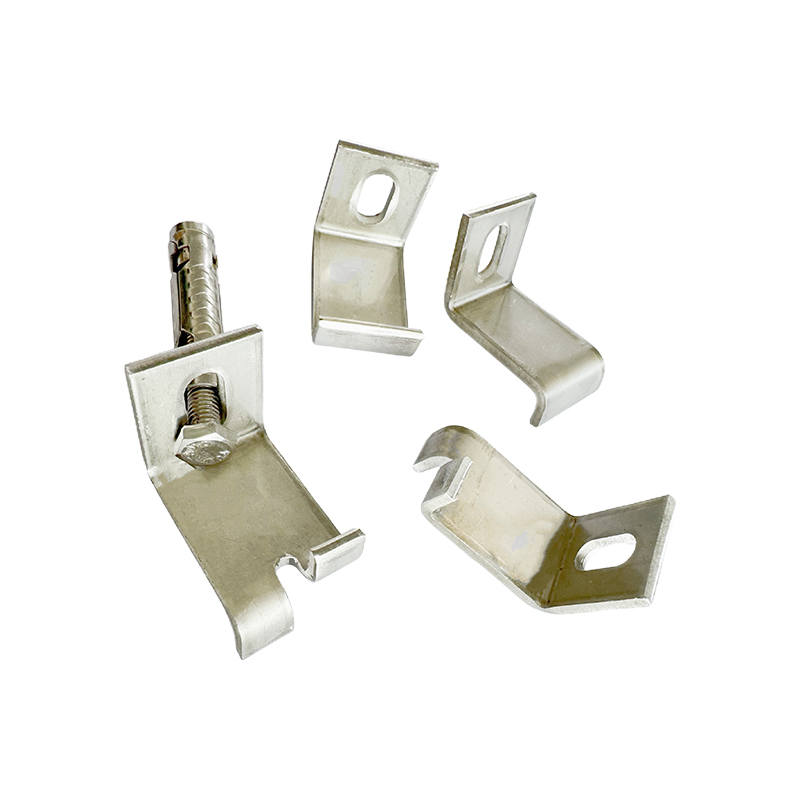
The Stone Fixing Cladding Metal Down Anchor Bracket is a precision-engineered structural component designed for the secure secondary support of natura...
See Details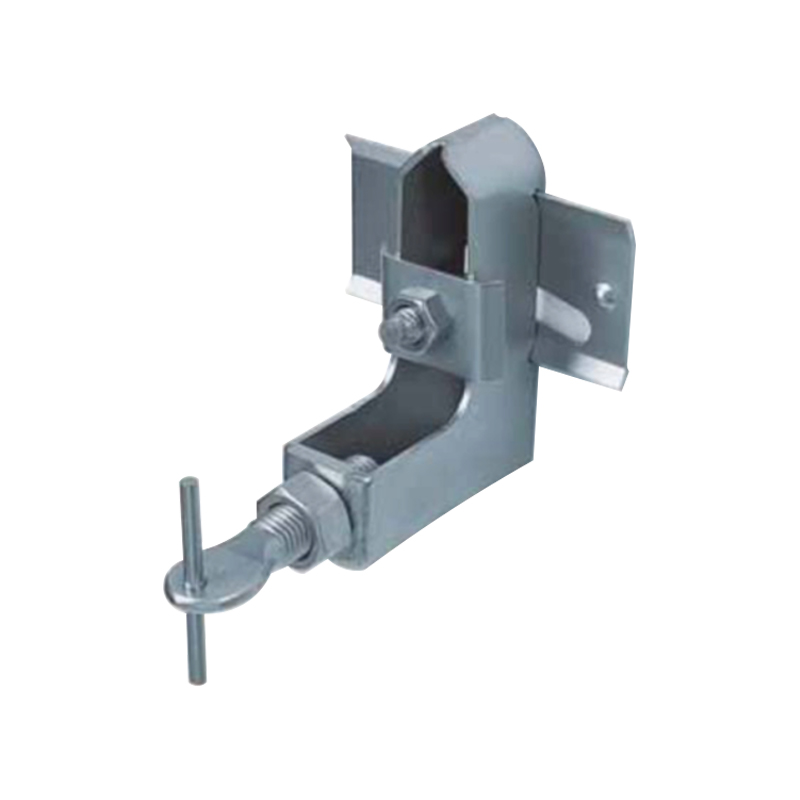
The Body Anchor Stone Support is a structural component engineered for the mechanical fixation of natural stone slabs, including granite, marble, and ...
See Details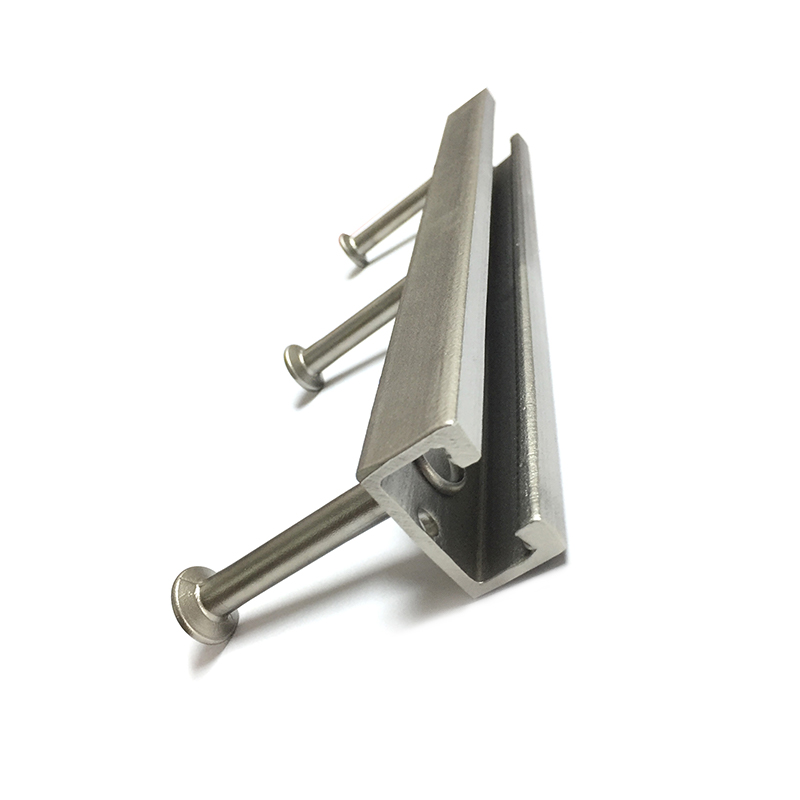
A stainless steel anchor channel is a structural connector widely used in buildings, bridges, tunnels, and other fields. It is made of high-quality st...
See Details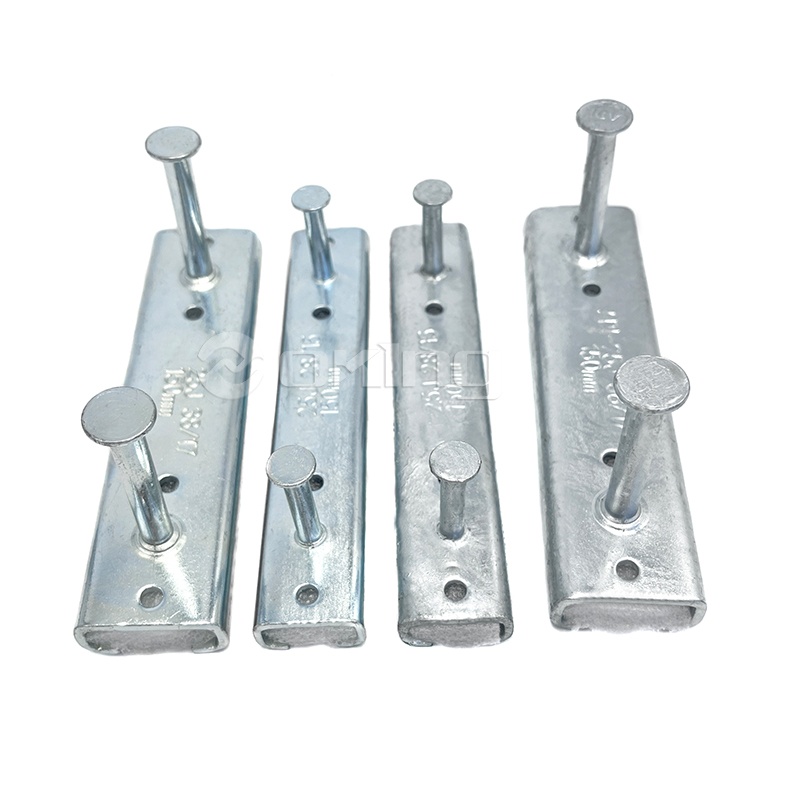
Cold Roll Anchor Channel is a steel product processed by cold bending process, with a unique shape and performance. Use high-quality carbon structural...
See Details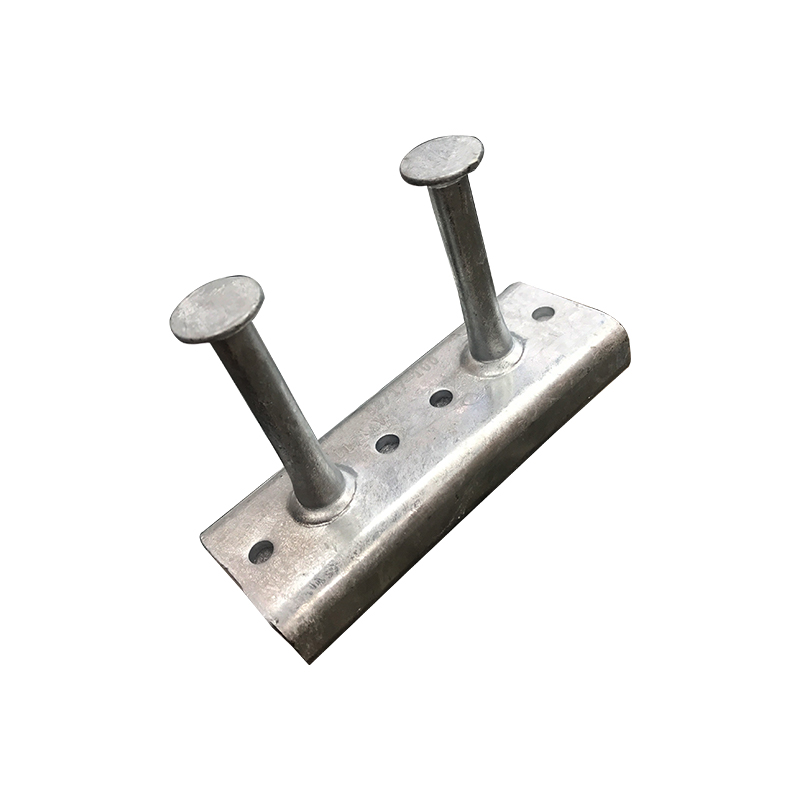
Cold roll cast-in anchor is an important building connector. This anchor is pre-buried in a predetermined position before concrete is poured and ensur...
See Details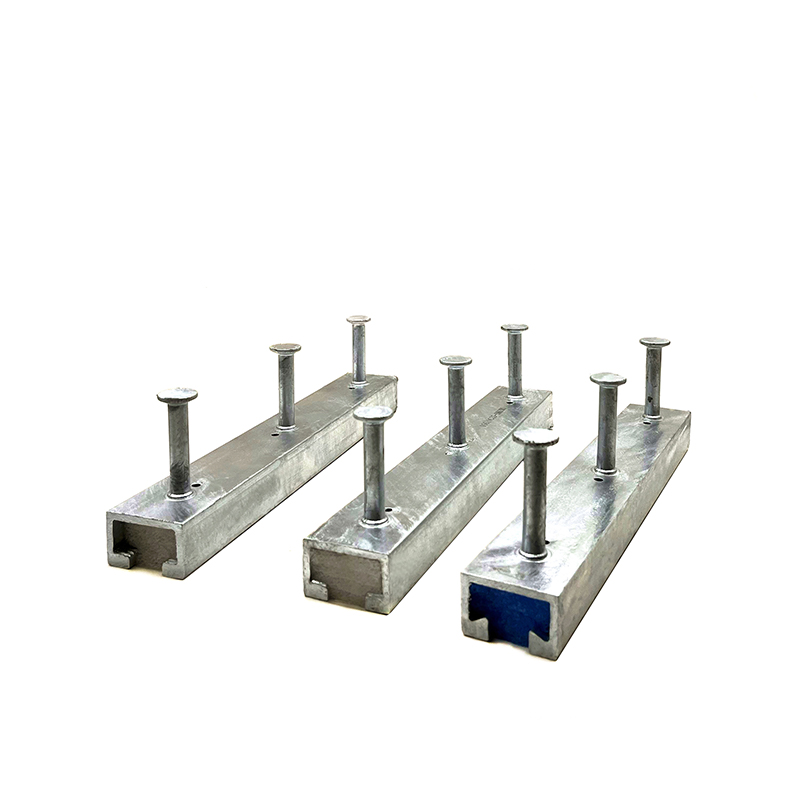
Hot roll anchor channel is an important steel material widely used in buildings, bridges, roads, and other civil engineering structures. It is produce...
See Details
We will wholeheartedly provide you with high quality products, reasonable price, on-time delivery and attentive service.
Maoshan Taiwan Business Industrial Park, Dinan Town, Xinghua City, Jiangsu Province, China

+86-523-82799922

+86-15996094444

+86-523-82799933


Copyright © Jiangsu Aozheng Metal Products Co., Ltd. All Rights Reserved.
 English
 русский
 Español
 عربى
عربى

Contact Us