-
 Tel:
Tel:+86-15996094444
-
 E-mail:
INQUIRE NOW
+86-15996094444
INQUIRE NOW

Article Directory
In the evolution of the building envelope, the transition from traditional masonry to high-performance rainscreen systems has redefined structural longevity. Ceramic facade cladding stands at the forefront of this shift, offering an unparalleled combination of aesthetic versatility and technical endurance. Jiangsu Aozheng Metal Products Co., Ltd., a specialized industry and trade enterprise, provides the critical architectural hardware—including stainless steel and aluminum alloy fixing systems—necessary to secure these advanced facades. With an annual production of 2,000 tons and exports spanning from the UK to the Middle East, our automated stamping and welding processes ensure that ceramic facade cladding installations achieve the mechanical safety required for high-rise sustainable projects. This guide examines the engineering benchmarks that make ceramic the definitive choice for modern exteriors.
The primary technical advantage of ceramic facade cladding is its inert chemical composition, which renders it virtually immune to the degradation factors that plague organic or metallic alternatives. When comparing ceramic vs aluminum facade cladding durability, ceramic offers superior resistance to UV radiation and salt-spray corrosion, which is particularly vital for coastal projects in the Middle East or Australia. For engineers, the benefits of ventilated ceramic facade systems go beyond surface protection; the system creates an air cavity that prevents thermal bridging and moisture accumulation. Furthermore, weather resistant ceramic tiles for building exteriors maintain their color vibrancy for decades, as the pigments are vitrified at temperatures exceeding 1200°C, ensuring that the ceramic facade cladding life expectancy often exceeds the design life of the building itself.
| Material Property | Natural Stone | Aluminum Panels | Ceramic Facade Cladding |
| UV Resistance | High | Moderate (Coating dependent) | Excellent (Vitrified) |
| Water Absorption | 0.5% - 3.0% | 0% | < 0.1% |
| Surface Hardness (Mohs) | 3 - 6 | 2 - 3 | 7 - 8 |
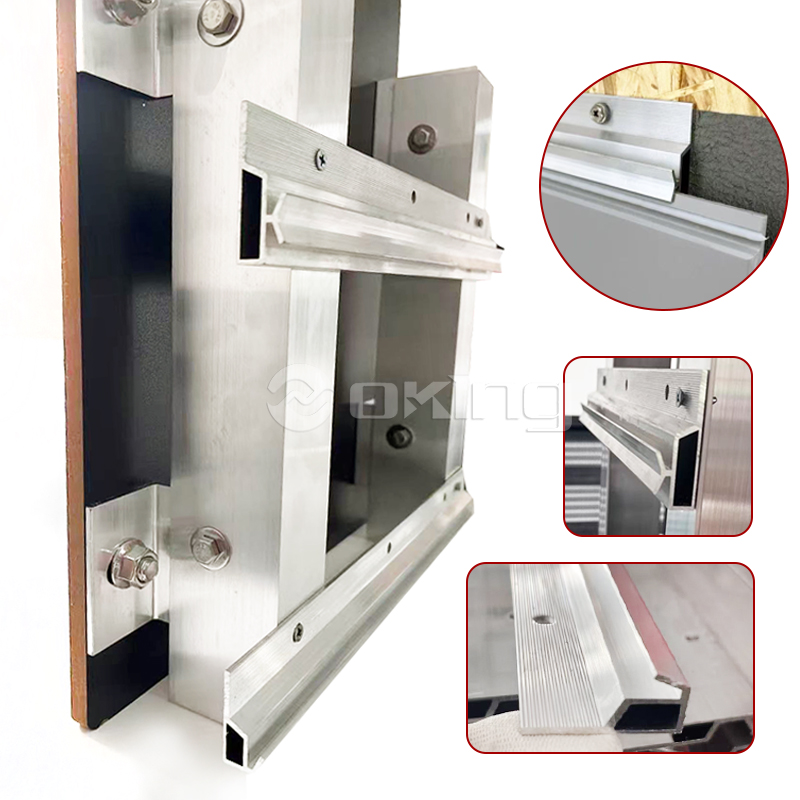
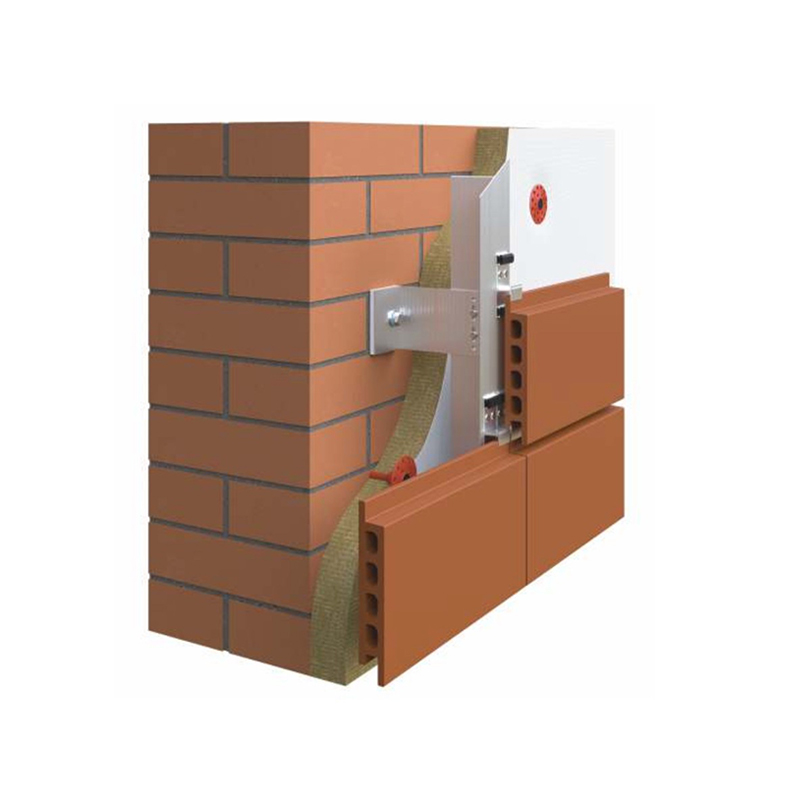
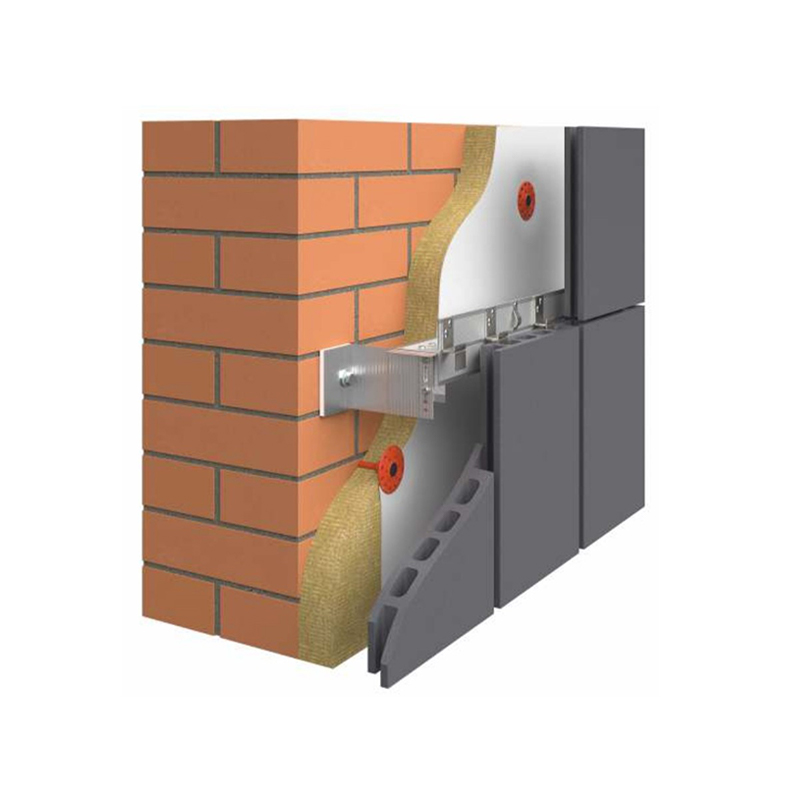
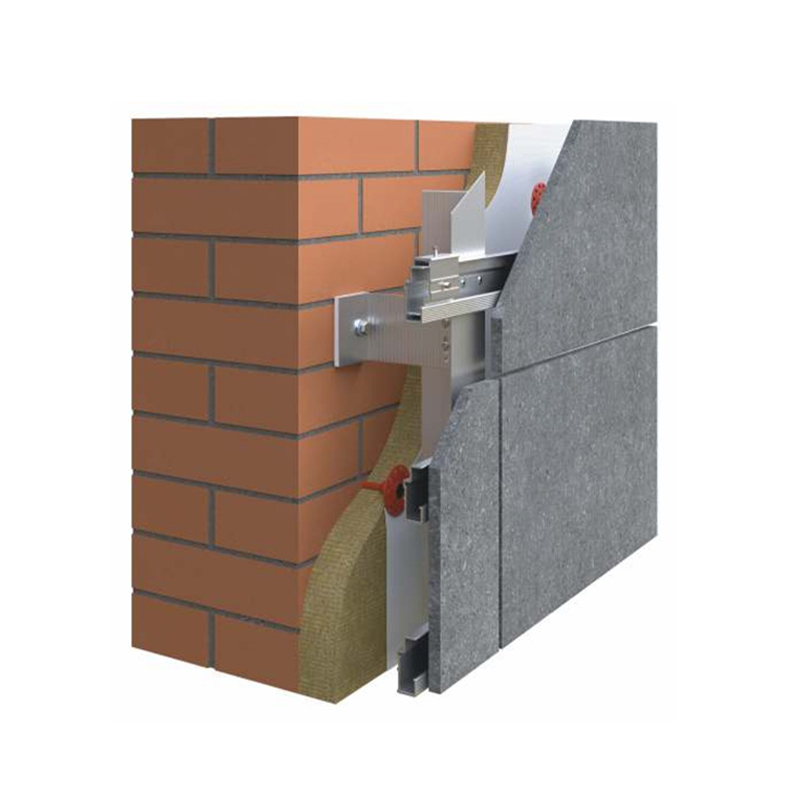
In sustainable architecture, the envelope must function as a thermal regulator. Utilizing sustainable ceramic facade materials for green buildings significantly reduces the cooling load by reflecting solar radiation and providing high thermal mass. The thermal insulation properties of ceramic cladding are optimized when integrated with advanced sub-frames. At Jiangsu Aozheng, our precision-engineered ceramic facade fixing systems allow for the inclusion of thick insulation layers within the ventilated cavity. This configuration minimizes the "heat island effect" in urban environments. For architects asking how ceramic facade cladding improves energy efficiency, the answer lies in the reduction of thermal conductivity through the building's "skin," resulting in lower HVAC operational costs over the building's lifecycle.
Safety is the non-negotiable pillar of modern construction. Ceramic facade cladding is inherently non-combustible, typically achieving Class A1 fire ratings without the need for additional chemical treatments. When choosing ceramic facade panels for high-rise buildings, engineers prioritize the material's high modulus of rupture and low thermal expansion coefficient. This ensures that the panels remain stable under extreme wind loads and temperature fluctuations. The impact of ceramic cladding on building fire safety is significant, as it prevents the vertical spread of flames—a critical factor for dense urban developments. By utilizing lightweight ceramic facade panels for renovation, older structures can be upgraded to modern safety and aesthetic standards without overstressing the existing foundation.
| Safety Feature | Composite Panels (ACP) | Ceramic Facade Cladding |
| Fire Classification | Variable (Core dependent) | Class A1 (Non-combustible) |
| Thermal Expansion | High | Very Low |
| Maintenance Needs | Periodic cleaning/recoating | Self-cleaning (Hydrophilic) |
The selection of ceramic facade cladding is a strategic investment in the future of sustainable architecture. Its superior resistance to environmental degradation, combined with its fire-safe and energy-efficient properties, makes it the most durable solution for contemporary building designs. As an important supplier of building materials in China, Jiangsu Aozheng Metal Products Co., Ltd. continues to innovate in architectural hardware and fixing systems, ensuring that every ceramic facade cladding project achieves the highest standards of safety and aesthetic excellence for our global partners.
Yes. When installed using specialized ceramic facade fixing systems that allow for independent movement of panels, ceramic facades perform exceptionally well in seismic regions by accommodating structural shifts without cracking.
It utilizes a ventilated rainscreen design that creates an air buffer. This buffer, combined with high-reflectivity surfaces, prevents heat from penetrating the building interior, reducing the energy needed for air conditioning.
Due to the high-temperature vitrification process, ceramic panels can easily last 50 to 100 years with minimal maintenance, outperforming most other exterior finish materials in terms of longevity.
Absolutely. Modern manufacturing allows for thin-profile ceramic slabs (as thin as 3mm-6mm) that provide the durability of ceramic while minimizing the dead load on older building structures.
Paint and coatings peel, fade, and require re-application every 5-10 years. Ceramic is a permanent material where the color is fused into the body, requiring only rain to stay clean.

We will wholeheartedly provide you with high quality products, reasonable price, on-time delivery and attentive service.
Maoshan Taiwan Business Industrial Park, Dinan Town, Xinghua City, Jiangsu Province, China

+86-523-82799922

+86-15996094444

+86-523-82799933


Copyright © Jiangsu Aozheng Metal Products Co., Ltd. All Rights Reserved.
 English
 русский
 Español
 عربى
عربى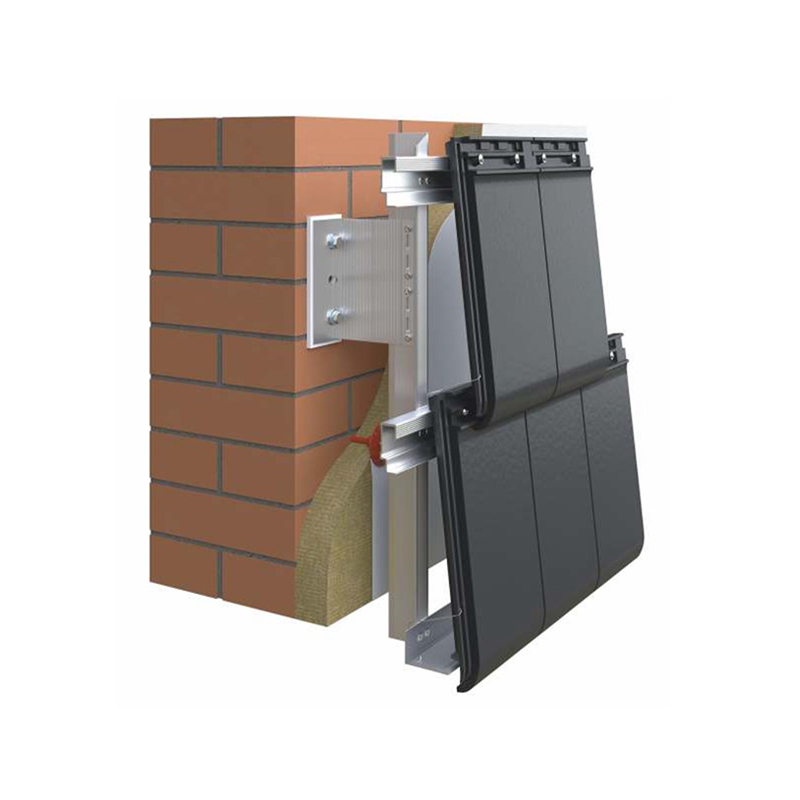


Contact Us