-
 Tel:
Tel:+86-15996094444
-
 E-mail:
INQUIRE NOW
+86-15996094444
INQUIRE NOW

Article Directory
In modern facade engineering, the mechanical integrity of a rainscreen system depends significantly on the specification of its substructure. cladding support brackets serve as the primary load-transfer mechanism between the external cladding panels and the building's structural frame. These components are not merely static fixings; they are engineered to manage self-weight, wind loads, and, most critically, the dynamic differential movement between the facade and the primary structure.
The structural function of cladding support brackets involves the distribution of both permanent loads (dead loads) and variable loads (wind pressure and suction). In a ventilated rainscreen configuration, these brackets create the essential cavity that allows for moisture evaporation and pressure equalization. To ensure long-term durability, the tensile strength of stainless steel brackets must be calculated according to ASTM A240 or EN 10088 standards. Utilizing high-grade materials like Grade 304 or 316 stainless steel prevents galvanic corrosion and ensures the load-bearing capacity of facade brackets remains constant over a 50-year design life.
Jiangsu Aozheng Metal Products Co., Ltd. is a specialized industry and trade enterprise committed to the R&D and production of stainless steel, aluminum alloy, and carbon steel architectural hardware. Operating a large-scale professional production base, we utilize advanced automated cutting, stamping, and welding processes to produce over 2000 tons of building materials annually. As a trusted supplier for high-end markets in the United States, Germany, Italy, and the Middle East, our cladding support brackets are favored by world-class construction companies for their precision machining and reliability in complex facade systems.
| Material Property | Stainless Steel (Grade 316) | Carbon Steel (S235JR) |
| Yield Strength | Greater than 205 MPa | Greater than 235 MPa |
| Corrosion Resistance | High (C5-M Environment) | Low (Requires Hot-Dip Galv) |
| Thermal Conductivity | 15 W/mK | 50 W/mK |
A critical engineering requirement for facade substructures is the ability to handle differential building movement in cladding systems. Buildings are subject to live load deflections, concrete shrinkage, and seismic sway. Adjustable cladding support brackets are designed with slotted holes to allow for three-dimensional alignment, ensuring that the cladding remains plumb despite tolerances in the primary structure. Furthermore, thermal expansion in rainscreen brackets must be addressed; as the external temperature fluctuates, the aluminum or steel rails expand and contract. Engineers must differentiate between dead-load vs. wind-load brackets to allow for vertical movement at expansion joints while maintaining rigid support at fixed points.
By creating a consistent cavity width, cladding support brackets facilitate the "stack effect," where air moves upward through the cavity to remove water vapor. This moisture management in rainscreen systems prevents the accumulation of interstitial condensation, which could otherwise degrade the insulation layer. When bulk purchasing stainless steel facade brackets, it is vital to verify the Ra surface finish and edge treatment to prevent localized stress corrosion cracking in high-humidity environments.
Modern construction schedules demand easy installation of cladding brackets to reduce on-site labor costs. Automated manufacturing at Jiangsu Aozheng ensures that each cladding support bracket meets strict dimensional tolerances (typically +/- 0.5mm). This precision allows for rapid facade leveling, where the bracket's adjustment range compensates for deviations in the structural slab. Whether used for stone, GRC, or metal panels, high-precision architectural hardware from China has become an essential component for high-quality architectural teams worldwide, ensuring both safety and aesthetic perfection.
| Installation Variable | Requirement/Standard | Engineering Impact |
| Bracket Alignment | Within +/- 2mm deviation | Ensures uniform joint width and aesthetics |
| Torque Specification | Manufacturer Defined (e.g., 40Nm) | Prevents loosening under vibration/wind load |
| Embedment Depth | ETAG 001 Annex C | Determines pull-out resistance from concrete |
In a stainless steel vs aluminum cladding bracket comparison, stainless steel offers significantly higher fire resistance and lower thermal conductivity. Stainless steel brackets maintain their structural integrity at higher temperatures (melting point approx. 1400C) compared to aluminum (approx. 660C). This makes fire-rated cladding support brackets made of steel a safer choice for high-rise residential projects where facade fire spread is a critical safety concern.
A fixed bracket supports the vertical weight of the panel and restricts movement, while a sliding bracket only provides lateral support, allowing the vertical rail to expand and contract due to temperature changes.
Yes. Thermal isolation pads are used between the bracket and the building wall to prevent cold bridging, which helps in meeting energy efficiency standards and preventing internal condensation.
Standard brackets typically offer 20mm to 40mm of adjustment in the 'out-of-plumb' direction to compensate for irregularities in the building's concrete or steel frame.
Brackets are typically tested according to ETAG 034 (for rainscreen kits) and BS 8297 for the design and installation of non-load bearing cladding.
In coastal areas, Grade 316 stainless steel with a high molybdenum content is mandatory to resist chloride-induced pitting corrosion.
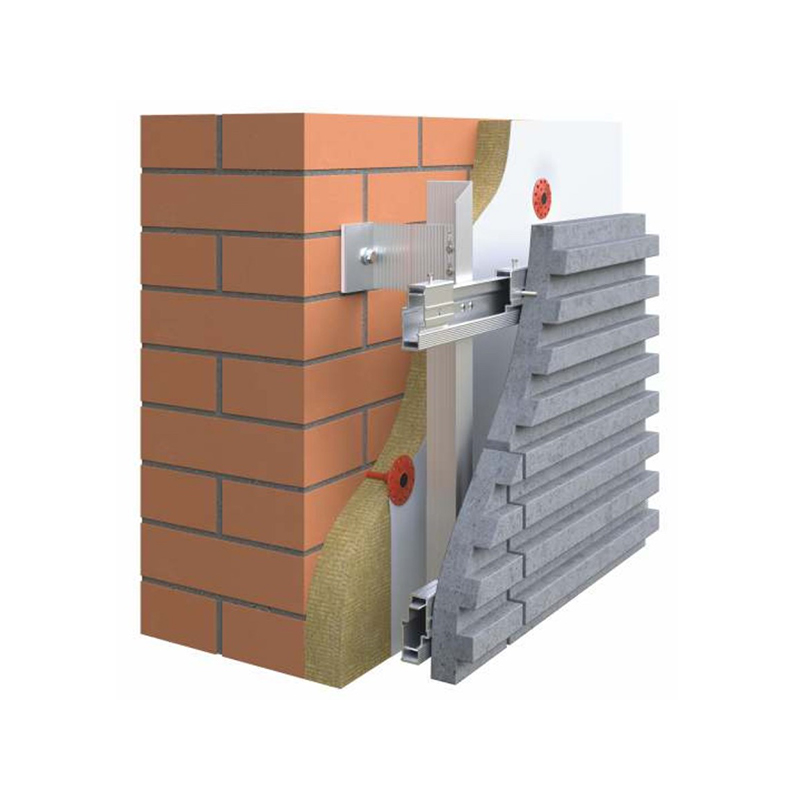
Facade System A0Z-v-20FACING MATERIALS:Porcelain stoneware tiles, natural stone slabs, textured glass-fiber reinforced concrete slabs, fiberglass comp...
See Details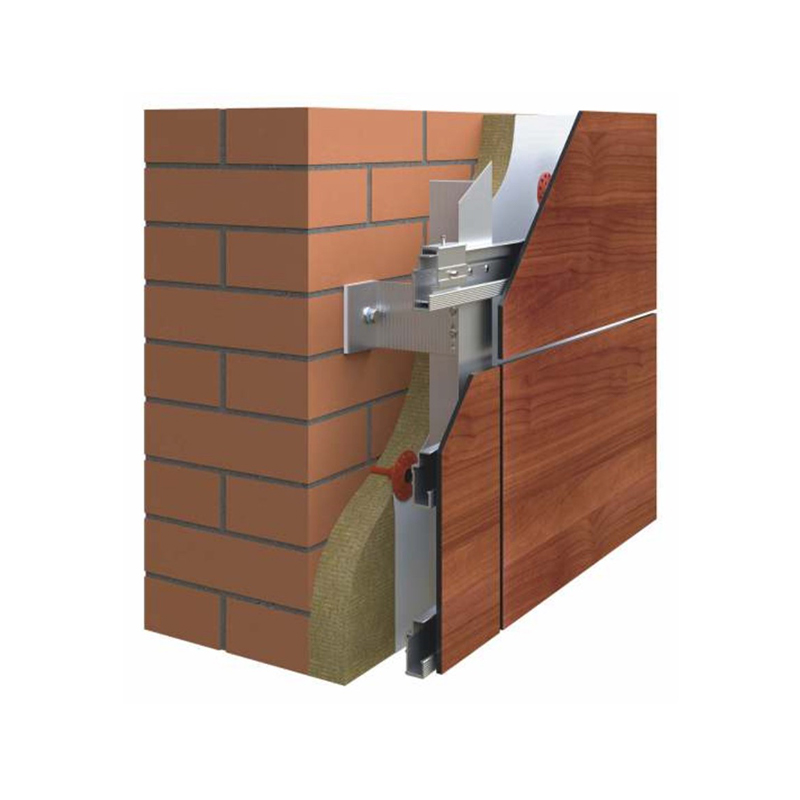
Facade System A0Z-v-20FACING MATERIAL:Fiber cement panels, RockPanels, HPL panelsFIXING:concealed with KEIL anchors, TRAG profile, and hangersMAX FACI...
See Details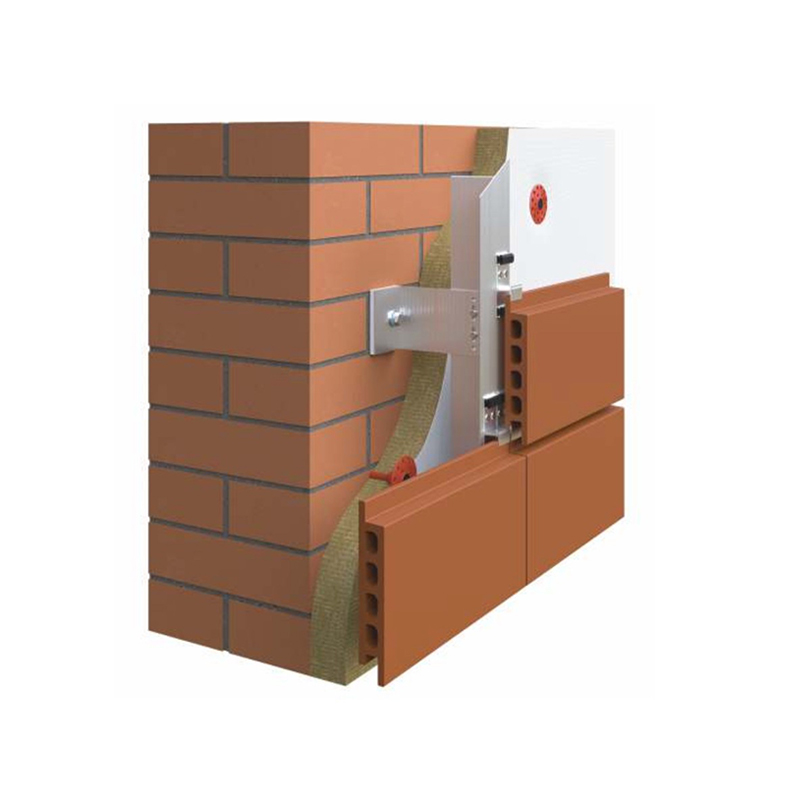
Facade System A0Z-v-350FACING MATERIAL:Horizontally-oriented solid and hollow terracotta tilesFIXING:Concealed with clamps or hold-down barsMAX FACING...
See Details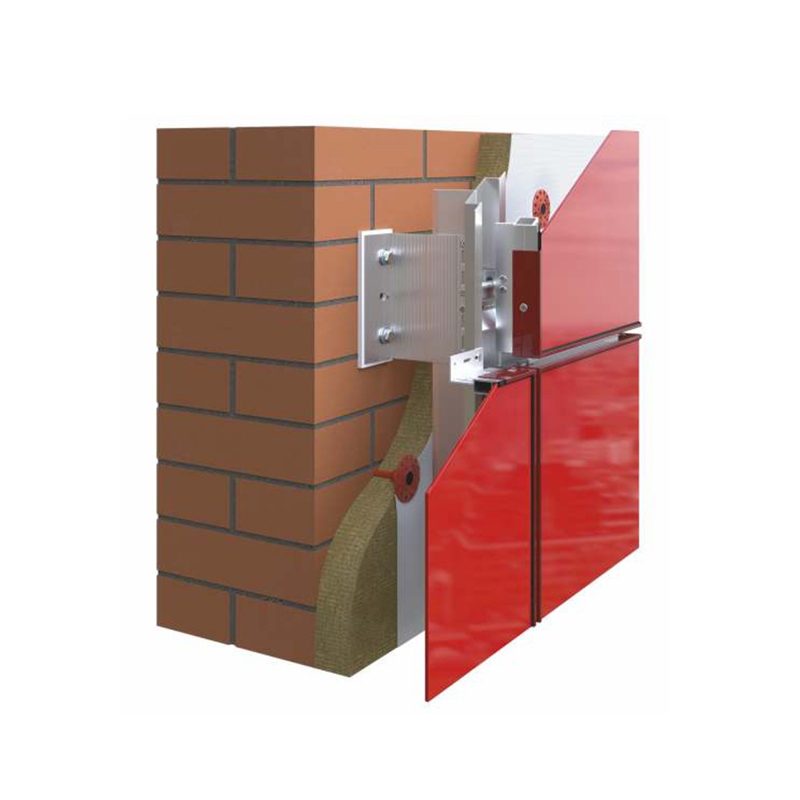
Facade System A0Z-v-300FACING MATERIAL:Tempered glass and stimulate 4 to 8 mm thickFIXING:Concealed with latches (slide holders and cassette hangers),...
See Details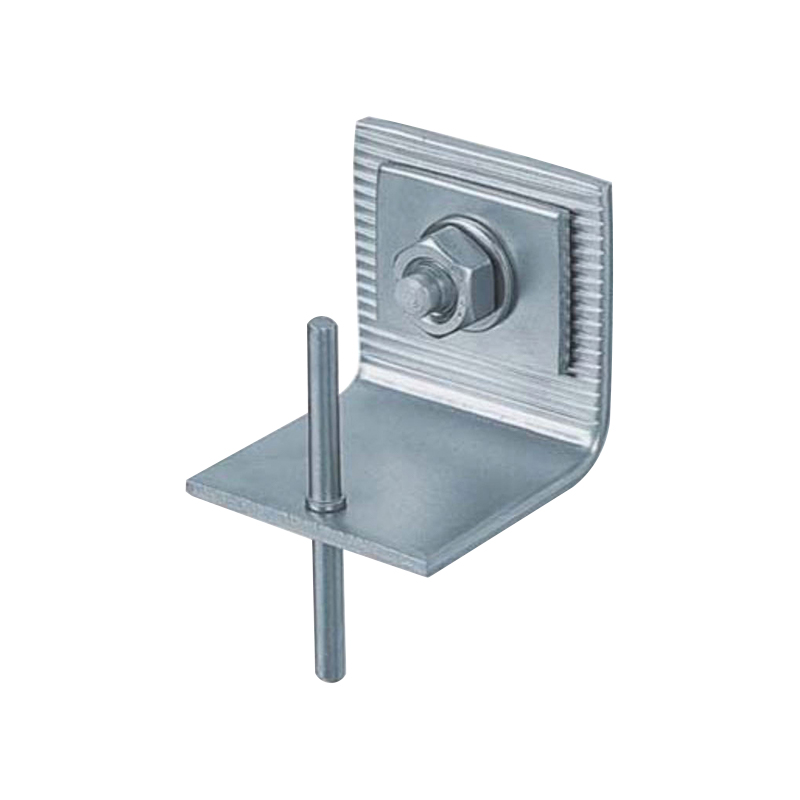
● Material: Stainless Steel 1.4301 IA2| & 1.4401 [A41]● The table above is prepared according to the DIN 18516 standard● Loads stated are working ...
See Details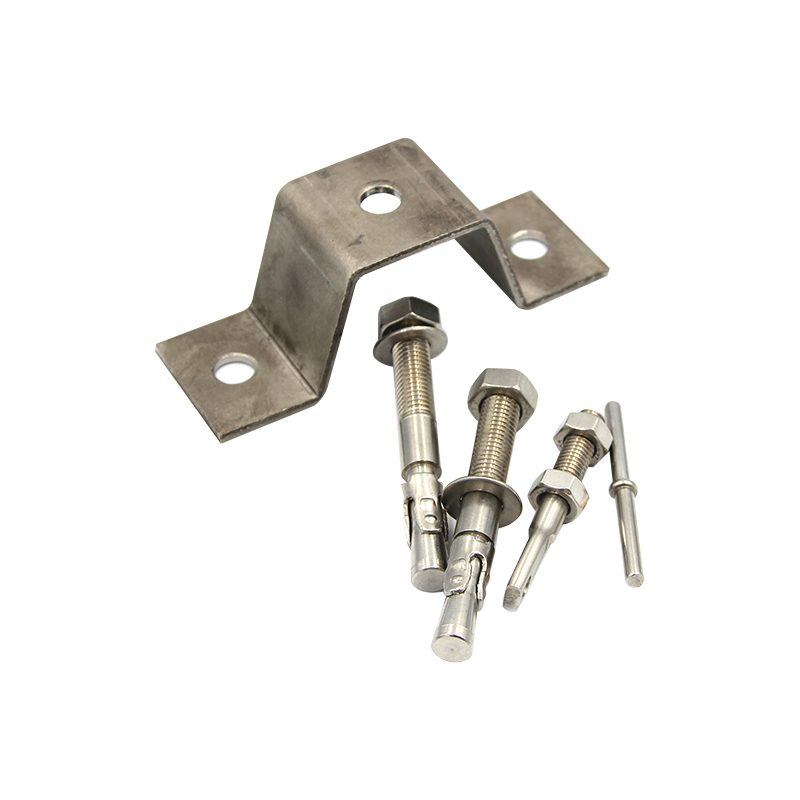
Fixing systems can accommodate all types of backing structures, whether it may be concrete walls, block work & masonry walls, or steel structures....
See Details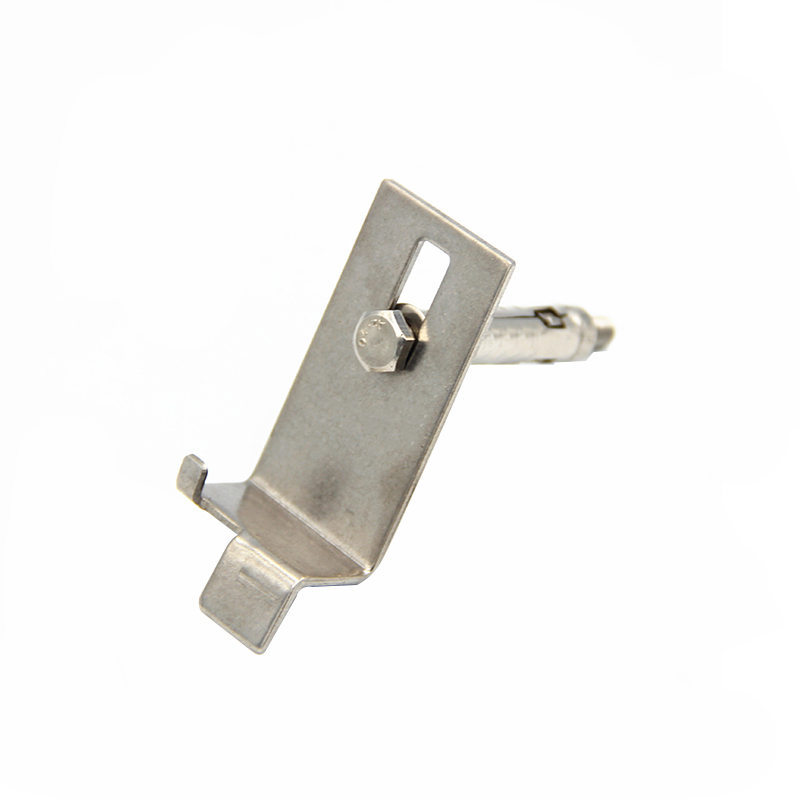
Stone Cladding System Up And Down Stone Fixing Anchor Bracket is an advanced stone curtain wall fixing system designed for vertically installed stone ...
See Details
We will wholeheartedly provide you with high quality products, reasonable price, on-time delivery and attentive service.
Maoshan Taiwan Business Industrial Park, Dinan Town, Xinghua City, Jiangsu Province, China

+86-523-82799922

+86-15996094444

+86-523-82799933


Copyright © Jiangsu Aozheng Metal Products Co., Ltd. All Rights Reserved.
 English
 русский
 Español
 عربى
عربى

Contact Us