-
 Tel:
Tel:+86-15996094444
-
 E-mail:
INQUIRE NOW
+86-15996094444
INQUIRE NOW

Article Directory
Jiangsu Aozheng Metal Products Co., Ltd. is a specialized industry-and-trade enterprise dedicated to the production of high-performance stainless steel, aluminum alloy, and carbon steel architectural hardware. Utilizing advanced automated cutting, stamping, and welding processes, our facility serves as a large-scale professional production base for global construction markets. With an annual output of 2,000 tons of building materials, we are a strategic supplier for major construction firms in the United States, Germany, and the Middle East. For modern architectural projects, the Terracotta Facade System represents a sophisticated building envelope solution. When applied to complex geometric structures, the structural integrity of the system depends heavily on precise load-bearing calculations and the mechanical performance of the underlying support hardware.
The primary consideration in the installation of a terracotta facade system is the management of the dead load (G), which is determined by the density of the terracotta panels—typically ranging from 35kg/m2 to 50kg/m2 depending on panel thickness. For complex geometries, the dead load calculation for terracotta panels must account for the shift in the center of gravity on inclined or curved surfaces. To prevent premature fatigue of the sub-frame, engineers must utilize high-strength stainless steel brackets that comply with ASTM A240 standards. Ensuring the vertical load support for dry-hang systems requires that the cross-beam (transom) and vertical mullion interface can withstand the cumulative weight without exceeding a deflection limit of L/300. This is a critical advantage of aluminum alloy sub-frames, which offer a high strength-to-weight ratio for heavy cladding materials.
On high-rise structures with non-linear geometries, wind load calculation for facade systems (W) is significantly more complex due to localized negative pressure zones at corners and parapets. The Terracotta Facade System must be engineered to resist both positive and negative wind pressures according to ASCE 7-22 or EN 1991-1-4 standards. How wind suction affects terracotta panels is mitigated by the use of EPDM gaskets and specialized spring clips that allow for micro-vibrations while preventing panel dislodgement. To prevent terracotta panel failure in high-wind zones, the pull-out strength of the mechanical anchors must be verified via onsite testing. Our automated stamping process ensures that every aluminum facade clip maintains a dimensional tolerance within 0.1mm, ensuring uniform pressure distribution across the entire facade surface.
Complex geometries often experience non-uniform thermal expansion, requiring the facade system to accommodate significant movement. The thermal expansion coefficient of terracotta is approximately 5 x 10^-6 m/m/Celsius, which differs from the aluminum sub-frame. Why expansion joints are critical for terracotta facades is to prevent stress-induced cracking of the ceramic material. Furthermore, seismic design for terracotta facade systems requires that the dry-hang hardware can accommodate inter-story drift. By utilizing sliding-point brackets for facade installation, the system can absorb kinetic energy during a seismic event. This flexible dry-hang mounting technology ensures that the panels do not collide or shatter, maintaining the safety standards required for construction projects in the Middle East and South Korea.
The longevity of the load-bearing components is intrinsically linked to their resistance to chemical degradation. What is the best material for facade brackets in coastal regions? We recommend SS316L stainless steel or 6063-T6 aluminum alloy with an anodic coating thickness exceeding 15um. The corrosion resistance of facade hardware is verified through neutral salt spray (NSS) testing for over 480 hours. In complex geometry terracotta installation, the hardware is often exposed to stagnant moisture; therefore, the Ra surface finish of metal components must be kept below 0.8 um to prevent pit corrosion. As a diversified production base, Jiangsu Aozheng provides customized architectural hardware that satisfies the mechanical requirements of various construction environments, ensuring the Terracotta Facade System remains structurally sound for a lifecycle exceeding 50 years.
| Engineering Metric | Standard Requirement | Aozheng Technical Spec |
| Material Tensile Strength (MPa) | > 215 (Aluminum) | > 245 (6063-T6) |
| Anchor Pull-out Force (kN) | Min 6.0 | > 8.5 (ASTM E488) |
| Anodic Coating Thickness (um) | > 10 | > 15 (ISO 7599) |
| Deflection Limit (L/300) | Mandatory | L/400 (Enhanced Rigidity) |
| Wind Load Capacity (kPa) | Up to 3.5 | Up to 5.0 (Project Specific) |
The structural reliability of terracotta facades is guaranteed through our integrated raw material molding and machining process. How to ensure facade system alignment on irregular curves involves the use of 3D-adjustable brackets that allow for +/- 20mm of tolerance compensation. Each batch of stainless steel facade connectors undergoes rigorous automated cutting and welding to ensure zero structural voids. By serving as an important supplier of building materials in China for international construction teams, Jiangsu Aozheng Metal Products Co., Ltd. adheres to the philosophy of high-grade market service. Our architectural metal products provide the necessary load-bearing safety for the world's most challenging architectural envelopes, from high-rise commercial towers in Italy to large-scale residential developments in Australia.
Q1: Can a terracotta facade system be installed on a curved wall with a radius under 5 meters?
A1: Yes, but it requires shorter panel segments and customized 3D-adjustable brackets to approximate the curve while maintaining the necessary gap for ventilation and thermal expansion.
Q2: How does the "dry-hang" method differ from wet-fixing in terms of load-bearing?
A2: Dry-hanging transfers the load directly to the building's structural frame via mechanical hardware, whereas wet-fixing relies on adhesive bond strength. Dry-hanging is superior for load-bearing on complex geometries as it accommodates structural movement and prevents adhesive fatigue.
Q3: What maintenance is required for the load-bearing hardware over time?
A3: When using SS316 or high-grade aluminum, the system is virtually maintenance-free. We recommend a visual inspection every 5 years to ensure that gaskets remain flexible and that no mechanical anchors have loosened due to extreme seismic or wind events.
Q4: How do you prevent electrolytic corrosion between aluminum frames and stainless steel clips?
A4: We utilize EPDM or nylon isolators between dissimilar metals to prevent galvanic corrosion, ensuring the electrochemical potential difference does not lead to material degradation.
Q5: What is the maximum height recommended for a terracotta facade system?
A5: There is no strict height limit, provided that the wind load and structural dead load calculations are verified for the specific building height and location. High-rise projects typically require reinforced sub-frames and higher-grade anchors.
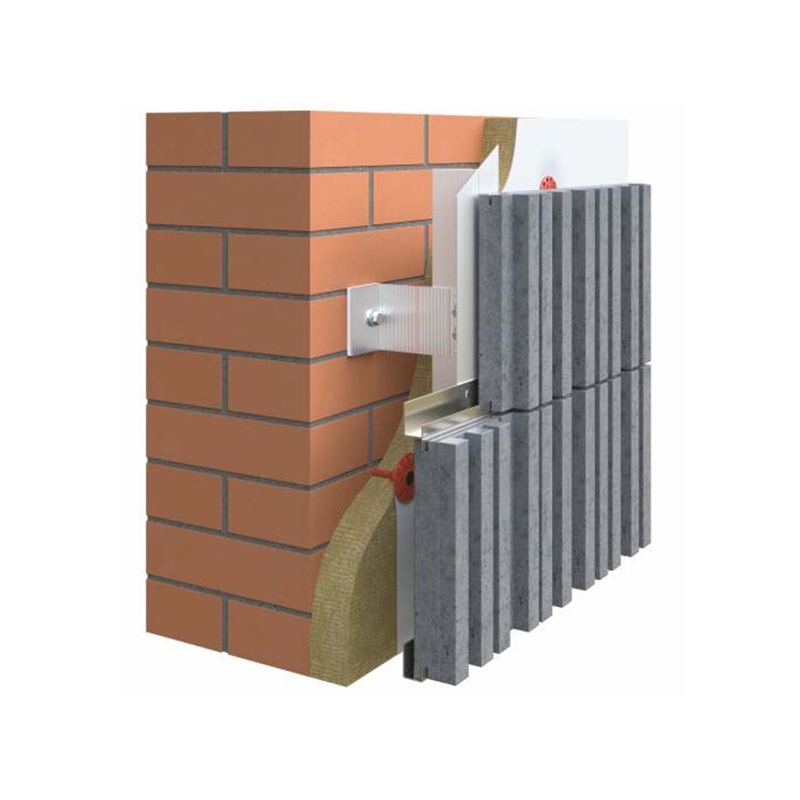
Facade System AOZ-v-20FACING MATERIAL:Textured glass fiber reinforced concrete slabs, artificial stone slabs, natural stone slabs (medium hard rocks, ...
See Details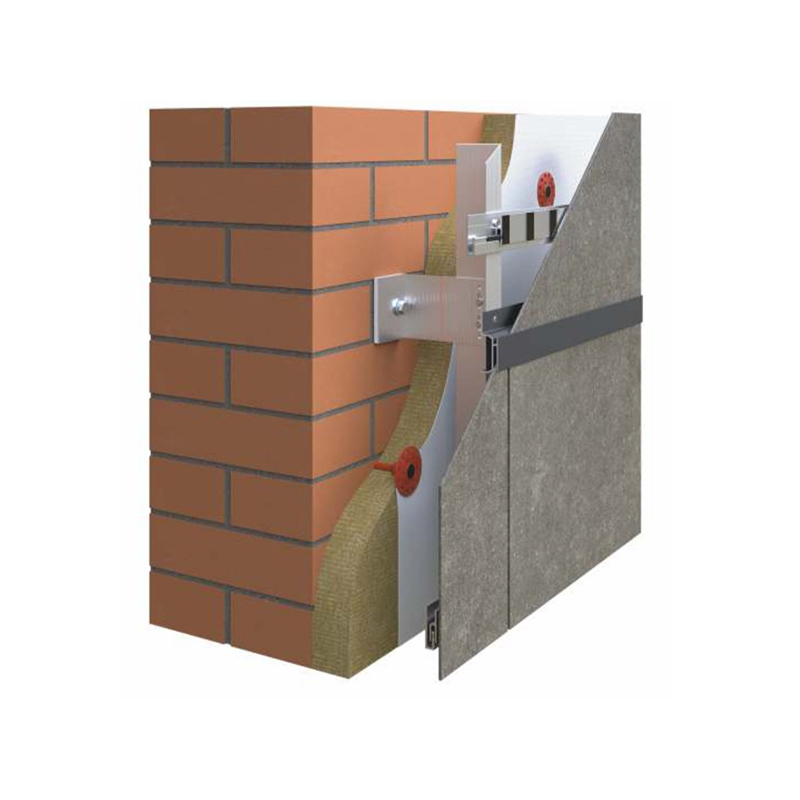
Facade System AOZ-v-300FACING MATERIAL:Large-sized porcelain stoneware tiles 3 to 6 mm thickFIXING:Mixed: visible with mechanically mounted painted ho...
See Details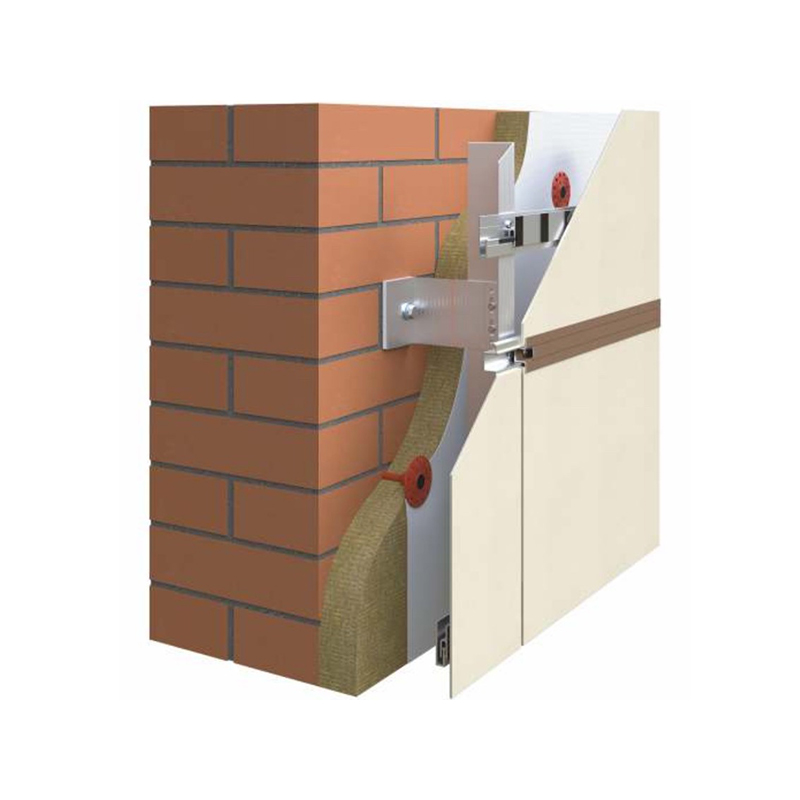
Facade System A0Z-v-300FACING MATERIAL:Large-sized porcelain stoneware tiles 3 to 6 mm thickFIXING:Mixed: visible with mechanically mounted three-part...
See Details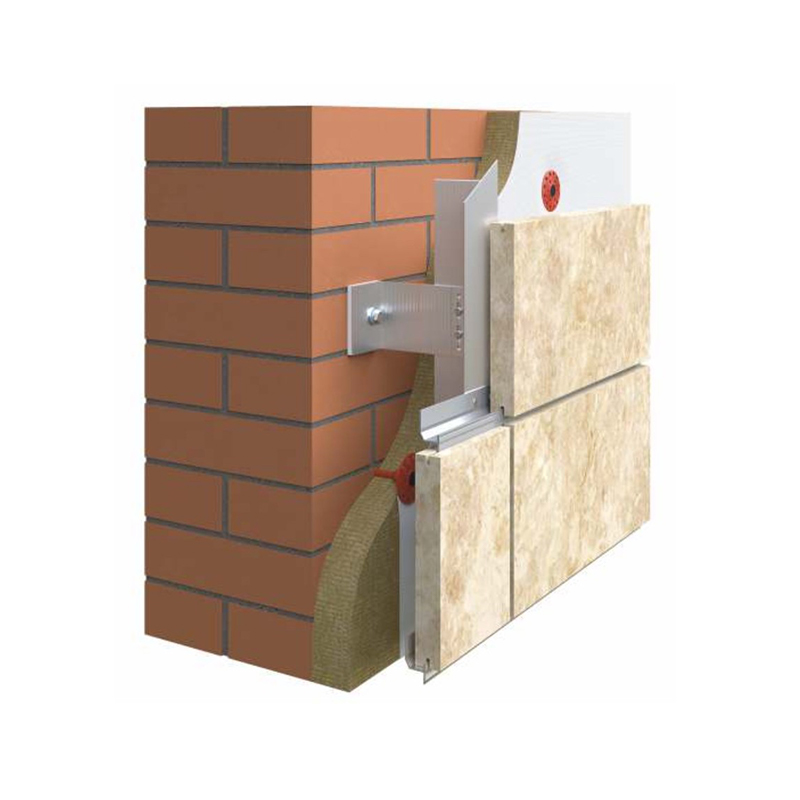
Facade System AOZ-v-20FACING MATERIAL:Natural stone slabs (medium hard rocks, hard rocks), agglomerate granite composite slabsFIXING:Concealed mountin...
See Details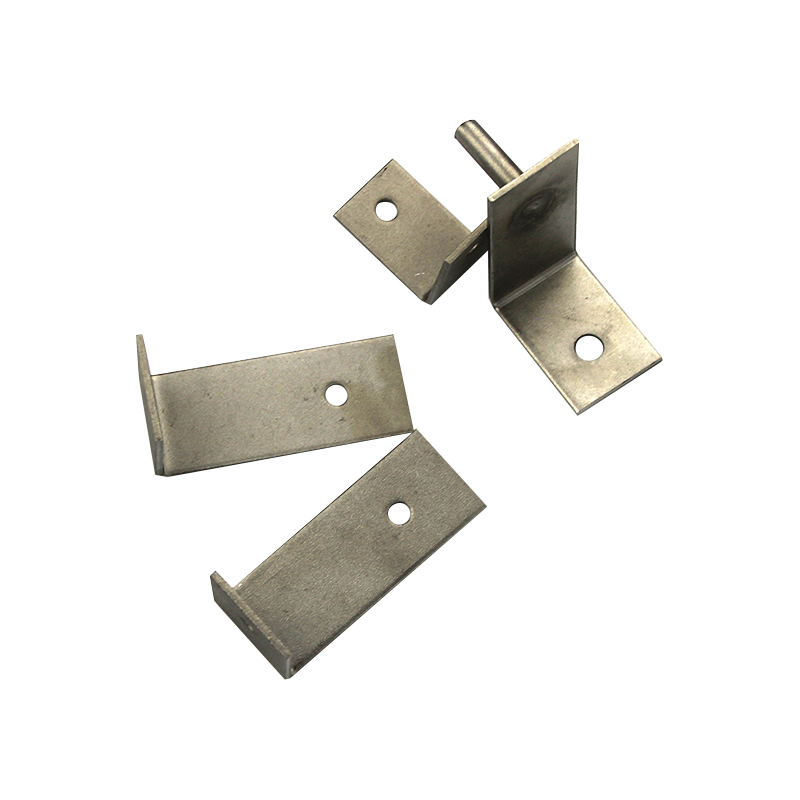
Stainless steel welded L-shaped angle steel is a commonly used building structural material. It is made of stainless steel through a welding process a...
See Details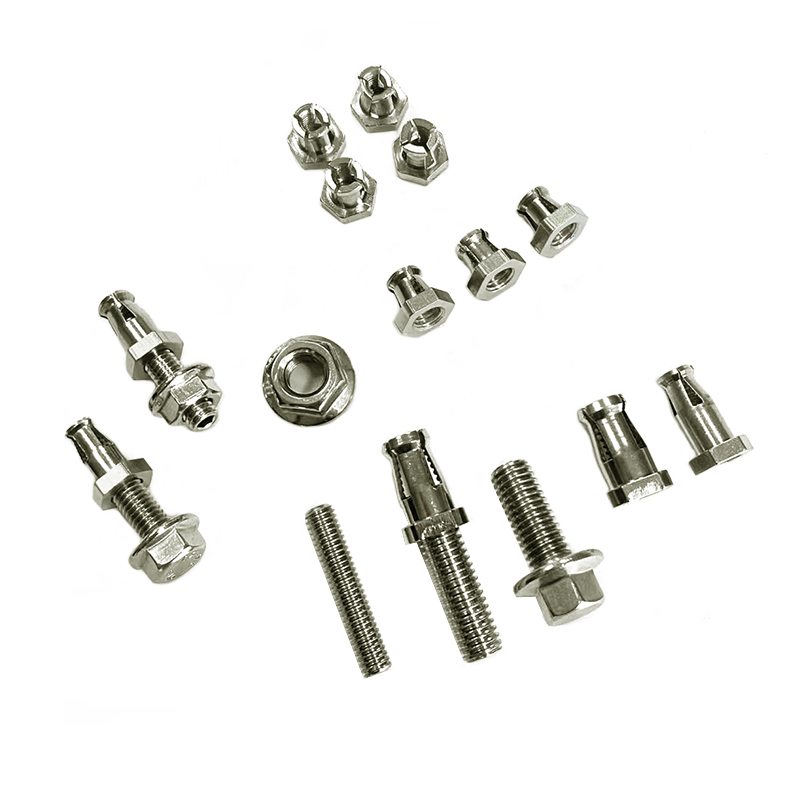
Detachable rotary back bolt anchoring material is a new kind of curtain wall, made of high-quality stainless steel material processing, according to t...
See Details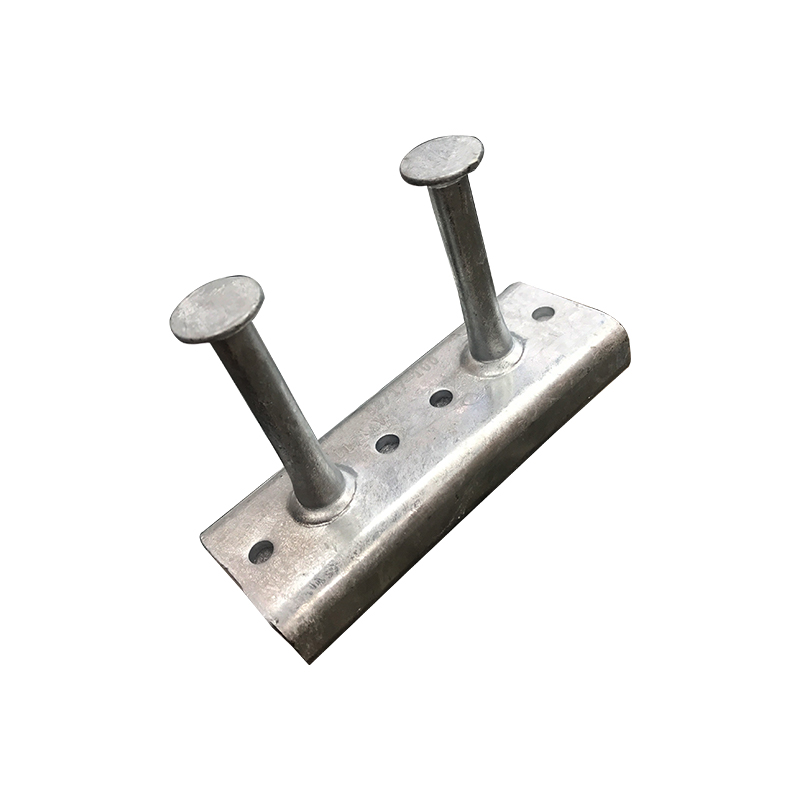
Cold roll cast-in anchor is an important building connector. This anchor is pre-buried in a predetermined position before concrete is poured and ensur...
See Details
We will wholeheartedly provide you with high quality products, reasonable price, on-time delivery and attentive service.
Maoshan Taiwan Business Industrial Park, Dinan Town, Xinghua City, Jiangsu Province, China

+86-523-82799922

+86-15996094444

+86-523-82799933


Copyright © Jiangsu Aozheng Metal Products Co., Ltd. All Rights Reserved.
 English
 русский
 Español
 عربى
عربى

Contact Us