-
 Tel:
Tel:+86-15996094444
-
 E-mail:
INQUIRE NOW
+86-15996094444
INQUIRE NOW

Article Directory
Stone fixing brackets are essential components in construction and masonry work, designed to securely fasten stone panels or cladding to various structures. These brackets play a crucial role in ensuring the stability and longevity of stone installations, whether for exterior facades, interior feature walls, or landscaping elements. The importance of proper stone fixing cannot be overstated, as it directly impacts the safety and durability of the entire installation.
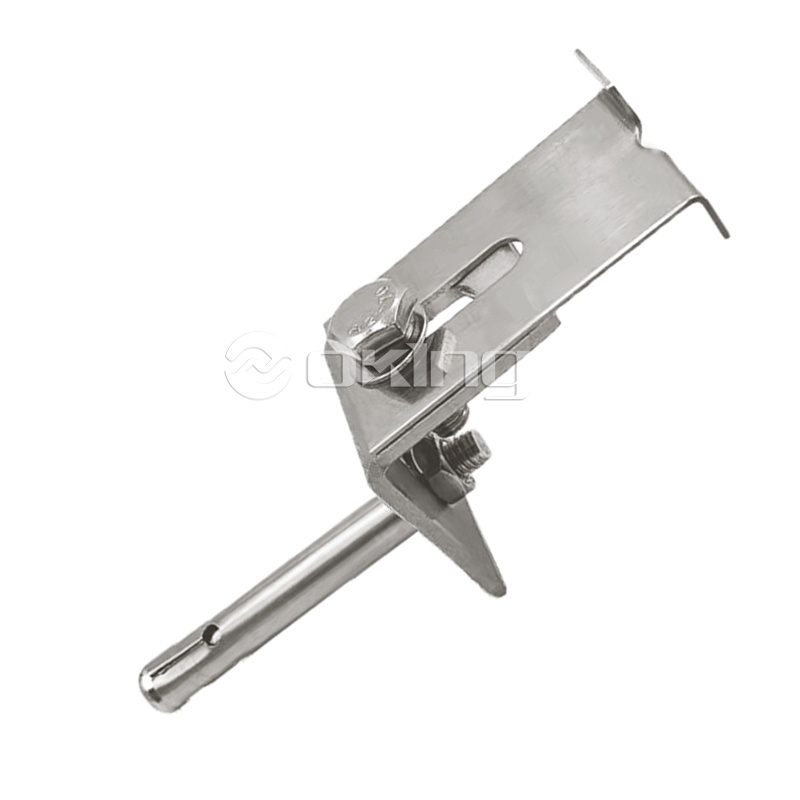
When working with stone fixing brackets for exterior walls, several factors must be considered. The brackets must withstand environmental stresses like wind loads, thermal expansion, and moisture exposure. Different stone types require specific bracket configurations to accommodate their weight and thickness variations. Professional installers often prefer adjustable brackets that allow for precise alignment during the installation process.
The most common type of stone fixing bracket features an L-shaped design that provides basic support for stone panels. These brackets are typically made from stainless steel or galvanized metal to resist corrosion. Their simplicity makes them suitable for various applications, from small residential projects to commercial buildings.
For projects requiring precise alignment or dealing with uneven surfaces, adjustable stone support brackets offer the necessary flexibility. These brackets feature sliding or rotating mechanisms that allow installers to fine-tune the position of stone panels during installation.
| Feature | Standard Brackets | Adjustable Brackets |
|---|---|---|
| Position Adjustment | Fixed position | ±15mm typically |
| Installation Time | Faster | Requires more adjustment |
| Cost | Lower | 20-30% higher |
| Best For | Flat surfaces | Uneven substrates |
Selecting the appropriate stone cladding fixing solutions requires careful consideration of multiple factors. The choice depends on the stone type, project scale, environmental conditions, and desired aesthetic outcome.
Heavier natural stones like granite require more robust brackets with higher load capacities compared to lighter materials like limestone or manufactured stone veneers.
Exterior applications in coastal areas demand weather-resistant stone brackets made from marine-grade stainless steel to withstand salt spray and humidity.
Structures subject to thermal expansion or seismic activity benefit from brackets that allow controlled movement while maintaining structural integrity.
Proper installation of heavy-duty stone mounting hardware ensures the longevity and safety of your stone installation. Follow these detailed steps for a professional result.
Regular maintenance of your stone panel support systems ensures continued performance and safety. Implement a scheduled inspection program to identify potential issues before they become serious problems.
| Component | Check For | Acceptable Condition |
|---|---|---|
| Bracket Body | Corrosion, deformation | No visible rust or bending |
| Fasteners | Looseness, corrosion | Firmly fixed, no movement |
| Stone Panel | Cracks, movement | No cracks, <2mm movement |
| Sealant Joints | Deterioration, gaps | Fully intact, no gaps |
Even experienced installers can encounter issues when working with stone fixing systems. Being aware of these potential pitfalls can save time and prevent costly rework.
One of the most frequent errors involves miscalculating the required bracket spacing. This often stems from underestimating the stone weight or overlooking local wind load requirements.
Using standard steel brackets in coastal environments leads to premature corrosion. Similarly, selecting undersized brackets for heavy stone panels compromises the entire installation's safety.
Failure to accommodate thermal movement causes stress buildup in both the stone panels and the supporting structure, potentially leading to cracks or bracket failure.
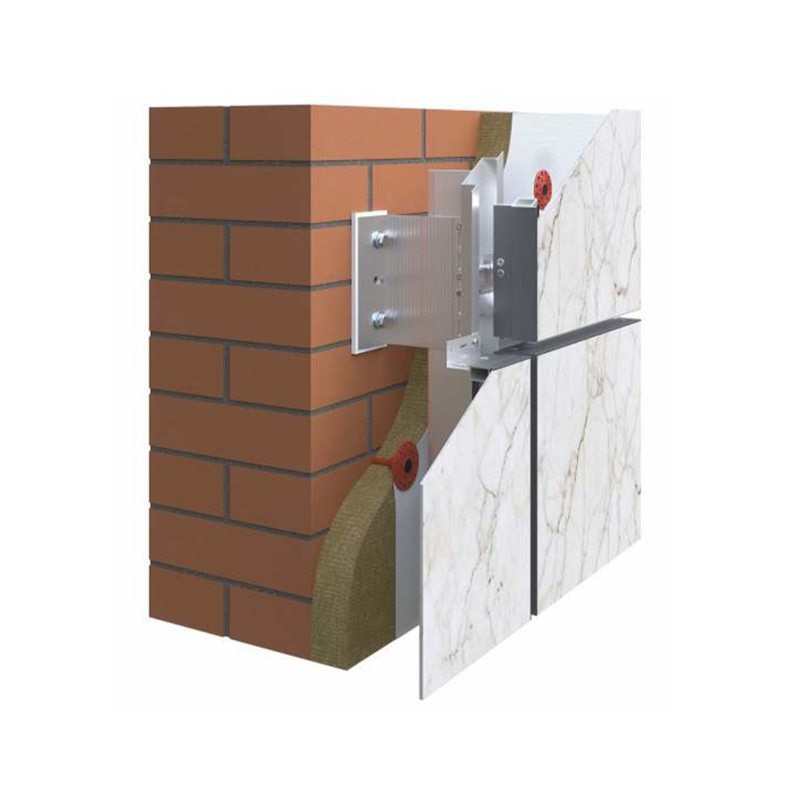
Facade System A0Z-v-300FACING MATERIAL:Large-sized porcelain stoneware tiles 3 to 6 mm thick.FIXING:Concealed with latches (slide holders and cassette...
See Details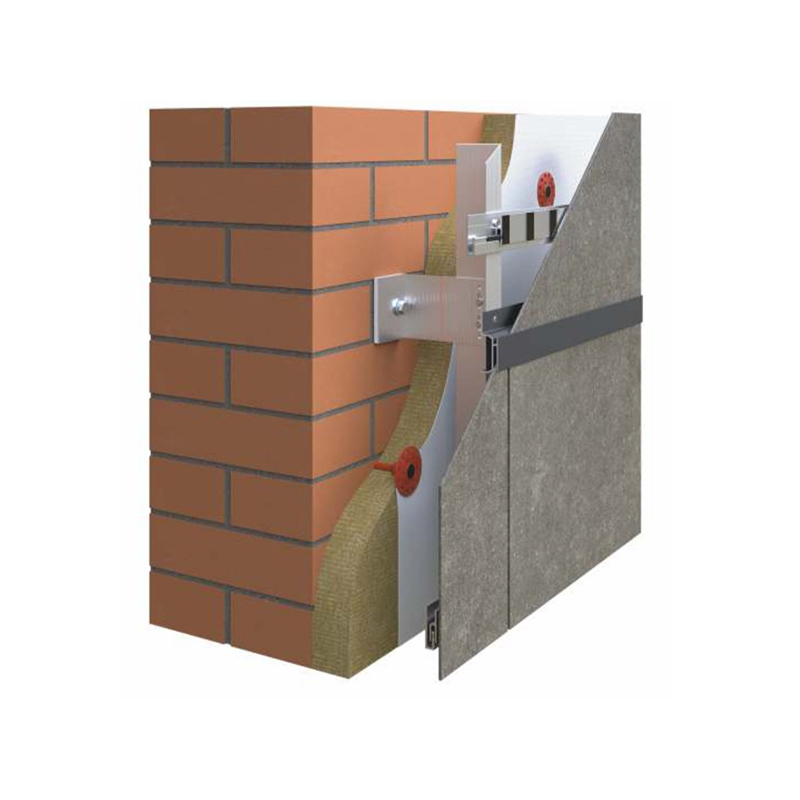
Facade System AOZ-v-300FACING MATERIAL:Large-sized porcelain stoneware tiles 3 to 6 mm thickFIXING:Mixed: visible with mechanically mounted painted ho...
See Details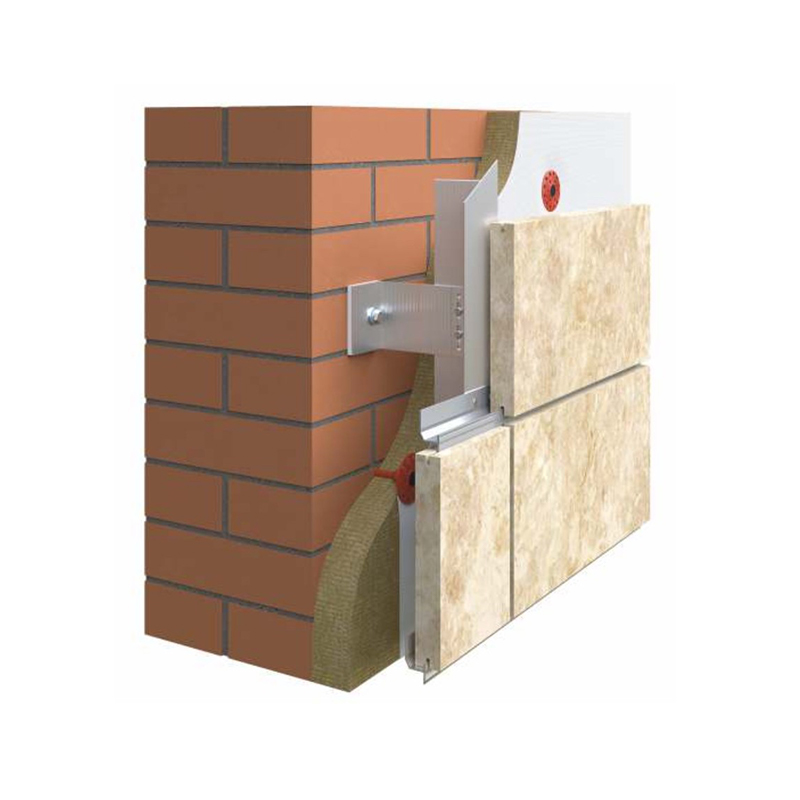
Facade System AOZ-v-20FACING MATERIAL:Natural stone slabs (medium hard rocks, hard rocks), agglomerate granite composite slabsFIXING:Concealed mountin...
See Details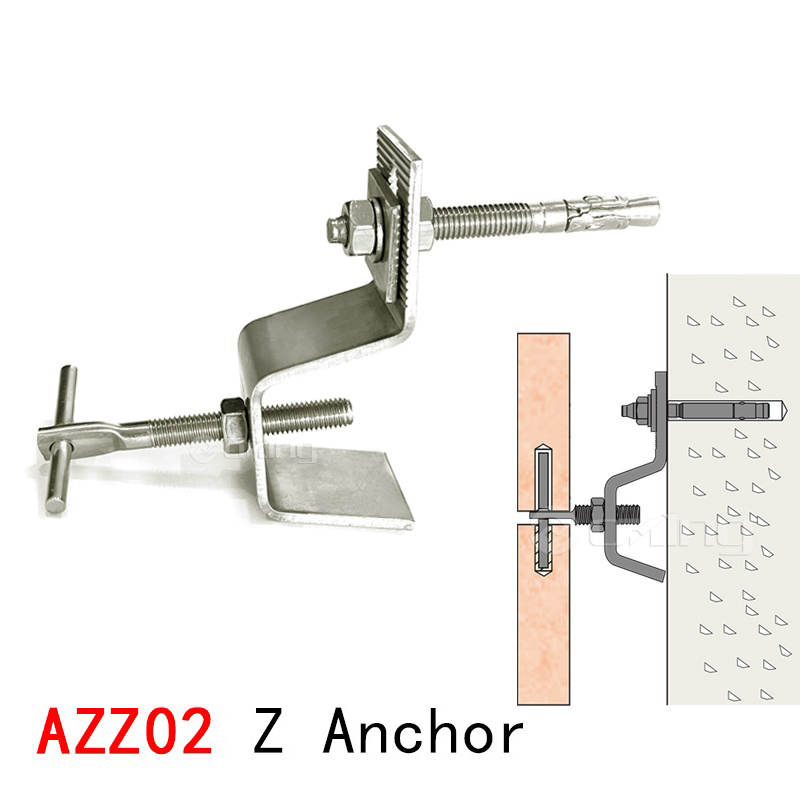
● Material : Stainless Steel 1.4301 [A2) & 1.4401 [A4]● The table above is prepared according to LGA test results● Loads stated are characteristic...
See Details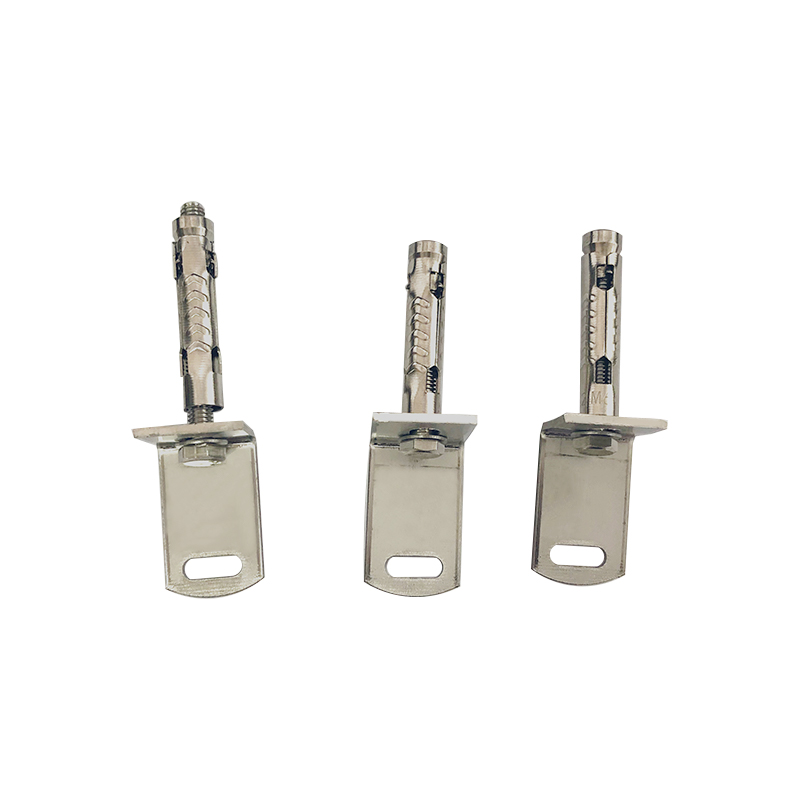
Cladding System L bracket is a supporting and fixing device specially designed for marble corners. With its unique L-shaped design, it provides stable...
See Details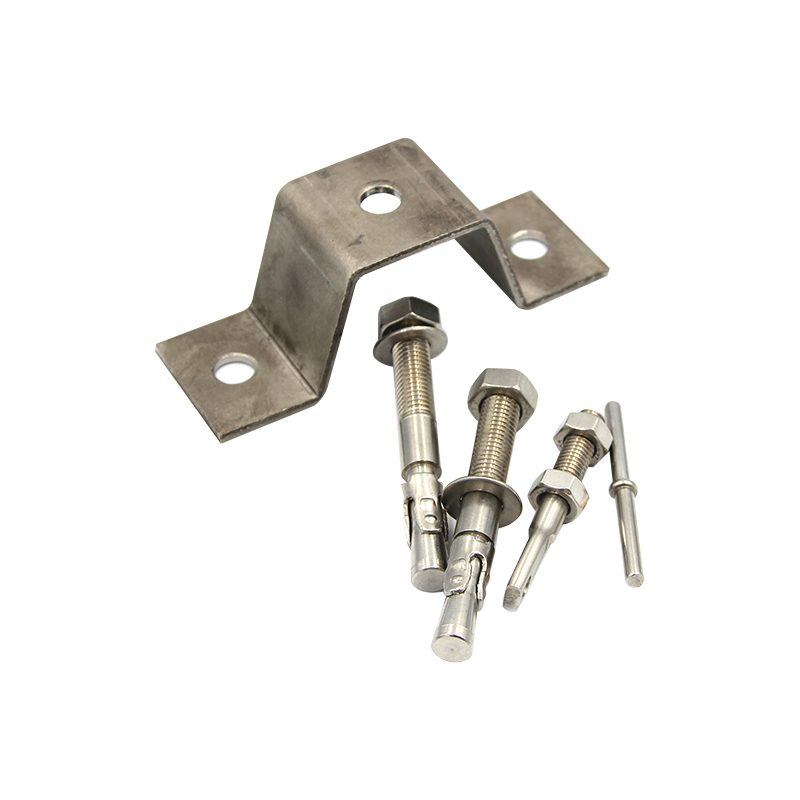
Fixing systems can accommodate all types of backing structures, whether it may be concrete walls, block work & masonry walls, or steel structures....
See Details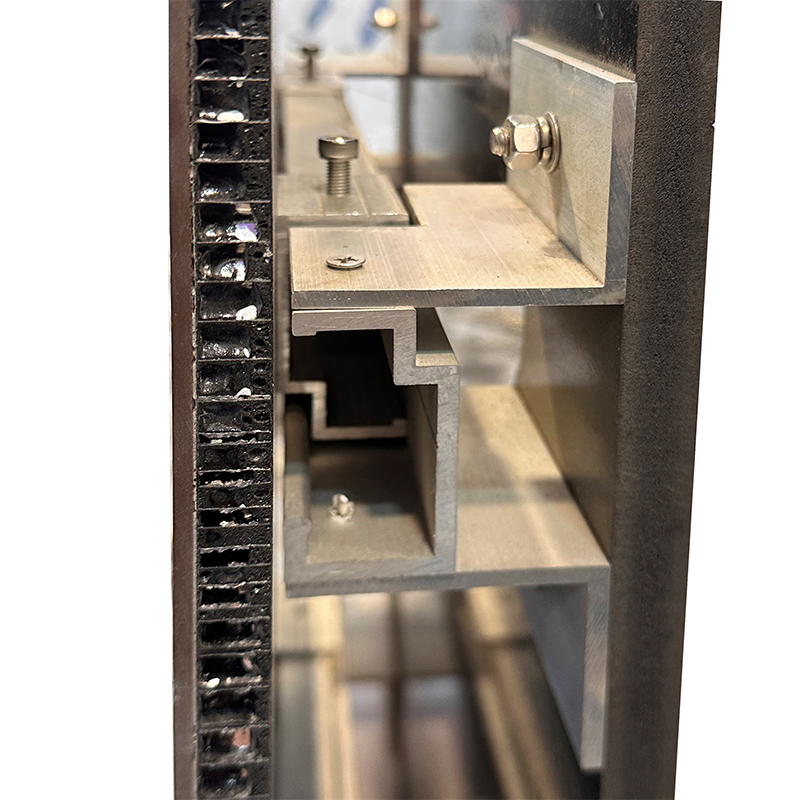
The honeycomb panel pendant mainly consists of the following accessories:Pendant body: This is the core part of the pendant, which is usually made of ...
See Details
We will wholeheartedly provide you with high quality products, reasonable price, on-time delivery and attentive service.
Maoshan Taiwan Business Industrial Park, Dinan Town, Xinghua City, Jiangsu Province, China

+86-523-82799922

+86-15996094444

+86-523-82799933


Copyright © Jiangsu Aozheng Metal Products Co., Ltd. All Rights Reserved.
 English
 русский
 Español
 عربى
عربى

Contact Us