-
 Tel:
Tel:+86-15996094444
-
 E-mail:
INQUIRE NOW
+86-15996094444
INQUIRE NOW

Article Directory
A facade contractor on the Gulf Coast recently asked us why a granite rainscreen and a marble lobby wall could not share the same fixing hardware. The answer begins in the rock families themselves: granite is an igneous stone built from quartz and feldspar, while marble is a metamorphic calcium carbonate rock. That mineralogical difference drives the cladding bracket choice, the anchor depth, and the annual maintenance budget in ways that most spec sheets do not show.
Stone cladding is a non-load-bearing facade layer of natural stone panels mechanically fixed to a structural wall through brackets, anchors, or rail systems. The cladding carries only its own weight plus wind pressure and thermal movement, which is why the stiffness of the stone matters more than the thickness alone.
Geology matters because granite and marble react differently when exposed to water, salt, and airborne acids. Granite is dense, hard, and low in porosity. Marble is softer, more porous, and chemically active because of its calcium carbonate composition. These are not cosmetic differences; they affect load capacity, anchor pull-out resistance, and the need for back-up protection.
In practice, granite weighs roughly 5-10% more than marble per cubic meter, yet it needs less anchoring force because its internal structure resists strain better.
The following engineering properties are the ones a facade engineer uses when deciding whether a stone panel can be fixed with a pin, an undercut anchor, or a bracket system.
| Property | Granite | Marble |
| Density (g/cm3) | 2.60-2.90 | 2.40-2.70 |
| Compressive strength (MPa) | 100-220 | 60-120 |
| Water absorption (wt %) | 0.10-0.30 | 0.30-0.60 |
| Porosity | Low | Medium |
| Acid rain resistance | High | Low to moderate |
| Flexural strength (MPa) | 10-20 | 8-14 |
Granite wins on weather resistance in almost every comparison. A polished granite panel in a coastal city absorbs 0.1-0.3% water by weight, so freeze-thaw cycling generates very little internal stress. Marble, at 0.3-0.6% absorption, takes on more moisture and is more likely to develop micro-cracks after repeated freeze-thaw events.
Marble also loses surface gloss faster in polluted urban air. Acid rain converts the calcium carbonate surface into gypsum, which produces the dull white film commonly seen on historic marble facades. Granite, being quartz-based, does not react this way. In an industrial or traffic-heavy zone, the cleaning interval for marble can be half as long as for granite.
The most common cause of marble facade failure is not the stone itself but the interaction between the panel, the moisture, and the fixing hardware. A stainless steel bracket with the correct edge distance solves most of it.
Neither material has a one-size-fits-all fixing system. The right bracket and anchor are governed by the panel weight, the edge distance, and whether the stone is dry-hung as a rainscreen or bonded to a substrate. This is where a manufacturer with a full stone fixing range, such as Jiangsu Aozheng Metal Products Co., Ltd., makes the specification process simpler.
For granite facade systems in a rainscreen configuration, concealed mounting clamps hide the fixing from the exterior while distributing the load across the panel edge. The company's granite facade system offers concealed mounting clamps or bars that work with both flamed and polished finishes.
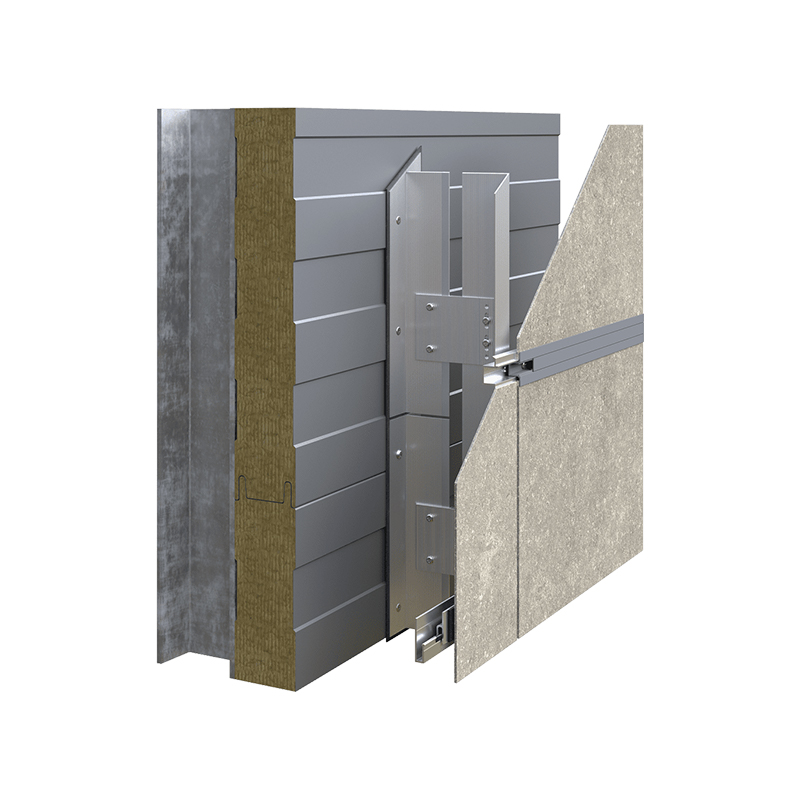 Facade System Concealed Mounting Clamps Or BarsArcade system of granite stone wall tilesView Product →
Marble panels, with their lower flexural strength, usually call for kerfed or surface-mounted anchors. A stainless steel marble angle bracket with a bright polished surface provides a clean corner connection and reduces the visual distraction of the hardware. The same principle behind undercut anchors applies here: load is distributed into the back of the stone rather than concentrated along the edge.
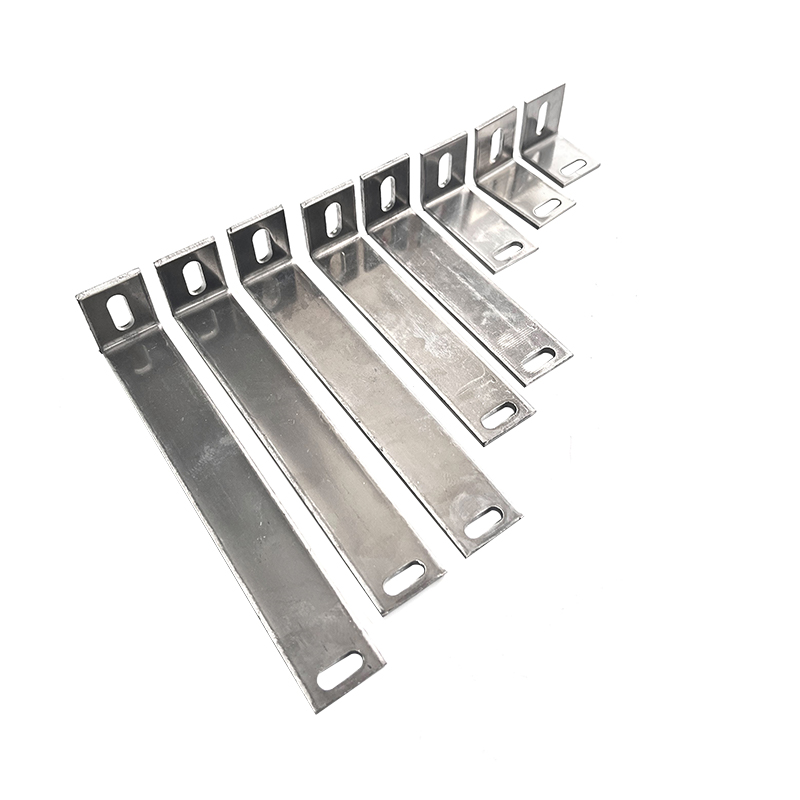 Stainless Steel Marble Angle Bracket With Shine SurfaceItem No. T A B C Pin sl hole 1500-120.50.30.3 3 120 50 30 2x4 8,5 x 22 1500-120.50.35.3 3 120 50 35 2x4 8,5 x 22 1500-120.50.40.3 3 120 50 40 2x4 8,5 x 22 1500-140.60....View Product →
The general stone cladding system for both materials should allow minor vertical and horizontal adjustment, because natural stone dimensions vary from slab to slab. Aozheng's stone fixing facade cladding system handles that tolerance with adjustable components.
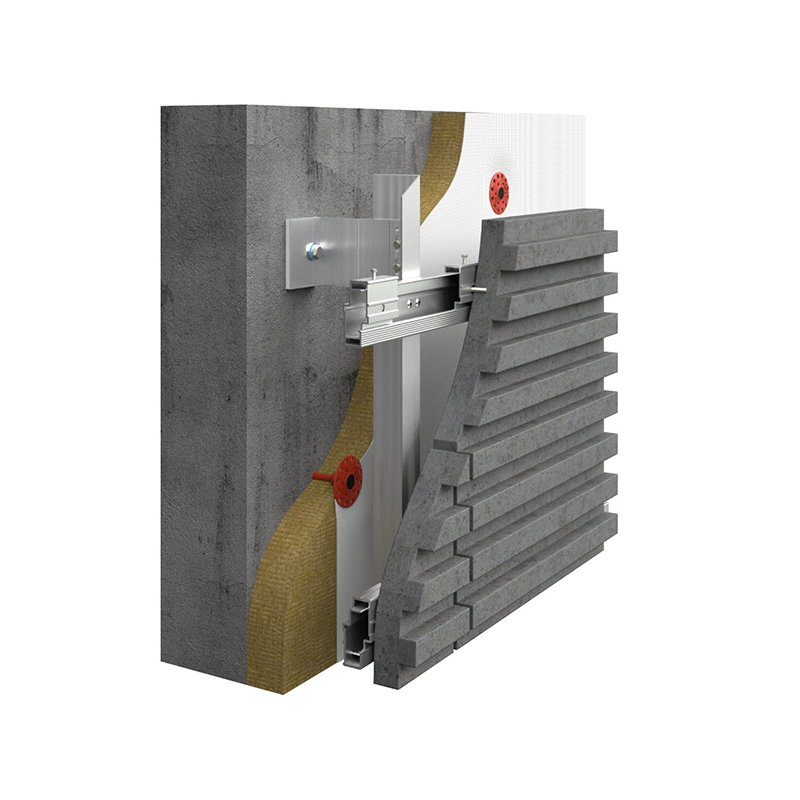 Stone Fixing Facade Cladding SystemFacade System with saw KerfView Product →
Always confirm the anchor depth and edge distance for the actual panel thickness. A 20 mm granite slab needs a different undercut depth than a 30 mm slab, even when both are from the same quarry.
Material cost is only the first line item. The installed cost includes the stone panels, the fixing system, the labor, and the long-term maintenance program. Typical slab prices range from 60-140 USD per square meter for mid-grade granite and 80-200 USD per square meter for mid-grade marble, but import duties and slab size availability can move those numbers far beyond the published range.
Weight matters for high-rise work because it changes the bracket sizing and the anchor spacing on the back wall. The density difference between granite and marble may seem small, but across a 3,000 square meter facade at 30 mm thickness it can add or remove around 18 to 45 tonnes of dead load. Supply risk also differs: granite blocks are available from many quarries worldwide, while high-grade marble with a consistent vein pattern is concentrated in fewer regions.
When a project changes from granite to marble after tendering, the fixing system must be rechecked. Panel weight changes, and the anchor spacing on the back wall may no longer meet the design load.
Specify granite when the building sits in a coastal, industrial, or high-pollution zone; when panels are larger than 600 x 600 mm with a thickness under 30 mm; or when the maintenance budget is limited. Specify marble when a translucent depth and soft veining are essential to the design, when the application is sheltered or interior, or when the client has committed to a professional stone care program.
For a mixed facade, many projects use granite on the weather-exposed lower floors and a finer marble only in lobby or reception areas. This approach keeps the maintenance burden on the interior stone where it can be managed without scaffolding. Either way, the fixing system must be designed for the actual panel weight and wind load, not selected from a generic product list.
If you are unsure, specify granite for the exterior envelope and reserve marble for the lobby columns and reception wall. This split gives you durability where the weather hits and elegance where people notice it.
No. Slab cost varies by quarry, grade, and finish. In some markets, common mid-grade granite is cheaper than a premium marble, but the installed cost includes brackets, anchors, labor, and maintenance. Over a 25-year service life, granite facades tend to work out substantially cheaper.
Granite. Its lower porosity and quartz-based mineralogy resist staining and gloss loss. Marble demands more frequent sealing and polishing, especially in acidic rain environments.
Not always. Marble panels have lower flexural strength and need more load points with a wider edge distance. The same bracket family may work for both, but the anchor type and spacing must be recalculated for the specific panel weight and wind load.
Granite is usually preferred for high-rise facades because of its higher compressive and flexural strength, which allows thinner panels with longer spans. Marble can still be used at height when the fixing system includes an undercut anchor and a stainless steel bracket, but the engineering reserve is lower.
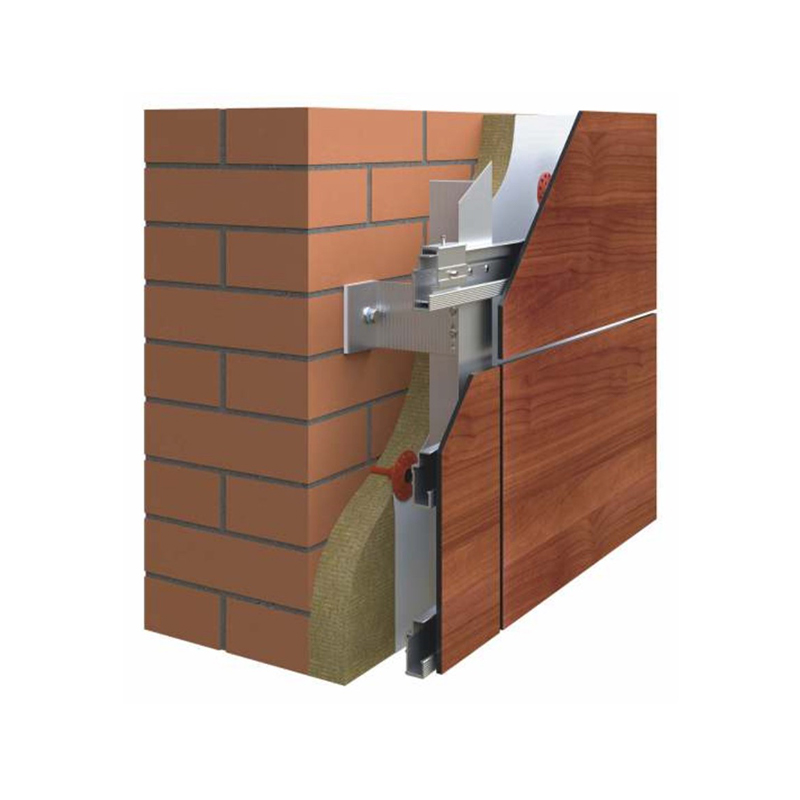
Facade System A0Z-v-20FACING MATERIAL:Fiber cement panels, RockPanels, HPL panelsFIXING:concealed with KEIL anchors, TRAG profile, and hangersMAX FACI...
See Details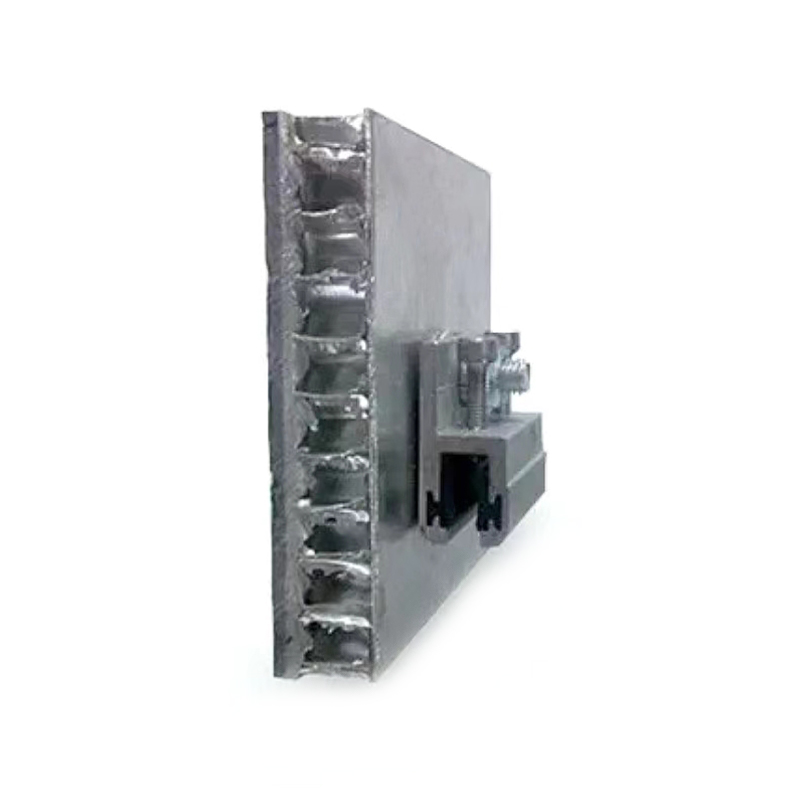
The honeycomb panel pendant mainly consists of the following accessories:Pendant body: This is the core part of the pendant, which is usually made of ...
See Details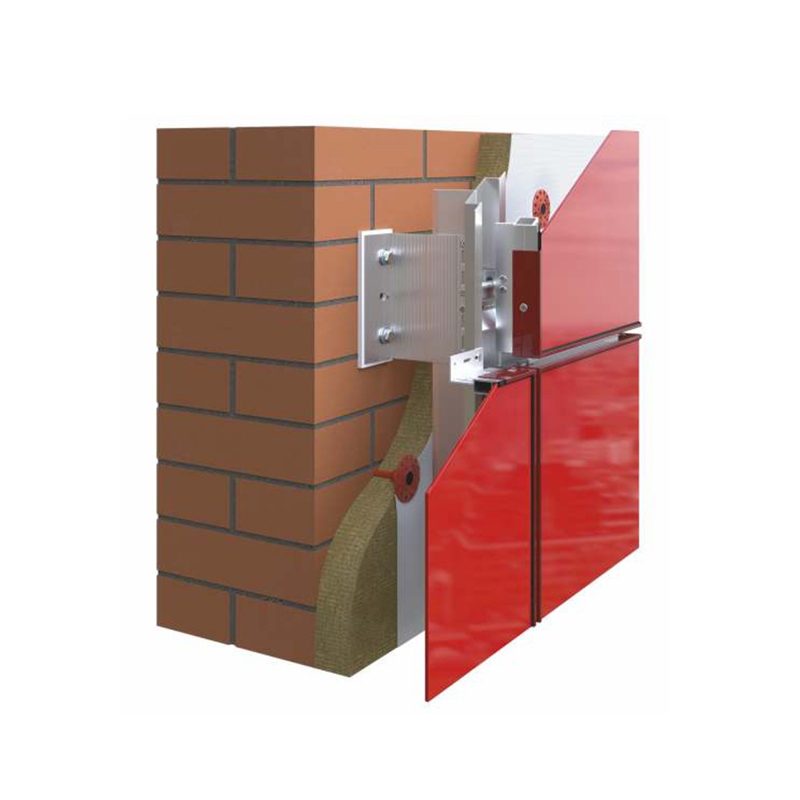
Facade System A0Z-v-300FACING MATERIAL:Tempered glass and stimulate 4 to 8 mm thickFIXING:Concealed with latches (slide holders and cassette hangers),...
See Details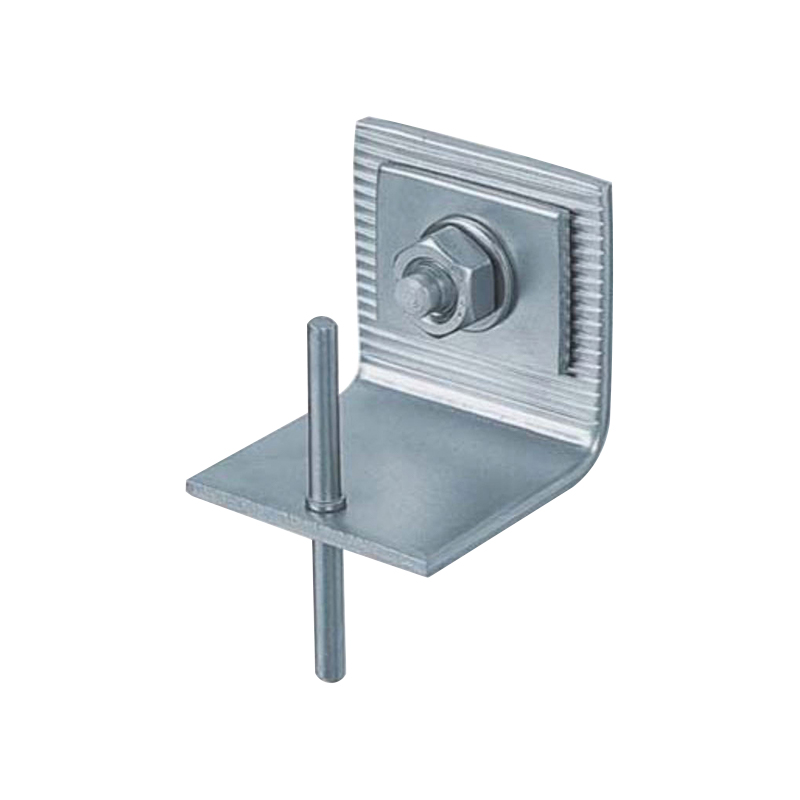
● Material: Stainless Steel 1.4301 IA2| & 1.4401 [A41]● The table above is prepared according to the DIN 18516 standard● Loads stated are working ...
See Details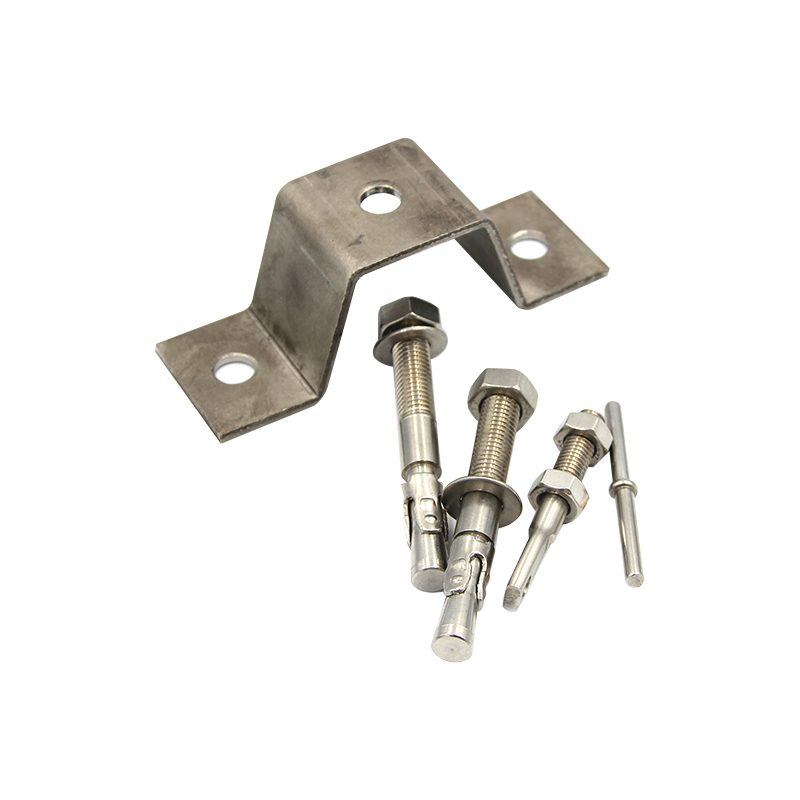
Fixing systems can accommodate all types of backing structures, whether it may be concrete walls, block work & masonry walls, or steel structures....
See Details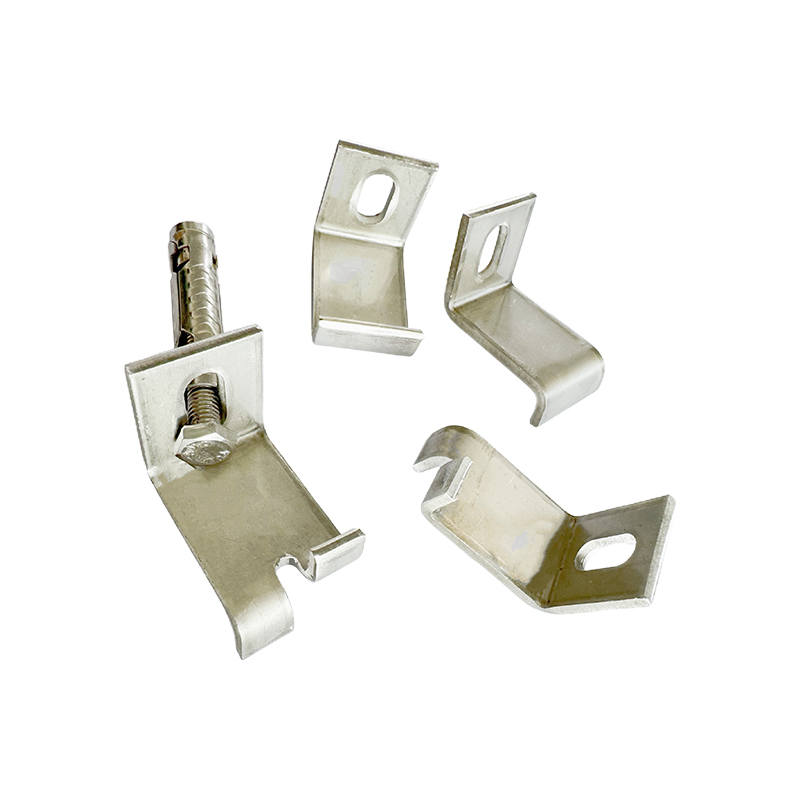
The Stone Fixing Cladding Metal Down Anchor Bracket is a precision-engineered structural component designed for the secure secondary support of natura...
See Details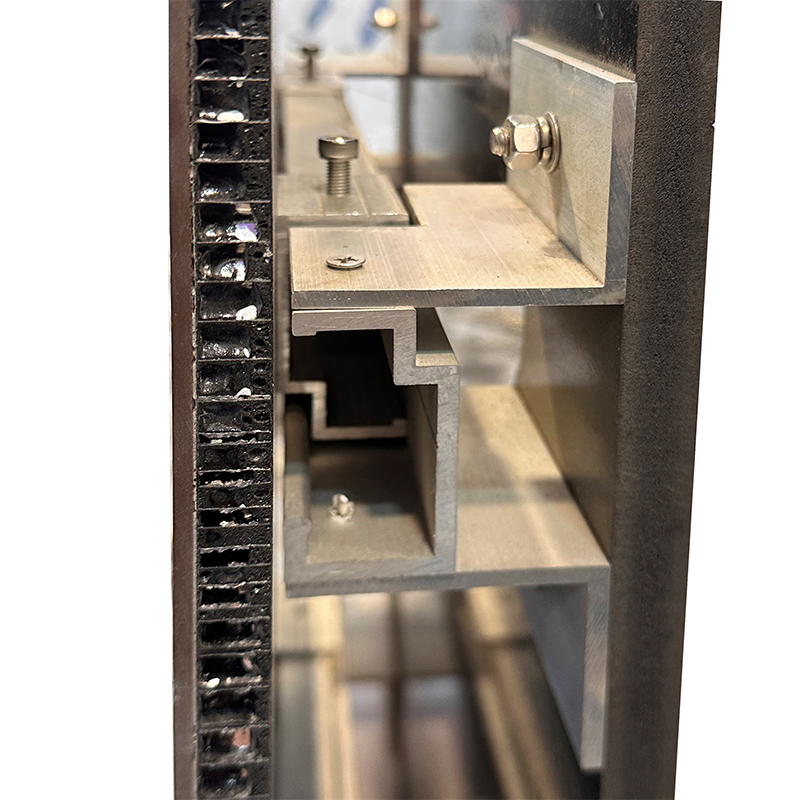
The honeycomb panel pendant mainly consists of the following accessories:Pendant body: This is the core part of the pendant, which is usually made of ...
See Details
We will wholeheartedly provide you with high quality products, reasonable price, on-time delivery and attentive service.
Maoshan Taiwan Business Industrial Park, Dinan Town, Xinghua City, Jiangsu Province, China

+86-523-82799922

+86-15996094444

+86-523-82799933


Copyright © Jiangsu Aozheng Metal Products Co., Ltd. All Rights Reserved.
 English
 русский
 Español
 عربى
عربى

Contact Us