-
 Tel:
Tel:+86-15996094444
-
 E-mail:
INQUIRE NOW
+86-15996094444
INQUIRE NOW

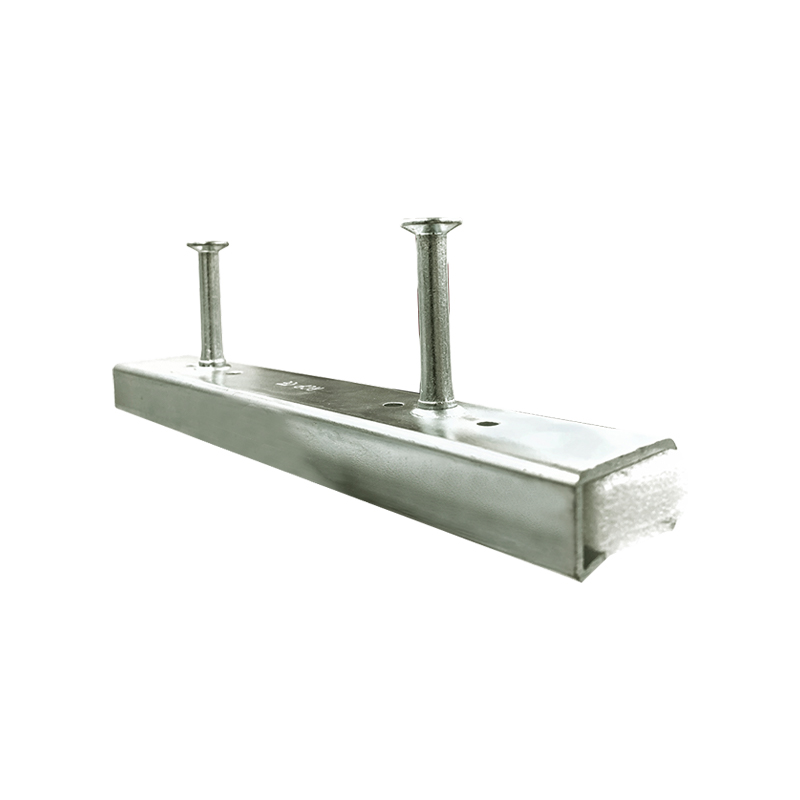
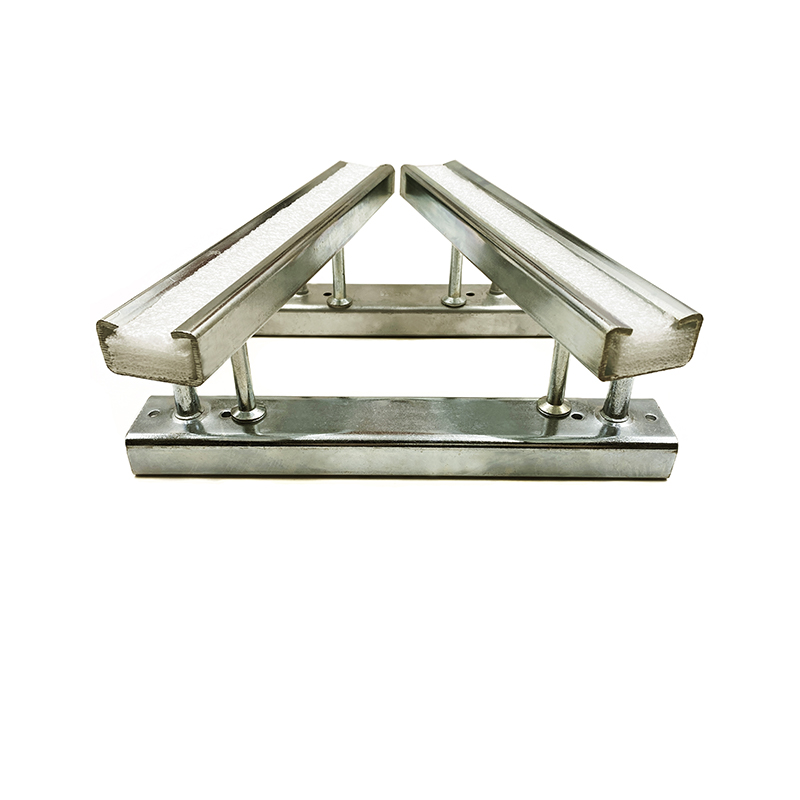
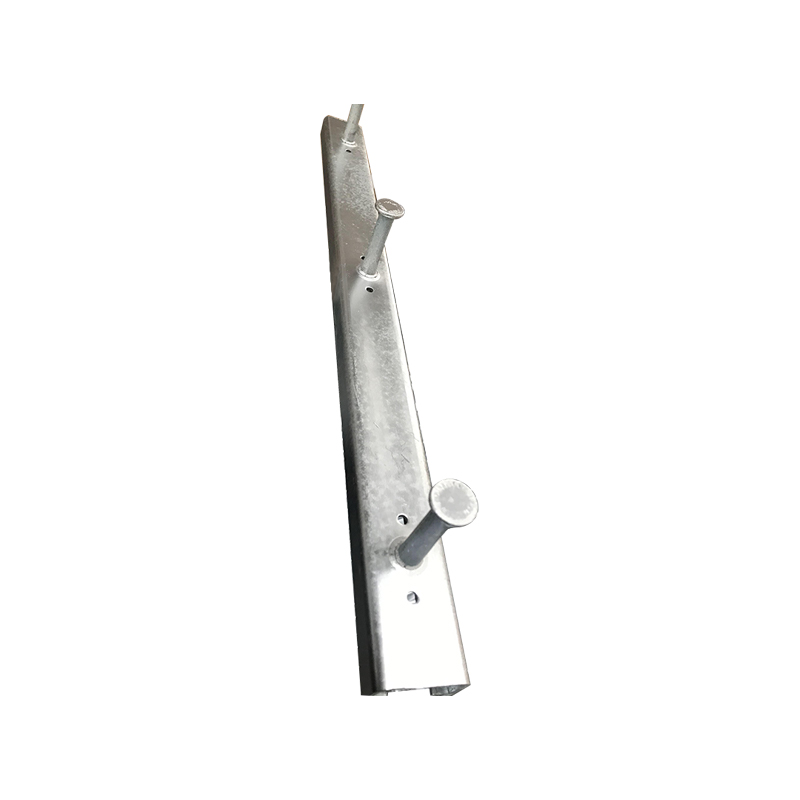
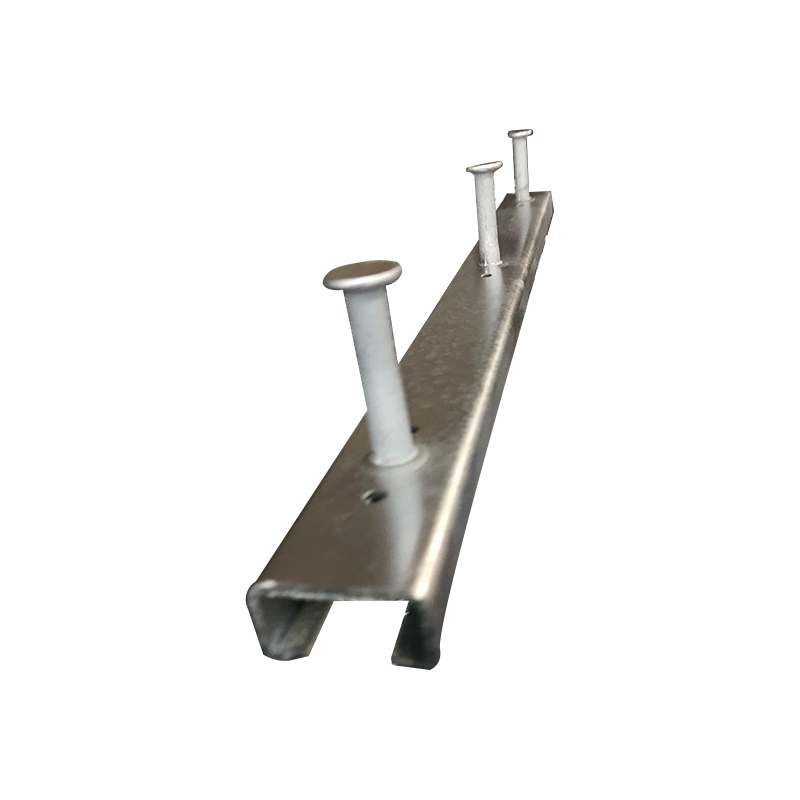
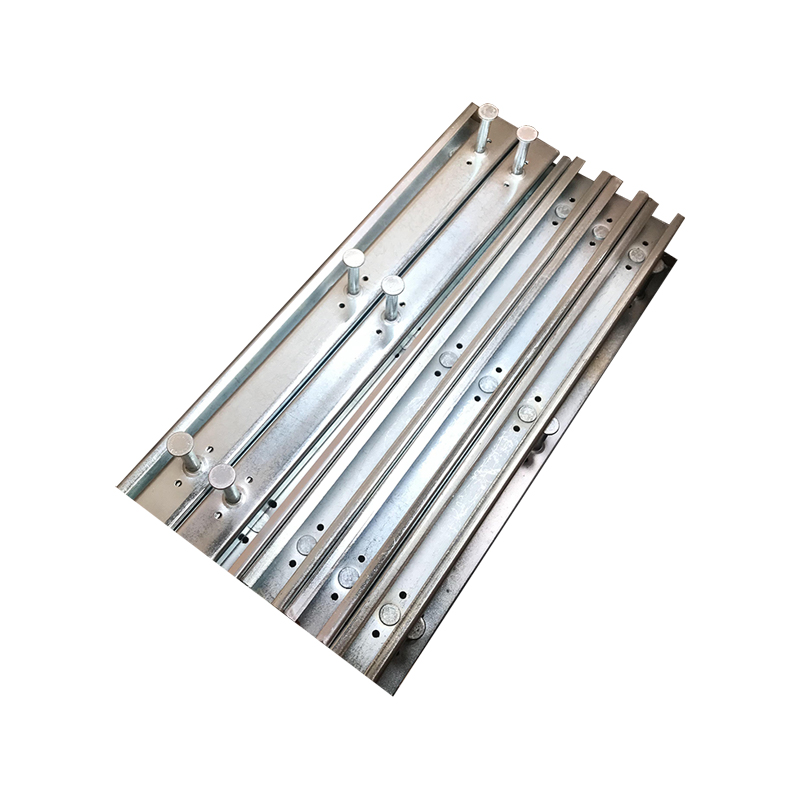
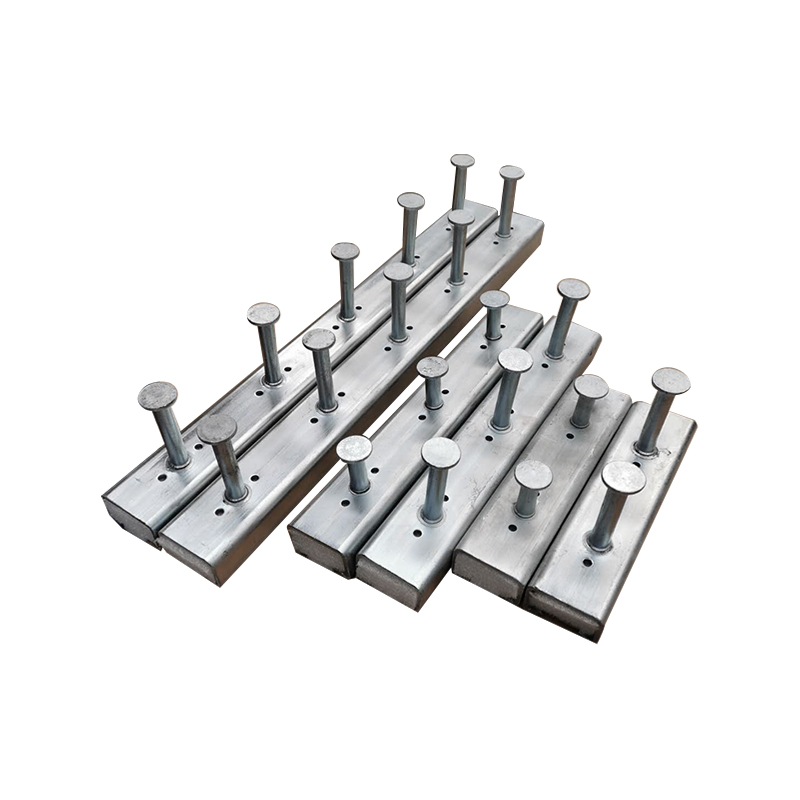
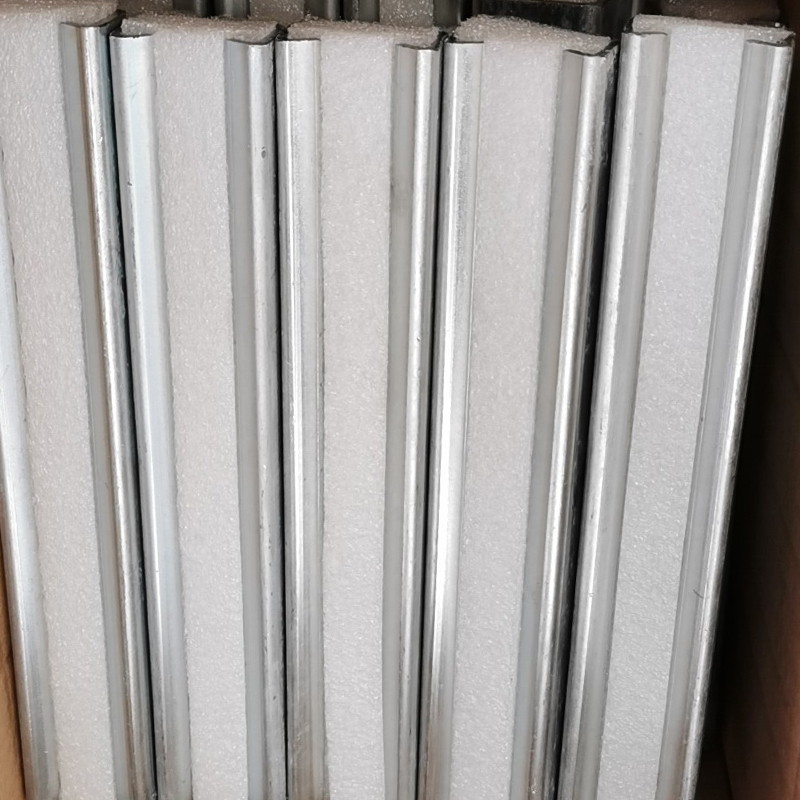
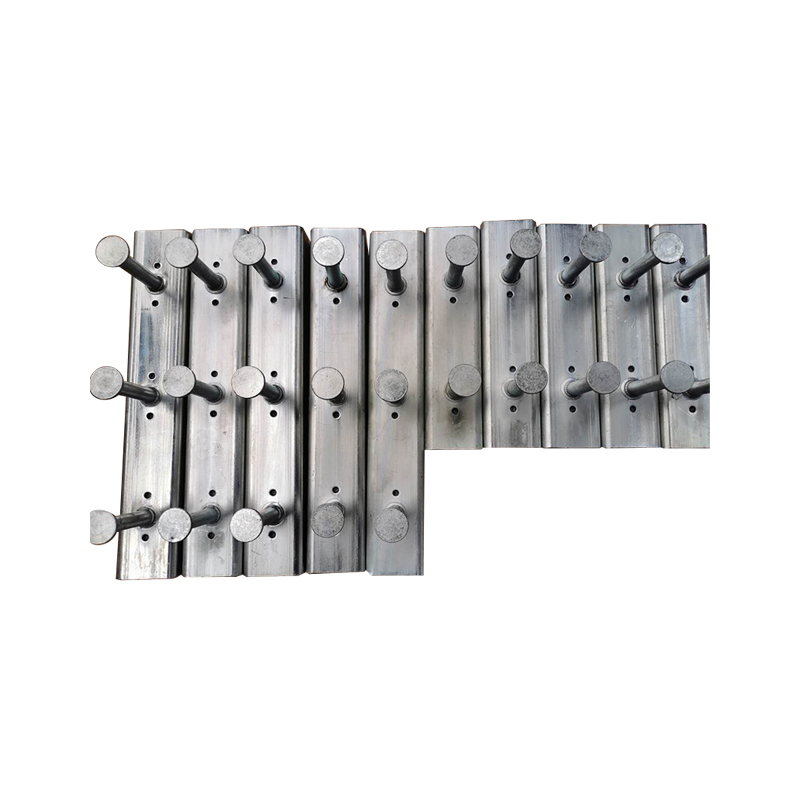
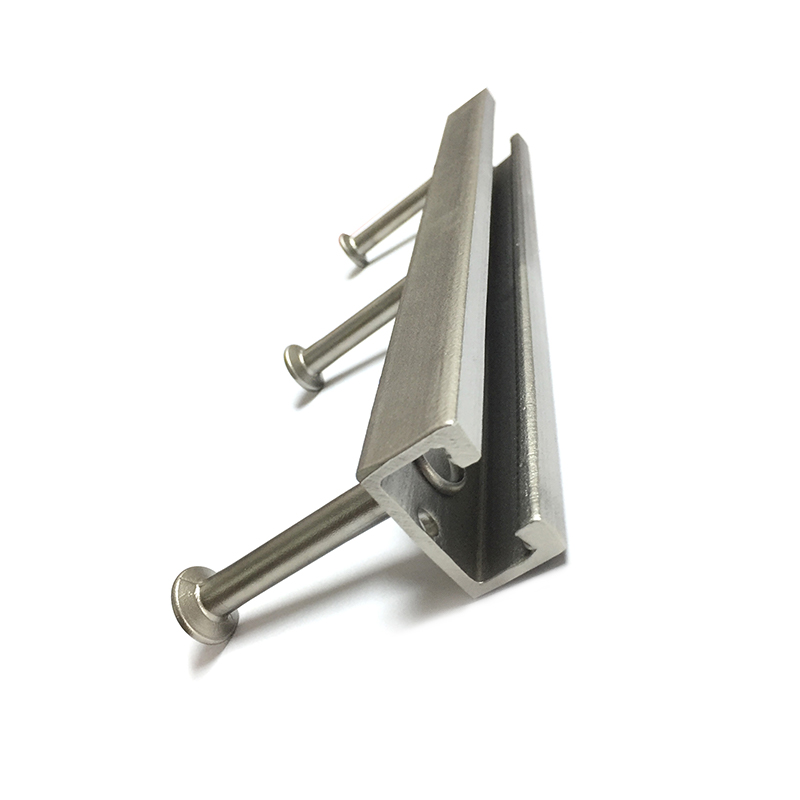
The GI Cast In Channel is a robust, pre-engineered anchorage solution designed for embedding in concrete during the initial pour. Its primary function is to provide a reliable, adjustable fixing point for subsequent connections without the need for drilling or complex on-site fabrication. This system facilitates the secure attachment of curtain walls, pipe hangers, and other structural components, offering a streamlined and efficient construction process. Adherence to strict manufacturing standards ensures consistent quality and dependable performance.
This product is specifically engineered for high-load scenarios, reducing the risk of structural failure and enhancing overall project safety. The use of galvanized iron as the core material provides a durable and maintenance-free solution, crucial for long-term installations in corrosive environments. The GI Cast In Channel represents a critical component in modern construction, offering a high-performance alternative to traditional embedment plates.
| Product Series | Material | Finish |
| GIC-41/22 | Galvanized Iron | Hot-Dip Galvanized |
| GIC-41/41 | Galvanized Iron | Hot-Dip Galvanized |
| GIC-52/34 | Galvanized Iron | Hot-Dip Galvanized |
The GI Cast In Channel is a versatile solution applicable across various industrial and commercial construction sectors:
The GI Cast In Channel offers significant advantages in both efficiency and structural integrity. Unlike post-pour drilling, which can compromise concrete strength by creating micro-cracks and requires specialized equipment, our channel is cast directly into the concrete, providing a monolithic and high-strength connection. This method eliminates the need for on-site drilling, reducing labor time and associated risks. For specific load-bearing comparisons based on your project requirements, our technical team can provide a detailed analysis.
Our GI Cast In Channel is manufactured from galvanized iron, with a standard hot-dip galvanization process that provides a robust protective zinc coating. This coating acts as a sacrificial barrier, protecting the steel base from rust and corrosion even when exposed to moisture and chemical agents. The thickness and uniformity of this layer are tested to meet industry standards. However, for highly aggressive chemical environments, we recommend a consultation to determine if a specialized coating or material is required to meet your project's specific needs.
|
Identification values
|
||||||||||||
|
Profile
|
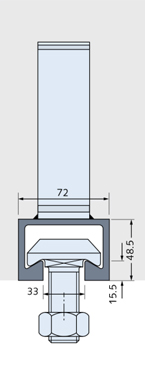
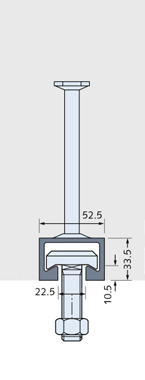
72/48
|
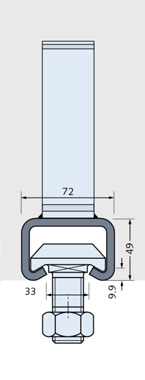
72/49
|
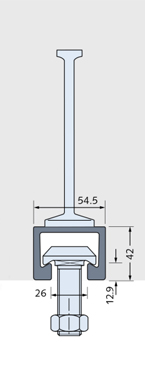
55/42
|
52/34
|
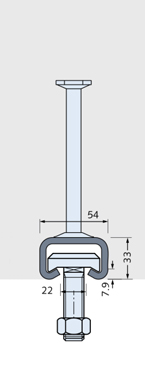
54/33
|
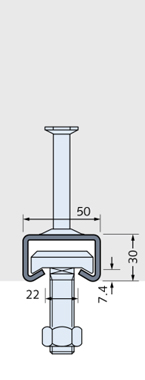
50/30P
|
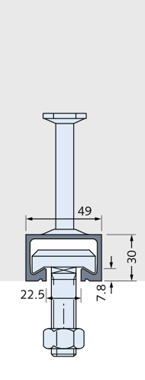
49/30
|
40/22P
|
40/25
|
38/17
|
HTA-CE 28/15
|
|
|
Type
|
hot-rolled
|
cold-rolled
|
hot-rolled
|
hot-rolled
|
cold-rolled
|
hot-rolled
|
cold-rolled
|
hot-rolled
|
cold-rolled
|
cold-rolled
|
cold-rolled
|
|
|
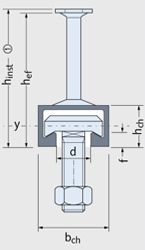
Geometry
HALFEN Channels HTA-CE
|
 |
 |
 |
 |
 |
 |
 |
 |
 |
 |
 |
|
|
Note: observe the installation height hinst
|
||||||||||||
 |
||||||||||||
|
Material
|
Steel
|
|||||||||||
|
A4
|
||||||||||||
|
HCR
|
||||||||||||
|
Bolts
|
72/48
|
72/48
|
50/30
|
50/30
|
50/30
|
50/30
|
50/30
|
40/22
|
40/22
|
38/17
|
HS 28/15
|
|
|
Threads
|
M20 - M30
|
M20 - M30
|
M10 - M20
|
M10 - M20
|
M10 - M20
|
M10 - M20
|
M10 - M20
|
M10 - M16
|
M10 - M16
|
M10 - M16
|
M6 - M12
|
|
|
SSIb [mm]
|
129
|
129
|
109
|
88
|
88
|
98
|
81
|
79
|
65
|
52
|
42
|
|
|
Profile load capacity
|
||||||||||||
|
NRd,s,I [kN]
|
55.6
|
55.6
|
44.4
|
36.1 | 30.6 | 21.7 | 17.2 | 19.4 | 11.1 | 10.0 | 5.0 | |
| VRd,s,I [kN] | 72.2 | 57.8 | 39.7 | 22.4 | ||||||||
| MRd,s,flex [Nm] |
Steel | 7472 | - | 5606 | 2933 | 2595 | 2437 | 1455 | 1208 | 956 | 504 | 276 |
| NR | 7630 | 7493 | - | 2996 | 2595 | 2743 | 1485 | 1358 | 931 | 516 | 282 | |
| Geometry | ||||||||||||
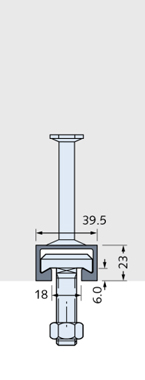
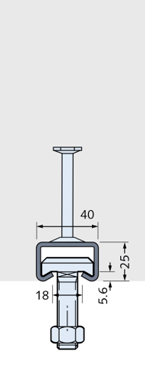
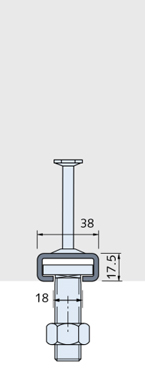
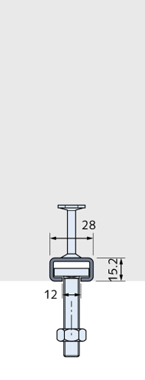
| hinst [mm]①② | (191) | (193) | 182 (185) | 162 (164) | 161 (164) | 112 (161) | 103 (101) | 97 (154) | 89 (89) | 81 (82) | 50 (79) | |
| bch [mm] | 72 | 72 | 54.5 | 52.5 | 54 | 49 | 50 | 39.5 | 40 | 38 | 28.0 | |
| hch [mm] | 48.5 | 49 | 42 | 33.5 | 33 | 30 | 30 | 23 | 25 | 17.5 | 15.25 | |
| ly [mm4] |
Steel | 349721 | 293579 | 187464 | 93262 | 72079 | 52575 | 41827 | 19859 | 20570 | 8547 | 4060 |
| NR | 19859 | 19097 | ||||||||||
| hef [mm] | 179 | 179 | 175 | 155 | 155 | 106 | 94 | 91 | 79 | 76 | 45 | |
| Cmin [mm] | 150 | 150 | 100 | 100 | 100 | 75 | 75 | 50 | 50 | 50 | 40 | |

Anchor Channels
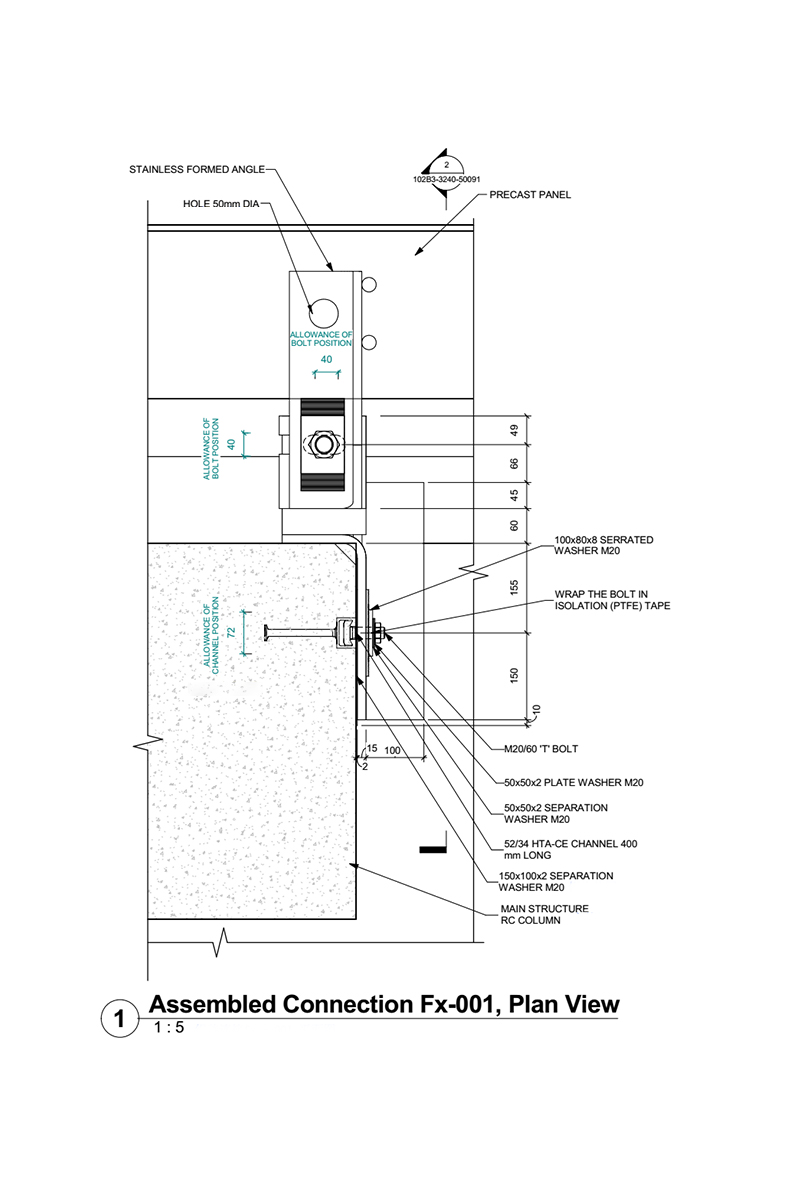
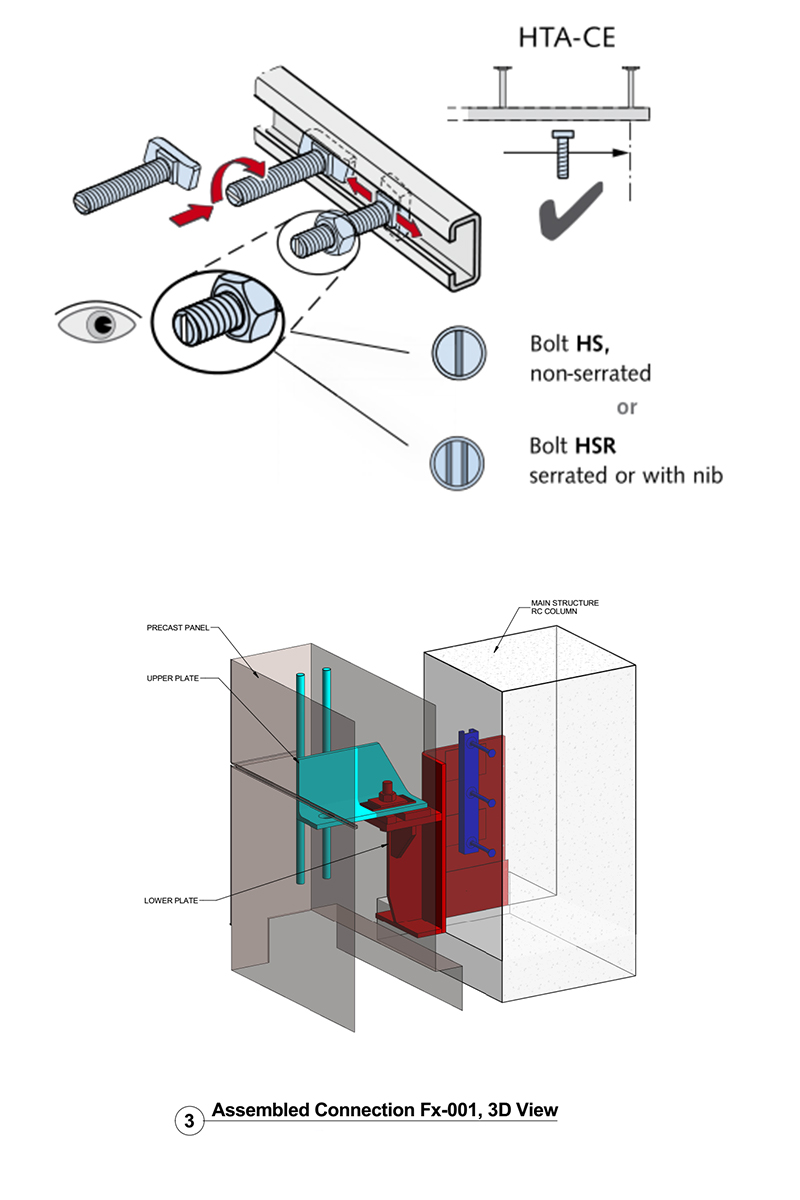
also known as a slot anchor or installation channel, is a component used in construction and structural applications to provide a secure and adjustable anchoring solution. It is commonly used to attach and support various building elements, such as facades, curtain walls, cladding panels, and suspended ceilings.
The anchor channel consists of a metal channel or track that is embedded or attached to a supporting structure, such as concrete or steel. It typically has a U-shaped or C-shaped cross-section, allowing for easy insertion and adjustment of anchor bolts, threaded rods, or other fasteners.
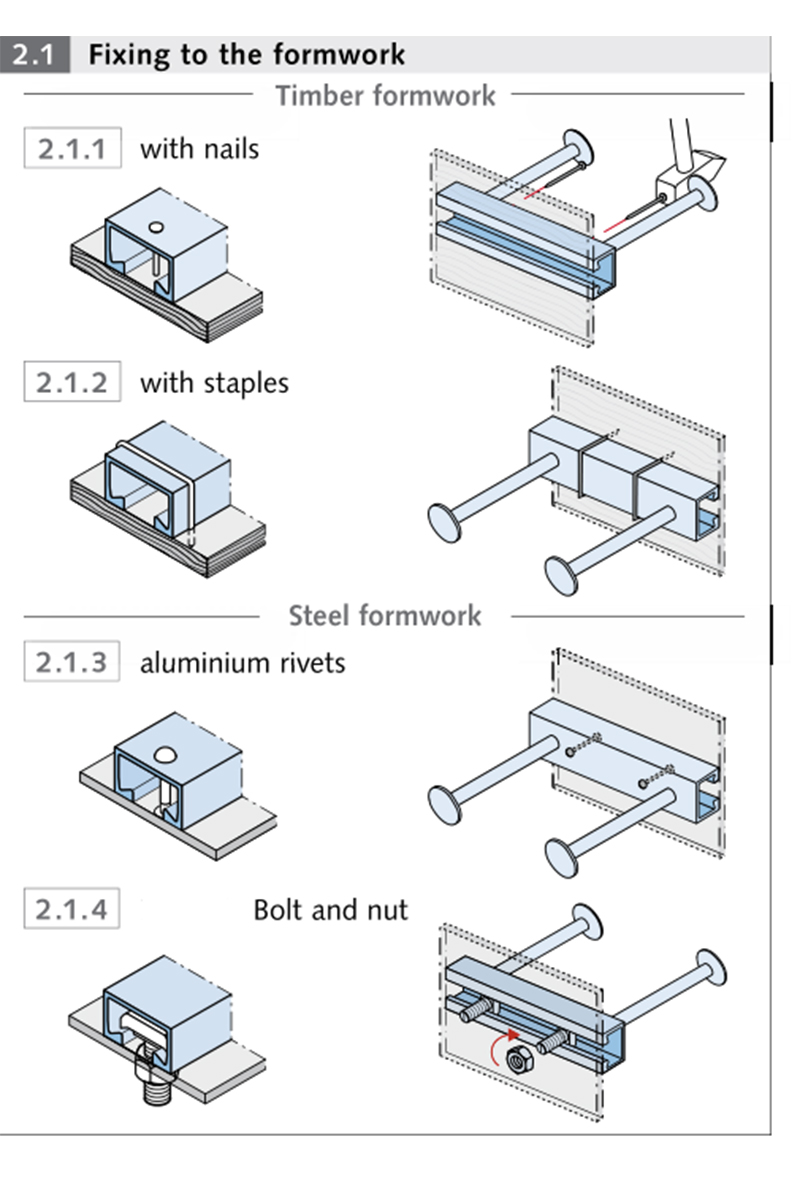
The anchor channel is installed during the construction phase, typically before the exterior finish or cladding is applied. It is securely fixed to the underlying structure using appropriate fasteners, such as concrete screws, adhesive, or welding, depending on the specific application and load requirements.
Once the anchor channel is in place, various building elements can be attached to it using compatible connectors or fasteners. This allows for flexibility in the installation, adjustment, and replacement of these elements if needed.
One of the main advantages of anchor channels is their adjustability. The fasteners or connectors can be easily positioned along the channel, allowing for precise alignment and leveling of the attached elements. This adjustability is particularly useful when dealing with variations in dimensions or alignment during construction.
Anchor channels also provide a high degree of load capacity and stability. The channel's design distributes the load over a larger area, reducing stress concentrations and improving the overall strength of the connection. This makes anchor channels suitable for applications where heavy loads or dynamic forces are involved.
It's important to note that the specific design and features of anchor channels can vary depending on the manufacturer and intended application. Consulting the manufacturer's specifications and guidelines is recommended to ensure proper installation and usage of anchor channels for your specific project requirements.
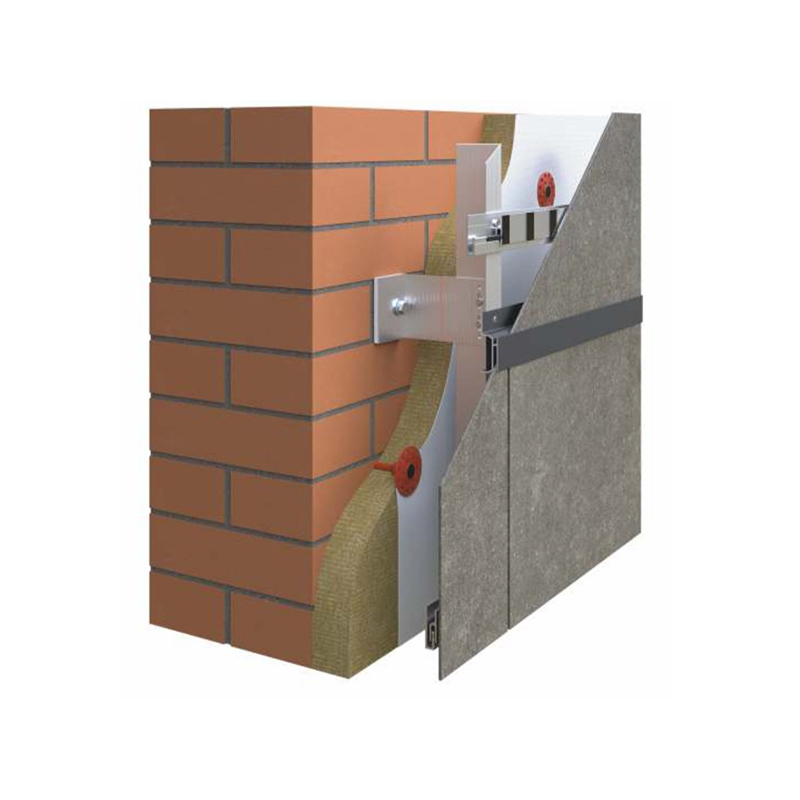
Facade System AOZ-v-300FACING MATERIAL:Large-sized porcelain stoneware tiles 3 to 6 mm thickFIXING:Mixed: visible with mechanically mounted painted ho...
See Details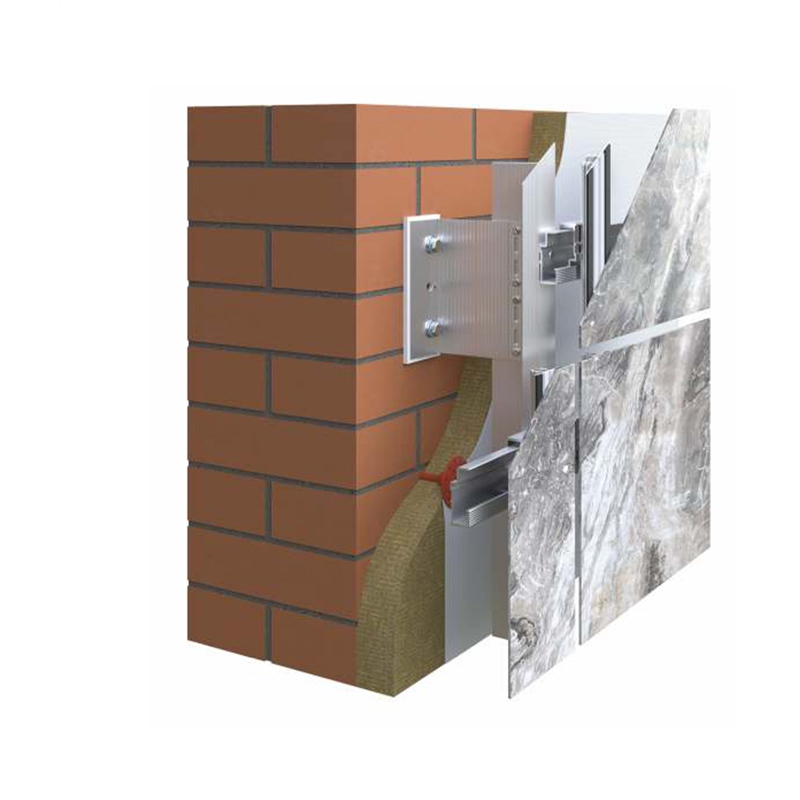
Facade System AOZ-v-300FACING MATERIAL:Tempered glass and stimulate 4 to 8 mm thickFIXING: .Concealed: adhesive binding with M-profile, TRAG profile, ...
See Details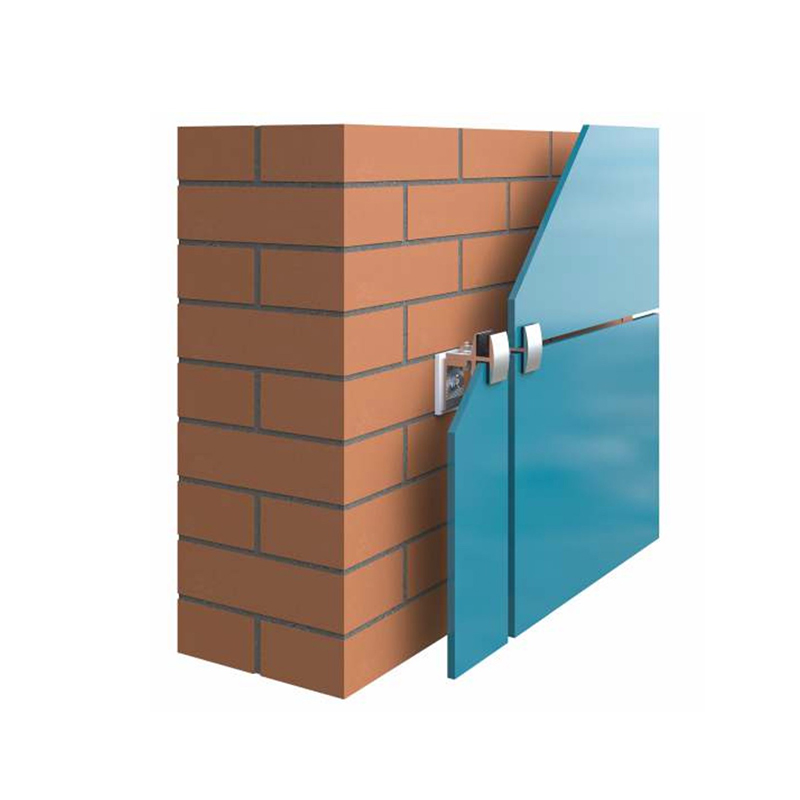
Facade System AOZ-v-300FACING MATERIAL:Tempered glass and stimulate 4 to 8 mm thickFIXING:Visible with clamps with gasketMAX FACING SIZES:1200x2000mm
See Details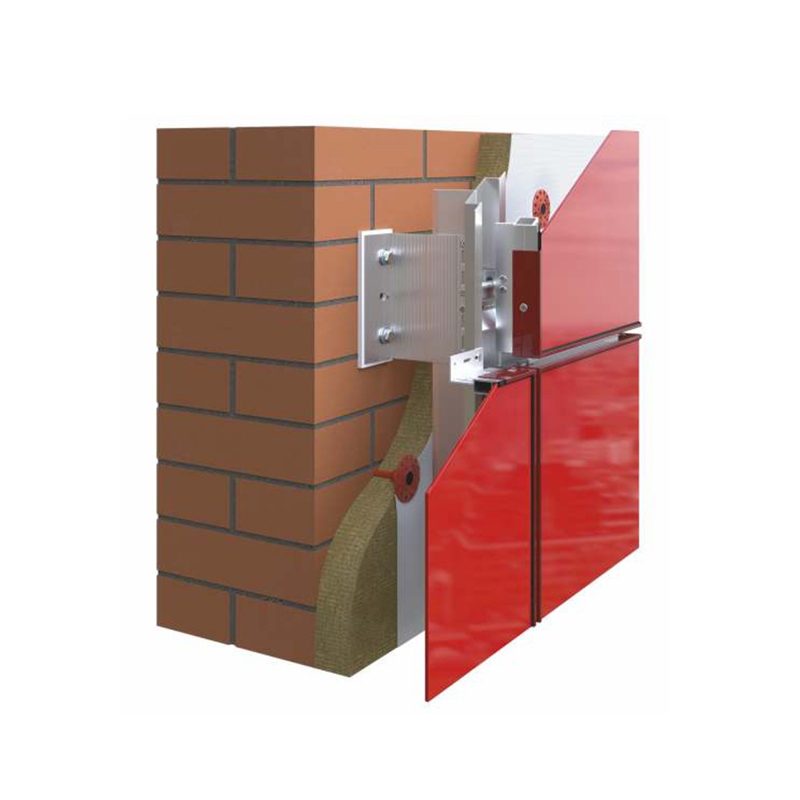
Facade System A0Z-v-300FACING MATERIAL:Tempered glass and stimulate 4 to 8 mm thickFIXING:Concealed with latches (slide holders and cassette hangers),...
See Details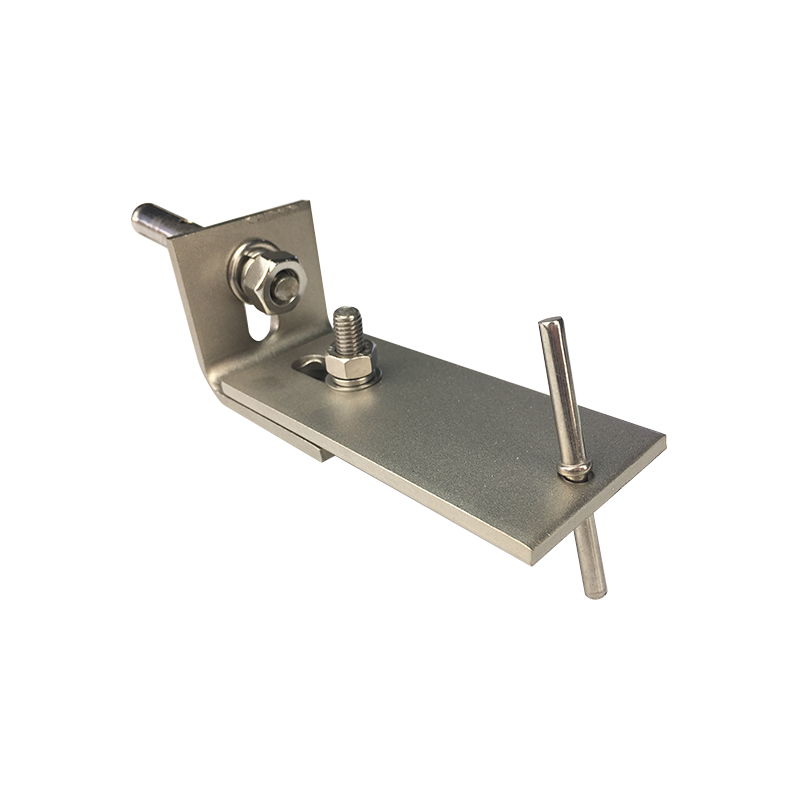
The stainless steel adjustable L-shaped corner code is a practical construction and home accessory. It is made of high-quality stainless steel, which ...
See Details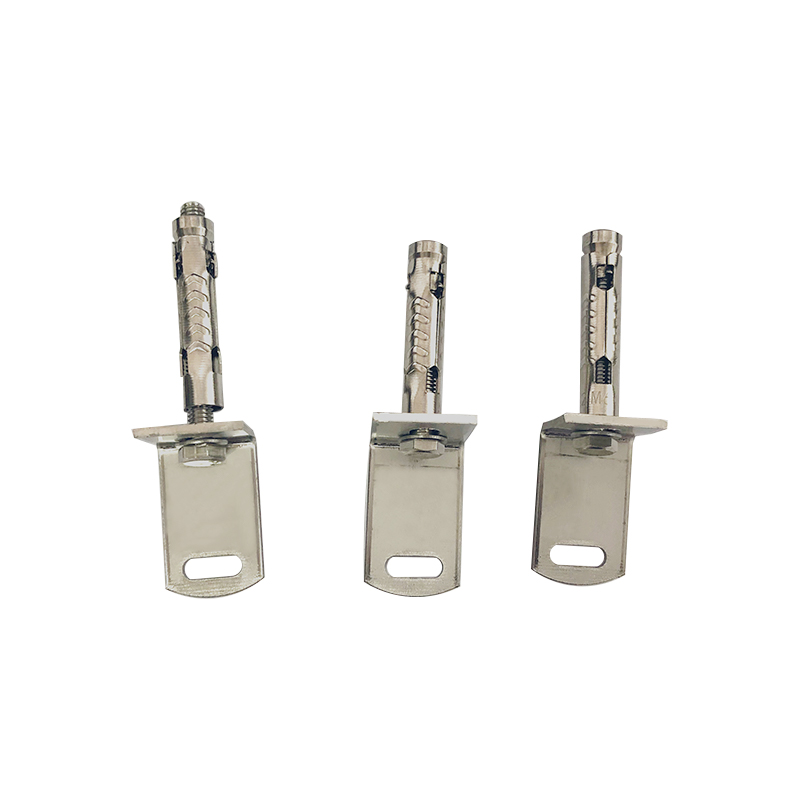
Cladding System L bracket is a supporting and fixing device specially designed for marble corners. With its unique L-shaped design, it provides stable...
See Details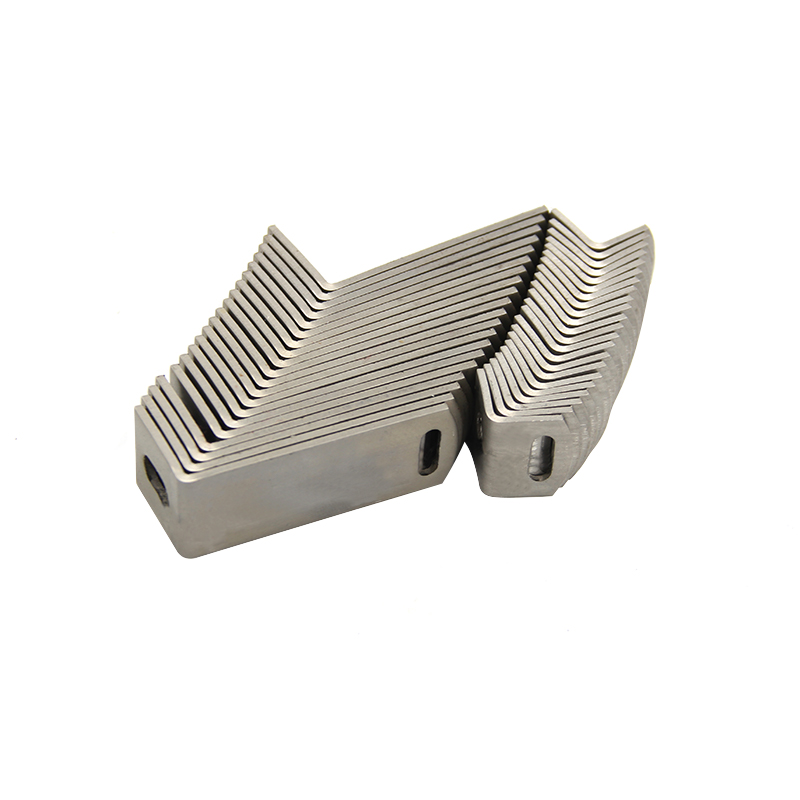
L cladding system Marble clamp is an advanced stone curtain wall fixing system specially used for installing heavy stone panels such as marble. The co...
See Details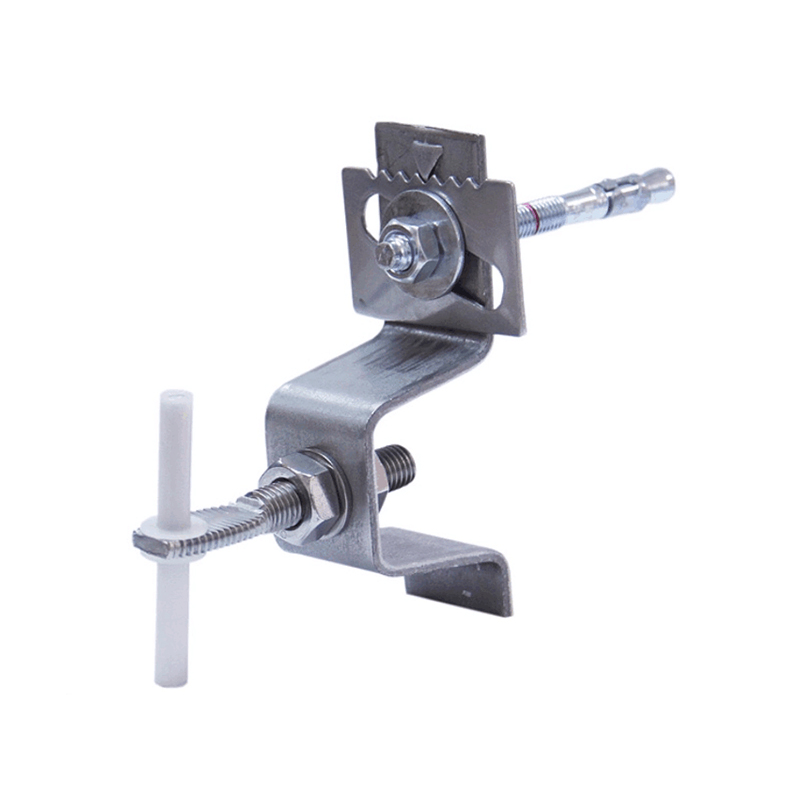
The adjustable Omega bracket is an adjustable bracket specially designed for stone cladding. The emergence of this kind of bracket has greatly improve...
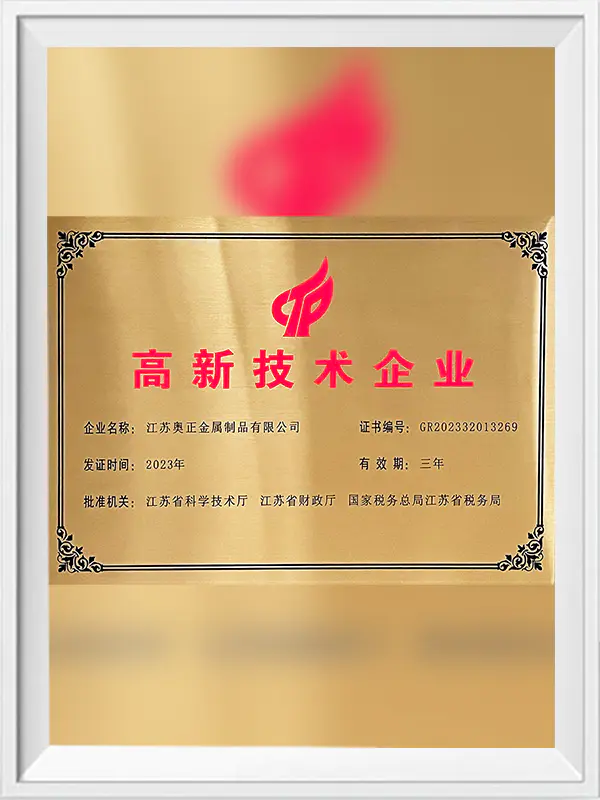
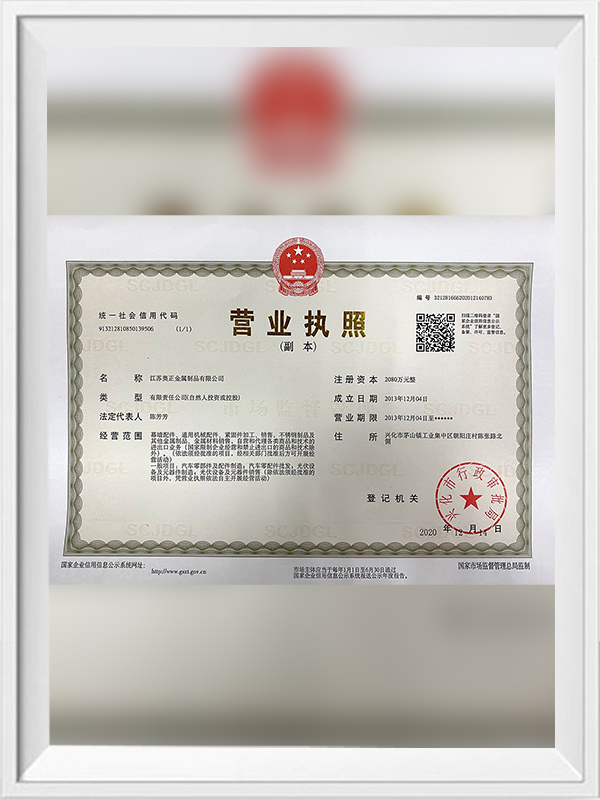
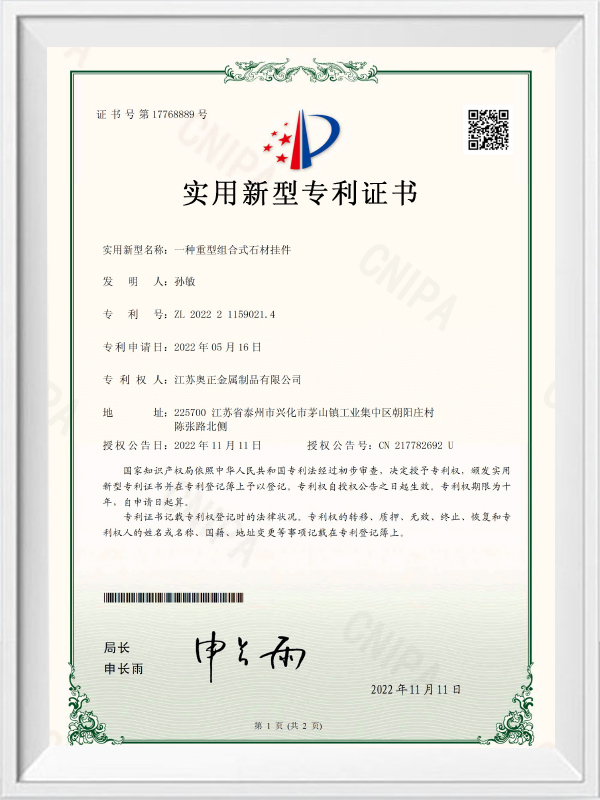
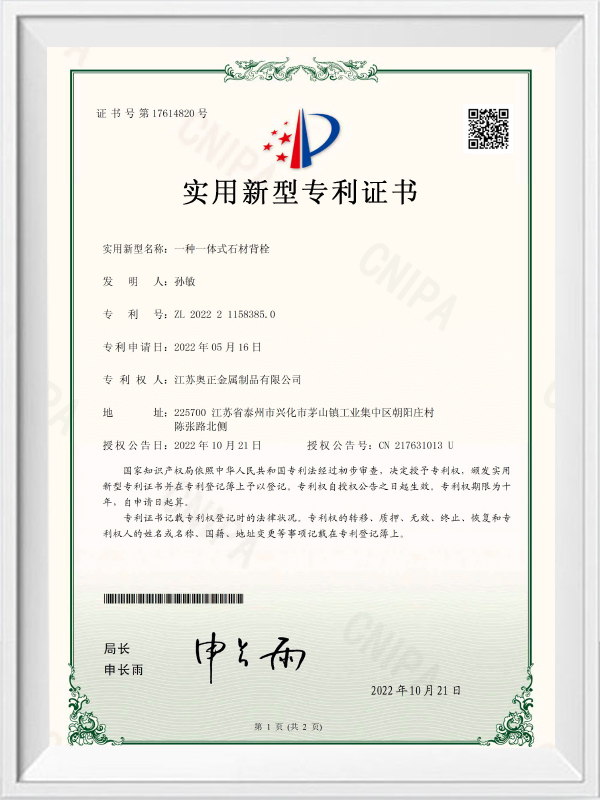
See DetailsJiangsu Aozheng Metal Products Co., Ltd.is a professional industry and trade integrated enterprise, with a modern production plant covering an area of 32,000 square meters. We specialize in the R&D, production and supply of a full range of high-quality construction hardware products. Our core product portfolio includes exterior wall cladding fixing system brackets, C channels, seismic support brackets, anchor bolts, cast-in channels, concrete embedded parts and photovoltaic bracket clamps, which cater to various customized construction and engineering installation requirements. Our products are manufactured from premium raw materials including stainless steel, aluminum alloy, carbon steel and low alloy steel. Equipped with advanced industrial production technologies, we adopt automated cutting, extrusion, stamping, welding, CNC machining and laser processing craftsmanship. Strict standardized production and precise processing procedures are implemented throughout production to ensure stable, reliable and high-standard product quality. Integrating raw material forming and mechanical processing, our factory operates as a large-scale, diversified and professional manufacturing base for construction hardware. Upholding strict quality standards and high-end global market positioning, we achieve an annual production capacity of 8,000 tons of diverse building materials. Our products are widely exported to dozens of countries and regions across the globe, covering the United States, Germany, Italy, Belgium, the United Kingdom, Japan, Australia, Canada, Russia, Central Asia and the Middle East. We have established long-term, stable and strategic cooperative relationships with large construction enterprises and renowned engineering teams worldwide. Supported by superior product quality and professional all-round services, we have become a core and trusted building material supplier for our global partners in China.



Stone cladding rarely fails because the slab itself gives way. In a ventilated facade, the granite or marble panel is often the strongest link; the weak points are the brackets, channels, and anchors...
READ MOREA 30 mm granite panel on a commercial tower weighs roughly 80 kg per square meter. On a 10,000-square-meter facade, that is about 800 tonnes of stone held by metal brackets, anchors and support profi...
READ MOREA 60-meter commercial tower on a coastal site was specified with 30 mm granite panels, but nobody reviewed the bracket system before fabrication. Within eight years, three panels had shifted enough t...
READ MORE
We will wholeheartedly provide you with high quality products, reasonable price, on-time delivery and attentive service.
Maoshan Taiwan Business Industrial Park, Dinan Town, Xinghua City, Jiangsu Province, China

+86-523-82799922

+86-15996094444

+86-523-82799933


Copyright © Jiangsu Aozheng Metal Products Co., Ltd. All Rights Reserved.
 English
 русский
 Español
 عربى
عربى