-
 Tel:
+86-15996094444
-
 E-mail:
INQUIRE NOW
+86-15996094444
INQUIRE NOW

Article Directory
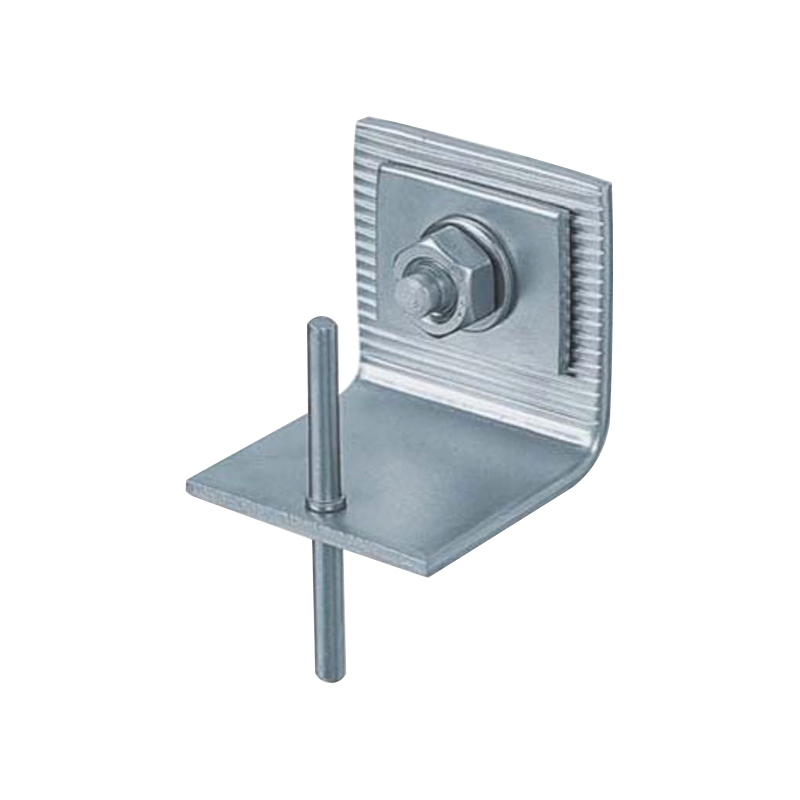
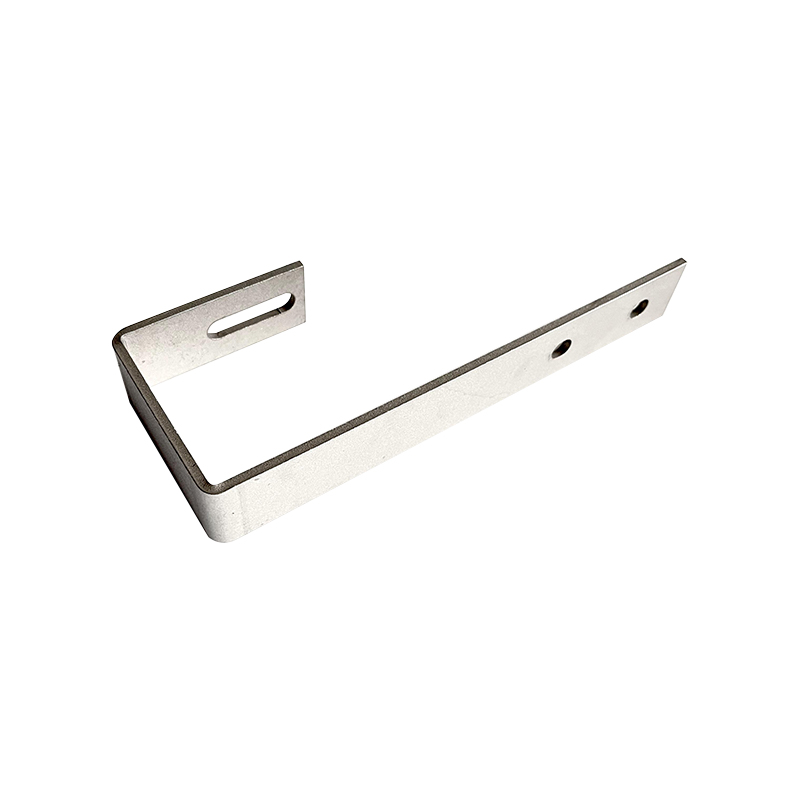
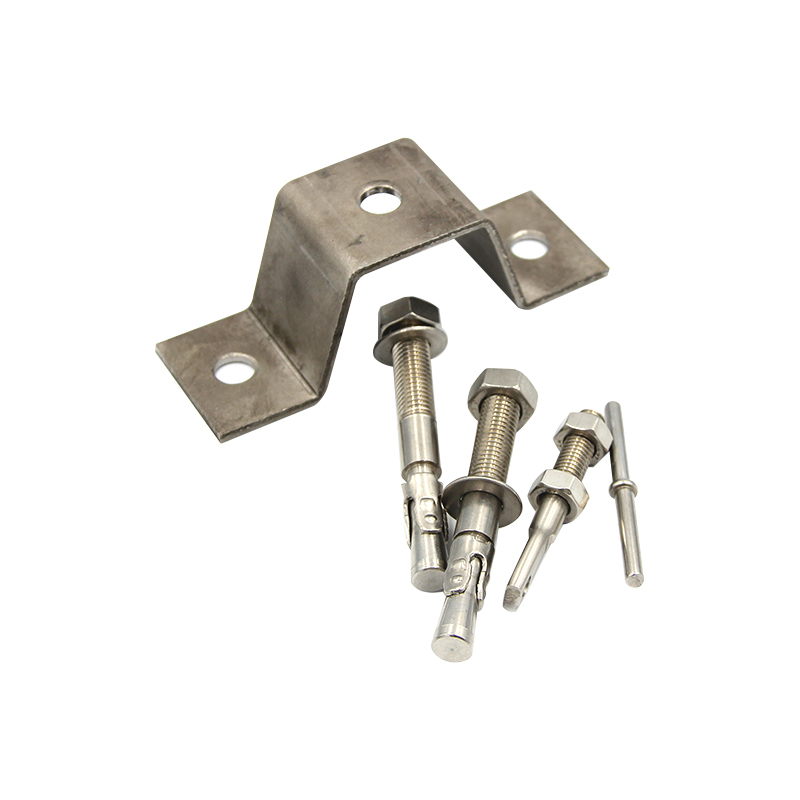
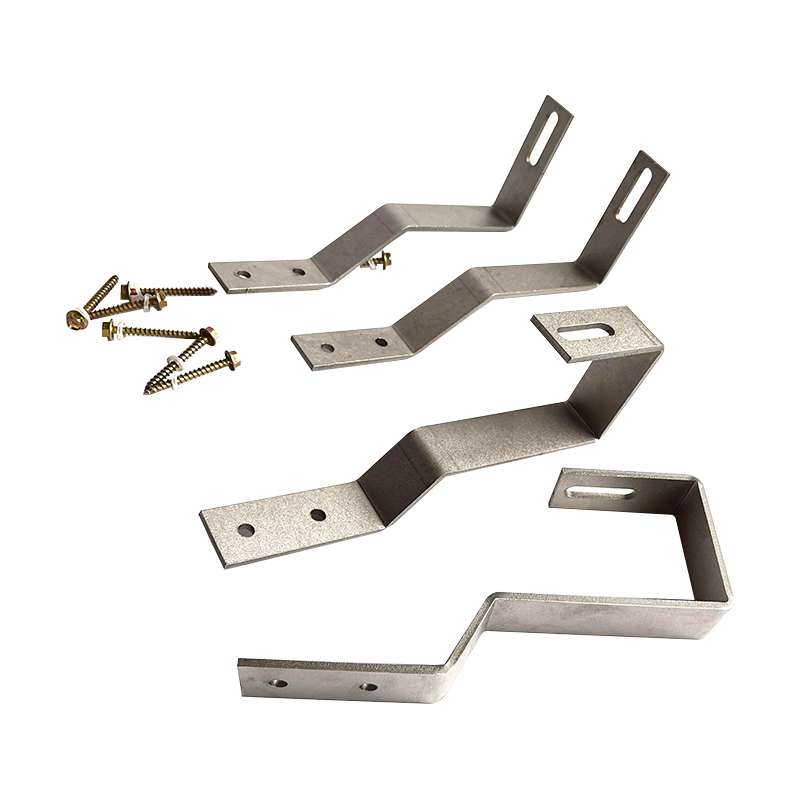
Cladding brackets carry real structural load, which is exactly why the choice between a Stainless Steel Cladding System Bracket and an aluminum equivalent is not just a spec-sheet decision. Strength, weight, corrosion resistance, and thermal movement all behave differently between the two materials, and each difference has real consequences for design, installation, and long-term facade performance. Here is how they actually compare.
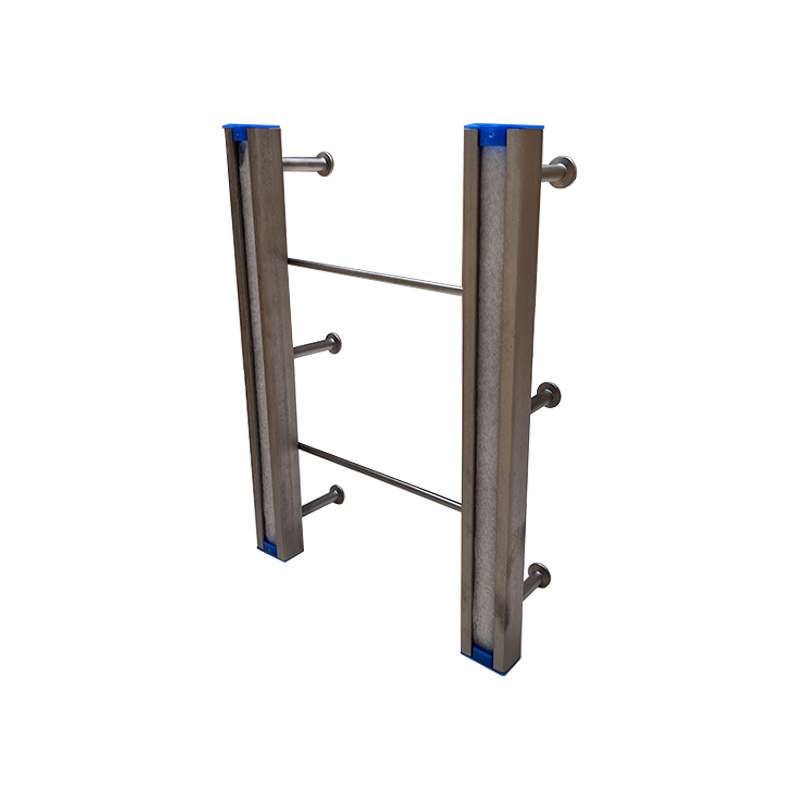
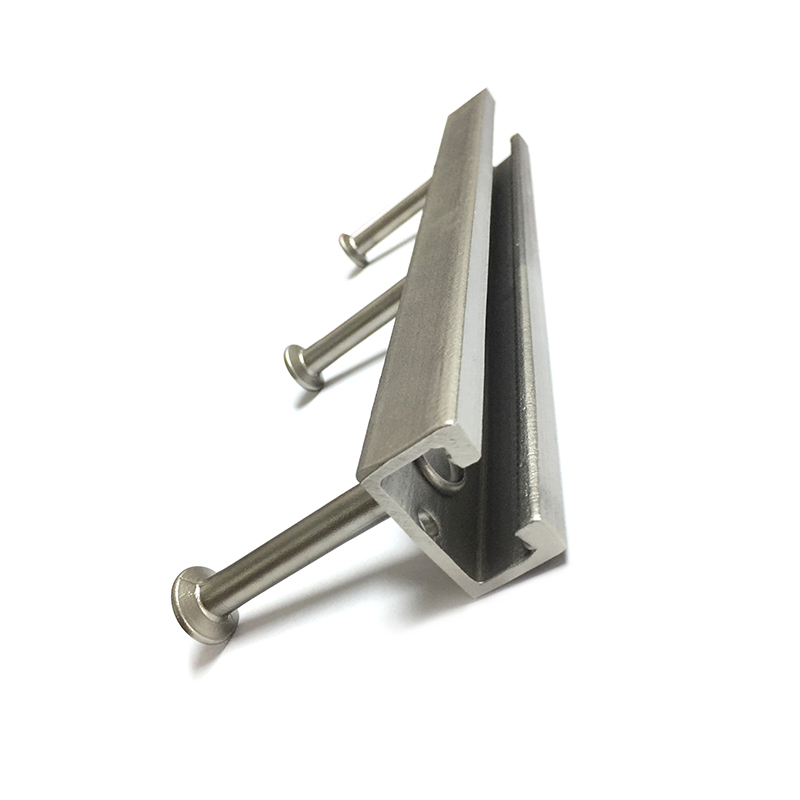
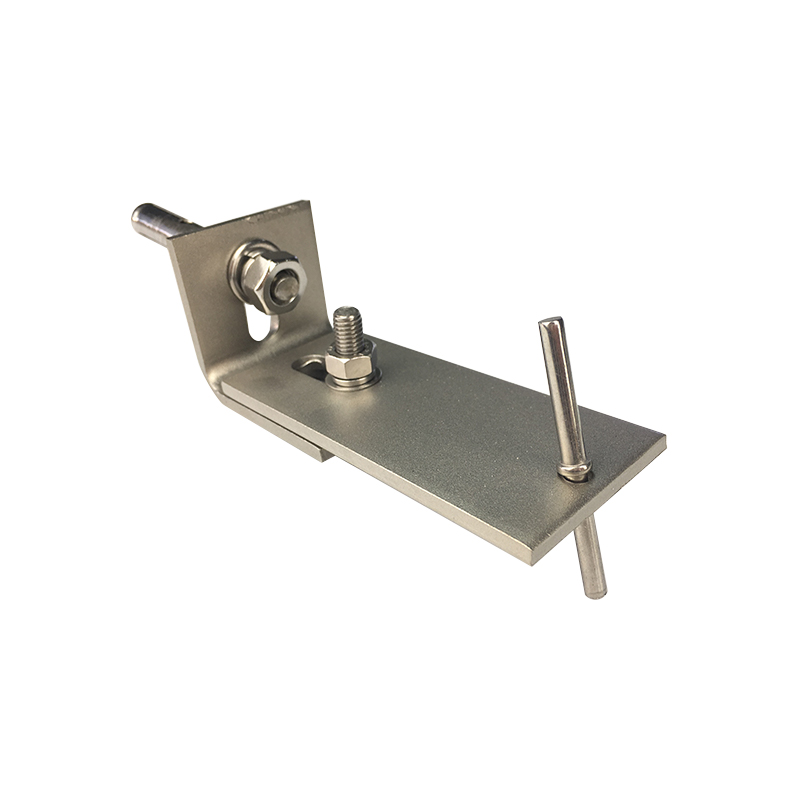
A cladding bracket provides mechanical support for panels, connecting the cladding system to the building's primary structure while keeping panels correctly aligned, vertically and horizontally, as the system settles and moves. It also transfers dead load, wind load, and other design loads back to the building structure, though the actual load capacity in any given system depends on design calculation and the specific bracket specification, not the material alone.
| Property | Stainless Steel | Aluminum |
| Strength & Stiffness | Typically higher | Lower, varies by alloy and section |
| Weight | Heavier | Lighter |
| Corrosion Resistance | Grade-dependent, generally strong | Natural oxide layer offers some protection |
| Thermal Expansion | Lower coefficient | Higher coefficient |
| Typical Cost Position | Higher material cost | Often lower material cost |
None of these differences are absolute. Actual strength depends on bracket geometry and thickness as much as material, and aluminum's corrosion performance depends heavily on alloy selection and environmental exposure, not just the metal category.
Weight is where the two materials diverge most visibly on a job site, and it affects transportation, manual handling, and installation speed across a large facade project.
Relative Weight per Bracket
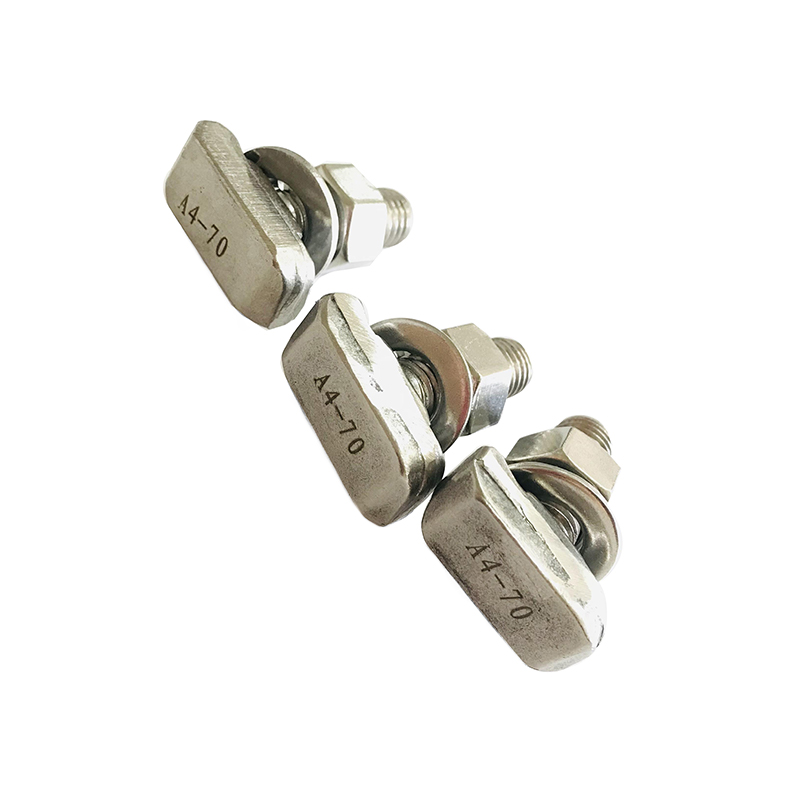
Beyond raw weight, transportation and manual handling logistics scale up fast on larger projects, which is where the lighter material can meaningfully speed up installation. Fastener compatibility matters just as much: mixing dissimilar metals in a wet environment introduces galvanic corrosion risk, so bolts, screws, and anchors need to be selected with that in mind, not just for mechanical fit. Bracket design also has to integrate with the specific panel type, subframe, and required adjustment range, which is a system-level decision, not purely a material one.
Material grade and traceability matter as much as the bracket design itself, stainless steel grade or aluminum alloy, material certificates, and batch traceability should all be verifiable. Dimensional accuracy, load testing, welding quality, and surface treatment are worth confirming directly, and a supplier able to support custom dimensions, configurations, and hole patterns is generally better positioned for project-specific facade systems.
Judging purely on material strength ignores that bracket geometry, thickness, and connection method all affect real-world performance just as much. Choosing aluminum only because it is lighter skips the load and environmental evaluation that should drive the decision. Ignoring galvanic corrosion risk when dissimilar metals meet in a wet environment is a common and avoidable oversight, and comparing material price instead of total project cost, fabrication, installation, and maintenance included, tends to produce a worse decision than it looks like on paper.
Neither material wins outright. A Stainless Steel Cladding System Bracket generally offers higher strength and strong corrosion resistance when the right grade is specified, while aluminum brackets simplify weight and handling. The right choice depends on building load, environmental exposure, weight constraints, thermal movement, connection design, and project budget, evaluated together rather than any single factor in isolation.
Generally yes for equivalent sizing, but actual strength also depends on bracket geometry, thickness, and section design, not material alone.
They can, but direct contact between dissimilar metals in a wet environment introduces galvanic corrosion risk, so isolation measures or compatible fasteners are needed.
Aluminum's natural oxide layer offers some protection, but performance in coastal or industrial atmospheres still depends on alloy selection and should be evaluated for the specific environment.
For large facade systems, differing thermal expansion between materials affects panel and bracket movement, so it needs to be accounted for in the connection design, not just the material choice.

We will wholeheartedly provide you with high quality products, reasonable price, on-time delivery and attentive service.
Maoshan Taiwan Business Industrial Park, Dinan Town, Xinghua City, Jiangsu Province, China

+86-523-82799922

+86-15996094444

+86-523-82799933


Copyright © Jiangsu Aozheng Metal Products Co., Ltd. All Rights Reserved.
 English
 русский
 Español
 عربى


Contact Us